预约演示
更新于:2026-10-16
Roche Holding AG
更新于:2026-10-16
概览
标签
肿瘤
免疫系统疾病
皮肤和肌肉骨骼疾病
小分子化药
单克隆抗体
双特异性T细胞结合器
疾病领域得分
一眼洞穿机构专注的疾病领域

技术平台
公司药物应用最多的技术
靶点
公司最常开发的靶点
关联
靶点 |
作用机制 |
在研机构 |
原研机构 |
在研适应症 |
非在研适应症 |
最高研发阶段 |
首次获批国家/地区 |
首次获批日期 |

靶点 |
作用机制 |
在研机构 |
原研机构 |
在研适应症 |
非在研适应症 |
最高研发阶段 |
首次获批国家/地区 |
首次获批日期 |

靶点 |
作用机制 |
在研机构 |
原研机构 |
在研适应症 |
非在研适应症 |
最高研发阶段 |
首次获批国家/地区 |
首次获批日期 |

CTIS2025-521544-38-00
A PHASE I, OPEN-LABEL, MULTICENTER, DOSE ESCALATION AND COHORT EXPANSION STUDY OF MINT91 IN COMBINATION WITH OTHER ANTI-CANCER DRUGS IN PATIENTS WITH LOCALLY ADVANCED OR METASTATIC SOLID TUMORS
NCT07867262
A Phase Ib, Multicenter, Open-Label Study Evaluating the Safety, Pharmacokinetics, and Activity of GDC-4198 in Combination With Letrozole, Fulvestrant, or Giredestrant in Patients With Locally Advanced or Metastatic Hormone Receptor-Positive, HER2-Negative Breast Cancer Who Are Sensitive or Resistant to Endocrine Therapy
NCT07681167
A Randomized, Double-Masked, Sham-Controlled Clinical Trial of Intravitreal Faricimab for Chronic Central Serous Chorioretinopathy With or Without Secondary Macular Neovascularization: Study Protocol for a Randomised, Double-Masked Trial

100 项与 Roche Holding AG 相关的临床结果
登录后查看更多信息
登录后查看更多信息
2027-01-01REGULATORY TOXICOLOGY AND PHARMACOLOGY
Applicability of the ICH M7 guidelines for assessing less-than-lifetime exposure to nitrosamine impurities in drug products
Article
作者: Ponting, David J ; Froetschl, Roland ; Felter, Susan P ; Vespa, Alisa ; Puglisi, Raechel ; White, Angela ; Brant, Kelly ; Zeller, Andreas ; McGovern, Timothy J ; Trejo-Martin, Alejandra ; Jolly, Robert A ; Yang, Yi ; Bercu, Joel P ; Mudd, Ashley M ; Lynch, Anthony ; Haas, Bodo
Global regulators identified several data gaps that precluded acceptance of the ICH M7 framework for assessing less-than-lifetime (LTL) exposures to N-nitrosamine (NA) impurities in drug products. Building on prior analyses confirming that NA carcinogenic potency is driven by lifetime cumulative dose, this work addresses additional data gaps on whether: (1) higher daily LTL doses could overwhelm DNA repair; (2) polypharmacy could create unacceptable combined NA exposure; (3) reports of tumors after one/few doses undermine LTL principles; (4) LTL principles hold true for intermittent exposures; and (5) ICH M7 duration tiers and adjustment factors are sufficiently protective for NAs. Comparisons of in vivo mutagenicity data with LTL exposures show large margins of safety, indicating that DNA repair is not overwhelmed, including in the case of polypharmacy. The concern for polypharmacy is further mitigated by data showing reduced carcinogenic potency when exposure occurs later in life. Analyses of studies involving single/few doses demonstrate that these studies involve very high doses that have questionable relevance to human exposures and do not raise a concern for LTL exposures. Finally, conservative safety factors are incorporated into the ICH M7 LTL framework such that these analyses support its application to NA impurities without modification.
2026-12-31mAbs
Self-interaction nanoparticle spectroscopy predicts high-concentration viscosity of therapeutic IgG1 antibodies
Article
作者: Andersen, Nisana ; Luu, Steven ; Stephens, Nicole ; Bol, Karenna ; Mehta, Shrenik ; Heisler, Joel ; Swartz, Trevor ; Kovner, Daniel ; Rude, Erina ; Makowski, Emily ; Ibrahim, Julissa ; Zarzar, Jonathan ; Carter, Paul J. ; Stepurska, Kateryna ; Izadi, Saeed ; Baginski, Tomasz ; Paidi, Santosh Kumar ; O’Connor, Kelly
Predicting high-concentration viscosity of monoclonal antibodies is crucial for their development as therapeutics for subcutaneous delivery, but traditional experimental rheometry methods for assessing viscosity are low-throughput, which limits their utility. This study evaluates self-interaction nanoparticle spectroscopy (SINS) assays - specifically charge-stabilized SINS (CS-SINS) and PEG-stabilized SINS (PS-SINS) - for high-throughput viscosity prediction. We characterized 96 IgG1 antibodies, assessing SINS against in silico descriptors and dynamic light scattering (DLS) data. CS-SINS showed strong correlation with charge, offering limited additional utility. In contrast, PS-SINS provided orthogonal information; integrating it with in silico data and DLS significantly improved random forest model accuracy for binary viscosity classification. PS-SINS measurements in multiple buffers captured complementary information, achieving comparable accuracy without DLS. Importantly, PS-SINS scores exhibited a strong logarithmic relationship with high-concentration viscosity in Fc variants of clinical antibodies (r = 0.72 and r = 0.85 for trastuzumab and omalizumab variants, respectively), suggesting a direct mechanistic link. Furthermore, PS-SINS performed reliably with one column-purified (protein A) samples, supporting its early-stage application. These findings establish PS-SINS as a high-throughput tool to accelerate the developability assessment of antibody candidates.
2026-12-31mAbs
Efficient brain delivery and sustained retention of antibodies via dual targeting of blood–brain barrier and intra-brain proteins
Article
作者: Haraya, Kenta ; Kato, Atsuhiko ; Kawashima, Masashi ; Okuda, Momoko ; Sato, Kazuki ; Noguchi, Yuki ; Shu, Feng ; Hironiwa, Naoka ; Nagaya, Nishiki ; Kuramochi, Taichi ; Yamazaki, Masaki ; Nakagawa, Keitaro
Efficient delivery of therapeutic antibodies to the brain has been increasingly achieved using receptor-mediated transcytosis (RMT) approaches such as transferrin receptor (TfR)-mediated shuttle systems. Moreover, a strategy for enhancing brain retention has recently emerged as a focus of attention to overcome the rapid clearance of TfR shuttles from the brain. Here, we propose a novel approach that combines binding to intra-brain proteins, such as myelin oligodendrocyte glycoprotein (MOG), cell adhesion molecule 3, and chondroitin sulfate proteoglycan 5, for sustained retention in the brain with binding to blood-brain barrier (BBB) proteins, such as TfR and insulin-like growth factor 1 receptor, for enhanced BBB permeability. A mouse pharmacokinetic study demonstrated that the anti-MOG/TfR antibody reached a higher maximum concentration and maintained higher concentrations in the brain for 4 months than anti-MOG and anti-TfR antibodies. In immunohistochemistry and brain 3D-imaging study, the anti-MOG/TfR antibody distributed throughout the whole brain, suggesting it penetrates the BBB across the whole brain parenchyma and is retained there. Finally, this antibody technology was applied to brain delivery of neprilysin, an enzyme that degrades amyloid beta, demonstrating that it can enhance both the brain exposure and the pharmacodynamic effect of the potential therapeutic molecule. In conclusion, the concept of achieving sustained high brain exposure by combining BBB transport with enhanced brain retention was shown to be broadly applicable. This novel antibody technology platform is expected to deliver and retain various therapeutic molecules efficiently within the brain, addressing critical challenges in drug development for the central nervous system.
100 项与 Roche Holding AG 相关的药物交易
登录后查看更多信息
100 项与 Roche Holding AG 相关的转化医学
登录后查看更多信息
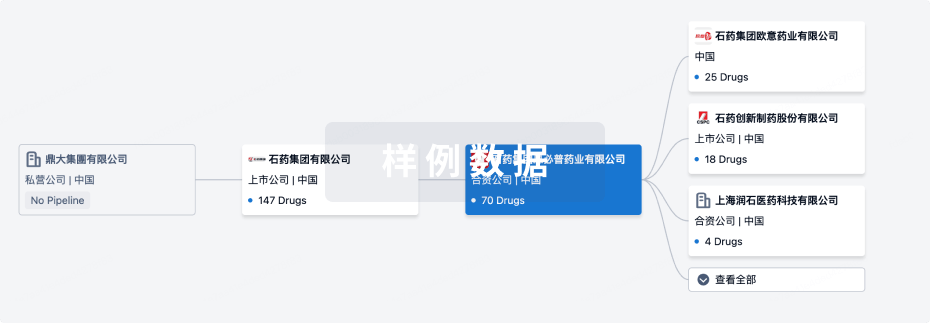
组织架构
使用我们的机构树数据加速您的研究。
登录
或
管线布局
2026年10月27日管线快照
管线布局中药物为当前组织机构及其子机构作为药物机构进行统计,早期临床1期并入临床1期,临床1/2期并入临床2期,临床2/3期并入临床3期
药物发现
82
249
临床前
临床申请
1
1
临床申请批准
临床1期
93
76
临床2期
临床3期
28
3
申请上市
批准上市
84
1005
其他
登录后查看更多信息
当前项目
登录后查看更多信息
药物交易
使用我们的药物交易数据加速您的研究。
登录
或
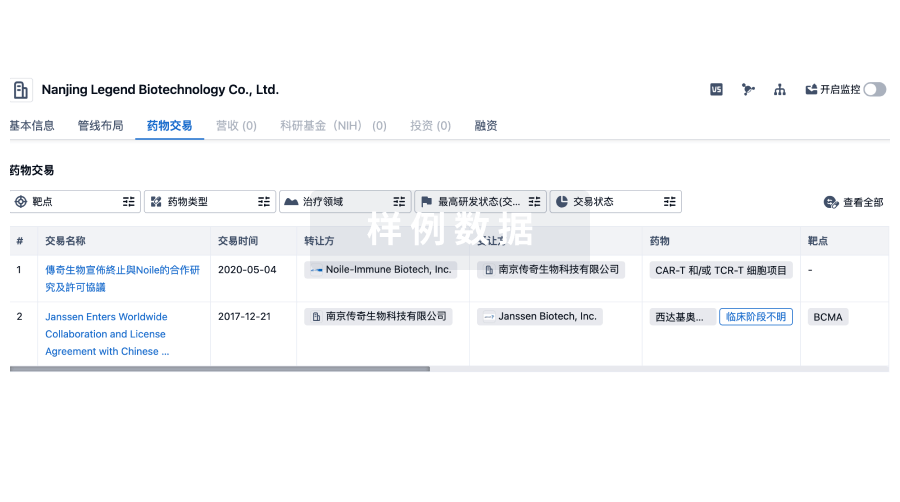
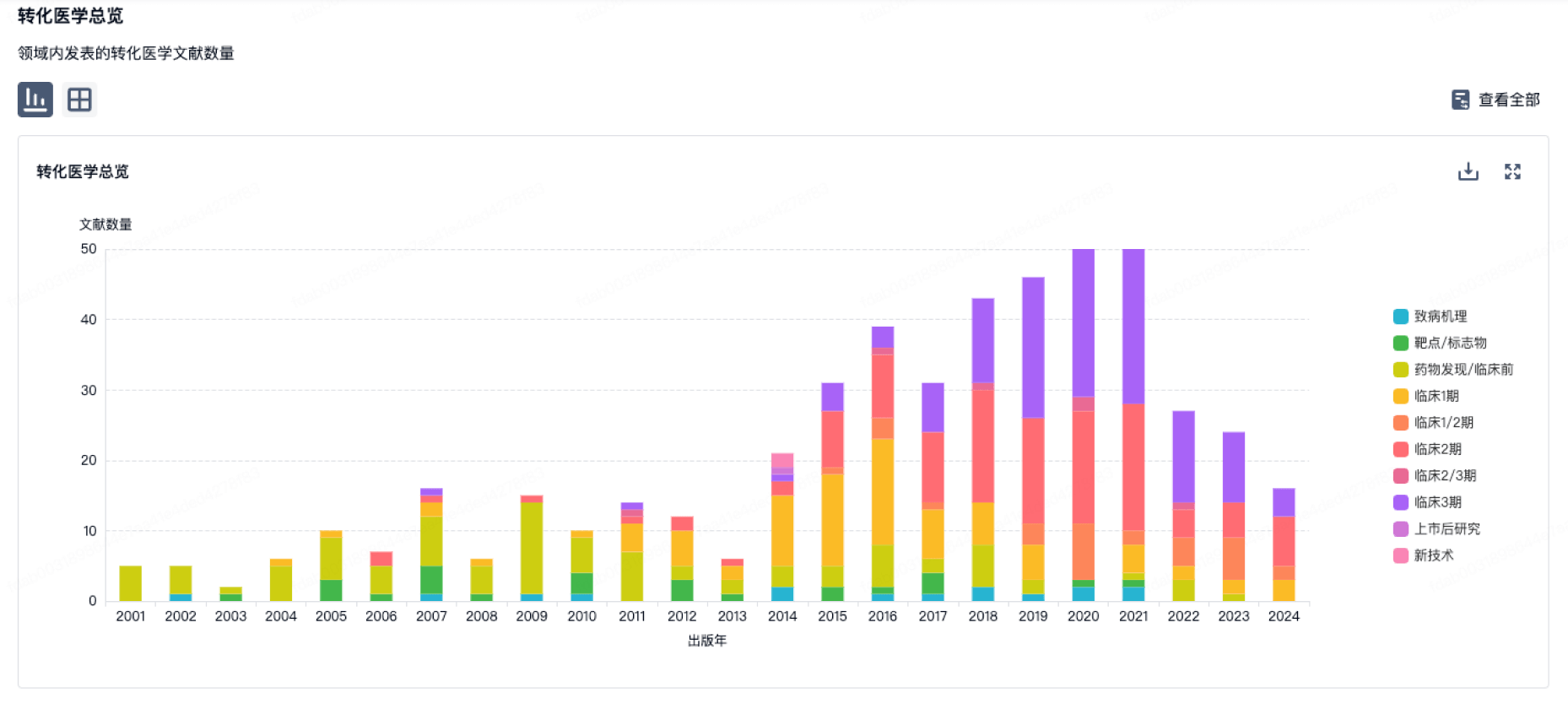
转化医学
使用我们的转化医学数据加速您的研究。
登录
或
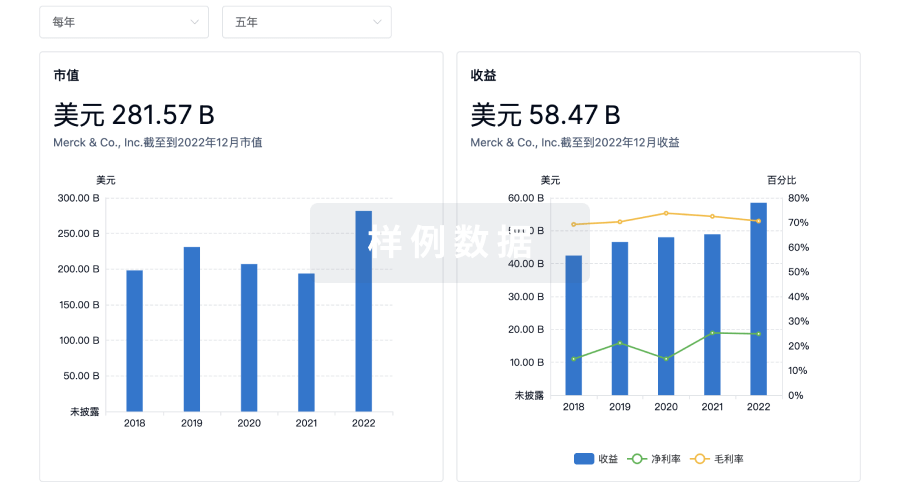
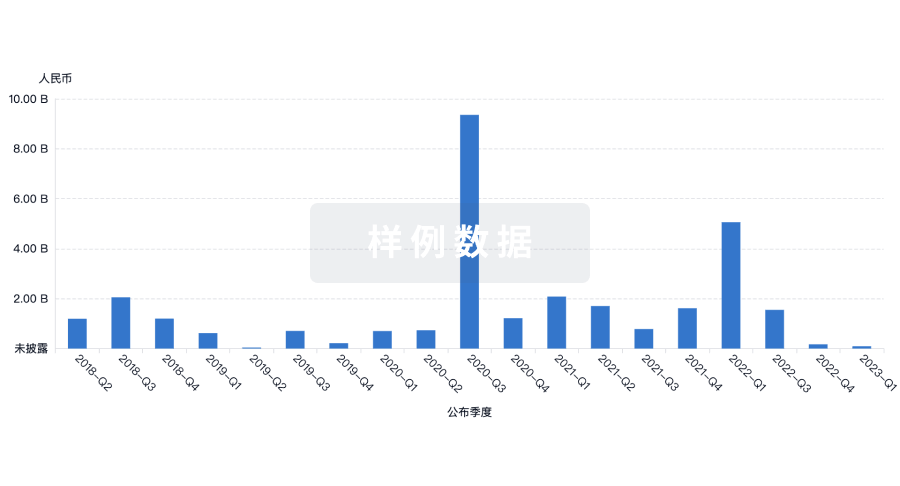
营收
使用 Synapse 探索超过 36 万个组织的财务状况。
登录
或
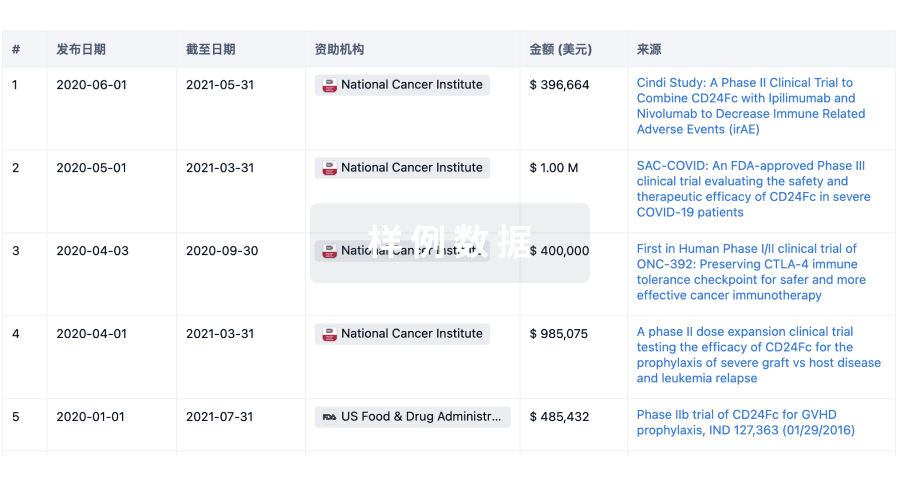
科研基金(NIH)
访问超过 200 万项资助和基金信息,以提升您的研究之旅。
登录
或
投资
深入了解从初创企业到成熟企业的最新公司投资动态。
登录
或
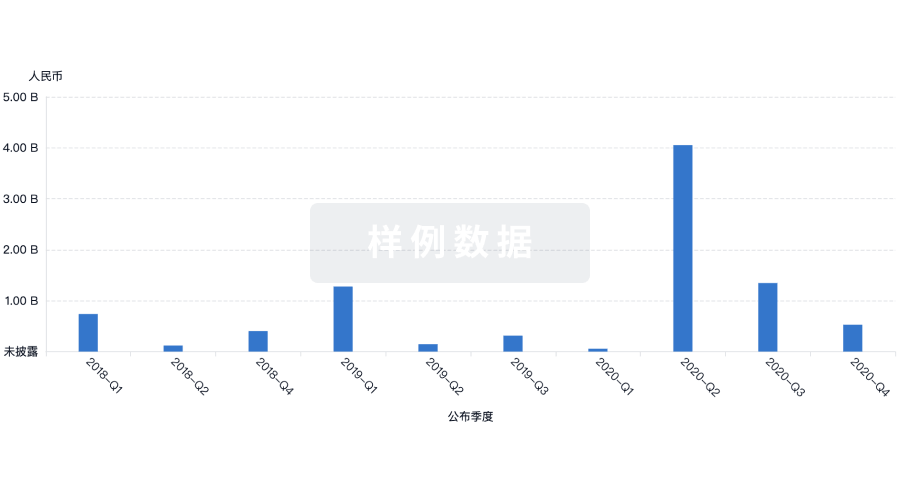
融资
发掘融资趋势以验证和推进您的投资机会。
登录
或
提出任何生物医药研究问题
让每一步生物医药决策都精准制胜
基于十亿级生物数据与全球情报的精准 AI,赋能早期药物发现
立即开始免费试用!
智慧芽新药情报库是智慧芽专为生命科学人士构建的基于AI的创新药情报平台,助您全方位提升您的研发与决策效率。
立即接入生物医药数据包
智慧芽新药库数据也通过智慧芽开放平台,以MCP或API服务形式对外开放。立即使用我们的MCP服务定制您的LLM智能体。
生物序列数据库
生物药研发创新
免费使用
化学结构数据库
小分子化药研发创新
免费使用