预约演示
更新于:2026-08-15
FG-9202
更新于:2026-08-15
概要
基本信息
在研机构- |
权益机构- |
最高研发阶段终止临床1期 |
首次获批日期- |
最高研发阶段(中国)- |
特殊审评- |

登录后查看时间轴
结构/序列
分子式C12H8N4O6S |
InChIKeyUQNAFPHGVPVTAL-UHFFFAOYSA-N |
CAS号118876-58-7 |
关联
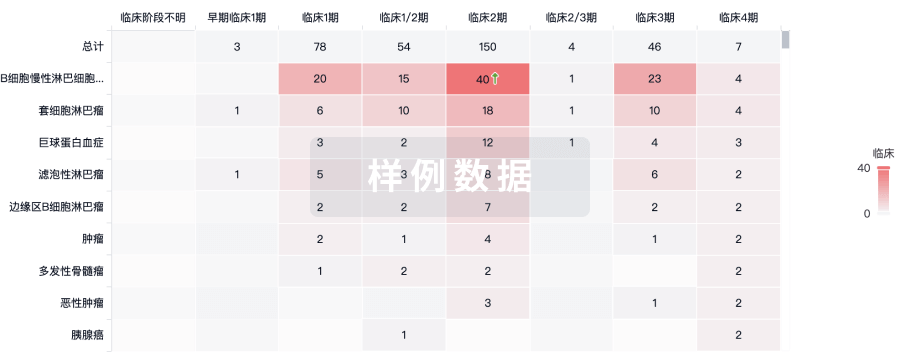
100 项与 FG-9202 相关的临床结果
登录后查看更多信息
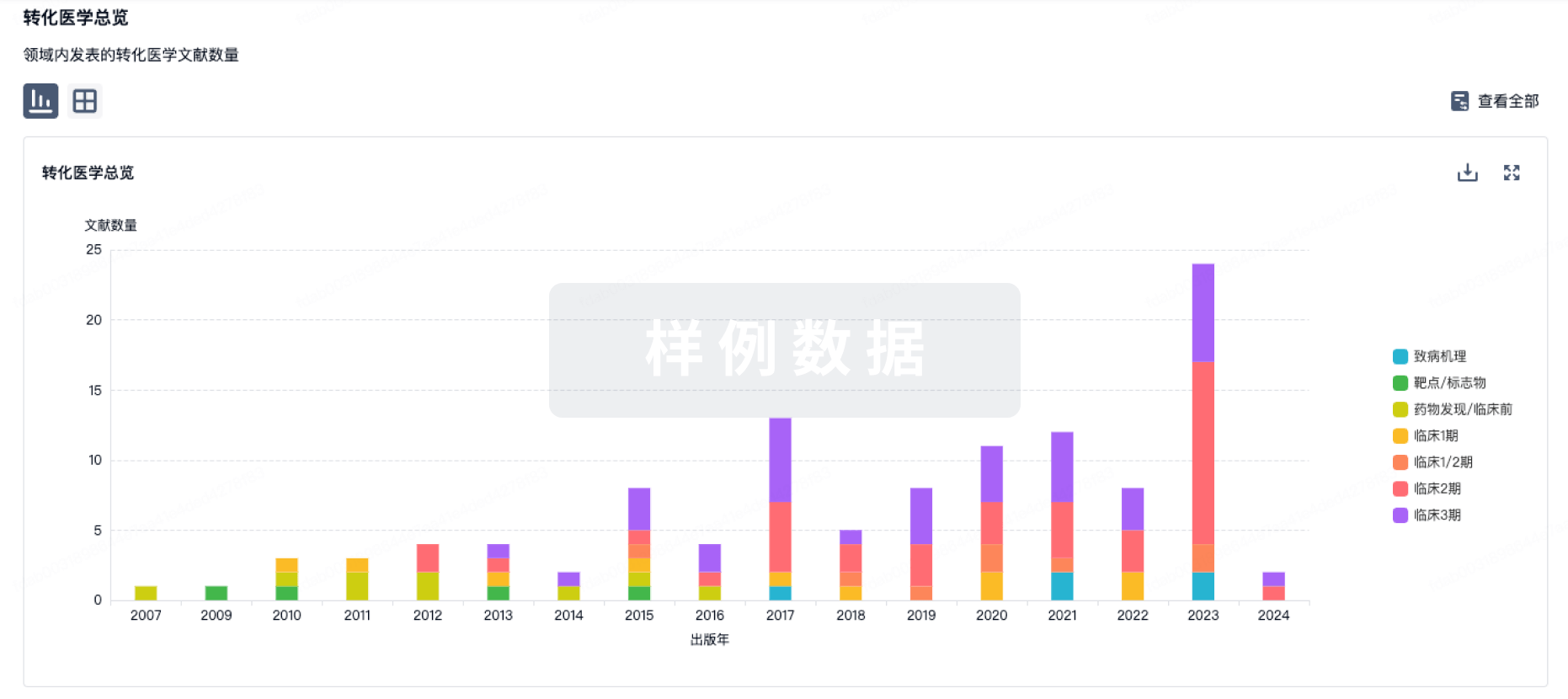
100 项与 FG-9202 相关的转化医学
登录后查看更多信息
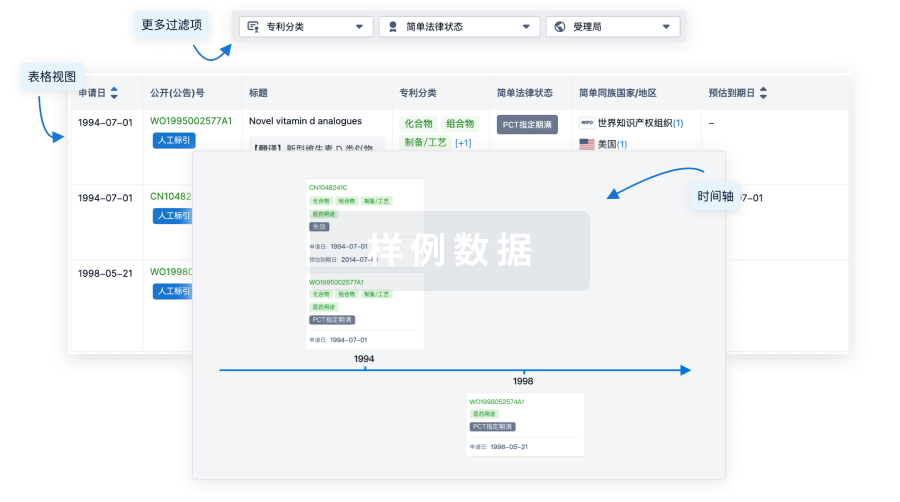
100 项与 FG-9202 相关的专利(医药)
登录后查看更多信息
1,200
项与 FG-9202 相关的文献(医药)2026-09-01·NEUROPHARMACOLOGY
Olfactory bulb circuits drive ketamine-enhanced high-frequency oscillations via kainate and GABAergic mechanisms
Article
作者: Podolecka, Wiktoria ; Wrobel, Jacek ; Hunt, Mark Jeremy ; Prosvirova, Taisiia
Ketamine produces rapid antidepressant effects accompanied by marked changes in fast brain rhythms. High-frequency oscillations (HFO; 130-180 Hz) are an increasingly recognized signature of ketamine across species. However, their relationship to classical gamma activity and their circuit-level organization remain unclear. Using simultaneous multiregion recordings in freely moving male Wistar rats, we show that ketamine differentially reorganizes fast oscillations across cortical networks: neocortical gamma power increased broadly, whereas the olfactory bulb (OB) showed suppressed gamma alongside robust, highly coherent HFO. Local OB infusion of the non-NMDA ionotropic glutamate receptor antagonists CNQX or NBQX suppressed ketamine-enhanced HFO both locally and in ventral striatum and prefrontal cortex without affecting neocortical gamma, indicating dissociable circuit mechanisms. Within the OB, the kainate receptor antagonist UBP310 markedly reduced HFO, whereas AMPA receptor blockade with IEM-1925 had minimal effect. Local GABA-A receptor blockade with bicuculline significantly reduced HFO power while increasing gamma power, demonstrating that intact fast inhibition is required for HFO expression. Based on these findings and known receptor kinetics, we propose that tonic kainate-dependent depolarization recruits interneurons to generate an inhibitory network rhythm, producing synchronized bursts that modulate mitral cell dendrites and drive HFO propagation through olfactory-limbic circuits.
2026-05-01·Advanced Science
In Vivo CRISPR Screening Identifies the Glutamate Receptor GRIA2 as Promoting Peritoneal Metastasis of Gastric Cancer via Calcium‐Dependent β‐Catenin Activation
Article
作者: Ji, Chengbo ; Sun, Haoyu ; Yang, Xu ; Sun, Jie ; Jiang, Wenchao ; Ruan, Yuanyuan ; Nomura, Sachiyo ; Wang, Xuefei ; Yamamoto, Masami ; Tsukamoto, Tetsuya ; Liu, Xinyou ; Wu, Yingying ; Zhao, Junjie ; Li, Haojie
ABSTRACT:
Peritoneal metastasis is the most lethal manifestation of gastric cancer, with a median survival of less than one year, highlighting the need for new therapeutic targets. Through an in vivo genome‐wide CRISPR/Cas9 screen, we identified GRIA2, an AMPA‐type glutamate receptor subunit, as a key driver of peritoneal metastasis. GRIA2 promotes gastric cancer cell migration, invasion, stemness, and adhesion to mesothelial cells in a glutamate‐dependent manner. Mechanistically, glutamate activates GRIA2, enhancing its interaction with GSK‐3β and inducing calcium influx, inhibiting GSK‐3β kinase activity and stabilizing β‐catenin, thereby activating the Wnt/β‐catenin signaling pathway. Single‐cell RNA sequencing revealed that cancer‐associated fibroblasts are the primary source of glutamate in the peritoneal microenvironment, which establishes a paracrine axis that enhances GRIA2‐driven metastasis. Pharmacological inhibition of AMPA receptors with NBQX and Selurampanel suppressed peritoneal metastasis in both cell line‐derived and patient‐derived organoid xenograft (PDOX) mouse models. In clinical analysis, GRIA2 expression in peritoneal metastases correlated with the levels of β‐catenin and phosphorylated GSK‐3β (serine 9), with high GRIA2 expression predicting poor prognosis. These findings suggest that GRIA2 is a novel therapeutic target, and AMPA receptor antagonists are promising agents for treating gastric cancer peritoneal metastasis.
2026-05-01·NEUROCHEMISTRY INTERNATIONAL
Multiplexed neurochemical monitoring reveals glutamate modulates dopamine neurotransmission in the nucleus accumbens
Article
作者: Connors, Sydney S ; Venton, B Jill ; Donarski, Eric D
Dopamine (DA) and glutamate (Glu) play vital roles in cognitive function, motor control, reward systems, and addiction. However, neurotransmitters are typically measured one at a time instead of simultaneously, which would allow a better picture of neurotransmitter interactions. In this study, we multiplexed dopamine detection using fast-scan cyclic voltammetry (FSCV) and glutamate detection using genetically encoded iGluSnFR fluorescent probes to simultaneously investigate dopamine and glutamate signaling in mouse nucleus accumbens slices. We perturbed glutamate transmission to identify how faster synaptic glutamate regulated slower dopamine volume transmission. After bathing brain slices in a buffer containing 100 μM glutamate, dopamine release decreased by nearly half. We then used drugs to inhibit different glutamatergic proteins to test their effects on dopamine release. Blocking the excitatory amino acid transporter (EAAT2) using DL-TBOA (20 μM) increased glutamate concentrations and decreased dopamine release. Blocking metabotropic glutamate receptors (mGluR2/3) with LY 341495 (40 μM) did not affect dopamine release and the mGluR2 agonist LY 379268 (10 μM) also did not affect dopamine release, so the effect was not mediated by metabotropic group 2/3 receptors. Blocking NMDAR with D-AP5 (50 μM) decreased glutamate but did not change dopamine release. Blocking AMPA/kaintate receptor function with NBQX (5 μM) did not change glutamate release but did increase dopamine release. This work demonstrates the importance of simultaneous detection of related neurotransmitters while showing that glutamate and dopamine release have an inverse relationship that is partially mediated by binding to AMPA and Kainate receptors.
5
项与 FG-9202 相关的新闻(医药)2026-04-28
5609
基于力学-动力学原理驱动的下一代高特异性与高灵敏度TCR的理性设计
背景:天然进化的TCRs通过一种柔性结合界面,与同源pMHC复合物形成受力稳定的“捕获键”,从而实现极高的抗原特异性。然而,这一关键的力学调控特性在常规高亲和力工程化TCR中往往丧失——其刚性界面反而可能引发针对自身抗原的交叉反应及脱靶毒性,成为安全开展TCR靶向免疫治疗的主要障碍。
目的:基于前期对该力学调控机制的深入解析,本研究旨在构建一个新型工程化平台,用于设计下一代TCR类分子,包括TCR mimic、TCR-T及TCE,以提升其特异性与敏感性;并以HLA-A*11:01呈递的KRAS-G12D新抗原作为概念验证模型。
方法:在初筛基础上,选取表现最优的TCR克隆进行系统性表征。评估内容涵盖:生物物理结合特性与体外功能(单分子力学谱、动力学-功能图谱、连续肿瘤杀伤能力、记忆表型分化)、体内抗肿瘤疗效(KRAS-G12D细胞来源的异种移植模型)以及安全性(全蛋白组交叉反应性筛查)。
结果:经力学优化的TCR在体外抗原敏感性较常规高亲和力TCR提升约40倍,且未检测到对野生型(WT)KRAS的交叉反应;采用此类优化TCR构建的TCR-T细胞展现出更强的连续肿瘤杀伤能力、更低的耗竭程度(PD-1表达水平比对照组低37%),并更高效地分化为长效记忆表型(CD62L+CD44+细胞比例提高2.2倍);在KRAS-G12D细胞来源的异种移植模型中,力学优化的TCR-T细胞实现了显著的肿瘤清除效果(第21天平均肿瘤体积较对照组减少82%,而对照组仅减少41%),且浸润性更强、耗竭程度更低;全蛋白组交叉反应性筛查证实其特异性极为优异,未发现对逾一万个以上人源蛋白的脱靶结合。
结论:本研究确立了一种以力学原理为驱动的合理化TCR工程新范式。将TCR-pMHC相互作用的基本力学认知转化为一套切实可行的设计框架,由此开发出新一代TCR——包括TCE、TCR mimic及TCR-T细胞——其特异性、灵敏度与效力均达到前所未有的水平。该平台为实体瘤和白血病的免疫治疗提供了更安全、更有效的全新路径。目前,先导TCR-T候选产品正推进至临床试验申报前研究阶段,同时配套开展一项体内TCR工程计划,旨在进一步拓展这一基于力学原理策略的治疗应用范围。
5611
过继性T细胞输注可抑制淋巴细胞清除后内源性肿瘤特异性CD8+T细胞的恢复
ACT疗法通过向患者输注数百万个肿瘤特异性效应T细胞,在血液系统恶性肿瘤中已证实具有高度有效性,且美国FDA已批准其作为难治性疾病的首线治疗方案。然而,将ACT的疗效拓展至实体瘤却面临诸多挑战,其中关键障碍源于实体瘤微环境固有的特性,例如瘤内异质性——即ACT所靶向的抗原仅在部分肿瘤细胞中表达。若能在ACT基础上同步激活内源性免疫系统,或可借助更广泛、更具协同效应的T细胞应答,绕过瘤内异质性这一难题。但目前,内源性免疫细胞在ACT中的作用仍不明确;既往临床及临床前研究提示,ACT本身并未激发抗肿瘤内源性免疫应答。
本研究利用Kras/p53(KP)驱动的自发性肺腺癌小鼠模型,该模型可稳定表达特定的肿瘤新抗原(包括ACT靶向与非靶向两类),探究ACT联合淋巴清除是否直接抑制内源性肿瘤特异性T细胞应答。荷瘤小鼠接受腹腔注射环磷酰胺(150 mg/kg)进行淋巴清除(LD),部分小鼠在此基础上再经血管内输注600万个肿瘤特异性ACT细胞。结果表明:单用LD即可导致内源性肿瘤新抗原特异性CD8⁺ T细胞显著减少,但此类细胞在治疗后3周基本恢复;而LD联合ACT则造成内源性肿瘤特异性CD8⁺ T细胞持续性耗竭,且残存细胞中增殖标志物Ki67与细胞毒标志物颗粒酶B的表达水平明显降低。未行LD而单独实施ACT时,内源性肿瘤特异性CD8⁺ T细胞数量未出现显著下降,但该结果受到输注T细胞向肺组织浸润数量显著偏低的干扰。
上述发现提示:在环磷酰胺预处理条件下,ACT可能对内源性肿瘤特异性T细胞应答产生抑制作用。后续研究若采用更低剂量LD或补充稳态细胞因子(如IL-7/IL-15),或将有助于明确该抑制效应究竟源于过继转移的T细胞本身,还是由环磷酰胺所致。此外,未来探索克服此类抑制并重新激活内源性免疫系统的新策略(例如靶向新抗原的疫苗接种),对于充分释放ACT的治疗潜能至关重要。
5613
源自RenTCR的MAGE-A1特异性TCR在体外和体内均展现出更优的肽段敏感性及强效抗肿瘤活性
背景:MAGE-A1是一种癌-睾抗原,在HCC和NSCLC等多种实体瘤中广泛表达,但在正常组织中仅限于睾丸表达,因而成为理想的治疗靶点。针对MAGE-A1的TCR疗法目前处于临床前或早期临床阶段。传统TCR筛选策略通常依赖于从健康供体PBMCs或患者TILs中分离获得。相比之下,百奥赛图自主研发的RenTCR平台利用TCR/MHC人源化小鼠模型生成TCR。由于该模型小鼠胸腺缺乏对人源抗原的阴性选择,因而更易筛选出具有更高反应性和特异性的TCR。
方法:采用HLA-A*02:01人源化RenTCR小鼠,以全长MAGE-A1 mRNA进行免疫。随后分离其PBMCs或脾细胞,并在体外用人源化人工抗原呈递细胞(APCs)呈递MAGE-A1进行刺激。激活的MAGE-A1特异性CD8+ T细胞经流式分选富集;再通过流式细胞术单细胞分选,进行逆转录、扩增及测序,获取TCR序列。初筛采用Jurkat报告基因检测系统评估TCR结合活性;阳性TCR转导至原代人T细胞后,与HLA-A2.1+/MAGE-A1+肿瘤细胞共培养,评价其杀伤能力及细胞因子释放水平;功能优异的TCR候选分子进一步开展脱靶风险评估,最终在NDG小鼠的CDX模型中验证其体内抑瘤效果。
结果:20只免疫小鼠共获得80个结合阳性TCR。其中绝大多数TCR在体外展现出强效的细胞毒活性。功能亲和力评估显示,RenTCR小鼠来源TCR识别靶肽的敏感性显著优于人源供体来源TCR。候选TCR均未检出交叉反应性。所有候选TCR均可在荷载HLA-A2.1+/MAGE-A1+肿瘤的NDG小鼠中诱导肿瘤消退,证实其体内疗效。
结论:RenTCR平台可高效生成具有更高反应性与特异性的TCR。相较于人源供体来源TCR,RenTCR小鼠来源TCR对靶肽的识别敏感性更优。候选TCR在体外及体内均展现出优异的抗肿瘤活性。
5614
源自RenTCR的MAGE-A4特异性TCR在抗肿瘤疗效上优于亲和力增强型TCR
背景:MAGE-A4是一个已在临床上得到验证的靶点,在多种实体瘤中高表达,但在健康组织中仅限于睾丸和胎盘表达。靶向MAGE-A4的TCR-T细胞疗法在滑膜肉瘤中展现出令人鼓舞的疗效,但在其他实体瘤中疗效有限。百奥赛图自主研发的TCR发现平台RenTCR在筛选高反应性TCR方面具有成本更低、效率更高的优势。利用该平台,成功筛选出针对MAGE-A4、兼具高反应性、高特异性及优异抗肿瘤活性的TCR。
方法:采用RenTCR平台筛选靶向MAGE-A4的TCR;利用报告基因细胞系快速筛选具有反应性的TCR,随后将TCR转导至人原代T细胞,评估其杀伤活性、IFN-γ释放水平及对肽段的敏感性;候选TCR进一步接受交叉反应性筛选及X-scan分析以开展安全性评估;为评价体内抗肿瘤疗效,向荷载MAGE-A4阳性、HLA-A2.1阳性的人源肿瘤异种移植瘤的NDG小鼠体内输注经慢病毒载体转导候选TCR的人原代T细胞。
结果:RenTCR平台成功鉴定出靶向MAGE-A4两个不同表位的TCR;其中两条TCR在体外表现出优异的杀伤活性、IFN-γ释放能力及特异性;候选TCR在体内亦可诱导肿瘤消退;由RenTCR平台获得的天然TCR较处于临床阶段的亲和力增强型TCR展现出更优的抗肿瘤活性。
结论:上述结果凸显了两条靶向MAGE-A4的TCR候选分子作为治疗黑色素瘤、肺癌及其他表达MAGE-A4的实体瘤的有效策略所具备的治疗潜力。
5616
靶向TNF-α的TCR-T与CAR-T细胞用于实体瘤治疗,在无毒性反应的前提下展现出更优异的抗肿瘤活性
背景:靶向肿瘤特异性抗原的TCR-T和CAR-T细胞虽可引发强劲的初期临床反应,但针对实体瘤时疗效往往难以持久,凸显出开发更高效细胞治疗产品的迫切需求。为此,构建了携带TNF-α(TNF-a)的TCR-T与CAR-T细胞变体,并评估其对多种实体瘤的疗效及毒性。
方法:分别针对NY-ESO-1 TCR、HPV-16 E7 TCR及GD2 CAR,构建含目标TCR/CAR基因、并额外携带或不携带TNF-a基因的慢病毒载体。将空白对照、常规TCR/CAR及携带TNF-a的TCR/CAR T细胞,与表达相应肿瘤抗原及TCR-T细胞所需HLA-A单倍型的nRFP标记肿瘤细胞共培养(NY-ESO-1对应A375/M257-A2黑色素瘤细胞;HPV-16 E7对应4050/CaSki宫颈癌细胞;GD2对应143B/G292骨肉瘤细胞)。通过反复刺激实验,在持续抗原暴露条件下评估各组T细胞杀伤肿瘤的效率。与此同时,在人源化NSG小鼠异种移植模型中开展体内荷瘤实验,小鼠分别接受空白对照、常规TCR/CAR或携带TNF-a的TCR/CAR T细胞治疗;实验终点对小鼠实施解剖以评估终末器官毒性。采用流式细胞术检测外周血及瘤内T细胞表型,每周利用多重夹心ELISA检测血清细胞因子水平;肿瘤组织则通过CosMx平台进行空间转录组分析。
结果:体外实验显示,携带TNF-a的TCR/CAR T细胞在初始阶段及持续培养过程中,均显著增强对肿瘤细胞的杀伤能力,并特异性地、显著提升TNF-α分泌水平——该效应严格依赖于肿瘤抗原存在。体内实验表明,相比常规TCR/CAR T细胞,携带TNF-a的TCR/CAR T细胞展现出更优的肿瘤控制效果及更长的小鼠生存期。尤为关键的是,这种增强的抗肿瘤效应并未伴随全身性TNF-a或IL-6水平升高,亦未引起系统性毒性(包括体温、体重及体况评分变化),且终末器官炎症损伤/淋巴细胞浸润程度无差异。经携带TNF-a的TCR/CAR T细胞处理的肿瘤,表现出显著增加的T细胞浸润,同时瘤内髓系来源抑制性细胞(MDSCs)、CD4+ Tregs及Th2细胞及其相关细胞因子明显减少;肿瘤细胞自身则呈现显著增强的TNF-a信号通路活化,以及由Tregs介导的IL-10免疫抑制通路显著减弱。
结论:携带TNF-a的TCR/CAR-T细胞凭借抗原依赖性的TNF分泌增强机制,在不引发任何系统性毒性的前提下,对多种实体瘤展现出卓越的抗肿瘤疗效。这一优势源于两方面协同作用:一是局部TNF-a分泌增加及抗肿瘤效应功能增强;二是瘤内调节性T细胞活性受到有效抑制。
5617
靶向GPC2的人源化抗体Fab-TCR T细胞通过增强TCR信号传导和持续的细胞毒性,有效抑制神经母细胞瘤
背景:CAR-T细胞疗法已彻底改变了血液系统肿瘤的治疗格局,但在实体瘤中疗效仍有限,其中抗原表达异质性是制约疗效的关键障碍。神经母细胞瘤是一种儿童实体瘤,高危患者的生存率极低,常表达GPC2——一种极具潜力但表达水平多变的表面抗原。为突破上述瓶颈,设计了抗体-T细胞受体(AbTCR),将基于抗体的抗原识别能力与γ/δ T细胞受体的信号传导机制相融合,旨在提升GPC2阳性神经母细胞瘤中T细胞更接近生理状态的活化水平及持久的抗肿瘤活性。
方法:构建了含抗-GPC2 Fab片段(人源化CT3或小鼠CT3)的AbTCR,将其与γ/δ TCR恒定区及共刺激结构域CD30相融合。将上述构建体转导至原代人T细胞,并通过体外肿瘤杀伤实验、重复性细胞毒试验、WB以及荷载GPC2阳性神经母细胞瘤(IMR5、NBEB、LAN1和SH-SY5Y)的裸鼠异种移植模型开展功能验证。其中LAN1与SH-SY5Y模型GPC2抗原密度较低,可用于在严苛抗原条件下评估疗效。
结果:人源化CT3 AbTCR-T细胞展现出强劲的抗肿瘤效应,在多个异种移植模型中显著缩小肿瘤体积并实现完全缓解。接受人源化CT3 AbTCR-T细胞治疗的小鼠肿瘤组织中,CD8⁺及CD8⁺CD27⁺ T细胞浸润明显增强,提示效应T细胞持续性改善。外周血检测显示,该类T细胞耗竭标志物PD-1、LAG-3和TIM-3表达下调,且干细胞样记忆T细胞(Tscm)亚群比例升高。在与肿瘤细胞长期共培养后,其PD-1表达水平仍维持较低水平,并在第二轮及第三轮杀伤试验中保持良好细胞毒活性。机制研究表明,人源化CT3 AbTCR与肿瘤细胞结合后可触发更强的TCR信号传导,表现为核因子激活T细胞(NFAT)入核水平更高,以及TCR通路关键蛋白磷酸化程度显著增强。
结论:人源化CT3 AbTCR T细胞通过将抗体特异性与生理性TCR信号传导相结合,对低表达GPC2的神经母细胞瘤展现出持久而强效的抗肿瘤效应。其增强的TCR信号传导、降低的耗竭程度以及持续的细胞毒能力表明,AbTCR T细胞有望成为针对抗原表达异质性或低表达实体瘤的下一代细胞治疗策略。
5619
靶向ALK的特异性TCR-T细胞在多种ALK驱动的人类癌症中诱导强效且特异性的抗肿瘤免疫反应
背景:间变性淋巴瘤激酶(ALK)酪氨酸激酶抑制剂(TKI)显著改善了ALK重排型非小细胞肺癌(NSCLC)及其他ALK阳性(ALK+)肿瘤患者的预后。然而,耐药几乎普遍存在,凸显出开发新型、持久治疗策略的迫切需求。基于我们前期发现的由HLA-B*07:02呈递的ALK来源肽段RPRPSQPSSL(PMID: 37430060),本研究旨在构建靶向ALK的TCR基因工程T细胞(ALK.TCR-T),以选择性识别并清除ALK驱动的肿瘤。
方法:对HLA-B*07:02转基因小鼠接种RPRPSQPSSL肽段进行免疫,经两次初免和两次加强免疫后,分选CD137+/CD8+ T细胞,并开展单细胞测序以筛选TCR。将扩增最显著的TCR克隆型克隆后,通过逆转录病毒转导至人T细胞,制备ALK.TCR-T细胞。在体外及体内多种ALK+肿瘤模型中评估ALK.TCR-T细胞的抗肿瘤活性。
结果:从12种优势克隆型中鉴定出6种ALK特异性TCR。其中两种(ALK.TCR-1与ALK.TCR-2)对ALK-dextramer的结合率均超过95%。值得注意的是,ALK.TCR-2亦可在CD4+ T细胞中结合ALK-dextramer,提示其识别肽-MHC复合物不依赖共受体。两种TCR均可介导强效、抗原特异性的细胞毒作用,有效杀伤ALK+/HLA-B*07:02+细胞系,而对配型不匹配的靶细胞无杀伤活性。在原本不表达相应分子的细胞中分别导入EML4-ALK第3变体或HLA-B*07:02后,可恢复高效杀伤能力,证实其严格依赖于特定肽-MHC复合物。在体内实验中,单次输注ALK.TCR-1或ALK.TCR-2即可显著抑制转移性ALK+/HLA-B*07:02+ NSCLC模型的肿瘤生长,并延长生存期。治疗组动物在ALK.TCR-T输注后第7天即呈现近乎完全的肿瘤清除,而对照组小鼠则出现疾病持续进展。尤为突出的是,在转移性ALK+/HLA-B*07:02+神经母细胞瘤模型中,70%(7/10)的小鼠获得完全且持久的缓解(无瘤生存期超过100天),且未观察到靶向脱靶或脱靶毒性。
结论:本研究首次成功构建了靶向HLA-B*07:02呈递的天然ALK肽段RPRPSQPSSL的ALK特异性TCR-T细胞。ALK.TCR-T细胞在多种ALK驱动的肿瘤模型中展现出强大效力、高度选择性及良好安全性,为其推进至临床开发提供了坚实依据。
5620
基于TCR的细胞疗法在纤维板层型肝细胞癌中的开发,揭示了TCR在CD4 T细胞分化中的作用
背景:纤维板层型肝癌(FLC)是一种罕见且常具致命性的肝癌,主要发生于儿童和年轻成人。目前尚无获批用于FLC的全身性治疗方案。FLC转录组的特征是DNAJB1第1外显子与PRKACA第2–10外显子发生框内融合,从而表达嵌合型致癌蛋白DNAJ-PKAc。由于靶向毒性不可接受,直接对该致癌蛋白进行药物学抑制一直难以实现。然而,DNAJ-PKAc在肿瘤中特异性表达且为共享抗原,这为以新抗原为靶点的免疫治疗提供了契机。
方法:正在开展一项针对DNAJ-PKAc的多肽疫苗联合免疫检查点抑制剂的持续临床试验。利用单细胞测序及功能实验,从参与该试验受试者经多肽扩增的外周血细胞中鉴定出识别DNAJ-PKAc的TCR。通过共培养体系,对其HLA限制性、亲和力、杀伤活性、细胞因子分泌谱及分化表型进行了系统表征。
结果:鉴定出7种可识别DNAJ-PKAc的CD4+ TCR,其提呈分子分别为HLA-DRB1*13:01(2个)或HLA-DRB3*01:01(5个)。将这些TCR导入健康供者T细胞,并与表达相应HLA的肿瘤细胞共培养后,它们在识别DNAJ-PKAc肽段负载靶细胞时,表现出差异化的功能亲和力、细胞因子分泌能力、分化状态及细胞毒活性。其中,JHU12-TCR2(受HLA-DRB3*01:01限制)虽仅具中等亲和力,却介导了最强的细胞因子分泌与肿瘤细胞杀伤效应。与此一致的是,该TCR在原发患者体内扩增最为显著,而该患者对免疫治疗实现了接近完全缓解。相比之下,从一名无应答者中分离出的融合蛋白特异性TCR——JHU8-TCR2,尽管其氨基酸序列与JHU12-TCR2高度相似且聚类关系相近,但在体外仅表现出有限的细胞毒活性。值得注意的是,尽管所有TCR均在配型相合的供者T细胞中识别同一抗原,却驱动了截然不同的辅助性T细胞分化程序:例如,JHU12-TCR2倾向于诱导Th1/Th17极化,且几乎不促进Treg生成;而JHU8-TCR2则推动形成以Th2为优势的表型。
结论:鉴定并系统评估了多种针对DNAJ-PKAc致癌蛋白的CD4+ TCR,凸显其作为FLC TCR疗法基础的潜在价值。一项基于JHU12-TCR2的TCR疗法临床试验正在筹备中,拟纳入携带HLA-DRB3*01:01等位基因的FLC患者。此外,本研究提示:疫苗诱导的TCR库组成差异可能影响临床疗效;而单个TCR固有的生物物理特性或信号传导特征,亦可决定其所表达CD4+ T细胞的终末分化命运。
5621
靶向GPC3的hYP7抗体介导的γδ TCR-T细胞疗法,用于克服肝癌中的抗原突变与异质性
抗原突变与异质性表达仍是HCC抗体及CAR免疫治疗面临的主要障碍。GPC3在晚期或复发性HCC肿瘤中表现出表面密度波动与表位改变。为应对这些具有临床意义的挑战,开发了一种模块化抗体型γ/δ T细胞受体(γδAbTCR)平台,将抗体特异性与内在TCR-CD3信号通路相整合,从而在抗原变异条件下增强对肿瘤的识别能力。采用两种靶向不同表位的GPC3抗体(hYP7与HN3),构建了四种γδAbTCR分子——hYP7-hYP7、hYP7-HN3、HN3-hYP7及HN3-HN3,并在原代人T细胞中评估其功能特性。其中,hYP7-hYP7 γδAbTCR-T细胞展现出最强的抗原结合能力与对Hep3B及其他GPC3阳性HCC模型的杀伤活性,尤其在抗原低表达或异质性表达的肿瘤中效果突出。在体内实验中,相较于其他构型,hYP7-hYP7 T细胞表现出更优异的肿瘤浸润能力、体内存续时间以及对已建立的大体积异种移植瘤的控制效果。机制研究表明,hYP7-hYP7 γδAbTCR结构通过增强抗原结合亲和力,并协同激活TCR-CD3与CD30信号通路,强力诱导NF-κB与NFAT活化,并迅速触发肿瘤细胞的半胱天冬酶依赖性凋亡。上述结果确立hYP7-hYP7为一种具有领先优势的γδAbTCR设计,可有效克服肝癌中抗原异质性与突变带来的限制,为新一代靶向肝癌的T细胞疗法提供了极具前景的框架。
5622
开发靶向KRAS-G12D/HLA-A*11 pMHC的同种异体TCR模拟激活型γδT(TAG-T)细胞,用于治疗不可成药的KRAS突变型癌症
治疗性抗体处于最具前景的癌症治疗前沿。传统治疗性抗体仅能靶向胞外抗原,而T细胞受体模拟(TCRm)抗体则可靶向由细胞表面MHC蛋白呈递的胞内抗原。利用人源scFv噬菌体展示文库,成功筛选获得特异性识别KRAS-G12D/HLA-A*11复合物的TCRm抗体。该类TCRm抗体的亲和力及靶向结合特异性经SPR和流式细胞术验证。随后,设计出一种双链、基于TCR结构的KRAS-G12D/HLA-A*11特异性TAG受体:将上述TCRm抗体分别融合至人TCR-Cγ与TCR-Cδ链的N端,并通过Furin-P2A连接序列实现共表达。体外与体内细胞毒活性检测表明,该KRAS-G12D/HLA-A*11特异性TAG-T细胞对KRAS-G12D/HLA-A*11阳性细胞具有高效杀伤活性。此外,进一步在TAG-T细胞中引入共刺激结构域及嵌合转换受体(CSR)后,其体外与体内抗肿瘤活性及增殖能力均达到最高水平。因此,本研究结果表明,以TCRm为基础、靶向KRAS-G12D/HLA-A*11的TAG-T细胞平台,为KRAS-G12D阳性癌症患者提供了一种全新且极具前景的异基因细胞治疗策略。
5183
高通量离体TCR-T细胞筛选鉴定出KRAS突变型PDAC中由聚集自噬驱动的治疗抵抗性克隆
背景:胰腺导管腺癌(PDAC)常携带KRAS-G12致癌突变,肿瘤微环境中免疫细胞浸润程度低,且早期即发生转移,导致患者预后极差。系统性治疗施加的选择压力会促使耐药克隆出现并引发复发。为优化TCR-T疗法,并提前识别耐药机制,亟需能真实反映肿瘤异质性的患者来源模型。
方法:构建了一种高通量离体筛选平台,用于在患者来源的PDAC类球体中评估基于细胞的免疫治疗效果。将靶向KRAS-G12V突变的CD8⁺ TCR-T细胞与携带KRAS突变的3D肿瘤类球体共培养,并施加梯度递增的细胞毒压力;通过自动化图像流式细胞术进行动态监测。微腔板技术实现了对数千个类球体在两轮连续TCR-T攻击下的平行追踪。对存活细胞开展单细胞RNA测序(scRNA-seq),继而进行2D再扩增实验及原位移植至NSG小鼠体内,以评估其成瘤能力。
结果:对逾33000个微腔的高通量耐药筛选显示,6.6%的3D PDAC类球体在反复TCR-T攻击后仍保持活性,从而富集出稀有的耐药亚克隆。首次攻击后,多数细胞呈现类似抗病毒的炎症反应,表现为MX1、MX2、RIG-I及干扰素刺激基因表达水平升高。二次攻击后的scRNA-seq分析揭示,增殖中的耐药细胞上调了MHC II类分子及与TUBA1B相关的聚集自噬(aggrephagy)通路,提示聚集自噬参与免疫逃逸。这些耐药细胞仍保有成瘤潜能,并在原位NSG小鼠模型中(n = 10)形成远端转移灶。体外实验表明,微管解聚抑制剂紫杉醇可显著抑制TCR-T逃逸克隆的克隆形成能力,为联合治疗提供了理论依据。
结论:利用患者来源PDAC模型开展的高通量离体细胞毒筛选,揭示了富集聚集自噬通路、具有治疗抵抗性的克隆,并甄选出如紫杉醇等具备合理协同基础的联合用药伙伴。该平台有望预测患者个体对靶向KRAS的TCR-T疗法所产生特异性耐药,并指导预防性联合策略的设计。
3812
一种新型“引种-增强”免疫疗法可强力促进TCR-T细胞扩增、肿瘤浸润及持久的肿瘤控制
背景:尽管TCR工程化T细胞疗法在实体瘤治疗中展现出潜力,但其长期疗效受限于体内扩增不足和持久性差。当前策略在生产和临床管理方面也面临重大挑战。提出一种新策略:将低剂量TCR-T细胞(“种子”)与靶向TCR的细胞因子生物制剂(“助推剂”)联用,以驱动TCR-T细胞在体内的选择性扩增、增强肿瘤浸润能力,并维持针对肿瘤的特异性免疫应答。以WT1阳性实体瘤为模型,采用WT1特异性TCR-T细胞联合CUE-102——一种已在临床验证的ImmunoSTAT™融合蛋白——来验证该策略。CUE-102可实现对TCR的可控性结合,并将IL-2精准递送至WT1特异性T细胞。
方法:构建了一种高度特异性的双HLA(HLA-A*02:01与HLA-A*02:07)靶向TCR,识别WT1(37–45)抗原。该TCR经基因工程导入人原代T细胞后,在临床前阶段对其进行了系统评估,包括在多种WT1阳性癌细胞系中的效力检测,以及对抗原交叉反应性和HLA同种异体反应性的测试。随后,将WT1特异性TCR-T细胞与CUE-102联用,在体外及多种荷瘤小鼠模型(使用表达WT1的卵巢癌与胰腺癌细胞系)中评估其对TCR-T细胞特异性扩增、抗肿瘤疗效、肿瘤浸润能力及长期疗效的影响。
结果:WT1特异性TCR-T细胞在体外对HLA-A*02:01与HLA-A*02:07配型的WT1阳性癌细胞系均表现出强效杀伤活性。此外,安全性评估显示其无抗原交叉反应性及HLA同种异体反应性,整体安全性良好。与CUE-102联用后,TCR-T细胞在极低效应细胞/靶细胞比例下仍展现出高活性与持续的抗肿瘤效应,并在体内发生显著且选择性的扩增。在WT1阳性卵巢癌与胰腺癌的异种移植模型中,联合疗法相较于TCR-T单药治疗,显著提高了外周循环中TCR-T细胞数量、增强了肿瘤组织内T细胞浸润,并在极低TCR-T细胞剂量下即实现了强有力的肿瘤控制。此外,在肿瘤负荷较高的动物模型中,联合治疗诱导了持续的肿瘤消退,并显著延长生存期。
结论:本研究数据表明,CUE-102“助推”可有效触发工程化TCR-T细胞“种子”在体内的强劲扩增与活化,从而产生高效的抗肿瘤应答、维持T细胞持久性并延长生存期,且无需额外的细胞工程改造。该策略有望为实体瘤患者带来长期获益,同时通过减少“种子”TCR-T细胞输注剂量、避免全身性IL-2给药、并可能规避具有毒性的预处理方案,切实缓解细胞治疗在生产与临床管理环节所面临的诸多挑战。
4175
基于新抗原引导的TCR发现流程,以提高特异性并降低AML中的脱靶毒性
识别并改造针对新抗原的TCR仍是推动AML过继免疫治疗发展的主要瓶颈。AML是一种突变负荷较低的恶性肿瘤,因而新抗原数量十分有限。近期研究指出,AML中反复出现的基因突变可作为有前景的治疗性新抗原来源,这些突变源于染色体改变,从而激发人们开发新策略,以系统性地发现和评估靶向此类抗原的TCR,同时最大限度降低脱靶毒性。
构建了一条基于结构指导的TCR发现流程:该流程可设计针对新抗原的TCR,确认其是否存在于AML患者TCR库中,并评估其结合特异性与预测安全性。从文献中筛选出由HLA-A*02:01呈递的、在AML中反复出现的新抗原,包括TP53 Y220C肽段(VVPCEPPEV)和NPM1突变肽段(AIQDLCVAV),二者分别位列AML中最常见的TP53热点突变及最频发的分子改变之列。以黑色素瘤来源的TCR–pHLA复合物结构(PDB:2BNQ)为无偏倚支架,将上述AML新抗原逐一嵌入其中。随后,采用基于深度学习的蛋白质序列设计工具ProteinMPNN,对CDR1–3区残基进行重设计,生成5万条候选TCR序列,旨在优化界面互补性与结合能力。
分析单细胞TCR测序(scTCRseq)数据,提取配对的α/β链患者TCR序列,并依据条形码重复数与免疫表型特征,筛选高置信度受体。利用GLIPH2对患者来源及人工设计的TCR进行聚类分析,结果显示:一个优势聚类囊括了超过90%的TP53相关患者TCR,以及两条具有相同CDR3基序的设计TCR;而NPM1相关序列则未见类似收敛现象。选取3条设计TCR(其中2条具备CDR3基序收敛性,另1条在结构置信度上排名最高)及该收敛聚类中的62条患者TCR,使用TCRmodel2进行结构建模。所有建模完成的TCR目前正通过STAG-LLM进行评估,以预测其结合特异性及与TP53–HLA复合物界面的相似性。最优候选者将进入分子动力学模拟阶段,解析其接触指纹图谱,并借助CrossDome工具评估潜在脱靶毒性——该工具基于肽段–HLA配体间的生化相似性评估TCR交叉反应性,进而预测T细胞免疫治疗的脱靶毒性风险。
初步结果表明,无论从结构层面还是患者TCR库层面,均存在对TP53识别的收敛趋势,印证了其作为AML免疫治疗靶点的重要价值。本流程整合理性TCR设计、患者TCR库解析与计算安全性筛查,为AML免疫治疗提供了可扩展、可重复的新抗原特异性TCR候选物发现框架,有望获得兼具高效性与低毒性的TCR。
1343
树突状细胞竞争限制了工程化TCR-T细胞在肿瘤引流淋巴结中的活化,并削弱其与PD-L1阻断疗法的协同效应
采用经基因工程改造的T细胞(即CAR-T和TCR-T)进行过继性细胞治疗,已显著改善血液系统恶性肿瘤患者的预后,但其在实体瘤中的疗效仍十分有限。为提升疗效,这类疗法正越来越多地与PD-1/PD-L1阻断联合应用,但临床结果仍存在较大差异。对于内源性T细胞而言,PD-1/PD-L1阻断可在引流肿瘤的淋巴结(TdLNs)中扩增表达PD-1和Tcf1的前体耗竭型T细胞(Tpex),而DCs则通过抗原呈递维持该类细胞的存续。然而,目前尚不清楚经工程化改造的T细胞是否也能在TdLNs中形成类似的Tpex储存库,从而持续补充肿瘤内的效应T细胞,并对PD-1/PD-L1阻断产生应答。
为验证这一假设,采用表达卵清蛋白(Ova)的Kras/p53肺肿瘤模型(KPOva),对比靶向同一新抗原的内源性T细胞与工程化TCR-T细胞。OT-I转基因CD8⁺T细胞经体外扩增后获得Ova特异性工程化TCR-T细胞;Ova特异性的内源性T细胞(Endog-T)则通过pMHC四聚体予以鉴定。
与既往报道一致,未经治疗的KPOva小鼠体内Endog-T在TdLNs中富集,并呈现PD-1⁺Tcf1⁺的Tpex表型。相比之下,在接受环磷酰胺(Cy)淋巴清除及1×10⁶个TCR-T细胞输注的小鼠中,TCR-T同样在TdLNs中富集,但其PD-1表达水平显著低于Endog-T。尽管PD-1水平较低,TdLNs中的TCR-T分泌IL-2的能力减弱,且对肿瘤的控制能力亦弱于Endog-T,提示其处于功能低下的状态。此外,PD-L1阻断虽可增强未经治疗小鼠的抗肿瘤免疫应答,却促使肿瘤内TCR-T发生终末分化,未能提升TCR-T介导的肿瘤控制效果。
机制上,淋巴清除使TdLNs中DC数量减少约70%,导致TCR-T与DC的比例由约1:1升至约200:1。活体成像显示,大量TCR-T细胞在TdLNs中聚集,激烈争夺有限数量DC的接触机会。然而,通过抗CD40联合Flt3L疫苗接种将TdLNs中DC数量提高一倍,仍不足以扭转这种失衡,亦未能增强TCR-T的活化。相反,将TCR-T输注剂量降低100倍(至1×10⁴个),可显著降低TCR-T与DC的比例至约9:1,从而恢复TCR-T的PD-1表达、IL-2分泌能力及扩增潜能。尤为关键的是,TdLNs中竞争压力的减轻,使TCR-T得以响应PD-L1阻断,最终提升肿瘤控制效果。
数据表明,Cy诱导的淋巴清除联合高剂量TCR-T输注,会在TdLNs中引发TCR-T与DC之间的激烈竞争,从而限制其活化、功能发挥以及与PD-L1阻断的协同效应。因此,缓解该部位的竞争压力,或可促进Tpex形成,并增强TCR-T疗法对PD-L1阻断(乃至疫苗接种)的敏感性,从而改善实体瘤的治疗效果。
4010
NK-TCR细胞:拓展NK细胞治疗潜力的新一代平台
背景:过继性输注经基因工程改造的NK细胞已成为治疗实体瘤和血液系统恶性肿瘤的一种有前景的策略;然而,NK细胞缺乏生理性TCR,限制了其可靶向抗原的范围,亦无法识别胞内靶标。为应对这一挑战,开发了一种NK-TCR平台,可在NK细胞中稳定表达功能完整的TCR,且不引发异源反应或移植物抗宿主病(GvHD)。利用该平台,成功构建了两种先导性NK-TCR产品,分别靶向胞内肿瘤抗原NY-ESO-1和PRAME,另有多个TCR正处于研发阶段。
方法:采用原代人NK细胞,分别导入特异性识别NY-ESO-1抗原的TCRαβ受体,或识别呈递于HLA-A*02:01分子上的PRAME抗原肽的TCRαβ受体。两种产品均整合了完整的CD3信号复合物(包括ζ、ε、γ、δ亚基)以及嵌合型CD28-CD3ζ共刺激模块,并共表达IL-15以支持细胞活化及体内持续存续。每种NK-TCR细胞产品均独立开展体外评估,检测其对多种肿瘤细胞系(包括骨肉瘤Saos-2、黑色素瘤A375、多发性骨髓瘤U266B1及急性髓系白血病THP-1)的杀伤活性、细胞因子分泌能力、增殖能力及连续杀伤能力。
结果:NY-ESO-1-TCR NK细胞展现出强效的抗原特异性活性,可高效清除Saos-2、A375和U266B1细胞,同时伴随显著的细胞因子分泌、持久的连续杀伤能力以及较未转导NK细胞更优的体内存续能力。PRAME TCR NK细胞对U266B1、Saos-2和A375细胞亦表现出同等强劲的杀伤活性。在体内实验中,NY-ESO-1 TCR NK细胞在多发性骨髓瘤异种移植模型中诱导快速肿瘤消退并显著延长生存期,且细胞持久存续,未见耗竭迹象或毒性反应。PRAME TCR NK细胞在U266B1多发性骨髓瘤模型中亦展现出优于未改造对照组的体内疗效。基于上述优异数据,NY-ESO-1-TCR NK细胞目前已进入多发性骨髓瘤的临床研究,并另设一项针对滑膜肉瘤的独立研究;PRAME TCR NK细胞则已启动针对急性髓系白血病和黑色素瘤的临床评价。综上,本研究确立了NK-TCR平台作为一种新一代细胞治疗策略,具备广泛适用性,并有望将NK细胞疗法拓展至胞内抗原靶点领域。
4236
一种谷氨酸能检查点(代谢型谷氨酸受体1)可与TCR协同作用,增强抗肿瘤CD8+ T细胞的活化、代谢及效应功能
背景:谷氨酸受体(GluRs)传统上被认为参与神经元信号传导,近年也被确认为关键的免疫调节分子。T细胞活化需要TCR驱动的信号微簇与钙依赖性通路之间精确协调,从而塑造T细胞效应功能。新兴证据表明,谷氨酸能信号可影响T细胞的代谢、活化及命运决定,但其在TCR信号通路中的具体作用仍不明确。研究揭示了GluR与TCR相互作用如何调控CD8⁺ T细胞的活化与功能,尤其聚焦于TME中代谢与功能受限条件下的调控机制。
方法:采用流式细胞术检测肿瘤组织及淋巴组织单细胞悬液中CD4⁺与CD8⁺肿瘤浸润T细胞(TILs)上离子型受体(GluA3、NR1、NR2B)和代谢型受体(mGluR1、mGluR5)的表达水平。在存在或缺失NBQX(GluA3抑制剂)与CPCCOEt(mGluR1抑制剂)的条件下,以抗CD3/CD28抗体或PMA/离子霉素联合IL-2激活CD8⁺ T细胞。利用荧光检测法评估谷氨酸转运体表达、细胞活力及胞外谷氨酸浓度。通过共聚焦显微镜与流式细胞术分析CPCCOEt处理后细胞中mGluR1与TCR的共定位情况,以及TCR信号通路关键蛋白的磷酸化水平。采用Seahorse XF96检测仪测定代谢活性(OCR/ECAR)。利用Fura-2 AM比率成像技术评估胞内Ca²⁺动态变化。以CFSE标记法检测CD8⁺ T细胞增殖能力,并在体外及肺转移模型中检测其杀伤功能;将经激活的CD8⁺ T细胞(±拮抗剂)经眶后途径回输至小鼠体内。
结果:发现,相较于其他免疫细胞谱系,mGluR1与GluA3在T细胞中表达水平更高,且在CD8⁺ T细胞活化过程中表达进一步上调。相反,使用CPCCOEt进行药理学抑制显著削弱CD8⁺ T细胞活化:破坏mGluR1与细胞膜上TCR-Vβ8.1的共定位,降低TCR信号通路及代谢相关关键蛋白的磷酸化水平,并引发明显的Ca²⁺流动紊乱。功能层面,CPCCOEt处理后的CD8⁺ T细胞增殖能力下降至接近初始T细胞水平,细胞毒活性亦显著减弱。在体内实验中,上述功能障碍导致继发性肺转移结节负荷明显增加,凸显mGluR1信号对维持效应性CD8⁺ T细胞功能及抗肿瘤免疫至关重要。
结论:本研究确立mGluR1为一个关键的谷氨酸能免疫检查点,它与TCR协同作用,增强CD8⁺ T细胞的活化、代谢重编程及效应功能。干扰该通路将导致信号强度衰减、Ca²⁺应答受损及细胞毒能力丧失,提示其有望成为提升实体瘤微环境中T细胞效力的重要干预靶点。
4249
利用Jurkat NFAT报告基因-K562 APC系统及单细胞AIR分析技术高通量发现靶向MART1的TCR-多肽相互作用
本研究建立了一种高通量工作流程,用于鉴定与黑色素瘤免疫治疗相关的靶向MART1的TCR-肽相互作用。分别将若干候选MART1特异性TCR(n=10至20)导入Jurkat NFAT-GFP报告细胞,并将其与经基因工程改造的K562人工抗原呈递细胞(APC)共培养;后者以单链三聚体(肽-B2M-HLA-A)形式表达含120种肽段的MART1肿瘤相关肽库。TCR激活程度通过CellDom微孔EliSpot平台定量测定,其中GFP表达与IL-2分泌共同指示抗原的有效识别。对阳性微孔中的细胞进行收集,并采用DriverMap适应性免疫受体(AIR)批量及单细胞TCR测序(TCR-Seq)检测,结合后续高通量测序(NGS)分析,以鉴定对应的TCR表位。
为提升表位呈递效率,在单链三聚体的G4S连接肽中引入G2C突变,该修饰显著增强了HLA在细胞表面的表达水平,并较野生型构建体更有效地激活Jurkat细胞。不同MART1特异性TCR在MART1肽段库中展现出差异化的反应谱,由此可对其功能亲和力进行排序,并筛选出潜在的交叉反应性肽段。批量AIR DNA与批量AIR RNA检测结果均显示,在MART1刺激组中,相较于第0天(对照组)或DMSO对照组,特定克隆型发生明显扩增。在第9天,MART1刺激样本中约有12种克隆型相较第0天扩增达250倍。单细胞AIR检测进一步证实,MART1刺激样本中存在克隆富集现象,而DMSO对照板则未见此类克隆优势分布。
该端到端平台整合了批量与单细胞层面的高通量测序读出能力,可高效识别具有治疗潜力的TCR候选分子,并为癌症免疫治疗中抗原特异性的规模化表征提供可靠方法。
2695
HELP-TCR:一种用于TCR库功能分析的标准化且可解释的语言处理框架
T细胞是抗肿瘤免疫反应的关键参与者,但要明确区分肿瘤反应性T细胞应答与背景免疫活性的特异性TCR特征,仍面临巨大挑战。肿瘤通过新抗原暴露、持续性刺激及免疫逃逸等机制重塑TCR库,由此形成的生物学模式虽具重要意义,却难以借助现有计算方法进行精准量化。当前主流方法或依赖于TCR库的整体统计摘要,或采用可解释性有限的深度学习模型,严重制约了其在转化研究与临床实践中的应用。
为弥补这一空白,开发了HELP-TCR——一种面向肿瘤相关TCR库功能分析的可解释机器学习框架,其核心思想源自自然语言处理技术。HELP-TCR以位置特异性的特征分布(单个氨基酸和/或氨基酸对)表征TCR库,将序列转化为张量结构。为提升结果可重复性,借鉴集成学习原理,并设计了一套标准化预处理流程;其中关键一步是采用共识分组法,将位置分布高度相似的特征进行归并,从而为可解释的降维开辟路径。还针对本任务维度特点优化了深度学习架构,确保分类准确率;同时引入基于显著性图的后验分析,直观揭示驱动模型预测最具信息量的特征。
在非小细胞肺癌TCR序列数据集上的验证表明,HELP-TCR展现出稳定且优异的预测性能(AUC≈0.96),显著优于DeepTCR(AUC 0.76)及TCR-BERT嵌入表示(后者类别可分性较差)。后验显著性分析进一步识别出若干关键的位置氨基酸基序及残基对相互作用,这些特征对区分肿瘤与正常组织具有决定性贡献,可能从机制层面反映T细胞对肿瘤的识别活性、免疫压力强度或肿瘤微环境中克隆结构的动态重塑。
HELP-TCR为序列水平信息具有重要意义的场景提供了兼具可解释性与可重复性的TCR库分析框架。其表征方式契合TCR谱型分析日益拓展的临床应用场景,例如:评估免疫治疗应答、鉴定新抗原反应性或肿瘤富集型克隆型、解析肿瘤组织内免疫动态变化等。该框架不仅为生成可验证的科学假说奠定实用基础,更有助于推动转化研究进程,助力患者精准分层及T细胞靶向治疗策略的优化。
1609
解锁pMHC靶点空间,推动肿瘤学与自身免疫疾病领域新一代TCE的研发
pMHC复合物是一类极具吸引力且正在兴起的肿瘤学与自身免疫疾病治疗靶点。其在细胞表面的呈递,使得靶向非膜结合蛋白来源的肽段成为可能,而这些肽段可高度特异性地富集于致病细胞中。目前,疾病细胞表面缺乏特异性靶点,严重制约了双特异性TCE在实体瘤和自身免疫疾病中的应用潜力。尽管前景广阔,靶向pMHC的TCE仍面临两大关键挑战:其一,pMHC靶向单元必须以高亲和力和高特异性结合目标pMHC,方能确保药物的有效性与安全性;其二,由于pMHC在细胞表面的表达密度普遍较低(通常约为每细胞10–1000个拷贝),双特异性结构及抗CD3组分需协同作用,在实现高效杀伤的同时最大限度减少细胞因子释放。
已开发出独具优势的技术平台,旨在攻克上述重大挑战,推动面向实体瘤与自身免疫疾病的首创型pMHC靶向TCE进入临床。为充分利用TCR天然识别pMHC所具备的高度特异性,并突破人类T细胞发育过程中因阴性选择导致的针对自身抗原TCR发现瓶颈,通过精准基因组编辑技术,在小鼠基因组原位定点引入人源TCRα、TCRβ、CD8α、CD8β、HLA-A02及β2M基因,成功构建人源化转基因小鼠——OptiMus®小鼠。十余年间,共计160万碱基对的人源DNA被精准整合入小鼠基因组,完整实现了TCRαβ库、CD8共受体及MHC I类分子的全人源化。该小鼠品系免疫系统表型正常,尤为关键的是,它突破了自身抗原限制,支持针对人源抗原的TCR高效筛选。OptiMus®小鼠所产生的高度多样化的TCR库,为药物研发提供了数百种抗原反应性TCR的丰富起始资源。
在低密度pMHC靶点条件下实现有效药效,要求TCE结构经过专门优化,以高效介导免疫突触形成。其中,抗CD3组分须在表位选择与亲和力调控两方面精细调校,从而拓宽治疗窗口。系统评估了逾500种结构形式,最终确立一种全新设计:将TCR、抗CD3组分与Fc区域合理整合,既保障免疫突触高效组装与靶细胞杀伤,又兼具抗体样可开发性与药代动力学特征。此外,还从头筛选并优化出新型抗CD3组分,使其与上述结构完美适配,展现出持久的序贯杀伤能力、优异的体内药效、极低的细胞因子释放水平,且不引发T细胞介导的药物清除。
依托从人源TCR发现到TCE工程化设计的全链条技术平台优势,正持续推进一系列面向肿瘤学与自身免疫适应症的首创型TCE管线。这一策略突破了以往不可成药靶点的局限,重新定义了双特异性TCE在精准免疫治疗中的应用边界。
上线工具:
TCRshows小程序
专题回顾:
Human TCR [TRAV TRAJ]、[TRBV TRBJ]序列汇总
全面认识TCR-T细胞治疗:(1)TCR-T细胞的定义与抗原递呈
全面认识TCR-T细胞治疗:(2)TCR结构及其对pMHC的识别
全面认识TCR-T细胞治疗:(3)TCR-T细胞治疗靶抗原的选择
全面认识TCR-T细胞治疗:(4)TCR-T细胞治疗流程及影响因素
全面认识TCR-T细胞治疗:(5)TCR-T细胞临床试验及存在的问题
全面认识TCR-T细胞治疗:(6)TCR-T细胞治疗研究进展
全面认识T细胞免疫
全面认识T细胞亲和力及其测定
治疗癌症的TCR-T细胞:方法、数据和挑战——上
治疗癌症的TCR-T细胞:方法、数据和挑战——中
治疗癌症的TCR-T细胞:方法、数据和挑战——下
基因工程T细胞:增强持久性和抗肿瘤功能
基因工程T细胞:克服免疫抑制的肿瘤微环境
癌症治疗有前途的靶点——新抗原:(上) 新抗原的来源
癌症治疗有前途的靶点——新抗原:(中) 新抗原的鉴定、预测和验证
癌症治疗有前途的靶点——新抗原:(下)-1 基于新抗原的治疗策略
癌症治疗有前途的靶点——新抗原:(下)-2 临床应用面临的挑战机遇,及展望
过继细胞治疗(ACT):TCR-T的挑战和新技术
过继细胞治疗(ACT):ACTs使用的基因转导技术及局限性
肿瘤新抗原TCR-T细胞的全流程:筛选、设计到临床(上)
肿瘤新抗原TCR-T细胞的全流程:筛选、设计到临床(下)
优化过继免疫治疗(上):识别、鉴定和获取TCR-T细胞和p-MHC
优化过继免疫治疗(中):TCR-T细胞的应用及限制因素
优化过继免疫治疗(下):TCR-T联合治疗和TCR衍生产品
TCR疗法行业研究报告2024版
T细胞肿瘤免疫疗法的进展:从基本机制到临床前景(上)
T细胞肿瘤免疫疗法的进展:从基本机制到临床前景(下)
方法笔记:
一种靶向***(靶点)的TCR获得方法
TCR抗原表位发现策略:从TCR到抗原表位
TCR克隆策略:从已知抗原表位到特异性TCR
工程化外源TCRs以增强安全性、功能性和可行性
一种治疗鼻咽癌的脂质LMP2-mRNA疫苗
T细胞受体(TCR)的结构和生物学特性
T细胞受体(TCR)链的合成与重排
T细胞抗原以及抗原特异性T细胞的发现
Jurkat报告系统结合微流控技术高通量筛选功能性新抗原特异性TCRs
mRNA编码CARs或TCRs,即CAR或TCR-mRNA工程T细胞
基因工程TCR-T细胞产生和应用
免疫治疗中的人源化小鼠模型
TCRmodel2:使用深度学习对TCR识别进行高分辨率建模,精度优于AlphaFold
DeepAIR:有效整合序列和3D结构以实现TCR分析
NY-ESO-1 TCR-T临床:实验模型设计和方法细节
质谱鉴定的胰腺导管腺癌(PDAC)天然表位的工程化TCR-T细胞治疗
开发设计有效的个性化新抗原肿瘤疫苗
发现患者和肿瘤类型间共有新抗原的HLA-新表位
肿瘤免疫治疗:pMHC限制性抗体(TCRm)的获得策略
7种基于TCR疗法的分子结构
TCR候选药物的发现及其安全性和有效性
TCR-T细胞疗法的优化,以表现出优越的抗肿瘤疗效
新抗原TCR-T细胞免疫治疗的当前进展与挑战
构建具有增强抗原特异性功能的优势TCR,为优化TCR提供通用平台
新鉴定肽的WT1特异性TCRs对急性髓系白血病和卵巢癌具有抗肿瘤反应性
乳腺癌热点突变ESR1在外源性肽脉冲和内源性抗原处理后TCR识别的不一致
T2细胞的作用:抗原呈递、刺激T细胞、细胞治疗的靶向/评估等
使用CD3ζ增强TCR表达水平和抗原特异性T细胞功能
HLA-A3限制性KRAS G12V特异性TCR的鉴定和结构特征
NeoTCR:实验支持的功能性新抗原特异性TCR序列的免疫信息数据库
个性化TCR-T治疗,抗原/HLA不可知,通过单细胞测序和自体类器官应用确定PDAC患者肿瘤反应性TCR
肿瘤精准靶向免疫治疗的关键:TCR抗原筛选技术
健康donors PBMC抗原特异性T细胞的分析与开发(附方法)
大规模平行文库合成和筛选发现肿瘤反应性TCR——RootPath高通量、个性化TCR发现技术
CAR'TCR-T细胞共表达CD33-CAR和dNPM1-TCR作为AML双靶点治疗的优势
一种新型的IL-21R工程TCR-T细胞抗肝细胞癌
Protocol | 肿瘤浸润性T细胞单细胞RNA-seq数据集中进行TCR功能筛选
Protocol | 从健康供体中诱导新抗原反应性T细胞
为TCR-T细胞治疗筛选MAGE-A4+、HLA-A*02+的合格患者(以afami-cel和uza-cel为例)
使用肿瘤类器官共培养系统鉴定和验证来自TIL的肿瘤特异性TCR
靶向肿瘤驱动突变基因PIK3CA的TCR-T细胞抗肿瘤免疫治疗技术的研发
Steven A. Rosenberg团队 | 个性化新抗原TCR-T细胞治疗转移性CRC的2期临床中期结果
GRATCR:使用数据高效的预训练模型生成表位特异性TCR序列
T细胞激活途径:B7、LFA-3和ICAM-1塑造独特的T细胞特征
Protocol | 使用病毒系统或mRNA电穿孔构建TCR原代T细胞
通过个性化抗原不可知筛选方法鉴定肿瘤特异性TCR,并发现TCR靶向的新抗原表位KRAS Q61H
一种快速评估过继转移的工程TCR-T细胞在体内多功能性的方法
克服因突变KRAS表位的翻译后修饰导致的免疫逃逸,实现TCR-T细胞介导的抗肿瘤活性
在癌症中更多的TCR治愈RAS?4个KRAS G12V TCR的综合比较分析
首个获批上市的TCR-T非临床研究和临床开发路径
已获批上市的免疫细胞治疗产品汇总(截止时间:2024年11月)
全面的体内外验证数据:靶向HLA-A2 GPC3的小鼠TCR-人T细胞,在小鼠中有效控制人肝细胞癌,优于GPC3 CAR-T细胞
高通量筛选抗原特异性的T细胞新工具:即用型HLA-I纳米颗粒
评估人源TCR对抗嵌合同基因肿瘤的临床前模型,并同时对比了超生理亲和力、最优亲和力、接近不结合的NY-ESO-1 TCR功能
tFold-TCR:快速准确地建模TCR-p-MHC复合物,并构建了TCRStructDB结构数据库
SHM —— TCR亲和力优化系统
MAGE-A4 Tecelra TCR-T疗法识别符合条件的HLA-A*02的特征
Protocol | 体外/离体生成抗原特异性CTL
Protocol | TIL/TCR-T细胞的一种细胞毒性检测方法
全面的功能性自身抗原筛选以评估多反应性工程化TCR的交叉反应性
消除经典二硫键可减轻工程化T细胞中的TCR错配
靶向胰腺癌KRAS G12V的TCR-T疗法的IND研究
mRNA电穿孔与慢病毒转导的HBV TCR-T细胞治疗:肝移植后复发性HBV-HCC的治疗方案
从单细胞测序数据中筛选肿瘤特异性TCR、表位和HLA的整合系统
从TCR组库中分析筛选癌症免疫治疗的治疗性TCR
Protocol | 基于mRNA的病毒抗原特异性TCR-T细胞工程
一种专一识别WT1肽-MHC分子的TCR样单域抗体的计算机设计
Protocol | 筛选识别MM和AML患者骨髓中的肿瘤反应性T细胞——单细胞光流控系统
新抗原的鉴定、预测、验证与TCR的鉴定
PMGen:从pMHC预测到新抗原生成
经改造的分泌IFNα/抗PD-L1的TCR-T细胞可增强内源性免疫,协同提升对实体瘤的治疗效果
靶向KRAS G12V的TCR基因治疗用于晚期胰腺癌的单臂1/2期临床试验
含CD28信号基序的嵌合CD3ζ链可增强抗原特异性IL-2分泌并促进人TCR-T细胞在体外的扩增
重要会议:
[2022 ASCO] TCR-T细胞疗法报告摘汇
CAR-TCR峰会:Engineering A Disease-Free World.【提供idea,迸发灵感】
AACR2023—TCR相关细胞治疗,为你提供idea
2023ASCO—TCR相关细胞治疗,为你提供idea
AACR 2024:TCR-T细胞治疗和TCR相关治疗汇集
2024 ASCO,TCR-T细胞和TCR相关治疗临床报告摘汇
2024 ESMO,精选TCR-T细胞疗法重要更新
2024 SITC,TCR-T细胞疗法最新内容精选(上)
2024 SITC,TCR-T细胞疗法最新内容精选(中)
2024 SITC,TCR-NK细胞疗法最新内容精选(下)
AACR 2025,TCR相关细胞治疗摘要汇集
ESMO 2025 | 1514O 针对转移性实体瘤的靶向KRAS G12V的TCR-T疗法首次人体I期研究
往期精彩:
系统回顾TCR-T细胞抗癌试验的涌现
工程化TCR-T细胞免疫疗法在抗癌精准医学中的利弊
癌症治疗的TCR-T细胞疗法:现状和未来应用
癌症免疫治疗指南:从T细胞基础科学到临床实践
临床癌症的工程化T细胞疗法——TCR-T
TCR(T细胞受体)结构和功能用于治疗癌症的CD8+ T细胞受体(TCR)工程疗法的演变TCR-T免疫疗法:挑战和解决方案使用T细胞受体工程T细胞的癌症免疫治疗了解TCR亲和力、抗原特异性和交叉反应性,以改进用于癌症免疫治疗的TCR基因修饰T细胞(2022) TCR基因工程T细胞治疗癌症:当前策略、挑战和前景
工程可溶性T细胞受体治疗
IL-2和IL-7/IL-15浓度对T细胞扩增的影响
比较IL-2与IL-7/IL-15在产生NY-ESO-1特异性T细胞方面的作用
TCR-肽-MHC分子动力学模拟的现状和未来挑战
抗肿瘤新抗原反应性T细胞的分子特征
实体瘤免疫治疗的TCR工程T细胞
TCR-肽/MHC相互作用靶向肿瘤
基于深度学习的TCR-抗原结合特异性预测
靶向新抗原TCR-T细胞治疗实体瘤:距离临床应用有多远
肿瘤免疫治疗的工程化TCR T细胞
T细胞延缓衰竭:T细胞—APCs
免疫和炎症:标志物和信号转导
通过RNA工程释放细胞治疗的全部潜力
靶向公共新抗原的肿瘤免疫治疗
快速实现个体化TCR-T细胞治疗
2022年TCR-T公司融资及详情一览
利用T细胞信号优化工程T细胞疗法
pMHC-肿瘤特异性TCR的结构
基因工程免疫细胞疗法(ICT)的未来
IL-2、IL-7和IL-15对CD4+、CD8+T细胞扩增和转录组学的作用
癌症细胞治疗的前景:趋势和真实世界数据
中国的基因和细胞治疗(GCT):双轨监管下的蓬勃景象
中国的细胞和基因治疗:过去、现在和未来
(2023)Adaptimune HLA-A*02+患者MAGE-A4+实体瘤的自体T细胞治疗:I期临床试验
TCR工程T细胞(TCR-T)个性化
新出现的细胞治疗免疫调节策略
TCR-T细胞治疗实体瘤:最新技术与前景
建立新抗原-HLA捕获文库,研究PD-1阻断治疗对新抗原靶向CD8+T细胞的应答
一种新型的肿瘤自体过继细胞治疗
TCR minic抗体—肿瘤免疫治疗
再生元(Regeneton)对TCR-CD3和pMHC复合物的结构分析
结构亲和力高的新抗原特异性CD8 T细胞优先驻留在肿瘤内并清除肿瘤
基于pHLA的免疫治疗平台直接调节抗原特异性T细胞
快速筛选TCR-pMHC相互作用的YAMTAD系统
肿瘤过继免疫治疗:TCR-NK细胞
I期临床:HLA-A*02:01 NY-ESO-1 TCR-T(TAEST16001)细胞治疗晚期软组织肉瘤患者
TCR-T细胞治疗的淋巴靶向疫苗增强抗肿瘤功能并根除肿瘤
TCR疗法的迭代与在研TCR治疗总结
Adaptimmune的Afami-cel和ADP-A2M4CD8两款靶向MAGE-A4 TCR-T治疗实体瘤的临床数据
IMA203 TCR-T临床数据获得FDA RMAT认证,并于Moderna合作开发PRAME mRNA癌症疫苗
基于TCR治疗的最新临床数据
一个T细胞多个肿瘤靶点:单个TCR靶向多种肿瘤相关抗原
癌症-免疫循环,为肿瘤免疫治疗提供思路
人CD8 T细胞配对的αβ CDR3分析
TCR蛋白药Tebentafusp治疗转移性葡萄膜黑色素瘤的3年总生存期
以TCR为基础的免疫疗法研究进展
潜伏的播散性肿瘤细胞的免疫逃逸是由于其稀缺性,可通过T细胞免疫疗法来克服
Affini-T针对如KRAS致癌驱动基因突变的TCR细胞疗法进展
首款TCR-T细胞治疗产品申报上市,FDA接受治疗晚期滑膜肉瘤的afami-cel的BLA申请并优先审查
TCR-T细胞疗法TSC-100和TSC-101最新I期临床展现持久疗效,100%患者无复发
allo-HSCT、CAR-T和TCR-T细胞治疗策略
TCR-T细胞治疗癌症的研究进展
TCR工程T细胞中CD39(ENTPD1)缺失增强抗肿瘤免疫
一个有意思的现象,老年人免疫学新指标?基于scRNA-Seq的多个TCR的T细胞比例高
通过高效生成靶向多个肿瘤抗原的单表位的TCR-T细胞来增强抗肿瘤反应
抗原-脂质体(Lips)”武装“肿瘤与”通用“TCR-T细胞联合治疗,显著增强抗肿瘤效果
使用TCR疗法治疗实体瘤的全面解决方案
全球首款TCR-T细胞疗法TECELRA®(afami-cel)获批上市,首个获批的实体瘤工程细胞疗法
全球首款TCR-T细胞疗法TECELRA®(afami-cel),标价为72.7万美元,推荐剂量2.68-10×10^9
通过弱TCR交叉反应对高度丰富的自身抗原进行CTL介导的自身免疫的解构
TCR-T细胞疗法:开发方法、临床前评估以及对监管挑战的展望
TCR-T在急性髓系白血病(AML)中的应用与挑战以及新兴策略
TRAIT:TCR-抗原相互作用的综合数据库
TCR mRNA的瞬时T细胞疗法治疗晚期难治性MSI高直肠癌患者
TCR-T在血液系统恶性肿瘤治疗的临床试验、挑战和变化
基于诊断性肿瘤活检的高通量TCR发现平台,用于个性化的新抗原特异性TCR-T细胞癌症治疗
利用TCR-T细胞治疗的力量:癌症免疫治疗的新时代
TCR-T细胞疗法治疗实体瘤:挑战与新兴解决方案
Mal-ID:机器学习BCR和TCR序列进行疾病诊断
IMA203的1期临床试验:自体T细胞疗法治疗HLA-A*02+患者的PRAME+晚期实体瘤
用于定量CAR-T和TCR-T细胞产品中载体拷贝数的ddPCR检测方法
THLANet:一个用于预测免疫治疗中TCR-pHLA结合的深度学习框架
IFNγ表达与CTL中增强的细胞毒性之间的关系
LAG-3/TCR双特异性抗体,LAG-3与TCR的空间接近性介导对T细胞活化和自身免疫反应的抑制
重庆医科大学 | TCR-T细胞治疗技术实现KRAS-G12V/D恶性肿瘤的精准治疗突破
Adaptimmune以5500万美元(预付款)将细胞治疗资产出售给美国WorldMeds,计划裁员62%
通过生物素右旋糖酐掺入制备pMHC和TCR的dextramers,检测和监测抗原特异性T细胞或抗原呈递过程
T细胞衔接器(TCE):在肿瘤学及其他领域的扩展前景
SAR444200,新型抗GPC3纳米抗体TCE,用于治疗GPC3阳性实体瘤的鉴定与非临床表征
TCR的亲和力:affinity、avidity和functional avidity如何影响TCR-T细胞的抗肿瘤反应
靶向NY-ESO-1治疗在NSCLC中的应用:lete-cel的前景与挑战
癌症细胞疗法:全球临床试验趋势与新兴方向
Captain T Cell融资2000万欧元,推进TCR-T进入临床阶段,并拓展体内T细胞治疗
基于结构的分析揭示HLA-A*11:01呈递的KRAS G12突变体中,G12D具有由肽段长度决定的免疫原性优势
解析人TCR-CD3复合物的静息态与pHLA配体结合态
淋巴细胞耗竭性化疗,通过增强抗原呈递提高新抗原靶向T细胞治疗的效果
TCR-T细胞疗法的临床前研究和临床试验以及挑战与机遇
ADAPT,AI设计靶向pMHC的特异性TCR与TCR-mimic抗体,小规模克隆筛选可成功获得
靶向pHLA复合物的精准免疫治疗的最新进展——TCR、TCRm以及从头设计的蛋白结合剂
pHLA复合物是致病和疾病进展的核心驱动因素
In vivo CAR-T细胞治疗多发性骨髓瘤的临床研究进展(基于ESO-T01的临床试验),为in vivo TCR-T提供新的范式
TCR-T细胞治疗:进展、挑战与未来展望
对结构扰动到能量学的深度映射,实现了TCR的精准设计
mRNA-LNP治疗:
LNPs在体内编辑产生沉默IL-6的CAR-T细胞,降低CRS风险
肺靶向和肝靶向LNPs的结构差异,及其在mRNA递送中的应用(附视频)
肿瘤疫苗的前景与挑战——架起troubled water桥梁
mRNA肿瘤疫苗(HPV16 BNT113)最新一线治疗数据和前期研究解析
肿瘤mRNA疫苗的研究进展:机遇与挑战并存
CAR-T或TCR-T望而却步?特异性CAR或TCR mRNA-纳米颗粒-T细胞的重复输注可消退疾病
对mRNA疫苗免疫原性评估:mRNA疫苗在胃肠道肿瘤患者中诱导新抗原特异性T细胞反应
mRNA疫苗的递送载体LNP和给药途径
NY-ESO-1为靶点治疗实体瘤的肿瘤疫苗
个性化新抗原肿瘤疫苗接种
LNP共递送mRNA和siRNA,生成PD-1敲低的TCR-T细胞
膜融合纳米颗粒的HLA多肽寻址通用(HAUL)TCR-T细胞治疗实体瘤
JPM2024,BioNTech肿瘤治疗领域的更新和预期,mRNA癌症疫苗可能成为肿瘤学的下一个切实转变
全球首款RSV mRNA疫苗获批上市
BioNTech ASCO 2024 data
瑞金医院KRAS G12V mRNA肿瘤疫苗联合PD-1单抗治疗晚期实体瘤临床获益
治疗过程 | 个性化mRNA疫苗联合PD-1抑制剂治疗ESCC患者
基于mRNA的定制APC可引发强烈的CD8+和CD4+T细胞反应,并有效诱导功能性抗原特异性CTL反应
采用原子沉积技术制备的无脂质、耐热mRNA疫苗
生信学习:
Cell Ranger ATAC处理10×单细胞上游笔记
从fastq文件到bam文件到rmats进行可变剪接分析
病毒载体:
慢病毒载体概况
解析慢病毒载体和逆转录病毒载体
年度总结:
2024年度总结
2025年度总结
小憩:
CD8+T细胞 & CD4+T细胞
辅助性T细胞和细胞毒性T细胞 & γδ T细胞
Dendritic Cells(DC) & DC组织特异性
人类白细胞抗原(HLA)基因分型技术
HLA分型小知识-为什么会见到HLA-Cw4这种奇怪的命名方式
三代金标准?HLA分型真正的危险:看错了,还以为自己看清了
2026-04-08
·采莲如见
本次论文阅读来自:Kim, Ji., Imaizumi, K., Jurjuț, O. et al. Human assembloid model of the ascending neural sensory pathway. Nature 642, 143–153 (2025). https://doi.org/10.1038/s41586-025-08808-3
【文献原文已下载,有需要的朋友可以自行到公众号后台,回复“人类实验模型”后前往网盘下载。】
一、重要研究核心概念(操作性定义)
序号
概念(中文)
英文学术用语
操作性定义
1
人类上行体感组合体
Human Ascending Somatosensory Assembloid (hASA)
由四种区域化神经类器官(体感类器官hSeO、背脊髓类器官hdSpO、丘脑类器官hDiO、皮层类器官hCO)在倾斜培养板中线性融合组装而成的四部分体外模型,模拟从外周感觉神经元到皮层神经元的完整上行感觉通路。操作化为:将四种类器官依次放置并融合,87.7%形成适合功能测定的线性或弯曲形状。
2
区域化神经类器官
Regionalized Neural Organoid
从人诱导多能干细胞(hiPS细胞)通过定向分化(使用小分子和生长因子)生成的三维自组织组织,模拟特定脑区的细胞组成和结构。操作化为:hCO(皮层)、hDiO(间脑/丘脑)、hdSpO(背脊髓)、hSeO(感觉神经节),通过scRNA-seq验证区域特异性标记物表达(如FOXG1、TCF7L2、HOXB4、POU4F1)。
3
同步活动
Synchronous Activity
在hASA的四个组成部分中,神经元钙信号或电生理活动在时间上表现出相关性的现象。操作化为:通过缩放相关分析(Scaled Correlation Analysis, SCA)计算不同区域神经元之间钙信号的峰值相关系数(范围-1到1),或通过细胞外记录计算共激活指数。
4
脊髓丘脑投射
Spinothalamic Projection
hdSpO中的背脊髓投射神经元(PHOX2A+/TACR1+)向hDiO中的丘脑神经元发送轴突投射的过程。操作化为:通过顺行病毒标记(hSYN1::EYFP)测量hdSpO到hDiO的荧光面积(在28 daf时显著增加,p=0.0003),或通过狂犬病毒逆行示踪验证从hDiO到hdSpO的跨突触传播(约40% tdTomato细胞共标NK1R)。
5
NaV1.7钠通道
NaV1.7 Sodium Channel
由SCN9A基因编码的电压门控钠通道,在体感神经元中高表达,与疼痛感知密切相关。操作化为:通过CRISPR介导的基因编辑在hiPS细胞中敲除SCN9A(功能丧失,蛋白水平下降,p=0.0011)或引入T1464I突变(功能获得),观察hASA中同步活动的改变(KO降低同步性,T1464I增加同步性)。
二、研究设计及方法
(一)研究设计
项目
内容研究对象数量
hiPS细胞系:5个对照细胞系;scRNA-seq:hCO(8,780细胞,2个细胞系)、hDiO(12,461细胞,3个细胞系)、hdSpO(20,943细胞,5个细胞系)、hSeO(17,078细胞,4个细胞系);人类DRG(50,813细胞,PCW15,7个DRG);hASA与单个类器官比较(59,267 vs 40,700细胞);功能实验:hSeO钙成像(88-205细胞)、hASA钙成像(91-208细胞/区域)、细胞外记录(180-223通道)设计类型体外模型构建 + 多组学验证 + 功能表征 + 疾病模型验证自变量
类器官类型(hCO/hDiO/hdSpO/hSeO)、组装状态(单个 vs 组合体)、基因型(SCN9A KO / T1464I vs 对照)因变量
细胞组成(scRNA-seq)、投射特异性(荧光成像)、钙活动(GCaMP成像)、电生理活动(膜片钳/细胞外记录)、同步性(SCA相关系数、共激活指数)(二)研究方法
类别
具体方法细胞来源
人诱导多能干细胞(hiPS细胞),5个对照细胞系(来自5名健康参与者)类器官生成
定向分化:hCO(文献10)、hDiO(文献11)、hdSpO(改良自文献8,排除腹侧化信号)、hSeO(新开发,基于二维方法文献12)单细胞转录组学
10x Genomics Chromium(v3.1),Seurat分析(PCA、UMAP、标签转移)免疫组化
冷冻切片(30μm),共聚焦显微镜,抗体:FOXG1、TCF7L2、PHOX2A、BRN3A、NK1R、VGLUT2、NF-H、PAX2实时定量PCR
SYBR Green法,QuantStudio 6 Flex钙成像
GCaMP6s/GCaMP6f/jGCaMP8s表达,αβ-MeATP(P2X3激动剂,30μM)、辣椒素(TRPV1激动剂,3μM)刺激光遗传学与膜片钳
ChR2表达(hSeO),460nm LED刺激,全细胞记录oEPSC(平均振幅52pA,延迟32ms,成功率8/30)病毒示踪
AAV-DJ-hSYN1::EYFP(顺行)、狂犬病毒ΔG-Cre-GFP(逆行)、AAV-EF1α::fDIO-GCaMP6f细胞外记录
32通道P-1探头,Intan记录控制器,共激活指数计算CRISPR基因编辑
Cas9蛋白+sgRNA核转染(SCN9A KO);两步无疤痕基因编辑(SCN9A T1464I)蛋白质印迹
抗NaV1.7(1:1000),LI-COR Odyssey CLx(三)论文结构
摘要
引言(研究背景、临床转化挑战、类器官/组合体技术进展、研究目标)
结果
体感通路关键组分的生成(Fig. 1)
hSeO和hdSpO的表征(Fig. 2)
hSeO–hdSpO和hdSpO–hDiO中的投射(Fig. 3)
四部分hASA的功能组装(Fig. 4)
SCN9A致病变异改变hASA的同步性(Fig. 5)
讨论(局限性、未来方向、意义)
方法(15个子部分)
数据可用性、代码可用性、参考文献
扩展数据(8个图)、补充信息三、分析论证(一)论文问题、假设与结论
类别
内容论文核心问题
能否在体外构建一个包含体感、脊髓、丘脑和皮层四个组成部分的人类上行感觉通路的功能性组合体模型(hASA)?该模型能否用于研究感觉回路组装和疾病机制(如SCN9A突变导致的疼痛障碍)?研究假设H1
:四种区域化神经类器官(hSeO、hdSpO、hDiO、hCO)可以通过融合组装成四部分组合体,再现上行感觉通路的基本连接。H2:该组合体中的神经元活动能够沿通路从感觉神经元传递到皮层神经元,并表现出跨区域的同步活动(涌现特性)。H3:SCN9A功能丧失(先天性疼痛不敏感)和功能获得(极端疼痛障碍)突变会分别导致hASA中同步活动的降低和增强。研究结论
1. 成功构建了hASA,scRNA-seq和免疫组化验证了四种类器官分别含有关键细胞类型(皮层:FOXG1+/SLC17A7+;丘脑:TCF7L2+/SLC17A6+;脊髓:HOXB4+/PHOX2A+;感觉:POU4F1+/PPP1R1C+)。2. 顺行和逆行示踪证实hSeO→hdSpO→hDiO的投射特异性;光遗传学证实功能性连接(oEPSC成功率8/30)。3. hASA表现出跨四部分的同步活动,SCA峰值相关系数显著高于未组装类器官(p<0.0001),这是单个类器官不具备的“涌现特性”。4. SCN9A KO导致hASA跨区域同步性显著降低(p<0.0001);SCN9A T1464I功能获得突变导致超同步(p<0.0001)。5. 物种差异被证实:TNP-ATP阻断小鼠DRG的P2X3反应,但对hSeO无显著效果。(二)得出结论的前提分析论证链条1:hASA成功再现上行感觉通路的连接
逻辑步骤
前提类型
前提内容
前提依据
步骤1
事实
四种类器官分别表达各自区域的特异性标记物(FOXG1、TCF7L2、HOXB4、POU4F1)
Fig. 1f,g;scRNA-seq和免疫组化
步骤2
事实
hSeO神经元表达P2RX3和TRPV1,并对αβ-MeATP和辣椒素有功能性钙反应
Fig. 2d-h;钙成像,p<0.0001
步骤3
事实
hSeO的EYFP投射进入hdSpO,且荧光面积从14到28 daf显著增加
Fig. 3b,c;Kruskal-Wallis检验,p=0.0267
步骤4
事实
狂犬病毒从hdSpO逆行标记hSeO中的BRN3A+感觉神经元(约80%)
Fig. 3e-g;Mann-Whitney检验,p=0.0022
步骤5
事实
狂犬病毒从hDiO逆行标记hdSpO中的NK1R+投射神经元(约40%)
Fig. 3n-p;Mann-Whitney检验,p=0.0022
步骤6
事实
光遗传刺激hSeO可在hdSpO记录到oEPSC(8/30细胞成功,平均振幅52pA,延迟32ms)
Fig. 3h,i;Extended Data Fig. 6e,f
步骤7
事实
刺激hSeO可引发hdSpO中逆行标记神经元的钙反应,且被NBQX+APV阻断
Fig. 3s,t;配对t检验,p<0.0001
步骤8结论
hASA中形成了功能性的感觉→脊髓→丘脑连接
—未表达前提U1
方法论假设
狂犬病毒逆行示踪在类器官中的传播依赖于突触连接
Extended Data Fig. 6b-d(未组装类器官中无传播)未表达前提U2
方法论假设
不同成熟阶段的类器官可以成功融合并形成功能性连接
实验设计:hCO/hDiO(90-120天)与hdSpO/hSeO(40-70天)融合论证链条2:hASA表现出涌现的同步活动
逻辑步骤
前提类型
前提内容
前提依据
步骤1
事实
单个未组装类器官中,不同区域之间无显著钙信号相关性
Fig. 4k,m
步骤2
事实
hASA中四部分之间的SCA峰值相关系数显著高于单个类器官
Fig. 4l,m;Mann-Whitney检验,p<0.0001
步骤3
事实
细胞外记录显示hASA中hSeO与hdSpO/hDiO/hCO的共激活指数显著高于随机对照
Fig. 4q;Wilcoxon检验,p<0.0001
步骤4
理论
同步活动是神经回路功能整合的重要标志,在回路发育中起关键作用
参考文献52
步骤5结论
hASA具有单个类器官不具备的涌现网络特性
—未表达前提U3
理论/假设
钙信号的同步性反映了神经回路的功能连接和整合程度
引用SCA方法(参考文献42)未表达前提U4
方法论假设
融合后类器官保持各自的区域身份,不发生细胞迁移混合
Fig. 4c(不同荧光标记)和Extended Data Fig. 7(scRNA-seq验证组成可比)论证链条3:SCN9A突变影响hASA同步性(疾病模型验证)
逻辑步骤
前提类型
前提内容
前提依据
步骤1
事实
SCN9A在hSeO中高表达(显著高于hCO、hDiO、hdSpO)
Fig. 5b;ANOVA,p<0.001
步骤2
事实
SCN9A KO降低hSeO的自发钙活动频率
Extended Data Fig. 8e,f;Mann-Whitney检验,p=0.0006
步骤3
事实
SCN9A T1464I增加hSeO的自发钙活动频率
Extended Data Fig. 8i,j;Mann-Whitney检验,p<0.0001
步骤4
事实
SCN9A KO hASA中跨区域SCA相关系数显著降低
Fig. 5h;Mann-Whitney检验,p<0.0005
步骤5
事实
SCN9A T1464I hASA中跨区域SCA相关系数显著升高
Fig. 5o;Mann-Whitney检验,p<0.0001
步骤6
理论
人类SCN9A功能丧失导致先天性疼痛不敏感,功能获得导致极端疼痛障碍
参考文献6
步骤7结论
hASA可捕捉与SCN9A突变相关的回路水平功能障碍,具有疾病建模价值
—未表达前提U5
理论/假设
类器官中的SCN9A表型可模拟人类疾病
参考文献6,45,46,47未表达前提U6
方法论假设
体外分化的类器官能够模拟体内相应脑区的细胞组成和功能
通过scRNA-seq与人类原代组织标签转移验证(Fig. 1j)论证链条4:物种差异影响药物反应
逻辑步骤
前提类型
前提内容
前提依据
步骤1
事实
TNP-ATP以剂量依赖方式阻断小鼠DRG的αβ-MeATP反应
Fig. 2l;Kruskal-Wallis检验,p<0.0001
步骤2
事实
TNP-ATP对hSeO的αβ-MeATP反应无显著阻断效果
Fig. 2m;Kruskal-Wallis检验,n.s.
步骤3
理论
灵长类P2X3受体的A197和T202位点氨基酸替换影响TNP-ATP敏感性
参考文献36
步骤4结论
人类与小鼠在感觉系统药理学上存在真实物种差异,动物模型结果需谨慎外推
—未表达前提U7
理论/假设
体外表征的hSeO药物反应可代表体内人类感觉神经元的反应
通过scRNA-seq标签转移验证与人类DRG转录组相似性(Fig. 1j)
四、科普一览表
科普内容一:hASA——人类感觉通路的体外“完整拼图”
层级
内容核心观点
成功构建了包含体感类器官(hSeO)、背脊髓类器官(hdSpO)、丘脑类器官(hDiO)和皮层类器官(hCO)的四部分人类上行体感组合体(hASA),四部分之间形成了功能性连接。通俗解释
科学家第一次在培养皿中“拼”出了从感觉神经到大脑皮层的完整人类感觉通路。就像用乐高积木搭出了一条“信息高速公路”——从身体的感觉接收器(皮肤)到大脑的处理中心。通过单细胞测序和免疫染色证实,每一块“积木”都含有正确的细胞类型(感觉神经元表达POU4F1,脊髓神经元表达PHOX2A,丘脑神经元表达TCF7L2,皮层神经元表达FOXG1)。行动建议临床医生:该模型可用于研究慢性疼痛、自闭症感觉异常、神经性疼痛等疾病的回路机制,替代部分动物实验,提高临床前药物筛选的转化效率。教育者:在神经科学教学中,可用“信号通路”和“积木组装”类比,帮助学生理解神经系统如何分级传递信息(外周→脊髓→丘脑→皮层)。科普内容二:涌现特性——整体大于部分之和
层级
内容核心观点
hASA表现出跨四部分的同步活动(通过SCA分析量化峰值相关系数),而这种同步活动在未组装的单个类器官中不存在。这是一种“涌现特性”——只有当四个部分连接成完整系统时才出现。通俗解释
单独看每个部分,它们各自活动、互不协调;但把它们连接在一起后,整个系统出现了“集体同步”的节律。就像一支交响乐团:单个乐手各自练习时没有合奏效果,但坐在一起演奏时,就产生了和谐的乐章。论文中用细胞外记录证实,hASA中感觉神经元与脊髓、丘脑、皮层之间的共激活指数显著高于随机水平(p<0.0001)。行动建议临床医生:神经发育障碍(如自闭症、精神分裂症)可能涉及长程连接的同步异常。评估患者时需关注回路层面的整合功能,而非仅关注单一脑区的结构和功能。教育者:在小组学习或团队合作中,个体的能力不能预测团队的整体表现;“涌现”特性提醒教育者关注系统层面的互动质量,而非仅关注个体成绩。科普内容三:物种差异——小鼠实验有效,人未必有效
层级
内容核心观点
人类感觉神经元与小鼠感觉神经元对同一药物(TNP-ATP)的反应不同。TNP-ATP以剂量依赖方式有效阻断小鼠DRG的P2X3受体反应(p<0.0001),但对hSeO中的人类P2X3受体无显著阻断效果。通俗解释
在动物身上有效的药物,在人身上可能完全无效。这解释了为什么很多止痛药在动物实验中效果很好,但到了临床试验却失败。原因在于人类P2X3受体的A197和T202位点氨基酸与小鼠不同,影响了药物结合。行动建议临床医生
:疼痛药物的临床前筛选应优先使用人类来源的模型(如hSeO),不能过度依赖啮齿类动物数据。在向患者解释“为什么新药研发这么慢”时,可以引用这一物种差异的科学依据。教育者:在医学/生物学教学中,强调“物种差异”是转化医学失败的重要原因之一,培养学生批判性看待动物实验结果的意识。科普内容四:SCN9A突变——从“无痛”到“剧痛”的回路机制
层级
内容核心观点
SCN9A基因敲除(功能丧失,导致先天性疼痛不敏感)降低hASA的跨区域同步活动(SCA相关系数显著下降,p<0.0005);SCN9A T1464I突变(功能获得,导致阵发性极度疼痛障碍)增加同步活动(p<0.0001)。通俗解释
感觉神经元上的“钠通道开关”(NaV1.7)出了问题:坏了就感觉不到疼(但大脑回路的同步性下降),太敏感了就极度疼痛(但同步性过度增强)。回路的同步性与疼痛感知密切相关——疼痛不仅是“感觉神经的事”,还涉及整个上行通路的协同异常。论文还证实,SCN9A KO使hSeO的自发钙活动频率降低(p=0.0006),而T1464I使其升高(p<0.0001)。行动建议临床医生
:疼痛不仅是外周问题,还涉及中枢回路的同步性改变。治疗疼痛时可考虑靶向回路同步性的干预(如神经调控、经颅磁刺激)。对于先天性无痛症患者,需警惕其因无法感知疼痛而导致的反复外伤和关节损伤。教育者:可用“音量旋钮”类比教学:SCN9A KO是把音量调到了0(无痛但危险),T1464I是把音量调到了最大(剧痛但过度),帮助学生理解基因突变对功能的连续影响谱系。科普内容五:谷氨酸——感觉信号传递的“接力棒”
层级
内容核心观点
钙成像显示,刺激hSeO(感觉类器官)后,信号可依次传递到hdSpO(脊髓)、hDiO(丘脑)和hCO(皮层);该传递可被谷氨酸受体拮抗剂(NBQX+APV,各50μM)完全阻断(p<0.0001)。通俗解释
刺激“感觉端”后,信号像多米诺骨牌一样,沿着脊髓→丘脑→皮层的顺序逐级传递。而且这个传递依赖于谷氨酸——这是大脑中最主要的兴奋性神经递质。没有谷氨酸,信号就无法跨过突触传递到下一站。行动建议临床医生
:谷氨酸受体拮抗剂(如美金刚、氯胺酮)可能影响感觉信息的传递效率,在疼痛治疗和麻醉中需谨慎评估其对外周-中枢信号传导的影响。教育者:教学中可用“接力赛”比喻:每一站都需要上一站的信号激活(谷氨酸就是“接力棒”),帮助学生理解神经传导的顺序性和化学突触传递的依赖性。
总之,本论文的科研团队在人类上行感觉通路组合体(hASA)首次在体外实现了从感觉神经元到皮层神经元的四级功能性连接,其跨区域同步活动是一种“涌现特性”——只有系统完整时才会出现,这提示神经发育障碍的评估需关注回路层面的整合功能。物种差异在感觉系统中真实存在(如人类P2X3受体对TNP-ATP不敏感),这解释了为何许多在动物模型中有效的止痛药在临床试验中失败——疼痛药物的研发需要优先使用人类来源的模型,不能过度依赖啮齿类动物数据。SCN9A基因突变(功能丧失或获得)不仅改变感觉神经元的兴奋性,还改变整个上行通路的同步性——疼痛障碍可能涉及中枢回路的同步性异常,而不仅是外周问题,这为疼痛治疗提供了新的回路层面靶点。
【文献原文已下载,有需要的朋友可以自行到公众号后台,回复“人类实验模型”后前往网盘下载。】
本阅读完结,如果对你有帮助,可以点赞+关注+分享给更多需要的人,
我们大家一起交流与成长!
以下是推荐的拓展阅读,仅供参考:
2026-03-14
·今日头条
近日,复旦大学附属中山医院/复旦大学研究团队在期刊《Advanced Science》上发表了研究论文,题为“In Vivo CRISPR Screening Identifies the Glutamate Receptor GRIA2 as Promoting Peritoneal Metastasis of Gastric Cancer via Calcium-Dependent β-Catenin Activation”,本研究中,通过体内全基因组 CRISPR/Cas9 筛选,研究人员发现 GRIA2是腹膜转移的关键驱动因素。GRIA2 以谷氨酸依赖的方式促进胃癌细胞迁移、侵袭、干性和与间皮细胞的黏附。单细胞 RNA 测序显示,癌相关成纤维细胞是腹膜微环境中谷氨酸的主要来源,这建立了一个旁分泌轴,增强了 GRIA2 驱动的转移。用 NBQX 和药物抑制 AMPA 受体可抑制细胞系衍生和患者来源的类器官异种移植(PDOX)小鼠模型中的腹膜转移。这些发现表明,GRIA2 是一种新的治疗靶点,AMPA 受体拮抗剂有望成为治疗胃癌腹膜转移的药物。
胃癌腹膜转移:现状、挑战与机制探索
01
胃癌(GC)在全球范围内是致死率排名第四的恶性肿瘤。腹膜是胃癌最常见的转移扩散模式,也是术后复发的主要部位。在基于人群的研究中,约 10% 至 21% 的患者在初次诊断时已存在腹膜转移(PM)。不幸的是,这种病症的中位生存期仅为 3 至 6 个月。尽管现代多模式策略——如减瘤手术联合腹腔热灌注化疗(HIPEC)——在部分研究中显示出了生存获益,但大规模随机试验尚未证实总体生存率有显著提高。因此,目前的治疗模式似乎仍显不足。深入了解胃癌腹膜扩散的分子机制以及发现可实施的治疗靶点仍至关重要。尽管进行了大量研究,但胃癌腹膜转移的分子机制仍仅部分明确。
临床腹膜转移瘤中 GRIA2 表达升高与 Wnt 信号激活及不良预后相关
02
为评估 GRIA2 表达在胃癌腹膜转移中的临床相关性,研究人员对 51 例胃癌患者的腹膜转移瘤组织进行了 GRIA2 免疫荧光染色。有趣的是,76%的胃癌腹膜转移病灶中 GRIA2 高表达。免疫组化分析显示,GRIA2 高表达的腹膜转移病灶中β-连环蛋白和磷酸化 GSK-3β(Ser9)水平升高。GRIA2 表达与β-连环蛋白(R2 = 0.4807,p < 0.0001)和 p-GSK-3β Ser9(R2 = 0.4239,p < 0.0001)水平呈正相关。这些结果表明,GRIA2、β-连环蛋白和 p-GSK-3β(Ser9)在胃癌腹膜转移中共同升高。随后,研究人员分析了腹膜转移病灶中 GRIA2 表达是否与患者生存相关。在中山医院的胃癌腹膜转移患者队列(n = 51)中,GRIA2 高表达患者的生存期明显短于 GRIA2 低表达患者。
这些临床数据表明,胃癌腹膜转移灶中 GRIA2 的表达与 Wnt/β-连环蛋白通路的激活相关,并且与胃癌腹膜转移患者的不良预后有关。
临床腹膜转移瘤中 GRIA2 表达升高与 Wnt 信号激活及不良预后相关
结论
03
本研究定义了一个 GRIA2 - 钙离子 - GSK - 3β - β - 连环蛋白信号轴,该轴驱动胃癌腹膜播散,并确定了阻断 AMPA 受体作为潜在的治疗策略,其中 GRIA2 既可作为治疗靶点,又可作为预后生物标志物。
参考资料:
https://advanced.onlinelibrary.wiley.com/doi/10.1002/advs.202521746
【关于投稿】
转化医学网(360zhyx.com)是转化医学核心门户,旨在推动基础研究、临床诊疗和产业的发展,核心内容涵盖组学、检验、免疫、肿瘤、心血管、糖尿病等。如您有最新的研究内容发表,欢迎联系我们进行免费报道(公众号菜单栏-在线客服联系),我们的理念:内容创造价值,转化铸就未来!
转化医学网(360zhyx.com)发布的文章旨在介绍前沿医学研究进展,不能作为治疗方案使用;如需获得健康指导,请至正规医院就诊。
责任声明:本稿件如有错误之处,敬请联系转化医学网客服进行修改事宜!
微信号:zhuanhuayixue
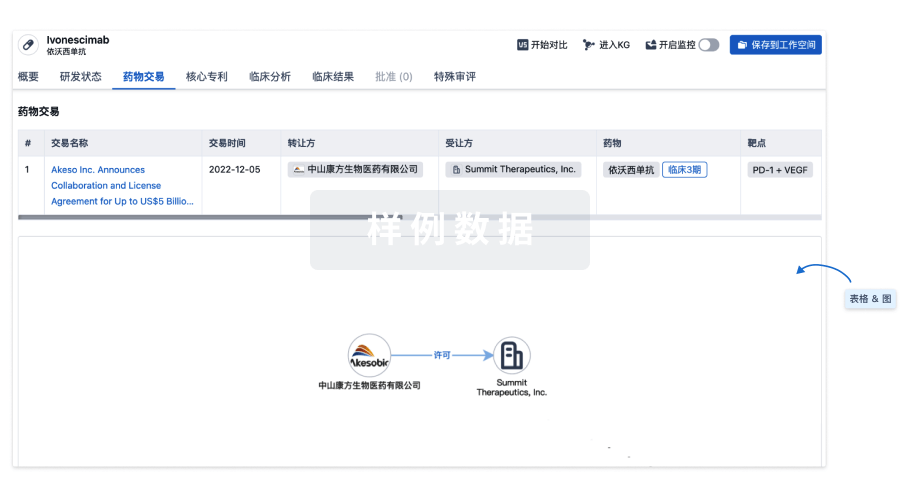
100 项与 FG-9202 相关的药物交易
登录后查看更多信息
研发状态
10 条进展最快的记录, 后查看更多信息
登录
| 适应症 | 最高研发状态 | 国家/地区 | 公司 | 日期 |
|---|---|---|---|---|
| 脑卒中 | 临床1期 | - | - | |
| 脑卒中 | 临床1期 | - | - | |
| 脑卒中 | 临床1期 | - | - | |
| 癫痫 | 临床前 | 法国 | - | - |
| 帕金森病 | 临床前 | 美国 | - | - |
登录后查看更多信息
临床结果
临床结果
适应症
分期
评价
查看全部结果
| 研究 | 分期 | 人群特征 | 评价人数 | 分组 | 结果 | 评价 | 发布日期 |
|---|
No Data | |||||||
登录后查看更多信息
转化医学
使用我们的转化医学数据加速您的研究。
登录
或
药物交易
使用我们的药物交易数据加速您的研究。
登录
或
核心专利
使用我们的核心专利数据促进您的研究。
登录
或
临床分析
紧跟全球注册中心的最新临床试验。
登录
或
批准
利用最新的监管批准信息加速您的研究。
登录
或
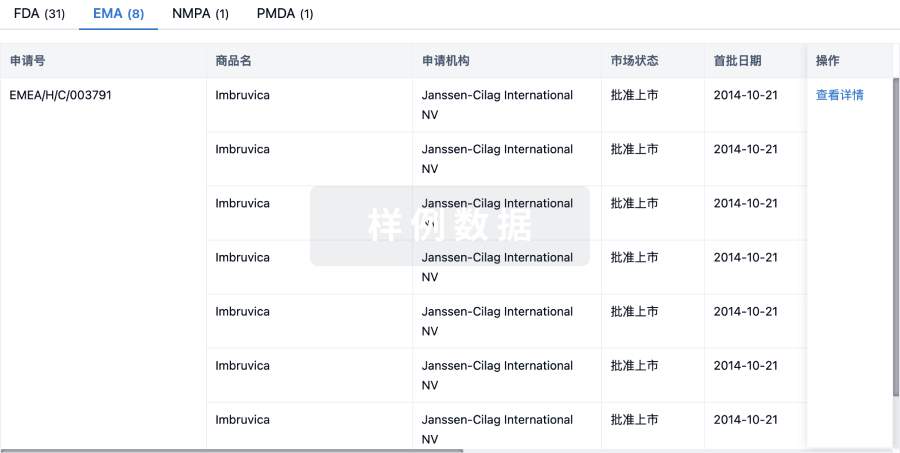
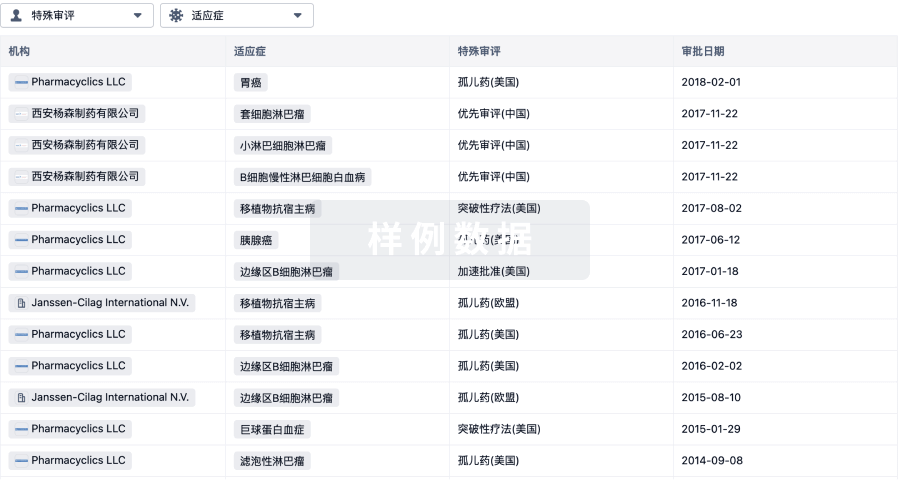
特殊审评
只需点击几下即可了解关键药物信息。
登录
或
提出任何生物医药研究问题
让每一步生物医药决策都精准制胜
基于十亿级生物数据与全球情报的精准 AI,赋能早期药物发现
立即开始免费试用!
智慧芽新药情报库是智慧芽专为生命科学人士构建的基于AI的创新药情报平台,助您全方位提升您的研发与决策效率。
立即接入生物医药数据包
智慧芽新药库数据也通过智慧芽开放平台,以MCP或API服务形式对外开放。立即使用我们的MCP服务定制您的LLM智能体。
生物序列数据库
生物药研发创新
免费使用
化学结构数据库
小分子化药研发创新
免费使用