预约演示
更新于:2026-02-07
CD19/BCMA CAR Tcells therapy (Yake Biotechnology)
更新于:2026-02-07
概要
基本信息
药物类型 自体CAR-T |
别名 Anti CD19 and anti BCMA CAR-T cell therapy、AntiCD19/BCMA CART cell therapy Yake Biotechnology、CD19/BCMA CAR Tcells injection |
作用方式 抑制剂 |
作用机制 BCMA抑制剂(B细胞成熟蛋白抑制剂)、CD19抑制剂(B淋巴细胞抗原CD19抑制剂)、Gene transference(基因转移) |
非在研适应症 |
原研机构 |
在研机构 |
非在研机构- |
权益机构- |
最高研发阶段早期临床1期 |
首次获批日期- |
最高研发阶段(中国)早期临床1期 |
特殊审评- |


登录后查看时间轴
关联
7
项与 CD19/BCMA CAR Tcells therapy (Yake Biotechnology) 相关的临床试验NCT06785519
A Clinical Study of the Safety and Efficacy of CD19/BCMA CAR-T Cell Therapy for Refractory/Relapsed Lupus Nephritis
NCT05085418
A Study of CD19/BCMA Chimeric Antigen Receptor T Cells Therapy for Patients With Refractory Immune Nephritis
NCT05085431
A Study of CD19/BCMA Chimeric Antigen Receptor T Cells Therapy for Patients With Refractory Sjogren's Syndrome
100 项与 CD19/BCMA CAR Tcells therapy (Yake Biotechnology) 相关的临床结果
登录后查看更多信息
100 项与 CD19/BCMA CAR Tcells therapy (Yake Biotechnology) 相关的转化医学
登录后查看更多信息
100 项与 CD19/BCMA CAR Tcells therapy (Yake Biotechnology) 相关的专利(医药)
登录后查看更多信息
2
项与 CD19/BCMA CAR Tcells therapy (Yake Biotechnology) 相关的文献(医药)2025-09-01CELLULAR IMMUNOLOGY
Enhancing the antitumor activity of CD19/BCMA CAR-T cells in vitro with a PD1IL7R chimeric switch receptor
Article
作者: Yan, Kai ; Xiao, Zhongdang
Chimeric antigen receptor (CAR)-T cell therapy has revolutionized the treatment of hematologic malignancies, but its long-term efficacy is hindered by antigen escape, T-cell exhaustion, and the immunosuppressive tumor microenvironment (TME). Programmed death ligand 1 (PD-L1) expression in the TME inhibits CAR-T cell function, limiting persistence and cytotoxic capacity. To address this, we engineered CD19/BCMA-targeted CAR-T cells co-expressing a PD1IL7R chimeric switch receptor (CSR). This novel receptor converts PD-L1-mediated inhibitory signals into IL7R-driven pro-survival and proliferative pathways, enhancing CAR-T cell expansion, persistence, and cytotoxicity in a PD-L1-dependent but antigen-specific manner. In vitro, CD19/BCMA-PD1IL7R CAR-T cells exhibit improved central memory T-cell formation, increased cytokine secretion, and superior antitumor activity compared to conventional CAR-T cells. Notably, these functional enhancements were evident even at low levels of PD-L1 expression on target cells, and no off-target effects were observed. Our findings suggest that incorporating the PD1-IL7R switch receptor into CAR-T cells effectively overcomes PD-L1-mediated immunosuppression, enhancing both their persistence and antitumor efficacy. This approach offers a versatile strategy for improving CAR-T therapy in the treatment of both hematologic and solid tumors.
2020-01-01The Journal of international medical research4区 · 医学
Infusion of chimeric antigen receptor T cells against dual targets of CD19 and B-cell maturation antigen for the treatment of refractory multiple myeloma
4区 · 医学
ArticleOA
作者: Zhu, Xiaming ; Ge, Yongqin ; Lu, Yin ; Tang, Fang ; Shang, Jingjing
Objective:
To investigate the safety and efficacy of chimeric antigen receptor T (CAR-T) cell infusion in patients with refractory multiple myeloma (MM).
Methods:
Sixteen patients diagnosed with refractory MM were included in this study. Patients received initial infusions of T-derived CD19/B-cell maturation antigen (BCMA) CAR-T cells with 100% CD19, followed by second infusions with 40% BCMA and third infusions with 60% BCMA. The total doses were 0.5–1 × 10⁷/kg CD19 and 1.2 − 6.2 × 10⁷/kg BCMA. Patients were monitored after infusion. Levels of interleukin (IL)-2, IL-6, IL-10, tumor necrosis factor-α, and C-reactive protein were determined by enzyme-linked immunosorbent assay.
Results:
Cytokine release syndrome (CRS) was observed in all 16 patients. Thirteen patients with CRS stage II−IV had persistent hyperthermia from 5−14 days after infusion, while most patients developed hyperthermia from 1 day after infusion and their temperatures returned to normal within 2−10 days. Levels of all factors were significantly elevated 2 days after infusion, peaked at 5 days, and then gradually decreased to normal levels. All inflammatory factors showed normal levels by 10 days after infusion.
Conclusion:
Body temperature and levels of inflammatory factors all increased dramatically after infusion of CD19/BCMA CAR-T cells, but recovered to normal levels after appropriate treatment and nursing.
100 项与 CD19/BCMA CAR Tcells therapy (Yake Biotechnology) 相关的药物交易
登录后查看更多信息
研发状态
10 条进展最快的记录, 后查看更多信息
登录
| 适应症 | 最高研发状态 | 国家/地区 | 公司 | 日期 |
|---|---|---|---|---|
| 狼疮性肾炎 | 临床1期 | 中国 | 2021-11-05 | |
| 干燥综合征 | 临床1期 | 中国 | 2021-11-05 | |
| 干燥综合征 | 临床1期 | 中国 | 2021-11-05 | |
| 淀粉样变性 | 临床1期 | 中国 | 2021-10-08 | |
| 淀粉样变性 | 临床1期 | 中国 | 2021-10-08 | |
| 自身免疫性溶血性贫血 | 临床1期 | 中国 | 2021-10-08 | |
| 自身免疫性溶血性贫血 | 临床1期 | 中国 | 2021-10-08 | |
| POEMS综合征 | 临床1期 | 中国 | 2021-10-08 | |
| POEMS综合征 | 临床1期 | 中国 | 2021-10-08 | |
| 系统性硬皮病 | 临床1期 | 中国 | 2021-10-08 |
登录后查看更多信息
临床结果
临床结果
适应症
分期
评价
查看全部结果
登录后查看更多信息
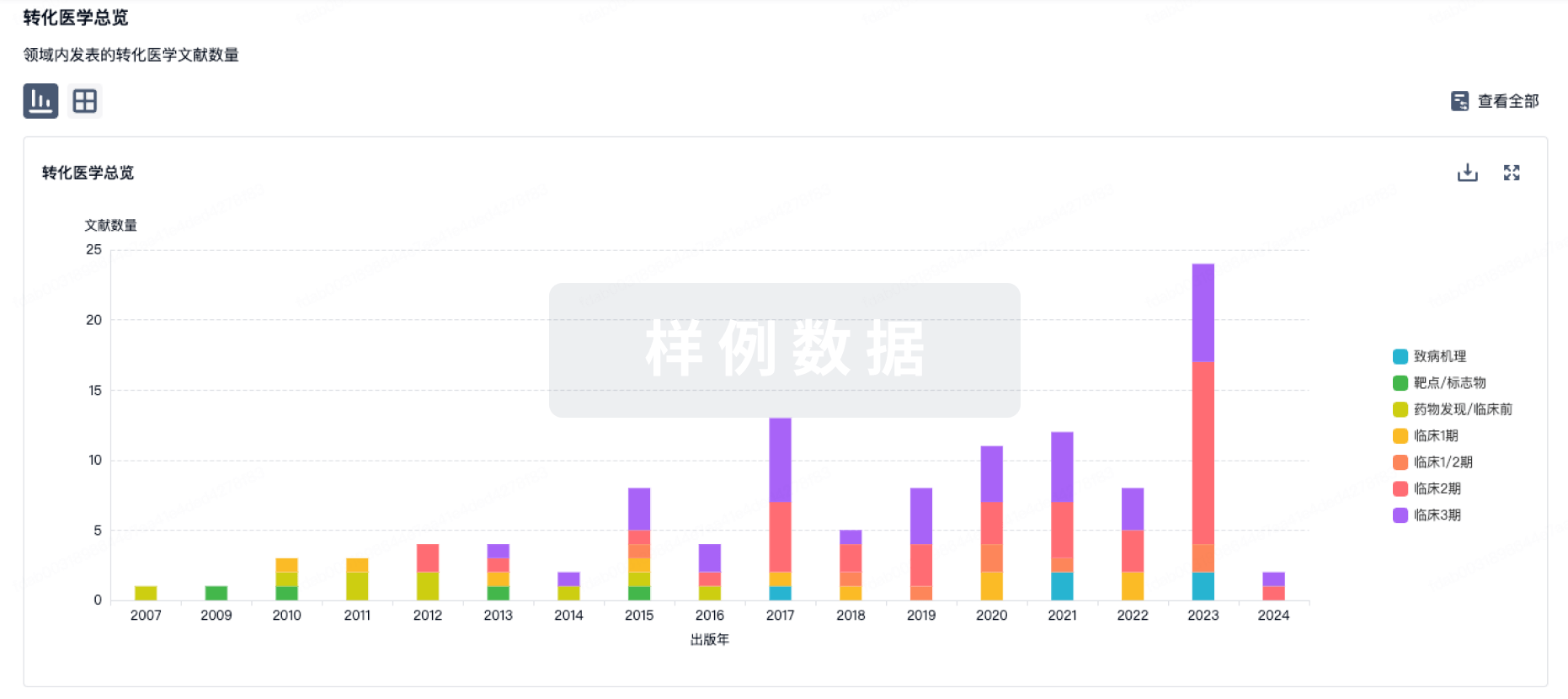
转化医学
使用我们的转化医学数据加速您的研究。
登录
或
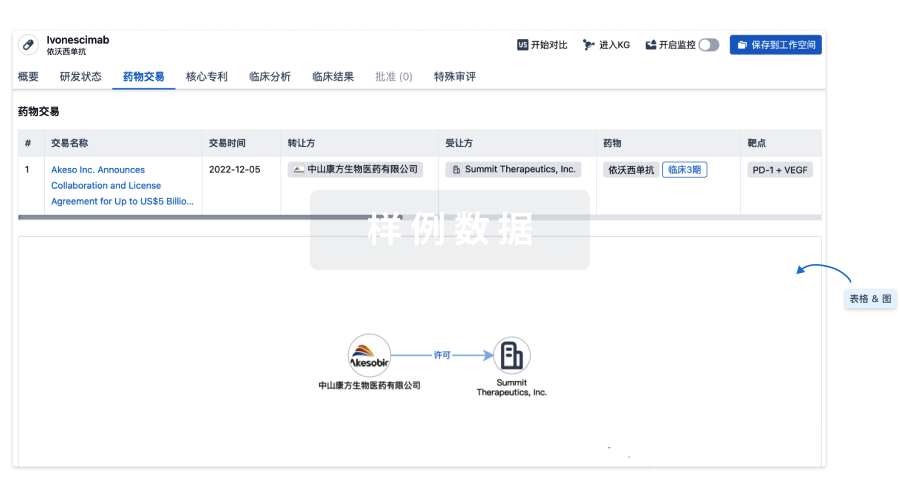
药物交易
使用我们的药物交易数据加速您的研究。
登录
或
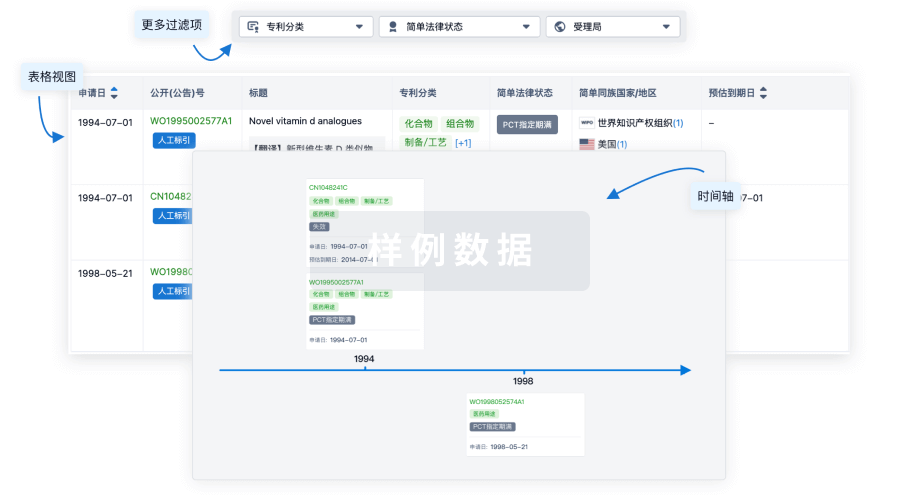
核心专利
使用我们的核心专利数据促进您的研究。
登录
或
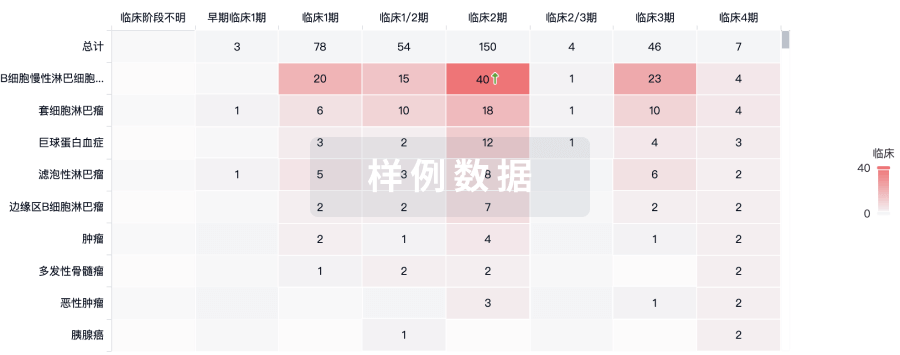
临床分析
紧跟全球注册中心的最新临床试验。
登录
或
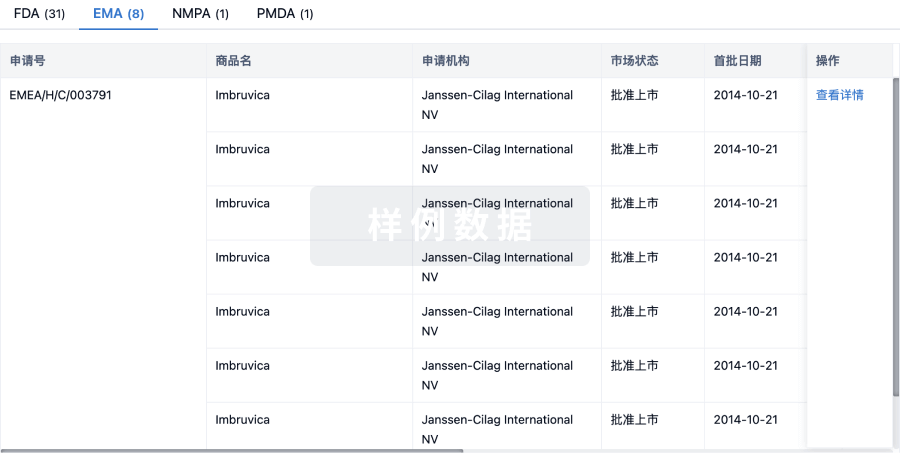
批准
利用最新的监管批准信息加速您的研究。
登录
或
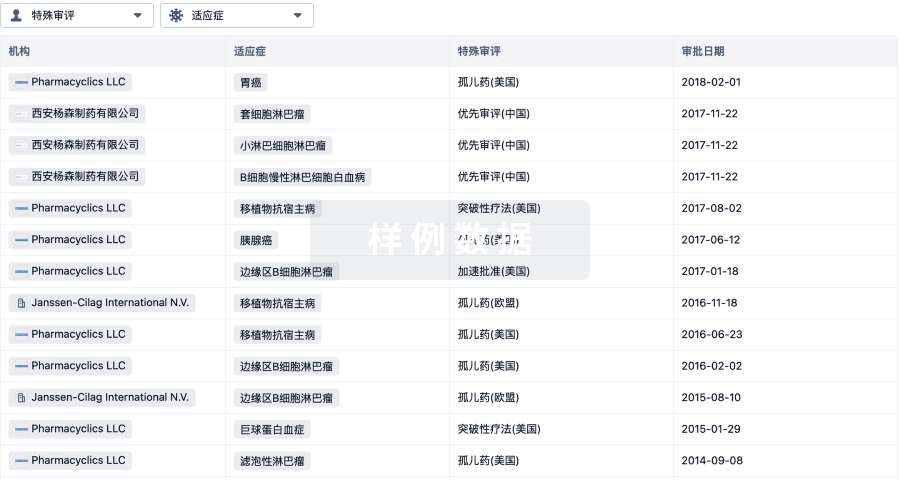
特殊审评
只需点击几下即可了解关键药物信息。
登录
或
生物医药百科问答
全新生物医药AI Agent 覆盖科研全链路,让突破性发现快人一步
立即开始免费试用!
智慧芽新药情报库是智慧芽专为生命科学人士构建的基于AI的创新药情报平台,助您全方位提升您的研发与决策效率。
立即开始数据试用!
智慧芽新药库数据也通过智慧芽数据服务平台,以API或者数据包形式对外开放,助您更加充分利用智慧芽新药情报信息。
生物序列数据库
生物药研发创新
免费使用
化学结构数据库
小分子化药研发创新
免费使用