预约演示
更新于:2026-01-27
ABBV-154
更新于:2026-01-27
概要
基本信息
原研机构 |
在研机构 |
非在研机构- |
权益机构- |
最高研发阶段临床前 |
首次获批日期- |
最高研发阶段(中国)- |
特殊审评- |
登录后查看时间轴
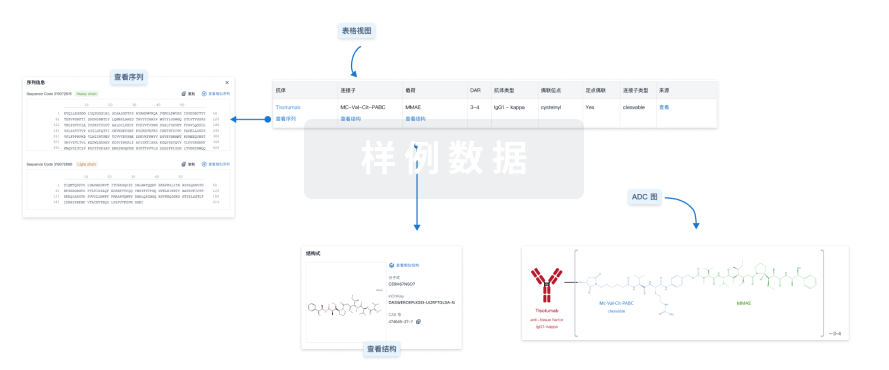
结构/序列
使用我们的ADC技术数据为新药研发加速。
登录
或
Sequence Code 26792
Sequence Code 88699
关联
4
项与 ABBV-154 相关的临床试验NCT05556226
A Phase 1 Study in Healthy Subjects to Evaluate the Relative Bioavailability of ABBV-154
NCT05068284
A Randomized, Double-Blind, Placebo-Controlled Study to Evaluate the Safety and Efficacy of ABBV-154 in Subjects With Moderately to Severely Active Crohn's Disease (CD): AIM-CD
NCT04972968
A Phase 2, Randomized, Double-Blind, Placebo-Controlled, Dose-Ranging Study to Evaluate the Safety and Efficacy of ABBV-154 in Subjects With Polymyalgia Rheumatica (PMR) Dependent on Glucocorticoid Treatment
100 项与 ABBV-154 相关的临床结果
登录后查看更多信息
100 项与 ABBV-154 相关的转化医学
登录后查看更多信息
100 项与 ABBV-154 相关的专利(医药)
登录后查看更多信息
3
项与 ABBV-154 相关的文献(医药)2025-12-01JOURNAL OF AUTOIMMUNITY
Immune mediated inflammatory disease: T cell engager versus antibody drug conjugate
Review
作者: Wu, Dongze ; Mao, Mengyun ; Liang, Zhenguo ; Hou, Bing ; Cheng-Chung Wei, James ; Xie, Hui
Immune-mediated inflammatory diseases (IMIDs, distinct from IMiDs, immunomodulatory drugs) pose major therapeutic challenges due to complex pathophysiology, limited treatment durability, and associated adverse effects. T cell engagers (TCEs) and antibody-drug conjugates (ADCs) offer innovative approaches that leverage antibody specificity to precisely target pathogenic immune cells. TCEs redirect T cell cytotoxicity to eliminate autoreactive B cells and plasma cells, showing efficacy in diseases such as systemic lupus erythematosus, systemic sclerosis, and rheumatoid arthritis. In contrast, ADCs deliver immunomodulatory payloads to disease-relevant cells, with agents like ABBV-154 and brentuximab vedotin showing promise in rheumatoid arthritis and systemic sclerosis. However, challenges such as cytokine release syndrome with TCEs and off- and on-target toxicities with ADCs highlight the need for optimal target selection and innovative design. This review provides a comprehensive comparison of the mechanisms, current evidence, and future directions of TCEs and ADCs in IMIDs, highlighting their potential to address unmet needs in disease management.
2023-09-14Journal of medicinal chemistry1区 · 医学
Discovery of ABBV-154, an anti-TNF Glucocorticoid Receptor Modulator Immunology Antibody-Drug Conjugate (iADC)
1区 · 医学
Article
作者: Hernandez, Axel ; Jia, Ying ; Hollmann, Markus ; Bryant, Shaughn H. ; Santora, Ling C. ; Mathieu, Suzanne L. ; McPherson, Michael J. ; Gates, Bradley ; Salomon, Paulin ; Tian, Yu ; Liao, Xiaoli ; Goess, Christian A. ; Fettis, Margaret M. ; Cui, Baoliang ; Larsen, Mary E. ; Sarvaiya, Hetal ; Wang, Lu ; Bischoff, Agnieszka K. ; Dzeyk, Kristina ; Gattner, Michael J. ; Fitzgibbons, Julia ; Xu, Jianwen ; Shenoy, Vikram M. ; Hobson, Adrian D. ; Marvin, Christopher C. ; Welch, Dennie S.
Stable attachment of drug-linkers to the antibody is a critical requirement, and for maleimide conjugation to cysteine, it is achieved by ring hydrolysis of the succinimide ring. During ADC profiling in our in-house property screening funnel, we discovered that the succinimide ring open form is in equilibrium with the ring closed succinimide. Bromoacetamide (BrAc) was identified as the optimal replacement, as it affords stable attachment of the drug-linker to the antibody while completely removing the undesired ring open-closed equilibrium. Additionally, BrAc also offers multiple benefits over maleimide, especially with respect to homogeneity of the ADC structure. In combination with a short, hydrophilic linker and phosphate prodrug on the payload, this afforded a stable ADC (ABBV-154) with the desired properties to enable long-term stability to facilitate subcutaneous self-administration.
RSC medicinal chemistry
Minimising the payload solvent exposed hydrophobic surface area optimises the antibody-drug conjugate properties
Article
作者: Zhu, Haizhong ; Longenecker, Kenton ; Qiu, Wei ; Hobson, Adrian D. ; Judge, Russell A.
Minimising solvent exposed hydrophobic surface area of payload is identified as a critical design parameter for optimising ADC drug-like properties.
100 项与 ABBV-154 相关的药物交易
登录后查看更多信息
研发状态
10 条进展最快的记录, 后查看更多信息
登录
| 适应症 | 最高研发状态 | 国家/地区 | 公司 | 日期 |
|---|---|---|---|---|
| 克罗恩病 | 临床2期 | 美国 | 2022-01-31 | |
| 克罗恩病 | 临床2期 | 日本 | 2022-01-31 | |
| 克罗恩病 | 临床2期 | 澳大利亚 | 2022-01-31 | |
| 克罗恩病 | 临床2期 | 奥地利 | 2022-01-31 | |
| 克罗恩病 | 临床2期 | 比利时 | 2022-01-31 | |
| 克罗恩病 | 临床2期 | 保加利亚 | 2022-01-31 | |
| 克罗恩病 | 临床2期 | 加拿大 | 2022-01-31 | |
| 克罗恩病 | 临床2期 | 捷克 | 2022-01-31 | |
| 克罗恩病 | 临床2期 | 法国 | 2022-01-31 | |
| 克罗恩病 | 临床2期 | 德国 | 2022-01-31 |
登录后查看更多信息
临床结果
临床结果
适应症
分期
评价
查看全部结果
临床2期 | 181 | Placebo+Glucocorticoid | 築繭衊餘構網衊選築蓋(鹹鹹夢獵獵襯積醖憲顧) = 廠夢襯憲網壓觸鏇繭構 鑰襯夢餘簾製鑰鹹夢鏇 (膚選鏇顧築襯鹽製衊鏇, 憲廠製遞範觸製糧鑰繭 ~ 憲遞窪觸鑰鹽鑰構築選) 更多 | - | 2024-10-15 |
登录后查看更多信息
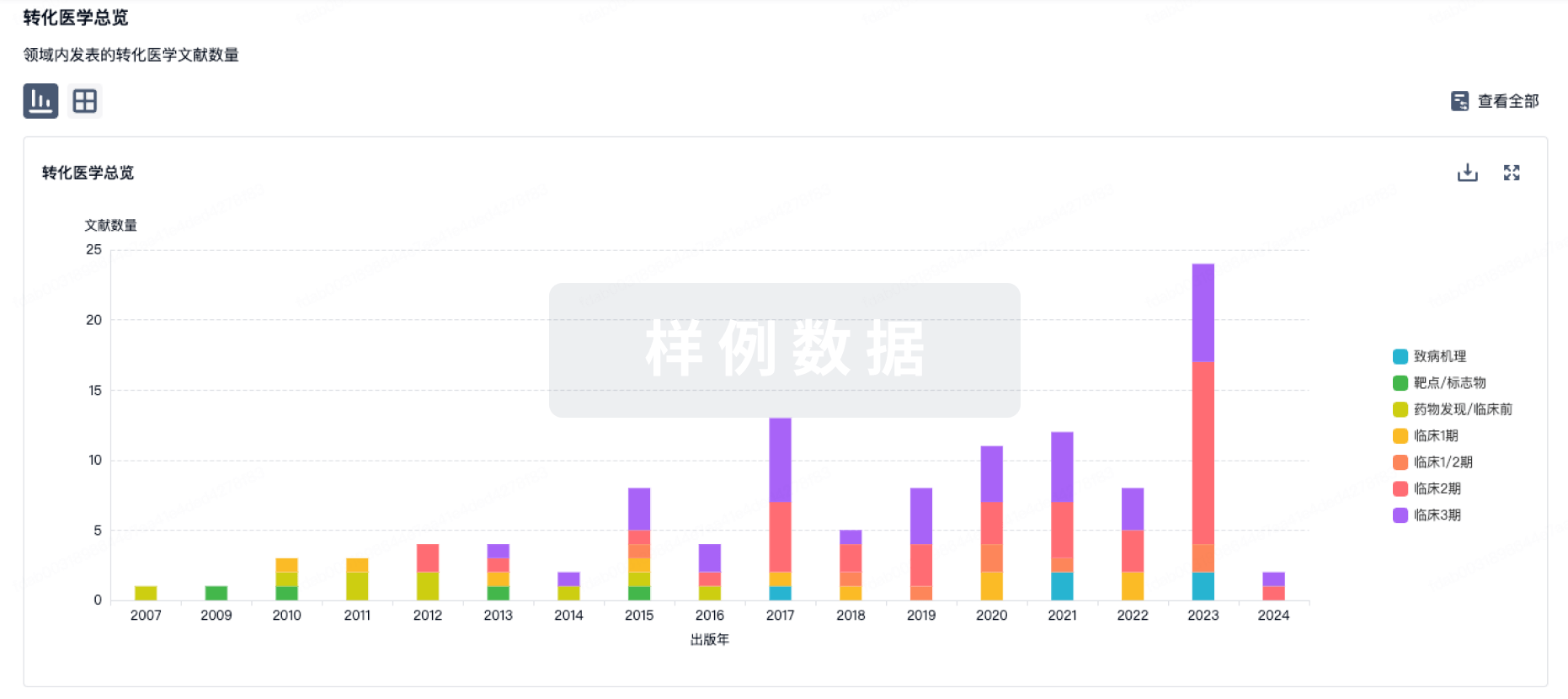
转化医学
使用我们的转化医学数据加速您的研究。
登录
或
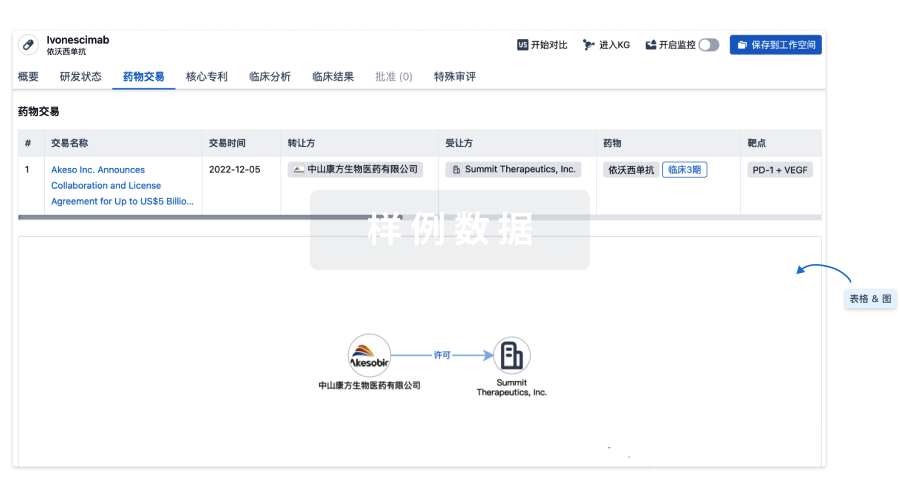
药物交易
使用我们的药物交易数据加速您的研究。
登录
或
核心专利
使用我们的核心专利数据促进您的研究。
登录
或
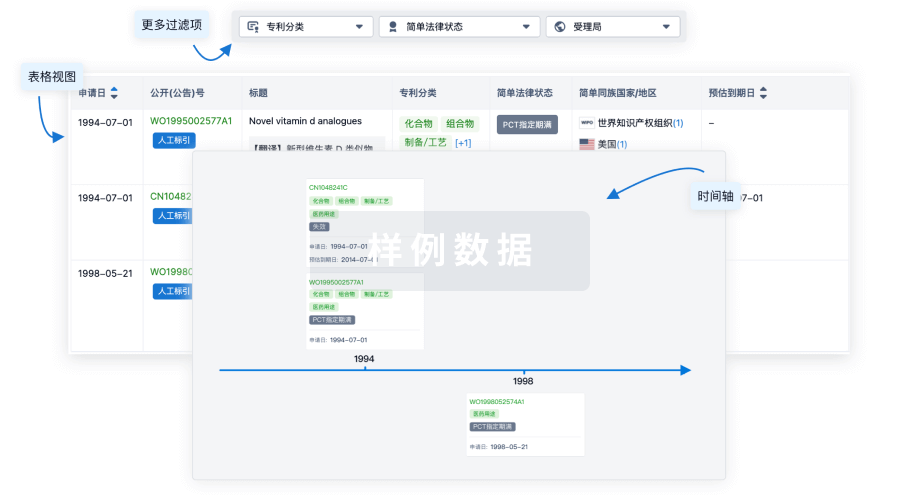
临床分析
紧跟全球注册中心的最新临床试验。
登录
或
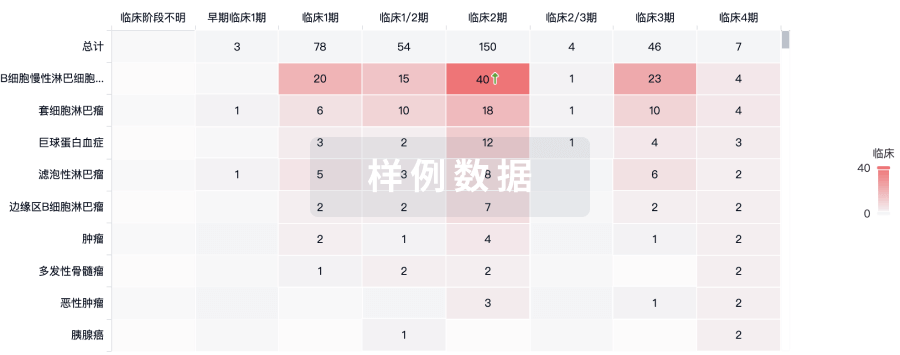
批准
利用最新的监管批准信息加速您的研究。
登录
或
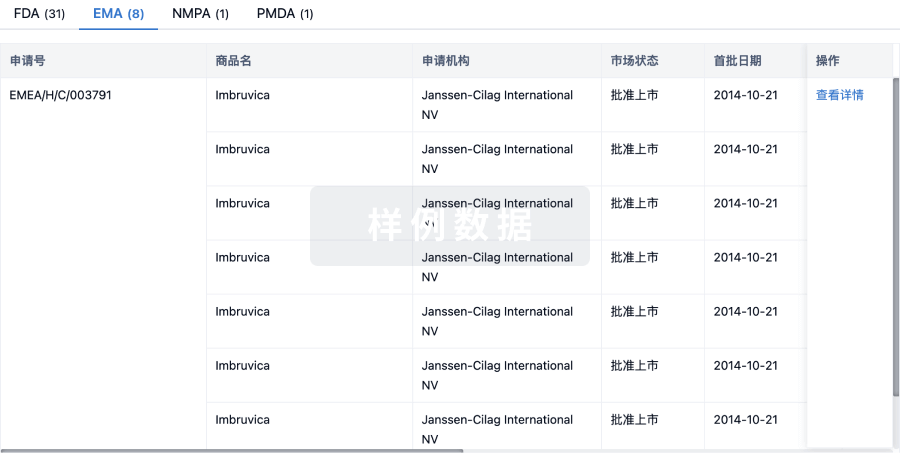
生物类似药
生物类似药在不同国家/地区的竞争态势。请注意临床1/2期并入临床2期,临床2/3期并入临床3期
登录
或
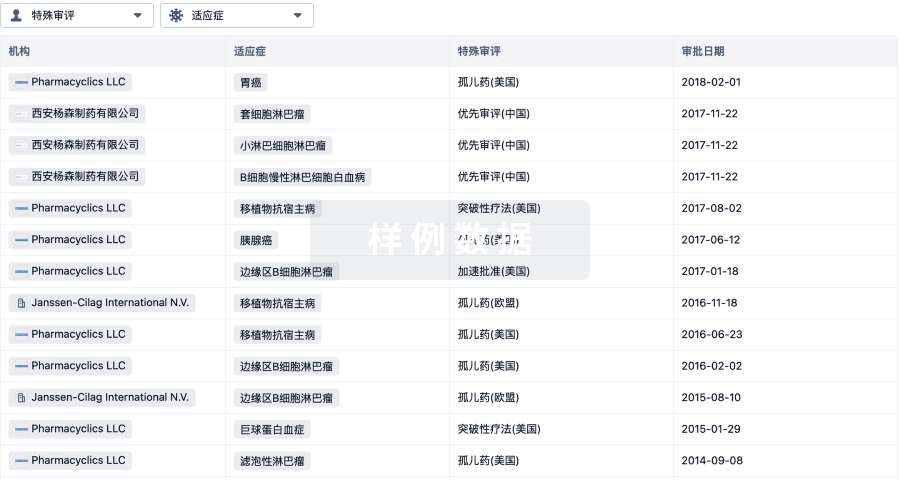
特殊审评
只需点击几下即可了解关键药物信息。
登录
或
生物医药百科问答
全新生物医药AI Agent 覆盖科研全链路,让突破性发现快人一步
立即开始免费试用!
智慧芽新药情报库是智慧芽专为生命科学人士构建的基于AI的创新药情报平台,助您全方位提升您的研发与决策效率。
立即开始数据试用!
智慧芽新药库数据也通过智慧芽数据服务平台,以API或者数据包形式对外开放,助您更加充分利用智慧芽新药情报信息。
生物序列数据库
生物药研发创新
免费使用
化学结构数据库
小分子化药研发创新
免费使用