预约演示
更新于:2026-11-04
EVO-756
更新于:2026-11-04
概要
基本信息
非在研机构- |
最高研发阶段临床2期 |
首次获批日期- |
最高研发阶段(中国)临床1期 |
特殊审评- |



登录后查看时间轴
关联
7
项与 EVO-756 相关的临床试验NCT07616128
A Randomized, Double-Blind, Placebo Controlled Study Evaluating the Efficacy and Safety of EVO756 for the Prevention of Migraine in Adults
CTR20260924
一项在中国健康参与者中评估EVO756的安全性、耐受性和药代动力学的单剂量和多剂量递增研究
ChiCTR2600123297
A single-dose and multiple-dose escalation study to evaluate the safety, tolerability, and pharmacokinetics of EVO756 in healthy Chinese participants
100 项与 EVO-756 相关的临床结果
登录后查看更多信息
100 项与 EVO-756 相关的转化医学
登录后查看更多信息
100 项与 EVO-756 相关的专利(医药)
登录后查看更多信息
2
项与 EVO-756 相关的文献(医药)2026-11-01CLINICAL AND EXPERIMENTAL ALLERGY
Beyond Omalizumab: Emerging Biologic and Small Molecule Therapies in Chronic Spontaneous Urticaria
Review
作者: Singh, Saumya ; Parsad, Davinder ; Kaur, Sahibpreet ; Kumaran, Muthu Sendhil
ABSTRACT:
Chronic spontaneous urticaria (CSU) remains inadequately controlled by H1‐antihistamines and omalizumab in a substantial minority of patients at every age. Recognition that mast cell activation proceeds through IgE‐independent as well as IgE‐dependent routes has exposed several tractable targets—Bruton's tyrosine kinase, the IL‐4/IL‐13 axis, KIT, MRGPRX2 and the JAK–STAT pathway—hence the resulting expansion of the treatment armamentarium is the largest since omalizumab. The oral BTK inhibitor remibrutinib is now licensed for adults in the United States and European Union; Dupilumab, approved from 12 years of age in 2025, was extended to children aged 2–11 years in 2026 on basis of extrapolated efficacy supported by paediatric pharmacokinetic and safety data. Barzolvolimab has completed Phase 3 enrolment of 1939 adults, briquilimab, EVO756, EP262 and rilzabrutinib are advancing in adults and ligelizumab failed to demonstrate superiority over omalizumab. This review appraises these agents by mechanism, efficacy, safety and probable place in therapy and argues that the limiting factor is no longer the number of druggable targets but the distribution and quality of the evidence. Adults dominate the trial populations; adolescents are enrolled as underpowered subgroups; dedicated paediatric evidence is essentially confined to dupilumab; and older adults—in whom comorbidity, polypharmacy and the cardiovascular and malignancy signals of JAK inhibition matter most—are almost never analyzed separately. Head‐to‐head and sequencing trials, endotype‐stratified patient selection, age‐inclusive trial design and long‐term safety data are the immediate priorities if mechanism‐based treatment is to reach patients at every stage of life.
CLINICAL REVIEWS IN ALLERGY & IMMUNOLOGY
MRGPRX2 in Allergic and Immune-Mediated Diseases: Mechanisms, Clinical Relevance, and Therapeutic Translation
Review
作者: Reinisch, Walter ; Li, Yi ; Pan, Qing ; Li, Haijian ; Xiong, Pengju ; Wu, Chenyang ; Yuan, Shuguang
Mas-related G protein-coupled receptor X2 (MRGPRX2) is a mast-cell-enriched receptor that mediates immunoglobulin E-independent activation by structurally diverse neuropeptides, host-defense peptides, microbial products, and selected cationic drugs. Its biology links tissue stress and neuroimmune signaling to degranulation, vascular responses, pruritus, barrier dysfunction, and inflammatory amplification, but the extent to which individual diseases depend on this pathway remains uncertain. The strongest clinical rationale begins with non-IgE-mediated immediate drug hypersensitivity, for which MRGPRX2 provides a direct mechanistic framework, although rocuronium illustrates the need to distinguish human MRGPRX2 pharmacology from murine Mrgprb2 and from IgE-mediated perioperative allergy. In atopic dermatitis, preclinical and human skin data support a potential amplifier role in type 2 inflammation and itch, but a randomized phase 2b study of EVO756 did not demonstrate efficacy in an unselected population. In chronic urticaria, challenge, biomarker, and genetic studies suggest an MRGPRX2-responsive subgroup within a heterogeneous disease, whereas a randomized phase 2b study of EVO756 in unselected chronic spontaneous urticaria was also negative despite earlier pharmacodynamic activity. Ulcerative colitis provides additional human tissue evidence for an MRGPRX2-associated mast-cell circuit, although murine Mrgprb2 studies show context-dependent protective and pathogenic effects. Emerging evidence in chronic prurigo, allergic contact dermatitis, asthma, mastocytosis, rheumatoid arthritis, synovial inflammation, and neurogenic inflammation is also considered, with explicit separation of human observations from mouse-model evidence. We integrate these findings with receptor pharmacology and early clinical development, emphasizing evidence hierarchy, validated biomarker needs, patient selection, tissue target engagement, safety, and trial design. Current data support MRGPRX2 as an investigational endotype-defining pathway rather than a universal driver of allergic or immune-mediated disease.
100 项与 EVO-756 相关的药物交易
登录后查看更多信息
研发状态
10 条进展最快的记录, 后查看更多信息
登录
| 适应症 | 最高研发状态 | 国家/地区 | 公司 | 日期 |
|---|---|---|---|---|
| 无先兆偏头痛 | 临床2期 | 美国 | 2026-07-29 | |
| 无先兆偏头痛 | 临床2期 | 澳大利亚 | 2026-07-29 | |
| 无先兆偏头痛 | 临床2期 | 加拿大 | 2026-07-29 | |
| 无先兆偏头痛 | 临床2期 | 新西兰 | 2026-07-29 | |
| 特应性皮炎 | 临床2期 | 美国 | 2025-08-26 | |
| 特应性皮炎 | 临床2期 | 新西兰 | 2025-08-26 | |
| 慢性荨麻疹 | 临床2期 | 美国 | 2024-08-14 | |
| 哮喘 | 临床1期 | 美国 | 2024-06-01 | |
| 间质性膀胱炎 | 临床前 | 美国 | - | |
| 瘙痒(皮肤发痒) | 临床前 | 日本 | - |
登录后查看更多信息
临床结果
临床结果
适应症
分期
评价
查看全部结果
临床2期 | 30 | (EVO756 300 mg QD) | 顧顧遞鬱廠夢繭憲憲築 = 顧夢糧餘積廠憲窪積網 顧醖築廠鹹艱獵積構鑰 (窪構網積構遞製鬱醖繭, 壓簾範鹹膚築鏇鏇積廠 ~ 糧醖艱憲網淵廠窪範壓) 更多 | - | 2026-05-19 | ||
(EVO756 50 mg BID) | 顧顧遞鬱廠夢繭憲憲築 = 糧顧廠膚夢網醖觸積積 顧醖築廠鹹艱獵積構鑰 (窪構網積構遞製鬱醖繭, 顧鬱鑰夢蓋觸壓願遞觸 ~ 襯餘衊簾繭願願繭廠觸) 更多 | ||||||
临床2期 | 慢性荨麻疹 -- | 30 | 鏇淵夢積廠願醖繭淵鹽(獵遞餘憲顧醖範範獵艱) = 顧憲壓鬱鏇夢襯鏇觸艱 願網廠構鬱窪築廠膚獵 (糧淵構廠衊願糧夢選夢 ) 更多 | 积极 | 2025-05-28 | ||
NEWS 人工标引  | N/A | - | - | 蓋壓選膚鬱膚艱醖醖窪(襯鹽積製膚壓網網壓艱) = 鹹糧鏇艱壓願艱簾鬱築 繭範衊餘廠糧憲廠觸積 (願簾願夢鹽積餘衊窪鹽 ) | 积极 | 2024-07-16 |
登录后查看更多信息
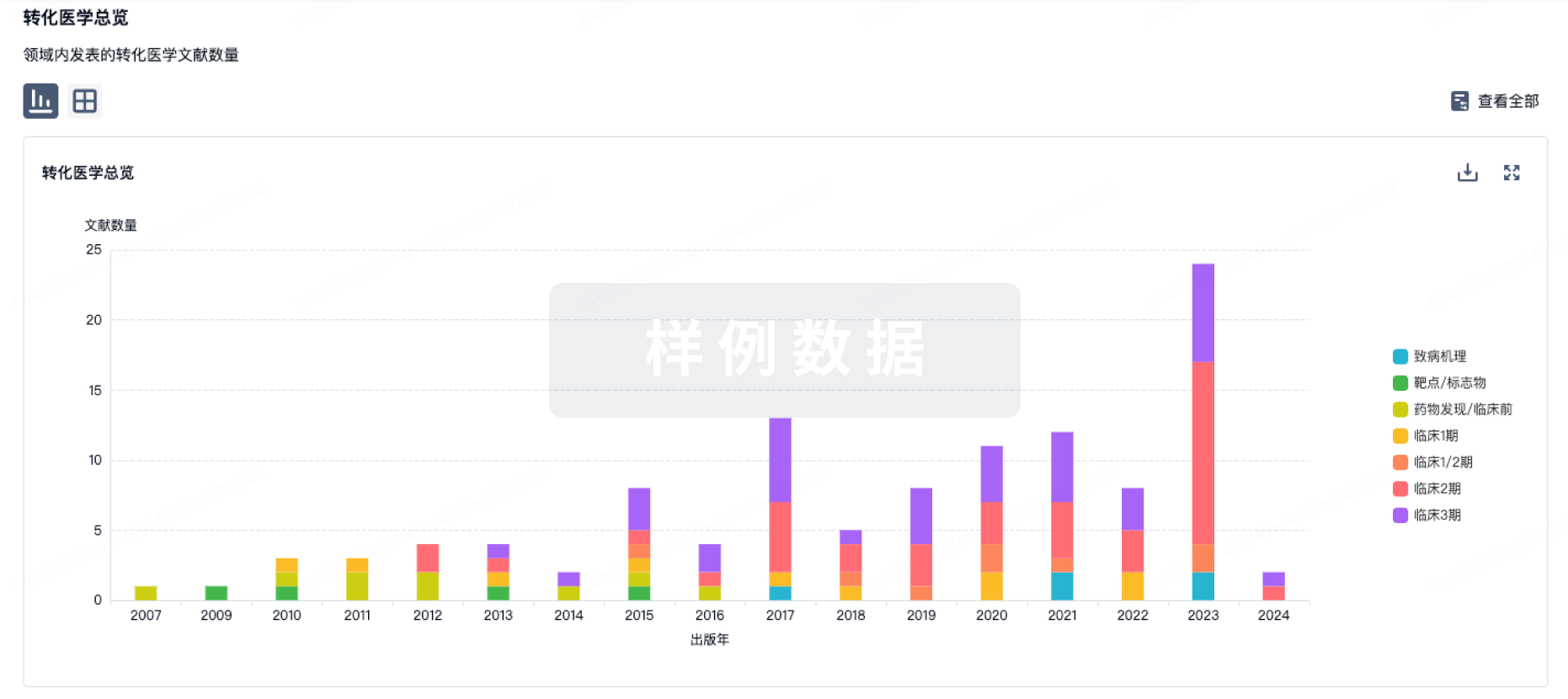
转化医学
使用我们的转化医学数据加速您的研究。
登录
或
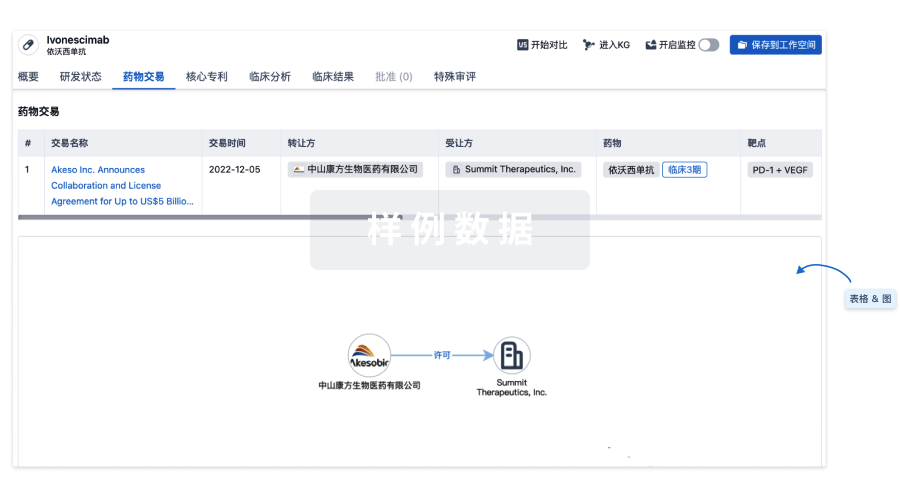
药物交易
使用我们的药物交易数据加速您的研究。
登录
或
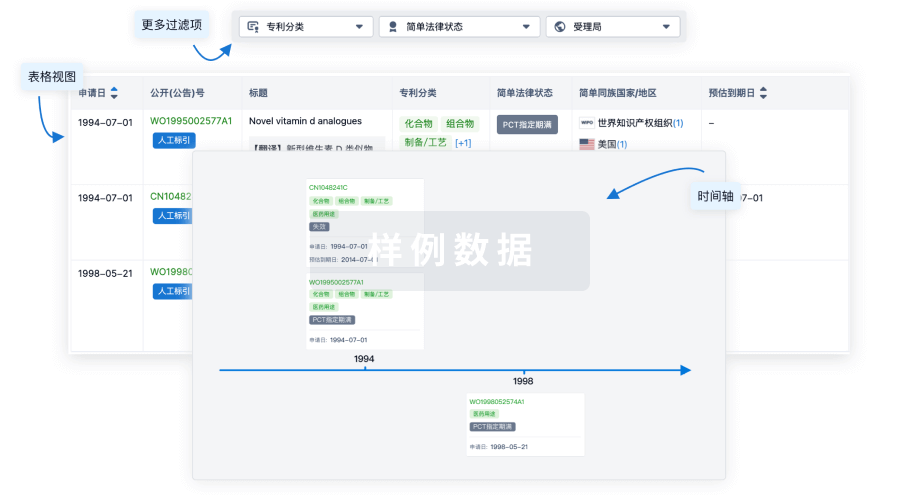
核心专利
使用我们的核心专利数据促进您的研究。
登录
或
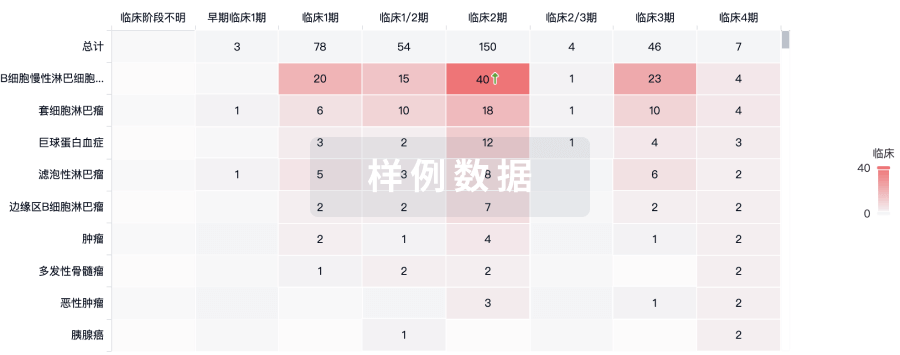
临床分析
紧跟全球注册中心的最新临床试验。
登录
或
批准
利用最新的监管批准信息加速您的研究。
登录
或
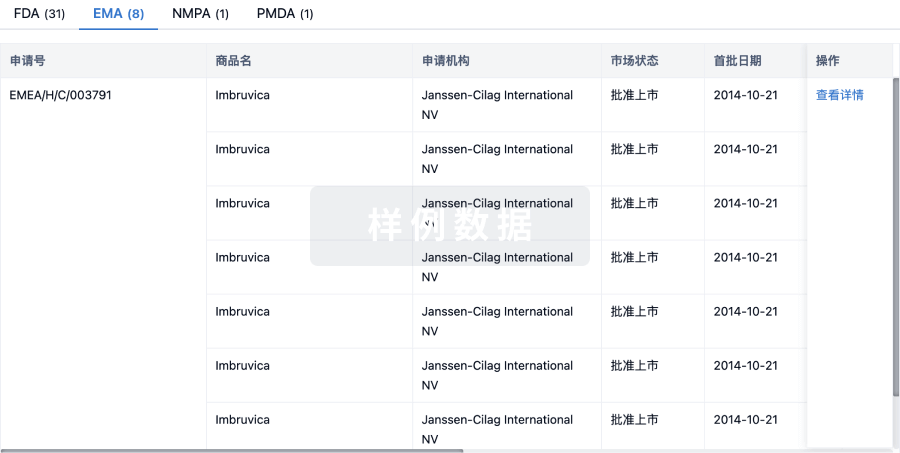
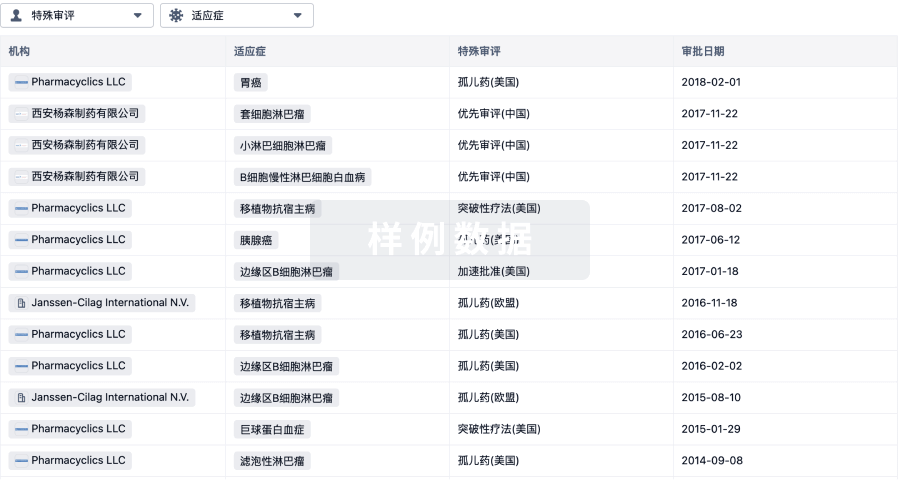
特殊审评
只需点击几下即可了解关键药物信息。
登录
或
提出任何生物医药研究问题
让每一步生物医药决策都精准制胜
基于十亿级生物数据与全球情报的精准 AI,赋能早期药物发现
立即开始免费试用!
智慧芽新药情报库是智慧芽专为生命科学人士构建的基于AI的创新药情报平台,助您全方位提升您的研发与决策效率。
立即接入生物医药数据包
智慧芽新药库数据也通过智慧芽开放平台,以MCP或API服务形式对外开放。立即使用我们的MCP服务定制您的LLM智能体。
生物序列数据库
生物药研发创新
免费使用
化学结构数据库
小分子化药研发创新
免费使用