预约演示
更新于:2026-11-05
TRI-611
更新于:2026-11-05
概要
基本信息
非在研机构- |
权益机构- |
最高研发阶段临床1/2期 |
首次获批日期- |
最高研发阶段(中国)临床1/2期 |
特殊审评快速通道 (美国) |
登录后查看时间轴
结构/序列
分子式C21H16N4O5 |
InChIKeyXGNIJIQFXVUHJG-UHFFFAOYSA-N |
CAS号3117940-39-0 |
关联
1
项与 TRI-611 相关的临床试验NCT07491497
A Phase 1/2, Dose Escalation and Expansion Study of TRI-611, an Oral ALK Molecular Glue Degrader in Participants With Advanced ALK-Positive NSCLC
The goal of this clinical trial is to learn about the safety and recommended dose of TRI-611 when administered to adults with ALK-positive non-small cell lung cancer (NSCLC). The trial will also evaluate the antitumor activity of TRI-611 in adults with ALK-positive NSCLC.
The study will be conducted in two parts. The first part will examine different doses of TRI-611. The second part will look at how well TRI-611 works on ALK-positive NSCLC when administered to three groups of participants that differ based on what type of prior therapy they have received.
In this study participants will:
* Take TRI-611 on a continued basis, provided it is well-tolerated, for as long as their disease is not progressing
* Visit the clinic approximately seven times in the first 3 months and then just once at the start of each 28-day cycle thereafter
* Keep a diary of each time they take the study medication
开始日期2026-03-11 |
申办/合作机构 |
100 项与 TRI-611 相关的临床结果
登录后查看更多信息
100 项与 TRI-611 相关的转化医学
登录后查看更多信息
100 项与 TRI-611 相关的专利(医药)
登录后查看更多信息
1
项与 TRI-611 相关的文献(医药)2026-10-01·Nature
TRI-611, a selective, brain-penetrant molecular glue degrader of ALK
Article
作者: Casaubon, Rebecca L ; Nunes, Duncan E ; Szeto, Hannah ; Zagulyaeva, Aleksandra ; Zarate, Christine M ; Marcoux, David ; Kamadurai, Hari B ; Wigle, Tim J ; Palombella, Vito J ; La, Daniel S ; Harlow, Matt L ; Kondo, Nobuyuki ; Arsenault, Patrick R ; Cantone, Nico R ; Ngo, Kenneth ; Hata, Aaron N ; Bart, Aaron G ; Yu, Maolin ; Constan, Alexander ; Alekseyenko, Artyom A ; Germa, Caroline ; Trojer, Patrick ; Highfield, Lauren ; Gokhale, Prafulla C ; Seyb, Kathleen I ; Conery, Andrew R ; Medikonda, Aravind Prasad ; Lee, Jisu
Tyrosine kinase inhibitors (TKIs) targeting anaplastic lymphoma kinase (ALK) have transformed the treatment landscape of ALK fusion-positive non-small-cell lung carcinoma (ALK-positive NSCLC), but the limited options for patients who progress on approved TKIs highlight a continued need for an orthogonal therapeutic approach1,2. TRI-611 is a potent, brain-penetrant molecular glue degrader of ALK fusion proteins with the potential to address this need. TRI-611 promotes the proximity of the ALK kinase domain and CRL4 substrate adaptor CRBN through a unique degron interface distal from the kinase active site. The unique binding interface of TRI-611 leads to selectivity across the proteome including known CRBN neosubstrates and other kinases. TRI-611 treatment induces degradation of all forms of ALK fusion proteins, including wild-type and ALK TKI-resistant versions, leading to regression of cell line and patient-derived subcutaneous and intracranial tumour models of ALK-positive NSCLC. TRI-611 can be combined with orthosteric ALK TKIs, achieving synergistic and durable tumour regressions. TRI-611 represents to our knowledge the first clinical-stage molecular glue degrader targeting an oncogenic gene fusion and has the potential to expand the arsenal of therapeutic options for patients with ALK-positive NSCLC .
87
项与 TRI-611 相关的新闻(医药)2026-10-25
2026 ESMO ALK阳性NSCLC研究汇总
今天是2026年10月25日,昨天也就是24日,在马德里的E2026年ESMO大会上,关于ALK阳性非小细胞肺癌(NSCLC) 的研究涵盖了从耐药机制探索、辅助治疗突破到新型药物研发等多个关键方向。以下是本次大会中值得关注的重点内容:
🧬 CROWN研究7年随访与耐药机制新发现
CROWN研究更新了洛拉替尼一线治疗7年随访数据,中位无进展生存期(PFS)仍未达到,7年PFS率约55%,颅内进展风险降低约94%。同时,一项探索性ctDNA分析揭示了早期进展的分子特征,发现耐药机制主要并非ALK靶点突变,而是通过旁路信号(RTK/RAS/MAPK)、炎症反应和血管生成等通路介导。早期进展者基线基因组更复杂(中位10个 vs 6个基因改变),TP53改变也更常见。
(看到两篇新闻报道,下文为第一篇,还有一篇,我再写一个专写一篇)
附新闻报道之一:2026年ESMO大会:CROWN试验分析揭示了洛拉替尼的耐药机制
在3期CROWN研究中的循环肿瘤DNA分析表明,洛拉替尼的抗药性主要是通过“旁路途径”及其他潜在机制产生的,而非由药物作用于靶点所导致的。ALK突变。
本杰明·所罗门,医学学士、哲学博士,彼得·麦卡勒姆癌症中心的专家们在2026年欧洲医学肿瘤学会大会上关于转移性非小细胞肺癌的第一个口头报告环节中,展示了这项分析的结果。
针对未经治疗、处于晚期阶段的患者的洛拉替尼所开展的3期CROWN研究ALK所罗门博士及其同事指出,阳性NSCLC患者的无进展生存期长到了前所未有的水平;在7年的随访期内,这些患者的无进展生存期中位数仍无法确定。不过,“尽管预后良好”,仍有大约20%的患者在治疗后1年内出现疾病进展或死亡。为了找出潜在的耐药机制、疾病早期进展的预测因素以及洛拉替尼治疗效果良好的预测因素,所罗门博士及其同事分析了CROWN研究中的患者样本中的ctDNA数据。
在CROWN试验中,研究人员将296名患者随机分为两组,每组148人,分别接受洛拉替尼或克唑替尼治疗。在试验开始时,从149名接受洛拉替尼治疗的患者中抽取了120人的血液样本;而在治疗结束后,则从那些疾病有所进展的18名患者身上采集了血液样本。这些血液样本被用于通过Guardant Infinity系统进行ctDNA分析。分析内容包括以下几项:
治疗结束时耐药机制的特征分析
对那些出现早期疾病进展的患者与那些具有长期缓解效果的患者在基线基因组改变方面的比较,其中,早期疾病进展指的是在1年或更短时间内出现无进展生存事件,而长期缓解则是指在7年内没有出现无进展生存事件。
有颅内进展患者与无颅内进展患者的比较
基于甲基化肿瘤分数的纵向评估所进行的疗效分析
研究人员指出,对配对的基线期和治疗结束时的ctDNA样本(共17份)进行的分析“未发现新的ALK耐药突变,同时表明,RTK/RAS/MAPK等通路,以及炎症反应和血管生成通路等其他与癌症相关的通路,都可能导致对洛拉替尼产生耐药性”。
基线ctDNA分析显示,疾病进展较快的患者体内的基因组变异更多(中位数值为10),而那些疾病处于长期稳定状态的患者则较少(中位数值为6)。分析还表明:FGFR4, DICER1,以及ARAF与没有颅内进展的患者(≤3%)相比,出现颅内进展的患者中基因组改变更为常见(25%-38%)。
基线肿瘤分数水平也被认为“与无进展生存期相关”;在治疗第4周和第24周时肿瘤分数的下降同样与更长的无进展生存期相关。
根据研究人员的分析,CROWN研究的这些结果“表明,洛拉替尼耐药性主要是通过旁路途径以及其他潜在的肿瘤相关炎症和血管生成机制来产生的,而非由ALK基因的靶向突变所导致”。他们还指出,基线时的“基因组复杂性以及治疗过程中与甲基化相关的肿瘤相关因子的变化,有助于识别那些有早期疾病进展风险的患者”。
参考文献
2026年欧洲医学肿瘤学会(ESMO)大会。摘要编号2636RO。
🎯 阿来替尼辅助治疗取得“first-in-class”突破
ALINA III期研究显示,阿来替尼作为术后辅助治疗,相比铂类化疗将疾病复发或死亡风险显著降低76%,2年无病生存(DFS)率达93.8%(化疗组63.0%),并降低78%的中枢神经系统复发风险。这是ALK抑制剂首次在早期阶段证实辅助治疗获益,被视为“改变实践”的成果。
💊 新型ALK靶向药物进展
· NVL-655(Neladalkib):一款新型ALK抑制剂,在经多线治疗的晚期ALK+ NSCLC患者中显示出令人鼓舞的抗肿瘤活性。
· TRI-611:一种脑渗透性分子胶降解剂,通过降解ALK融合蛋白(包括耐药突变型)发挥抗肿瘤作用。其I/II期临床试验(TRI-611-101)以Trial-in-Progress形式在大会亮相(摘要号:2872 eTIP)。
📋 其他相关报告与共识
· 一线洛拉替尼高脂血症管理:一项中国多中心前瞻性研究探讨了IIIB~IV期ALK+ NSCLC患者接受一线洛拉替尼治疗时高脂血症的管理策略。
· 放疗联合ALK抑制剂安全性:ESMO-ESTRO发布了关于放疗联合ALK抑制剂(及EGFR/BRAF/MEK抑制剂)安全性的共识声明。
· ALEX研究最终OS数据:阿来替尼对比克唑替尼的ALEX研究也在大会公布了最终总生存期(OS)数据。
总结
总体来看,2026年ESMO大会上的ALK相关研究呈现出“全程管理”和“耐药攻坚”并进的趋势:一方面,洛拉替尼长期随访和阿来替尼辅助治疗推动ALK阳性NSCLC向更长期生存和更早期干预迈进;另一方面,NVL-655、TRI-611等新型药物及降解剂策略,为后线耐药和中枢神经系统病灶提供了新的探索方向。随着随访数据、耐药机制研究和临床管理共识不断积累,ALK阳性NSCLC的精准治疗体系有望进一步完善。
临床3期临床结果申请上市
2026-10-22
提起靶向抗癌药,很多人首先想到的是“激酶抑制剂”,比如大名鼎鼎的格列卫。这类药物就像一把钥匙,精准插进激酶的 ATP 口袋,把酶的活性“锁死”。
但问题在于:激酶不仅会突变,导致钥匙失效;它还具备非催化功能。很多时候,激酶不依赖催化活性,而是作为支架蛋白、接头蛋白或转录辅因子来推动疾病进展。这时候,单纯抑制催化活性远远不够。
于是,科学界将目光投向了更彻底的解决方式——直接诱导靶蛋白降解。这就是近年来靶向蛋白降解(TPD)领域最受瞩目的方向之一。
今天分享的这篇发表在《Bioorganic & Medicinal Chemistry》的综述文章,重点梳理了基于 CRBN 的分子胶降解剂(MGDs)如何将目标锁定在蛋白激酶家族,以及该领域在结构生物学和药物设计上的最新突破。
01
从“抑制”到“降解”:一条全新的破局之路
分子胶的概念,最早源于对沙利度胺机制的重新认识。当年它因严重的致畸性被退市,但几十年后科学家发现:CRBN 是 CRL4CRBN(DDB1-CRBN)E3 泛素连接酶的底物受体;沙利度胺及其类似物可以结合 CRBN,诱导 CRBN 构象重排,与分子胶共同组装形成新的复合结合界面,进而招募原本不相干的目标蛋白(新底物),为其贴上“待降解”的泛素标签。
图1:CRBN-MGD-新底物三元复合物的机制与结构基础。展示分子胶如何改变 CRBN 构象平衡,稳定开放、中间、闭合或部分开放等状态,形成可招募激酶新底物的三元复合物,进而介导泛素化降解。
传统 ATP 竞争性激酶抑制剂主要通过与 ATP 竞争激酶 ATP 口袋来抑制催化活性;而分子胶降解剂(MGDs)通过 CRBN-MGD-激酶三元复合物招募激酶,直接引发蛋白降解。这种方式不仅能消除激酶的催化功能,还能一并消除其非催化(支架)功能,并可克服部分由 ATP 口袋突变或门控突变引起的耐药性问题;当然,降解子突变、CRBN 通路改变等仍可能导致耐药。
02
分子胶如何精准招募激酶新底物?
目前,基于 CRBN 的激酶分子胶已经取得显著进展。要让这些激酶进入降解途径,分子胶必须精准识别激酶表面的特定结构——“降解子”(Degron)。
过去,经典的识别模式是靶向“β-发夹 G 环”(β-hairpin G-loop)。CK1α、WEE1 依靠位于激酶 N 端叶(N-lobe)的该经典结构被招募;而 NEK7 除了这套 β-发夹 G 环之外,还需要依靠自身特有的 N 端延伸序列提供额外相互作用,二者协同完成 CRBN 的识别与招募。
图2:经典的 β-发夹 G 环降解子。展示 CK1α 和 NEK7 如何通过这一结构被 CRBN-MGD 复合物识别;NEK7 还依赖其 N 端延伸增强三元复合物稳定性。
但这篇综述指出,随着高分辨率冷冻电镜(Cryo-EM)技术的普及,科学家发现:激酶的识别机制远比想象中丰富。除了经典 G 环,各种“非经典”识别模式正在不断刷新认知。
03
花式识别机制:非经典降解子的崛起
为了提高选择性、减少脱靶降解,科学家设计了多种分子胶,去识别激酶表面的不同结构。
① 螺环新空间:CDK2 的“αC 螺旋”攻略
CDK2 是乳腺癌等实体瘤的潜力靶点,尤其在 Rb 完整、CDK4/6 抑制剂耐药的乳腺癌等肿瘤中受到关注。Monte Rosa Therapeutics 开发了 MRT-9643 及进一步优化的临床候选 MRT-51443;两者目前仍处于临床前/IND-enabling 研究阶段。而 B11、B10、B12 则是 Pei 等以 Monte Rosa 专利分子 LG-MG-31 为起点,经骨架跃迁和进一步优化得到的工具分子。
B11 采用了非经典的识别策略。其螺环尾部插入由 CDK2 激活环与 CRBN 共同形成的独特疏水空间,并识别 CDK2 αC 螺旋上的 Glu57;该残基参与构建与 CRBN 传感器环之间的关键氢键网络。而实现对 CDK1、CDK3 的选择性排斥,并不是来源于 Glu57 的差异:CDK1 的 Arg59、CDK3 的 Lys59,对应 CDK2 的 Asn59;体积更大的这两个氨基酸会与 CRBN 的 His397 发生空间位阻,阻止三元复合物组装,从而实现对 CDK2 的高选择性。
图3:CDK2 的非经典降解机制。通过识别 αC 螺旋上的 Glu57 来招募 CDK2。
② 隐藏的 G 环:LCK 与 Src 家族
LCK 是 T 细胞急性淋巴细胞白血病的重要靶点。科学家发现,在 LCK 等 Src 家族激酶的失活构象下,αEF 螺旋之后、激酶激活段内会形成特殊的 α-螺旋 G 环。该降解子依旧沿用 CRBN 的 Asn351、His357、Trp400 保守氢键网络,只是蛋白主链几何由 β-发夹转变为 α-螺旋。
更关键的是,结构建模提示,这种识别可能主要发生在激酶的“失活构象”中;激酶激活构象的 activation loop 会与 CRBN 产生严重空间位阻,不利于三元复合物形成。这种高度依赖蛋白构象的药物设计思路,提示有望提高靶向精准度。
图4:α-螺旋 G 环降解子。结构建模提示,LCK 等 Src 家族激酶可能仅在失活构象下被分子胶有效识别。
③ 瞄准耐药:ALK 的“转角-螺旋表面降解子”
针对 ALK 阳性非小细胞肺癌,Triana Biomedicines 开发的 TRI-611 备受关注,也是首个进入临床阶段的靶向致癌融合蛋白的分子胶降解剂。它具有脑渗透性;识别的降解子为 ALK 激酶 C 端叶(C-lobe)上的转角-螺旋表面降解子(turn-helix surface degron)。该界面远离 ATP 结合口袋,不依赖 ATP 竞争性抑制。
临床前模型中,TRI-611 对 G1202R、I1171T、I1171N/D1203N、L1196M/G1202R 等 TKI 耐药突变,以及对 alectinib/lorlatinib 耐药的 PDX 仍显示治疗潜力。TRI-611 目前处于 phase 1/2 临床阶段,临床疗效尚待验证。
图5:ALK 分子胶 TRI-611 通过识别 ALK C-lobe 的转角-螺旋表面降解子,远离 ATP 口袋,临床前显示克服 TKI 耐药的潜力。
④ 挑战性靶点:TBK1 的“二聚体复合表面”
Rankovic 团队发现的 TBK1 分子胶 CCT412020 打破了常规——它识别的不再是单个蛋白上独立的降解子基序,而是 TBK1 同源二聚体形成的跨单体复合表面。分子胶插入二聚体界面,一边结合其中一个单体的 β-发夹 G 环区域,另一边结合另一个单体的 α-螺旋。
有意思的是,TBK1 G 环上保守 Gly32 残基并不直接和分子胶发生相互作用,G32A/G32N 突变也不会废除降解活性。此外,该结合界面恰好和 STING 与 TBK1 的结合区域重叠;因此,CCT412020 除介导 TBK1 降解之外,还可能通过竞争性抑制干扰 TBK1-STING 相互作用,调控天然免疫信号通路,为分子胶设计提供了全新思路。
图6:CCT412020 通过靶向 TBK1 二聚体交界面形成独特的降解三元复合物。
04
总结与展望:AI 与结构生物学的时代
从最初针对 CK1α 的筛选,到如今针对 CDK2、ALK、LCK 等激酶的精准设计,分子胶降解激酶已经跨入了一个全新的阶段。
这篇文章特别强调:“降解子”不能仅仅看作是静态的氨基酸序列,它是动态三元复合物的“涌现性质”。分子胶与 CRBN 的结合,会改变 CRBN 的构象平衡,例如“开放”“中间”“闭合”以及部分开放状态;能否成功招募目标激酶,取决于降解子可及性、分子胶取向、CRBN 构象重塑等多重因素共同作用。
未来已来。随着冷冻电镜技术的普及、ASMS/direct-to-biology 筛选策略的逐步应用,特别是 AI 驱动的三元复合物结构预测的介入,分子胶的理性设计正在从“经验筛选”走向“结构导向”。也许在不久的将来,更多曾被认为“难以成药”的激酶靶点,有望成为分子胶发挥作用的舞台。
三元复合物检测工具
然而,要将这些前沿的结构生物学机制转化为实际的药物研发成果,离不开高效、精准的检测工具来验证三元复合物的形成。为了加速分子胶降解剂的筛选与机制验证,药科元现已推出覆盖 NEK7、ALK 以及 GSPT1 等热门靶标的 TR-FRET 结合检测试剂盒,为您的新药研发提供强有力的工具支持。
文献来源:Hwang I, Hur W. Recent discoveries of CRBN-binding molecular glue degraders: Focus on protein kinases. Bioorg Med Chem. 2026.
推荐阅读 >
1
👉高效的三元复合物筛选工具:NEK7/CRBN TR-FRET方案来了
2
👉KeyTec® TR-FRET BRD4/VHL PROTAC结合试剂盒
3
👉KeyTec® TR-FRET BTK-WT/CRBN PROTAC结合检测试剂盒,让三元复合物“看得见、测得准”
4
👉【PROTAC加速器】Human Cereblon Binding Kit:高效筛选,赋能药物研发!
5
👉RIPTAC 进入临床验证期,你的 AR/BRD4 结合筛选工具准备好了吗?
6
👉从“偶然发现”到“理性设计”:分子胶降解剂的进阶之路
2026-10-14
撰文 | eternallj
间变性淋巴瘤激酶(anaplastic lymphoma kinase,ALK)融合阳性的非小细胞肺癌(ALK-positive NSCLC)是精准治疗领域最具代表性的分子亚型之一。近年来,从克唑替尼、阿来替尼到洛拉替尼以及新一代ALK抑制剂,ALK酪氨酸激酶抑制剂(TKI)不断延长患者的无进展生存期,洛拉替尼一线治疗甚至已经使部分患者获得超过7年的无进展生存。然而,ALK-TKI的核心作用方式始终是竞争性占据ALK激酶活性位点,这一机制既带来了激酶家族之间的脱靶作用,也使治疗不可避免地受到ALK激酶结构域耐药突变的影响;与此同时,ALK阳性肺癌患者常发生中枢神经系统转移,如何在获得持久ALK抑制的同时进一步克服耐药、改善脑内疾病控制,仍然是临床治疗的重要挑战。
近日,美国Triana Biomedicines 公司的Vito J. Palombella和Andrew R. Conery在Nature发表了文章TRI-611, a selective, brain-penetrant molecular glue degrader of ALK,报道了一种全新的ALK靶向策略——TRI-611。研究团队并没有继续沿着“开发更强的ALK抑制剂”这一传统思路前进,而是尝试通过分子胶降解剂(molecular glue degrader,MGD)直接消除致癌性的ALK融合蛋白,从而实现与传统ALK-TKI不同的“正交式”靶向治疗。研究结果显示,TRI-611不仅能够高效、选择性地诱导ALK融合蛋白降解,还能够进入中枢神经系统,并在ALK-TKI耐药以及颅内肿瘤模型中表现出显著的抗肿瘤活性,为ALK阳性NSCLC提供了一种颇具潜力的新治疗模式。
研究团队首先提出一个关键问题:能否利用靶向蛋白降解技术绕开ALK传统激酶抑制剂的活性位点,从而直接“清除”ALK这一致癌驱动因素?与依赖双功能分子分别结合靶蛋白和E3泛素连接酶的PROTAC不同,分子胶的核心机制是利用一个较小的化合物诱导两个原本不存在或很弱的蛋白质相互作用,使靶蛋白与E3连接酶形成具有协同性的三元复合物,随后通过泛素-蛋白酶体系统实现靶蛋白降解。研究团队从一个包含4827个候选化合物的库中筛选能够诱导ALK与CRBN接近的分子,并以具有较好理化性质和潜在中枢暴露能力的先导化合物为基础进行优化,最终获得TRI-611。进一步实验发现,TRI-611可以浓度依赖性地促进ALK与CRBN-DDB1复合物形成,同时表现出很强的选择性:对于相关激酶ROS1以及TRKA、TRKB、TRKC等并没有明显的募集作用。随后,研究团队通过泛素化实验以及蛋白酶体和NEDD8依赖性降解实验进一步验证,TRI-611诱导的ALK降解确实依赖CRBN介导的泛素-蛋白酶体系统。
研究团队进一步利用全蛋白质组学分析考察TRI-611的选择性。在多种ALK阳性NSCLC细胞中,EML4-ALK是下降最明显的蛋白,而其他显著变化的蛋白数量非常有限;在ALK阴性A549细胞中,甚至没有发现显著的蛋白丰度改变,包括已知的CRBN新底物以及其他激酶。与此同时,TRI-611对EML4-ALK表现出非常强的降解能力,最大降解幅度接近100%,DC50约为20–50 nM,并且在给药后1–2小时内即可使EML4-ALK蛋白下降约90%。更重要的是,EML4-ALK降解伴随着下游pSTAT3信号下降,并进一步导致ALK依赖性肿瘤细胞的增殖抑制、细胞周期阻滞和凋亡。CRBN敲除能够阻断这种降解和抗增殖作用,而CRBN过表达则能够增强TRI-611的效应,这从遗传学层面进一步证明了CRBN在TRI-611作用机制中的关键地位。
TRI-611为什么能够如此精准地识别ALK?研究团队利用高分辨率冷冻电镜解析了ALK–TRI-611–CRBN三元复合物结构。结构显示,TRI-611一方面通过其戊二酰亚胺环进入CRBN的tryptophan cage,另一方面在ALK激酶结构域C端叶的表面形成独特的结合界面。与传统ALK-TKI直接占据激酶活性位点不同,TRI-611与CRBN形成的界面远离ALK的ATP结合位点,因此理论上不会受到活性位点附近耐药突变的直接影响;同时,由于这一结合表面在整个激酶组中的保守程度低于激酶活性位点,也为其高度选择性提供了结构基础。进一步分析发现,TRI-611并不是通过经典CRBN分子胶常见的G-loop或G-loop mimic发挥作用,而是利用此前未被描述的“turn-helix degron”结构降解基序,通过ALK、TRI-611与CRBN之间广泛的蛋白质—蛋白质和蛋白质—配体相互作用形成稳定的三元复合物。这个重要结果表明:TRI-611实际上拓展了CRBN能够识别和降解底物的“规则”。研究团队通过结构与功能实验进一步证明,ALK上的Asp1389等关键残基参与三元复合物形成,当Asp1389突变为色氨酸后,TRI-611诱导的ALK降解和抗增殖作用均明显消失,而ALK依赖细胞本身仍然保持活性,支持了这一特殊界面的功能意义。换言之,TRI-611并不是简单地“把一个ALK抑制剂改造成降解剂”,而是通过寻找ALK表面一个不同于传统药物结合位点的新型降解界面,将ALK从一个传统意义上的“可抑制靶点”转变成了一个“可诱导降解靶点”。
如果ALK-TKI耐药突变发生在激酶活性位点附近,TRI-611是否仍然有效?研究团队选择了临床上具有代表性的L1196M/G1202R复合突变进行验证。结果显示,该突变ALK与CRBN形成三元复合物的能力与野生型ALK基本相当,体外泛素化能力也没有明显受到影响。在多种工程化细胞模型中,无论是野生型还是不同ALK耐药突变体,TRI-611均能保持强效的降解和抗增殖作用,多个模型的IC50达到或低于1 nM。相比之下,洛拉替尼对多种ALK耐药突变的活性明显下降。进一步利用患者来源细胞系进行验证发现,在携带G1202R或复合耐药突变的模型中,TRI-611的效应同样优于洛拉替尼;尤其是在既往已经经历洛拉替尼治疗并进展的MGH953-7和MGH990-2模型中,TRI-611的IC50分别约低于洛拉替尼11倍和16倍。
在细胞实验获得有意义的结果后,研究团队进一步运用动物模型验证。药代动力学和药效学研究显示,口服TRI-611后能够迅速诱导肿瘤组织中超过90%的EML4-ALK降解,并且这种降解至少可以维持24小时,为每日一次给药提供了依据。在NCI-H3122和NCI-H2228等ALK阳性NSCLC皮下移植瘤模型中,TRI-611呈剂量依赖性抑制肿瘤生长,并可诱导肿瘤消退;其中10 mg/kg TRI-611产生的肿瘤消退效果可与3 mg/kg洛拉替尼相当,而且停药后肿瘤重新生长明显更加缓慢。更值得关注的是,在携带L1196M/G1202R耐药突变的NCI-H3122模型中,洛拉替尼基本失去抗肿瘤作用,而TRI-611仍然能够诱导明显的肿瘤消退。对于来源于既往阿来替尼和洛拉替尼治疗后进展患者的患者来源模型,TRI-611同样能够诱导肿瘤消退,而洛拉替尼仅表现为肿瘤稳定或有限的生长抑制。
研究并未止步于外周系统肿瘤,因为对于ALK阳性NSCLC而言,中枢神经系统是决定疾病进展的重要部位。研究团队因此特别考察了TRI-611的脑穿透能力及颅内抗肿瘤活性。结果显示,TRI-611在脑组织中的分布与具有良好脑穿透性的洛拉替尼和neladalkib相近,其脑内游离药物暴露能够达到甚至超过体外ALK降解所需的浓度;与此一致,在颅内肿瘤组织中可以观察到剂量依赖性的EML4-ALK蛋白下降。在NCI-H2228颅内移植瘤模型中,TRI-611呈现明确的剂量依赖性抗肿瘤作用,10 mg/kg剂量下所有动物均出现肿瘤消退,其疗效达到或优于临床等效剂量的洛拉替尼。更加关键的是,在携带L1196M/G1202R耐药突变的颅内肿瘤模型中,TRI-611仍能诱导肿瘤消退,而相同条件下洛拉替尼无法产生有意义的肿瘤控制。
此外,TRI-611还带来了传统ALK-TKI难以实现的另一个优势,即联合治疗的可能性。由于TRI-611作用于远离ALK激酶活性位点的表面,因此它并不与ALK-TKI争夺同一个结合位点。研究团队首先在体外证实,阿来替尼和洛拉替尼的存在并不会阻碍TRI-611诱导ALK与CRBN形成复合物,同时ALK-TKI在三元复合物存在时仍然能够发挥激酶抑制作用。进一步的联合实验发现,在合适浓度范围内,TRI-611能够使ALK-TKI的剂量-效应曲线明显左移,并表现出超过简单相加效应的协同作用。在皮下以及颅内移植瘤模型中,TRI-611与ALK-TKI的低效剂量联合均能够产生明显的肿瘤消退;而在停药后的观察中,联合治疗组的肿瘤复发明显延迟。结果提示,同时从“抑制ALK活性”和“清除ALK蛋白”两个层面进行干预,可能获得比单一机制更加深、更持久的肿瘤控制。
当然,这项研究也提出了新的问题。研究团队指出,TRI-611目前仍属于临床转化阶段,其安全性和临床疗效不能简单由动物实验结果外推。尽管在两种临床前毒理学动物中,连续28天给药并未观察到明显的不良组织学、血液学或生化异常,而且暴露水平超过有效暴露10倍以上,但真正进入患者后,TRI-611的长期安全性仍有待临床试验回答。尤其值得关注的是,研究者尚未完全排除CRBN介导的某些谱系特异性底物降解风险,例如SALL4相关的潜在安全性问题。此外,TRI-611也并非理论上“不会耐药”:ALK与TRI-611–CRBN形成三元复合物所依赖的表面残基可能发生新的耐药突变,CRBN或CRL4复合物组成成分的表达水平也可能影响药物反应;与此同时,MET旁路信号激活能够导致TRI-611耐药,而加入MET抑制剂capmatinib后,这种耐药在实验系统中可以被逆转。
总的来说,这项研究并非简单开发了一个“第五代ALK抑制剂”,而是从药物作用机制上改变了ALK靶向治疗的思路:传统TKI是“占据活性位点、抑制激酶功能”,而TRI-611则是“招募CRBN、形成三元复合物、诱导ALK蛋白降解”。这种机制上的正交性,使其能够绕开部分ALK活性位点耐药突变,同时兼顾较好的脑穿透能力,并为与现有ALK-TKI联合治疗提供了结构基础。更重要的是,TRI-611所利用的turn-helix degron揭示了CRBN识别新底物的另一种可能模式,提示我们对于分子胶能够识别哪些蛋白、如何实现选择性降解的认识仍然远未完整。从转化角度看,TRI-611目前已经进入ALK阳性NSCLC临床试验(NCT07491497),未来真正值得关注的将不再只是“能否降解ALK”,而是这种蛋白降解策略能否在患者中转化为更持久的肿瘤控制、更好的中枢神经系统疗效以及更优的安全性。如果这一点最终得到临床验证,ALK靶向治疗或许将从单纯的“抑制驱动蛋白”进一步走向“精准清除驱动蛋白”的新阶段。
原文链接:https://doi.org/10.1038/s41586-026-10998-3
制版人: 十一
学术合作组织
(*排名不分先后)
战略合作伙伴
(*排名不分先后)
·
推荐直播
·
转载须知
【原创文章】BioArt原创文章,欢迎个人转发分享,未经允许禁止转载,所刊登的所有作品的著作权均为BioArt所拥有。BioArt保留所有法定权利,违者必究。
BioArt
Med
Plants
人才招聘
点击主页推荐活动
关注更多最新活动!
100 项与 TRI-611 相关的药物交易
登录后查看更多信息
研发状态
10 条进展最快的记录, 后查看更多信息
登录
| 适应症 | 最高研发状态 | 国家/地区 | 公司 | 日期 |
|---|---|---|---|---|
| 晚期食管鳞状细胞癌 | 临床2期 | 美国 | 2026-10-14 | |
| 晚期食管鳞状细胞癌 | 临床2期 | 中国 | 2026-10-14 | |
| 晚期食管鳞状细胞癌 | 临床2期 | 澳大利亚 | 2026-10-14 | |
| ALK阳性非小细胞肺癌 | 临床2期 | 美国 | 2026-03-11 | |
| ALK阳性非小细胞肺癌 | 临床2期 | 澳大利亚 | 2026-03-11 | |
| ALK阳性非小细胞肺癌 | 临床2期 | 法国 | 2026-03-11 | |
| ALK阳性非小细胞肺癌 | 临床2期 | 英国 | 2026-03-11 | |
| ALK阳性实体瘤 | 临床前 | 美国 | 2026-04-25 |
登录后查看更多信息
临床结果
临床结果
适应症
分期
评价
查看全部结果
| 研究 | 分期 | 人群特征 | 评价人数 | 分组 | 结果 | 评价 | 发布日期 |
|---|
No Data | |||||||
登录后查看更多信息
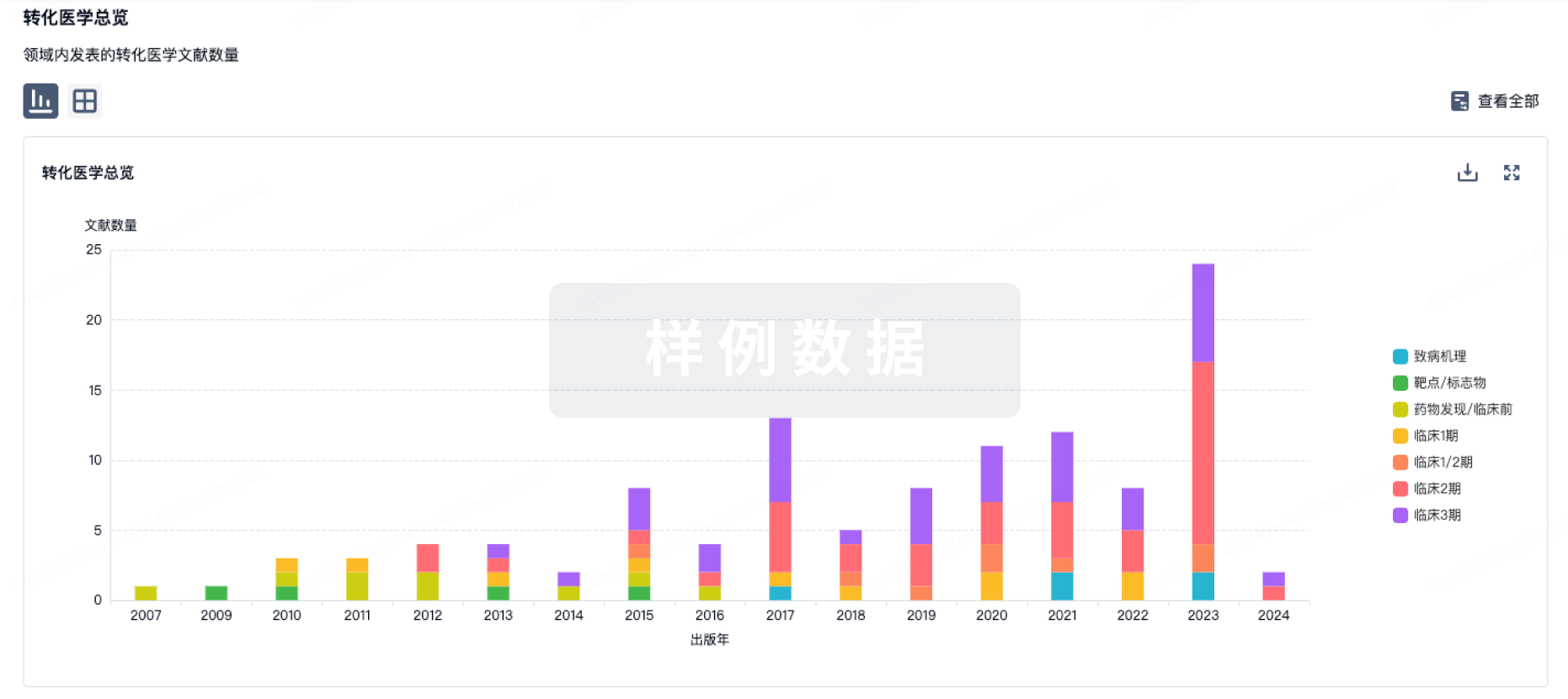
转化医学
使用我们的转化医学数据加速您的研究。
登录
或
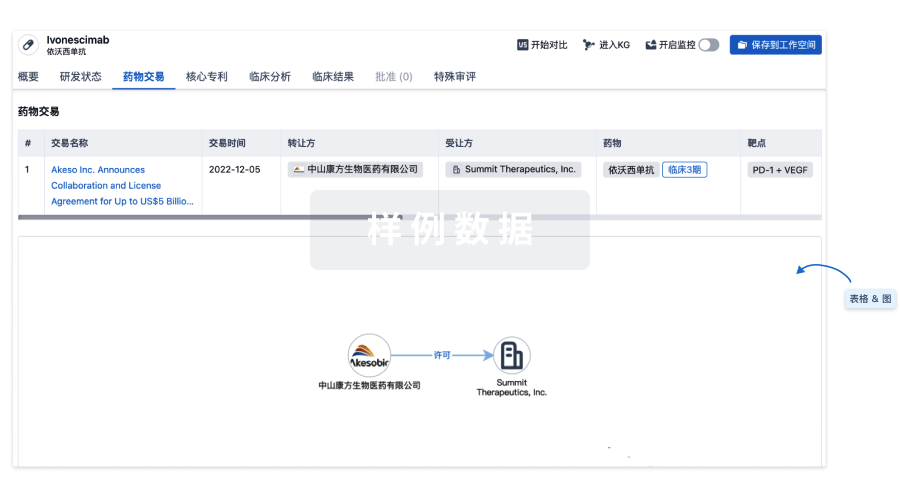
药物交易
使用我们的药物交易数据加速您的研究。
登录
或
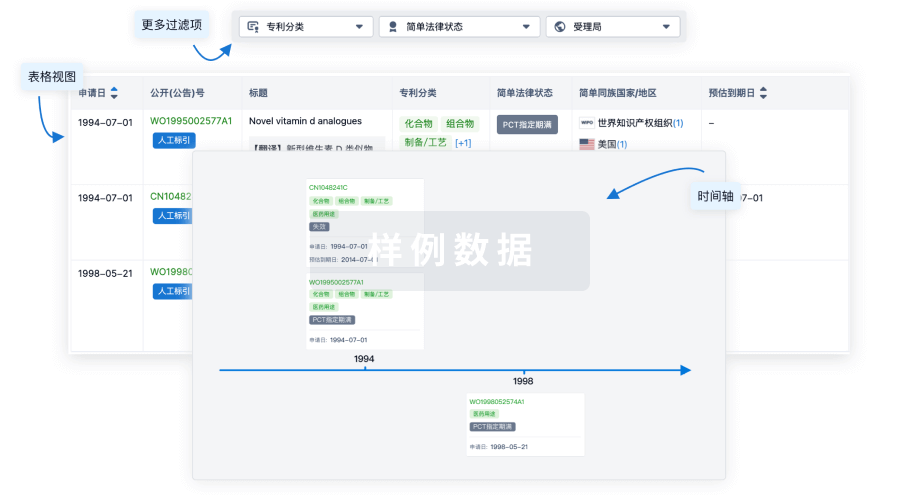
核心专利
使用我们的核心专利数据促进您的研究。
登录
或
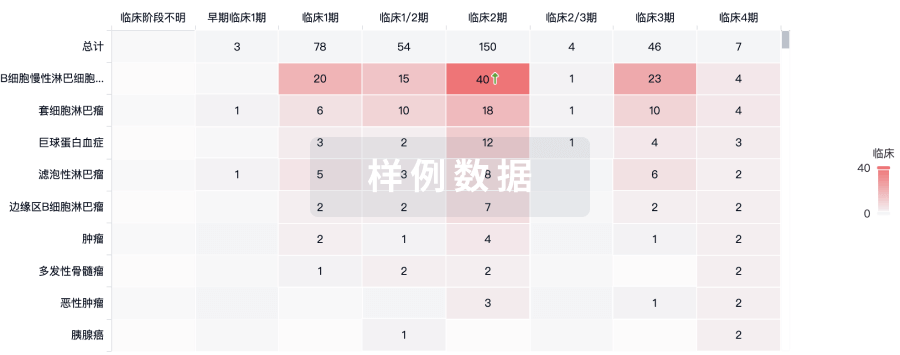
临床分析
紧跟全球注册中心的最新临床试验。
登录
或
批准
利用最新的监管批准信息加速您的研究。
登录
或
特殊审评
只需点击几下即可了解关键药物信息。
登录
或
提出任何生物医药研究问题
让每一步生物医药决策都精准制胜
基于十亿级生物数据与全球情报的精准 AI,赋能早期药物发现
立即开始免费试用!
智慧芽新药情报库是智慧芽专为生命科学人士构建的基于AI的创新药情报平台,助您全方位提升您的研发与决策效率。
立即接入生物医药数据包
智慧芽新药库数据也通过智慧芽开放平台,以MCP或API服务形式对外开放。立即使用我们的MCP服务定制您的LLM智能体。
生物序列数据库
生物药研发创新
免费使用
化学结构数据库
小分子化药研发创新
免费使用