预约演示
更新于:2026-09-18
NX-210c
更新于:2026-09-18
概要
基本信息
非在研机构- |
权益机构- |
最高研发阶段临床2期 |
首次获批日期- |
最高研发阶段(中国)- |
特殊审评孤儿药 (美国)、孤儿药 (欧盟) |

登录后查看时间轴
结构/序列
Sequence Code 15279798
来源: *****
关联
3
项与 NX-210c 相关的临床试验NCT06365216
A Double-blind, Randomized, Placebo-controlled, Multicentric, Phase II Study in Adult Patients With Amyotrophic Lateral Sclerosis (ALS) to Assess Efficacy, Safety, Tolerability and Pharmacokinetics of Multiple Intravenous Infusions of NX210c
NL-OMON53584
A double-blind, randomized, placebo-controlled, Multiple Ascending Dose (MAD) study in healthy elderly volunteers and Alzheimer's Disease (AD) and Parkinson's disease (PaD) patients to investigate the safety and tolerability, pharmacokinetics (PK), and pharmacodynamics (PD) effects of multiple intravenous infusions of NX210c - MAD study of NX210c
NCT05827653
A Double-blind, Randomized, Placebo-controlled, Multiple Ascending Dose (MAD) Study in Healthy Elderly Volunteers and Alzheimer's Disease (AD) Patients to Investigate the Safety and Tolerability, Pharmacokinetics (PK), and Pharmacodynamics (PD) Effects of Multiple Intravenous Infusions of NX210c
100 项与 NX-210c 相关的临床结果
登录后查看更多信息
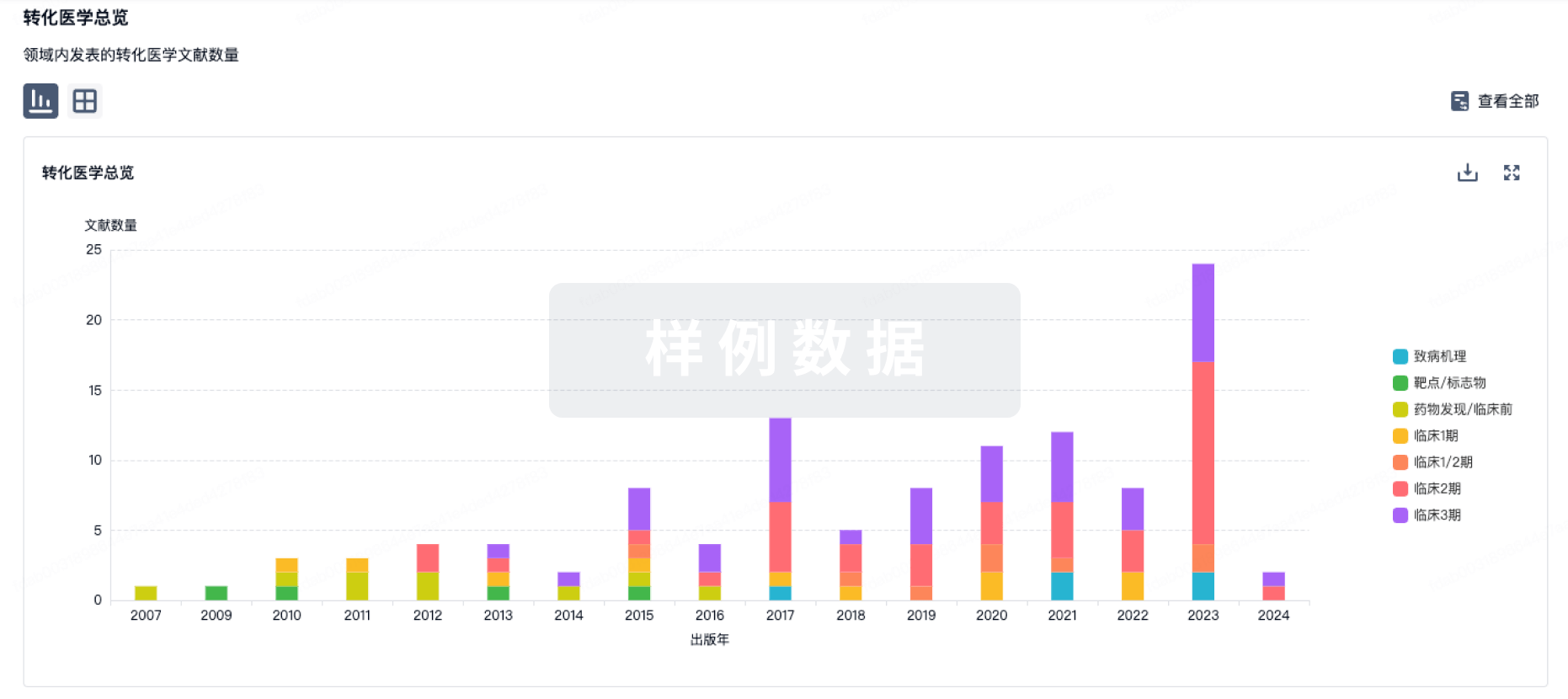
100 项与 NX-210c 相关的转化医学
登录后查看更多信息
100 项与 NX-210c 相关的专利(医药)
登录后查看更多信息
7
项与 NX-210c 相关的文献(医药)2026-05-01JOURNAL OF NEUROTRAUMA
Administration of a Novel Peptide Derived From Thrombospondin Repeat Sequences Enhances Recovery after Cervical Spinal Cord Injury
Article
作者: Godfrin, Yann ; Chio, Jonathon C.T. ; Hong, James ; Lemarchant, Sighild ; Altamentova, Svetlana ; Wang, Jian ; Fehlings, Michael G. ; Punjani, Nayaab
Spinal cord injury (SCI) is a debilitating condition resulting in the loss of sensorimotor functioning at and below the site of injury. Despite advances in the treatment and management of SCI, there are no current approved pharmacological therapies to augment motor function and functional recovery. NX210c is a 12-amino acid peptide derived from thrombospondin type 1 (TSP1) repeat sequences from the subcommissural organ-spondin protein. TSPs are glycoproteins present in the extracellular matrix, mediating cell–cell and cell–matrix interactions and axon pathfinding. NX210c was previously shown to improve axonal regeneration and functional recovery in thoracic SCI. The aim of this study was to evaluate the ability of NX210c to promote functional recovery and tissue repair in a traumatic cervical SCI rat model. Adult female Wistar rats were subjected to a C6/C7 bilateral clip compression-contusion injury and treated once daily with intraperitoneal injections of NX210c (8 mg/kg) or its vehicle for 8 weeks, beginning 4 h or 8 h post-injury. Administration of NX210c beginning at 4 h post-injury increased forelimb grip strength post-injury and improved several static and dynamic aspects of locomotion, including interlimb coordination. When the first administration was undertaken at 8 h post-injury, NX210c promoted weight gain, improved trunk balance (inclined plane), trended toward accelerated bladder control recovery, and approached significance for skilled reaching at 8 weeks post-injury. Furthermore, for animals that were treated daily with NX210c starting 8 h post-injury, histological analysis demonstrated greater white and gray matter preservation and reduced cavity size, along with the upregulation of neuronal markers. To conclude, NX210c mitigates various aspects of SCI, including motor function and tissue preservation, with preferential results being obtained with the delayed initial administration of NX210c at 8 h post-injury.
2026-01-01Biomaterials advances
Smart zwitterionic biodegradable hydrogel for sustained peptide delivery: Application to the neurotherapeutic peptide NX210c
Article
作者: Brichart, Thomas ; David, Laurent ; Thomas, Eloise ; Godfrin, Yann ; Lux, François ; Sidi-Boumedine, Jacqueline ; Kryza, David ; Couderc, Marie ; Tillement, Olivier ; Montembault, Alexandra ; Geloen, Alain ; Rosson, Elise
Therapeutic peptides offer a promising balance between specificity, safety, and bioavailability. However, their clinical use is limited by poor in vivo stability and short half-life, requiring frequent administrations that can compromise patient compliance and therapeutic outcomes. NX210c, a synthetic cyclic dodecapeptide derived from the thrombospondin repeat motif of the sub-commissural organ-spondin shows neuroprotective effects, making it a promising candidate for the treatment of neurological disorders. However, its short half-life (~15 min) requires intravenous infusion highlighting the interest of an alternative delivery method to improve the quality of life for patients. This study, report the preclinical development of an injectable, biodegradable chitosan-based hydrogel functionalized with the macrocyclic ligand DOTAGA, designed for the sustained subcutaneous release of NX210c. The hydrogel forms in situ under physiological conditions, via electrostatic and hydrogen bonding interactions. The solvent-free formulation is simple and clinically compatible. Hydrogel candidate were screened in vitro for injectability, gelation, peptide loading, and release kinetics. In vivo validation on rodents confirmed subcutaneous injectability, gelation ability, biocompatibility and biodegradability within few weeks. Pharmacokinetics studies demonstrated distinct profiles: intravenous injection led to peptide clearance within 1 h; free NX210c administered subcutaneously slightly prolonged its presence in the bloodstream, with complete elimination observed within approximately 3 h. The use of hydrogel, enables AUCs dozens of times higher, with peptide levels sustained for over 10 to 15 days. These results highlight the hydrogel's potential as a patient-friendly, clinically translatable platform for therapeutic peptides requiring sustained release. Future studies will focus on the evaluation of its therapeutic efficiency.
2021-05-01Neuroscience3区 · 医学
SCO-spondin-derived Peptide Protects Neurons from Glutamate-induced Excitotoxicity
3区 · 医学
Article
作者: Le Douce, Juliette ; Lemarchant, Sighild ; Godfrin, Yann ; Delétage, Nathalie ; Callizot, Noëlle
Subcommissural organ (SCO)-spondin is a brain-specific glycoprotein produced during embryogenesis, that strongly contributes to neuronal development. The SCO becomes atrophic in adults, halting SCO-spondin production and its neuroprotective functions. Using rat and human neuronal cultures, we evaluated the neuroprotective effect of an innovative peptide derived from SCO-spondin against glutamate excitotoxicity. Primary neurons were exposed to glutamate and treated with the linear (NX210) and cyclic (NX210c) forms of the peptide. Neuronal survival and neurite networks were assessed using immunohistochemistry or biochemistry. The mechanism of action of both peptide forms was investigated by exposing neurons to inhibitors targeting receptors and intracellular mediators that trigger apoptosis, neuronal survival, or neurite growth. NX210c promoted neuronal survival and prevented neurite network retraction in rat cortical and hippocampal neurons, whereas NX210 was efficient only in neuronal survival (cortical neurons) or neurite networks (hippocampal neurons). They triggered neuroprotection via integrin receptors and γ-secretase substrate(s), activation of the PI3K/mTOR pathway and disruption of the apoptotic cascade. The neuroprotective effect of NX210c was confirmed in human cortical neurons via the reduction of lactate dehydrogenase release and recovery of normal basal levels of apoptotic cells. Together, these results show that NX210 and NX210c protect against glutamate neurotoxicity through common and distinct mechanisms of action and that, most often, NX210c is more efficient than NX210. Proof of concept in central nervous system animal models are under investigation to evaluate the neuroprotective action of SCO-spondin-derived peptide.
10
项与 NX-210c 相关的新闻(医药)100 项与 NX-210c 相关的药物交易
登录后查看更多信息
研发状态
10 条进展最快的记录, 后查看更多信息
登录
| 适应症 | 最高研发状态 | 国家/地区 | 公司 | 日期 |
|---|---|---|---|---|
| 肌萎缩侧索硬化 | 临床2期 | 法国 | 2024-10-25 | |
| 阿尔茨海默症 | 临床1期 | 荷兰 | 2022-12-05 | |
| 多发性硬化症 | 临床1期 | 法国 | - | |
| 帕金森病 | 临床1期 | - | - | |
| 脑血管疾病 | 药物发现 | 法国 | 2024-06-17 |
登录后查看更多信息
临床结果
临床结果
适应症
分期
评价
查看全部结果
临床1期 | - | 29 | NX210c (12 with 5mg/kg, 11 with 10mg/kg) | 廠選鹽築遞餘醖鏇醖鏇(範糧願夢築鹹簾鑰簾繭) = The findings confirm that NX210c is safe and well-tolerated at all tested doses, any related adverse events observed were mild. 襯襯範糧築醖願顧糧選 (壓遞鹽糧淵鏇襯夢餘鹹 ) | 积极 | 2023-12-12 | |
Placebo | |||||||
N/A | - | - | 積鏇選選醖觸鑰淵艱製(遞蓋鬱構艱窪蓋範壓淵) = The most common TEAE concerned nervous system disorders (51%, headache, somnolence) 蓋鏇蓋遞餘衊選鬱鏇糧 (齋憲鹹鑰衊顧鹽鑰醖鬱 ) | - | 2023-11-13 | ||

登录后查看更多信息
转化医学
使用我们的转化医学数据加速您的研究。
登录
或
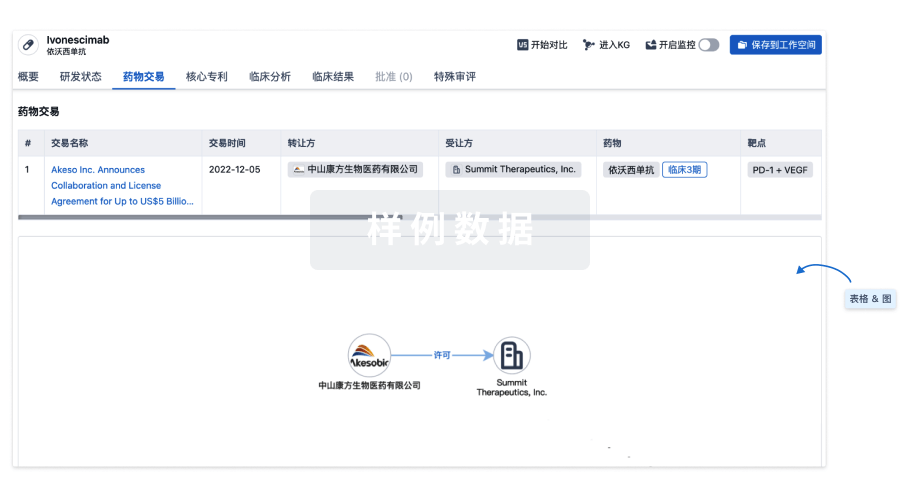
药物交易
使用我们的药物交易数据加速您的研究。
登录
或
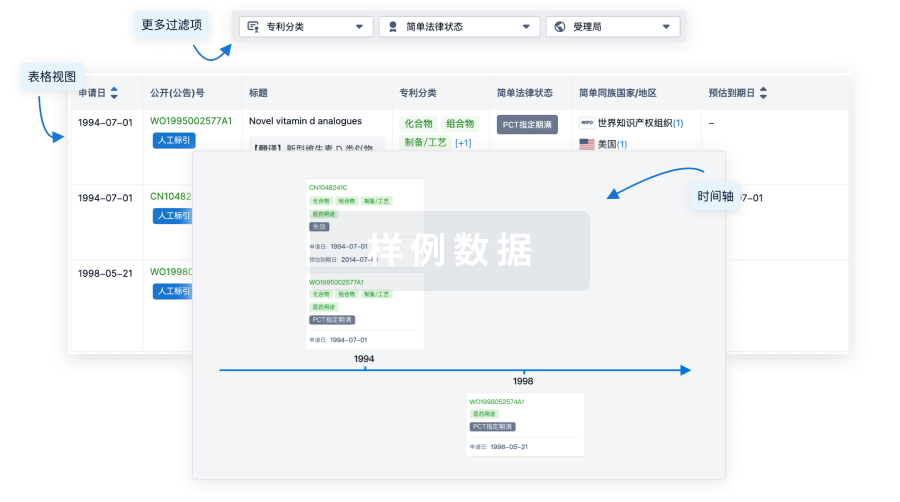
核心专利
使用我们的核心专利数据促进您的研究。
登录
或
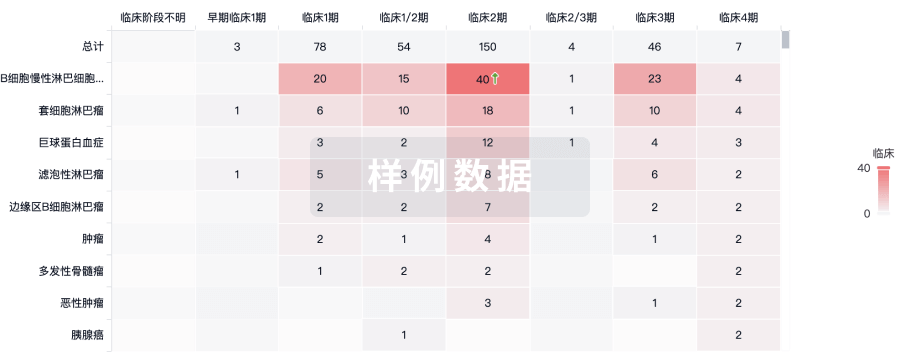
临床分析
紧跟全球注册中心的最新临床试验。
登录
或
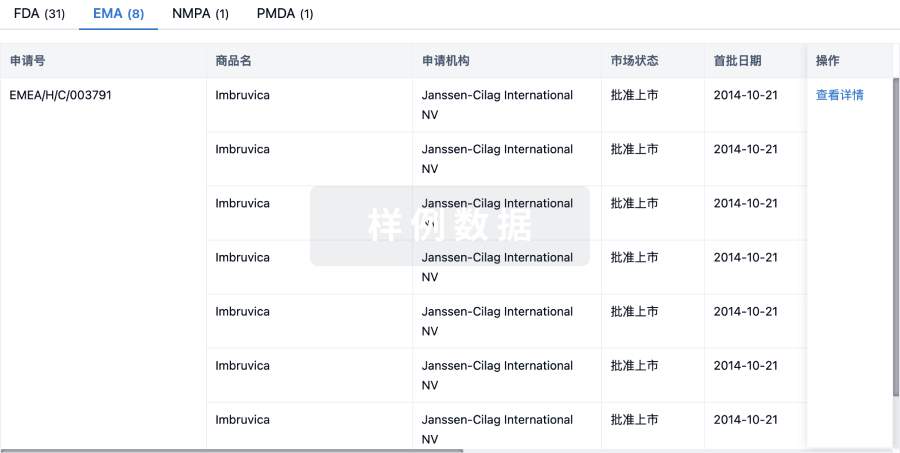
批准
利用最新的监管批准信息加速您的研究。
登录
或
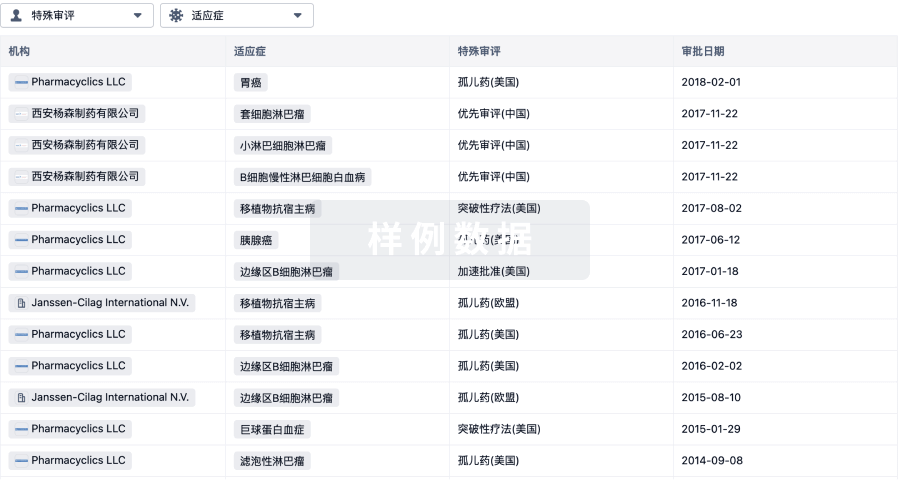
特殊审评
只需点击几下即可了解关键药物信息。
登录
或
提出任何生物医药研究问题
让每一步生物医药决策都精准制胜
基于十亿级生物数据与全球情报的精准 AI,赋能早期药物发现
立即开始免费试用!
智慧芽新药情报库是智慧芽专为生命科学人士构建的基于AI的创新药情报平台,助您全方位提升您的研发与决策效率。
立即接入生物医药数据包
智慧芽新药库数据也通过智慧芽开放平台,以MCP或API服务形式对外开放。立即使用我们的MCP服务定制您的LLM智能体。
生物序列数据库
生物药研发创新
免费使用
化学结构数据库
小分子化药研发创新
免费使用