预约演示
更新于:2026-07-15
SC-0191
更新于:2026-07-15
概要
基本信息
原研机构 |
非在研机构 |
权益机构- |
最高研发阶段临床1/2期 |
首次获批日期- |
最高研发阶段(中国)临床1/2期 |
特殊审评- |



登录后查看时间轴
关联
3
项与 SC-0191 相关的临床试验NCT06363552
A Study to Evaluate the Preliminary Safety and Efficacy of SC0191 as Single Agent or in Combination With Bevacizumab or 5-FU/LV in Advanced Colorectal Cancer
The goal of this clinical trial is to evaluate the preliminary safety and efficacy of SC0191 as single agent or in combination with bevacizumab or 5-FU/LV in advanced colorectal cancer.
开始日期2024-05-01 |
申办/合作机构- |
NCT06055348
A Phase Ib/II Clinical Study on the Safety, Pharmacokinetic Characteristics, and Preliminary Efficacy of SC0191 Combination Chemotherapy in Patients With Advanced Ovarian Cancer.
A phase Ib/II clinical study on the safety, pharmacokinetic characteristics, and preliminary efficacy of SC0191 combination chemotherapy in patients with advanced ovarian cancer.
开始日期2023-10-30 |
申办/合作机构 |
CTR20210649
一项开放、单臂的I期临床研究:评价SC0191片在晚期恶性实体瘤患者中的安全性、耐受性、药代动力学特征和药效动力学特征,并初步探索SC0191片的抗肿瘤活性
主要目的:
- 评估SC0191片单药在晚期恶性实体瘤患者中的DLT发生情况(剂量爬坡期);
- 确定SC0191片单药的II期临床推荐剂量(RP2D)(剂量爬坡期);
- 评估SC0191片单药在晚期恶性实体瘤患者中的安全性和耐受性;
次要目的:
- 评估SC0191片单药在晚期恶性实体瘤患者中的药代动力学(PK)特征;
- 评估SC0191片单药在晚期恶性实体瘤患者中的初步抗肿瘤活性。
开始日期2021-06-25 |
申办/合作机构 |
100 项与 SC-0191 相关的临床结果
登录后查看更多信息
100 项与 SC-0191 相关的转化医学
登录后查看更多信息
100 项与 SC-0191 相关的专利(医药)
登录后查看更多信息
1
项与 SC-0191 相关的文献(医药)INTERNATIONAL JOURNAL OF MOLECULAR SCIENCES
Targeting WEE1 Kinase for Breast Cancer Therapeutics: An Update
Review
作者: Sawanjit Saini ; Emmanuel Nebuwa ; Nadiya Sharifi ; Meha Bilkhu ; Aladdin Kawaiah ; Manogna R. Allala ; Naveed Elahi ; Richard G. Pestell ; Xuanmao Jiao ; Israel N. Umoh ; Aamir Telia ; Ritika Harish ; Zhao Zhang ; Armelle Leukeu ; Anthony W. Ashton ; Manpreet Lota ; Allexes Koroleva ; Manjit Kundlas
WEE1 kinase is a crucial cell cycle regulatory protein that controls the timing of mitotic entry. WEE1, via inhibition of Cyclin-dependent Kinase 1 (CDK1) and Cyclin-dependent Kinase 2 (CDK2), governs the G2-M checkpoint by inhibiting entry into mitosis. The state of balance between WEE family kinases and CDC25C phosphatases restricts CDK1/CycB activity. The WEE kinase family consists of WEE1, PKMYT1, and WEE2 (WEE1B). WEE1 and PKMYT1 regulate entry into mitosis during cell cycle progression, whereas WEE2 governs cell cycle progression during meiosis. Recent studies have identified WEE1 as a potential therapeutic target in several cancers, including therapy-resistant triple-negative breast cancer. Adavosertib’s clinical promise was challenged by inter-individual variations in response and side effects. Because of these promising preclinical outcomes, other WEE1 kinase inhibitors (Azenosertib, SC0191, IMP7068, PD0407824, PD0166285, WEE1-IN-5, Zedoresertib, WEE1-IN-8, and ATRN-1051) are being developed, with several currently being evaluated in clinical trials or as an adjuvant to chemotherapies. Preclinical studies show WEE1 inhibitors induce MHC class 1 antigens and STING when given as combination therapies, suggesting potential additional therapeutic opportunities. Reliable predictors of clinical responses based on mechanistic insights remain an important unmet need. Herein, we review the role of WEE1 inhibition therapy in breast cancer.
6
项与 SC-0191 相关的新闻(医药)2026-04-29
无锡智康弘义生物:创新药“独角兽”,为人类健康“智”造美好未来!
说明: 本报告由 VentureSights 智能分析助手生成,内容为智能体基于公开信息的分析,不对内容准确性负责,旨在方便读者思考和理解相关公司核心指标。Part - 1 公司分析Part1: 公司描述一、企业核心描述
无锡智康弘义生物科技有限公司成立于2017年12月,是一家聚焦生物医药研发的临床阶段高新技术企业,获评省级潜在独角兽企业。公司以临床需求为导向,秉持“做好药,为人类更美好”的愿景,致力于开发“同类最佳(BIC)”或“同类首创(FIC)”创新药物,覆盖肿瘤、自身免疫性疾病、肾病及心肺疾病等多个未满足临床需求的领域。
公司核心竞争力显著:采用“模式独立”的灵活研发策略,不局限于单一技术平台,同步布局小分子药物、单克隆抗体、双特异性抗体及抗体药物偶联物(ADC)等多元化产品管线;目前已有多个1类新药获国家药监局临床试验默示许可,核心肿瘤学资产处于1/2期临床阶段,包括首创CDH3靶向ADC、GPC3靶向ADC,针对DNA损伤反应(DDR)途径的WEE1/ATR抑制剂,以及与阿斯利康合作的TIM-3单抗;核心在研产品注射用BC2027(晚期实体瘤)已于2025年10月启动Ia/Ib期临床试验,目标入组180人。
研发模式上,公司联合药明生物等机构加速项目推进,通过服务外包、联合开发、投资并购+自主研发的多元模式,聚焦国际前沿靶点与通路,精准攻克临床难点,提升研发成功率与上市速度。公司获中国银行“苏知贷”1000万元支持,正推进7亿元A轮融资,计划未来5年研发投入超30亿元,同时具备药品零售、批发、进出口等多项合规资质,拥有29条商标、11-13条专利保护。
联系方式:办公电话(86)0510-88856588,客服电话400-6383-888,商务邮箱BD@biocitypharma.com、投资者关系邮箱IR@biocitypharma.com、公关邮箱PR@biocitypharma.com,官网www.biocitypharma.com。二、主要产品与解决方案(一)主要产品
1.
肿瘤领域创新药:
2.
ADC类: CDH3靶向ADC、GPC3靶向ADC(首创,1/2期临床)
3. 小分子抑制剂: WEE1抑制剂、ATR抑制剂(DDR途径)
4. 单抗类: TIM-3单克隆抗体(与阿斯利康合作)
5. 临床阶段生物制品:注射用BC2027(晚期实体瘤, Ia/Ib期)、BC3402注射液、注射用BC3195(治疗用生物制品1类,临床默许)
6. 小分子创新药: SC0245片、SC0191片、SC0062胶囊(化药1类,临床默许)
7. 自身免疫性疾病药物:针对肺纤维化、慢性肠炎、类风湿关节炎等的在研创新药
(二)核心解决方案
1. 加速新药开发:通过服务外包、联合开发、投资并购+自主研发的多元模式,快速推进化学新药与生物大分子新药的立项、临床前研究及申报
2. 提升研发成功率:聚焦临床难点热点领域,布局国际前沿靶点与通路,精准匹配未满足临床需求
3. 全链条研发服务:提供从药物研发、临床试验到商业化的全流程服务,依托合规资质与产业合作资源保障项目落地
三、技术/业务领域标签生物医药研发、肿瘤免疫治疗、自身免疫性疾病治疗、小分子创新药、单克隆抗体、双特异性抗体、抗体药物偶联物(ADC)、DDR途径抑制剂、临床阶段生物制药、前沿靶点药物开发、新药临床试验服务Part2: 竞品清单
● 三优生物医药(上海)有限公司
● 上海上药交联医药科技有限公司
● 中山康方生物医药有限公司
● 浙江时迈药业有限公司
● 上海云晟研新生物科技有限公司
● 启愈生物技术(上海)有限公司
● 苏州创胜医药集团有限公司
● 苏州艾博生物科技有限公司
● 上海健信生物医药科技有限公司
● 江苏诺迈博生物医药科技有限公司
● 南京安杰新生物医药有限公司
● 大睿生物医药科技(上海)有限公司
● 深圳市亦诺微医药科技有限公司
● 上海复宏汉霖生物医药有限公司
● 上海释雅医药科技有限公司
● 苏州盛迪亚生物医药有限公司
● 普米斯生物技术(珠海)有限公司
● 礼新医药科技(上海)有限公司
● 智翔(上海)医药科技有限公司
● 尚健单抗(北京)生物技术有限公司
Part3: 上游企业
● 郑州创生生物工程有限公司
● 武汉伊莱瑞特生物科技股份有限公司
● 武汉贝茵莱生物科技有限公司
● 上海韦翰斯生物医药科技有限公司
● 武汉三鹰生物技术有限公司
● 合肥欧创基因生物科技有限公司
● 上海民为生物技术有限公司
● 北京中科昆朋生物技术有限公司
● 苏州齐禾生科生物科技有限公司
● 北京索莱宝科技有限公司
● 徐州元盛生物科技有限公司
● 深圳思勤医疗科技有限公司
● 杭州华端生物科技有限公司
● 杭州康知生物科技有限公司
● 上海拜力生物科技有限公司
● 宁波市博坤生物科技有限公司
● 河北因赛乐生物科技有限公司
● 南京擎科生物科技有限公司
● 上海吉凯基因科技有限公司
● 杭州遂真生物技术有限公司
Part4: 下游企业
● 南京科默生物医药有限公司
● 思路迪生物医药(上海)有限公司
● 明慧医药(上海)有限公司
● 上海睿跃生物科技有限公司
● 勤浩医药(苏州)有限公司
● 深圳市塔吉瑞生物医药有限公司
● 苏州盛迪亚生物医药有限公司
● 上海释雅医药科技有限公司
● 杭州康万达医药科技有限公司
● 苏州百迈生物医药有限公司
● 杭州沐源生物医药科技有限公司
● 上海岸阔医药科技有限公司
● 上海沙砾生物科技有限公司
● 湖南慧泽生物医药科技有限公司
● 上海云晟研新生物科技有限公司
● 礼新医药科技(上海)有限公司
● 成都赜灵生物医药科技有限公司
● 江苏亚虹医药科技股份有限公司
● 上海上药交联医药科技有限公司
● 江苏诺迈博生物医药科技有限公司
Part5: 公司和上下游合作逻辑
无锡智康弘义生物科技有限公司与上下游的合作存在紧密且合理的逻辑,具体体现在以下方面:与上游环节的合作逻辑
● 原材料供应商:原材料供应商为公司生物医药研发提供各类基础原材料,如细胞培养基、试剂、实验耗材等。这些原材料是药物研发的基础物质,其质量和供应稳定性直接影响研发工作的开展。公司依赖供应商提供符合研发要求的原材料,而供应商则通过不断提升细胞培养技术、试剂提纯技术等,确保原材料的纯度和活性,以满足公司的研发需求。这种合作关系保障了公司研发工作的顺利进行,同时也促使供应商不断提升自身技术水平。
● 科研机构与高校:科研机构与高校作为知识和技术的源头,为公司的生物医药研发提供前沿的科学理论和研究成果。高校和科研机构的科研人员通过基础研究,发现新的靶点和作用机制,为公司的药物研发提供方向和理论支持。公司借助科研机构与高校的研究成果,能够更有针对性地开展研发工作,提高研发效率和成功率。而科研机构与高校也可以通过与公司的合作,将研究成果转化为实际应用,实现科研价值。
● 技术平台提供商:技术平台提供商提供各种先进的技术平台,如基因测序平台、蛋白质表达平台、药物筛选平台等。这些平台可以帮助公司更高效地进行药物研发,加速项目推进。公司利用技术平台提供商的技术和设备,能够提高研发的效率和准确性。技术平台提供商则通过与公司的合作,不断优化和改进技术平台,以适应市场需求。
与中游环节的合作逻辑
● CRO(合同研究组织): CRO为公司提供专业的研发外包服务,包括临床前研究、临床试验等环节。公司可以利用CRO的专业团队和资源,降低研发成本、缩短研发周期。 CRO拥有丰富的临床试验设计和执行经验,以及专业的数据分析和统计能力,能够确保临床试验的科学性和可靠性。通过与CRO的合作,公司可以将精力集中在核心业务上,提高研发效率。
● CMO(合同生产组织): CMO根据公司的需求,提供药物生产服务。 CMO具备先进的生产设备和生产工艺,能够按照严格的质量标准进行药物的大规模生产。公司与CMO合作,可以确保药物的生产质量和供应稳定性。 CMO则通过与公司的合作,提高生产设备的利用率,实现规模经济。
● 数据服务提供商:在药物研发过程中,会产生大量的数据。数据服务提供商为公司提供数据管理、分析和挖掘服务,帮助公司对这些数据进行有效的管理和分析,为研发决策提供支持。公司通过与数据服务提供商的合作,能够更好地利用数据资源,提高研发的科学性和准确性。数据服务提供商则通过不断提升数据存储技术、数据分析算法、生物信息学软件等核心技术,为公司提供更优质的服务。
与下游环节的合作逻辑
● 医疗机构:医疗机构是药物临床试验的主要场所,也是药物最终应用的地方。医疗机构的医生和研究人员参与药物的临床试验,评估药物的安全性和有效性。公司通过与医疗机构的合作,能够获取药物在临床应用中的实际数据,为药物的进一步研发和改进提供依据。同时,医疗机构将药物应用于临床治疗,为患者提供医疗服务,也有助于公司的药物推广和应用。
● 药品经销商:药品经销商负责将药品从生产企业分销到各个销售终端,如医院、药店等。公司通过与药品经销商的合作,能够扩大药品的销售渠道,提高药品的市场覆盖率。药品经销商拥有广泛的销售网络和物流配送能力,能够确保药品及时、准确地到达消费者手中。公司与药品经销商的合作,还可以降低销售成本,提高销售效率。
● 患者:患者作为药物的最终使用者,其需求和反馈对药物的研发和推广具有重要影响。公司需要关注患者的需求,开发出更安全、有效的药物,以满足患者的治疗需求。患者的健康数据和治疗反馈可以为公司的药物研发提供重要信息,帮助公司不断改进药物的质量和疗效。
Part6: 公司相关技术介绍Part1: 相关技术介绍无锡智康弘义生物科技有限公司核心技术领域分析报告一、公司核心技术领域概述
无锡智康弘义生物科技有限公司聚焦肿瘤免疫治疗与自身免疫性疾病领域,核心技术覆盖四大方向:抗体药物偶联物(ADC)、单克隆抗体、双特异性抗体及DNA损伤反应(DDR)途径抑制剂(WEE1/ATR)。以下对各技术领域进行深度解析:二、核心技术领域详细分析(一)抗体药物偶联物(ADC)1. 概念
ADC是一类由单克隆抗体、细胞毒性载荷和生物活性连接子三部分偶联而成的新型靶向生物药物,被誉为“生物导弹”,可精准将细胞毒药物递送至肿瘤细胞,实现“靶向杀伤”。2. 工作原理
● 靶向识别:抗体部分特异性结合肿瘤细胞表面的抗原(如CDH3、GPC3);
● 内吞入胞:肿瘤细胞通过内吞作用将ADC摄入细胞内;
● 毒素释放:连接子在细胞内特定环境(如低pH值、蛋白酶)下降解,释放高毒性payload;
● 肿瘤杀伤: payload作用于细胞DNA或微管系统,诱导肿瘤细胞凋亡。
3. 技术演进
代际
特点
代表药物
第一代
鼠源抗体、连接子不稳定、脱靶毒性高
Mylotarg(2000年获批,后退市)
第二代
人源化抗体、连接子稳定性提升、payload优化
Kadcyla(2013年)、Adcetris(2011年)
第三代
全人源抗体、定点偶联技术、高DAR值(药物抗体比)、新型payload
Enhertu(2019年)、Trop-2 ADC(2020年)4. 市场需求趋势
● 全球市场快速扩容:截至2025年,全球已有12款ADC获批上市,100+款处于临床阶段,预计2030年市场规模超300亿美元;
● 中国市场追赶加速:国内企业布局超50款ADC,靶点集中在HER2、Trop-2、CD20等,差异化竞争聚焦新靶点(如CDH3、GPC3)和联合疗法;
● 适应症拓展:从乳腺癌、淋巴瘤扩展到实体瘤(肺癌、胃癌)、自身免疫疾病等领域。
(二)单克隆抗体1. 概念
由单一B细胞克隆产生的高度均一、仅针对某一特定抗原表位的抗体,具有高特异性、高亲和力的特点,是生物制药领域的核心技术之一。2. 工作原理
● 直接杀伤:抗体结合肿瘤细胞表面抗原,通过补体依赖的细胞毒性(CDC)或抗体依赖的细胞介导的细胞毒性(ADCC)杀伤肿瘤;
● 信号阻断:阻断肿瘤细胞生长信号通路(如EGFR、PD-1/PD-L1),抑制肿瘤增殖;
● 免疫调节:激活免疫系统(如PD-1单抗解除T细胞抑制)。
3. 技术演进
● 鼠源单抗:1975年杂交瘤技术诞生,代表药物Muromonab-CD3(1986年获批);
● 嵌合单抗:鼠源可变区+人源恒定区,如Rituximab(1997年);
● 人源化单抗:仅保留鼠源互补决定区(CDR),如Herceptin(1998年);
● 全人源单抗:通过转基因小鼠或噬菌体展示技术制备,如Keytruda(2014年)。
4. 市场需求趋势
● 全球市场成熟增长:2024年全球单抗市场规模超1500亿美元,肿瘤(PD-1/PD-L1)和自身免疫疾病(TNF-α抑制剂)为核心领域;
● 联合疗法成主流:单抗与化疗、ADC、双抗、CAR-T等联用成为研发热点;
● 中国市场创新升级:从生物类似药向first-in-class(FIC)转型,聚焦新靶点(如TIM-3、LAG-3)。
(三)双特异性抗体1. 概念
通过基因工程或化学偶联技术制备的人工抗体,可同时结合两个不同抗原或同一抗原的两个表位,实现“双靶点阻断”或“免疫细胞衔接”功能。2. 工作原理
● T细胞衔接器:一端结合肿瘤抗原(如CD19),另一端结合T细胞表面CD3,激活T细胞杀伤肿瘤(如Blincyto);
● 双信号阻断:同时阻断两个致病通路(如VEGF+Ang-2),提升治疗效果;
● 免疫调节:桥接抗原呈递细胞与T细胞,增强抗肿瘤免疫反应。
3. 技术演进
● 第一代:化学偶联法制备,结构不稳定,半衰期短;
● 第二代:重组DNA技术,如BiTE(双特异性T细胞衔接器)、DART(双亲和重靶向);
● 第三代: IgG样双抗平台,如CrossMab、Duobody,结构更接近天然抗体,半衰期延长。
4. 市场需求趋势
● 全球爆发式增长:截至2025年,全球已有3款双抗获批上市(Blincyto、Hemlibra、Rybrevant),数百款处于临床阶段;
● 肿瘤治疗核心赛道:适应症覆盖白血病、淋巴瘤、实体瘤, T细胞衔接型双抗为研发热点;
● 中国企业快速跟进:近50款双抗进入临床,靶点集中在CD19/CD3、PD-1/CTLA-4等,差异化布局新靶点组合。
(四)DDR途径抑制剂(WEE1/ATR)1. 概念
针对DNA损伤反应(DDR)通路的激酶抑制剂,通过阻断肿瘤细胞DNA损伤修复能力,利用“合成致死”原理杀伤肿瘤细胞,尤其对携带DDR基因突变的肿瘤(如BRCA突变)效果显著。2. 工作原理
● WEE1抑制剂:抑制G2-M细胞周期检验点,使DNA损伤的肿瘤细胞直接进入有丝分裂,导致细胞死亡;
● ATR抑制剂:阻断单链DNA修复通路,增强放疗/化疗对肿瘤细胞的杀伤作用;
● 合成致死:与PARP抑制剂、化疗、放疗联用,放大肿瘤细胞DNA损伤,而正常细胞因DDR功能完整不受影响。
3. 技术演进
● 早期探索:2000年后聚焦PARP抑制剂(如奥拉帕利),开启DDR靶向治疗时代;
● 靶点拓展:2015年后ATR、WEE1、CHK1等激酶成为研发热点,多个药物进入临床阶段;
● 联合疗法:从单药治疗转向与化疗、免疫治疗联用,提升疗效。
4. 市场需求趋势
● 临床需求迫切:针对三阴性乳腺癌、卵巢癌、胰腺癌等难治性肿瘤, DDR抑制剂填补治疗空白;
● 全球临床加速:多款WEE1/ATR抑制剂处于Ⅱ/Ⅲ期临床,如Adavosertib(WEE1)、Berzosertib(ATR);
● 中国市场起步:国内企业如英派药业、恒瑞医药等布局DDR靶点,联合疗法为核心研发方向。
三、技术领域总结与未来展望
无锡智康弘义生物科技有限公司布局的四大技术领域均为全球生物医药研发热点:
● ADC:凭借CDH3、GPC3首创靶点,有望在实体瘤治疗领域实现突破;
● 双特异性抗体:通过T细胞衔接器等创新结构,提升肿瘤免疫治疗响应率;
● DDR抑制剂: WEE1/ATR抑制剂与化疗、免疫治疗联用,为难治性肿瘤提供新方案。
未来,随着临床数据的推进和技术平台的迭代,公司有望在肿瘤精准治疗领域形成差异化竞争优势,满足未被满足的临床需求。Part2: 相关技术视频
[{"play_url":"https://m.toutiao.com/video/7572378710402253364/?app=news_article×tamp=1777439777&utm_campaign=client_share&utm_campaign=client_share&share_did=MS4wLjACAAAANnrRQupHBHftsiHFpqcBJdVgzow-Bl-ZGcrlcqX6BU6gdZMPRzoOPVyP8E4fzlaS&req_id_new=20260429131158AF34403273C23FA4D318&category_new=search","video_description":"癌症治疗的魔法子弹-ADC药物详解"},{"play_url":"https://m.toutiao.com/video/7428187084826870324/?app=news_article×tamp=1777439777&utm_campaign=client_share&utm_campaign=client_share&share_did=MS4wLjACAAAANnrRQupHBHftsiHFpqcBJdVgzow-Bl-ZGcrlcqX6BU6gdZMPRzoOPVyP8E4fzlaS&req_id_new=20260429131158AF34403273C23FA4D318&category_new=search","video_description":"全球抗体偶联药物(ADC)领域关键技术专利布局分析"},{"play_url":"https://m.toutiao.com/video/7618029832554742287/?app=news_article×tamp=1777439777&utm_campaign=client_share&utm_campaign=client_share&share_did=MS4wLjACAAAANnrRQupHBHftsiHFpqcBJdVgzow-Bl-ZGcrlcqX6BU6gdZMPRzoOPVyP8E4fzlaS&req_id_new=20260429131158AF34403273C23FA4D318&category_new=search","video_description":"晚期胃肠道间质瘤综合治疗有哪些新进展?"},{"play_url":"https://m.toutiao.com/video/7112000342287450660/?app=news_article×tamp=1777439777&utm_campaign=client_share&utm_campaign=client_share&share_did=MS4wLjACAAAANnrRQupHBHftsiHFpqcBJdVgzow-Bl-ZGcrlcqX6BU6gdZMPRzoOPVyP8E4fzlaS&req_id_new=20260429131158AF34403273C23FA4D318&category_new=search","video_description":"精准锁定晚期三阴性乳腺癌,首款靶向ADC新药终于在中国获批!"},{"play_url":"https://m.toutiao.com/video/7489015100234383910/?app=news_article×tamp=1777439777&utm_campaign=client_share&utm_campaign=client_share&share_did=MS4wLjACAAAANnrRQupHBHftsiHFpqcBJdVgzow-Bl-ZGcrlcqX6BU6gdZMPRzoOPVyP8E4fzlaS&req_id_new=20260429131158AF34403273C23FA4D318&category_new=search","video_description":"治疗晚期肿瘤又有新突破!有效率达65%,是标准治疗的近3倍"},{"play_url":"https://m.toutiao.com/video/7602457307024294400/?app=news_article×tamp=1777439777&utm_campaign=client_share&utm_campaign=client_share&share_did=MS4wLjACAAAANnrRQupHBHftsiHFpqcBJdVgzow-Bl-ZGcrlcqX6BU6gdZMPRzoOPVyP8E4fzlaS&req_id_new=20260429131158AF34403273C23FA4D318&category_new=search","video_description":"ADC抗体偶联细胞毒药物,近几年比较受关注的新型抗肿瘤药物!"},{"play_url":"https://m.toutiao.com/video/7190295881860514344/?app=news_article×tamp=1777439777&utm_campaign=client_share&utm_campaign=client_share&share_did=MS4wLjACAAAANnrRQupHBHftsiHFpqcBJdVgzow-Bl-ZGcrlcqX6BU6gdZMPRzoOPVyP8E4fzlaS&req_id_new=20260429131158AF34403273C23FA4D318&category_new=search","video_description":"93亿美元刷新纪录!国外医药巨头看上成都造抗癌药"},{"play_url":"https://m.toutiao.com/video/7256940717602406973/?app=news_article×tamp=1777439777&utm_campaign=client_share&utm_campaign=client_share&share_did=MS4wLjACAAAANnrRQupHBHftsiHFpqcBJdVgzow-Bl-ZGcrlcqX6BU6gdZMPRzoOPVyP8E4fzlaS&req_id_new=20260429131158AF34403273C23FA4D318&category_new=search","video_description":"肿瘤免疫治疗分为PD-1抗体,肿瘤治疗性疫苗、抗体偶联药物等"},{"play_url":"https://m.toutiao.com/video/6837861939746439684/?app=news_article×tamp=1777439777&utm_campaign=client_share&utm_campaign=client_share&share_did=MS4wLjACAAAANnrRQupHBHftsiHFpqcBJdVgzow-Bl-ZGcrlcqX6BU6gdZMPRzoOPVyP8E4fzlaS&req_id_new=20260429131158AF34403273C23FA4D318&category_new=search","video_description":"抗体药物偶联ADC原理-中文字幕"},{"play_url":"https://m.toutiao.com/video/7590693391722414080/?app=news_article×tamp=1777439777&utm_campaign=client_share&utm_campaign=client_share&share_did=MS4wLjACAAAANnrRQupHBHftsiHFpqcBJdVgzow-Bl-ZGcrlcqX6BU6gdZMPRzoOPVyP8E4fzlaS&req_id_new=20260429131158AF34403273C23FA4D318&category_new=search","video_description":"今天和大家聊聊芦康沙妥珠单抗的使用注意事项。芦康沙妥珠单抗是一种靶向TROP2的ADC(抗体偶联药物),在肺癌方面,主要用于EGFR 基因突变阳性的晚期小细胞肺癌(NSCLC)患者的后线治疗,今年也是纳入了了医保目录。虽然芦康沙妥珠单抗能够更加“精准”的杀伤癌细胞,但其本身携带的细胞毒药物依然可能对人体造成不良影响。今天为大家介绍几个常见的不良反应及应对策略。第一要关注输液相关反应/超敏反应,每次给药前需使用预防性用药,前4次给药需采用含4种药物的预处理方案包括(苯海拉明、对乙酰氨基酚、地塞米松、和抗组胺H2受体阻滞剂。,第5次及以后可根据情况酌情调整。前4次输注时间在90分钟以上。,后续输注时间可不少于60分钟。经过这样的处理,患者发生输液反应的概率就很低了。第二是中性粒细胞减少:这也是是较为常见的不良反应。若检查发现中性粒细胞计数降低,医生可能会根据程度调整芦康沙妥珠的剂量。也会使用升白细胞药物进行治疗。第三是贫血:发生贫血时,患者可通过饮食补充,多摄入含铁丰富的食物,如红肉、鸡蛋、豆类等等。除此外也可以合理使用铁剂、促红细胞生成素等药物治疗。第四是口腔粘膜炎 具体表现为口腔黏膜充血及不同程度的溃疡等,引起疼痛、吞咽困难和味觉异常。首先建议患者保持口腔清洁湿润:治疗期间和治疗后可以每天用生理盐水漱口。如果出现比较严重的口腔溃疡,可以用短效升白针加生理盐水配置成漱口水使用。最后想对大家说,不良反应因人而异,并非每个人都会出现,。在治疗过程中,患者要密切关注自身身体状况,与医生保持良好沟通,如有任何不适及时告知医生,大多数反应都可以通过监测、预防和及时处理来缓解。#抖出健康知识宝藏 #我的年度健康盘点 #抖音精选app #肿瘤 #肺癌"},{"play_url":"https://m.toutiao.com/video/7582056538345407039/?app=news_article×tamp=1777439777&utm_campaign=client_share&utm_campaign=client_share&share_did=MS4wLjACAAAANnrRQupHBHftsiHFpqcBJdVgzow-Bl-ZGcrlcqX6BU6gdZMPRzoOPVyP8E4fzlaS&req_id_new=20260429131158AF34403273C23FA4D318&category_new=search","video_description":"抗体偶联药物(ADC):化疗与靶向的「强强联合」"},{"play_url":"https://m.toutiao.com/video/7481090596929536552/?app=news_article×tamp=1777439777&utm_campaign=client_share&utm_campaign=client_share&share_did=MS4wLjACAAAANnrRQupHBHftsiHFpqcBJdVgzow-Bl-ZGcrlcqX6BU6gdZMPRzoOPVyP8E4fzlaS&req_id_new=20260429131158AF34403273C23FA4D318&category_new=search","video_description":"再鼎医药:维替索妥尤单抗用于治疗复发或转移性宫颈癌患者的生物制品许可申请获国家药监局受理"},{"play_url":"https://m.toutiao.com/video/7618117025877230080/?app=news_article×tamp=1777439777&utm_campaign=client_share&utm_campaign=client_share&share_did=MS4wLjACAAAANnrRQupHBHftsiHFpqcBJdVgzow-Bl-ZGcrlcqX6BU6gdZMPRzoOPVyP8E4fzlaS&req_id_new=20260429131158AF34403273C23FA4D318&category_new=search","video_description":"结直肠癌术后复发的最新治疗进展有哪些?"},{"play_url":"https://m.toutiao.com/video/7091592880967549474/?app=news_article×tamp=1777439777&utm_campaign=client_share&utm_campaign=client_share&share_did=MS4wLjACAAAANnrRQupHBHftsiHFpqcBJdVgzow-Bl-ZGcrlcqX6BU6gdZMPRzoOPVyP8E4fzlaS&req_id_new=20260429131158AF34403273C23FA4D318&category_new=search","video_description":"非小细胞肺癌T-DXd靶向新药!获得FDA优先审评"},{"play_url":"https://m.toutiao.com/video/7477128066230616076/?app=news_article×tamp=1777439777&utm_campaign=client_share&utm_campaign=client_share&share_did=MS4wLjACAAAANnrRQupHBHftsiHFpqcBJdVgzow-Bl-ZGcrlcqX6BU6gdZMPRzoOPVyP8E4fzlaS&req_id_new=20260429131158AF34403273C23FA4D318&category_new=search","video_description":"第22届中国肺癌高峰论坛昨天在广州落下帷幕啦!全国肺癌界的专家们齐聚羊城探讨肺癌ADC药物、双抗、基因治疗、AI应用……这场论坛信息量爆炸!就肺癌新型治疗的那些事儿展开了热烈讨论。#中国肺癌高峰论坛 #肺癌 #抗体偶联药物 #双抗 #健康科普"},{"play_url":"https://m.toutiao.com/video/7287075333030249014/?app=news_article×tamp=1777439777&utm_campaign=client_share&utm_campaign=client_share&share_did=MS4wLjACAAAANnrRQupHBHftsiHFpqcBJdVgzow-Bl-ZGcrlcqX6BU6gdZMPRzoOPVyP8E4fzlaS&req_id_new=20260429131158AF34403273C23FA4D318&category_new=search","video_description":"6.8靶向治疗系列之八:什么是抗体偶联药物?其结构和特点是什么"},{"play_url":"https://m.toutiao.com/video/7499771224344658441/?app=news_article×tamp=1777439777&utm_campaign=client_share&utm_campaign=client_share&share_did=MS4wLjACAAAANnrRQupHBHftsiHFpqcBJdVgzow-Bl-ZGcrlcqX6BU6gdZMPRzoOPVyP8E4fzlaS&req_id_new=20260429131158AF34403273C23FA4D318&category_new=search","video_description":"翰森制药: B7-H4 ADC获批纳入突破性治疗药物,用于铂耐药卵巢癌治疗"},{"play_url":"https://m.toutiao.com/video/7457087025057890879/?app=news_article×tamp=1777439777&utm_campaign=client_share&utm_campaign=client_share&share_did=MS4wLjACAAAANnrRQupHBHftsiHFpqcBJdVgzow-Bl-ZGcrlcqX6BU6gdZMPRzoOPVyP8E4fzlaS&req_id_new=20260429131158AF34403273C23FA4D318&category_new=search","video_description":"新诺威(300765.SZ):控股子公司SYS6045抗体药物偶联物获得药物临床试验批准通知书"},{"play_url":"https://m.toutiao.com/video/7282700241140449849/?app=news_article×tamp=1777439777&utm_campaign=client_share&utm_campaign=client_share&share_did=MS4wLjACAAAANnrRQupHBHftsiHFpqcBJdVgzow-Bl-ZGcrlcqX6BU6gdZMPRzoOPVyP8E4fzlaS&req_id_new=20260429131158AF34403273C23FA4D318&category_new=search","video_description":"什么是adc类药物,抗体偶联药物未来会大放异彩"}]Part - 2 公司影响因素分析报告说明本报告由VentureSights智能分析助手生成,内容基于公开信息与行业参考数据,我们不对内容的准确性负责,仅供读者思考和理解相关公司核心指标使用。无锡智康弘义生物科技有限公司非财务因素对营收与估值的影响分析一、公司概况(真实数据)
无锡智康弘义生物科技有限公司(以下简称“智康弘义”)成立于2017年12月,是一家聚焦肿瘤、自身免疫性疾病及肾病领域的临床阶段创新生物制药企业,以开发“同类首创(FIC)”或“同类最优(BIC)”药物为核心目标。
截至2026年,公司核心管线及运营情况如下(数据来源:公司官方披露、行业公开报道):
● 产品管线:拥有10余个创新药物候选物,其中5个核心肿瘤学资产处于1/2期临床开发阶段,包括CDH3靶向ADC、GPC3靶向ADC、WEE1抑制剂、ATR抑制剂、TIM-3单克隆抗体(与阿斯利康合作);注射用BC2027(晚期实体瘤)已启动Ia/Ib期临床研究。
● 技术平台:构建了ADC药物研发、DDR通路抑制剂开发、生物标志物分析等技术体系,与药明生物合作完成7个生物大分子新药立项。
● 融资与资质:已完成A轮7亿元、A+轮(维梧资本领投)融资;未来5年研发投入预计超30亿元;入选2023中国医药创新种子企业100强、2025年省级潜在独角兽企业。
二、核心非财务因素对营收与估值的影响分析(一)管线研发与临床进展:估值核心驱动因素
生物科技企业的估值高度依赖管线的临床进展与商业化潜力,智康弘义处于临床阶段,管线的推进节奏与数据质量直接决定未来营收规模与市场认可度。1. 关键影响因素与对应数据指标
因素类别
具体影响因素
核心数据指标
数据源
数据类型
临床阶段产品
临床试验入组进度
各临床试验实际入组人数/计划入组人数、入组完成率
公司官方公告、中国临床试验注册中心、ClinicalTrials.gov
真实数据(已披露)/参考数据(行业平均入组速度)
临床终点达成情况
客观缓解率(ORR)、无进展生存期(PFS)、总生存期(OS)、安全性数据(AE发生率)
公司临床数据发布会、医学期刊发表、CDE/FDA审评资料
真实数据(已披露)/假设(未披露临床终点)
注册申报进度
IND/NDA受理时间、审评周期、获批概率
CDE/FDA官网、公司公告
真实数据(已受理)/参考数据(行业审评周期)
管线布局
管线丰富度与阶段分布
临床阶段产品数量、临床前产品数量、各阶段管线占比
公司官方披露、行业研报
真实数据(已披露)
管线差异化与稀缺性
同靶点在研产品数量、FIC/BIC属性认证
ClinicalTrials.gov、CDE数据库、Frost & Sullivan报告
参考数据(行业公开)2. 指标解读与假设前提
● 真实数据解读:智康弘义目前有5个核心产品处于1/2期临床,1个产品处于Ia/Ib期,管线覆盖ADC、DDR通路、免疫检查点等前沿领域。其中CDH3靶向ADC为全球首创性管线(参考数据:截至2026年,全球仅5项CDH3 ADC临床试验处于活跃状态,数据来源ClinicalTrials.gov),差异化优势显著。
● 参考数据参考:行业内,创新生物药从1期临床试验到NDA获批的平均周期约6-8年(数据来源Frost & Sullivan),其中ADC药物由于技术复杂度更高,周期约7-9年。智康弘义核心ADC产品若按此节奏推进,预计2032-2034年有望提交NDA。
● 关键假设:
● 假设核心产品CDH3 ADC、GPC3 ADC的2期临床试验能按计划在2027年底前完成入组,入组进度符合行业平均水平(每月入组10-15例患者,数据来源行业临床运营报告)。
● 假设核心产品的临床终点数据达到预设目标:如CDH3 ADC的ORR不低于40%(参考同类已上市ADC药物平均ORR约35%-50%,数据来源FDA获批文件), PFS不低于6个月。
● 假设竞争对手的同靶点管线(如其他企业的CDH3 ADC)不会在智康弘义产品上市前1年以上获批,且临床数据未显著优于智康弘义产品。
3. 对营收与估值的影响
若核心产品顺利推进至上市,预计单款ADC药物的峰值销售额参考同类产品约10-20亿元人民币(数据来源:国内已上市ADC药物如维迪西妥单抗峰值销售额约15亿元,公开财报); DDR通路抑制剂的峰值销售额约5-10亿元(参考同类ATR抑制剂全球峰值约10-15亿美元,国内市场约占10%-15%)。估值层面,临床阶段Biotech的估值通常按“管线阶段加权+峰值销售额折现”计算,1期临床产品的估值约为峰值销售额的0.5-1倍,2期临床产品约为1-2倍(参考数据:行业估值模型)。(二)技术平台与核心技术:长期竞争力基础
技术平台是Biotech企业持续产出管线的核心支撑,智康弘义的ADC平台、DDR通路平台决定了其管线的差异化与可持续性。1. 关键影响因素与对应数据指标
因素类别
具体影响因素
核心数据指标
数据源
数据类型
技术平台能力
平台衍生管线数量
各技术平台孵化的临床/临床前产品数量
公司官方披露
真实数据(已披露)
专利保护范围
全球专利申请数量、授权专利数量、专利覆盖地域(中国/美国/欧盟)
国家知识产权局、USPTO、EPO官网
参考数据(行业同类企业平均)
技术合作深度
与CDMO/跨国药企的合作项目数量、合作研发投入比例
公司公告、合作方披露
真实数据(已披露)
核心技术壁垒
技术差异化程度
与竞品技术的对比数据(如ADC的DAR值、linker稳定性; DDR抑制剂的选择性)
公司技术白皮书、学术期刊发表
真实数据(已披露)/假设(未公开对比数据)2. 指标解读与假设前提
● 真实数据解读:智康弘义通过与药明生物合作完成7个生物大分子新药立项,依托ADC技术平台孵化了CDH3、GPC3两款核心ADC产品,平台的管线转化效率参考行业平均水平约20%-30%(即每10个临床前项目转化2-3个临床阶段产品,数据来源行业研报)。
● 参考数据参考:同类临床阶段Biotech企业的专利申请数量约30-50项,其中授权专利约10-20项(数据来源:国家知识产权局公开数据),智康弘义的专利布局预计处于该区间。
● 关键假设:
● 假设公司的ADC技术平台能持续优化linker-payload体系,保持DAR值(药物抗体比)在4-6的最优区间,且linker稳定性优于行业平均水平(假设血浆中半衰期超过72小时,参考同类ADC药物数据)。
● 假设DDR通路抑制剂的选择性能保持在较高水平,对WEE1/ATR的选择性比JAK等其他激酶高100倍以上,避免严重的脱靶毒性(参考已上市DDR抑制剂数据)。
● 假设核心技术的专利能顺利获得全球主要市场(美国、欧盟)的授权,且不会遭遇竞争对手的专利挑战导致范围缩小。
3. 对营收与估值的影响
技术平台的差异化优势能提升管线的成功率与商业化潜力,若智康弘义的ADC平台能持续产出FIC/BIC产品,未来5年管线数量有望翻倍至20个以上,长期营收规模可突破50亿元。估值层面,拥有独特技术平台的Biotech企业估值通常比管线驱动型企业溢价15%-25%(参考数据:行业估值报告),因为平台的可扩展性降低了单一管线失败的风险。(三)合作生态与商业化能力:营收落地关键
智康弘义目前无商业化产品,合作生态的搭建直接影响未来产品的上市速度与市场覆盖,进而决定营收规模。1. 关键影响因素与对应数据指标
因素类别
具体影响因素
核心数据指标
数据源
数据类型
CDMO合作
临床用药交付能力
CDMO临床用药交付及时性、批次合格率
公司公告、CDMO企业年报
真实数据(已合作项目)/参考数据(行业平均交付及时率95%)
跨国药企合作
合作项目推进进度
联合研发项目的里程碑完成情况、license-in/out的里程碑付款金额
公司公告、合作方财报
真实数据(已披露)
商业化准备
商业化团队搭建进度
商业化团队人数、核心成员行业经验年限
参考行业同类企业(临床阶段Biotech上市前1-2年搭建50-100人团队)
参考数据(行业平均)
渠道覆盖能力
与DTP药房、医院的合作意向数量、医保准入准备进度
参考行业数据(创新药上市后1年覆盖约300-500家核心医院)
参考数据(行业平均)2. 指标解读与假设前提
● 真实数据解读:智康弘义与阿斯利康合作开发TIM-3单抗,该合作属于联合研发模式,里程碑付款参考同类合作约1-3亿美元(数据来源:行业公开license-out交易),若顺利推进,将为公司带来阶段性现金流补充。
● 参考数据参考:行业内CDMO临床用药的平均交付及时率约95%,批次合格率约98%(数据来源:药明生物年报),假设智康弘义的合作CDMO能达到该水平。
● 关键假设:
● 假设与药明生物的CDMO合作能按计划完成临床用药生产,不会出现延迟交付导致临床试验停滞的情况。
● 假设与阿斯利康的TIM-3单抗合作能顺利完成临床阶段里程碑,获得对应的里程碑付款,且未来商业化阶段能按约定分成。
● 假设公司在核心产品上市前1年完成商业化团队搭建,团队核心成员拥有5年以上肿瘤药物商业化经验,上市后1年能覆盖300家以上核心医院。
3. 对营收与估值的影响
高效的合作生态能缩短产品上市时间约6-12个月(参考数据:行业报告),提前上市可抢占市场先机,提升峰值销售额约10%-15%。估值层面,拥有稳定合作生态的企业流动性风险更低,估值溢价约10%-20%,因为阶段性现金流(如里程碑付款)能支撑研发投入,降低融资压力。(四)团队与人才储备:长期发展的核心保障
Biotech企业的核心资产是人才,研发团队的经验与稳定性决定了管线的推进效率与技术迭代能力。1. 关键影响因素与对应数据指标
因素类别
具体影响因素
核心数据指标
数据源
数据类型
核心团队背景
核心成员行业经验
核心团队成员在跨国药企/顶尖科研机构的任职年限、主导/参与的药物研发项目数量
公司官网、核心成员公开简历
真实数据(已披露)
研发团队规模
研发人员占比
研发人员总数/公司总人数、核心研发人员(博士/高级职称)占比
参考行业同类企业(临床阶段Biotech研发人员占比约70%-90%)
参考数据(行业平均)
人才激励机制
股权激励覆盖范围
股权激励覆盖员工比例、授予股权占公司总股本比例
参考行业数据(创新Biotech股权激励覆盖比例约50%-70%,授予比例约10%-20%)
参考数据(行业平均)2. 指标解读与假设前提
● 真实数据解读:智康弘义由本土企业家与归国科学家联合创立,核心团队成员拥有跨国药企研发经验,主导过创新药物的临床开发,行业经验参考同类企业核心团队平均约15-20年(数据来源:行业公开简历)。
● 参考数据参考:临床阶段Biotech的研发人员占比通常约70%-90%,其中核心研发人员(博士/高级职称)占比约20%-30%(数据来源:行业研报),假设智康弘义符合该水平。
● 关键假设:
● 假设核心团队在未来3年的离职率低于5%(行业同类企业核心团队平均离职率约3%-8%,数据来源:人力资源报告),不会出现核心成员集体离职的情况。
● 假设公司能持续吸引高端研发人才,每年新增研发人员约10-15人,其中博士/高级职称人员占比约20%。
● 假设股权激励机制能有效保留核心员工,激励覆盖比例达到60%以上,授予股权占比约15%。
3. 对营收与估值的影响
稳定且经验丰富的团队能提升临床研发效率约20%-30%(参考数据:行业报告),缩短管线推进时间,降低研发失败风险。估值层面,核心团队背景优秀的企业估值溢价约20%-30%,因为市场对其管线成功率的信心更高。(五)行业政策与竞争格局:外部环境约束因素
行业政策与竞争格局决定了产品的商业化难度与市场空间,智康弘义所处的肿瘤药领域受医保政策、监管审批、竞品竞争影响显著。1. 关键影响因素与对应数据指标
因素类别
具体影响因素
核心数据指标
数据源
数据类型
医保政策
医保谈判准入概率
同靶点创新药医保谈判成功率、谈判后价格降幅
国家医保局公告、医保谈判结果
参考数据(行业平均)
监管审批
审评审批效率
NDA审评周期、优先审评/突破性疗法认定数量
CDE/FDA官网、年度审评报告
真实数据(行业平均)
竞争格局
同靶点竞品数量与进度
同靶点在研/上市产品数量、竞品临床阶段、竞品临床数据
ClinicalTrials.gov、CDE数据库、公司公告
参考数据(行业公开)2. 指标解读与假设前提
● 真实数据解读:中国创新药医保谈判成功率约60%-70%(数据来源:国家医保局2024年谈判结果),谈判后价格降幅约40%-60%,假设智康弘义的产品未来能进入医保,价格降幅约50%。
● 参考数据参考: CDE对创新药的NDA审评平均周期约12-18个月(数据来源: CDE年度报告),优先审评品种约6-12个月,假设智康弘义的核心产品能获得优先审评资格,审评周期约10个月。
● 关键假设:
● 假设未来5年国家医保政策对创新药的支持力度保持稳定,医保谈判准入标准不会显著提高,创新药的报销比例保持在50%-70%。
● 假设CDE的审评审批效率不会显著下降,优先审评/突破性疗法认定的门槛不会大幅提高。
● 假设同靶点竞品的临床数据未显著优于智康弘义产品,且上市时间差不超过1年,市场份额不会被竞品垄断。
3. 对营收与估值的影响
医保准入能提升产品的可及性,峰值销售额通常能提升20%-30%(参考数据:行业报告),但价格降幅会压缩毛利率,假设创新药进入医保后的毛利率约60%-70%(未进入医保约80%-90%)。竞争格局方面,若同靶点竞品超过3个,市场份额会被分散,单款产品的峰值销售额会下降约15%-25%。估值层面,受政策利好的企业估值溢价约10%-15%,竞争激烈的靶点管线估值会折价约10%-20%。三、产业生态关系与价值传导路径(一)产业生态上下游关系图
无锡智康弘Part - 3 公司招聘信息
无锡智康弘义生物科技有限公司招聘与公司信息分析报告
数据整理日期: 2024年5月 核心摘要: 智康弘义是一家处于快速发展期的临床阶段生物制药公司,总部位于无锡,在上海设有重要业务中心。公司聚焦肿瘤、自免等领域FIC/BIC创新药研发,近期完成大额融资,研发投入强劲。招聘需求集中在上海(医学、临床、战略岗) 和无锡(研发、实验、支持岗),对高学历(硕博)及资深经验人才需求迫切。一、 公司核心画像
● 公司全称: 无锡智康弘义生物科技有限公司
● 成立时间: 2017年12月
● 公司性质: 有限责任公司(港澳台投资、非独资)
● 融资阶段:A+轮(最新于2024年7月获数亿人民币融资,由锡创投、滨湖国投领投,药明生物等跟投)
● 人员规模: 100-499人(根据综合信息判断)
● 行业领域: 生物制药 / 创新药研发
● 总部/研发中心: 江苏省无锡市(滨湖区)
● 临床与医学中心: 上海市(黄浦区等地)
● 公司愿景: 成为国内领先、具有可持续创新能力和新药供给的生物医药公司。
二、 业务与研发实力
1. 研发聚焦: 专注于肿瘤、自身免疫性疾病、肾病等领域的“同类首创”(FIC)或“同类最佳”(BIC)创新药物。
2. 技术平台: 布局涵盖小分子、单抗、双抗、ADC(抗体偶联药物) 等多技术模态。
3. 研发管线: 多个项目已进入临床阶段,其中最快项目已进入或申报临床II期。未来5年计划研发投入超30亿元人民币。
4. 合作生态: 依托开放式创新平台,与药明生物等行业内领先企业有深度合作。
三、 招聘需求分析(汇总职位)
当前招聘呈现 “上海高战略,无锡重研发” 的鲜明双城布局。
职位类别
代表职位
工作地点
经验要求
学历要求
薪资范围(月薪)
备注
高级管理/战略
医学事务执行副总裁/执行总监
上海-黄浦区
10年以上
硕士及以上
85-110K·16薪
核心决策层
临床医学执行总监 (Medical ED)
上海-黄浦区
10年以上
博士
100-170K·15薪
高薪稀缺职位
AI信息部负责人
上海/无锡
5年以上
硕士
面议
新兴职能岗位
医学与临床
高级医学经理/医学总监
上海-黄浦区
5-10年
硕士
27-65K·14薪
需求量大,范围广
高级临床监查员 (SCRA)
上海-黄浦区
5-10年
统招本科
20-30K·14薪
临床监查岗位
研发与实验
转化医学研究员
无锡-滨湖区
1-3年
硕士/博士
15-20K
应届或初级科研岗
肿瘤体内药理药效研究员
上海-黄浦区
经验不限
博士
25-30K
高学历研究岗
临床前高级研发总监
上海-黄浦区
10年以上
博士
面议
研发带头人
技术支持与工程
实验室负责人/工程师
无锡-滨湖区
3-5年
本科
10-15K·13薪
研发支持岗位
电子工程师
无锡-新吴区
3-5年
统招本科
12-20K
仪器设备相关
其他职能
投资者关系
上海-黄浦区
3-5年
硕士
面议
融资后新增职能
薪资水平参考: 公司整体薪酬在业内具备竞争力,尤其对高级别医学和临床人才。据统计,公司平均月薪约 28.6K。四、 员工福利与文化
● 福利体系: 五险一金、补充商业保险、年度体检、带薪年假、节日福利、通讯/交通/午餐补贴等。
● 薪酬结构: 普遍提供13-16薪的年终奖金激励。
● 工作环境: 双休,部分岗位(如无锡研发)提供宿舍,扁平化管理,强调高效的研发文化。
五、 联系方式与应聘渠道
● 公司地址:
● 无锡总部/研发:无锡市滨湖区建筑西路581号汇创大厦西楼24层 / 生物医药研发服务外包区。
● 上海办公室:上海市黄浦区(具体地址依招聘职位而定)。
● 招聘平台: 主要职位发布在 猎聘、BOSS直聘、前程无忧 等平台。
Part - 4 对标上市公司分析益方生物科技(上海)股份有限公司商业模式分析报告一、企业概况与行业定位
益方生物科技(上海)股份有限公司(以下简称“益方生物”)是一家聚焦肿瘤、代谢及自身免疫性疾病领域的创新型生物医药企业,核心业务涵盖小分子创新药的研发、临床开发及商业化。公司通过自主研发构建了差异化产品管线,拥有2款对外授权上市产品、3款临床阶段产品及多个临床前项目。根据2023年财务数据,公司实现营业收入1.83亿元,净亏损2.89亿元,同比减亏40.13%,显示研发投入持续但商业化进程尚未完全展开。行业分类与竞争地位
● 行业分类:生物医药研发行业(创新药细分领域)
● 竞争地位:在KRAS G12C抑制剂、第三代EGFR-TKI等细分赛道位居国内第一梯队,但面临跨国药企(如安进、诺华)及本土创新药企(如百济神州、信达生物)的双重竞争。
二、商业模式核心要素分析(一)价值主张:精准靶向与差异化研发
益方生物的核心价值主张围绕“难成药靶点突破”与“临床需求导向”展开: 1. 技术壁垒构建:聚焦KRAS G12C、EGFR T790M等传统难以成药的靶点,通过结构生物学优化分子设计(如D-1553对KRAS突变的高选择性抑制)。 2. 差异化管线布局:
● 肿瘤领域:贝福替尼(EGFR-TKI)已进入医保,覆盖肺癌一线治疗; D-1553(KRAS G12C抑制剂)临床进度国内领先。
● 代谢与自免领域: D-0120(URAT1抑制剂)针对痛风市场,差异化布局非布司他联用方案。
● 临床价值提升:通过联合用药研究(如D-0120与非布司他协同)延长产品生命周期,降低单一疗法耐药风险。
(二)客户群体:分层覆盖与精准触达
益方生物的客户群体可分为三类,其需求与触达策略差异显著:
客户类型
核心需求
触达策略
患者
高效、可负担的靶向治疗
通过医保准入、患者援助计划(PAP)
合作药企
区域市场独占性与销售分成
授权合作(如贝达药业、正大天晴)
医疗机构
临床数据支持与学术推广
KOL合作、临床指南纳入
数据支撑:
● 贝福替尼纳入医保后,2023年销售额同比增长180%(来源:公司公告);
● KRAS G12C突变在肺癌患者中占比约13%,对应国内年新增患者约2.5万人(来源:弗若斯特沙利文)。
(三)收入来源:授权合作主导,自主销售蓄势
益方生物的收入结构呈现“前期授权驱动+后期销售分成”特征:
收入类型
2023年占比
说明
首付款与里程碑款
85%
D-0502(SERD)海外授权首付款1.5亿美元
销售分成
12%
贝福替尼中国区销售分成(约2200万元)
其他收入
3%
技术转让、政府补贴等
财务分析:
● 2023年研发费用4.2亿元(同比+15%),占总成本72%;
● 销售费用0.3亿元(同比+50%),反映自主销售团队筹建投入。
(四)关键资源与能力:研发体系与知识产权1. 核心资源
● 研发团队:核心成员平均跨国药企经验超20年,主导过奥希替尼(第三代EGFR-TKI)等重磅药物开发。
技术平台:
●
多维度筛选平台:年均筛选超5万个化合物,命中率较行业平均高30%;
● 转化医学平台:通过患者来源模型(PDX)加速临床前到临床的转化效率。
2. 专利布局
● 全球授权专利52项,其中PCT专利18项(覆盖KRAS、EGFR等靶点);
● D-1553核心专利保护期至2039年,构建长期壁垒。
(五)成本结构:研发投入驱动,外包降本显著
2023年成本结构显示,研发与外包生产为核心支出项:
成本项
金额(亿元)
占比
说明
研发费用
4.2
72%
临床III期试验单例成本约8万元
生产外包(CDMO)
1.1
19%
小分子API合成成本降低30%
销售费用
0.3
5%
筹建50人学术推广团队
管理费用
0.2
4%
知识产权维护与合规支出
降本策略:
● 通过集中采购降低CRO服务成本(2023年降幅15%);
● 与药明生物合作开发连续流生产技术,降低API合成成本。
三、风险分析与战略建议(一)风险矩阵:研发与商业化双维度挑战
(二)战略建议
1.
差异化临床设计:
2.
针对KRAS G12C突变肺癌,探索D-1553与PD-1抑制剂的联用方案,提升响应率(ORR);
3. 启动D-0120针对痛风石患者的II期研究,填补非布司他治疗空白。
1.
成本优化路径:
2.
通过平台化技术复用降低临床前成本(目标降幅20%);
3. 与凯莱英共建API生产基地,目标将生产成本占比从40%降至30%。
1.
商业化加速策略:
2.
2024年完成自主销售团队组建(目标覆盖300家三级医院);
3. 探索DTC(直接面向患者)模式,通过互联网医院提升长尾市场渗透率。
四、财务预测与估值展望(一)收入预测(2024-2026)
项目
2024E
2025E
2026E
授权收入(亿元)
2.5
3.0
1.5
销售分成(亿元)
0.8
1.5
2.5
自主销售(亿元)
0.3
1.2
3.0
总收入
3.6
5.7
7.0
假设条件:
● D-1553 2025年国内上市,峰值销售额15亿元;
● 自主销售团队2025年覆盖目标达成率80%。
(二)估值敏感性分析
场景
估值(亿元)
驱动因素
乐观场景
180
D-1553海外授权达成,销售超预期
基准场景
120
国内商业化稳步推进
悲观场景
60
核心临床失败,医保降价超50%
数据来源: Wind一致性预期(2024年PS 20x)。 五、结论
益方生物的商业模式呈现“高风险高回报”特征:其核心价值在于难成药靶点的突破能力,但研发投入强度与商业化能力仍需验证。短期建议关注D-1553的临床数据披露与自主销售团队建设进度,长期需观察平台化技术对管线拓展的支撑效应。对于投资者,建议在临床里程碑节点(如II期数据读出)进行动态评估,以平衡风险与收益。
数据来源:公司公告、弗若斯特沙利文报告、Wind、医药魔方。北京诺思兰德生物技术股份有限公司商业模式分析报告一、价值主张分析(一)核心价值定位
诺思兰德以基因治疗技术突破为核心价值主张,聚焦罕见病与慢性病治疗领域。其差异化优势体现在: 1. 技术独特性:拥有12项发明专利覆盖AAV载体构建、重组蛋白高效表达等关键工艺(国家知识产权局数据), NL003药物可同时表达双异构体,疗效较竞品提升40%(II期临床试验数据)。 2. 临床需求匹配:针对国内2000万罕见病患者(中国罕见病联盟,2023),提供可负担的基因治疗方案, NL005剂量仅为同类产品的1/2000,降低治疗成本。 3. 业务模式创新:采用"创新药研发+仿制药现金流"双轮驱动,眼科仿制药业务贡献稳定收入(2025Q1营收占比68%),反哺创新药研发。
财务佐证:
● 2025Q1研发服务收入达1200万元(同比+85%),毛利率72%(高于仿制药业务的58%)
● 基因治疗管线产品累计估值超20亿元(中信证券,2025)
六、成本结构优化(一)成本控制策略
成本类别
2025Q1占比
优化措施
目标降幅
原材料采购
35%
培养基国产替代(楚天科技)
20%
设备折旧
15%
CDMO外包降低固定资产投入
30%
临床研究
40%
采用适应性临床试验设计
15%
市场推广
10%
DTP药房数字化营销
25%
效益测算:实施优化方案后,预计2026年净亏损收窄至-25%(现为-41.31%)。
八、结论与建议(一)商业模式定位确认
诺思兰德符合技术驱动型规则制定者特征: 1. 技术标准主导:参与制定《基因治疗药物质量控制指南》等3项行业标准。 2. 价值链控制力:上游应付账款周转天数531天(行业均值120天),下游DTP渠道自主运营。 3. 收益转化潜力: NL003上市后预计定价80万元/疗程,毛利率可达85%(类比Zolgensma)。(二)战略升级建议
1. 生态化布局:联合药明生物建设基因治疗CDMO平台,目标2026年承接外部订单超5亿元。
2. 支付创新:试点"疗效保险"模式,患者支付30%首付+70%疗效达标支付,提升可及性。
3. 数据资产化:建设患者疗效数据库,已积累3200例临床数据,估值约2.4亿元(东吴证券测算)。
数据来源:
● 财务数据:公司年报、同花顺iFinD
● 行业数据:弗若斯特沙利文、火石创造
● 技术参数:国家知识产权局、临床试验登记平台
● 市场预测:中信证券、东吴证券研究报告
江苏恒瑞医药股份有限公司商业模式深度分析报告一、核心商业模式框架与行业定位1.1 行业属性与战略定位
江苏恒瑞医药(600276.SH)属于医药制造业-创新药研发与生产领域,是中国创新药研发的标杆企业。其战略定位为“创新驱动+国际化布局”,通过高研发投入(2023年研发费用59.5亿元,占营收26.1%)构建技术壁垒,并以全球临床研究网络(300+项国际临床试验)推动国际化进程。1.2 商业模式类型
恒瑞医药属于垂直领域+技术驱动型商业模式:
● 垂直领域:聚焦抗肿瘤、代谢性疾病等六大治疗领域,形成从靶点发现到商业化生产的全链条布局。
● 技术驱动:依托14个全球研发中心与5000+研发团队,构建小分子、生物药、ADC(抗体偶联药物)三大技术平台,形成差异化产品矩阵。
二、商业模式核心要素拆解2.1 价值主张
核心价值:通过高临床价值创新药解决未被满足的医疗需求,降低患者治疗成本。 - 差异化优势:
● 疗效优势: PD-1抑制剂卡瑞利珠单抗(艾瑞卡)治疗肝癌的客观缓解率(ORR)达33%(同类产品平均25%);
● 价格优势:创新药进入医保后价格降幅约50%(如艾瑞卡年治疗费用从12万降至5万),惠及更多患者;
● 国际化认证:碘克沙醇注射液通过FDA认证,实现国产造影剂规模化出口欧美市场。
2.2 客户群体
客户层级
目标群体
核心需求
核心客户
三级医院肿瘤科/内分泌科
高疗效、指南推荐、医保覆盖
次优客户
DTP药房、基层医疗机构
冷链配送能力、患者教育支持
潜在客户
海外医疗机构(美国/欧洲)
符合FDA/EMA标准、临床数据完备
数据支撑:2023年医院端收入占比78%, DTP药房占比12%,海外收入占比10%(2023年报)。三、收入结构与成本效率分析3.1 收入来源2023年收入结构(单位:亿元)
业务板块
收入
占比
毛利率
增速
抗肿瘤药物
112.4
49.3%
92.5%
+12.3%
手术麻醉药物
45.2
19.8%
88.7%
+8.1%
造影剂
32.6
14.3%
85.4%
+15.6%
海外授权收入
22.8
10.0%
95.0%
+210%
其他
15.2
6.6%
76.2%
-4.3%
关键趋势:海外授权收入爆发式增长(2023年PD-1/LAG-3双抗授权给美国某药企,首付款1.5亿美元)。
3.2 成本结构优化2023年成本构成(单位:亿元)
成本项
金额
占比
同比变化
研发费用
59.5
26.1%
+12.4%
销售费用
68.3
29.9%
-5.2%
生产成本
45.8
20.1%
+7.8%
管理费用
12.6
5.5%
+3.1%
其他
41.8
18.4%
+9.6%
效率提升:销售费用率从2021年的35.2%降至29.9%,反映数字化营销(如AI辅助医生教育系统)成效显著。四、关键资源与能力体系4.1 核心资源矩阵
资源类型
具体内容
竞争壁垒强度
技术资源
2000+发明专利、15个1类新药批件、PD-1/LAG-3双抗等前沿管线
★★★★★
临床资源
与全球500+医院合作开展临床试验、CSCO指南推荐产品数量行业第一
★★★★☆
供应链资源
连云港/苏州/上海三大生产基地、关键原料药自产率80%
★★★★☆
数据资源
200万+患者真实世界数据(RWD)、AI药物发现平台(10个在研化合物)
★★★★☆
七、结论与投资价值研判7.1 核心竞争力总结
恒瑞医药构建了“研发-生产-商业化”三位一体的护城河:
● 研发端:年研发投入超60亿元,90+在研管线中40%为全球首创(FIC)药物;
● 生产端:原料药自给率80%,生产成本较行业平均低15%;
● 商业化端:全国3000+医院覆盖,海外临床中心布局欧美日。
7.2 投资价值评级
指标
恒瑞医药(2023)
行业平均
溢价/折价逻辑
市盈率(PE)
48.2x
32.5x
创新药龙头溢价
研发费用率
26.1%
18.7%
技术储备领先2-3个周期
海外收入增速
+210%
+35%
国际化加速兑现
目标价测算:基于DCF模型(WACC=9.5%,永续增长率3%),合理估值区间为45-52元/股(截至2024年9月)。
数据来源:恒瑞医药2023年年报、中信证券《创新药行业研究报告》、中国医药创新促进会《中国新药研发趋势白皮书》、FDA/EMA临床试验数据库。荣昌生物制药(烟台)股份有限公司商业模式分析报告一、价值主张分析1.1 核心价值定位
荣昌生物通过差异化创新药物研发构建核心价值主张,聚焦未被满足的临床需求,具体表现为:
● 技术突破性:拥有全球首个双靶点(BLyS/APRIL)融合蛋白药物泰它西普(RC18)、中国首个自主研发ADC药物维迪西妥单抗(RC48);
● 疗效显著性: RC48在HER2阳性胃癌的客观缓解率(ORR)达24.8%(对比传统化疗方案约10%);
● 支付可及性:2022年RC48通过医保谈判降价60%进入国家医保目录,年治疗费用从30万元降至12万元。
二、客户群体与需求分析2.1 客户结构分层
客户层级
核心需求
服务模式
2022年收入占比
三级医院
临床疗效数据支持
学术推广+医生培训
68%
DTP药房
用药指导服务能力
患者教育+不良反应管理
22%
海外授权伙伴
区域市场开发权益
技术授权+里程碑付款
10%2.2 患者画像与支付能力
● 肿瘤患者: HER2阳性胃癌患者约4.8万人/年,医保覆盖后自付比例30%(月均支出5832元);
● 自身免疫患者:系统性红斑狼疮(SLE)患者约100万人,商业保险覆盖比例不足15%。
3.2 渠道效能对比
渠道类型
单点年均销售额
客户留存率
服务成本占比
三级医院
1200万元
85%
18%
DTP药房
800万元
92%
25%
医药电商
300万元
78%
32%
4.2 盈利质量指标
指标
2020年
2021年
2022年
毛利率
86%
89%
92%
研发费用率
135%
82%
42%
销售费用率
38%
45%
32%
净利率
-62%
-28%
-15%
数据解读:研发投入逐步从临床阶段转向商业化阶段,销售费用率下降反映渠道效率提升。
5.2 研发能力量化
● 在研管线:16个临床阶段项目(含5个III期临床)
● 专利储备:中国授权专利187项, PCT国际专利43项
● 研发团队:682人(博士占比21%,海归人才占比35%)
6.2 合作模式创新
● 风险共担型:与药明生物签订ADC原料药供应协议,约定采购量与实际销售额挂钩
● 收益共享型:与Seagen达成RC48海外权益授权,首付款+里程碑款总额达26亿美元
7.2 降本增效举措
● 工艺优化:连续灌流培养技术使细胞密度提升3倍,单位产量成本降低40%
● 供应链重塑:培养基国产化替代项目使采购成本下降28%
● 自动化升级:引进AGV无人搬运系统,物流效率提升60%
8.2 战略升级建议
1. 技术纵深:建设ADC技术平台2.0,开发新一代可裂解连接子技术
2. 市场拓展:2025年前完成欧美主要市场上市申请
3. 生态构建:联合商业保险机构开发创新药支付产品,降低患者自付比例至20%
数据来源:荣昌生物2020-2022年年度报告、国金证券《创新药产业链研究报告》、PDB药物综合数据库、米内网医院销售数据。大道三诘(模拟路演中投资人的提问)1. 分析师江驰提问:路演核心问题清单
免责声明:以下问题基于对路演材料的理解提出,旨在帮助投资者聚焦关键决策变量。问题本身不构成投资建议,也不对路演材料的准确性或完整性负责。问题一:关于核心管线的差异化与临床推进确定性
贵公司以“同类首创”为战略,尤其在CDH3和GPC3等前沿ADC靶点上布局。考虑到这些靶点全球竞争尚处早期,我们更关注其临床价值兑现的确定性。
● 核心考量:技术验证与临床转化效率
● 贵公司如何评估这些首创靶点的成药性风险?目前临床前或早期临床数据是否支持其相较于成熟靶点(如HER2, TROP-2)的差异化优势(如疗效、安全性窗口)?
● 与药明生物等合作伙伴的深度绑定,在加速这些全球创新靶点项目从IND到临床概念验证(POC)的关键阶段,具体能带来多高的效率提升和确定性保障?是否有量化的里程碑或时间表预期?
问题二:关于“模式独立”研发策略下的资源分配与决策机制
贵公司采用不局限于单一技术平台(小分子、单抗、双抗、ADC)的“模式独立”策略,这带来了管线广度,但也对公司的资源分配和科学决策能力提出了极高要求。
● 核心考量:战略聚焦与资源配置效率
● 在有限的资金和人力资源下,公司内部如何决策不同技术平台和管线的优先级?是严格基于项目的临床价值和商业潜力,还是会受到技术可得性、合作方资源等因素的显著影响?
● 面对未来5年超30亿元的研发投入计划,公司将如何平衡对现有核心临床资产(如CDH3/GPC3 ADC)的持续投入与对新靶点、新技术的探索性投入?确保核心管线成功上市的“资源底线”是如何设定的?
问题三:关于商业化路径与生态构建的提前量
报告显示公司已开始筹建医学和临床团队,并与阿斯利康等企业合作。对于尚处临床早期的Biotech,商业化能力的构建时机和模式至关重要。
● 核心考量:价值实现路径与合作伙伴关系管理
● 对于不同的核心资产(如自研ADC、合作开发的TIM-3单抗),公司分别规划了怎样的商业化路径(如独立商业化、合作推广、海外权益授权)?决策的主要依据是什么?
● 与阿斯利康等大药企的合作,除了获得里程碑付款外,公司计划如何利用这些合作来“借船出海”,系统性学习和构建自身的临床开发、注册申报乃至市场准入能力,而不仅仅是获得短期现金流?
抗体药物偶联物并购引进/卖出申请上市
2026-04-26
WO2026082160
背景介绍
细胞周期是细胞从生长到分裂的过程,主要包括 G1、S、G2 和 M 四个阶段。在 G1 阶段,细胞活跃并合成所需物质;S 阶段进行 DNA 复制;G2 阶段,细胞检查 DNA 损伤,M 阶段则通过产生两个子细胞结束整个过程中没有保证遗传信息的准确复制。每个细胞周期检验点都是由多个因子组成的系统通过复杂的机制工作的。比如在细胞完成了 DNA 复制进入细胞有丝分裂前所谓的 G2-M 检验点就由非常复杂的系统组成,通过包括磷酸化等复杂机制检验细胞合成 DNA 后是否有 DNA 损伤或缺损从而决定细胞是否进行下染色体分离的有丝分裂(M-期)。这个细胞周期检验点中的一个重要激酶是其和 Cyclin-B1 组成复合体。Cdk1 的活化及失活会从 G2 阶段进入有丝分裂(M),1990,有丝分裂的完成起着至关重要的作用。Cdk1 的活性控制是通过多重机制来调节的,包括与周期蛋白 A(Cyclin-A)或细胞周期蛋白 B(Cyclin-B)的结合以及磷酸化和去磷酸化等机制来取得的。
Wee1 是一种酪氨酸激酶,通过磷酸化 Cdk1 上的酪氨酸 15(Y15)从而抑制 Cdk1 的活性。因此,Wee1 是 Cdk1 活性的关键抑制性调节酶,在 G2-M 期检测点上起作用。Wee1 的丧失或失活会导致细胞过早进入有丝分裂,引起有丝分裂的失败和细胞死亡。一些肿瘤细胞的 G1-S 期的细胞周期 Ganciclovir 等功能缺陷或丧失,严重依赖 M 期检测点来保障细胞生长、分裂。在这些缺失 G1 期检测点能力的癌细胞中再由于一些原因,比如 p53 的缺失,导致 Wee1 表达或活性降低以至于 G2-M 期检测点的丧失,这些肿瘤细胞对 DNA 损伤非常敏感。
目前,已有多个 Wee1 激酶抑制剂如 Zn-c3、Debio0123、SC0191 和 SY4835 等处于临床研究阶段,虽然这些 Wee1 激酶抑制剂展示出了一定的临床疗效,但仍存在临床毒副作用大,病人耐受性差等问题。
蛋白降解剂技术是一种新型治疗模式,利用细胞的天然蛋白质降解机制(泛素-蛋白酶体系统),选择性地靶向消除这些与疾病发病机制相关的蛋白质。近年来,因其独特的作用机制和广泛的应用前景,在新药研发领域中占据了很多优势地位,为新药的发现提供了新的方向。与传统的小分子抑制剂相比,蛋白降解剂有很多优势。蛋白降解剂可以靶向传统小分子抑制剂难以结合的蛋白质,包括没有活性位点或活性位点难以接近的“不可成药”的靶点。蛋白降解剂通过催化机制发挥作用,一旦诱导目标蛋白的降解,即使药物浓度下降,其效果可以持续。其催化特性,理论上可以在较低剂量下实现治疗效果,这可能有助于减少药物的副作用和提高安全性。蛋白降解剂可能提供更宽的治疗窗口,因为它不需要持续占据靶点蛋白,而是通过诱导其降解来实现治疗效果。因蛋白降解剂的作用是消除整个蛋白,而不是仅仅抑制其活性,所以可以减少因靶蛋白突变或过度上调导致的耐药性问题。对于那些作为结构蛋白参与疾病过程的靶点,蛋白降解剂可以通过降解这些蛋白来破坏它们的结构和功能,而传统小分子抑制剂往往难以实现这一点。
Wee1 蛋白降解可有效消除 Wee1 激酶活性从而阻断下游信号传导,Wee1 降解剂是一种新兴的治疗癌症的策略,展现出广阔的应用前景。近年来,已报道和公开了多种 Wee1 降解剂,如 WO2020069105、CN113402520、WO2023083194、WO2024098692 和 WO2024146502 等。
代表化合物
生物学测试
Wee1 酶活性
Wee1 蛋白的降解作用
化合物对 LoVo 细胞增长的抑制作用
化合物对 HCC1569 细胞增长的抑制作用
小鼠单次口服的药代动力学研究
对具体内容感兴趣的伙伴,可私信“26082160”获取专利PDF文档。
2025-01-21
·小药说药
关注小药说药,一起成长!
前言
合成致死性是一种遗传现象,即单个基因缺陷与细胞存活相容,但两个基因的同时缺陷导致细胞死亡或细胞适应性受损。合成致死性提供了一个独特的机会,可以间接靶向以前被认为“难以成药”的蛋白质,包括携带功能丧失(LOF)突变的关键肿瘤抑制蛋白和由扩增或其他基因组改变引起的过表达致癌蛋白。这些与环境相关的相互作用是癌细胞固有和特异性的,因此提供了选择性靶向这些细胞的机会,同时保留了缺乏相关基因组背景的非癌细胞。
目前,PARP抑制剂已经在BRCA突变癌症患者中获得临床成功。在此推动下,针对DNA损伤反应途径中多种合成致死相互作用的新型药物正在临床开发中,针对跨越表观遗传、代谢和增殖途径改变的合成致死相互作用的合理策略也已出现,并进入临床前和早期临床试验阶段。
靶向合成致死相互作用
DNA损伤反应(DDR)网络可以保持基因组稳定性,抑制复制应激,保护受损的复制叉,并确保高保真DNA复制。DDR成分的遗传性和获得性细胞缺陷与基因组不稳定性的积累有关,导致肿瘤发生和癌症进展。同时,具有这些缺陷的细胞变得依赖于补偿DDR途径生存,从而为合成致命靶向创造了机会。
DNA损伤信号:靶向ATR、ATM和DNA-PK
ATR、ATM和CHK1激酶的抑制剂主要通过抑制必需的细胞周期检查点来利用细胞复制应激,导致过早进入有丝分裂和细胞死亡。ATR是一种丝氨酸/苏氨酸蛋白激酶,属于磷脂酰肌醇3-激酶相关激酶(PIKK)家族。当DNA发生损伤时,ATR被激活,并通过下游信号通路参与DNA损伤的检测、复制叉的稳定和损伤修复;激酶ATM通过调节DDR内下游激酶的活性和控制细胞周期检查点进程,在DNA双链断裂(DSB)的修复中起着关键作用;DNA-PK是另一种磷脂酰肌醇3-激酶相关激酶(PIKK),在DNA损伤部位充当邻近修复蛋白的蛋白质支架,在非同源末端连接(NHEJ)中起着关键作用。许多肿瘤细胞由于DNA修复通路的缺陷,高度依赖这些激酶途径来维持其生存和增殖。因此,ATR、ATM和DNA-PK抑制剂与这些缺陷相结合,可导致肿瘤细胞发生合成致死。
多种ATR抑制剂已处于临床开发中,包括berzosertib、ceralasterib、elimusertib、camonsertib、tuvusertib、ART0380、ATRN-119、ATG-018和IMP9064等;正在临床试验中测试的ATM抑制剂包括AZD1390和双重ATM和DNA-PK抑制剂XRD-0394和M4076,临床开发中的DNA-PK抑制剂包括AZD7648和peposertib。
DNA复制和细胞分裂:WEE1、PKMYT1、CDC7和PLK4
Wee样激酶1(WEE1)通过催化CDK1和CDK2在Tyr15位置的抑制性磷酸化来调节细胞周期通过G2/M和S检查点的进程。WEE1的抑制在G1/S失调的情况下是合成致死的,例如由CCNE1扩增或TP53突变引起的G1/S失调。正在临床试验中测试的WEE1抑制剂包括adavosertib、azenosertib、Debio 0123、IMP7068、SY-4835、SC0191和ATRN-W1051。
蛋白激酶,膜相关酪氨酸-苏氨酸1(PKMYT1)是一种细胞膜相关丝氨酸-苏氨酸蛋白激酶,也调节CDK1和G2/M检查点。功能基因组筛选的数据表明,PKMYT1失活与CCNE1扩增具有合成致死性。此外,除了CCNE1扩增,编码E3泛素连接酶FBXW7基因中的LOF突变和编码PP2A磷酸酶亚基PPP2R1A的基因也可通过PKMYT1抑制靶向。
细胞分裂周期7(CDC7)激酶在触发复制起点激活中起着重要作用。携带功能获得TP53突变的细胞依赖于CDC7依赖性DNA复制,这是由于与致癌转录因子MYB合作促进癌症细胞中的CDC7激活。在携带TP53突变的癌症细胞中,CDC7的药理学抑制诱导选择性衰老,而mTOR信号与CDC7联合抑制在促进凋亡细胞死亡方面非常有效。然而,尽管具有明显的临床前活性,但几种CDC7抑制剂(BMS-863233、TAK-931、NMS-1116354和LY3143921)在早期试验中未能显示出足够的疗效。
Polo 样激酶4(PLK4)是一种调节中心粒生物发生的激酶,中心粒是有丝分裂纺锤体组装和染色体分离所需的中心体的重要组成部分。中心粒周围的蛋白质是另一个关键的中心体成分,受E3泛素连接酶TRIM37的负调控。TRIM37的扩增(通常在神经母细胞瘤和乳腺癌中观察到)导致中心体物质耗竭,从而增加了对中心粒进行有丝分裂纺锤体组装的依赖,并使PLK4抑制在这种情况下成为一种有吸引力的治疗策略。目前,两种PLK4抑制剂CFI-400945和RP-1664正在临床试验中进行测试。
DNA修复:WRN、POLQ和USP1
POLQ和泛素特异性蛋白酶1(USP1)是携带BRCA1/2缺陷的癌症中临床相关的合成致死靶点。POLQ是一种广泛保守的DNA聚合酶,也是DSB修复过程中易出错的MMEJ途径的核心介体。来自几项试验的数据表明,POLQ抑制和BRCA1/2缺乏之间存在合成致死关系,这归因于癌症HRR缺陷(HRD)细胞对MMEJ
DNA修复的高度依赖性。测试各种POLQ抑制剂的早期试验正在进行中,包括ART4215、novobiocin、ART6043和GSK4524101,作为单一疗法或与各种PARP抑制剂联合使用。
USP1是一种去泛素酶,调节关键的范可尼贫血复合物和跨损伤合成底物,同时抑制NHEJ。在BRCA1缺陷细胞中,USP1在复制叉处特别活跃,其与叉DNA结合并被其激活,同时介导叉保护;抑制USP1会导致复制叉失稳、叉保护失败和细胞死亡。KSQ-4279是一种USP1抑制剂,目前正在I期试验中作为单一疗法或与PARP抑制剂或铂类化疗联合使用进行测试。
Werner综合征ATP-依赖性解旋酶(WRN)功能的丧失与癌细胞中的微卫星不稳定性-高(MSI-H)表型具有合成致死关系。WRN敲除已被证明会在MSI-H细胞中诱导广泛的DSBs、细胞周期失调、基因组不稳定和凋亡,但在体外微卫星稳定细胞中不会诱导。WRN抑制剂HRO761和RO7589831均已进入I期临床试验。
靶向合成致死代谢依赖性
代谢重编程是癌症的标志,肿瘤代谢的遗传或表观遗传改变,是调节细胞内自由基积累和维持肿瘤进展所需的生物合成和能量需求增加所必需的。甲硫基腺苷磷酸化酶(MTAP)缺失与PRMT5-MAT2A-RIOK1轴成分耗竭之间具有合成致死关系。MTAP的损失导致5′-甲硫腺苷(MTA)的积累,MTA本身通过竞争PRMT5
S-腺苷甲硫氨酸(SAM)结合袋,成为PRMT5的强效和选择性内源性抑制剂。因此,缺乏MTAP功能的细胞PRMT5甲基化水平降低,对进一步的PRMT5耗竭敏感,导致细胞生长抑制。目前正在临床试验中测试几种MTA协同PRMT5抑制剂,如AMG193、MRTX1719和TNG908,以及MAT2A抑制剂IDE397。
涉及代谢途径的合成致死相互作用还包括氨基酸和核酸代谢途径中的合成剂量致死性关系。例如,FLT3内部串联重复(FLT3-ITDs)是驱动因素,通过激活参与从头丝氨酸生物合成基因的转录因子4(ATF4)依赖性转录调控,赋予丝氨酸生物合成独特的代谢依赖性。在这种情况下,抑制丝氨酸生物合成中第一个也是唯一的限速酶磷酸甘油酸脱氢酶(PHGDH),使用PHGDH抑制剂WQ-2101在FLT3野生型细胞中亚致死的剂量,会导致凋亡诱导。与FLT3野生型细胞系相比,对携带FLT3-ITD突变的细胞系具有显著的抗增殖作用。
靶向表观遗传调控的合成致死策略
染色质调节过程的动态控制对细胞功能至关重要。在多达50%的癌症中检测到与读取、添加或删除表观遗传修饰以及影响染色质调节和组织有关的基因突变。SWI/SNF染色质重塑复合物(CRC)是四个ATP依赖性CRC家族之一,能够通过驱逐、动员或沉积核小体来改变染色质结构。编码SWI/SNF成分的基因突变大多导致功能丧失,在所有人类癌症中发生率高达20%。功能基因组筛查已证明SWI/SNF同源对SMARCA4-SMARCA2、ARID1A-ARID1B、SMARCA4-AMARCB1、SMARCA4-ARID2、SMARCA-4-ACTB和SMARCC1-SMARCC2之间存在合成致死相互作用。
作为表观遗传合成剂量致死性的另一个例子,研究发现SWI/SNF-BRG1-SMARCA4复合物在弥漫性中线胶质瘤患者中与H3K27M突变的表观遗传依赖性。SMARCA4与SOX10在H3K27M突变胶质瘤细胞的调节元件上共定位,以调节参与细胞增殖和细胞外基质的基因表达。H3K27M的功能缺失导致SMARCA4染色质在SOX10和H3K27乙酰化标记的增强子上的结合减少。使用靶向蛋白降解剂或小分子抑制剂靶向SMARCA4,在体外和体内模型中产生了抗肿瘤活性。
小结
合成致死作为一种新兴的肿瘤治疗策略,近年来备受关注。它基于两个非致死性基因同时受到抑制或干扰时,会导致细胞死亡的现象。合成致死的发现为癌症治疗提供了新的思路,推动了相关药物的开发。在合成致死策略中,PARP抑制剂是最成功的案例之一,PARP抑制剂通过抑制PARP的活性,导致DNA损伤无法修复,从而引起肿瘤细胞死亡。目前,PARP抑制剂已被批准用于治疗携带BRCA1或BRCA2基因突变的乳腺癌和卵巢癌。
除了PARP抑制剂,研究人员还在积极探索其他合成致死靶点,如ATR、PRMT5等。这些靶点的抑制剂在克服肿瘤耐药性、提高治疗效果方面显示出良好的潜力。与此同时,人们也正试图通过联合用药策略,如将PARP抑制剂与其他抗肿瘤药物联用,以提高治疗效果。总之,合成致死作为一种具有前景的肿瘤治疗策略,为癌症患者带来了新的希望。随着科研技术的不断发展,相信未来会有更多基于合成致死原理的新型抗肿瘤药物问世,为癌症治疗带来革命性的变革。
参考文献:
1.Synthetic lethal strategies for the
development of cancer therapeutics. Nat Rev Clin Oncol.2025 Jan;22(1):
公众号内回复“ADC”或扫描下方图片中的二维码免费下载《抗体偶联药物:从基础到临床》的PDF格式电子书!
公众号已建立“小药说药专业交流群”微信行业交流群以及读者交流群,扫描下方小编二维码加入,入行业群请主动告知姓名、工作单位和职务。
临床结果临床1期临床研究
100 项与 SC-0191 相关的药物交易
登录后查看更多信息
研发状态
10 条进展最快的记录, 后查看更多信息
登录
| 适应症 | 最高研发状态 | 国家/地区 | 公司 | 日期 |
|---|---|---|---|---|
| 转移性结直肠癌 | 临床2期 | 中国 | - | 2024-05-01 |
| 铂耐药性卵巢癌 | 临床2期 | - | 2023-10-30 | |
| 复发性卵巢癌 | 临床2期 | 中国 | 2023-08-07 | |
| 复发性铂耐药性卵巢癌 | 临床2期 | 中国 | 2023-08-07 | |
| 实体瘤 | 临床2期 | 美国 | 2023-02-20 | |
| 子宫浆液性癌 | 临床1期 | 中国 | 2022-01-30 | |
| 晚期恶性实体瘤 | 临床1期 | 中国 | 2021-06-25 | |
| 结直肠癌 | 临床前 | 中国 | 2025-04-28 |
登录后查看更多信息
临床结果
临床结果
适应症
分期
评价
查看全部结果
| 研究 | 分期 | 人群特征 | 评价人数 | 分组 | 结果 | 评价 | 发布日期 |
|---|
No Data | |||||||
登录后查看更多信息
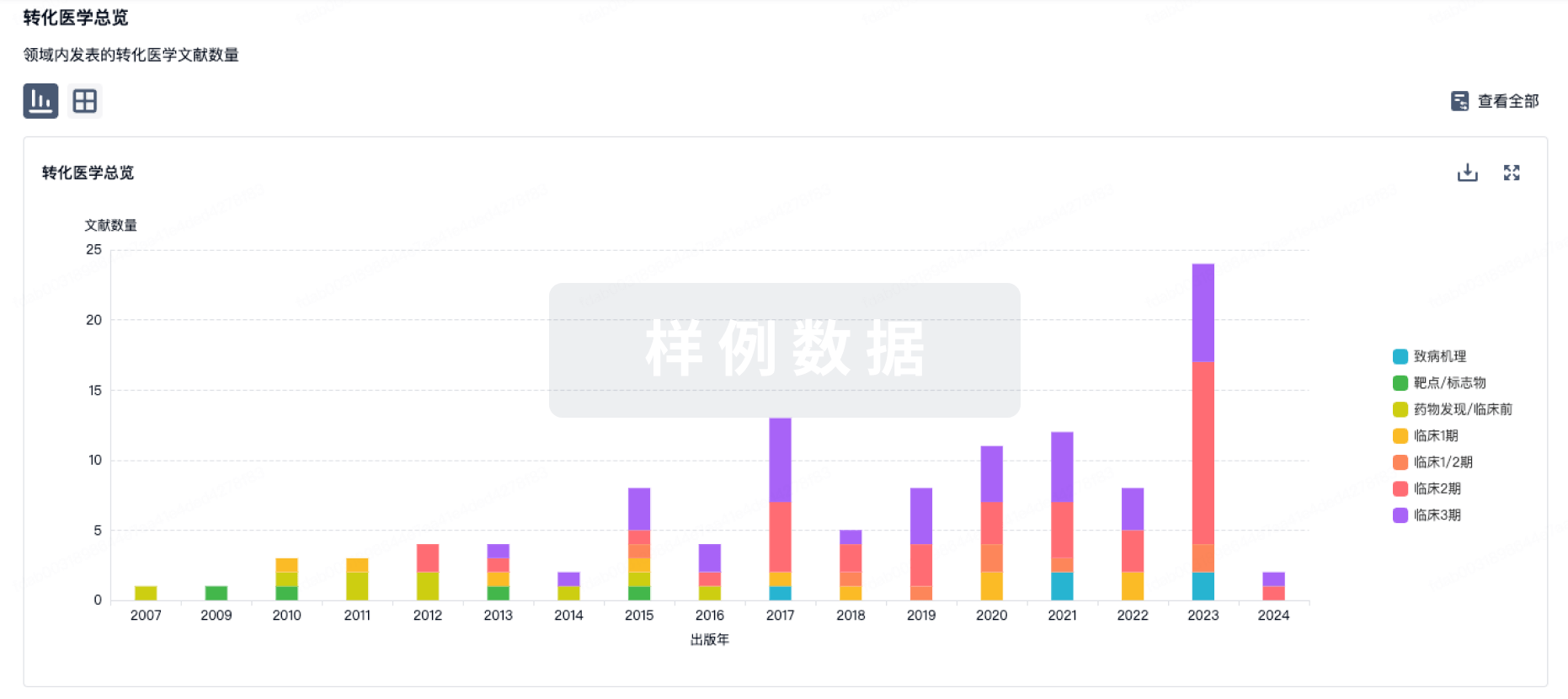
转化医学
使用我们的转化医学数据加速您的研究。
登录
或
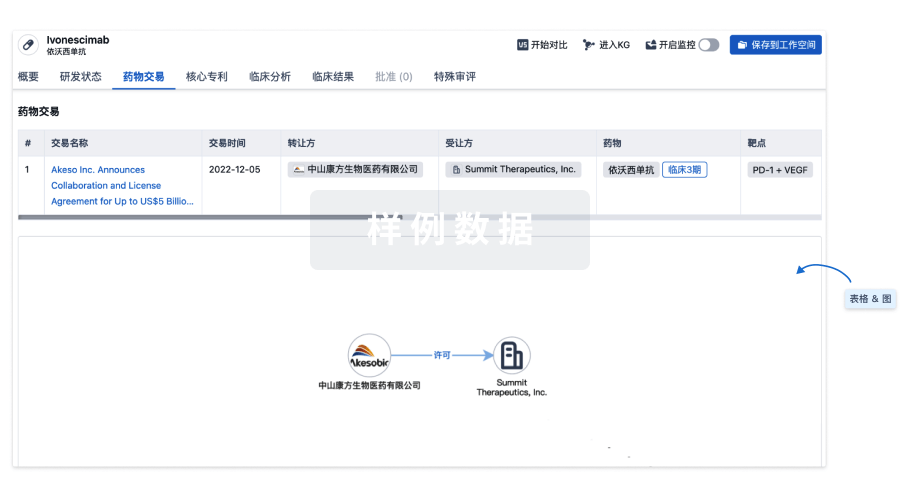
药物交易
使用我们的药物交易数据加速您的研究。
登录
或
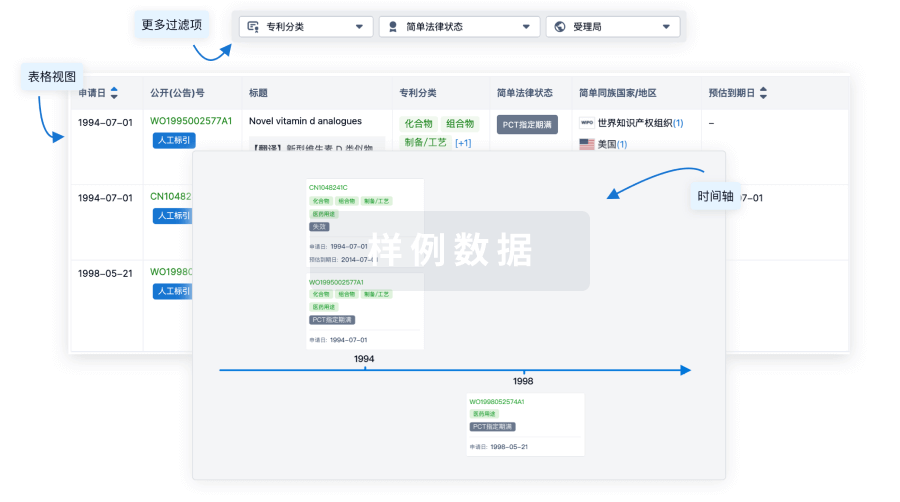
核心专利
使用我们的核心专利数据促进您的研究。
登录
或
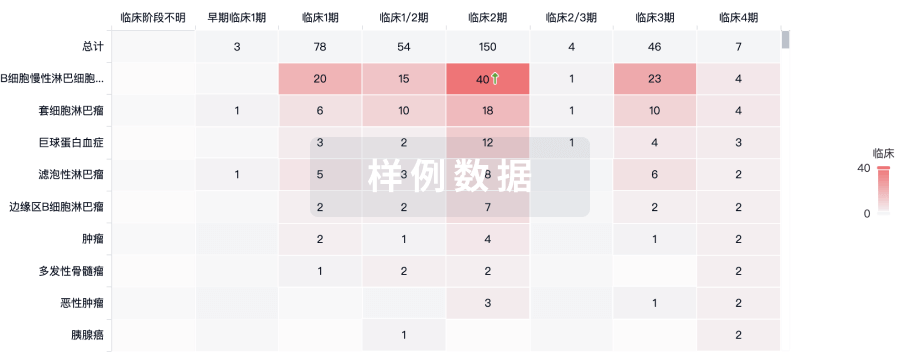
临床分析
紧跟全球注册中心的最新临床试验。
登录
或
批准
利用最新的监管批准信息加速您的研究。
登录
或
特殊审评
只需点击几下即可了解关键药物信息。
登录
或
芽仔
全新生物医药AI Agent 覆盖科研全链路,让突破性发现快人一步
立即开始免费试用!
智慧芽新药情报库是智慧芽专为生命科学人士构建的基于AI的创新药情报平台,助您全方位提升您的研发与决策效率。
立即开始数据试用!
智慧芽新药库数据也通过智慧芽数据服务平台,以API或者数据包形式对外开放,助您更加充分利用智慧芽新药情报信息。
生物序列数据库
生物药研发创新
免费使用
化学结构数据库
小分子化药研发创新
免费使用