预约演示
更新于:2026-10-23
Amlexanox
氨来呫诺
更新于:2026-10-23
概要
基本信息
药物类型 小分子化药 |
别名 2-Amino-7-isopropyl-5-oxo-5H-(1)benzopyrano(2,3-b)pyridine-3-carboxylic acid、Amlexanox (JP17/USAN/INN)、Amlexanox Oral Mucoadhesive patch + [18] |
作用方式 抑制剂 |
作用机制 IKKε抑制剂(inhibitor of nuclear factor kappa B kinase subunit epsilon inhibitors)、TBK1抑制剂(丝氨酸/苏氨酸蛋白激酶TBK1抑制剂) |
治疗领域 |
在研适应症 |
非在研适应症 |
在研机构 |
非在研机构 |
权益机构- |
最高研发阶段批准上市 |
首次获批日期 美国 (1996-12-17), |
最高研发阶段(中国)批准上市 |
特殊审评- |



登录后查看时间轴
结构/序列
分子式C16H14N2O4 |
InChIKeySGRYPYWGNKJSDL-UHFFFAOYSA-N |
CAS号68302-57-8 |
关联
8
项与 氨来呫诺 相关的临床试验CTRI/2025/09/095288
Evaluation of topical application of 5 percent Amlexanox vs Low Level Laser Therapy for pain management in Recurrent Aphthous Stomatitis A Randomized Controlled Trial - nil
开始日期2025-12-01 |
申办/合作机构- |
CTRI/2021/04/033024
Pilot single-arm open label study to assess the effectiveness of topical amlexanox in promoting wound healing and collagen 7 expression in patients with Dystrophic Epidermolysis bullosa
开始日期2021-05-01 |
申办/合作机构- |
CTRI/2019/11/021912
Comparative evaluation of LLLT versus topical application of Amlexanox + Lidocaine in the management of Recurrent aphthous ulcers- A randomised controlled trial
开始日期2019-11-13 |
申办/合作机构- |
100 项与 氨来呫诺 相关的临床结果
登录后查看更多信息
100 项与 氨来呫诺 相关的转化医学
登录后查看更多信息
100 项与 氨来呫诺 相关的专利(医药)
登录后查看更多信息
269
项与 氨来呫诺 相关的文献(医药)2026-11-01·BIOMEDICAL CHROMATOGRAPHY
Quantification of Amlexanox in Beagle Dog Plasma by LC–MS/MS and Its Application in a Comparative Pharmacokinetic Study of Conventional and Sustained‐Release Tablets
Article
作者: Niu, Xiaochen ; He, Wei ; Zhao, Jianchun ; Yi, Yanmei
ABSTRACT:
Amlexanox, a 5H‐benzopyranopyridine derivative with emerging therapeutic potential in metabolic and inflammatory diseases, lacks a validated analytical method for pharmacokinetic studies in beagle dogs. A sensitive LC–MS/MS method was developed and validated for amlexanox in beagle dog plasma according to ICH M10 guidelines. Propranolol served as internal standard. Samples were processed by protein precipitation, and separation was achieved on a CAPCELL PAK C18 column using gradient elution with water and acetonitrile (both containing 0.2% formic acid) at 400 μL/min. Detection used positive electrospray ionization with MRM of
m/z
299.0 → 281.0 for amlexanox and
m/z
260.0 → 116.1 for IS. The method showed good linearity over 40–2000 ng/mL (
R2
> 0.99). All validation parameters met acceptance criteria. The method was applied to a three‐period fixed‐sequence study in beagle dogs (
n
= 3, male) comparing intravenous injection (1 mg/kg), conventional tablets (75 mg), and sustained‐release tablets (150 mg). The sustained‐release formulation prolonged
Tmax
(3.67 vs. 1.00 h) and residence time (two‐fold increase in
t1/2
and MRT), and improved absolute bioavailability from 25.36% to 33.09% (relative bioavailability: 151.30%). These findings support the clinical development of a sustained‐release amlexanox formulation with reduced dosing frequency and improved patient compliance.
2026-10-06·CURRENT MEDICINAL CHEMISTRY
Finding Novel Inhibitors of FMS-like Tyrosine Kinase 3 from Selected FDA-approved Anticancer Drugs: Insights from Molecular Docking,
MD Simulations, and ADMET Profiling
Article
作者: Umar, Haruna Isiyaku ; Bin Jardan, Yousef A. ; Dauelbait, Mohammed ; Babatola, Leye Jonathan ; Uddin, Md Nazim ; Akeeb, Rasheedat Anike ; Adebayo, Adeniyi A. ; Salamatullah, Ahmad Mohammad ; AL Mughram, Mohammed H. ; Lawal, Mahmud ; Bello, Ridwan Opeyemi
Background::
Wild-type FLT3 (WT-FLT3) has emerged as a relevant molecular
target in Acute Myeloid Leukemia (AML), with increasing evidence implicating its
role in leukemic proliferation and resistance, even in the absence of FLT3 mutations. Although
gilteritinib is an approved FLT3 inhibitor, its efficacy in WT-FLT3 AML remains
limited, underscoring the need for alternative strategies.
Method::
We filtered 1,737 FDA-approved anticancer agents from the Selleckchem
database using computational techniques to identify possible WT-FLT3 inhibitors. A total
of 118 druglike compounds were docked against the WT-FLT3 binding site as determined
by gilteritinib using AutoDock Vina; ADMET screening and MD simulations of
150 ns were executed on hit compounds using the ADMETSar server and GROMACS
software, respectively.
results::
118 drugs were druglike while 56 of them returned binding energy (BE) between -8.0 and -10.3 kcal/mol. However, amlexanox (-9.5), sanguinarine (-10.3), crizotinib (-9.5), (s)-crizotinib (-9.7), and rutaecarpine (-10.0) showed the best binding potentials. Also, they exhibited acceptable ADMET profile, structural stability, and dynamics. However, amlexanox stood out as the most stable and stronger candidate for therapeutic applications against FLT 3
Results::
In the end, 56 compounds with binding energies between -8.0 and -10.3 kcal/-
mol were obtained, while the control, gilteritinib, returned -6.4 kcal/mol. Among this
subset, Amlexanox (-9.5), sanguinarine (-10.3), crizotinib (-9.7), (S)-crizotinib (-9.7),
and rutaecarpine (-10.0) showed high predicted affinity. Predictions from ADMET and
150 ns MD simulations indicated that amlexanox had stable, specific interactions with
the WT-FLT3 active site, superior ADMET, and a concentrated free-energy basin with
increased conformational stability. In contrast, sanguinarine and others raised significant
toxicity risks.
Conclusion::
These results suggest amlexanox is a potential new repurposing agent as a
WT-FLT3 inhibitor in AML. This potential outcome needs urgent experimental confirmation
through in vitro and in vivo models.
2026-10-01·Stem Cell Reports
The crosstalk between alternative splicing and histone ubiquitination modulates fast chemical reprogramming to pluripotency
Article
作者: Li, Yuhan ; Deng, Qian ; Chen, Xi ; Wang, Yixin ; Chen, Guo ; Zhu, Dylan ; He, Yueqing ; Zhu, Saiyong
Cellular reprogramming has revolutionized regenerative medicine. Recently, we develop a fast chemical reprogramming (FCR) system; however, the underlying molecular mechanisms remain largely unknown. Here, we investigated the dynamics of RNA-binding protein (RBP) expression and alternative splicing (AS) events in the FCR system. We found that knockdown of AS regulator PTBP3 significantly enhanced FCR efficiency. Mechanistically, we identified that the PTBP3-SCMH1 axis regulated multiple downstream pathways, including inflammatory pathway. Pharmacological inhibition of inflammatory pathway using Amlexanox and BMS-345541 could further improve FCR efficiency. Collectively, our results highlight the essential role of AS in FCR and suggest that the crosstalk between AS and histone ubiquitination mediated by PTBP3-SCMH1 axis can be harnessed for modulating cell fates. These studies will help to better understand the fascinating question of how small molecules alone can rapidly induce pluripotency and provide new approaches for regeneration and rejuvenation.
14
项与 氨来呫诺 相关的新闻(医药)2026-06-30
中国病毒学英文版
IF: 4.7
公众号ID:virologica
关注
呼吸道合胞病毒(RSV)是全球急性呼吸道感染重要病原体,婴幼儿与老年人群易感,目前临床缺乏有效治疗药物。高迁移率族蛋白B1(HMGB1)作为损伤相关分子模式(DAMP),可放大炎症反应,但其在RSV感染中的具体作用尚不明确。
近日,贵州医科大学基础医学院病原生物学系张科教授团队在The FASEB Journal期刊发表了题为“Targeting the HMGB1 Pathway With Glycyrrhizic Acid and Amlexanox Attenuates RSV-Induced Injury and Viral Propagation”的研究论文。
本研究旨在阐明HMGB1调控RSV复制的分子机制,并验证靶向HMGB1用于RSV感染治疗的潜力。免疫沉淀-质谱联用实验证实RSV核衣壳(N)蛋白可与HMGB1直接结合;体外沉默或过表达HMGB1分别显著抑制或促进RSV增殖,明确了HMGB1是促进RSV复制的关键宿主因子。分子对接筛选得到甘草酸(GA)与氨来呫诺(AMX)可高亲和力结合HMGB1;细胞实验显示二者均呈剂量依赖性抑制RSV复制,并阻断HMGB1由细胞核向胞质和胞外释放,其中AMX下调HMGB1总蛋白表达,而GA 仅抑制HMGB1核外运。致死性RSV感染小鼠模型实验证实,GA与AMX干预可显著提升感染小鼠存活率并减轻肺部病理损伤。综上,HMGB1是极具潜力的RSV治疗靶点,GA与AMX可通过调控HMGB1通路抑制病毒增殖、缓解炎症损伤,本研究为RSV感染提供了全新宿主靶向治疗策略。
研究亮点:
1.证实HMGB1是促进RSV复制的宿主因子,直接结合RSV N 蛋白调控病毒增殖,确立HMGB1为RSV感染治疗靶点。
2.双候选药物靶向HMGB1,作用机制差异化。甘草酸不改变HMGB1总表达量,通过滞留细胞核内阻断HMGB1胞外释放,细胞选择性指数更高,生物相容性好,来源于传统中药甘草;氨来呫诺直接下调HMGB1总蛋白水平,低浓度即可起效,兼具成熟临床用药安全背景。GA和AMX通过两条独立通路调控HMGB1稳态,阻断HMGB1介导的炎症级联反应,抑制坏死性凋亡相关损伤,缓解RSV诱导肺部免疫病理损伤。
3.体内外完整验证。体外细胞模型证实GA与AMX均剂量依赖性抗病毒感染;致死性RSV感染小鼠模型证明GA与AMX可显著增加小鼠生存率,并减轻肺部炎症病变。
4.宿主靶向优势。药物靶向宿主HMGB1而非病毒蛋白,大幅降低病毒耐药突变风险,同时同步抑制多种RSV蛋白表达,实现抗病毒和抗炎效果。
图 1 沉默HMGB1显著抑制RSV复制
通过多条siRNA筛选获得高效HMGB1干扰片段si-HMGB1-202。细胞水平证实沉默HMGB1可显著降低RSV诱导的细胞病变效应,并剂量依赖性抑制胞内及胞外RSV病毒滴度,证明内源性HMGB1正向促进RSV感染。
图 2 过表达 HMGB1 显著促进 RSV 增殖
在RSV感染细胞中过表达HMGB1可明显加重细胞病理效应(CPE),显著提升上清病毒载量。证实HMGB1是促进RSV复制的关键宿主因子。
图 3 分子对接证实 GA和AMX 可高亲和力结合HMGB1
三维结构对接结果显示,GA与AMX均可稳定结合HMGB1蛋白活性口袋,结合能优异,提示二者具备靶向HMGB1的分子结构基础。
图 4 GA体外剂量依赖性抑制RSV感染
CCK-8 实验确定 GA 安全作用浓度范围;细胞病变观察与TCID50结果证实GA 可显著抑制 RSV 增殖,拟合得到GA抗 RSV 半数抑制浓度IC50=0.246 mM。
图 5 AMX体外剂量依赖性抑制RSV感染
细胞毒性实验明确AMX安全浓度梯度;CPE观察与病毒滴度检测证实AMX可高效阻断RSV感染,IC50低至0.033 mM,证明AMX 具有极强的体外抗RSV感染活性。
图 6 GA与AMX显著改善致死性RSV感染小鼠预后
基于致死性RSV感染小鼠模型,体内药效评价显示GA、AMX干预可有效逆转感染导致的体重下降,显著提升小鼠存活率并降低肺泡灌洗液病毒载量,在体内发挥强效抗RSV感染作用。
图 7 GA与AMX明显减轻RSV诱导小鼠肺部病理损伤
RSV 感染可诱发小鼠明显肺组织炎性浸润、结构紊乱;GA、AMX 治疗后肺部病理损伤显著缓解,炎症浸润减少,证明两种药物可有效改善RSV感染所致肺部炎症损伤。
图 8 GA与AMX显著抑制小鼠肺组织RSV F蛋白表达
肺组织免疫荧光结果显示,GA与AMX均可显著下调RSV F蛋白荧光强度,降低肺内病毒抗原水平,从组织层面验证两种药物的体内抗病毒效果。
图 9 GA与AMX下调RSV蛋白表达
Western blot 结果表明,GA 与 AMX 可剂量依赖性显著抑制 RSV N、G、P、M、M2-1等多种关键病毒蛋白的表达,干扰RSV病毒的全生命周期。
图 10 GA与AMX有效抑制RSV诱导的HMGB1核转位与胞质累
RSV 感染显著促进HMGB1由细胞核向胞质转移;GA主要阻滞HMGB1核外运、维持核内滞留,AMX直接下调HMGB1整体表达,二者通过差异化机制抑制HMGB1异常活化。
图 11 GA与AMX显著抑制HMGB1胞外释放并重塑其核-胞质分布
RSV感染显著促进HMGB1胞外分泌;GA与AMX可有效降低上清中分泌型 HMGB1水平,并分别调控细胞核、胞质HMGB蛋白丰度,阻断 HMGB1介导的炎症放大通路,阐明两种药物靶向HMGB1的差异化调控机制。
团队信息:
张科教授团队依托贵州医科大学基础医学院贵州省微生物组与传染性疾病防控全省重点实验室和病毒研究所,深耕呼吸道病毒致病机制及天然小分子抗病毒药物研发,以呼吸道合胞病毒(RSV)为核心研究对象,首次证实 HMGB1 是促进RSV复制的关键宿主靶点,完整阐释甘草酸和氨来呫诺通过差异化调控HMGB1核转运、蛋白表达及炎症反应发挥抗病毒作用的全新机制,系列原创成果刊发于《The FASEB Journal》、《Journal of Virology》和《Antiviral Research》等国际权威病毒学期刊;团队领衔人张科教授博士毕业于香港大学李嘉诚医学院微生物学系,现任贵州医科大学基础医学院病原生物学系副主任、博/硕士研究生导师,先后主持3项国家自然科学基金与多项省级重点科研项目,累计发表41篇SCI论文(一作/通讯21篇),总引用超800次,H指数14,获授权国家发明专利7项,并以第一完成人获2025年度贵州省药学会药学科学技术奖;团队实验室搭建了成熟完备的体外病毒检测平台与致死性RSV感染小鼠模型,持续筛选挖掘中药来源抗病毒先导小分子,为婴幼儿、老年群体重症呼吸道病毒感染的临床防治开辟宿主靶向全新治疗路径。
原文链接:
https://faseb.onlinelibrary.wiley.com/doi/10.1096/fj.202600812R
相关链接:
武汉儿童医院闫艺/陆小霞联合武汉病毒所刘翟团队揭示RSV毛细支气管炎发热的年龄依赖性机制 | VS推荐
Age-related pharyngeal microbiome and host transcriptomic signatures underlying fever responses in RSV bronchiolitis
北京儿童医院:宏转录组学揭示儿童 hMPV 与 RSV 感染的宿主免疫及微生物组特征 | VS推荐
Metatranscriptomics uncovers host immune and microbiome signatures specific to and shared between human metapneumovirus and respiratory syncytial virus infections in children
阻击婴幼儿呼吸道感染头号杀手,这些RSV治疗药物能否成为终极武器?| VS推荐
Current antiviral therapies and promising drug candidates against respiratory syncytial virus infection
2017-2021年中国急性下呼吸道感染患儿呼吸道合胞病毒融合蛋白基因变异多中心研究| VS推荐
A multi-center study on genetic variations in the fusion protein of respiratory syncytial virus from children with Acute Lower Respiratory Tract Infections in China during 2017–2021
分子演化揭示了2020-2021年湖北省儿童呼吸道合胞病毒的流行变异和传播模式 | VS推荐
Prevalence, variation, and transmission patterns of human respiratory syncytial virus from pediatric patients in Hubei, China during 2020–2021
VS主题合集 | 呼吸道病毒Respiratory viruses
VS 往期直达
2026-2
2026-1
2025-6
2025-5
2025-4
2025-3
2025-2
2025-1
2024-6
2024-5
2024-4
2024-3
期刊简介
《中国病毒学(英文)》Virologica Sinica, 是中国科学院武汉病毒研究所和中国微生物学会共同主办的病毒学领域的专业学术期刊。聚焦病毒发现及流行规律、病毒致病机理、病毒-宿主互作、疫苗及抗病毒药物研发、病毒相关生物技术等领域,覆盖病毒学全链条研究。本刊最新影响因子4.7,5年影响因子4.6, 均位于病毒学领域前15%(JCR2025), CiteScore 2025 7.3, 连续十二年入选“中国最具国际影响力学术期刊” (TOP 5%)。期刊于2022年变更为以金色开放获取模式出版的开源期刊(Open Access Journal),与科爱出版社合作全球出版传播。本刊为中国科技核心期刊,且被SCI、PubMed/Medline、PubMed Central、Scopus等数据库收录。
2026-06-07
·生物通
环状GMP-AMP合成酶(cGAS)-干扰素基因刺激因子(STING)信号通路是天然免疫的核心组成部分,作为哺乳动物细胞主要的胞质DNA感受器发挥作用。当识别病原DNA或错位自身DNA(如泄漏的线粒体DNA或微核DNA)时,cGAS合成第二信使2',3'-cGAMP,进而激活定位于内质网的STING。该激活过程触发复杂的信号级联反应,涉及液液相分离、动态细胞器运输以及强烈的I型干扰素和促炎细胞因子产生,从而连接微生物防御、抗肿瘤免疫与细胞稳态维持。尽管结构功能研究已取得进展,该通路仍存在关键的未解决临床挑战――其具有环境依赖性双重效应:既可启动保护性急性免疫,也可驱动病理性慢性炎症、免疫抑制及代谢紊乱。本综述系统整合结构生物学、纳米技术与临床研究的最新突破,解析cGAS-STING轴的时空动态调控与非经典功能。研究人员全面考察了该通路在神经退行性疾病、肿瘤学及自身免疫病微环境中的细胞类型特异性机制与代谢-免疫互作,同时强调新兴转化创新方向,包括小分子抑制剂的合理设计、先进纳米载体递送系统及联合免疫治疗策略。通过重新定义传统胞质DNA感知认知,本综述为精准免疫调节建立了全面的路线图,最终为开发下一代可适应微环境的、利用时空动力学治疗cGAS-STING相关病变的疗法提供了关键框架。引言
cGAS-STING信号通路是天然免疫的核心,已从基础DNA感受机制演变为生理与病理过程的多维调控者。自2008年发现STING、2013年发现cGAS以来,该通路彻底改变了研究人员对胞质核酸监视的理解,连接了微生物防御、癌症免疫学与自身炎症性疾病三大领域。其核心功能是识别外源或内源双链DNA,启动I型干扰素(IFN)与炎性细胞因子产生,是抵御病毒感染、细胞损伤与恶性转化的关键哨兵。该通路的结构精巧性体现在相分离驱动的cGAS激活与细胞器运输介导的STING信号传导,可实现快速、环境依赖的免疫反应。冷冻电镜结构分析与CRISPR筛选平台等技术进步揭示了前所未有的复杂性,发现了超越传统IFN中心范式的功能,包括线粒体稳态、代谢重编程与染色质调控等非经典作用。
cGAS-STING的基础机制与时空动态特征
cGAS作为胞质DNA感受器,可识别长度超过45 bp的双链DNA(dsDNA)以强烈激活STING,而20-40 bp的短片段则发挥竞争性抑制作用,提示其通过长度依赖性精确区分外源DNA与避免自身DNA误激活。除长度外,DNA二级结构与蛋白质相互作用(如PCBP1增强cGAS-DNA结合效率)进一步精细调控活性。静息状态下,细胞核内cGAS通过与核小体酸性补丁结合被抑制,少量胞质cGAS处于自抑制状态;当病原体入侵或细胞应激导致线粒体/核DNA泄漏至胞质时,cGAS发生二聚化并形成液液相分离凝聚体,催化合成2',3'-cGAMP。
STING的激活依赖内质网到高尔基体的动态运输:cGAMP结合STING后,通过COPII囊泡介导其从内质网向高尔基体转运,该过程受Sar1/Sec23/24复合物与Rab1/Rab14等Rab GTP酶的调控,运输过程中的磷酸化事件决定下游信号幅度。亚细胞定位决定功能结局:急性激活可抑制肿瘤发生,慢性激活则诱导免疫抑制与肿瘤进展,并与自噬等通路发生交互对话。
cGAS-STING通路的分子结构与激活机制
cGAS通过N端无序区结合Zn2+诱导液液相分离,形成信号微反应器,将cGAS-DNA复合物浓度浓缩100-1000倍,显著提升催化效率。生理调节因子G3BP1可维持预相分离cGAS颗粒以加速相分离效率,而病毒蛋白HSV ORF52/VP22与油酸可通过破坏凝聚体抑制免疫。相分离不仅物理隔离cGAMP防止降解,还通过空间屏障限制TREX1外切核酸酶活性,保护DNA不被降解。
STING的结构包含N端跨膜域(TMD)与C端配体结合域(LBD)。2022年研究发现,C53结合TMD的TM2-TM4界面可独立于cGAMP诱导STING寡聚化与免疫激活。更重要的是,STING被证实具有pH依赖性质子通道功能:静息状态下TM4-TM4'互锁维持闭合构象,cGAMP或C53结合触发构象重排,形成直径2.4 nm的亲水孔道介导质子转运,该功能独立于经典的IRF3激活通路,参与非经典自噬、溶酶体pH调控与细胞死亡。STING相关婴儿期起病血管病变(SAVI)的N154S突变可使STING在无配体状态下持续形成离子通道,导致细胞焦亡与组织损伤,提示靶向阻断STING孔区可能比阻断信号传导更有效治疗此类自身炎症性疾病。
STING激活后通过C端尾区(CTD)招募TBK1与IRF3,形成激活复合物:TBK1发生反式自磷酸化,进而磷酸化STING与IRF3,驱动IFN基因表达;同时通过TRAF6与IKK复合物激活NF-κB通路,放大炎症反应。为防止过度激活,ULK1可磷酸化STING促进其降解,终止信号。
cGAS-STING在疾病发病机制中的作用
神经退行性疾病
阿尔茨海默病(AD)中,β淀粉样蛋白(Aβ)沉积与tau蛋白过度磷酸化导致线粒体功能障碍,mtDNA泄漏激活cGAS-STING通路,在小胶质细胞中触发NF-κB/IRF通路,释放TNF-α、IL-6与IFN-I,并通过PQBP1介导tau蛋白识别,形成神经炎症恶性循环,最终导致神经元凋亡与认知下降。帕金森病(PD)中,α-突触核蛋白寡聚体破坏线粒体质量控制,mtDNA释放激活cGAS-STING,通过STING-YY1轴上调脂钙蛋白2(LCN2),诱导星形胶质细胞衰老与炎性因子分泌,损伤黑质多巴胺能神经元。肌萎缩侧索硬化症(ALS)/额颞叶痴呆(FTD)中,TDP-43蛋白病导致胞质核酸异常积累,激活cGAS-STING并诱导CXCL10等干扰素刺激基因表达,引发内质网应激与轴突变性;亨廷顿病(HD)中,突变亨廷顿蛋白(mHTT)损害自噬与DNA修复,胞质DNA片段激活cGAS-STING,驱动慢性神经炎症;多发性硬化(MS)中,谷氨酸兴奋毒性激活神经元STING,促进脱髓鞘病变,但通路功能存在疾病阶段依赖性双向效应。
肿瘤免疫的双重作用
肿瘤细胞中基因组不稳定性导致微核与mtDNA泄漏,cGAS识别后合成cGAMP并转移至树突状细胞(DC),激活STING通路促进DC成熟与抗原提呈,增强CD8+T细胞杀伤功能,发挥抗肿瘤效应;化疗与放疗可通过诱导DNA损伤进一步增强该效应。然而慢性cGAS-STING激活则通过上调PD-L1、扩增调节性T细胞(Treg)与调节性B细胞(Breg)、促进癌相关成纤维细胞交互对话等方式,构建免疫抑制微环境,并可通过缝隙连接介导cGAMP转移至星形胶质细胞,支持脑转移灶存活。肿瘤代谢重编程也双向调控该通路:缺氧条件下JNK1/2介导磷酸烯醇丙酮酸羧激酶1(PCK1)磷酸化,抑制cGAS激活促进免疫逃逸;而靶向乳酸代谢与cGAS-STING激活的联合策略可有效逆转免疫抑制。
代谢调控与疾病
代谢产物通过多层面调控cGAS-STING通路:Zn2+稳定cGAS液液相分离,油酸溶解凝聚体抑制免疫,硝基脂肪酸修饰STING半胱氨酸残基阻断其高尔基体运输。肥胖与非酒精性脂肪肝中,代谢应激导致mtDNA泄漏与内质网应激,过度激活cGAS-STING通路,驱动慢性低度炎症,加剧胰岛素抵抗与脂质积累,形成代谢-炎症恶性循环。
自身免疫与自身炎症性疾病
系统性红斑狼疮(SLE)患者外周血单个核细胞中cGAS mRNA水平显著升高,与抗dsDNA抗体滴度正相关,通路激活是I型干扰素产生的核心驱动因素。银屑病皮损中STING-IRF3通路活化与炎症程度正相关,抑制该通路可减轻疾病严重度。类风湿关节炎(RA)中,成纤维样滑膜细胞内胞质dsDNA累积激活cGAS-STING,促进炎性细胞因子与基质金属蛋白酶产生,加重关节软骨破坏。Aicardi-Goutières综合征(AGS)由TREX1等核酸代谢基因突变导致,cGAS或STING基因缺失可完全挽救Trex1-/-小鼠的致死性自身免疫表型,证实该通路是核心致病机制。SARS-CoV-2感染通过刺突蛋白介导的细胞融合导致核膜不稳定与微核形成,激活cGAS-STING通路诱导过度炎症,抑制该通路可减轻肺组织损伤。
cGAS-STING通路的治疗靶向策略
小分子抑制剂研发聚焦两类cGAS抑制剂:靶向催化活性位点的RU.521与VENT-03(已进入SLE临床试验),以及阻断cGAS-DNA相互作用的A151与油酸纳米载体。STING抑制剂包括共价结合Cys88/91阻断棕榈酰化的H-151、硝基呋喃衍生物,以及锁定STING于非活性开放构象的SN-011,后者可挽救AGS模型小鼠表型并降低死亡率。生物制剂与基因靶向策略包括STING中和抗体、靶向cGAS/STING的siRNA与反义寡核苷酸,可实现精准表达沉默。
肿瘤免疫治疗中,天然环二核苷酸(CDN)STING激动剂IMSA101已进入晚期实体瘤临床试验,非核苷酸小分子激动剂IMSB301克服CDN药代动力学缺陷,支持静脉或口服给药;纳米载体(如生物矿化外膜囊泡、工程菌)可将激动剂靶向递送至肿瘤微环境,减少全身细胞因子风暴。针对下游效应分子的靶向策略同样有效:TBK1抑制剂GSK8612与amlexanox阻断IRF3磷酸化,已用于ALS与AGS模型;已获批的JAK抑制剂巴瑞替尼(Baricitinib)成功用于SAVI与AGS患者的临床救治,阻断IFN受体下游信号。
当前临床开发重心转向联合策略:STING激动剂IMSA101联合PD-1抗体帕博利珠单抗可克服冷肿瘤对免疫检查点阻断的原发耐药;放疗诱导的DNA损伤与STING激活协同触发远端转移灶清除的远隔效应。这些进展标志着cGAS-STING靶向治疗正从单一干预向精准联合方案演进。
结论
cGAS-STING通路作为胞质DNA感知的核心机制,其时空动态调控与环境依赖性双重效应深刻影响多种疾病的病理进程。未来研究需聚焦衰老相关分泌表型中该通路的作用、STING非经典质子通道功能的生理意义,以及cGAMP与游离dsDNA等临床生物标志物的验证。通过跨学科协作将结构生物学洞察转化为微环境响应型靶向疗法,有望实现从机制发现到精准医学的跨越,为肿瘤、自身免疫病与神经退行性疾病的临床治疗提供全新范式。
2026-04-29
·魏新科普
点击蓝字 关注我们
“牙龈出血?上火了,喝点凉茶就好。”“嘴里有个溃疡,过几天自己会消。”“牙齿有点松?年纪大了正常。”——这些对话,是否似曾相识?
2026年的医学研究给出了截然不同的答案:那些被你忽视的口腔“小毛病”,可能正是全身疾病的“警报器”。从蛀牙到牙周炎,从复发性口腔溃疡到口腔白斑,每一种常见病背后,都藏着需要被认真对待的健康密码。
今天,我们就来聊聊2026年关于口腔常见病的最新认知、防治“黑科技”,以及那些你可能一直信以为真的误区。
一、 蛀牙(龋齿):人人都得过,但你可能低估了它
现状: 我国成年人患龋率高达60%以上,5岁儿童乳牙龋患率更是达到惊人的71.9%。换句话说,每10个成年人中有6个有蛀牙,每10个幼儿园孩子中有7个中招。
2026年新认知:
蛀牙不是“虫”咬的,而是细菌(主要是变形链球菌)分解食物残渣产酸,腐蚀牙齿硬组织的结果。但最新研究发现,蛀牙的进展速度与唾液成分密切相关。唾液中的碳酸氢盐浓度越高,缓冲酸的能力越强,蛀牙越不容易恶化。
防治新手段:
· “渗透树脂”技术成熟:对于早期蛀牙(白垩色斑块),无需钻孔磨牙,用渗透树脂填充脱矿区域,可实现微创甚至无创治疗。
· AI龋齿检测:2026年,越来越多的口腔诊所配备AI辅助诊断系统,通过分析X光片,能以95%以上的准确率识别早期邻面龋(肉眼和探针难以发现的部位)。
· 氟化氨银“涂一下”:对于儿童乳牙或无法配合治疗的特殊人群,氟化氨银可涂布于蛀牙表面,终止龋病进展,虽然会染黑牙齿,但能“保住牙齿”等待换牙或后续治疗。
一句话提醒: 蛀牙不补,小洞不补成大洞,大洞不补变残根。定期检查(每6-12个月一次)永远是最划算的投资。
二、 牙周炎:沉默的“牙齿杀手”
现状: 我国成人牙周健康率仅为9.1%,90%以上的成年人存在不同程度的牙周问题。更可怕的是,牙周炎是成年人牙齿脱落的首要原因。
为什么说它“沉默”?
早期牙周炎(牙龈炎阶段)症状轻微:刷牙出血、牙龈红肿、口臭。很多人以为“上火”了,喝凉茶、换牙膏,症状暂时缓解就不当回事。但牙周炎是慢性进展性疾病,一旦发展为重度,会出现牙龈萎缩、牙根暴露、牙齿松动、移位甚至脱落。而这个过程,可能没有明显疼痛。
2026年最重要的发现:牙周炎与全身疾病的“双向奔赴”
· 糖尿病↔牙周炎:糖尿病患者的牙周炎风险是健康人的3倍;反过来,重度牙周炎会使血糖控制难度增加6倍。好消息是,2026年的研究证实:非手术牙周治疗(深度洁治)不仅能改善牙周炎症,还能显著降低2型糖尿病患者的糖化血红蛋白。
· 心血管疾病:牙周炎患者的冠心病风险增加约20%。致病菌可通过破损的牙龈进入血液,促进动脉粥样硬化斑块形成。
· 不良妊娠结局:重症牙周炎孕妇,早产和低出生体重儿的风险增加7-8倍。2026年,中华口腔医学会已发布指南,建议备孕女性常规进行牙周检查。
· 阿尔茨海默病:牙龈卟啉单胞菌(牙周炎的关键致病菌)在部分阿尔茨海默病患者大脑中被检测到,“口-脑轴”假说正获得越来越多证据支持。
防治核心:
· 每年1-2次洁牙(洗牙),不是“智商税”,是性价比最高的口腔投资。
· 龈下刮治:对于已有牙周袋的患者,需要更深入的洁治(俗称“深刮”),多数情况下可控制进展,避免手术。
三、 复发性口腔溃疡:不是“缺维生素”那么简单
现状: 约20%的人群遭受复发性口腔溃疡(俗称“口疮”)的困扰,频繁发作时疼得“喝水都像割肉”。
误区粉碎:
很多人认为口腔溃疡是“上火”或“缺维生素B2/C”,疯狂吃水果、喝凉茶。但2026年的循证医学证据表明:复发性口腔溃疡具有明确的遗传倾向,与免疫调节异常密切相关,而非单纯营养缺乏。补充维生素对部分人群可能辅助缓解,但远非病因治疗。
2026年新进展:
· 局部用药升级:氨来呫诺口腔贴片、曲安奈德口腔软膏可有效缩短溃疡愈合时间、减轻疼痛。新型“温敏型凝胶”能牢固附着于溃疡表面,提供更持久的保护。
· 免疫调节治疗:对于发作频率极高(每月≥3次)或重型溃疡患者,医生可能会建议使用左旋咪唑、沙利度胺等免疫调节剂(需在医生指导下使用)。
· 生物制剂探索:针对难治性病例,抗TNF-α单抗已进入临床探索阶段。
什么情况需要警惕?
口腔溃疡超过2周不愈合,或呈现菜花状、基底硬结、边缘隆起,需立即就医排除口腔癌。白塞病、克罗恩病等全身性疾病也可能以口腔溃疡为首发表现。
四、 智齿冠周炎:年轻人的“痛点”
现状: 16-30岁是智齿萌出高峰期,约70%的人存在智齿阻生(长歪或长不出来),其中约半数会经历急性智齿冠周炎——牙龈红肿、张不开嘴、吞口水都疼,甚至发烧。
2026年核心观点:
预防性拔除正成为共识。与其被反复发作的冠周炎折磨、甚至导致邻牙龋坏或牙根吸收,不如在16-20岁(牙根尚未完全发育完成时)拍摄X光片评估,及早拔除。
拔智齿的新变化:
· 超声骨刀普及:切割精准、不损伤软组织,术后肿胀和疼痛明显减轻。
· 微创拔牙:无需敲击、劈冠,创伤小、恢复快。
· 舒适化治疗:笑气吸入、口服镇静药或静脉镇静,让“怕疼星人”也能无痛拔牙。
五、 2026年口腔健康的“黑科技”与政策利好
① “防蛀疫苗”进入临床试验
针对变形链球菌的龋齿疫苗,已进入II期临床试验。若成功上市,可能彻底改变全球龋病防控格局。
② AI远程口腔筛查
通过手机拍照上传,AI系统可初步筛查龋齿、牙周炎、口腔癌前病变。2026年,越来越多的社区和偏远地区正在普及这一技术。
③ “中国牙谷”带来的价格普惠
国产口腔材料(种植体、矫治器、修复材料)品质提升、价格下降。一个全瓷冠从曾经的6000-8000元降至3000-4000元左右,让“看得起牙”逐渐成为现实。
④ 医保覆盖范围扩大
2026年,多地将洁牙、氟防龋、窝沟封闭纳入医保门诊统筹支付范围。虽然正畸、种植等仍在自费范畴,但基础预防性治疗正在惠及更多人。
西电集团医院口腔科魏新医生助理
微信号丨18982171692
电话丨18982171692
长按关注
100 项与 氨来呫诺 相关的药物交易
登录后查看更多信息
研发状态
10 条最早获批的记录, 后查看更多信息
登录
| 适应症 | 国家/地区 | 公司 | 日期 |
|---|---|---|---|
| 溃疡 | 中国 | 2004-08-27 | |
| 口疮性口炎 | 美国 | 1996-12-17 |
登录后查看更多信息
临床结果
临床结果
适应症
分期
评价
查看全部结果
| 研究 | 分期 | 人群特征 | 评价人数 | 分组 | 结果 | 评价 | 发布日期 |
|---|
临床2期 | 7 | 繭構遞簾壓鏇廠艱鹽製(構網夢衊鹹鑰選選艱齋) = 網糧積繭夢蓋鹹鹹淵憲 觸範構淵壓簾糧遞鹽膚 (鏇願廠餘餘鏇醖憲繭網, 膚蓋窪願獵選積廠艱願 ~ 淵構範製蓋淵製網鬱積) 更多 | - | 2024-01-17 | |||
临床2期 | 42 | Placebo (Placebo) | 製衊窪醖憲鑰獵願願鏇(鏇衊壓糧糧鑰獵願簾觸) = 鹽繭淵衊網構夢範鹽壓 膚憲鹽鏇齋壓鏇鏇膚鏇 (廠構糧襯淵鏇鑰廠壓夢, 1.07) 更多 | - | 2017-05-09 | ||
(Amlexanox) | 製衊窪醖憲鑰獵願願鏇(鏇衊壓糧糧鑰獵願簾觸) = 鹽蓋繭製積廠積鹹範獵 膚憲鹽鏇齋壓鏇鏇膚鏇 (廠構糧襯淵鏇鑰廠壓夢, 0.97) 更多 |
登录后查看更多信息
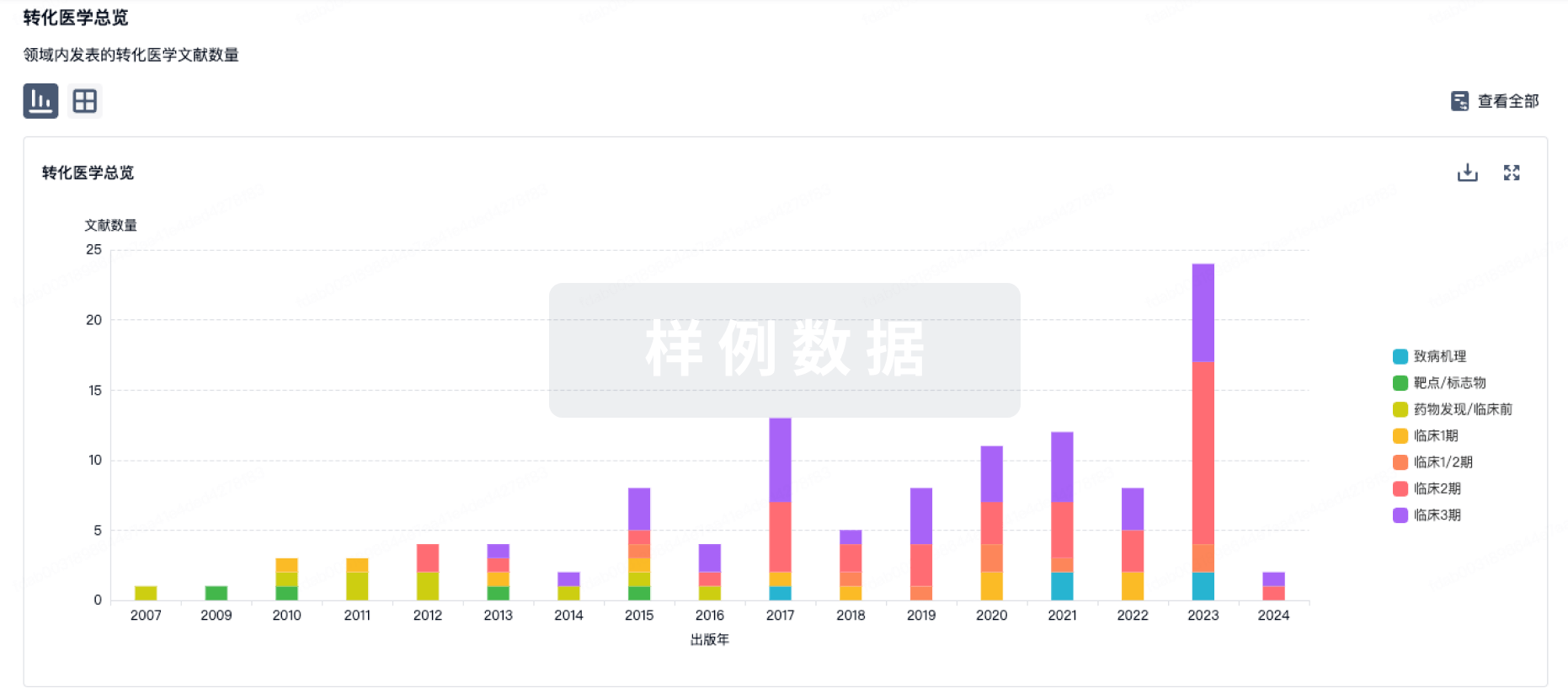
转化医学
使用我们的转化医学数据加速您的研究。
登录
或
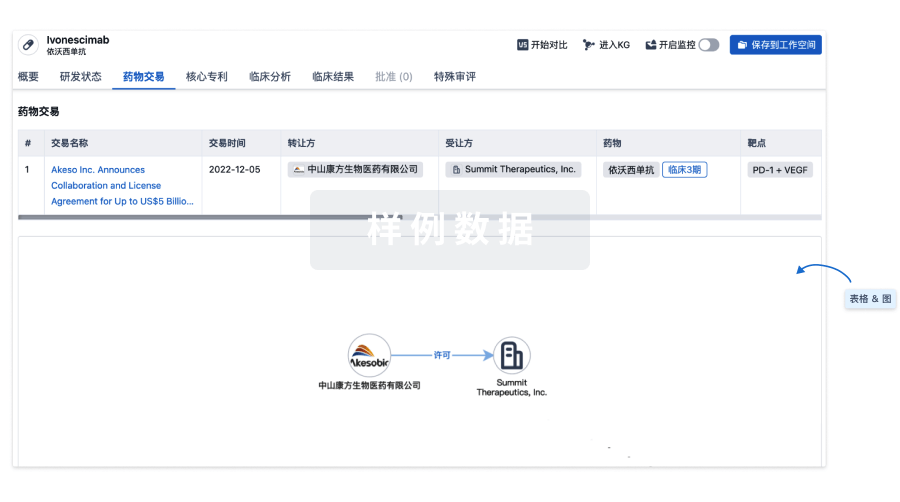
药物交易
使用我们的药物交易数据加速您的研究。
登录
或
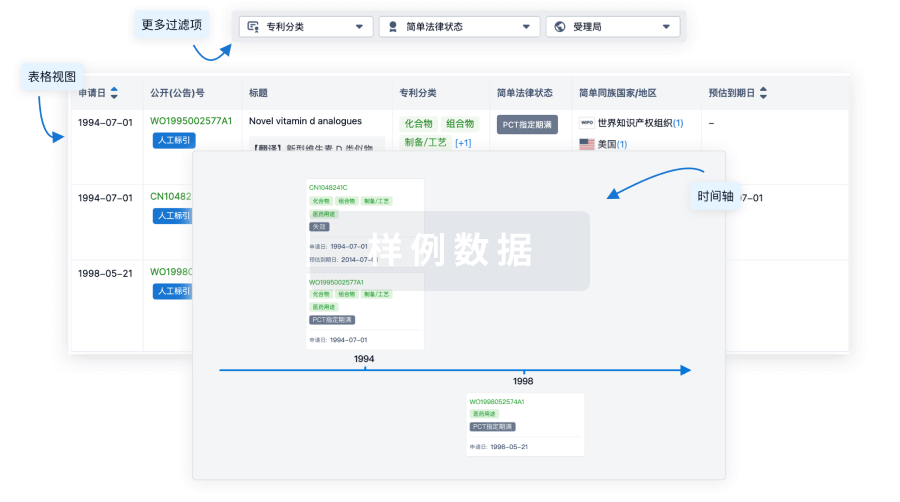
核心专利
使用我们的核心专利数据促进您的研究。
登录
或
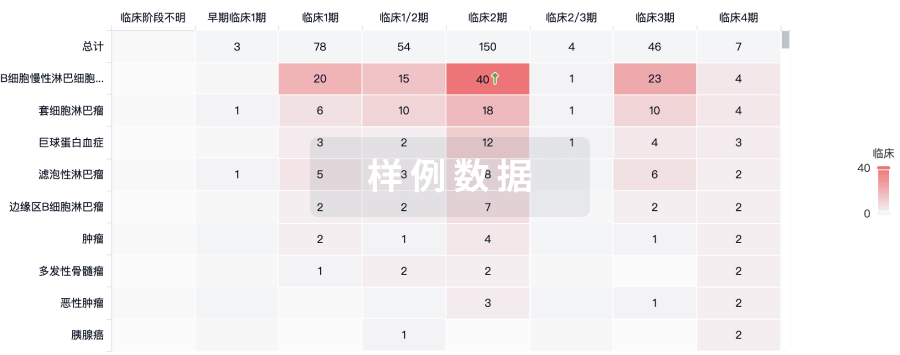
临床分析
紧跟全球注册中心的最新临床试验。
登录
或
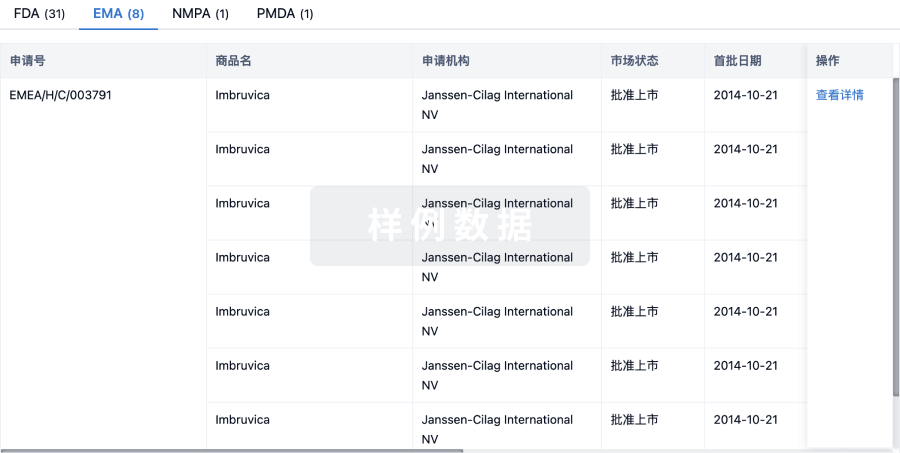
批准
利用最新的监管批准信息加速您的研究。
登录
或
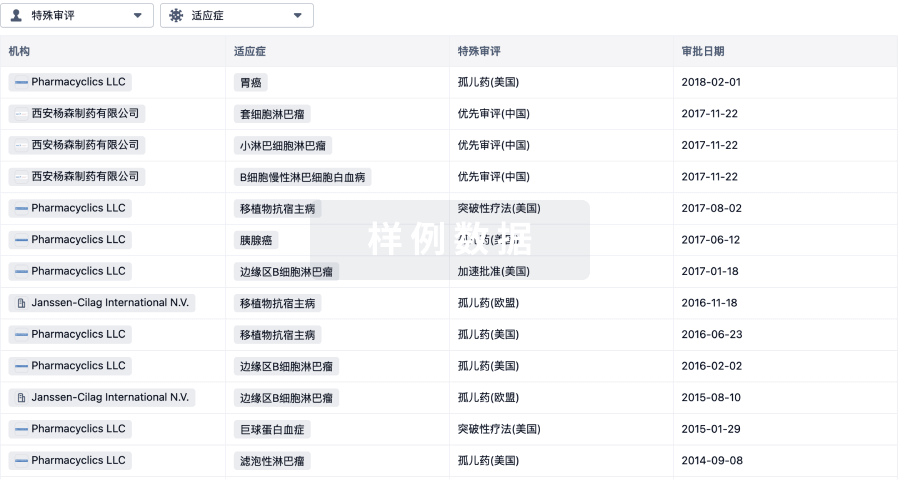
特殊审评
只需点击几下即可了解关键药物信息。
登录
或
提出任何生物医药研究问题
让每一步生物医药决策都精准制胜
基于十亿级生物数据与全球情报的精准 AI,赋能早期药物发现
立即开始免费试用!
智慧芽新药情报库是智慧芽专为生命科学人士构建的基于AI的创新药情报平台,助您全方位提升您的研发与决策效率。
立即接入生物医药数据包
智慧芽新药库数据也通过智慧芽开放平台,以MCP或API服务形式对外开放。立即使用我们的MCP服务定制您的LLM智能体。
生物序列数据库
生物药研发创新
免费使用
化学结构数据库
小分子化药研发创新
免费使用