预约演示
更新于:2026-02-11

ULURU, Inc.
更新于:2026-02-11
概览
关联
NCT05496296
Randomized, Controlled, Open-Label, Parallel Group, Multi-Center, Prospective Phase 4 Study Comparing the Efficacy of Transforming Powder Dressing to NPIAP Recommended Standard of Care Therapies in Stage 2, 3 and 4 Pressure Injuries
NCT05424354
Prospective Randomized Open Label Multicenter Phase IV Clinical Trial to Compare Transforming Powder Dressing (TPD) to Current Standard of Care (SOC) Dressing Therapies in Acute Partial Thickness Burn Wounds
NCT05046158
Randomized Clinical Trial to Compare Transforming Powder and Standard of Care Dressing Therapies to Heal Diabetic Foot Ulcers
100 项与 ULURU, Inc. 相关的临床结果
登录后查看更多信息
登录后查看更多信息
2025-09-01MILITARY MEDICINE
Innovative Technique for Wound Management in Combat Zones and Low-Resource Settings: A Mission-Oriented Project for Treating Traumatic Wounds
Article
作者: St. John, Susan ; Saxe, Jonathan
Abstract:
Introduction:
Caregivers encounter significant challenges when managing traumatic wounds, especially in resource-limited settings. Frequent dressing changes consume substantial resources, worsen complications such as pain and infection, and contribute to prolonged healing times. Despite advancements in wound care, these issues persist globally, highlighting the urgent need for innovative solutions. This study evaluated the efficacy of an extended-wear transforming powder dressing (TPD) for treating traumatic wounds in a low-resource setting.
Materials and Methods:
Altrazeal Life Sciences Inc., in collaboration with the Austrian Development Agency, led a mission-oriented humanitarian project to treat as many patients as possible over a one-year period in resource-constrained public hospitals across India. The project focused on implementing TPD in overburdened facilities to enhance wound healing outcomes and improve resource efficiency in real-world, low-resource settings. After receiving an Institutional Review Board exemption, the study team extracted deidentified project data for a subset of all patients with traumatic wounds (n = 39) to evaluate the efficacy of TPD.
Results:
All patients who completed at least 2 visits were included in the final analysis (n = 23). The cohort consisted of 70% males, with a median age of 40 years (range: 8-82), a median wound duration of 30 days (range: 5-120), and a median wound area of 51.3 cm2 (range: 7-600). All patients demonstrated marked clinical improvement, regardless of wound etiology, initial condition, or duration, achieving a median wound area reduction of 51% over a median of 16 days of TPD treatment. Thirty-nine percent of patients healed or were discharged, achieving a 79% median reduction in wound area with a median treatment duration of 31 days. The remaining 61% successfully underwent skin grafting, with a median wound area reduction of 24% after 14 days of TPD treatment. Patients treated with TPD required a median of 1.8 dressing changes per week, compared to 7 with standard care before conversion, resulting in a 75% reduction in dressing change frequency.
Conclusions:
Patients treated with TPD showed marked wound area reduction in all trauma wounds with significant overall reduction in dressing change frequency and required time and materials relative to standard of care.
100 项与 ULURU, Inc. 相关的药物交易
登录后查看更多信息
100 项与 ULURU, Inc. 相关的转化医学
登录后查看更多信息
组织架构
使用我们的机构树数据加速您的研究。
登录
或
管线布局
2026年10月12日管线快照
管线布局中药物为当前组织机构及其子机构作为药物机构进行统计,早期临床1期并入临床1期,临床1/2期并入临床2期,临床2/3期并入临床3期
其他
1
登录后查看更多信息
当前项目
登录后查看更多信息
药物交易
使用我们的药物交易数据加速您的研究。
登录
或
转化医学
使用我们的转化医学数据加速您的研究。
登录
或
营收
使用 Synapse 探索超过 36 万个组织的财务状况。
登录
或
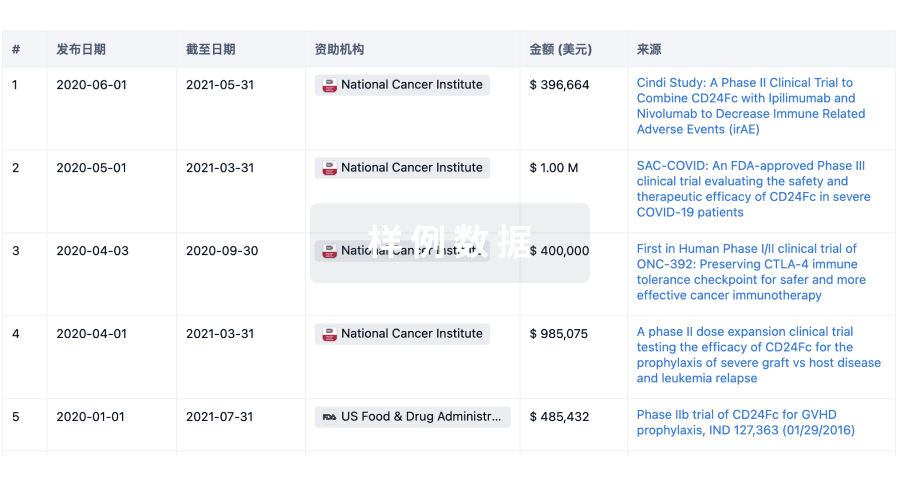
科研基金(NIH)
访问超过 200 万项资助和基金信息,以提升您的研究之旅。
登录
或
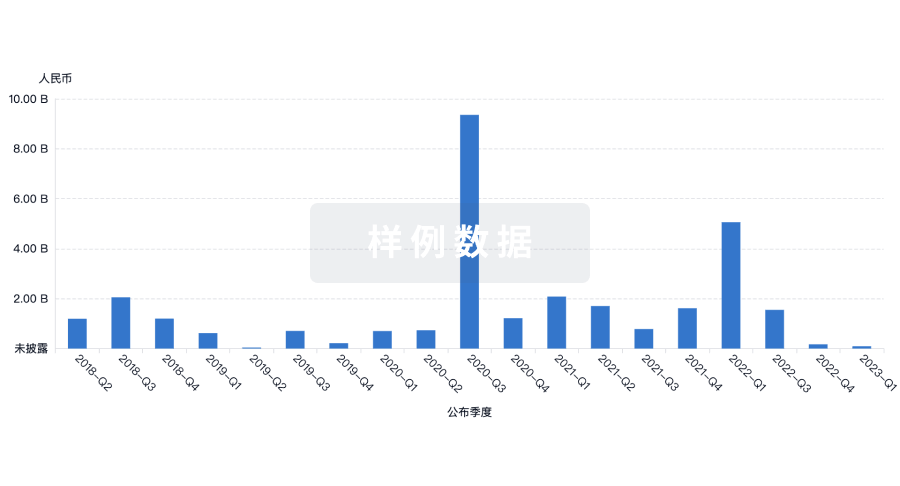
投资
深入了解从初创企业到成熟企业的最新公司投资动态。
登录
或
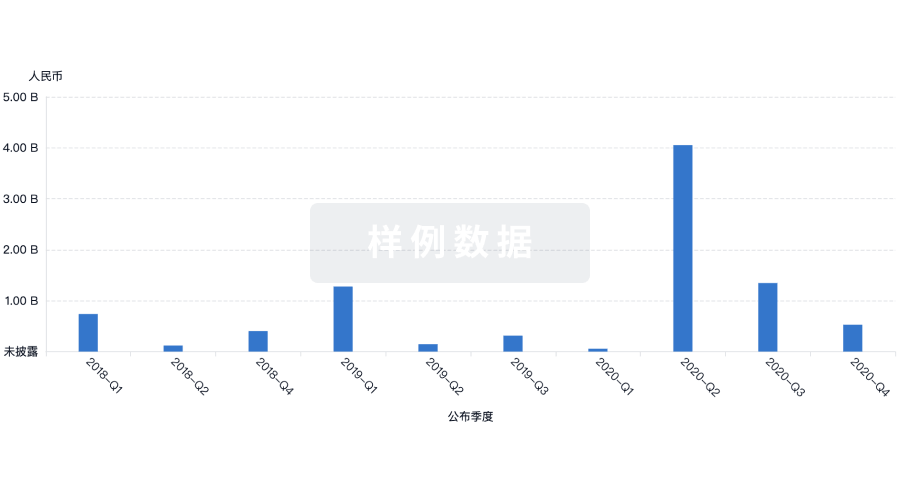
融资
发掘融资趋势以验证和推进您的投资机会。
登录
或
提出任何生物医药研究问题
让每一步生物医药决策都精准制胜
基于十亿级生物数据与全球情报的精准 AI,赋能早期药物发现
立即开始免费试用!
智慧芽新药情报库是智慧芽专为生命科学人士构建的基于AI的创新药情报平台,助您全方位提升您的研发与决策效率。
立即接入生物医药数据包
智慧芽新药库数据也通过智慧芽开放平台,以MCP或API服务形式对外开放。立即使用我们的MCP服务定制您的LLM智能体。
生物序列数据库
生物药研发创新
免费使用
化学结构数据库
小分子化药研发创新
免费使用