预约演示
更新于:2026-05-30
Recombinant SARS-CoV-2 S-Trimer Vaccine (CHO Cell)(Binhui Biopharmaceutical)
更新于:2026-05-30
概要
基本信息
药物类型 预防性疫苗、重组亚单位疫苗 |
别名 PF-D-Trimer |
作用方式- |
作用机制 新冠病毒刺突蛋白中和作用 |
在研适应症 |
非在研适应症- |
原研机构 |
在研机构 |
非在研机构 |
权益机构- |
最高研发阶段临床前 |
首次获批日期- |
最高研发阶段(中国)临床前 |
特殊审评- |


登录后查看时间轴
关联
1
项与 Recombinant SARS-CoV-2 S-Trimer Vaccine (CHO Cell)(Binhui Biopharmaceutical) 相关的临床试验NCT05716347
Safety and Immunogenicity of a Recombinant SARS-CoV-2 S-Trimer Vaccine (CHO Cell) as Booster Shots in Healthy Adults Aged 18-59 Years Who Have Completed Two Doses of Inactivated SARS-CoV-2 Vaccine
100 项与 Recombinant SARS-CoV-2 S-Trimer Vaccine (CHO Cell)(Binhui Biopharmaceutical) 相关的临床结果
登录后查看更多信息
100 项与 Recombinant SARS-CoV-2 S-Trimer Vaccine (CHO Cell)(Binhui Biopharmaceutical) 相关的转化医学
登录后查看更多信息
100 项与 Recombinant SARS-CoV-2 S-Trimer Vaccine (CHO Cell)(Binhui Biopharmaceutical) 相关的专利(医药)
登录后查看更多信息
1
项与 Recombinant SARS-CoV-2 S-Trimer Vaccine (CHO Cell)(Binhui Biopharmaceutical) 相关的文献(医药)NPJ vaccines
PF-D-Trimer, a protective SARS-CoV-2 subunit vaccine: immunogenicity and application
Article
作者: Wang, Cong ; Xia, Yan ; Zhou, Jinhu ; Liu, Mei ; Zhang, Zhihao ; Fang, Zhizheng ; He, Qian ; Cai, Kun ; Xu, Yan ; Zhang, Zhe-Rui ; Ni, Peng ; Jolicoeur, Normand ; Xia, Nan ; Liu, Binlei ; Zhang, Bo ; Deng, Shuang ; Li, Gai ; Hu, Bing ; Xiao, Qian
Abstract:
The COVID-19 pandemic, caused by the SARS-CoV-2 virus, has had and continues to have a significant impact on global public health. One of the characteristics of SARS-CoV-2 is a surface homotrimeric spike protein, which is primarily responsible for the host immune response upon infection. Here we present the preclinical studies of a broadly protective SARS-CoV-2 subunit vaccine developed from our trimer domain platform using the Delta spike protein, from antigen design through purification, vaccine evaluation and manufacturability. The pre-fusion trimerized Delta spike protein, PF-D-Trimer, was highly expressed in Chinese hamster ovary (CHO) cells, purified by a rapid one-step anti-Trimer Domain monoclonal antibody immunoaffinity process and prepared as a vaccine formulation with an adjuvant. Immunogenicity studies have shown that this vaccine candidate induces robust immune responses in mouse, rat and Syrian hamster models. It also protects K18-hACE2 transgenic mice in a homologous viral challenge. Neutralizing antibodies induced by this vaccine show cross-reactivity against the ancestral WA1, Delta and several Omicrons, including BA.5.2. The formulated PF-D Trimer is stable for up to six months without refrigeration. The Trimer Domain platform was proven to be a key technology in the rapid production of PF-D-Trimer vaccine and may be crucial to accelerate the development and accessibility of updated versions of SARS-CoV-2 vaccines.
100 项与 Recombinant SARS-CoV-2 S-Trimer Vaccine (CHO Cell)(Binhui Biopharmaceutical) 相关的药物交易
登录后查看更多信息
研发状态
10 条进展最快的记录, 后查看更多信息
登录
| 适应症 | 最高研发状态 | 国家/地区 | 公司 | 日期 |
|---|---|---|---|---|
| 新型冠状病毒感染 | 临床1期 | 中国 | 2022-07-13 |
登录后查看更多信息
临床结果
临床结果
适应症
分期
评价
查看全部结果
登录后查看更多信息
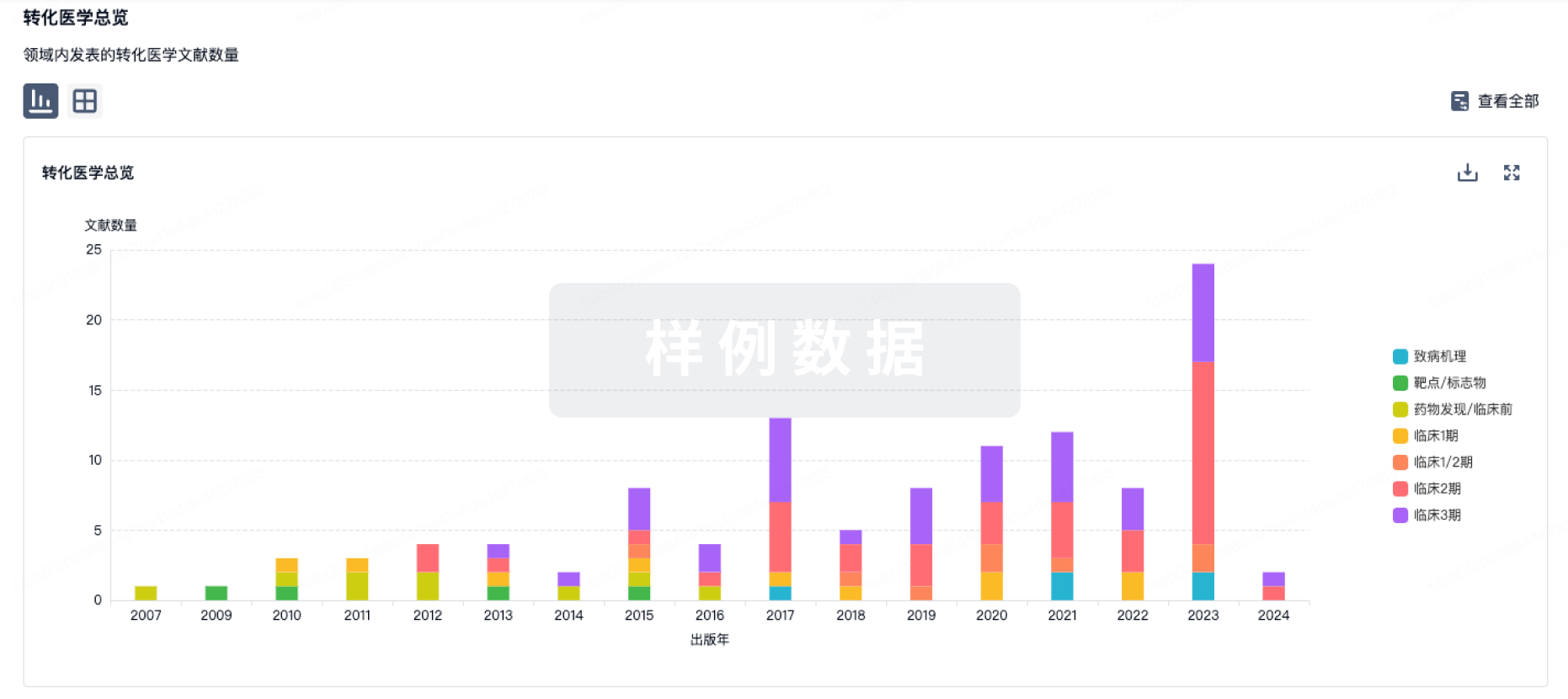
转化医学
使用我们的转化医学数据加速您的研究。
登录
或
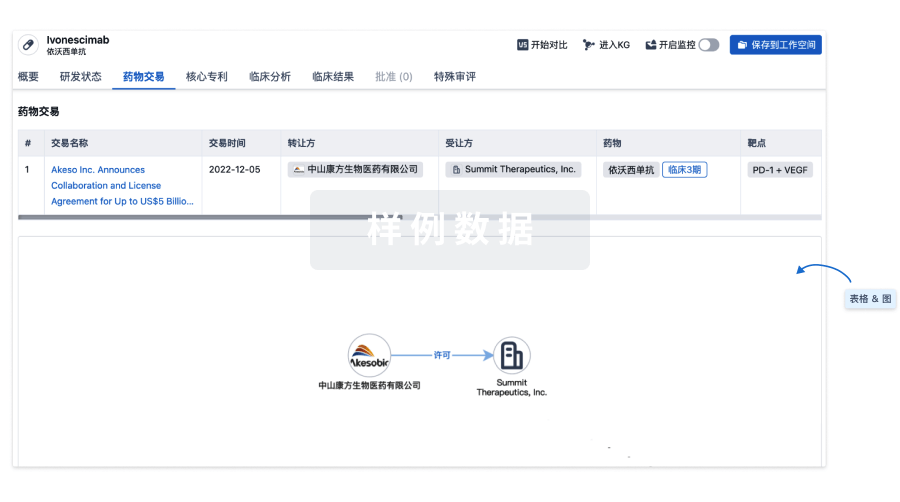
药物交易
使用我们的药物交易数据加速您的研究。
登录
或
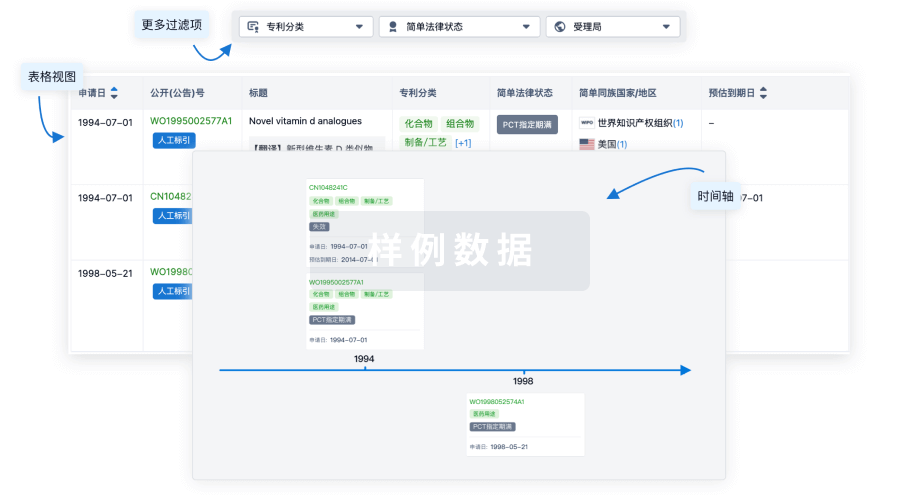
核心专利
使用我们的核心专利数据促进您的研究。
登录
或
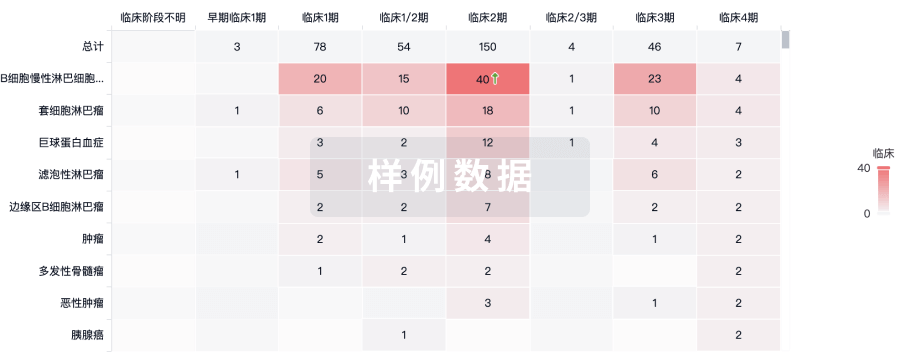
临床分析
紧跟全球注册中心的最新临床试验。
登录
或
批准
利用最新的监管批准信息加速您的研究。
登录
或
特殊审评
只需点击几下即可了解关键药物信息。
登录
或
生物医药百科问答
全新生物医药AI Agent 覆盖科研全链路,让突破性发现快人一步
立即开始免费试用!
智慧芽新药情报库是智慧芽专为生命科学人士构建的基于AI的创新药情报平台,助您全方位提升您的研发与决策效率。
立即开始数据试用!
智慧芽新药库数据也通过智慧芽数据服务平台,以API或者数据包形式对外开放,助您更加充分利用智慧芽新药情报信息。
生物序列数据库
生物药研发创新
免费使用
化学结构数据库
小分子化药研发创新
免费使用