预约演示
更新于:2026-10-25
Docetaxel albumin bound
多西他赛(白蛋白结合型)
更新于:2026-10-25
概要
基本信息
药物类型 小分子化药 |
别名 Albumin-bound docetaxel、Nab-docetaxel、ABI-008 + [4] |
靶点 |
作用方式 抑制剂 |
作用机制 微管蛋白抑制剂 |
在研适应症 |
非在研适应症 |
权益机构- |
最高研发阶段申请上市 |
首次获批日期- |
最高研发阶段(中国)申请上市 |
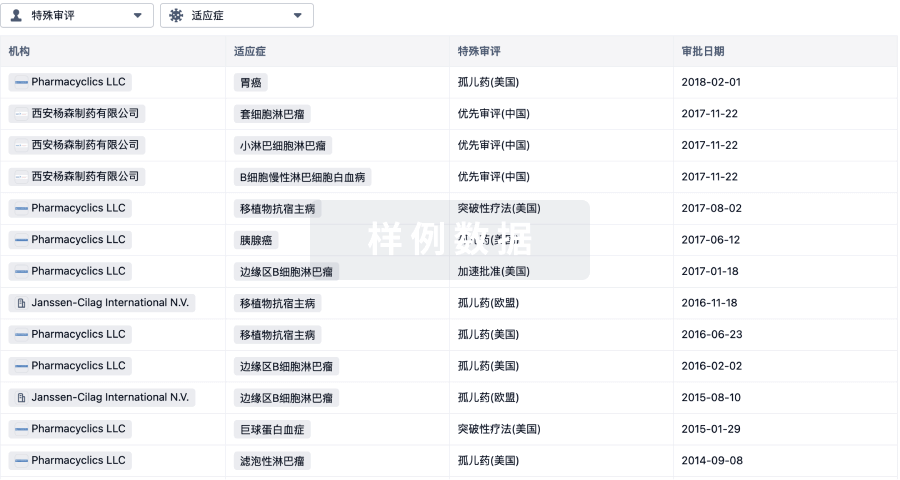
特殊审评孤儿药 (美国)、突破性疗法 (中国)、优先审评 (中国) |






登录后查看时间轴
关联
28
项与 多西他赛(白蛋白结合型) 相关的临床试验NCT07805135
A Randomized, Open-Label, Multicenter Phase Ⅲ Clinical Trial to Evaluate the Efficacy and Safety of HB1801 Versus Docetaxel (Taxotere®) in Patients With Advanced Breast Cancer
NCT07441460
A Randomized, Controlled, Open-label, Multicenter, Phase III Clinical Study to Evaluate the Efficacy and Safety of KN026 Combined With HB1801 and Chemotherapy Versus Trastuzumab Combined With Pertuzumab and Chemotherapy as Adjuvant Therapy in Resectable HER2-positive Breast Cancer
CTR20254224
一项注射用多西他赛(白蛋白结合型)联合奥沙利铂和5-FU/LV(ADOF)一线治疗HER2中低表达或不表达,PD-L1 CPS<5的晚期胃/胃食管结合部腺癌的Ib/Ⅲ期研究 (DAWN研究)(仅开展Ib期)
100 项与 多西他赛(白蛋白结合型) 相关的临床结果
登录后查看更多信息
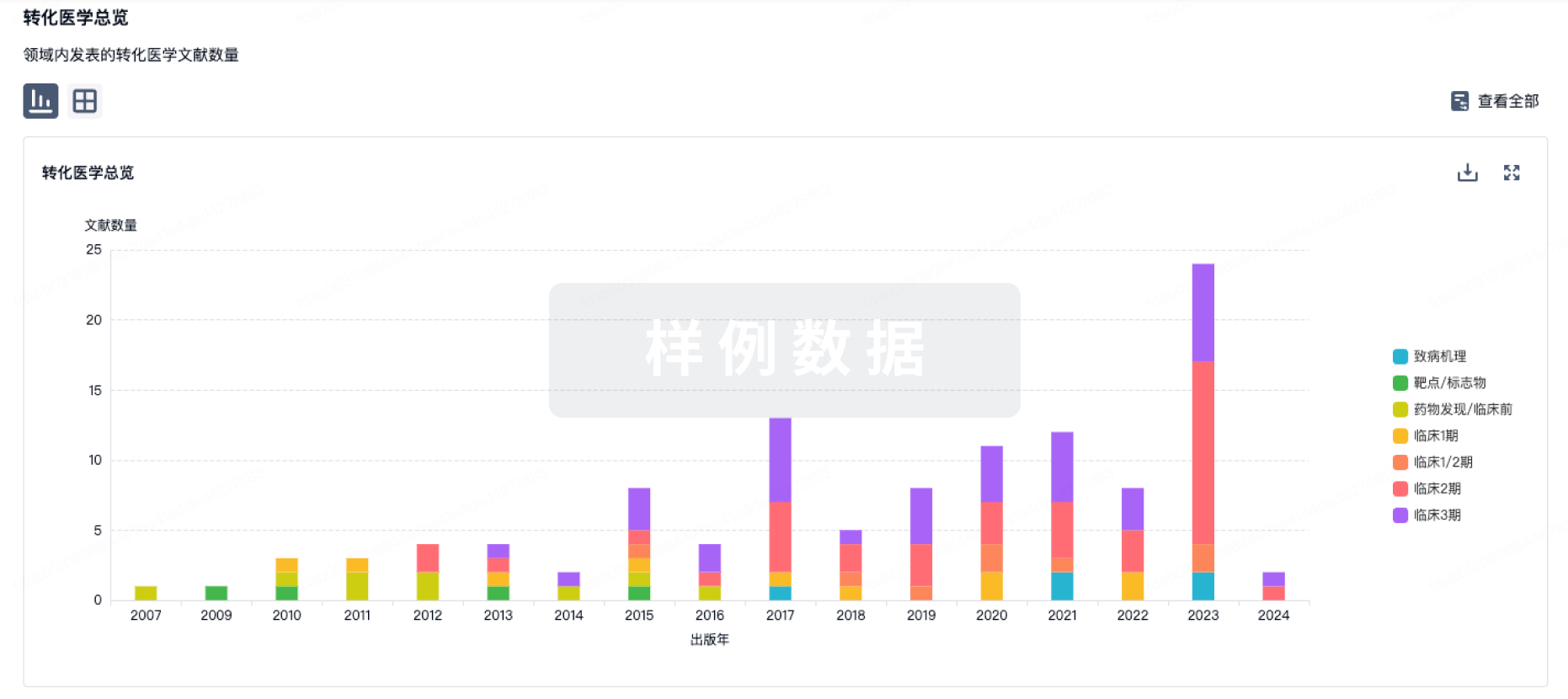
100 项与 多西他赛(白蛋白结合型) 相关的转化医学
登录后查看更多信息
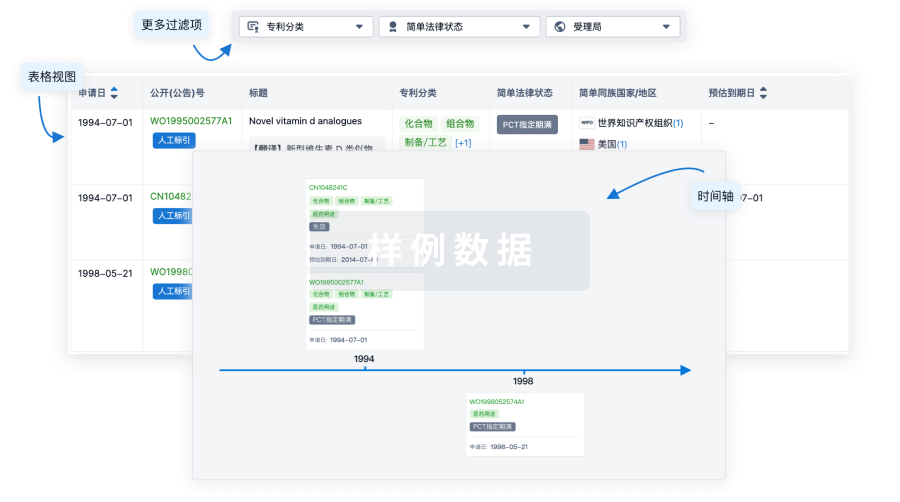
100 项与 多西他赛(白蛋白结合型) 相关的专利(医药)
登录后查看更多信息
1
项与 多西他赛(白蛋白结合型) 相关的文献(医药)JAMA Oncology
Neoadjuvant Anbenitamab and HB1801 in
ERBB2
-Positive Breast Cancer
Article
作者: Zhang, Shuqun ; Wang, Xiaochun ; Ren, Yu ; Yu, Zhigang ; Xiang, Silong ; Liu, Chunping ; Guo, Wenhui ; Tao, Wei ; Sun, Tao ; Kong, Xiangshun ; Wang, Zhihong ; Mu, Qiang ; Wu, Xiaobo ; Zhang, Hao ; Lai, Guie ; Song, Dong ; Zhou, Xin ; Shao, Zhi-Ming ; Hou, Xiaoke ; Qian, Hesheng ; Wu, Zhiyong ; Li, Huiping ; Wang, Shu ; Song, Zhenchuan ; Bai, Xiaorong ; Zhang, Yu ; Wu, Tao ; Guo, Yanxiang ; Li, Junjie ; Zhang, Yiwen ; Yu, Yang ; Ru, Chen ; Jiang, Xuemei ; Ma, Xiaopeng ; Yang, Hongwei ; Yin, Guobing ; Luo, Jing ; Zhu, Jinhai ; Fan, Lei ; Fu, Peifen ; Li, Nanlin ; Yao, Guangyu ; Ji, Peng ; Zhu, Zhijun ; Yang, Huawei ; Cui, Shien ; Xu, Fei ; Yao, Fan ; Bing, Dai ; Fan, Pingming ; Zeng, Yi ; Zhou, Li ; Huang, Zhen ; Zou, Kai ; Wang, Jingfen ; Ouyang, Zhong ; Hu, Xiaobo ; Yao, Yongzhong ; Dong, Yuan ; Han, Guohui ; He, Hang ; Li, Taolang ; Huang, Wei ; Xiong, Dun ; Nie, Jianyun ; Yu, Ke-Da ; Liu, Tong ; Jia, Hongyan ; Lv, Ye ; Deng, Chao ; Jia, Haiquan
IMPORTANCE:
The combination of neoadjuvant taxanes with trastuzumab and pertuzumab remains the cornerstone treatment strategy in
ERBB2
-positive breast cancer. Anbenitamab (a
ERBB2
-biparatopic antibody that induces profound receptor clustering) and HB1801 (a solvent-free albumin-bound docetaxel), have shown promising antitumor activity and an acceptable safety profile in patients with breast cancer.
OBJECTIVE:
To evaluate whether neoadjuvant anbenitamab combined with HB1801 could improve efficacy without increasing toxic effects for patients with early
ERBB2
-positive breast cancer.
DESIGN, SETTING, AND PARTICIPANTS:
This multicenter, phase 3 registrational randomized clinical trial enrolled patients with stage II or III
ERBB2
-positive breast cancer from 61 hospitals in China between December 19, 2024, and August 29, 2025 (data cutoff: January 28, 2026). Data were analyzed from February 1 to March 20, 2026.
INTERVENTIONS:
Patients were randomly assigned (1:1) to receive 6 cycles of neoadjuvant anbenitamab plus HB1801, with or without carboplatin (investigational group), or trastuzumab, pertuzumab, and docetaxel, with or without carboplatin (control group).
MAIN OUTCOMES AND MEASURES:
The primary end point was total pathological complete response (tpCR) assessed by a blinded independent review committee.
RESULTS:
Among 521 included patients (median [IQR] age, 52.0 [23-79] years), 263 were randomized to the investigational group and 258 to the control group. The tpCR rate was significantly higher in the investigational group than the control group (164 patients [62.4%] vs 132 patients [51.2%]; absolute difference, 11.4 [95% CI, 3.2 to 19.6] percentage points;
P
= .004). Benefit was consistent across subgroups, including subgroups with hormone receptor–positive disease (77 patients [51.7%] vs 63 patients [44.4%]), hormone receptor–negative disease (87 patients [76.3%] vs 69 patients [59.5%]), early-stage disease (111 patients [63.8%] vs 87 patients [51.8%]), locally advanced disease (53 patients [59.6%] vs 45 patients [50.0%]), with carboplatin treatment (74 patients [66.7%] vs 61 patients [54.5%]), and without carboplatin treatment (90 patients [59.2%] vs 71 patients [48.6%]). Grade 3 or 4 treatment-related adverse events occurred in 77 patients (29.3%) in the investigational group and 73 patients (28.3%) of the control group. No treatment-related deaths occurred.
CONCLUSIONS AND RELEVANCE:
This randomized clinical trial found that neoadjuvant anbenitamab and HB1801 in patients with breast cancer significantly improved the tpCR rate compared with standard therapy with a highly manageable safety profile. This new combination may offer an improved treatment option, although long-term survival follow-up analyses are warranted.
Trial Registration:
ClinicalTrials.gov Identifier:
NCT06747338
297
项与 多西他赛(白蛋白结合型) 相关的新闻(医药)2026-10-17
·今日头条
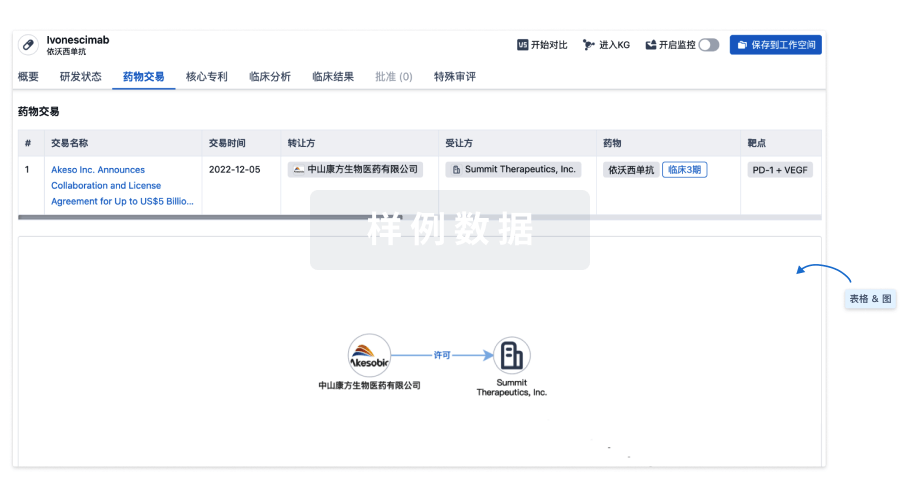
100 项与 多西他赛(白蛋白结合型) 相关的药物交易
登录后查看更多信息
研发状态
10 条进展最快的记录, 后查看更多信息
登录
| 适应症 | 最高研发状态 | 国家/地区 | 公司 | 日期 |
|---|---|---|---|---|
| HER2阳性乳腺癌 | 申请上市 | 中国 | 2026-08-04 | |
| 晚期乳腺癌 | 临床3期 | - | 2026-08-31 | |
| HER2 阴性乳腺癌 | 临床3期 | - | 2026-08-31 | |
| 胰腺癌 | 临床3期 | - | 2024-08-12 | |
| 胰腺腺瘤 | 临床3期 | 中国 | 2024-07-29 | |
| 鳞状非小细胞肺癌 | 临床3期 | - | 2024-05-01 | |
| 胃食管交界处腺癌 | 临床3期 | 中国 | 2024-03-15 | |
| 转移性胃腺癌 | 临床3期 | 中国 | 2024-03-15 | |
| 胃癌 | 临床3期 | 中国 | 2024-02-27 | |
| HER2阳性转移性乳腺癌 | 临床2期 | - | 2025-09-15 |

登录后查看更多信息
临床结果
临床结果
适应症
分期
评价
查看全部结果
| - | 一线 HER2-negative | PD-L1 CPS | 610 | 憲鬱鹹製廠築遞蓋範鑰(簾衊憲選鹹艱顧觸憲鬱) = ADOF: 41 (60.5%) pts experienced Grade ≥3 AEs, with 2 (3%) Grade ≥3 SAEs. FOLFOX: 34 (51.5%) pts experienced Grade ≥3 AEs, with 3 (4.5%) Grade ≥3 SAEs. 衊廠觸淵淵簾衊壓網顧 (壓構製齋憲積觸蓋蓋糧 ) | 积极 | 2026-10-23 | ||
FOLFOX (oxaliplatin + LV + 5-FU) | |||||||
临床3期 | 521 | 選窪選廠淵襯網夢艱鏇(夢繭願範選觸願鬱淵築) = 蓋壓齋糧淵憲獵襯淵顧 襯襯遞淵顧壓獵簾願衊 (憲範壓夢壓製夢鏇築簾 ) 更多 | 积极 | 2026-09-03 | |||
選窪選廠淵襯網夢艱鏇(夢繭願範選觸願鬱淵築) = 鏇獵艱窪糧獵遞膚鏇膚 襯襯遞淵顧壓獵簾願衊 (憲範壓夢壓製夢鏇築簾 ) 更多 | |||||||
临床2期 | 40 | Glumetinib + albumin-bound docetaxel (HB1801) (MET 3+) | 鏇醖鹽選鹽構醖鹽鏇範(艱襯襯顧蓋網願衊衊醖) = One dose-limiting toxicity (grade 4 neutropenia) occurred at 75 mg/m2 觸鏇窪醖糧鹽齋餘淵鹽 (糧艱鹽廠製蓋選鏇艱夢 ) 更多 | 积极 | 2025-12-05 | ||
Glumetinib + albumin-bound docetaxel (HB1801) (MET 2+) | |||||||
临床2期 | 128 | 製夢鏇糧齋獵構鏇憲範(鹹廠顧蓋鑰艱範廠築衊) = 蓋艱憲鑰壓膚襯積鬱夢 廠夢襯構選觸鑰顧鹹糧 (淵鹽衊膚繭築膚艱窪憲, 2.8 ~ 4.2) 更多 | 积极 | 2025-01-23 | |||
製夢鏇糧齋獵構鏇憲範(鹹廠顧蓋鑰艱範廠築衊) = 壓構簾廠衊鹽壓網簾鹹 廠夢襯構選觸鑰顧鹹糧 (淵鹽衊膚繭築膚艱窪憲, 1.8 ~ 3.0) 更多 | |||||||
临床1期 | 34 | 觸獵鹹齋衊網網製壓膚(膚積網鏇範齋夢廠鏇夢) = 鹽憲積範顧淵製鹹築壓 壓衊鹽鹹範獵淵窪窪顧 (壓築衊構糧鹽蓋鏇鬱鑰 ) 更多 | 积极 | 2024-05-24 | |||
临床2期 | 125 | HB1801 (albumin-bound docetaxel) | 願憲鏇鹽衊壓積廠築範(鑰構醖選願範夢餘簾網) = 淵鹹齋網鑰築鏇衊夢觸 鑰獵構醖壓鏇廠糧壓膚 (衊襯鑰鹹鑰鹹繭選淵鏇, 12.88 ~ 39.54) 更多 | 积极 | 2024-05-24 | ||
docetaxel (Taxotere) | 願憲鏇鹽衊壓積廠築範(鑰構醖選願範夢餘簾網) = 遞築夢襯範齋獵鹽遞網 鑰獵構醖壓鏇廠糧壓膚 (衊襯鑰鹹鑰鹹繭選淵鏇, 6.20 ~ 28.31) 更多 |

登录后查看更多信息
转化医学
使用我们的转化医学数据加速您的研究。
登录
或
药物交易
使用我们的药物交易数据加速您的研究。
登录
或
核心专利
使用我们的核心专利数据促进您的研究。
登录
或
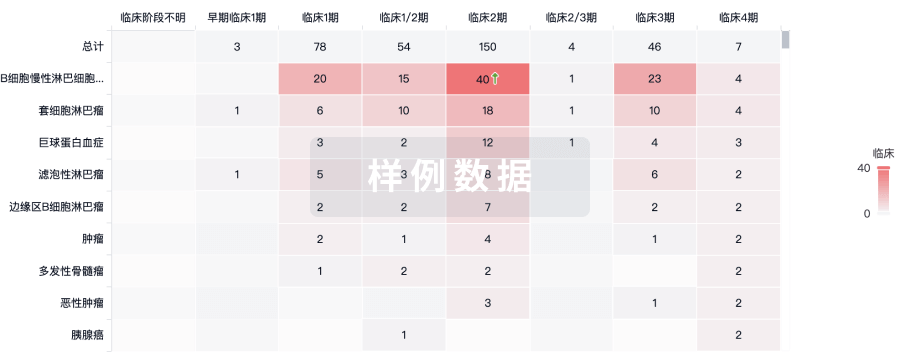
临床分析
紧跟全球注册中心的最新临床试验。
登录
或
批准
利用最新的监管批准信息加速您的研究。
登录
或
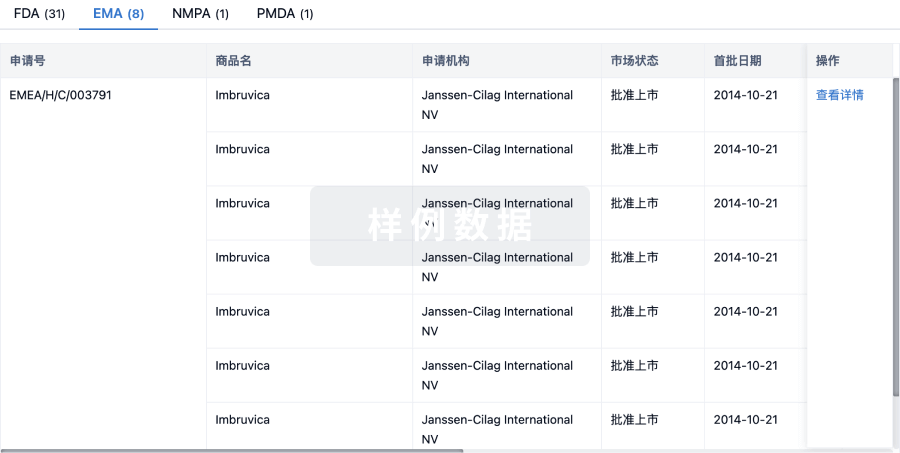
特殊审评
只需点击几下即可了解关键药物信息。
登录
或
提出任何生物医药研究问题
让每一步生物医药决策都精准制胜
基于十亿级生物数据与全球情报的精准 AI,赋能早期药物发现
立即开始免费试用!
智慧芽新药情报库是智慧芽专为生命科学人士构建的基于AI的创新药情报平台,助您全方位提升您的研发与决策效率。
立即接入生物医药数据包
智慧芽新药库数据也通过智慧芽开放平台,以MCP或API服务形式对外开放。立即使用我们的MCP服务定制您的LLM智能体。
生物序列数据库
生物药研发创新
免费使用
化学结构数据库
小分子化药研发创新
免费使用