预约演示
更新于:2026-08-19

Samsung Electronics Co., Ltd.
更新于:2026-08-19
概览
疾病领域得分
一眼洞穿机构专注的疾病领域

技术平台
公司药物应用最多的技术
靶点
公司最常开发的靶点
关联
靶点 |
作用机制 |
在研机构 |
原研机构 |
在研适应症 |
非在研适应症 |
最高研发阶段 |
首次获批国家/地区 |
首次获批日期 |


靶点 |
作用机制 |
在研机构 |
原研机构 |
在研适应症 |
非在研适应症 |
最高研发阶段 |
首次获批国家/地区 |
首次获批日期 |

靶点 |
作用机制 |
在研机构 |
原研机构 |
在研适应症 |
非在研适应症 |
最高研发阶段 |
首次获批国家/地区 |
首次获批日期 |
NCT07735338
Prospective Study of the Diagnostic Accuracy of a Smartphone Application to PREDICT Real-Time Cardiovascular Risk for Heart Attack and Stroke (PREDICT-HS)

NCT07432984
Efficacy and Safety of Fecal Microbiota Transplant(FMT) Combination With Tislelizumab in Advanced or Metastatic Non-Small Cell Lung Cancer Whose Disease Has Progressed After Prior Immune Checkpoint Inhibitors
KCT0012239
Multicenter, open label, phase II study of Azacitidine-LEnalidomide for patients with Relapsed or refractory T-cell lymphoma
100 项与 Samsung Electronics Co., Ltd. 相关的临床结果
登录后查看更多信息
登录后查看更多信息
2026-12-31OncoImmunology
Efficacy and safety of cabozantinib plus nivolumab in advanced non-clear cell renal cell carcinoma: a nationwide multicenter study
Article
作者: Shin, Sang Joon ; Park, Ji Hyun ; Kim, Eo Jin ; Kang, Byung Woog ; Im, Hyeon-Su ; Kim, Chang Gon ; Park, Inkeun ; Jung, Eun Hee ; Jo, Jungmin ; Kim, Junkyu ; Park, Se Hoon ; Kim, In-Ho ; Kim, Se Hyun ; Lee, Jae-Lyun ; Rha, Sun Young ; Beom, Seung Hoon ; Park, Joo-Hwan
Non-clear cell renal cell carcinoma (nccRCC) represents a biologically heterogeneous group of tumors for which optimal systemic treatment strategies remain poorly defined despite recent therapeutic advances. To address this gap, we evaluated the clinical activity and safety of cabozantinib plus nivolumab in patients with advanced nccRCC. In this nationwide, multicenter retrospective cohort study conducted in the Republic of Korea, 62 patients received the combination across multiple lines of therapy, with most treated in the first-line setting. Papillary RCC was the most common histologic subtype (50.0%), followed by FH-deficient (22.6%), TFE3-rearranged (9.7%), chromophobe (6.5%), collecting duct (6.5%), and unclassified tumors (4.8%). With a median follow-up of 22.2 months (95% confidence interval [CI], 15.4-29.1), the objective response rate (ORR) was 45.2% (95% CI, 32.4-57.9) and the disease control rate (DCR) was 93.6% (95% CI, 87.3-99.8). Responses were seen across histologic subtypes (ORR = 48.4% in papillary, 50.0% in FH-deficient, 50.0% in TFE3-rearranged, 25.0% in chromophobe, 25.0% in collecting duct, and 33.3% in unclassified tumors; P = 0.876). Median progression-free and overall survival were 9.7 months (95% CI, 7.7-11.6) and 22.0 months (95% CI, 15.2-28.7), respectively. Grade 3-4 treatment-emergent adverse events occurred in 46.8% of patients, and treatment discontinuation due to toxicity was reported in 6.5%. These findings demonstrate that cabozantinib plus nivolumab provides clinically meaningful and durable antitumor activity with manageable toxicity across diverse histologic subtypes in advanced nccRCC, supporting further prospective evaluation of cabozantinib plus nivolumab in advanced nccRCC.
2026-12-01Blood Research
Allogeneic stem cell transplantation for myelofibrosis in the modern era: Single-center outcomes with DIPSS risk stratification
Article
作者: Jang, Jun Ho ; Choi, Dae-Ho ; Jung, Chul Won
PURPOSE:
To describe the post-transplant outcomes in patients with myelofibrosis stratified by the Dynamic International Prognostic Scoring System (DIPSS) risk at transplantation, and to identify clinical factors associated with overall survival (OS) after allogeneic hematopoietic stem cell transplantation (allo-HSCT).
METHODS:
We retrospectively analyzed the data of 42 patients with myelofibrosis who underwent allo-HSCT at Samsung Medical Center between 2014 and 2023. OS was estimated using the Kaplan-Meier method and compared using the log-rank test. Exploratory Cox proportional-hazard regression analyses were performed to assess independent associations with OS.
RESULTS:
At transplantation, 28 patients (66.7%) had Intermediate (Int-1/2) and 14 (33.3%) had High DIPSS risk. OS differed significantly by DIPSS risk group (log-rank P = 0.0034): the median OS was 15.2 months (95% confidence interval [CI], 7.2-NR months) in the Intermediate-risk group versus 6.4 months (95% CI, 3.3-35.1 months) in the High-risk group. All 14 patients in the High-risk group (100%) and 14 of 28 patients in the Intermediate-risk group (50%) died during follow-up. The 1-, 2-, and 3-year OS rates in the Intermediate- and High-risk groups were 57.1% vs. 28.6%, 50.0% vs. 14.3%, and 50.0% vs. 7.1%, respectively. In an exploratory multivariable analysis adjusted for hematopoietic cell transplantation-specific comorbidity index and donor type, DIPSS High-risk disease remained independently associated with inferior OS (adjusted hazard ratio [HR], 2.91; 95% CI, 1.27-6.63; P = 0.011). No other clinical variable, including age (≥ 60 vs. < 60 years; P = 0.16 by log-rank), achieved statistical significance.
CONCLUSION:
DIPSS High-risk disease at transplantation was associated with uniformly poor post-transplant survival in this single-center cohort. These hypothesis-generating findings underscore the importance of transplant timing before progression to high-risk disease, and warrant validation in larger multicenter studies.
2026-12-01Journal of cardiovascular imaging
Correction: Multimodality imaging in hypertrophic cardiomyopathy
作者: Kim, Jihoon ; Lee, Sang-Chol
2026-08-18
·新浪看点
100 项与 Samsung Electronics Co., Ltd. 相关的药物交易
登录后查看更多信息
100 项与 Samsung Electronics Co., Ltd. 相关的转化医学
登录后查看更多信息
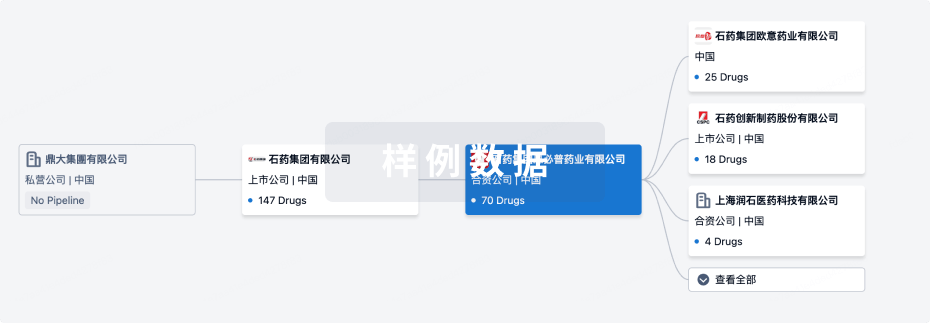
组织架构
使用我们的机构树数据加速您的研究。
登录
或
管线布局
2026年09月25日管线快照
管线布局中药物为当前组织机构及其子机构作为药物机构进行统计,早期临床1期并入临床1期,临床1/2期并入临床2期,临床2/3期并入临床3期
药物发现
1
13
临床前
临床1期
1
1
临床2期
其他
10
登录后查看更多信息
当前项目
登录后查看更多信息
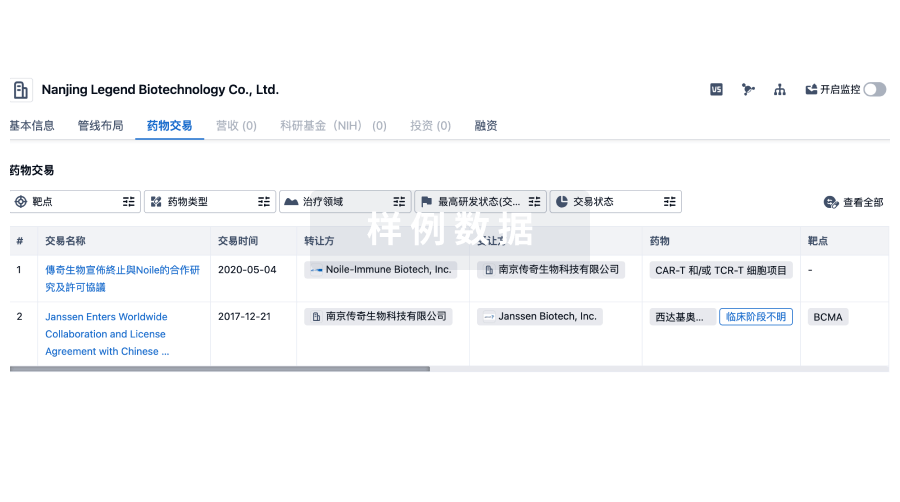
药物交易
使用我们的药物交易数据加速您的研究。
登录
或
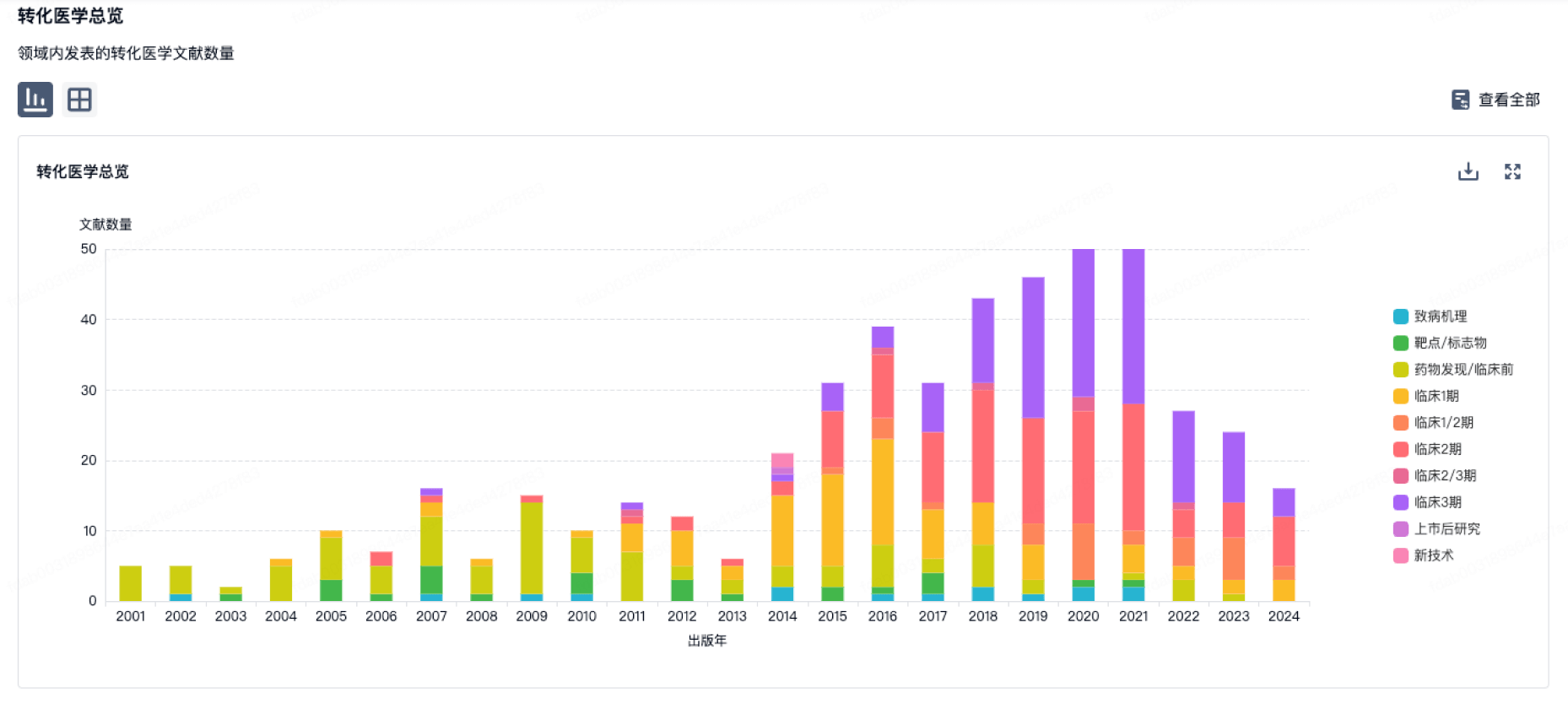
转化医学
使用我们的转化医学数据加速您的研究。
登录
或
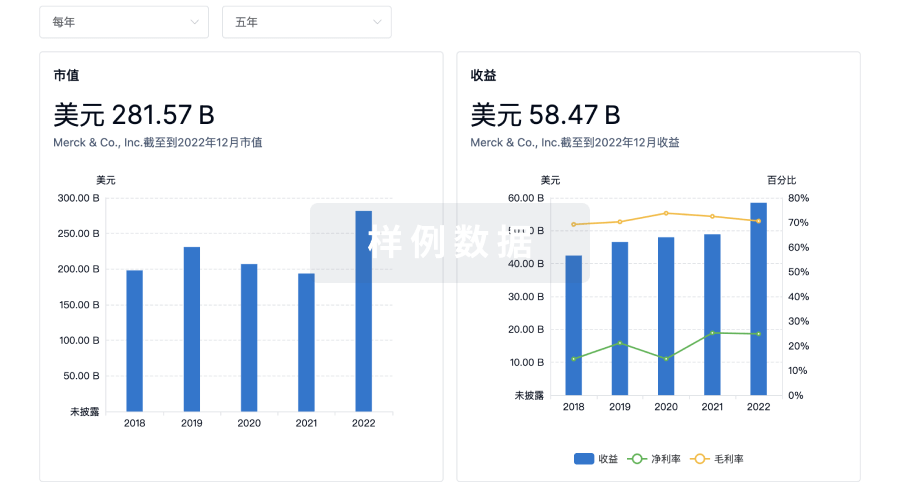
营收
使用 Synapse 探索超过 36 万个组织的财务状况。
登录
或
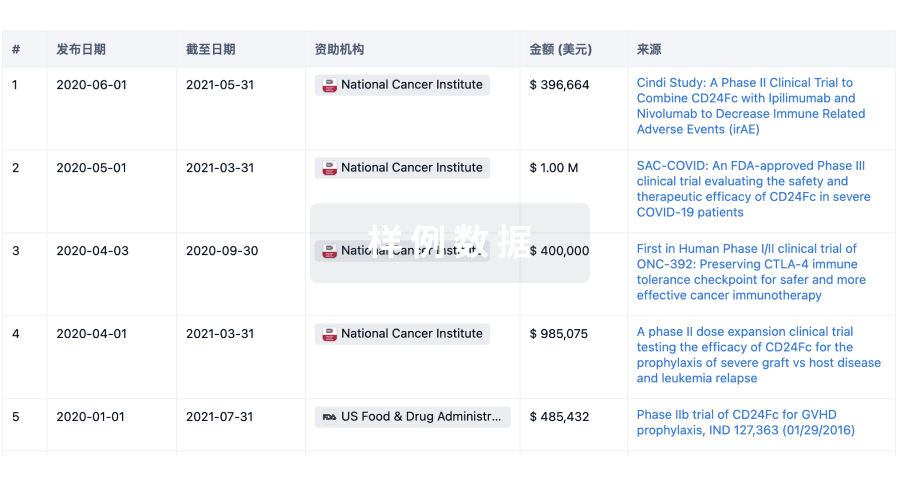
科研基金(NIH)
访问超过 200 万项资助和基金信息,以提升您的研究之旅。
登录
或
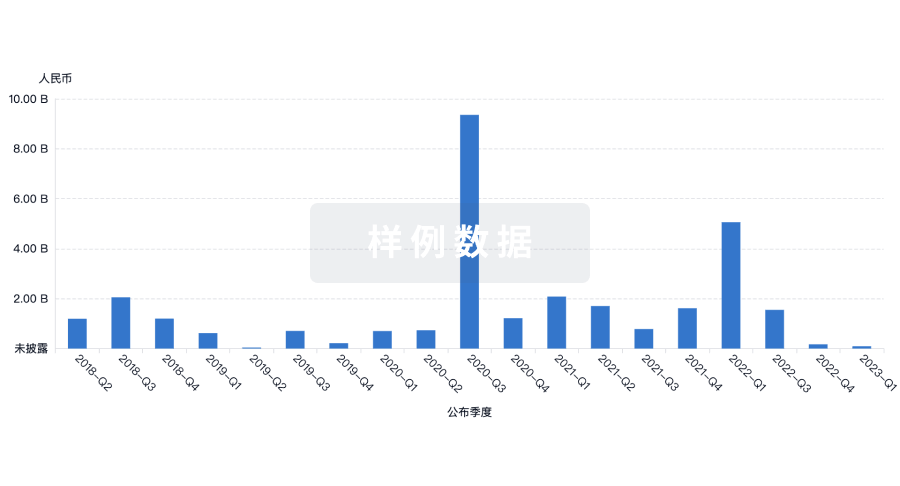
投资
深入了解从初创企业到成熟企业的最新公司投资动态。
登录
或
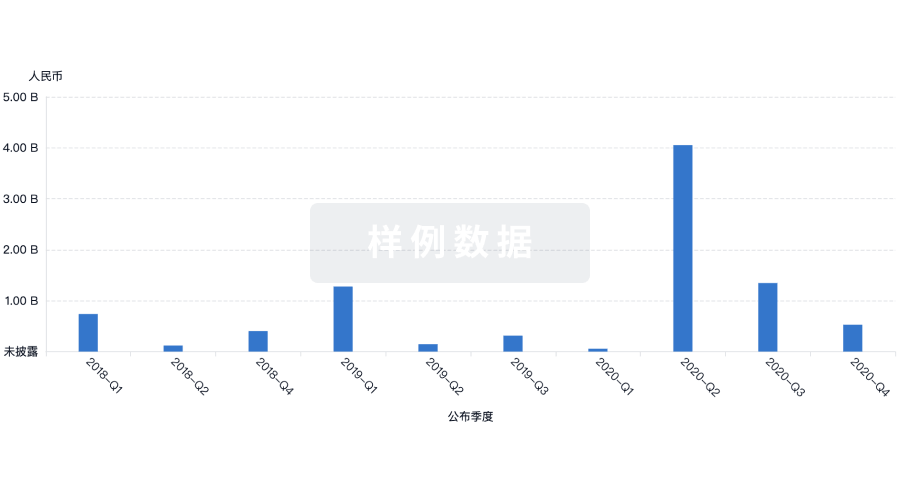
融资
发掘融资趋势以验证和推进您的投资机会。
登录
或
提出任何生物医药研究问题
让每一步生物医药决策都精准制胜
基于十亿级生物数据与全球情报的精准 AI,赋能早期药物发现
立即开始免费试用!
智慧芽新药情报库是智慧芽专为生命科学人士构建的基于AI的创新药情报平台,助您全方位提升您的研发与决策效率。
立即接入生物医药数据包
智慧芽新药库数据也通过智慧芽开放平台,以MCP或API服务形式对外开放。立即使用我们的MCP服务定制您的LLM智能体。
生物序列数据库
生物药研发创新
免费使用
化学结构数据库
小分子化药研发创新
免费使用