预约演示
更新于:2025-11-23

JSR Corp.
更新于:2025-11-23
概览
疾病领域得分
一眼洞穿机构专注的疾病领域

技术平台
公司药物应用最多的技术
靶点
公司最常开发的靶点
关联
靶点 |
作用机制 |
在研机构 |
原研机构 |
在研适应症 |
非在研适应症 |
最高研发阶段 |
首次获批国家/地区 |
首次获批日期 |
靶点 |
作用机制 |
在研机构 |
原研机构 |
在研适应症 |
非在研适应症 |
最高研发阶段 |
首次获批国家/地区 |
首次获批日期 |

靶点 |
作用机制 |
在研机构 |
原研机构 |
在研适应症 |
非在研适应症 |
最高研发阶段 |
首次获批国家/地区 |
首次获批日期 |

JPRN-UMIN000022742
Clinical validation study of RAKSET-B, a multiple detection kit for BRAF and RAS gene mutations in colorectal cancer - RAKSET-B study
JPRN-UMIN000011784
Clinical evaluation study of newly developed Luminex-based all RAS mutation assay kit - Clinical evaluation study of newly developed Luminex-based all RAS mutation assay kit(RASKET (RAS KEy Testing) study)
NCT00477282
A Phase 3 Study of Safety and Efficacy of Karenitecin Versus Topotecan Administered for 5 Consecutive Days Every 3 Weeks in Patients With Advanced Epithelial Ovarian Cancer

100 项与 JSR Corp. 相关的临床结果
登录后查看更多信息
登录后查看更多信息
2026-01-01BIOPHYSICAL CHEMISTRY
SDS protein interactions
Review
作者: Oh-Ishi, Masamichi ; Akuta, Teruo ; Arakawa, Tsutomu ; Ejima, Daisuke ; Ura, Tomoto
Sodium dodecyl sulfate (SDS) is one of the most widely used detergents. Here, we discuss current knowledge regarding applications of SDS and its modes of interaction with proteins, particularly at low concentrations. SDS at 1-2 %, which is well above the critical micelle concentration, is commonly used to extract fully denatured and dissociated proteins and SDS polyacrylamide gel electrophoresis (SDS-PAGE) in various applications, especially proteomics. In contrast, low concentration SDS may have been relatively underutilized. Here, we demonstrate the use of 0.1 % SDS for decellularization and protein fractionation. Why is 0.1 % SDS unique? The interaction between SDS and proteins is complex and depends on both the conditions and the proteins involved. At 0.1 %, the effects of SDS appear to be intermediate between negligible and extensive binding, highlighting its potential for novel applications. Two milder anionic detergents, Sarkosyl and sodium N-lauroyglutamate, whose effects are similar in certain applications to those of low concentration SDS, were briefly discussed.
2025-12-01PROTEIN EXPRESSION AND PURIFICATION
Solubilization and refolding of inclusion bodies by detergents
Review
作者: Arakawa, Tsutomu ; Ejima, Daisuke ; Akuta, Teruo ; Tsumoto, Kouhei
Recombinant proteins play many important roles in development of biological reagents and biopharmaceuticals. Here, we will mainly review refolding of recombinant proteins when expressed in inclusion bodies, although strategies to enhance soluble expression are described as an alternative to refolding inclusion bodies. These strategies include, but not limited to, adding chemical chaperones in cell culture media, modifying cell lysis buffer and using solubility-enhacing fusion tags. Another solubility enhancement was to generate lipid complex for membrane proteins that form insoluble proteins without lipid. Among various solubilization and refolding technologies, those using denaturant, alkaline pH and pressure are also desribed, while we focus on solubilization and refolding using detergents, which are effective and cost-friendly. Sodium dodecylsulfate, lauroyl-glutamate, sarkosyl and cetyltrimethylammonium have been extensively used, as summarized in this review. Slow or step-wise removal of denaturants or ionic detergents used to solubilize appears to play a critical role in successful refolding by maintaining the solubility of proteins during refolding. In alkaline refolding, slow pH adjustment also helps maintain protein solubility. In pressure refolding, small amount of guanidine hydrochloride assisted refolding.
2025-10-01AMERICAN JOURNAL OF PHYSIOLOGY-REGULATORY INTEGRATIVE AND COMPARATIVE PHYSIOLOGY
The molecular origin of body temperature in homeothermic species
Article
作者: Artmann, Aysegül T. ; Damiati, Samar ; Weiergräber, Oliver H. ; Firat, Ipek Seda ; Artmann, Gerhard M.
We propose the interfacial water quantum-transition (IWQ) model to explain how proteins respond to temperature changes through specific quantum transitions of water at the protein-water interface. This model links key functional temperatures, such as human body temperature, to these transitions. By examining proteins like hemoglobin and thermosensitive channels, the IWQ model reveals a fundamental connection between water behavior and biological temperature regulation, shedding light on evolutionary adaptations in humans and animals.
2025-11-23
2025-11-22
·有驾
100 项与 JSR Corp. 相关的药物交易
登录后查看更多信息
100 项与 JSR Corp. 相关的转化医学
登录后查看更多信息
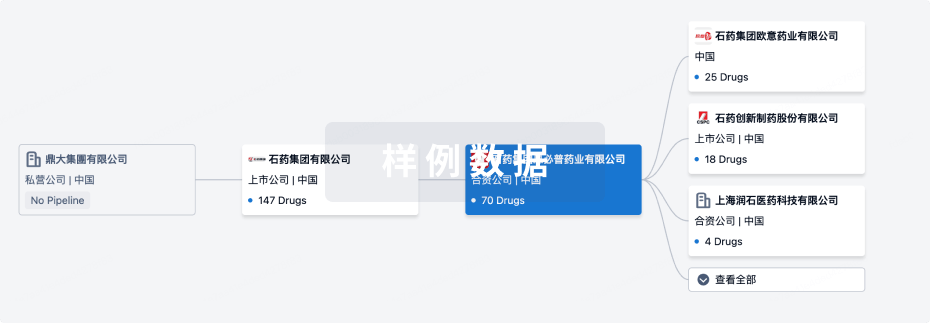
组织架构
使用我们的机构树数据加速您的研究。
登录
或
管线布局
2026年02月08日管线快照
管线布局中药物为当前组织机构及其子机构作为药物机构进行统计,早期临床1期并入临床1期,临床1/2期并入临床2期,临床2/3期并入临床3期
药物发现
3
6
临床前
批准上市
1
6
其他
登录后查看更多信息
当前项目
登录后查看更多信息
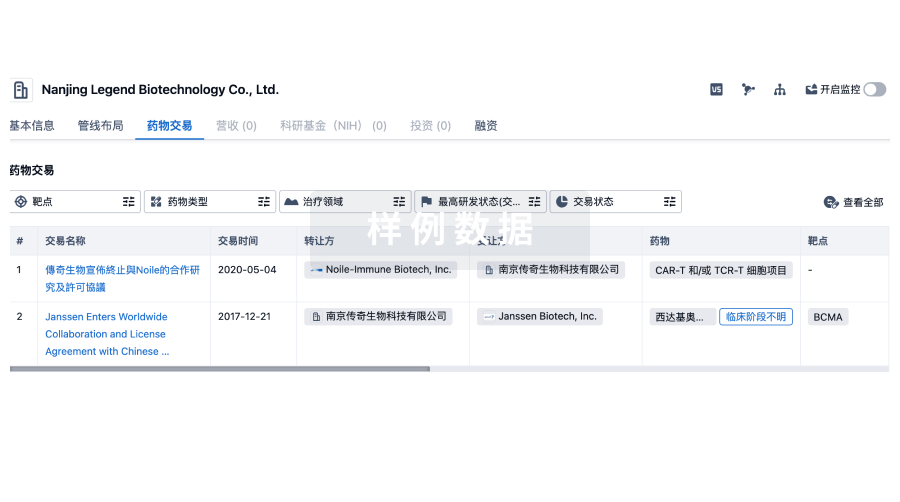
药物交易
使用我们的药物交易数据加速您的研究。
登录
或
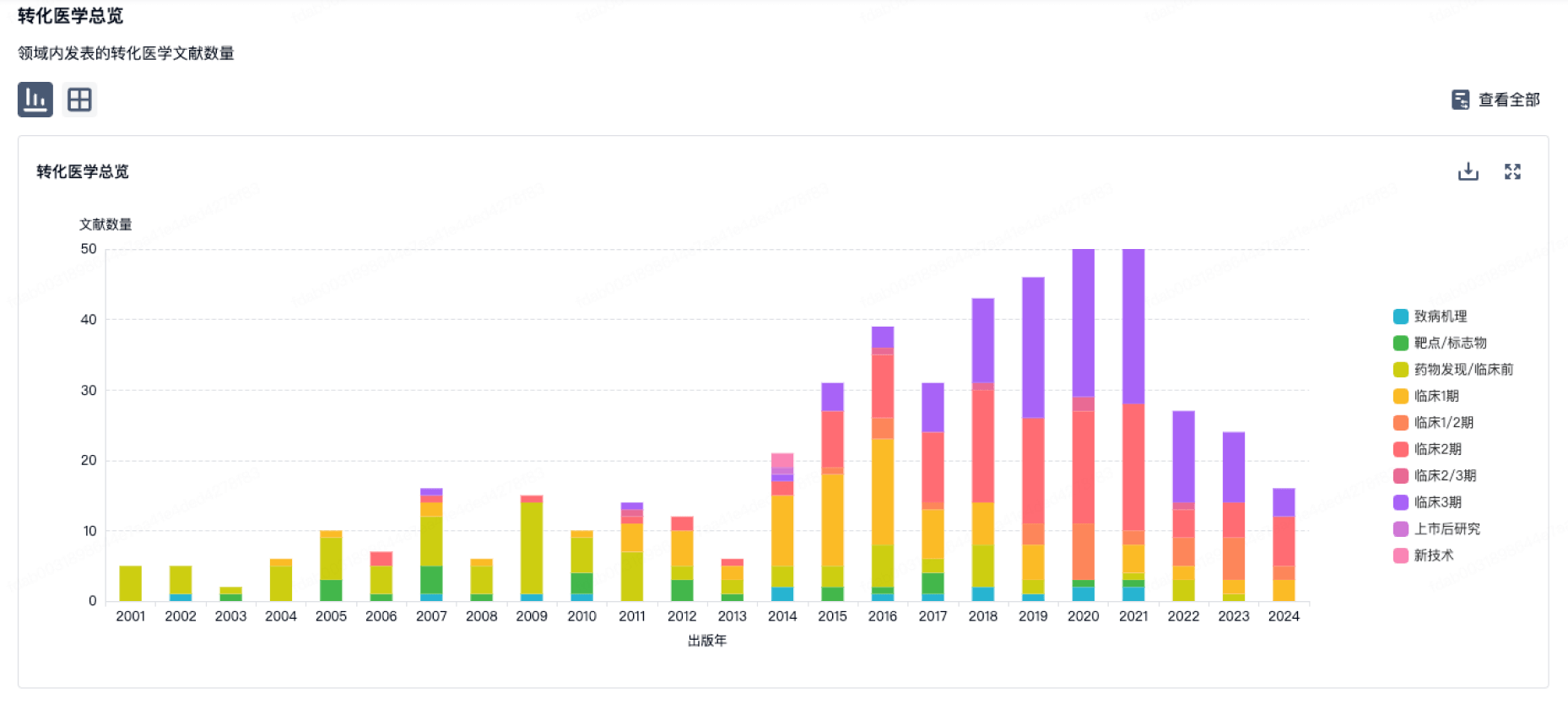
转化医学
使用我们的转化医学数据加速您的研究。
登录
或
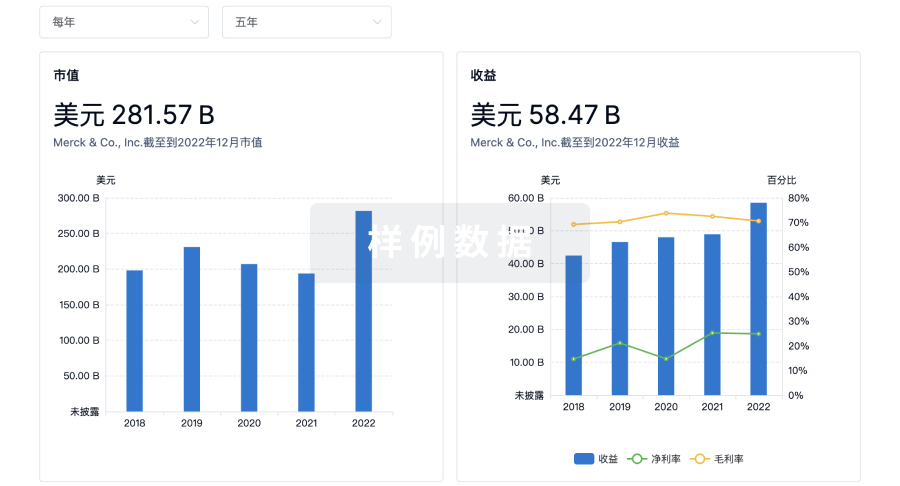
营收
使用 Synapse 探索超过 36 万个组织的财务状况。
登录
或
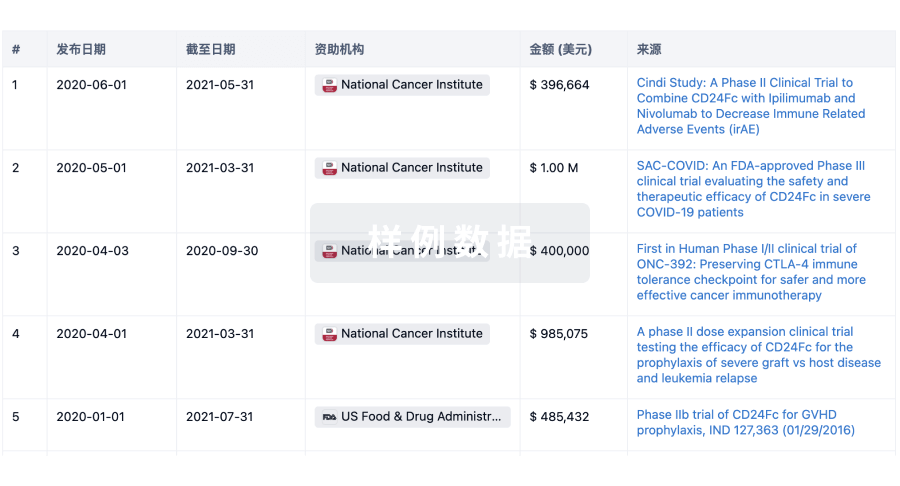
科研基金(NIH)
访问超过 200 万项资助和基金信息,以提升您的研究之旅。
登录
或
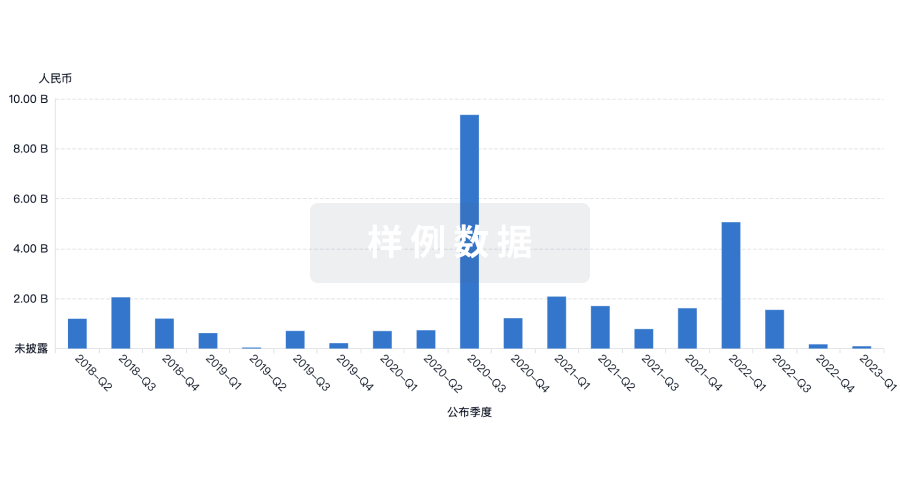
投资
深入了解从初创企业到成熟企业的最新公司投资动态。
登录
或
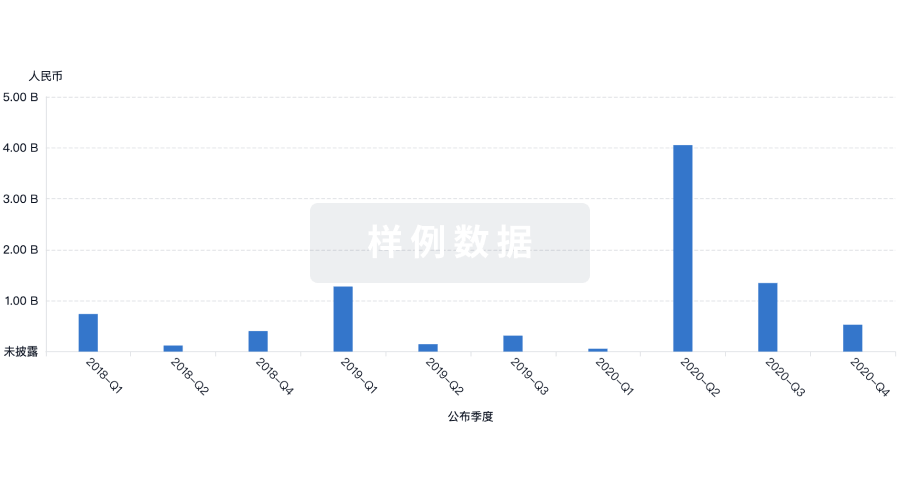
融资
发掘融资趋势以验证和推进您的投资机会。
登录
或
生物医药百科问答
全新生物医药AI Agent 覆盖科研全链路,让突破性发现快人一步
立即开始免费试用!
智慧芽新药情报库是智慧芽专为生命科学人士构建的基于AI的创新药情报平台,助您全方位提升您的研发与决策效率。
立即开始数据试用!
智慧芽新药库数据也通过智慧芽数据服务平台,以API或者数据包形式对外开放,助您更加充分利用智慧芽新药情报信息。
生物序列数据库
生物药研发创新
免费使用
化学结构数据库
小分子化药研发创新
免费使用