预约演示
更新于:2026-05-26

The State University of New York
更新于:2026-05-26
概览
标签
肿瘤
神经系统疾病
心血管疾病
小分子化药
生物药
适配体
疾病领域得分
一眼洞穿机构专注的疾病领域

技术平台
公司药物应用最多的技术
靶点
公司最常开发的靶点
关联
靶点 |
作用机制 |
在研机构 |
原研机构 |
在研适应症 |
非在研适应症 |
最高研发阶段 |
首次获批国家/地区 |
首次获批日期 |


靶点 |
作用机制 |
在研机构 |
原研机构 |
在研适应症 |
非在研适应症 |
最高研发阶段 |
首次获批国家/地区 |
首次获批日期 |
靶点 |
作用机制 |
在研机构 |
原研机构 |
在研适应症 |
非在研适应症 |
最高研发阶段 |
首次获批国家/地区 |
首次获批日期 |

NCT07046026
Work Design Interventions for Older Workers During Consecutive Days in the Heat

NCT06699966
Stony Brook Medicine Anti-Inflammatory Trial
NCT06599788
Work Design Interventions for Heat Resilience
100 项与 The State University of New York 相关的临床结果
登录后查看更多信息
登录后查看更多信息
2026-12-31JOURNAL OF MEDICAL ECONOMICS
Economic and clinical value of hydrolyzed collagen in the management of spine surgery wounds: a cost-effectiveness analysis
Article
作者: Mohan, Vivek ; Meyers, Joshua E. ; Cohen, Benjamin G. ; Steel, Paul ; Padula, William V.
AIMS:
To assess the cost-effectiveness of hydrolyzed collagen as an adjunct to standard care for reducing postoperative complications in high-risk spinal surgery patients.
METHODS:
A decision tree model was developed from the U.S. healthcare sector perspective to compare hydrolyzed collagen with standard care alone over a one-year time horizon. The model followed a cohort of high-comorbidity patients undergoing complex spinal procedures, capturing postoperative infections, seromas, hematomas, readmissions, and revision surgeries. Clinical inputs were derived from published evidence, and costs were reported in 2025 U.S. dollars. Outcomes included direct medical costs, QALYs, and net monetary benefit (NMB) at a willingness-to-pay threshold of $100,000/QALY. Univariate, probabilistic, and threshold sensitivity analyses assessed parameter uncertainty.
RESULTS:
Hydrolyzed collagen dominated no treatment, generating $3,853 in cost savings and a 0.007 QALY gain per patient over one year, yielding an NMB of $4,542. Avoided readmissions and revision procedures were the primary contributors to cost savings. Baseline complication rates, relative risk reduction, and complication persistence rates were the most influential parameters. In probabilistic analysis, hydrolyzed collagen was cost-effective in more than 99% of simulations.
LIMITATIONS:
The analysis applies simplifying assumptions, a one-year time horizon, and heterogeneous clinical inputs, factors that may limit the generalizability of the findings.
CONCLUSIONS:
Compared to standard care alone, hydrolyzed collagen demonstrated a dominant strategy associated with cost savings and improved health outcomes for high-risk spinal surgery patients. These findings support its consideration as a value-enhancing component of the spine surgery care pathway, particularly for patients with elevated complication risk.
2026-12-01Nano-Micro Letters
Saturated Alcohols Electrocatalytic Oxidations on Ni-Co Bimetal Oxide Featuring Balanced B- and L-Acidic Active Sites
Article
作者: Wang, Jiacheng Jayden ; Wang, Jiacheng ; Yang, Minghui ; Ma, Junqing ; Luo, Wenshu ; Zeng, Jianrong ; Hu, Huashuai ; Wang, Xunlu ; Yu, Xu ; Chen, Wei ; Du, Hanxiao ; Cui, Xiangzhi
Abstract:
Investigating structural and hydroxyl group effects in electrooxidation of alcohols to value-added products by solid-acid electrocatalysts is essential for upgrading biomass alcohols. Herein, we report efficient electrocatalytic oxidations of saturated alcohols (C1-C6) to selectively form formate using NiCo hydroxide (NiCo–OH) derived NiCo2O4 solid-acid electrocatalysts with balanced Lewis acid (LASs) and Brønsted acid sites (BASs). Thermal treatment transforms BASs-rich (89.6%) NiCo–OH into NiCo2O4 with nearly equal distribution of LASs (53.1%) and BASs (46.9%) which synergistically promote adsorption and activation of OH− and alcohol molecules for enhanced oxidation activity. In contrast, BASs-enriched NiCo–OH facilitates formation of higher valence metal sites, beneficial for water oxidation. The combined experimental studies and theoretical calculation imply the oxidation ability of C1-C6 alcohols increases as increased number of hydroxyl groups and decreased HOMO–LUMO gaps: methanol (C1) < ethylene glycol (C2) < glycerol (C3) < meso-erythritol (C4) < xylitol (C5) < sorbitol (C6), while the formate selectivity shows the opposite trend from 100 to 80%. This study unveils synergistic roles of LASs and BASs, as well as hydroxyl group effect in electro-upgrading of alcohols using solid-acid electrocatalysts.
2026-09-01APPLIED ERGONOMICS
Heart rate-based metabolic rate estimation for military-relevant exercises
Article
作者: Chapman, Christopher L ; Potter, Adam W ; Looney, David P ; Notley, Sean R ; Friedl, Karl E ; Pryor, J Luke
INTRODUCTION:
Accurate assessment of metabolic rate (Ṁ) is critical for optimizing performance and mitigating risks in military personnel. However, traditional methods like indirect calorimetry are impractical in field settings. This study developed and validated a heart rate (HR)-based algorithm with improved accuracy for estimating Ṁ during military relevant activities.
PURPOSE:
Construct and validate an algorithm for estimating metabolic rate during standing, walking, and running solely from HR with an adaptable framework that allows for the integration of cardiometabolic fitness parameters to enhance precision when such information is accessible.
METHODS:
We compiled a dataset of cardiometabolic data from healthy adults performing steady-state activities (standing, walking, running) for algorithm development. External validation was performed using data from a separate cohort of adults across thirteen studies. The Heart Rate-based Metabolic Estimation Tool (HR-MET) estimates Ṁ based on HR and, optionally, cardiometabolic fitness parameters (HRmax, HRrest, Ṁmax, Ṁrest). Statistical equivalence between estimated and measured Ṁ was determined if the 90% confidence interval of the mean percent paired difference was within ±10%.
RESULTS:
Using the algorithm development dataset, the HR-MET with all cardiometabolic fitness parameters resulted in a root-mean-square deviation (RMSD) of 0.89 W kg-1 and a concordance correlation coefficient (CCC) of 0.953. Analysis of the external validation dataset found an RMSD of 1.18 W kg-1 and CCC of 0.961. Statistical equivalence was demonstrated between estimated and measured Ṁ in both datasets when using all available cardiometabolic fitness parameters.
CONCLUSION:
The HR-MET provides a valid and accurate method for estimating metabolic rate during military activities based on HR that can be further optimized with the inclusion of cardiometabolic fitness parameters. This combination of laboratory accuracy and field applicability of the HR-MET can advance readiness, safety, and performance across recreational, occupational, athletic, and military domains.
100 项与 The State University of New York 相关的药物交易
登录后查看更多信息
100 项与 The State University of New York 相关的转化医学
登录后查看更多信息
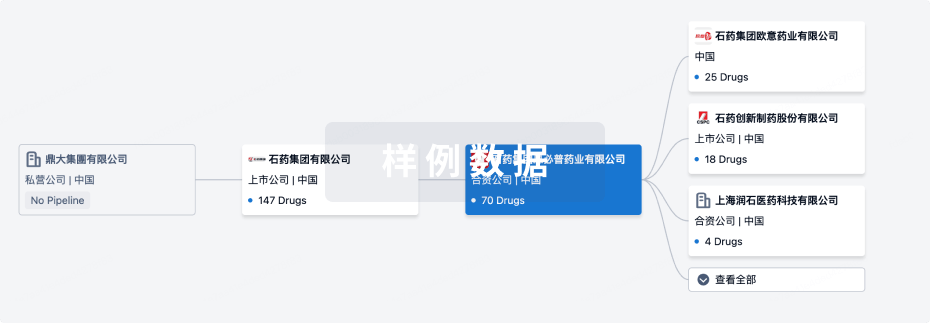
组织架构
使用我们的机构树数据加速您的研究。
登录
或
管线布局
2026年10月12日管线快照
管线布局中药物为当前组织机构及其子机构作为药物机构进行统计,早期临床1期并入临床1期,临床1/2期并入临床2期,临床2/3期并入临床3期
临床前
44
1
临床2期
其他
31
登录后查看更多信息
当前项目
登录后查看更多信息
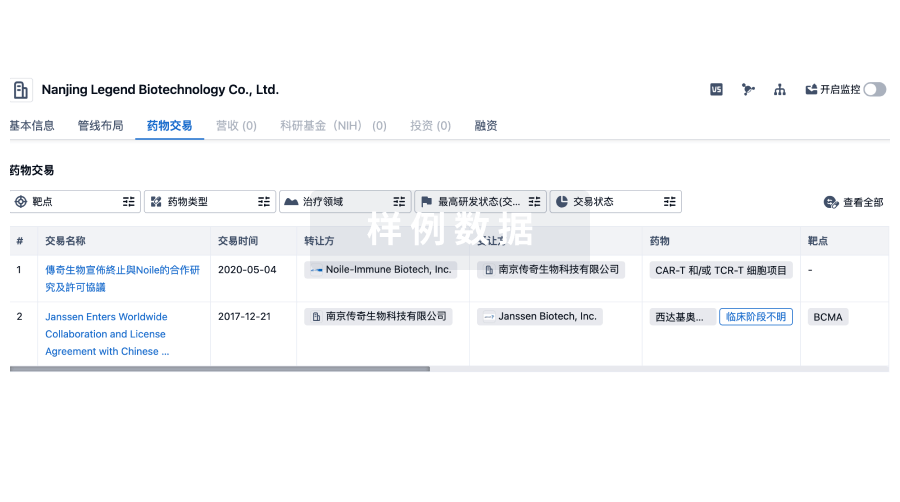
药物交易
使用我们的药物交易数据加速您的研究。
登录
或
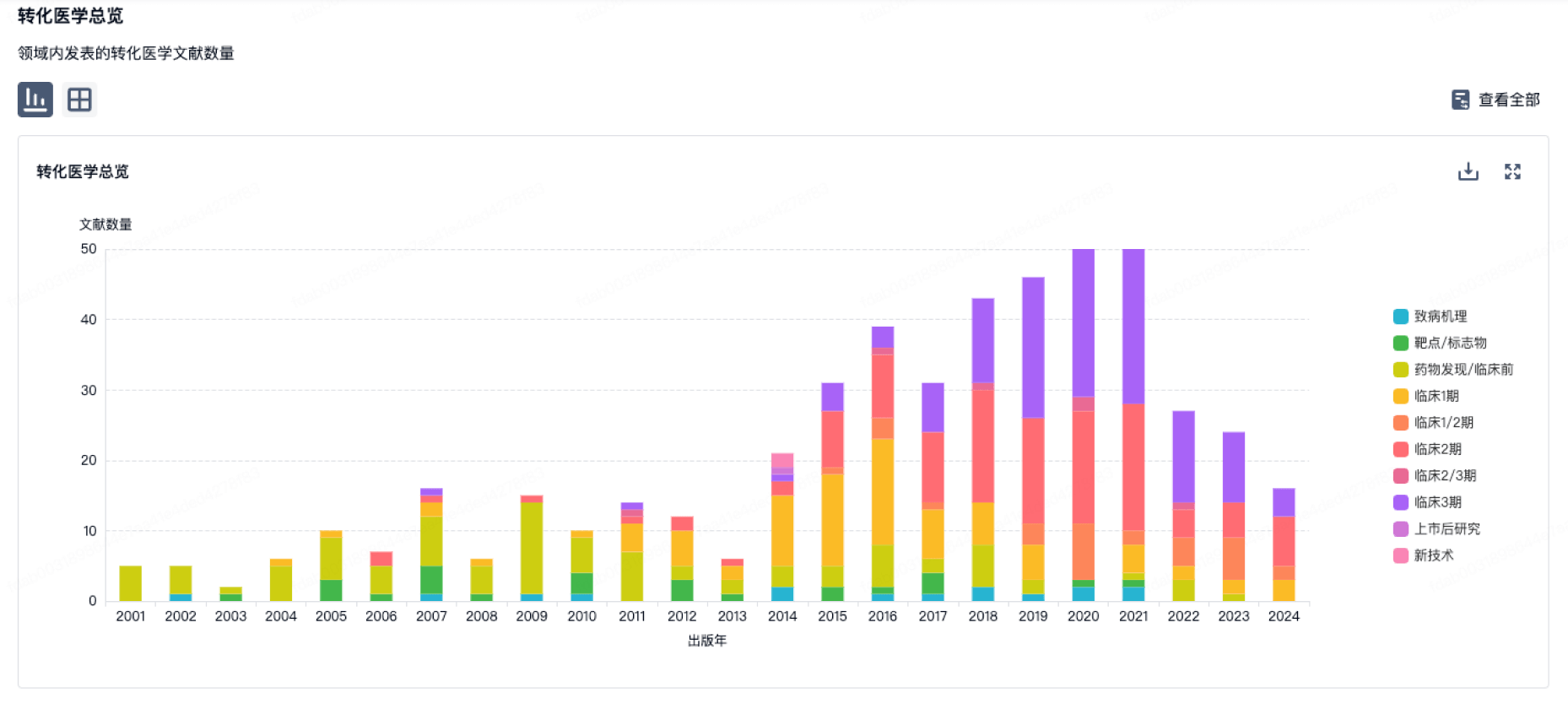
转化医学
使用我们的转化医学数据加速您的研究。
登录
或
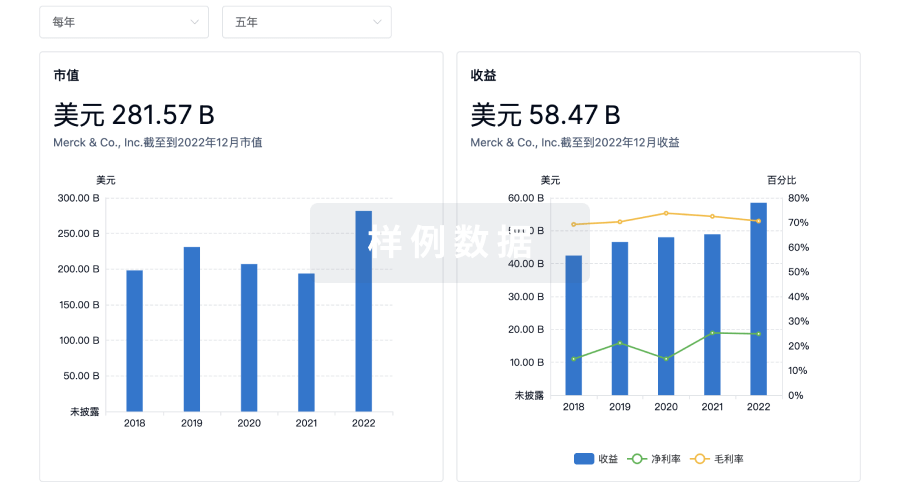
营收
使用 Synapse 探索超过 36 万个组织的财务状况。
登录
或
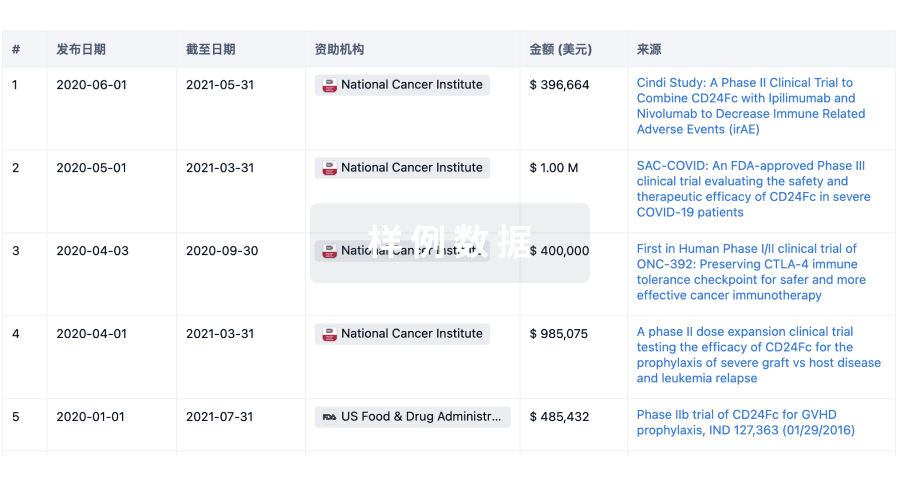
科研基金(NIH)
访问超过 200 万项资助和基金信息,以提升您的研究之旅。
登录
或
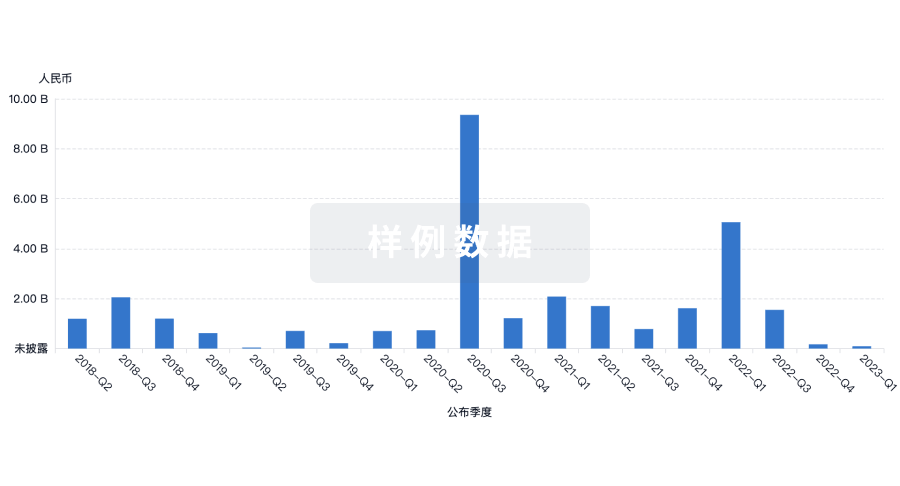
投资
深入了解从初创企业到成熟企业的最新公司投资动态。
登录
或
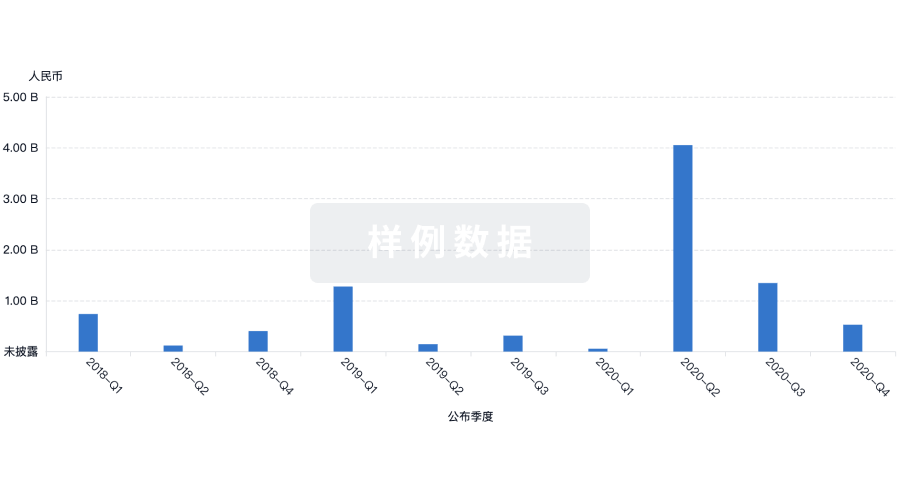
融资
发掘融资趋势以验证和推进您的投资机会。
登录
或
提出任何生物医药研究问题
让每一步生物医药决策都精准制胜
基于十亿级生物数据与全球情报的精准 AI,赋能早期药物发现
立即开始免费试用!
智慧芽新药情报库是智慧芽专为生命科学人士构建的基于AI的创新药情报平台,助您全方位提升您的研发与决策效率。
立即接入生物医药数据包
智慧芽新药库数据也通过智慧芽开放平台,以MCP或API服务形式对外开放。立即使用我们的MCP服务定制您的LLM智能体。
生物序列数据库
生物药研发创新
免费使用
化学结构数据库
小分子化药研发创新
免费使用