预约演示
更新于:2025-12-19

Zhejiang Shouxiangu Pharmaceutical Co., Ltd.
更新于:2025-12-19
概览
标签
消化系统疾病
肿瘤
其他疾病
单克隆抗体
疾病领域得分
一眼洞穿机构专注的疾病领域

技术平台
公司药物应用最多的技术
靶点
公司最常开发的靶点
关联
CN115463137
专利挖掘靶点 |
作用机制 |
在研机构 |
原研机构 |
在研适应症 |
非在研适应症 |
最高研发阶段 |
首次获批国家/地区 |
首次获批日期 |
NCT06429514
Based on the Theory of Gut-brain Axis, the Intervention Effect and Related Mechanism of Ganoderma Lucidum Spore Powder on Depressive Symptoms in Patients With Thyroid Cancer Were Investigated

ChiCTR2300072794
A randomized, double-blind, placebo-controlled study of milled Ganoderma lucidum spore powder improving quality of life and related symptom groups in patients with lung cancer after surgery
ChiCTR2300072786
Prospective multicenter randomized controlled study to evaluate the synergistic effect of milled Ganoderma lucidum spore powder on advanced non-squamous non-small cell lung cancer with EGFR-sensitive mutation
100 项与 浙江寿仙谷医药股份有限公司 相关的临床结果
登录后查看更多信息
登录后查看更多信息
2025-12-01FOOD CHEMISTRY
Decoding the flavor profile of Chinese Lingzhi (Ganoderma lucidum) using a sensomics approach
Article
作者: Zhang, Hui ; Wang, Junyi ; Huang, Chunhui ; Sun, Baoguo ; Gao, Yan ; Li, Zhenhao ; Chen, Haitao ; Zhang, Ning ; Li, Mingyan
Lingzhi (Ganoderma lucidum) is renowned for its edible and medicinal properties. However, its fresh form is highly prone to deterioration and requires processing, which may alter its flavor. In this work, a sensomics approach was used to investigate the flavor characteristics of fresh Lingzhi (FLZ) and its processed products, including dried Lingzhi (DLZ), ultra-micro powder (PLZ) and extract (ELZ). Sensory analysis revealed that processing reduced the mushroom-like aroma while enhancing woody, saucy, and sweet notes. Key volatiles distinguishing FLZ from its derivatives, including 5-hydroxymethylfurfural and acetic acid, were identified using partial least squares discriminant analysis (PLS-DA). A total of 85 aroma compounds with flavor dilution factors ranging from 1 to 512 were detected using aroma extract dilution analysis (AEDA). Recombination and omission experiments confirmed 1-octen-3-ol as the primary aroma component in FLZ, while maltol dominated in derivatives. This work provides a theoretical basis for Lingzhi processing and new product development.
2025-06-01JOURNAL OF CHROMATOGRAPHY B-ANALYTICAL TECHNOLOGIES IN THE BIOMEDICAL AND LIFE SCIENCES
Pharmacokinetic and tissue distribution analysis of sporoderm-removed Ganoderma lucidum spore powder in rats
Article
作者: Wang, Xiaotong ; Zhang, Guoliang ; Wang, Ying ; Yu, Huanhuan ; Li, Zhenhao ; Xu, Jing ; Yang, Jihong
Ganoderma lucidum (Lingzhi), a medicinal mushroom, is recognized for its broad pharmacological activities, including potential health and longevity benefits. Notably, several triterpenoids derived from its spores and fruiting body have demonstrated anti-inflammatory, anti-tumor, and immunomodulatory effects. Despite their therapeutic promise, pharmacokinetic parameters and tissue distribution profiles of these bioactive components are not well characterized, representing a significant knowledge gap. This study aims to elucidate the pharmacokinetic characteristics and tissue distribution patterns of major triterpenoids in sporoderm-removed Ganoderma lucidum spore powder (RGLSP) in rats, thereby laying the groundwork for further optimization of these natural products. We established an ultra-performance liquid chromatography-multiple reaction monitoring-mass spectrometry (UPLC-MRM-MS) method to quantify 12 triterpenoids in rat plasma and tissues following oral administration of RGLSP. The method was validated according to US Food and Drug Administration bioanalytical guidelines and demonstrated good performance. Pharmacokinetic analysis revealed that the mean time to peak concentration for the 12 triterpenoids ranged from 0.25 to 2.33 h, with maximum concentrations varying from 42.52 to 643.13 ng/mL and the area under the concentration-time curve spanning 72.74 to 943.00 ng·h/mL. Tissue distribution results indicated rapid and extensive distribution of the triterpenoids in rat liver, lung, spleen, kidney, heart, and gastrointestinal tract, followed by gradual metabolism. After oral administration, major triterpenoids in RGLSP were rapidly absorbed into the plasma and widely distributed across five major viscera and the gastrointestinal tract, undergoing hepatic and intestinal circulation through metabolic pathways. These findings provide a valuable reference for the clinical application of RGLSP, as well as lead optimization of the triterpenoids.
2023-12-01Food and chemical toxicology : an international journal published for the British Industrial Biological Research Association
A 26-week repeated dose toxicity evaluation of sporoderm-removed Ganoderma lucidum spores in rats
Article
作者: Zhang, Lili ; Lyu, Hanying ; Zhang, Chengda ; Li, Jinrong ; Zhang, Liyan ; Zhang, Siming ; Lyu, Wanqiang ; Wang, Hanbo ; Zhang, Lijiang ; Sun, Ruimin ; Xia, Lijuan ; Li, Zhenhao ; Yang, Qian
Ganoderma lucidum spore powder is a traditional Chinese medicine with a variety of health benefits. Sporoderm-removed Ganoderma lucidum spores (RGLS) can be more effectively absorbed and utilized by the body. Due to the extensive clinical application and lack of long-term (>30 days) safety evaluation of RGLS, it is necessary to evaluate its repeated dose toxicity during a longer administration period. Here, we conducted a 26-week repeated dose toxicity test of RGLS in Sprague‒Dawley (SD) rats. The male and female rats were orally administered RGLS at doses of 0, 0.4, 1.2, and 4.0 g/kg once daily for a period of 26 weeks. The safety profile of RGLS was assessed through in vivo observations of survival, body weight, and food consumption; hematological, biochemical, and urine analyses; immunotoxicity assays; and histopathological examinations. The results showed that no significant systemic toxicity was observed following 26 weeks of repeated RGLS administration. Our data showed a no-observed adverse effect level (NOAEL) of 4.0 g/kg, which is approximately 20 times higher than the human equivalent dose. Our results support that RGLS can be considered a safe medicinal or food product that can be added to a healthy diet.
100 项与 浙江寿仙谷医药股份有限公司 相关的药物交易
登录后查看更多信息
100 项与 浙江寿仙谷医药股份有限公司 相关的转化医学
登录后查看更多信息
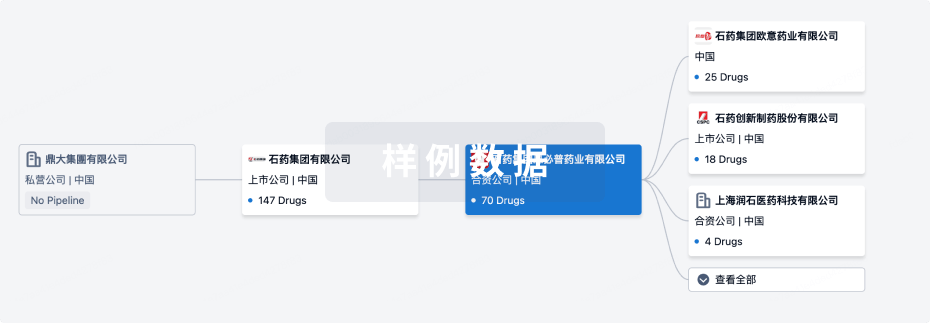
组织架构
使用我们的机构树数据加速您的研究。
登录
或
管线布局
2026年02月08日管线快照
管线布局中药物为当前组织机构及其子机构作为药物机构进行统计,早期临床1期并入临床1期,临床1/2期并入临床2期,临床2/3期并入临床3期
药物发现
1
登录后查看更多信息
当前项目
登录后查看更多信息
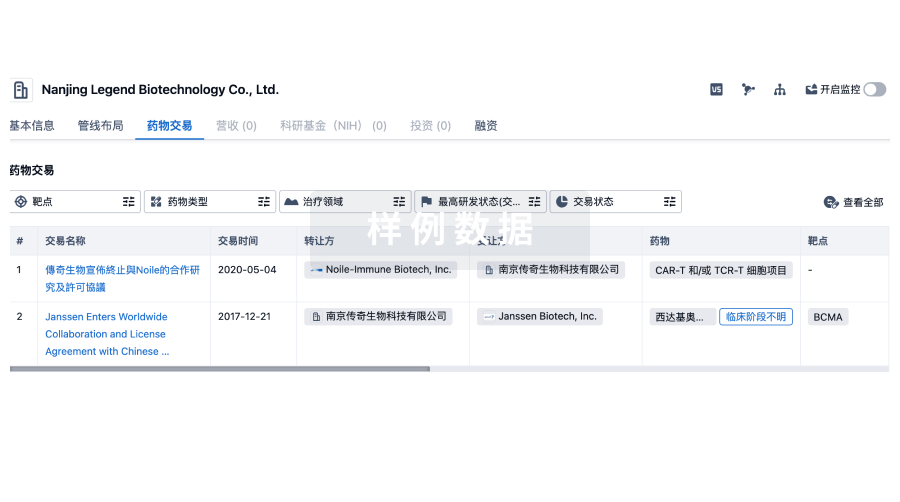
药物交易
使用我们的药物交易数据加速您的研究。
登录
或
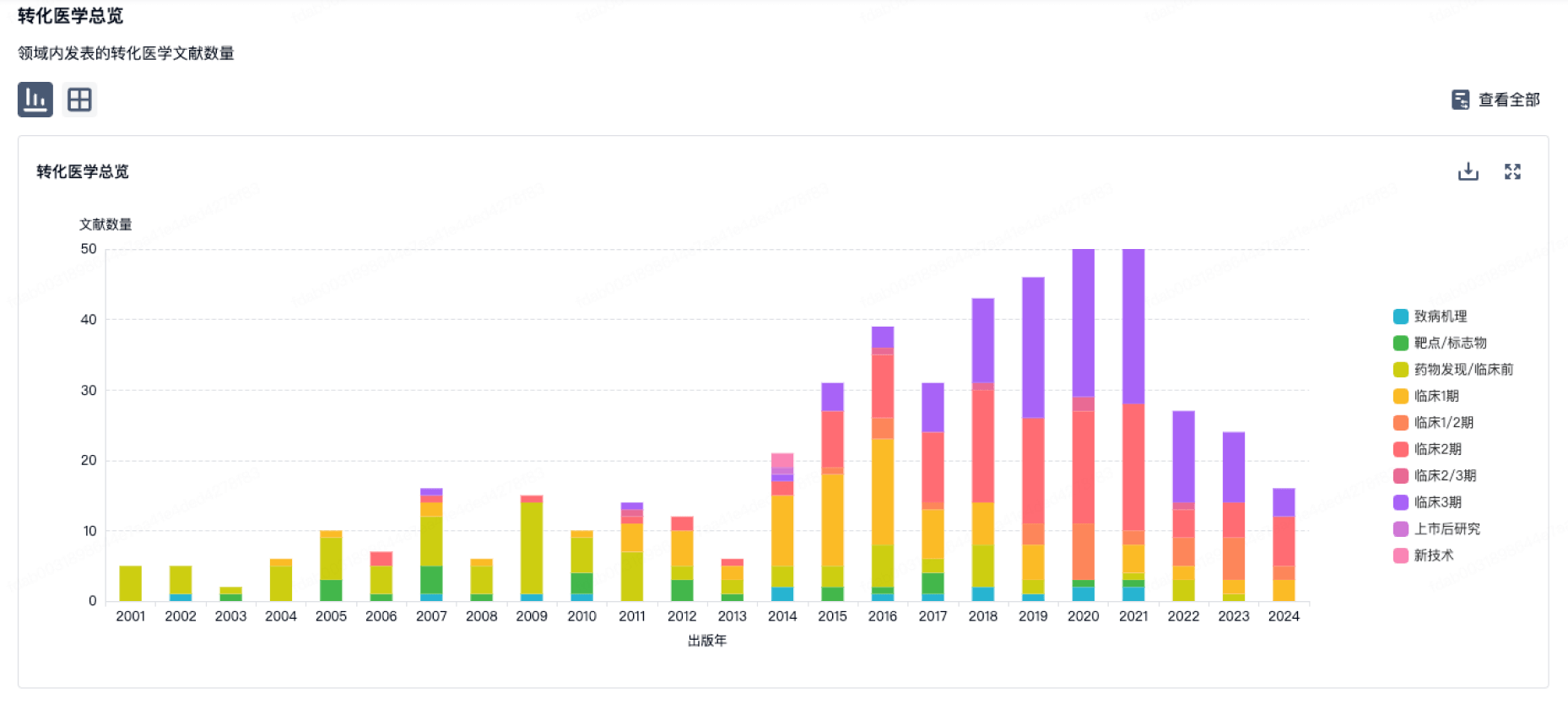
转化医学
使用我们的转化医学数据加速您的研究。
登录
或
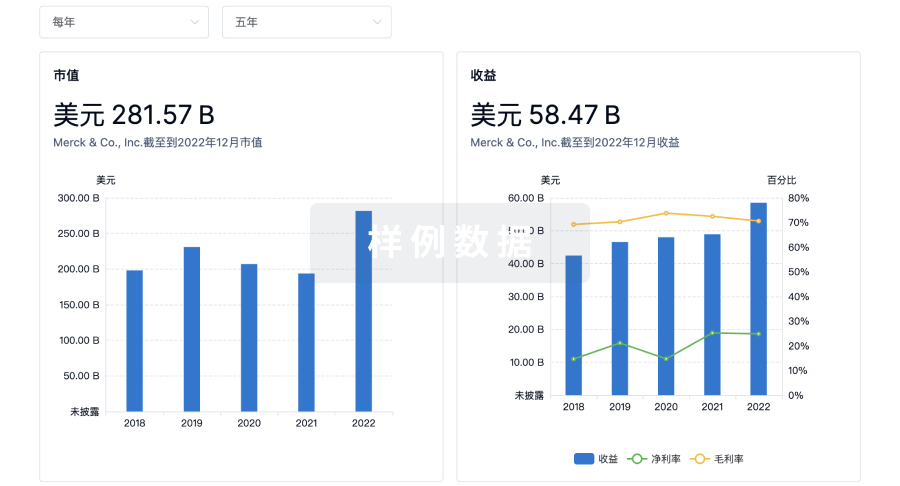
营收
使用 Synapse 探索超过 36 万个组织的财务状况。
登录
或
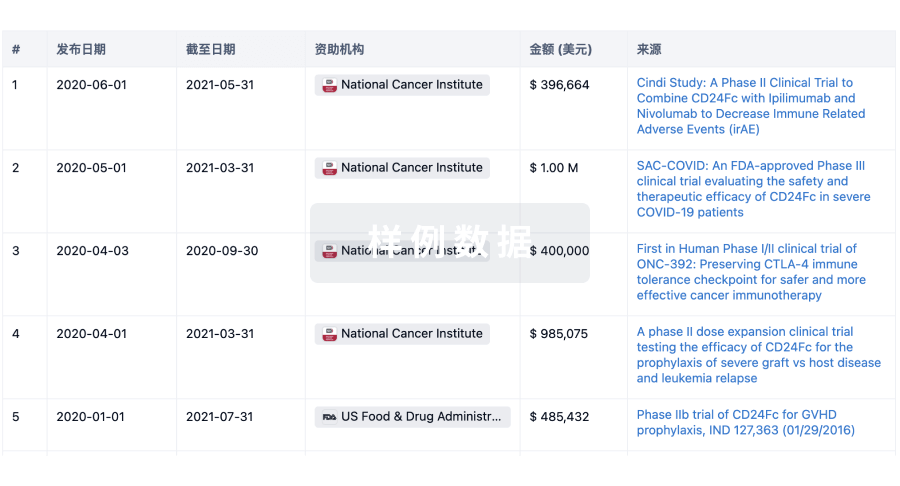
科研基金(NIH)
访问超过 200 万项资助和基金信息,以提升您的研究之旅。
登录
或
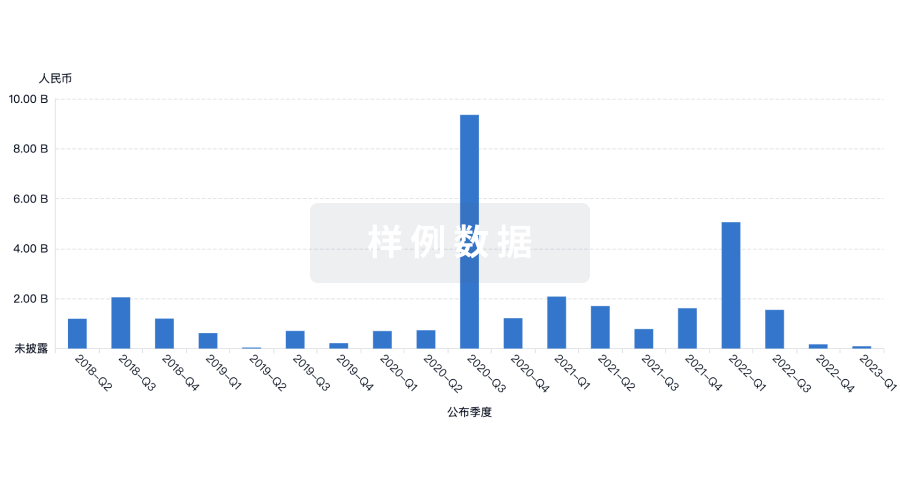
投资
深入了解从初创企业到成熟企业的最新公司投资动态。
登录
或
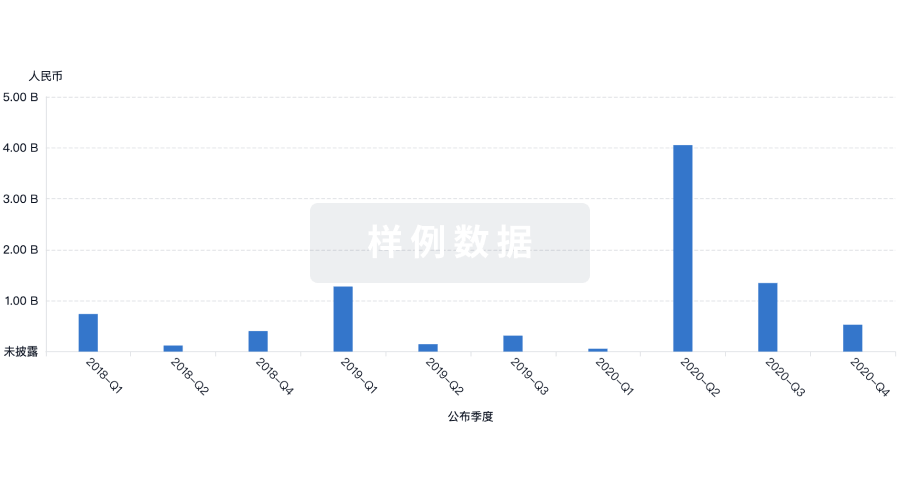
融资
发掘融资趋势以验证和推进您的投资机会。
登录
或
生物医药百科问答
全新生物医药AI Agent 覆盖科研全链路,让突破性发现快人一步
立即开始免费试用!
智慧芽新药情报库是智慧芽专为生命科学人士构建的基于AI的创新药情报平台,助您全方位提升您的研发与决策效率。
立即开始数据试用!
智慧芽新药库数据也通过智慧芽数据服务平台,以API或者数据包形式对外开放,助您更加充分利用智慧芽新药情报信息。
生物序列数据库
生物药研发创新
免费使用
化学结构数据库
小分子化药研发创新
免费使用