预约演示
更新于:2026-08-20

Northeastern University
更新于:2026-08-20
概览
标签
其他疾病
感染
神经系统疾病
小分子化药
基因疗法
外泌体药物
疾病领域得分
一眼洞穿机构专注的疾病领域

技术平台
公司药物应用最多的技术
靶点
公司最常开发的靶点
关联
靶点 |
作用机制 |
在研机构 |
原研机构 |
在研适应症 |
非在研适应症 |
最高研发阶段 |
首次获批国家/地区 |
首次获批日期 |


靶点 |
作用机制 |
在研机构 |
原研机构 |
在研适应症 |
非在研适应症 |
最高研发阶段 |
首次获批国家/地区 |
首次获批日期 |

靶点 |
作用机制 |
在研机构 |
原研机构 |
在研适应症 |
非在研适应症 |
最高研发阶段 |
首次获批国家/地区 |
首次获批日期 |

NCT07747129
Promoting Physical Activity Among Young Children With Autism
NCT07772765
Comparing the Effects of Music vs. Non-Music Based Interventions on Auditory and Cognitive Processing in Older Adults
NCT06445270
Evidence-informed Lifestyle Interventions to Improve Glycemic Parameters and Reduce Gestational Diabetes in High-risk Pregnant Individuals

100 项与 Northeastern University 相关的临床结果
登录后查看更多信息
登录后查看更多信息
2026-07-02LANGUAGE SPEECH AND HEARING SERVICES IN SCHOOLS
One Size Does Not Fit All: Conceptualizing Alternative Data Approaches to Improve Single-Language Developmental Language Disorder Screening for Multilingual Public School Students
Article
作者: Alonzo, Crystle N. ; Hogan, Tiffany P. ; Wolter, Julie A. ; Sanabria, Ashley ; Gutmann, Erica ; Ricketts, Jessie ; Radville, Katharine M.
Purpose::
Universal screening for developmental language disorder (DLD) is a promising preventative approach for decreasing negative educational outcomes associated with DLD. Unfortunately, schools with multilingual student populations often face barriers in following best-practice guidelines for language testing and screening students in all their languages. We explored the outcome of a school district administering a single-language DLD screener to a multilingual student body, as well as alternative approaches for using single-language screening data to identify DLD risk in multilingual students.
Method::
A school district engaged in a research–practice partnership administered an English-only DLD screener to 703 kindergartners with English language learner (ELL) status. We analyzed screener outcomes and the relationship of identified DLD risk status and English proficiency level for the ELLs. We explored alternative data analysis approaches of local norms, adjusted cut-points, change in screener score from fall to spring, and a hybrid of adjusted cut-points and change to determine which approaches identified DLD risk status for ELLs at a rate more aligned with DLD prevalence rates and the intended rates of a screener.
Results::
The English-only language screener overidentified multilingual students as at risk for DLD. There was a significant negative correlation between risk identification and student English proficiency level. All alternative methods for data analysis lowered the rate of identification of ELLs as at risk for DLD.
Conclusions::
Single-language testing overidentifies multilingual students as at risk for DLD. We caution school districts against a monolingual screening approach to screen multilingual students and encourage them to consider alternative approaches to using English-only screening data for multilingual students.
2026-07-01DISPLAYS
Assisting the blind to reach daily objects using smart glasses
Article
作者: Bhanushali, Meet Anil ; Pundlik, Shrinivas ; Singh, Aditya ; Luo, Gang ; Luo, Jingwu
Searching for objects in their surrounding is challenging for blind and visually impaired individuals (BVI) in daily life. Current assistive technologies powered by large language models (LLMs) and vision language models (VLMs) can offer BVI scene descriptions through conversations. However, communication is often inefficient in helping BVI to reach daily objects or destinations, because those general purpose LLMs/VLMs are not optimized for interpreting or conveying spatial information. We developed a smart glass solution that can utilize open vocabulary object detection models to aid BVI in searching/reaching for a variety of specific objects that are not limited to fixed categories of model training. In our implementations, video streams from the glasses can be processed using open vocabulary object detection models either locally or on other connected devices, such as a smartphone or computer. User can input custom search prompt verbally. This hands-free solution allows people to naturally scan their surroundings by moving their heads, and the stereo audio tones provide directional cues in horizontal and vertical directions to help zero in on the targets, so that it becomes possible to reach these objects accurately. We conducted a human subject pilot study involving 5 blindfolded individuals who reached specific objects (e.g. grabbing the red bottle; reaching the empty chair) among other distractors. The smart glasses solution was compared with Ray-Ban Meta glasses that were running built-in Meta AI for scene recognition. The average task time with our solution (53 seconds) was significantly lower than Meta glasses (126 seconds, p<0.001). The device was also demonstrated to successfully aid a blind user in a grocery shopping scenario. This work shows that active orientation guidance, which is typically lacking in VLMs but provided by our smart glasses solution, can aid in interaction with surrounding environment, such as when reaching for objects and destinations.
2026-06-22NUCLEIC ACIDS RESEARCH
Bottlebrush polymer conjugates for enhanced antisense oligonucleotide therapy in myotonic dystrophy type 1
Article
作者: Liu, Yongjian ; Wang, Yuyan ; Sherman, Lauren ; Nian, Keqing ; Chen, Junjie ; Li, Yao ; Heo, Gyu Seong ; Zhang, Wei ; Zhang, Hengli ; Oetheimer, Christopher ; Zhang, Ke ; Chang, Rong ; Wei, Yun ; Schneider, Elle ; Wu, Jiaqi ; Fang, Yang
Abstract:
Oligonucleotides are a promising class of genetic medicine for myotonic dystrophy type 1 (DM1), the most common adult-onset muscular dystrophy. However, poor muscle distribution of nucleic acid drugs following systemic administration has hindered drug development, and no curative treatment currently exists. DM1 pathology requires drug localization to the nucleus, where pathogenic mutant RNA is sequestered, posing additional challenges after cellular internalization regarding endosomal escape and nuclear uptake. Here, we show that a locked nucleic acid oligonucleotide targeting mutant CUG repeat RNA tracts, conjugated to a bottlebrush polymer, exhibits improved muscle distribution and potent correction of DM1-associated splicing dysregulation in a DM1 mouse model. Significant improvements in myotonia, body weight, and grip strength were observed. The conjugate was well tolerated following 12 weeks of weekly intravenous administration. These findings suggest that bottlebrush polymer conjugates may overcome key limitations of conventional oligonucleotide therapeutics for neuromuscular conditions, with potential to become a potent and cost-effective DM1 therapy.
2026-08-19
·感悟分子
2026-08-17
100 项与 Northeastern University 相关的药物交易
登录后查看更多信息
100 项与 Northeastern University 相关的转化医学
登录后查看更多信息
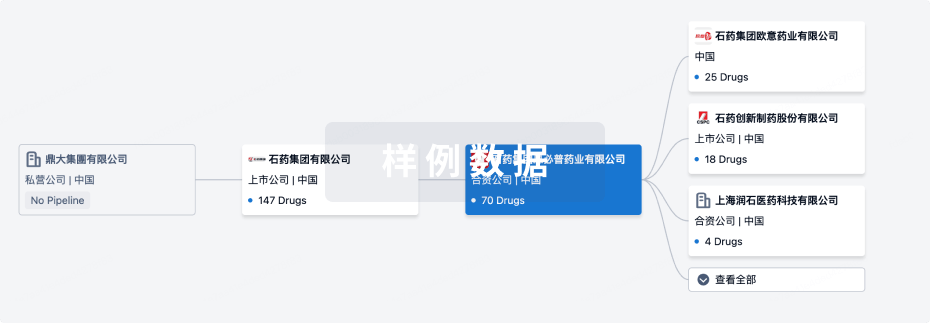
组织架构
使用我们的机构树数据加速您的研究。
登录
或
管线布局
2026年10月16日管线快照
管线布局中药物为当前组织机构及其子机构作为药物机构进行统计,早期临床1期并入临床1期,临床1/2期并入临床2期,临床2/3期并入临床3期
药物发现
2
30
临床前
其他
22
登录后查看更多信息
当前项目
登录后查看更多信息
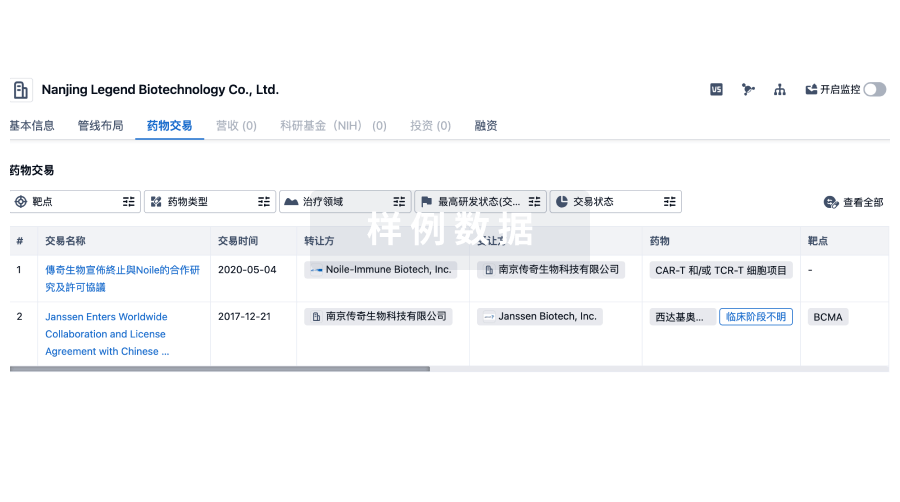
药物交易
使用我们的药物交易数据加速您的研究。
登录
或
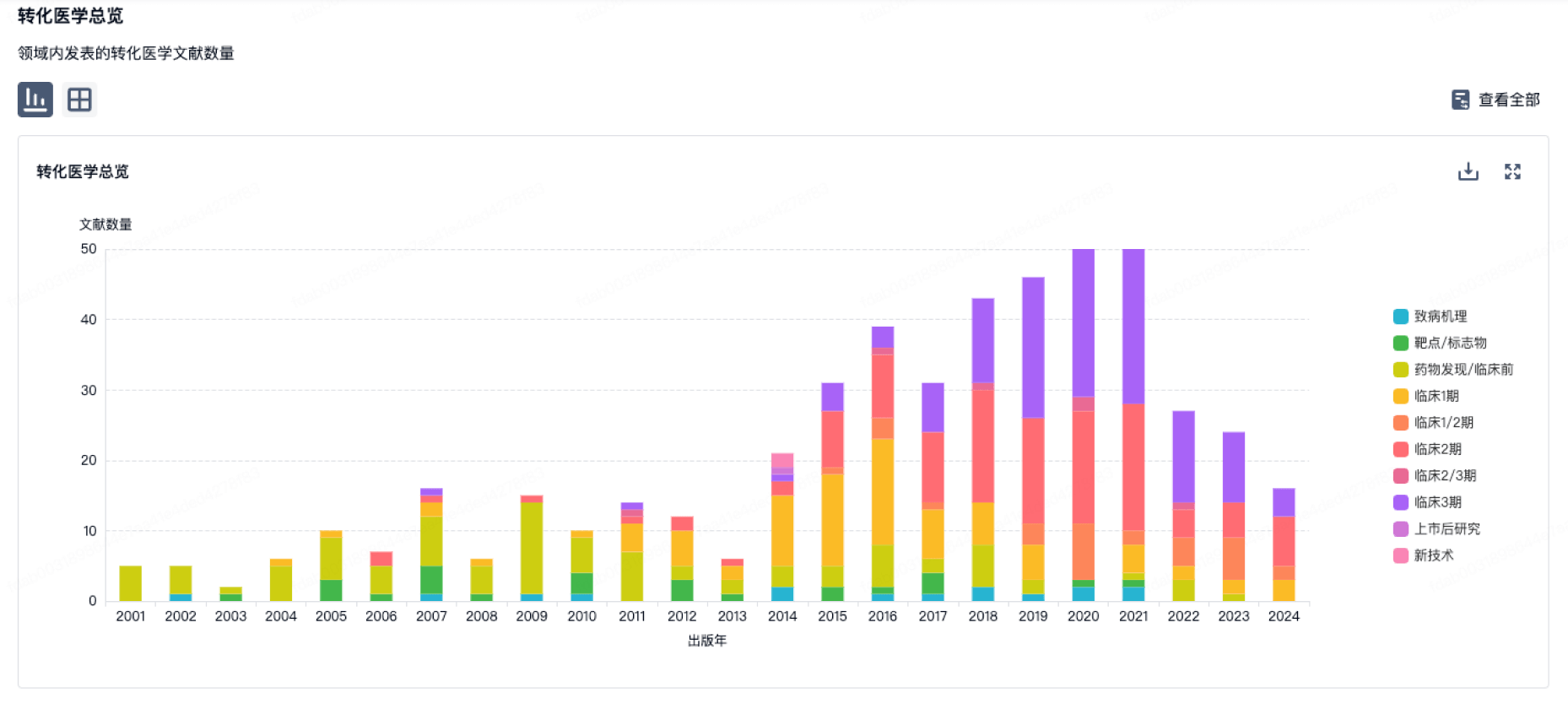
转化医学
使用我们的转化医学数据加速您的研究。
登录
或
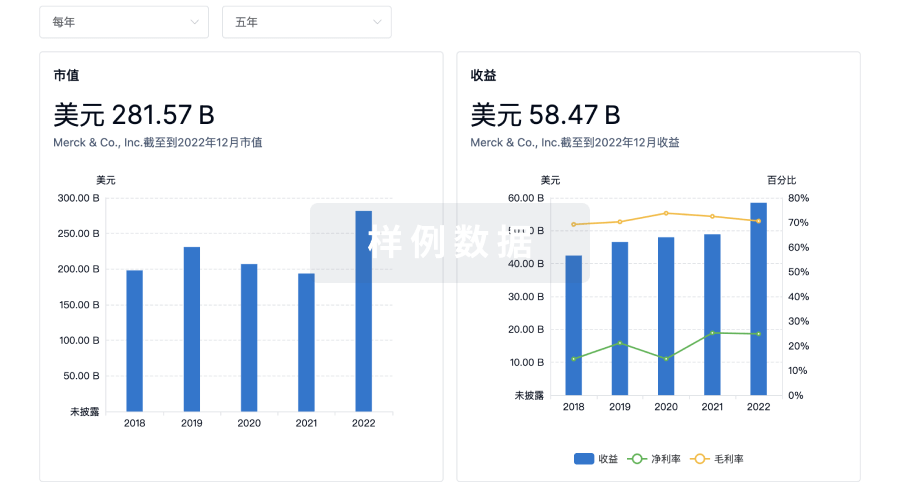
营收
使用 Synapse 探索超过 36 万个组织的财务状况。
登录
或
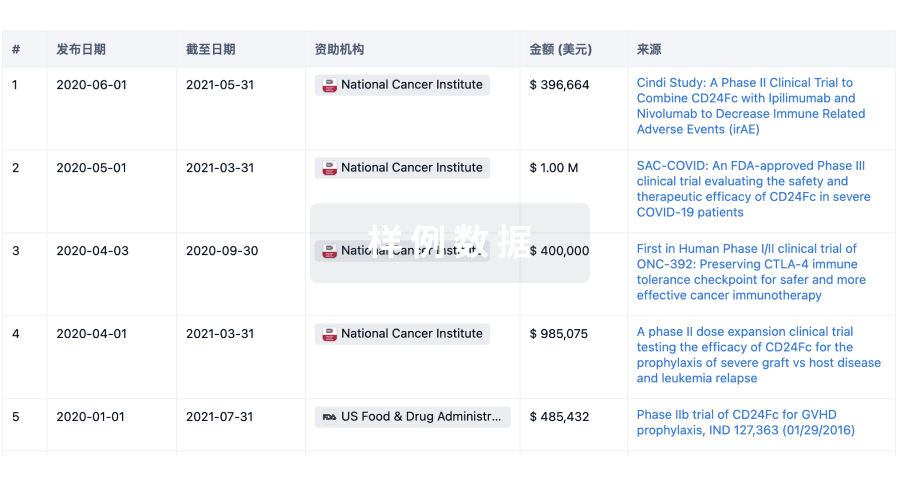
科研基金(NIH)
访问超过 200 万项资助和基金信息,以提升您的研究之旅。
登录
或
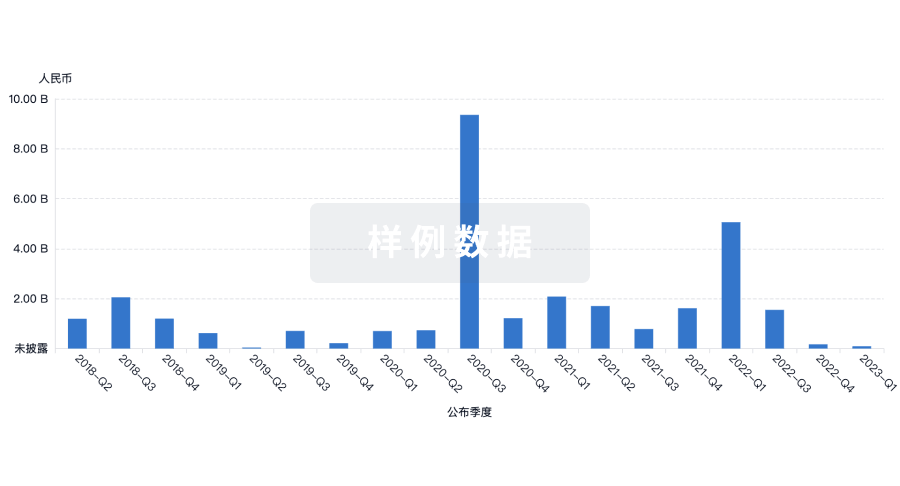
投资
深入了解从初创企业到成熟企业的最新公司投资动态。
登录
或
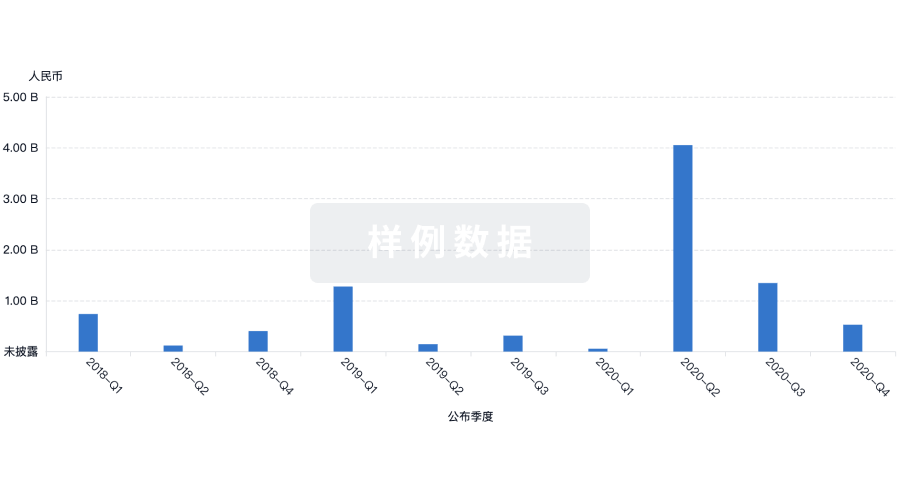
融资
发掘融资趋势以验证和推进您的投资机会。
登录
或
提出任何生物医药研究问题
让每一步生物医药决策都精准制胜
基于十亿级生物数据与全球情报的精准 AI,赋能早期药物发现
立即开始免费试用!
智慧芽新药情报库是智慧芽专为生命科学人士构建的基于AI的创新药情报平台,助您全方位提升您的研发与决策效率。
立即接入生物医药数据包
智慧芽新药库数据也通过智慧芽开放平台,以MCP或API服务形式对外开放。立即使用我们的MCP服务定制您的LLM智能体。
生物序列数据库
生物药研发创新
免费使用
化学结构数据库
小分子化药研发创新
免费使用