预约演示
更新于:2026-03-05

Oita University
更新于:2026-03-05
概览
标签
神经系统疾病
心血管疾病
肿瘤
小分子化药
细胞疗法
疾病领域得分
一眼洞穿机构专注的疾病领域

技术平台
公司药物应用最多的技术
靶点
公司最常开发的靶点
关联
靶点 |
作用机制 |
在研机构 |
原研机构 |
在研适应症 |
非在研适应症 |
最高研发阶段 |
首次获批国家/地区 |
首次获批日期 |
靶点 |
作用机制 |
在研机构 |
原研机构 |
在研适应症 |
非在研适应症 |
最高研发阶段 |
首次获批国家/地区 |
首次获批日期 |
靶点 |
作用机制 |
在研机构 |
原研机构 |
在研适应症 |
非在研适应症 |
最高研发阶段 |
首次获批国家/地区 |
首次获批日期 |


JPRN-UMIN000059189
Epidemiological Survey of Non-Helicobacter pylori Helicobacter Infection in H. pylori naive patients with gastric cancer - Epidemiological Survey of NHPH Infections in H. pylori naive GC patients
JPRN-UMIN000053310
Verification of the performance of lesion detection assistance in computer aided diagnosis endoscopy - Verification of the performance of lesion detection assistance in computer aided diagnosis endoscopy
NCT07340593
A Community-based Collaborative Study for Eradication of Helicobacter Pylori and Associated Gastric Cancer in Luangprabang and Champasak Province, in Lao PDR 2025.
100 项与 Oita University 相关的临床结果
登录后查看更多信息
登录后查看更多信息
2026-03-01FREE RADICAL BIOLOGY AND MEDICINE
Distinct quaternary reaction behavior and stable charge-transfer complex formation in Schistosoma mansoni sulfide:quinone oxidoreductase
Article
作者: Kabongo, Augustin Tshibaka ; Ida, Tomoaki ; Akaike, Takaaki ; Tayama, Yuki ; Kishikawa, Jun-Ichi ; Inaoka, Daniel Ken ; Rajib, Acharjee ; Yamashita, Tetsuo ; Hartuti, Endah Dwi ; Matsunaga, Tetsuro ; Kita, Kiyoshi ; Hamano, Shinjiro ; Nozaki, Tomoyoshi ; Singh, Samandram Sushilkumar ; Shiba, Tomoo ; Kiplangat, Talaam Keith ; Yazaki, Euki ; Matsuo, Yuichi ; Ha, Linh Manh
Adults of Schistosoma mansoni reside in the mesenteric veins, where they are naturally exposed to high levels of hydrogen sulfide (H2S). S. mansoni and other intestinal parasites have adapted to this sulfide-rich environment, but the evolved mechanisms to metabolize sulfide remain unelucidated. Here we reveal that the putative sulfide:quinone oxidoreductase (SQOR) encoded by S. mansoni is indeed an SQOR, catalyzing the first step of sulfide metabolism. We demonstrated that S. mansoni SQOR (SmSQOR) is expressed in eggs, cercaria and adult stages and localized in the mitochondria. The reaction catalyzed by SmSQOR was investigated using sulfane sulfur probe 4 (SSP4) and shown to require the co-presence of sulfide, quinone, and a sulfur acceptor, indicating a quaternary complex-mediated mechanism. Unlike human and bacterial SQORs, purified SmSQOR could not reduce quinones in the presence of sulfide alone unless sulfite, cyanide, or L-cysteine (but not coenzyme A or glutathione) was provided as the sulfur acceptor. In the presence of these sulfur acceptors, SmSQOR formed a long-lived charge-transfer (CT) complex, a transient electronically coupled association between electron donor and acceptor, as indicated by a broad band around 637-755 nm in the spectrum, which was associated with a partial loss of enzyme activity. Moreover, residues critical for CT complex formation and SQOR catalysis were identified. Using SSP4, we also demonstrated that SQOR was active in S. mansoni adult, egg, and cercaria stages. Taken together, these features suggest that metabolism of sulfide proceeds differently in S. mansoni than in humans.
2026-03-01International Journal of Clinical Oncology
Molecular analysis of tumor recurrence using established cancer stem cell-line and drug discovery
Review
作者: Maehara, Yoshihiko ; Oki, Eiji ; Ando, Koji ; Omori, Sachie ; Saeki, Hiroshi ; Yamazaki, Masaki ; Suzuki, Masami ; Aburatani, Hiroyuki ; Kawai, Shigeto ; Nagae, Genta ; Nonaka, Kentaro ; Nishime, Chiyoko ; Nakano, Kiyotaka ; Harimoto, Norifumi ; Zaitsu, Yoko ; Natsugoe, Keita ; Yamazaki, Tatsumi ; Kawazoe, Tetsuro ; Ota, Mitsuhiko
Despite advances in adjuvant therapy for colorectal cancer, tumor relapses, often driven by minimal residual disease, remain a formidable clinical challenge. The cancer stem cell hypothesis provides a key framework for understanding this problem, positing that a small, therapy-resistant subpopulation of cells drives recurrence. To elucidate the role of these cells, we developed LGR5-specific monoclonal antibodies and a high-sensitivity immunofluorescence method to visualize the stem cell marker LGR5 in clinical tumors. Furthermore, we established a unique colorectal cancer cell line, PLR123, which maintains robust stem cell properties, and developed an in vitro model to study tumor recurrence. Through analyses including single-cell RNA sequencing and small molecule screening, we identified the RNA Polymerase I inhibitor BMH-21 as a compound that effectively suppresses recurrence both in vitro and in vivo. This article comprehensively reviews our series of studies on understanding the mechanisms of cancer stem cell-driven resistance and offers insights supporting the development of novel therapies aimed at preventing tumor relapses.
2026-02-01JOURNAL OF INFECTION AND CHEMOTHERAPY
Pneumonia in frail older adults: from diagnosis to optimized management
Review
作者: Yamatani, Izumi ; Komiya, Kosaku ; Hagiwara, Akihiko ; Kudoh, Ryohei ; Shuto, Hisayuki ; Yoshimatsu, Yuki ; Goto, Akihiko
In the context of global population aging, pneumonia in older adults has become increasingly prevalent; frequently fatal; and remains challenging to diagnose, treat, and manage in alignment with patient goals. This narrative review synthesized contemporary evidence on pneumonia, particularly aspiration pneumonia, in older adults, integrating perspectives from diagnosis, antimicrobial management, prognosis, prevention, and end-of-life care. In this population, pneumonia often presents with atypical or nonspecific manifestations. Aspiration events are rarely directly observed, and current diagnostic definitions remain imprecise. Outcomes are predominantly driven by host-related factors, including frailty, dysphagia, multimorbidity, functional decline, and malnutrition, and conventional severity scores perform sub-optimally. Evidence from large observational studies indicated that early broad-spectrum or anaerobic-covering antibiotics provided limited survival benefit and may contribute to antimicrobial resistance, underscoring the importance of distinguishing colonization from true infection and adopting a stewardship-oriented approach. Preventive strategies include oral hygiene, postural and dietary modification, judicious medication review, and vaccination against major respiratory pathogens. In individuals with advanced frailty or recurrent pneumonia, multidisciplinary, ethically grounded, and shared decision-making on oral intake, eating and drinking with acknowledged risk, clinically assisted nutrition and hydration, and the role of antibiotics is required. Overall, pneumonia in older adults, particularly aspiration pneumonia, should be regarded as both an infectious disease and a clinical phenotype of age-associated vulnerability, which warrant a multidimensional approach that integrates geriatric assessment, antimicrobial stewardship, targeted prevention, and end-of-life care planning.
100 项与 Oita University 相关的药物交易
登录后查看更多信息
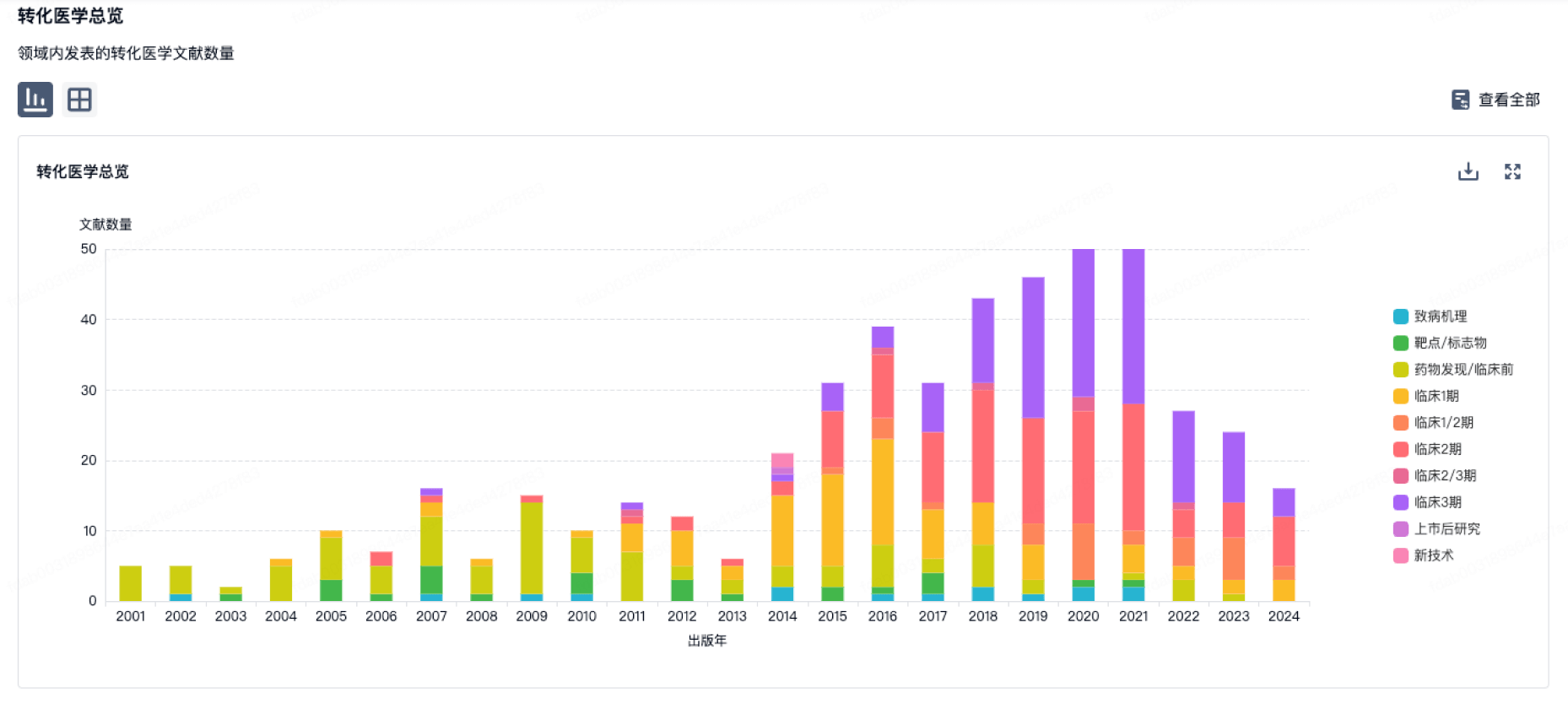
100 项与 Oita University 相关的转化医学
登录后查看更多信息
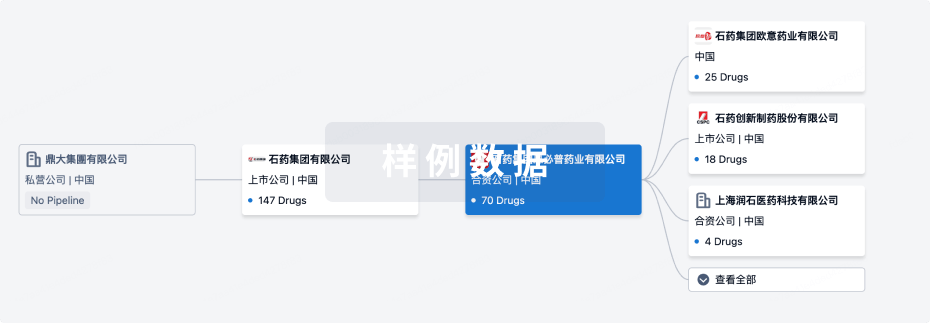
组织架构
使用我们的机构树数据加速您的研究。
登录
或
管线布局
2026年10月10日管线快照
管线布局中药物为当前组织机构及其子机构作为药物机构进行统计,早期临床1期并入临床1期,临床1/2期并入临床2期,临床2/3期并入临床3期
临床前
3
3
其他
登录后查看更多信息
当前项目
登录后查看更多信息
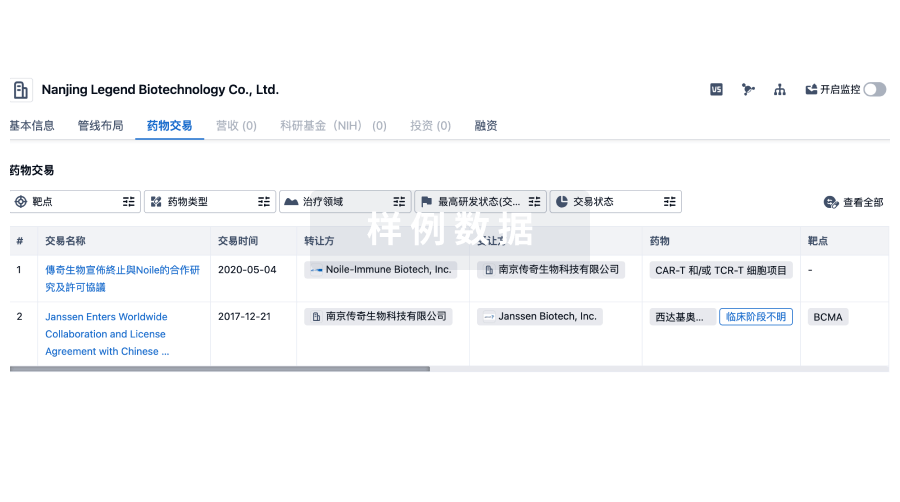
药物交易
使用我们的药物交易数据加速您的研究。
登录
或
转化医学
使用我们的转化医学数据加速您的研究。
登录
或
营收
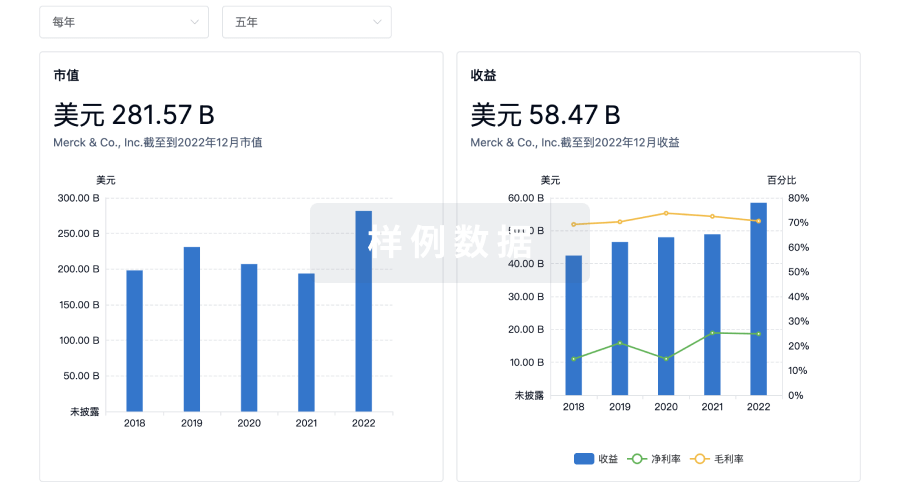
使用 Synapse 探索超过 36 万个组织的财务状况。
登录
或
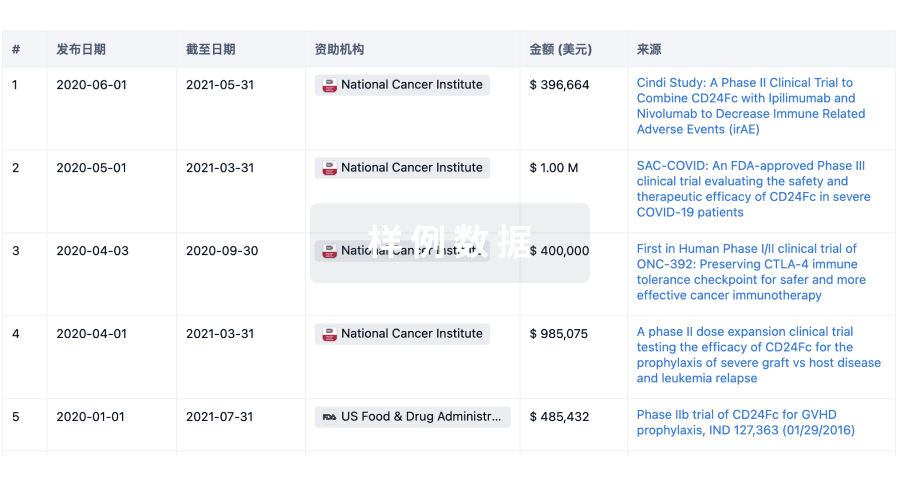
科研基金(NIH)
访问超过 200 万项资助和基金信息,以提升您的研究之旅。
登录
或
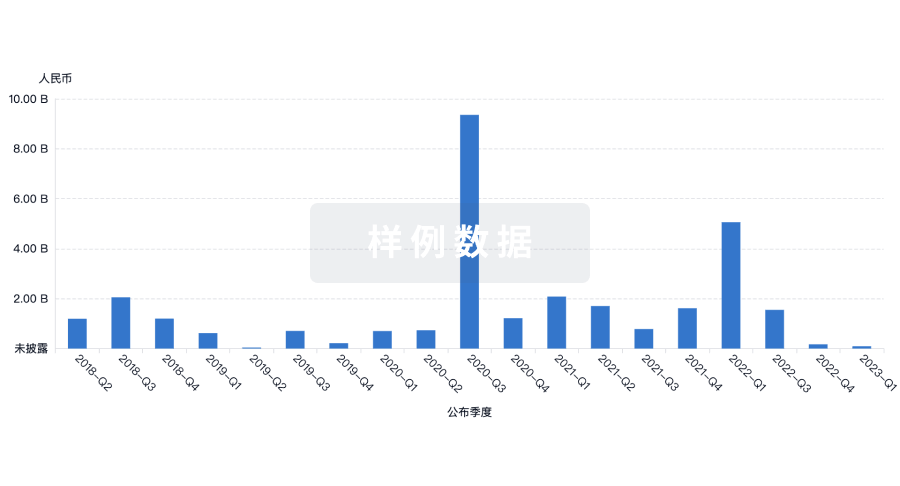
投资
深入了解从初创企业到成熟企业的最新公司投资动态。
登录
或
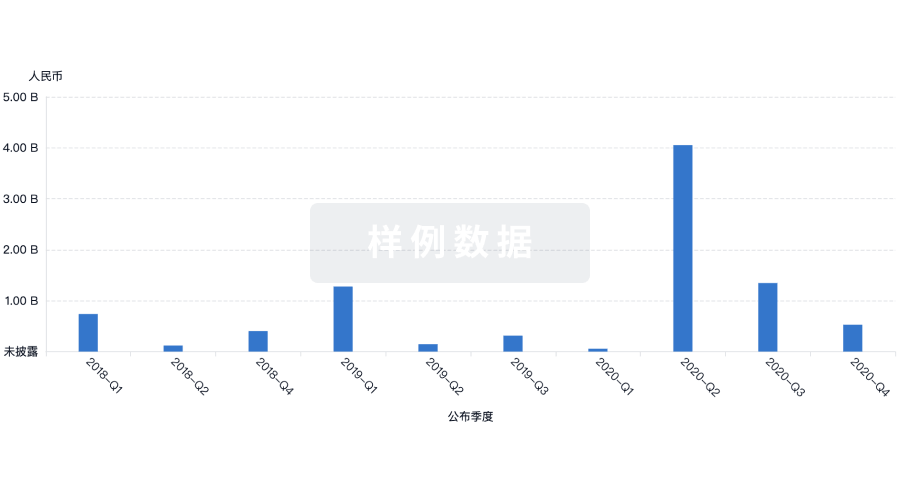
融资
发掘融资趋势以验证和推进您的投资机会。
登录
或
提出任何生物医药研究问题
让每一步生物医药决策都精准制胜
基于十亿级生物数据与全球情报的精准 AI,赋能早期药物发现
立即开始免费试用!
智慧芽新药情报库是智慧芽专为生命科学人士构建的基于AI的创新药情报平台,助您全方位提升您的研发与决策效率。
立即接入生物医药数据包
智慧芽新药库数据也通过智慧芽开放平台,以MCP或API服务形式对外开放。立即使用我们的MCP服务定制您的LLM智能体。
生物序列数据库
生物药研发创新
免费使用
化学结构数据库
小分子化药研发创新
免费使用