预约演示
更新于:2026-06-16

University Of Jinan
更新于:2026-06-16
概览
标签
神经系统疾病
肿瘤
皮肤和肌肉骨骼疾病
小分子化药
疾病领域得分
一眼洞穿机构专注的疾病领域

技术平台
公司药物应用最多的技术
靶点
公司最常开发的靶点
关联
靶点 |
作用机制 |
在研机构 |
原研机构 |
在研适应症 |
非在研适应症 |
最高研发阶段 |
首次获批国家/地区 |
首次获批日期 |
靶点 |
作用机制 |
在研机构 |
原研机构 |
在研适应症 |
非在研适应症 |
最高研发阶段 |
首次获批国家/地区 |
首次获批日期 |
靶点 |
作用机制 |
在研机构 |
原研机构 |
在研适应症 |
非在研适应症 |
最高研发阶段 |
首次获批国家/地区 |
首次获批日期 |
100 项与 济南大学 相关的临床结果
登录后查看更多信息
登录后查看更多信息
2026-10-01SPECTROCHIMICA ACTA PART A-MOLECULAR AND BIOMOLECULAR SPECTROSCOPY
Mitochondria-immobilized fluorescent probe to reveal the crucial roles of peroxynitrite during the cellular resistance to hydrazine
Article
作者: Sun, Xue ; Yang, Lisha ; Kong, Xiuqi ; Yu, Faqi ; Tian, Minggang
The resistance response of cells to xenobiotics is an important topic in the field of life sciences. Reactive oxygen species are expected to play a crucial role in resisting reductive toxicants. However, the function of ONOO-, a highly reactive oxygen species (ROS), in cellular defense against hydrazine invasion remains unclear, primarily owing to the deficiency of appropriate molecular tools. To address this issue, in this work, we developed a fluorescent probe capable of distinguishing ONOO- and hydrazine in ratiometric manner. This probe exhibited deep-red fluorescence. Upon reaction with hydrazine, it forms an electronic structure with a strong donor-weak acceptor configuration, resulting in blue fluorescence due to a weak intramolecular charge transfer (ICT) effect. Conversely, when the probe reacted with ONOO-, it generated an electronic structure with a strong donor-strong acceptor configuration, leading to green fluorescence as a result of the strong ICT effect. Generally, ONOO- is produced within mitochondria and exhibits a short lifespan in cells. Therefore, we designed the probe to be mitochondria-targeted and immobilized, thereby enhancing its detection efficiency for intracellular ONOO-. Using this probe, we demonstrated at both cellular and in vivo levels that cells generate substantial amounts of ONOO- to counteract hydrazine invasion.
2026-10-01TALANTA
An ultra-rapid and highly sensitive fluorescent probe for HClO: dual-responsive detection, cellular imaging and application in zebrafish
Article
作者: Li, Jiaxin ; Yu, Haitao ; Sun, Chengcheng ; Zuo, Yujing ; Qi, Yanyu ; Zuo, Shuangmeng ; Jiang, Pengcheng ; Lin, Zhongkui
Hypochlorous acid (HClO), a key reactive oxygen species (ROS), plays a dual role in biological systems: it serves as an essential molecule in immune defense, yet it can also induce pathological damage under conditions of metabolic imbalance. Therefore, HClO detection, particularly at extremely low concentration in organisms, is of great importance. In this study, we developed a novel naphthalimide-derived fluorescent probe, named NAP-S, for HClO detection by leveraging the intramolecular charge transfer (ICT) property. The probe exhibited record-breaking response time (572 ms), high sensitivity (with a detection limit of 8.3 nM), strong anti-interference capability, excellent selectivity, robust stability, and broad pH adaptability (2-14). Moreover, it has been successfully applied to determine HClO concentration in real water samples and for smartphone-based analysis. Bioimaging experiments further demonstrated that NAP-S can be effectively used to monitor both endogenous and exogenous HClO levels in living HeLa cells and zebrafish, highlighting its potential for biological applications.
2026-10-01TALANTA
A porous graphitized carbon derived from silica@asphalt for online SPE of tetrabromobisphenol A derivatives and estrogens in water and milk
Article
作者: Wang, Bing ; Sun, Yaming ; Zhang, Ke ; Sun, Min ; Feng, Juanjuan ; Zhang, Xin ; Wang, Shuang
The synthesis of porous carbon materials often suffers from complex and costly processes. Hence, this work developed a facile template-oriented strategy using porous silica microspheres as the model substrate and inexpensive asphalt as the precursor. Asphalt was physically coated onto silica (SiO2@A) and then pyrolyzed to obtain porous graphitized carbon (SiO2@CA). After pyrolysis, the carbon content decreased from 18.80% to 7.31%, while the surface area increased from 107.0 to 308.0 m2 g-1. Meanwhile, SiO2@CA exhibited enhanced graphitization and a higher pore volume. Therefore, SiO2@CA was employed as a sorbent for online solid-phase extraction (SPE) of hydrophobic analytes. By optimizing the SiO2@CA amount in SPE columns, efficient extraction was achieved for analytes with different hydrophobicities. In an SPE column, 45 mg of SiO2@CA gave enrichment factors of 1990-3427 for estrogens, while 22.5 mg gave 2221-2962 for tetrabromobisphenol A derivatives. The online SPE-HPLC-DAD methods showed low detection limits (0.03-0.13 μg L-1), wide linear ranges, and acceptable recoveries (75.1-116% in water, 72.2-125.0% in milk). This work demonstrated a cost-effective template-assisted pyrolysis approach for developing porous carbon sorbents to enrich hydrophobic pollutants in food and environmental samples, with potential for broader applications.
2026-06-05
·今日头条
2026-05-30
100 项与 济南大学 相关的药物交易
登录后查看更多信息
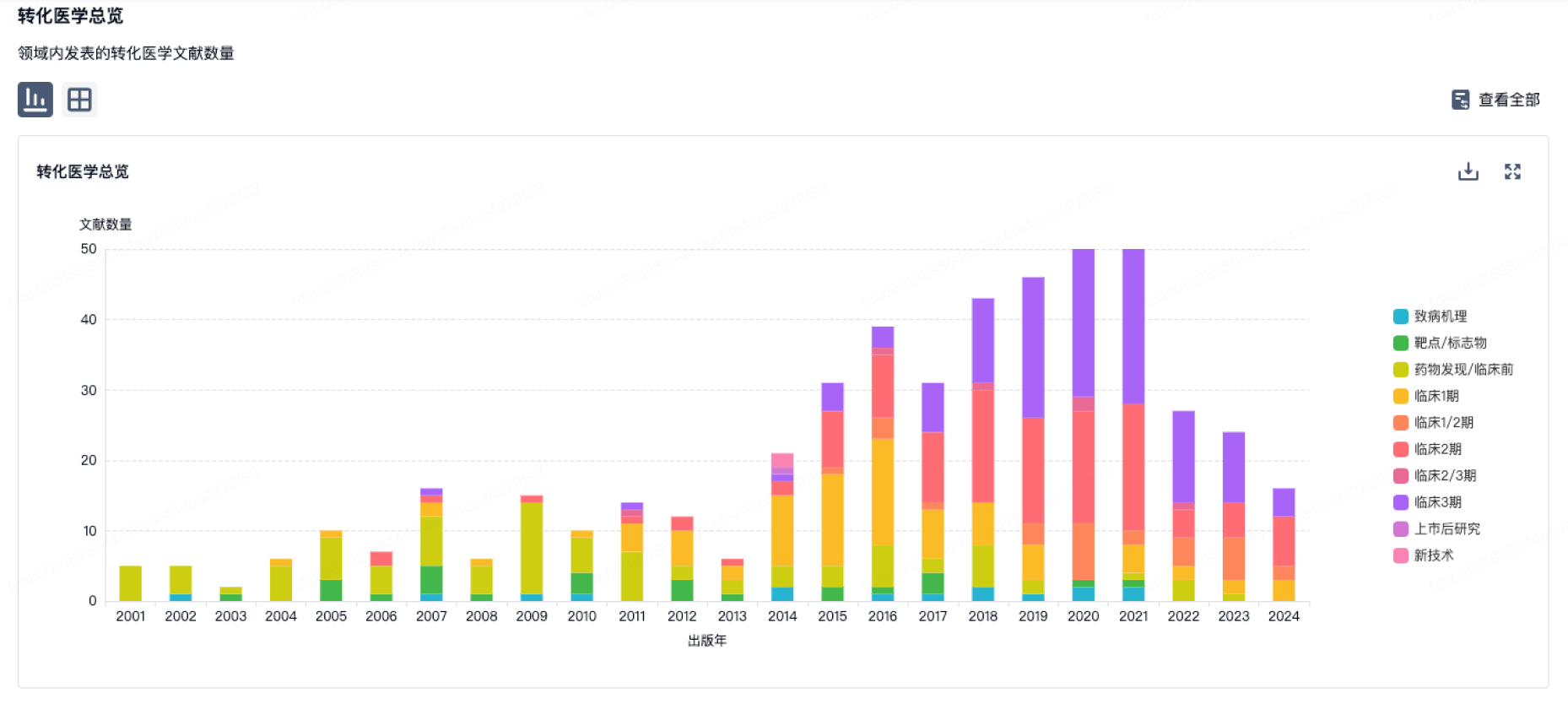
100 项与 济南大学 相关的转化医学
登录后查看更多信息
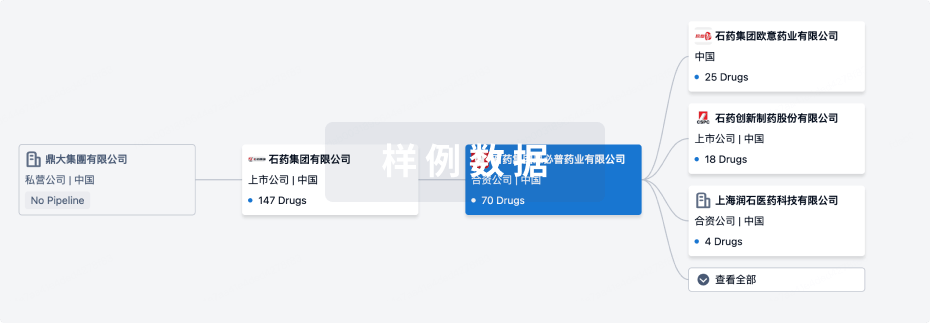
组织架构
使用我们的机构树数据加速您的研究。
登录
或
管线布局
2026年06月16日管线快照
管线布局中药物为当前组织机构及其子机构作为药物机构进行统计,早期临床1期并入临床1期,临床1/2期并入临床2期,临床2/3期并入临床3期
药物发现
5
11
临床前
其他
1
登录后查看更多信息
当前项目
登录后查看更多信息
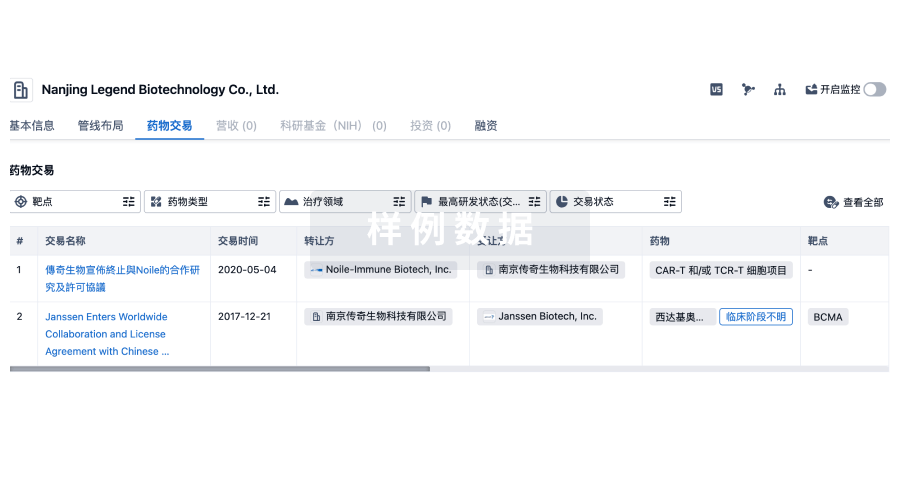
药物交易
使用我们的药物交易数据加速您的研究。
登录
或
转化医学
使用我们的转化医学数据加速您的研究。
登录
或
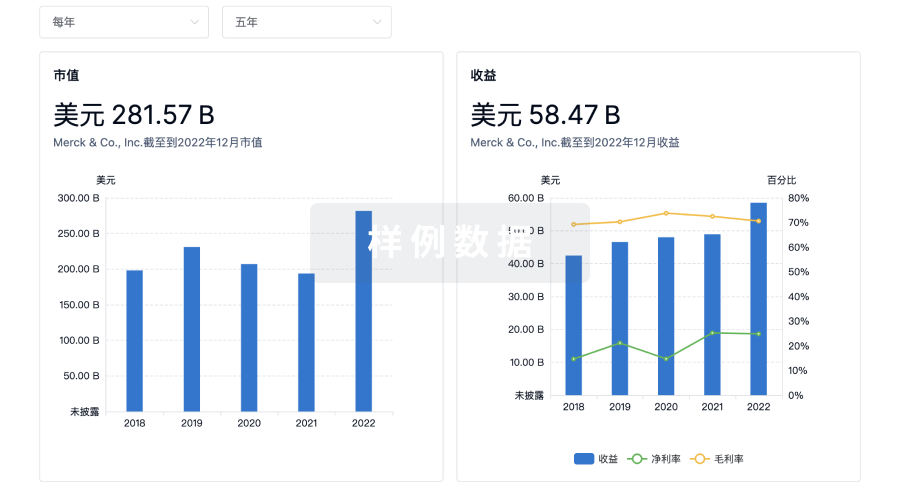
营收
使用 Synapse 探索超过 36 万个组织的财务状况。
登录
或
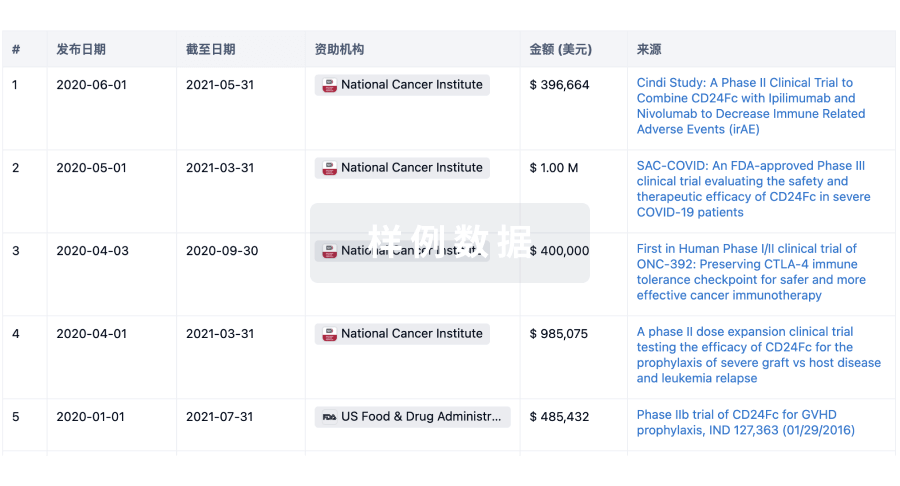
科研基金(NIH)
访问超过 200 万项资助和基金信息,以提升您的研究之旅。
登录
或
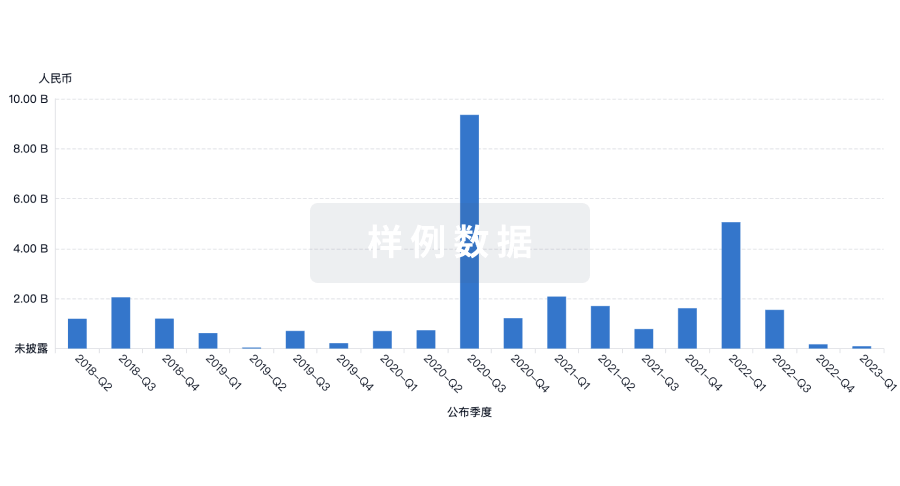
投资
深入了解从初创企业到成熟企业的最新公司投资动态。
登录
或
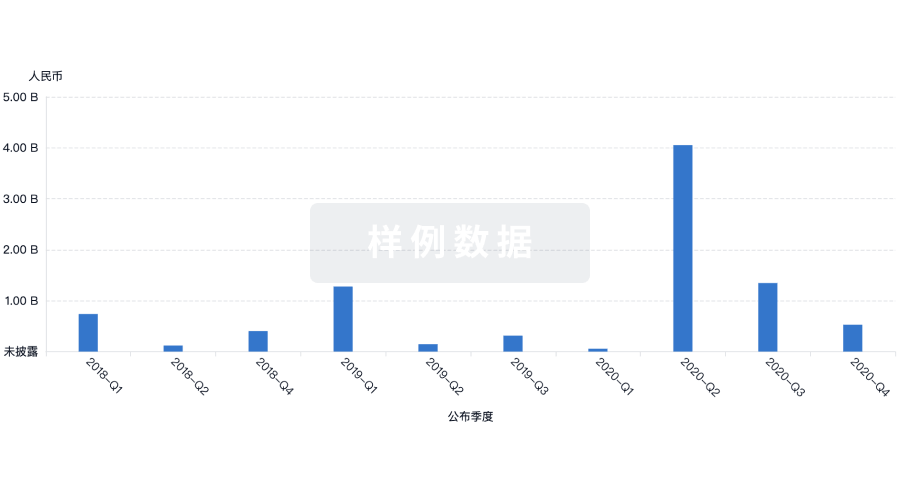
融资
发掘融资趋势以验证和推进您的投资机会。
登录
或
生物医药百科问答
全新生物医药AI Agent 覆盖科研全链路,让突破性发现快人一步
立即开始免费试用!
智慧芽新药情报库是智慧芽专为生命科学人士构建的基于AI的创新药情报平台,助您全方位提升您的研发与决策效率。
立即开始数据试用!
智慧芽新药库数据也通过智慧芽数据服务平台,以API或者数据包形式对外开放,助您更加充分利用智慧芽新药情报信息。
生物序列数据库
生物药研发创新
免费使用
化学结构数据库
小分子化药研发创新
免费使用