预约演示
更新于:2026-06-02

Politechnika Gdanska
更新于:2026-06-02
概览
标签
肿瘤
呼吸系统疾病
感染
小分子化药
疾病领域得分
一眼洞穿机构专注的疾病领域

技术平台
公司药物应用最多的技术
靶点
公司最常开发的靶点
关联
靶点 |
作用机制 |
在研机构 |
原研机构 |
在研适应症 |
非在研适应症 |
最高研发阶段 |
首次获批国家/地区 |
首次获批日期 |
靶点 |
作用机制 |
在研机构 |
原研机构 |
在研适应症 |
非在研适应症 |
最高研发阶段 |
首次获批国家/地区 |
首次获批日期 |

靶点 |
作用机制 |
在研机构 |
原研机构 |
在研适应症 |
非在研适应症 |
最高研发阶段 |
首次获批国家/地区 |
首次获批日期 |
NCT07345403
GENECARD - the Use of Genetic, Epigenetic, Metabolomic, Proteomic and Microbiotic Markers, Image and Voice Biomarker Analyses, and Pre- and Intraoperative Clinical Data - to Predict Early Complications After Cardiac Surgery.

100 项与 Politechnika Gdanska 相关的临床结果
登录后查看更多信息
登录后查看更多信息
2026-12-01Molecular & general genetics : MGG
Genomic and functional landscape of antimicrobial peptides and lipopeptides from ginger honey-derived Bacillus subtilis
Article
作者: Szweda, Piotr ; Hafeez, Ahmer Bin
2026-09-01JOURNAL OF PHARMACEUTICAL AND BIOMEDICAL ANALYSIS
Systemic defense against oxidative stress – The role of iron imbalance revealed by multiomics mechanisms leading to urosepsis
Article
作者: Gawrycka, Pola ; Jewstafiew, Mateusz ; Bronk, Marek ; Siemiński, Mariusz ; Biesemans, Margot ; Szypenbejl, Jacek ; Waszczuk-Jankowska, Małgorzata ; Raczak-Gutknecht, Joanna ; Wityk, Paweł ; Brzezińska, Wiktoria ; Krawczyk, Beata ; Sokołowska, Ewa ; Markuszewski, Michał J
Urinary Tract Infections (UTIs) and urosepsis represent significant challenges in clinical medicine, necessitating a deeper understanding of the molecular intricacies underlying these conditions. In this study, we employed a multi-omics approach to elucidate the molecular landscape associated with UTIs and urosepsis, with a specific focus on ferroptosis and oxidative stress. Through integrative analysis of metabolomic, proteomic, and genetic data, we identified potential bacterial and human biomarkers linked to iron sequestration, oxidative damage, and dysregulated pathways associated with the progression and severity of UTIs and urosepsis. Elevated levels of glutathione, iron-handling proteins, and pro-inflammatory cytokines: Interleukin-6, Interleukin-8 suggest a mechanistic link between oxidative stress and ferroptosis in urosepsis. Importantly, our study highlights the role of oxidative damage in exacerbating tissue injury and systemic dysfunction during the progression of sepsis. We also identified 5,6-Dihydroxyindole-2-carboxylic acid as a novel biomarker for urosepsis, indicating that oxidative stress and iron metabolism dysregulation may extend beyond standard organs to influence broader systemic responses. This metabolite may serve as an early indicator for detecting and differenting of urosepsis from uncomplicated UTIs, providing a valuable tool to improve diagnostic precision and patient outcomes.
2026-08-01JOURNAL OF PHARMACEUTICAL AND BIOMEDICAL ANALYSIS
Untargeted LC-MS-based metabolic fingerprinting of Escherichia coli-associated urinary tract infections and urosepsis: Insights into the urine, serum, and bacterial interactomes
Article
作者: Raczak-Gutknecht, Joanna ; Brzezińska, Wiktoria ; Wityk, Paweł ; Krawczyk, Beata ; Biesemans, Margot ; Markuszewski, Michał J
Urinary tract infections (UTIs) and urosepsis necessitate a deeper understanding of host-pathogen interactions at the metabolic level. We use LC-MS and GC-MS techniques to characterize metabolic pathway alterations in patients and Escherichia coli isolates during UTI and urosepsis. Our findings reveal substantial metabolic adaptations in the human host, including increased porphyrin metabolism, suggesting oxidative stress response or tissue damage. Activation of the pentose phosphate pathway (PPP) and tricarboxylic acid cycle (TCA) highlights the host's heightened immune and energy demands during infection. Additionally, enhanced malate-aspartate shuttle activity suggests a greater reliance on glycolysis for energy production, while increased pyruvaldehyde degradation indicates active detoxification of harmful metabolic byproducts. In E. coli, distinct metabolic shifts depended on the extracellular/intracellular niche and infection stage. Intracellular metabolites of E. coli during urosepsis exhibited upregulated purine and biotin metabolism, reflecting a focus on replication and essential metabolic functions. Conversely, intracellular metabolites of E. coli during UTI displayed increased aspartate metabolism, TCA cycle activity, Warburg effect, fatty acid biosynthesis, and glycine/serine metabolism, indicative of urinary tract adaptation. Extracellular metabolites of E. coli during urosepsis exhibited a broad activation of sugar metabolism, highlighting its ability to exploit diverse nutrient sources in systemic infection. In contrast, extracellular metabolites of E. coli during UTI demonstrated specific metabolic changes, including propanoate metabolism activation and homocysteine dysregulation, reflecting unique urinary tract conditions. These findings provide insights into the metabolic pathways employed by host and pathogen during UTI and urosepsis, uncovering potential metabolic vulnerabilities in E. coli.
100 项与 Politechnika Gdanska 相关的药物交易
登录后查看更多信息
100 项与 Politechnika Gdanska 相关的转化医学
登录后查看更多信息
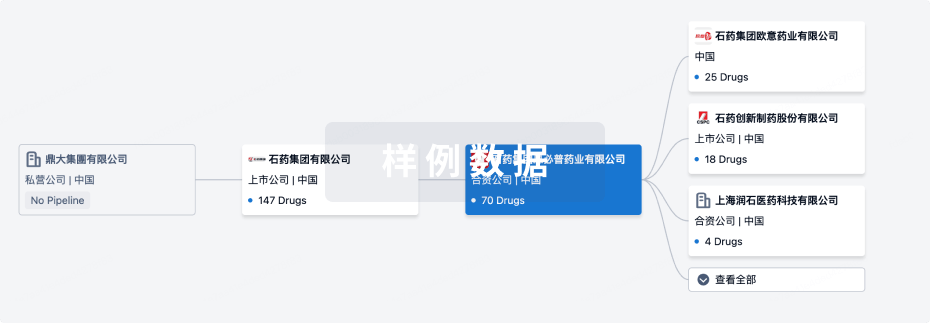
组织架构
使用我们的机构树数据加速您的研究。
登录
或
管线布局
2026年09月27日管线快照
管线布局中药物为当前组织机构及其子机构作为药物机构进行统计,早期临床1期并入临床1期,临床1/2期并入临床2期,临床2/3期并入临床3期
药物发现
1
5
临床前
其他
1
登录后查看更多信息
当前项目
登录后查看更多信息
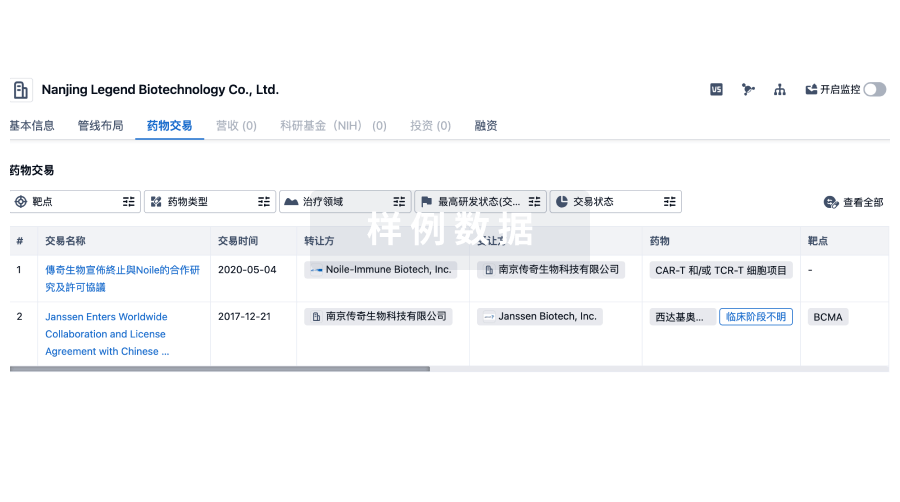
药物交易
使用我们的药物交易数据加速您的研究。
登录
或
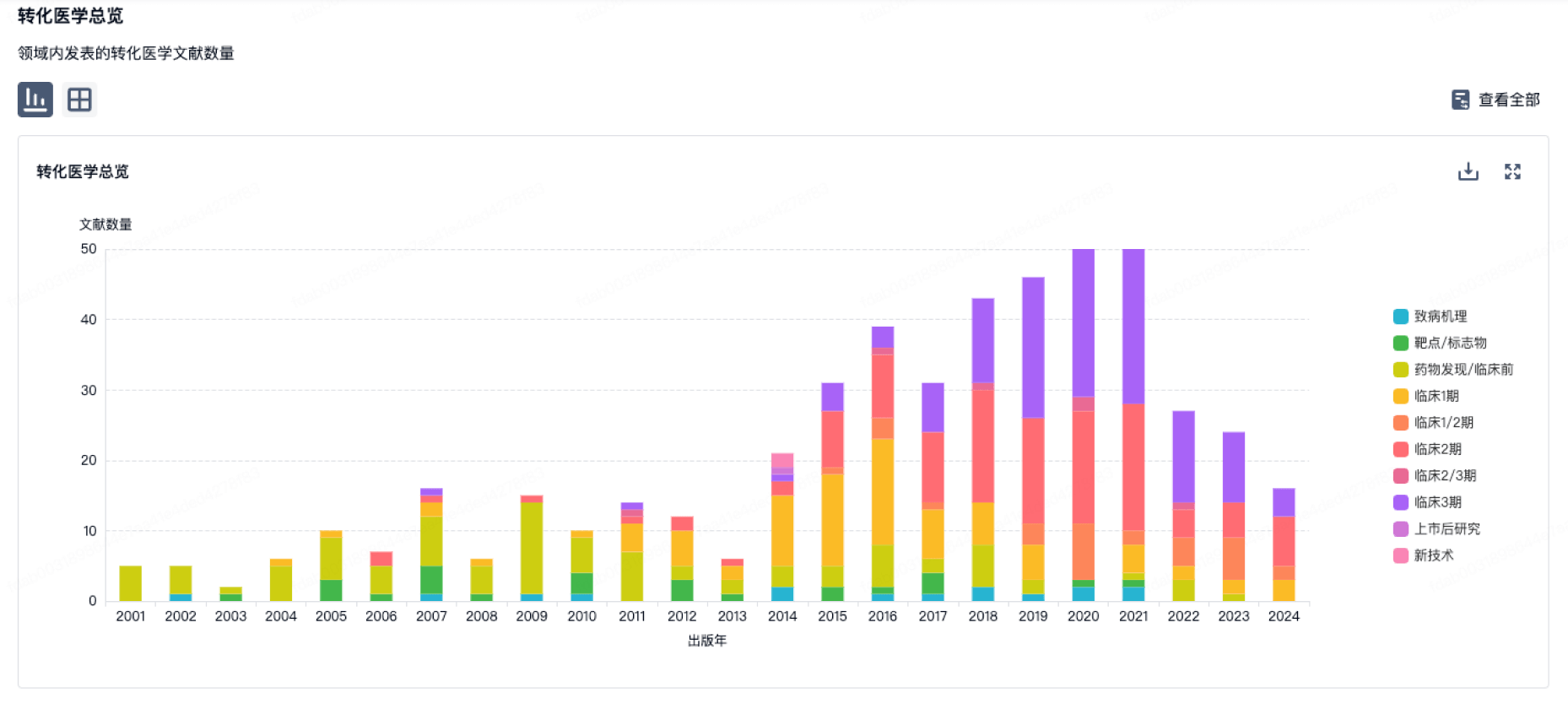
转化医学
使用我们的转化医学数据加速您的研究。
登录
或
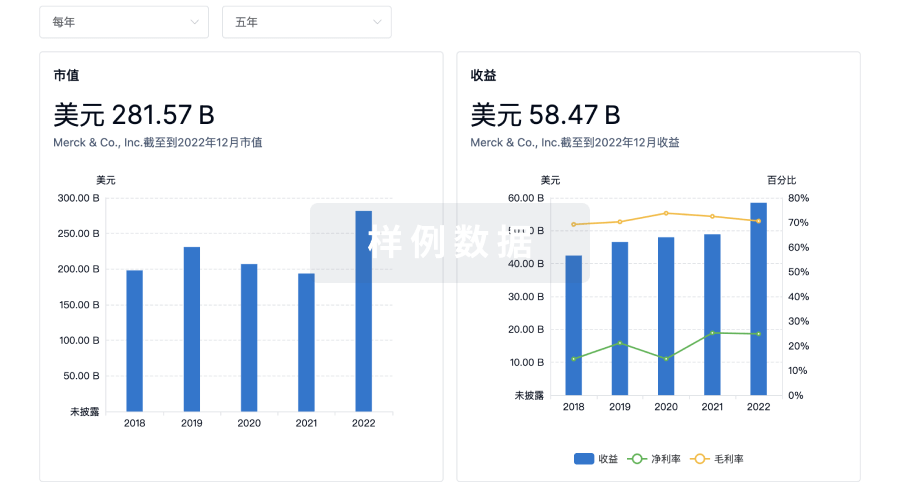
营收
使用 Synapse 探索超过 36 万个组织的财务状况。
登录
或
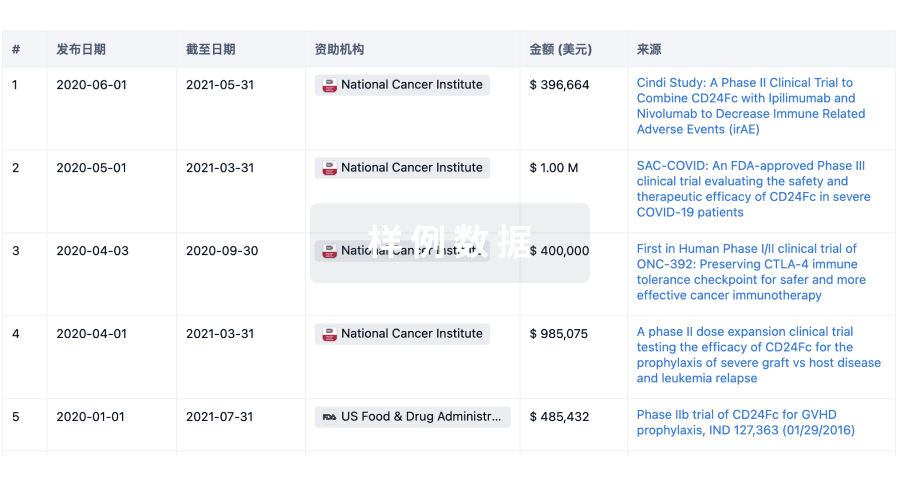
科研基金(NIH)
访问超过 200 万项资助和基金信息,以提升您的研究之旅。
登录
或
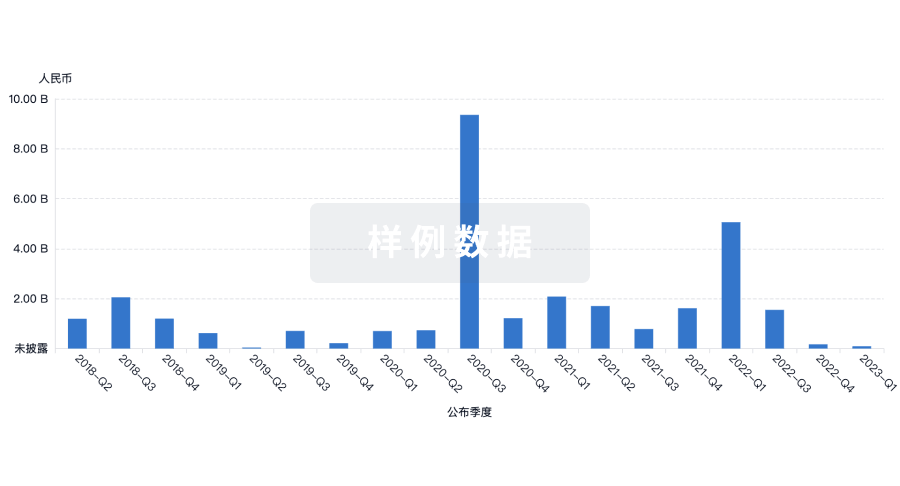
投资
深入了解从初创企业到成熟企业的最新公司投资动态。
登录
或
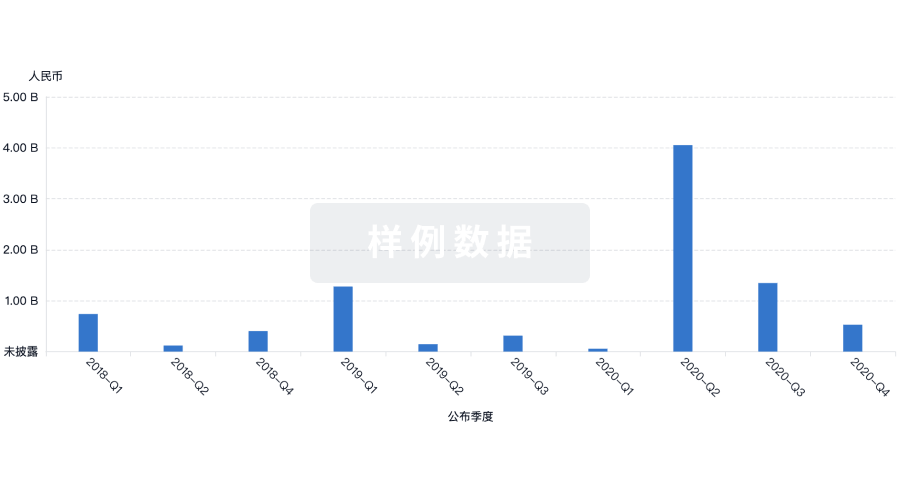
融资
发掘融资趋势以验证和推进您的投资机会。
登录
或
提出任何生物医药研究问题
让每一步生物医药决策都精准制胜
基于十亿级生物数据与全球情报的精准 AI,赋能早期药物发现
立即开始免费试用!
智慧芽新药情报库是智慧芽专为生命科学人士构建的基于AI的创新药情报平台,助您全方位提升您的研发与决策效率。
立即接入生物医药数据包
智慧芽新药库数据也通过智慧芽开放平台,以MCP或API服务形式对外开放。立即使用我们的MCP服务定制您的LLM智能体。
生物序列数据库
生物药研发创新
免费使用
化学结构数据库
小分子化药研发创新
免费使用