预约演示
更新于:2026-08-09
Anagram Therapeutics, Inc.
更新于:2026-08-09
概览
标签
消化系统疾病
内分泌与代谢疾病
酶
疾病领域得分
一眼洞穿机构专注的疾病领域

暂无数据
技术平台
公司药物应用最多的技术
暂无数据
靶点
公司最常开发的靶点
暂无数据
| 疾病领域 | 数量 |
|---|---|
| 内分泌与代谢疾病 | 4 |
| 排名前五的药物类型 | 数量 |
|---|---|
| 酶 | 4 |
| 排名前五的靶点 | 数量 |
|---|---|
| Lipase x Peptidases x amylase | 1 |
关联
4
项与 Anagram Therapeutics, Inc. 相关的药物作用机制 脂肪酶刺激剂 [+2] |
非在研适应症- |
最高研发阶段临床2期 |
首次获批国家/地区- |
首次获批日期- |
靶点- |
作用机制- |
在研适应症 |
非在研适应症- |
最高研发阶段临床前 |
首次获批国家/地区- |
首次获批日期- |
靶点- |
作用机制- |
在研适应症 |
非在研适应症- |
最高研发阶段药物发现 |
首次获批国家/地区- |
首次获批日期- |
2
项与 Anagram Therapeutics, Inc. 相关的临床试验NCT06052293
A Phase 1 Open-Label, Multicenter Study to Assess the Safety and Efficacy of ANG003 in Patients With Exocrine Pancreatic Insufficiency Due to Cystic Fibrosis
Randomized, parallel, active-treatment Phase 1 study of a single dose of orally administered ANG003 with a test meal in adult subjects with cystic fibrosis-related exocrine pancreatic insufficiency. The study's overall objectives are to evaluate the safety, tolerability and effect of four dose levels of ANG003.
开始日期2023-08-25 |
申办/合作机构 |
NCT03309358
A Multiple-Site, Randomized, Double-Blind, Placebo-Controlled, Single Ascending Dose (SAD) Study to Assess the Safety and Tolerability of Inhaled SNSP113 in Healthy Male Subjects (Part A) and Subjects With Stable Cystic Fibrosis (Part B)
Although Cystic Fibrosis is a complex genetic disease affecting many organs, lung disease is the primary cause of mortality. The objective of this study is to determine the safety and tolerability of SNSP113 in healthy subjects and subjects with stable cystic fibrosis.
开始日期2017-09-28 |
申办/合作机构 |
100 项与 Anagram Therapeutics, Inc. 相关的临床结果
登录后查看更多信息
0 项与 Anagram Therapeutics, Inc. 相关的专利(医药)
登录后查看更多信息
4
项与 Anagram Therapeutics, Inc. 相关的文献(医药)Scientific Reports
Algorithm and ninhydrin method allow for measurement of the postprandial appearance of peptides in blood
Article
作者: Szczesny, Wiesław ; Woliński, Jarosław ; Donaldson, Janine ; Szkopek, Dominika ; Galloto, Robert ; Pierzynowska, Kateryna ; Zaworski, Kamil ; Pierzynowski, Stefan G ; Wychowański, Piotr
Abstract:
The recognition of amine groups by ninhydrin, along with a simple mathematical algorithm, showed that di- and tripeptides derived from dietary protein are the major end products of protein digestion entering the blood postprandially. There are thousands of oligopeptides appearing in the gut during protein digestion. However, the presented study on a pig model clearly shows that peptides longer than tri-amino acid peptides do not appear postprandially in the blood in nutritional amounts. We hypothesize that the measurement of postprandial free amino acids, di- and tripeptides and proportions between these components could be a useful, desirable tool both in laboratory and clinical practice, which could be used to determine the metabolic importance of protein digestion end products in health and disease.
World journal of diabetes
Hypothesis that alpha-amylase evokes regulatory mechanisms originating in the pancreas, gut and circulation, which govern glucose/insulin homeostasis
Review
作者: Stier, Christine ; Pierzynowska, Kateryna ; Pierzynowski, Stefan G
Diabetes and associated complications represent major global public health issues which are associated with impaired quality of life and premature death. Although some diabetic complications have decreased in the developed world, the majority are still prevalent, with an increasing trend in the developing world. Currently used therapies are mainly ‘glucocentric’, focusing on the optimization of glycemic control to prevent, delay or manage diabetes-associated complications- other common comorbidities, such as dyslipidemia and hypertension are often underestimated. Although a number of novel therapeutic approaches have been reported recently, some of them have not received comparable attention in relation to either further studies or potential clinical implementation. This editorial briefly discusses some recent therapeutic approaches to the prevention and management of diabetes and its associated complications, as well as potential directions for future research and development in this area.
Biomolecules
Dependency of Glucose Homeostasis on Pancreatic Enzymes with Special Reference to Amylase; Study on Healthy and Exocrine Pancreatic Insufficient Pigs
Article
作者: Jacek, Tomasz ; Gallotto, Robert ; Donaldson, Janine ; Pierzynowski, Stefan G. ; Szkopek, Dominika ; Zaworski, Kamil ; Pierzynowska, Kateryna ; Woliński, Jarosław ; Wychowański, Piotr
We aimed to highlight the roles of the pancreatic enzymes, with special reference to amylase, on glucose homeostasis in healthy pigs and in pigs with exocrine pancreatic insufficiency (EPI). Healthy pigs fed a high-fat diet (HFD) were subjected to mixed meal tolerance tests (MMTTs) and pancreatic enzyme treatments, and then blood glucose and insulin concentrations were determined. Following the development of surgically induced EPI, the same experiment was then repeated on the pigs. A significantly lower net postprandial glycemic response was observed in pigs with EPI compared to healthy pigs. Net postprandial glycemic response was not affected by enzyme supplementation during the MMTTs in healthy pigs, but it was affected by adaptation to macronutrient components of the MMTT test meal, both in healthy and EPI pigs. Net postprandial glycemic response and insulin release curves reached higher levels in Creon-treated EPI pigs compared to amylase-treated EPI pigs. In summary, glucose homeostasis mechanisms in EPI pigs were downregulated compared to healthy animals. Creon supplementation during EPI significantly increased postprandial glucose level, while amylase treatment had the opposite effect, which could be explained by its metabolic actions.
11
项与 Anagram Therapeutics, Inc. 相关的新闻(医药)2026-05-08
Blackstone makes $250M bet on digestive enzyme therapyFDA rebukes Alnylam for Amvuttra marketingUK scientists push hantavirus vaccine toward clinicBlackstone makes $250M bet on digestive enzyme therapyBlackstone Life Sciences is investing $250 million to help Anagram Therapeutics advance an experimental oral enzyme replacement therapy for people with exocrine pancreatic insufficiency (EPI) due to cystic fibrosis (CF).Current pancreatic enzyme replacement therapies are derived from pig pancreas glands and can require patients to take as many as 40 pills a day. Anagram says its lead candidate, ANG003, could lower that burden to a single tablet while also becoming the first non-porcine therapy in the category."The large unmet need in EPI is clear as gastrointestinal (GI) symptoms and global supply issues for existing porcine derived products continue to be a real problem," said Kiran Reddy, senior managing director at Blackstone. Anagram's recombinant enzyme therapy was engineered to remain stable and immediately active in the GI tract to improve digestion and nutrient absorption. It contains lipase for fat malabsorption, protease for protein malabsorption, and amylase for carbohydrate malabsorption.The investment builds on more than $30 million in prior backing from the Cystic Fibrosis Foundation, and comes as Anagram prepares to launch an international Phase II trial of the therapy after presenting positive data from an earlier clinical study.FDA rebukes Alnylam for Amvuttra marketingThe FDA has accused Alnylam Pharmaceuticals of making misleading promotional claims about the survival benefit of its ATTR amyloidosis drug Amvuttra (vutrisiran). Initially approved for transthyretin amyloidosis with polyneuropathy in 2022, the gene-silencing treatment saw its label expanded in the US last year to include the cardiomyopathy form of the disease (ATTR-CM).However, in a recent letter to Jennifer Backo, Alnylam's senior director of regulatory affairs, the FDA challenged statements on the company's consumer website that claim the therapy was "proven to help people with ATTR-CM live longer." According to the agency, claims on the site created a "misleading impression" that Amvuttra demonstrated a "definitive and quantified benefit, with specific established levels of efficacy, on mortality over 3.5 years, when this is not the case."The FDA said the claims relied on data from the open-label, extension portion of the three-year Phase III HELIOS-B study, after placebo patients had already crossed over to receive Amvuttra. Because no true placebo comparator group remained during the six-month extension period, regulators argued the study design could not support "conclusory representations" about the impact of Amvuttra on all-cause mortality over 3.5 years.The agency asked that Alnylam immediately cease or revise promotional materials containing similar representations and submit a written response within 15 working days. Amvuttra has rapidly become a major growth driver for Alnylam, generating first-quarter sales of $890 million.UK scientists push hantavirus vaccine toward clinicA new vaccine against hantavirus is under development at the University of Bath as global health officials respond to a suspected outbreak on a cruise ship that has led to the deaths of several passengers. There is currently no vaccine against the virus, which originates and is transmitted by rodents. The vaccine candidate has shown "excellent immune response" in the lab and in animal models, according to researcher Asel Sartbaeva, a co-founder of university spinout company Ensilitech. The team expects to proceed to Phase I testing in the near future, according to a report in the Wiltshire Times.The vaccine uses a combination of mRNA technology and a proprietary stabilisation method known as Ensilication developed by Sartbaeva. The approach encases proteins in protective silica structures, designed to keep them stable at ambient temperatures and reduce reliance on cold-chain refrigeration.
疫苗上市批准临床结果临床2期临床3期
2026-05-08
在生物医药投资领域,有一句古老的谚语:“资本总是流向希望,而非痛苦。”然而,当全球最大的私募股权巨头黑石(Blackstone)押注时,它寻找的往往是那些被主流忽视、深藏在临床数据背后的巨大“痛苦”,并将其转化为具有垄断潜力的商业叙事。
2026年5月,黑石生命科学(Blackstone Life Sciences)投下了其迄今为止最具象的一枚棋子:斥资2.5亿美元独家投资临床阶段生物技术公司Anagram Therapeutics。这不仅是一笔巨额支票,更是一次关于“减法”哲学的精准狙击。
然而,这笔交易的价值远不止于其金额本身。它是一扇窗口,透过它我们可以窥见:全球最大的另类资产管理公司如何重塑生物技术投资的游戏规则;私募资本如何从“晚期接盘侠”蜕变为“创新共谋者”;以及在一个充满不确定性的时代,什么样的科学逻辑能够穿越周期。Anagram Therapeutics:一家“把40颗药丸变成1颗”的公司公司概况与使命
Anagram Therapeutics是一家总部位于马萨诸塞州弗雷明汉的临床阶段生物制药公司,成立于2017年。公司的核心使命是开发创新的口服酶疗法,用于治疗由吸收不良综合征和营养代谢紊乱引起的严重疾病——这些疾病使人体无法正常处理或吸收某些脂肪、糖类、蛋白质、维生素或其他关键营养素。
公司名称“Anagram”(字面意为“变位词”)本身蕴含着深刻的战略哲学:正如字母的重新排列可以创造出全新的词汇,Anagram致力于重新排列和重新构想口服酶的设计,以创造出能够从根本上改变现有治疗范式的突破性疗法。核心产品线:ANG003
Anagram的领先候选药物ANG003是一种新型广谱口服酶替代疗法,用于治疗胰腺外分泌功能不全(EPI)。EPI是一种身体无法产生足够消化酶来分解食物和吸收营养的疾病,可导致营养不良、脂肪酸异常、严重的胃肠道症状以及预期寿命缩短。
在当前的标准治疗(Standard of Care)下,患有囊性纤维化(CF)并伴随EPI的患者,每天需要服用多达40颗药丸。这些药物主要是从猪胰腺提取的酶替代疗法(PERT)。这不仅构成沉重的生理负担——患者的每一次进食都被精确到每一餐、每一次零食的药丸计数所绑架;更存在供应链风险——猪源产品长期面临供应短缺、批次差异和质量波动问题,且在特定宗教文化群体中存在接受度限制。
ANG003的目标,正是将这一负担从每日40颗药丸压缩至每餐仅需1片。
该药物通过重组DNA技术,利用细胞工厂生产精准生物酶,具有更高的比活性、更稳定的质量和更可预测的药代动力学特征。2025年,ANG003已在美国约20个囊性纤维化护理中心启动了针对囊性纤维化相关EPI患者的Phase 1临床试验,第一批受试者已完成给药。临床前研究表明,ANG003可能以剂量依赖的方式改善有益脂肪和其他关键宏量营养素的吸收。多元化的产品管线
除ANG003外,Anagram还布局了多条针对先天性吸收不良综合征、碳水化合物代谢异常等适应症的在研管线(ANG011、ANG021、ANG031),构建了一个深度覆盖胃肠道疾病的产品矩阵。这种“核心资产+纵深布局”的结构,为未来的并购退出提供了多元化的价值锚点。黑石生命科学:从“门外汉”到“规则制定者”
在理解Anagram交易的全部意义之前,有必要将视角拉升至一个更高的维度:黑石生命科学(Blackstone Life Sciences, BXLS)究竟是如何在短短数年内,从一家以房地产和并购起家的私募巨头,蜕变为全球生物制药领域最具话语权的非传统力量的?起源:一次“恍然大悟”的董事会
这一故事的起点颇具戏剧性。2016年,黑石集团董事长兼CEO苏世民(Stephen Schwarzman)加入纽约长老会医院董事会。在他作为新董事的VIP参观日期间,两位研究人员向他介绍了医院在医学突破领域的最新进展。苏世民被这些突破的健康效益所震撼,但作为一个天生的交易家,他的第二反应更为直接:“这可以是一个非常有利可图的生意,黑石应该想办法成为主要玩家。”
这一顿悟催生了黑石历史上一次重要的战略转型。然而,黑石的执行层并未急于出手。时任黑石私募股权业务负责人的Joseph Baratta花费了整整一年时间进行战略推演:是自建生命科学团队,还是收购一家成熟公司?
答案是后者。2018年,黑石收购了一家名为Clarus的小型投资公司——这家公司专注于为晚期临床资产(Phase 3)提供融资,拥有一支由医生和博士组成的专业团队,且已展现出可验证的业绩记录。苏世民素以成本控制著称,因此收购一个“已被验证”的团队远比从零搭建更为高效。收购完成后,Clarus创始人Nicholas Galakatos出任黑石生命科学全球负责人,一个全新的行业巨擘由此诞生。投资的“圣杯”:86%的Phase 3获批率
黑石生命科学拥有一项令同行艳羡的数据:其所支持的项目Phase 3审批通过率高达86%,而行业平均水平仅为48%-53%。这意味着当其他投资者还在晚期临床阶段“抛硬币”时,黑石已经能够以接近确定性的方式预测其资产的监管命运。
这一数据的魔力在于复利效应:如果黑石投资10个药物,接近9个能够成功上市并产生持续现金流。在金融世界里,这种确定性允许黑石动用巨大的杠杆和资金体量——单笔投资可达数亿乃至十亿美元以上——而无需承担传统风险投资所面临的高波动性。那些载入史册的交易
黑石为何能够在2025年关闭其最新生命科学基金时,募资额高达63亿美元——这是有史以来规模最大的私募生命科学基金,较其2020年的46亿美元前身基金增长近40%?因为其有限合伙人(LP)已经看到了真金白银的证据。
其一,Alnylam与Leqvio:开创性的“特许权使用费”模式。
Alnylam研发的降胆固醇药物Leqvio(每年仅需注射两次)拥有巨大潜力,但完成Phase 3试验需耗资约20亿美元。如果Alnylam自行融资,将严重稀释股东权益。黑石的解决方案是以10亿美元买断Alnylam未来从诺华获得的Leqvio销售的一半特许权使用费。在这笔交易中,黑石无需管理实验室或承担研发风险,只需等待药品上市后的销售分成。Leqvio正朝着数十亿美元的峰值年销售额迈进。
其二,Anthos Therapeutics:“所有权战略”的教科书级案例。
诺华曾拥有一款预防中风的Factor XI抑制剂(abelacimab)资产,但因战略优先级调整而准备搁置。黑石主导将其从诺华分拆出来,成立独立的Anthos Therapeutics,投入资金推进Phase 3临床试验。经过数年的培育与价值创造,诺华于2025年以31亿美元的价格将Anthos重新收购。黑石在其中扮演了“资产修复者”和“价值加速器”的角色,以“建造-出售”模式实现了数倍回报。
其三,近期大动作(2024-2026年)。
手握重金且模式成熟的黑石在近期动作频频,进一步验证了其“扫货”晚期资产的决心:
默克(Merck):投入7亿美元换取癌症ADC药物Sacituzumab tirumotecan的未来分成。
Moderna:投入7.5亿美元助力mRNA流感疫苗的开发推进。
Teva:投入4亿美元开发自免疫新药Duvakitug。
强生(J&J):共同投资4亿美元推进白血病药物Bleximenib。黑石的核心策略:不投“公司”,只投“药方”
与传统风险投资相比,黑石生命科学的策略在行业中可谓标新立异。其核心可以概括为:绕过公司估值的泡沫,直接投资单个药物的“最后一公里”。
维度
黑石生命科学策略
传统VC策略投资标的
特定晚期临床资产(Phase 3为主)
公司股权决策核心
分子机制、监管路径、市场规模
团队、赛道、叙事回报来源
里程碑付款 + 未来销售分成
股权增值与退出风险控制
深度科学尽调 + 运营赋能
投资组合分散洞察一:填补“资本缺口”的桥梁角色
黑石生命科学高管Paris Panayiotopoulos曾指出,大型制药企业历史上将约16%的收入投入研发,但面对越来越昂贵的Phase 3试验(动辄数十亿美元),这一比例已经捉襟见肘。行业评估数据显示,每年的研发资本供需缺口高达1700亿美元。
黑石的角色并非取代药企,而是作为“杠杆”或“桥梁”——利用外部资本补足药企的预算缺口,同时换取重磅炸弹药物的未来分成。这种模式对双方都具有高度吸引力:药企获得非稀释性资金,黑石获得可预测的现金流锚点。洞察二:可怕的“非对称”人才结构
黑石不仅仅是一群金融家。BXLS团队中包含20多位拥有医学博士或博士学位的医疗专家。苏世民曾担心要花费巨资自建团队,但收购Clarus的妙处在于,他获得了一群“前药企研发负责人”——这些人读得懂临床数据,审得通过监管文件,看得透科学假说。
当黑石评估Anagram的ANG003时,它不是在进行一场关于生物学命运的赌博,而是在经过系统性的科学尽调之后,计算“重组蛋白酶对胰酶的替代效率”的商业可行性。这种“金融资本+科学智慧”的双重结构,构成了黑石在生物技术投资领域最深的护城河。洞察三:所有权资本主义
黑石此次对Anagram的投资,并非简单的少数股权融资,而是其独特的“所有权战略”(Ownership Strategy)的体现。Nicholas Galakatos明确指出,这是该战略的典型案例。
在过去,大型机构往往满足于通过购买上市公司股票或获取销售特许权来分享收益。但黑石此次通过2.5亿美元的独家投资,深度绑定Anagram的未来——不仅提供资金,更带来庞大的商业开发资源和监管专业能力。Anagram此前已获得囊性纤维化基金会(Cystic Fibrosis Foundation)超过3000万美元的资助,证明了其科学逻辑的可行性。黑石的任务,则是充当那个将“科学证真”转化为“商业垄断”的加速器。宏观趋势:顶级PE正在重塑生物科技投资格局
Anagram交易并非孤立事件,它折射出整个私募资本向生命科学领域结构性迁移的宏大趋势。趋势一:资金向头部PE集中,“巨无霸”基金时代的到来
尽管全球生物科技风险投资在2023-2025年间持续低迷——PitchBook数据显示2024年全球生命科学VC募资同比下降约15%——但顶级PE的募资势头反而逆势上扬。黑石63亿美元基金的关闭、KKR, EQT和Carlyle等同行在该领域的持续加注,共同构成了一个清晰信号:有限合伙人正在将资本集中到拥有成熟退出记录和结构化交易能力的大型管理机构手中。
“小而美”的风险投资模式在生物科技领域的失灵,源于一个简单的经济学事实:一个Phase 3试验可能消耗相当于一个传统VC基金全部体量的资金。只有拥有足够资产负债表的机构,才有资格参与这场游戏。趋势二:从“股权思维”到“资产思维”的范式迁移
区别于传统VC分散投资初创企业股权的做法,黑石生命科学的策略正引领一种新范式——直接资助单个晚期临床资产,回报来自里程碑付款和销售收入分成,从而规避早期公司整体的估值波动风险。
Galakatos将黑石的角色定义为一座 “桥梁”:“我们寻找那些已经显示出疗效信号、距离监管批准和市场仅一步之遥的资产。黑石的资本和经验就是那座桥梁。”这一策略的底气来自其86%的Phase 3审批通过率——一种在制药行业近乎奇迹的确定性。趋势三:资产稀缺与“更早期、更精准”的竞争
麦肯锡在2026年初的分析中指出,生命科学交易市场正在发生结构性转变:晚期可规模化资产的稀缺和迫在眉睫的专利悬崖(预计到2028年将吞噬近3000亿美元的制药收入)正迫使大型制药公司和PE机构向更早期阶段布局。2024年,大型药企超过一半的交易瞄准了Phase 1或更早期的资产。
这种“资产荒”使得像Anagram这样拥有差异化科学逻辑(重组酶替代传统猪源酶)和明确的临床需求(每日40粒到1粒的体验飞跃)的公司,成为资本追逐的稀缺标的。在资产稀缺的时代,率先识别并锁定优质资产的能力,本身就是一种核心竞争力。趋势四:技术驱动的价值创造——AI与重组技术的产业落地
2025年生命科学投资论坛的共识是:增长——而非简单的成本削减——是估值和退出的首要驱动因素。这意味着PE不再是单纯的金融操盘手。
对于Anagram,黑石看重的不仅是其在改良一个成熟机制上的能力,更是其利用重组DNA技术和蛋白质工程对一个百亿美元级成熟市场进行的“工业化重构”。这是一种“降维打击”思路——用更现代的科技手段改造传统的治疗基建。
与此同时,人工智能在药物发现中的应用已经不再是可有可无的非必需品,而是正在成为价值创造的基础设施。顶级投资机构越来越要求被投公司拥有经过验证的数据能力和AI赋能证据。这并不是一种时髦的叙事,而是一个现实的门槛:没有数据能力的生物技术公司,正在被排除在顶级PE的尽职调查框架之外。 退出逻辑与未来展望一条清晰的黄金路径
对于专业投资者而言,Anagram的退出路径异常清晰。
美国PERT市场目前规模约为每年20亿美元,长期由少数几家制药企业寡头垄断。鉴于ANG003在患者体验上的显著改善——从每日40粒到每餐1粒——一旦获得监管批准,它将极快地侵蚀现有市场份额。
更重要的是,当前大型制药公司在交易定价上变得更加理性——2025年的交易溢价较2020-2024年的高位下降了近40%。这意味着黑石能够以更合理的价格构建和培育资产。待ANG003完成后期临床开发后,那些在消化科和罕见病领域拥有战略布局的大型制药巨头,将成为这张优质资产的天然买家。
黑石此前在Anthos Therapeutics等交易中已经成功验证了这一“建造-培育-出售”模式。Anagram代表了这一模式的再一次精准复制——以独家重注锁定资产,以科学和商业双重能力进行价值创造,在资产价值达到峰值时寻求战略性退出。一个更深层的信号
然而,Anagram交易的意义超越了单个退出案例本身。
它向市场传递了一个更深层的信号:在生物技术的钟摆从“疯狂追新”摆回“价值回归”的时刻,最具备商业确定性的投资,不再是那些拥有光鲜CRISPR或基因编辑概念的明星公司,而是那些踏踏实实解决“吃饭问题”、切中临床刚需的传统赛道革新者。
Anagram用一颗药丸,不仅解放了患者的口袋,也为黑石打开了一个确定性极高的退出门。而在更宏观的层面,63亿美元基金的关闭、86%的Phase 3通过率、从“投公司”到“投资产”的范式迁移,以及从金融操盘手到科学赋能者的角色进化,共同勾勒出一个新纪元的轮廓。
私募股权已不再是生物技术的旁观者或晚期接盘侠。它已经成长为与大型制药巨头并驾齐驱的创新共谋者与价值缔造者
黑石与Anagram的交易提供了一种穿越周期的方法论:寻找那些被主流忽视但真实存在的临床痛苦,用现代科技手段对成熟治疗领域进行工业化重构,以资本和科学能力的双重杠杆放大价值,最终在资产价值最大化的时刻完成退出。
这是一种源自“常识”与“人性”的洞察。而在这个充满不确定性的时代,或许这正是唯一能够穿越周期的硬通货。
突破性疗法
2026-05-08
Today, a brief rundown of news involving the Food and Drug Administration and Biogen, as well as updates from Argenx and Blackstone Life Sciences and that you may have missed.Pierre Fabre Laboratories has aligned with the Food and Drug Administration on a path forward for a cell therapy called Ebvallo that the regulator has twice rejected. According to a Thursday release from Pierre Fabre, the agency agreed that data from a single arm study with an appropriate historical controlwould be sufficient for a resubmission of Ebvallo, which is being developed for a kind of post-organ transplant malignancy. Those results will come via new findings from an ongoing Phase 3 trial, with Pierre Fabre providing updated results with additional pateints and longer follow-up. Pierre Fabre's partner Atara Biotherapeutics has claimed that the FDA backtracked from an earlier position when it spurned Ebvallo in January one of several alleged regulatory U-turns that have sparked criticism of the agency.The FDA delayed by three months a decision to approve a more convenient starting dose of Biogen and Eisais Alzheimers drug Leqembi,the companies said Friday. The subcutaneous version of the drug, known as Leqembi Iqlik, is already cleared for use as a maintenance therapy following 18 months of intravenous infusions. The partners hoped to make Leqembi Iqlik available as an initial, weekly therapy, too. The FDA, though, has requested additional information that it deems a major amendment to the companies filing and needs more time to review that data. The agency hasnt raised any concerns to date about the drugs approvability, but a new decision date has been set for Aug. 24, the companies said.Argenx has named current Chief Operating Officer Karen Massey as its next CEO. In a Wednesday statement , the company said that Massey was confirmed as Argenxs leader at a shareholder meeting and will take over for co-founder and longtime CEO Tim Van Hauwermeiren, who's held the position since 2008 and helped grow Argenx into one of the biotech sector's most valuable companies. Massey has been serving as Argenx's COO since joining the company in 2023 and has played a central role in shaping [the companys] execution and long-term growth strategy, Van Hauwermeiren said in a statement.Van Hauwermeiren will chair Argenx's board going forward.Blackstone Life Sciences is investing $250 million in a privately-held company developing a treatment for people with a pancreatic condition often associated with cystic fibrosis. The investment in Anagram Therapeutics will help fund the development, approval and potential launch of ANG003, an experimental drug for exocrine pancreatic insufficiency, when the pancreas doesn't make enough digestive enzymes to break down food. ANG003 is an oral replacement therapy for those enzymes, and would provide an alternative to regimens that can involve up to 40 pills per day, Blackstone said Thursday. Anagram is preparing to start an international Phase 2 study. '
临床2期临床3期高管变更细胞疗法
100 项与 Anagram Therapeutics, Inc. 相关的药物交易
登录后查看更多信息
100 项与 Anagram Therapeutics, Inc. 相关的转化医学
登录后查看更多信息
组织架构
使用我们的机构树数据加速您的研究。
登录
或
管线布局
2026年10月10日管线快照
管线布局中药物为当前组织机构及其子机构作为药物机构进行统计,早期临床1期并入临床1期,临床1/2期并入临床2期,临床2/3期并入临床3期
药物发现
2
2
临床前
其他
3
登录后查看更多信息
药物交易
使用我们的药物交易数据加速您的研究。
登录
或
转化医学
使用我们的转化医学数据加速您的研究。
登录
或
营收
使用 Synapse 探索超过 36 万个组织的财务状况。
登录
或
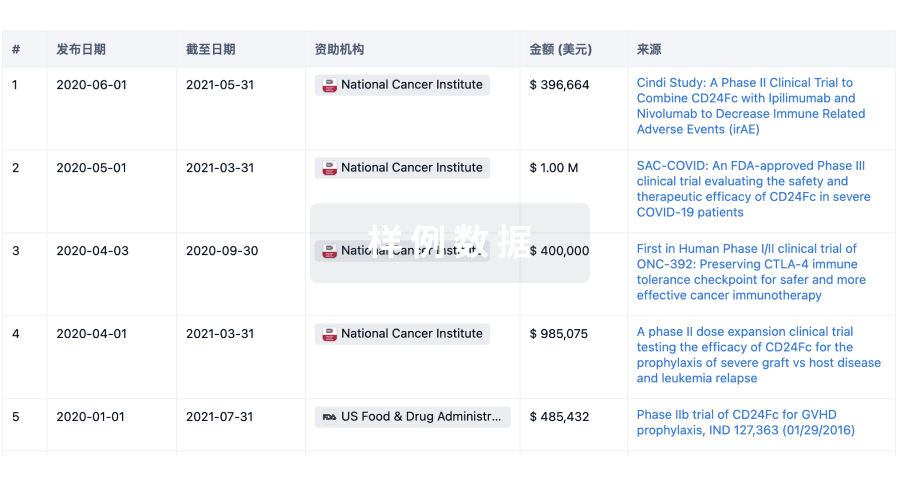
科研基金(NIH)
访问超过 200 万项资助和基金信息,以提升您的研究之旅。
登录
或
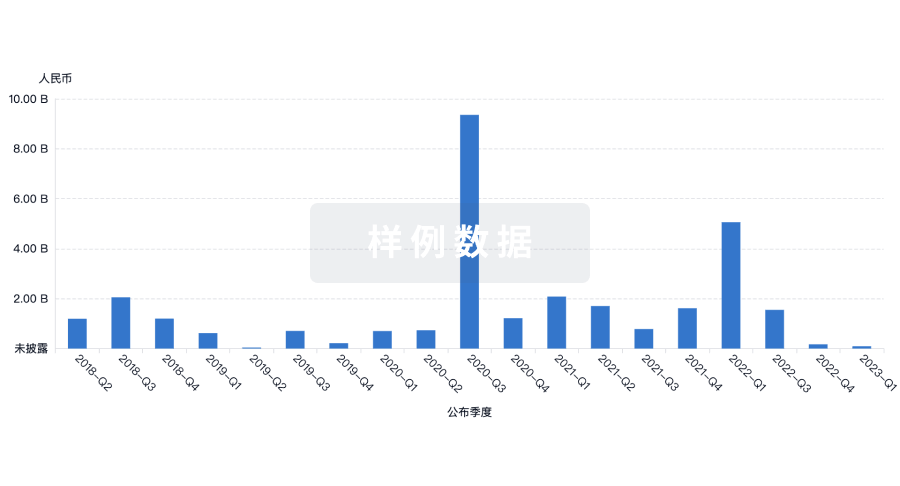
投资
深入了解从初创企业到成熟企业的最新公司投资动态。
登录
或
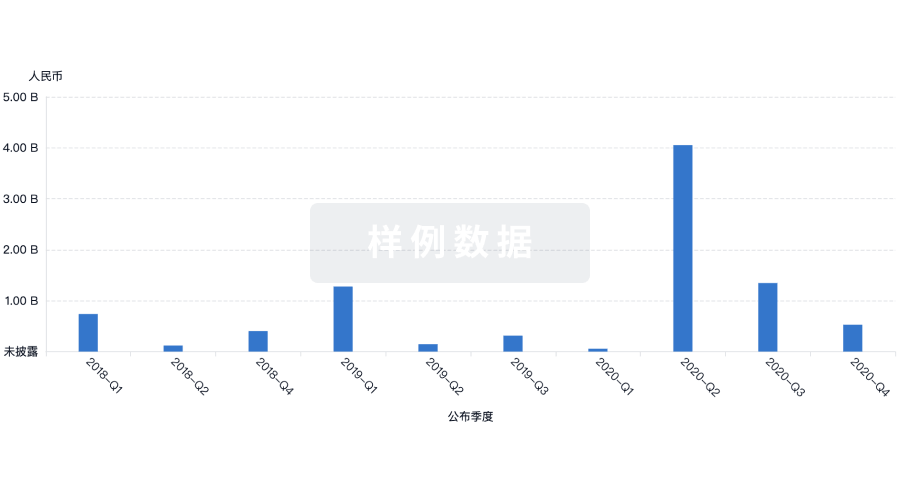
融资
发掘融资趋势以验证和推进您的投资机会。
登录
或
提出任何生物医药研究问题
让每一步生物医药决策都精准制胜
基于十亿级生物数据与全球情报的精准 AI,赋能早期药物发现
立即开始免费试用!
智慧芽新药情报库是智慧芽专为生命科学人士构建的基于AI的创新药情报平台,助您全方位提升您的研发与决策效率。
立即接入生物医药数据包
智慧芽新药库数据也通过智慧芽开放平台,以MCP或API服务形式对外开放。立即使用我们的MCP服务定制您的LLM智能体。
生物序列数据库
生物药研发创新
免费使用
化学结构数据库
小分子化药研发创新
免费使用