预约演示
更新于:2026-04-19

artience Co. Ltd.
更新于:2026-04-19
概览
标签
神经系统疾病
心血管疾病
其他疾病
小分子化药
疾病领域得分
一眼洞穿机构专注的疾病领域

技术平台
公司药物应用最多的技术
靶点
公司最常开发的靶点
关联
靶点 |
作用机制 |
在研机构 |
原研机构 |
在研适应症 |
非在研适应症 |
最高研发阶段 |
首次获批国家/地区 |
首次获批日期 |

100 项与 artience Co. Ltd. 相关的临床结果
登录后查看更多信息
登录后查看更多信息
2021-12-03Plant & cell physiology
Identification of the Genes Coding for Carthamin Synthase, Peroxidase Homologs that Catalyze the Final Enzymatic Step of Red Pigmentation in Safflower (Carthamus tinctorius L.)
Article
作者: Aoki, Yuichi ; Fujita, Naoki ; Takahashi, Seiji ; Nakayama, Toru ; Negishi, Takashi ; Terashita, Miho ; Fukuda, Keishi ; Kato, Mikiya ; Waki, Toshiyuki ; Uchida, Hiromi
ABSTRACT:
Carthamin, a dimeric quinochalcone that is sparingly soluble in water, is obtained from the yellow-orange corolla of fully blooming safflower (Carthamus tinctorius L.) florets. Carthamin is a natural red colorant, which has been used worldwide for more than 4500 years and is the major component of Japanese ‘beni’ used for dyeing textiles, in cosmetics and as a food colorant. The biosynthetic pathway of carthamin has long remained uncertain. Previously, carthamin was proposed to be derived from precarthamin (PC), a water-soluble quinochalcone, via a single enzymatic process. In this study, we identified the genes coding for the enzyme responsible for the formation of carthamin from PC, termed ‘carthamin synthase’ (CarS), using enzyme purification and transcriptome analysis. The CarS proteins were purified from the cream-colored corolla of safflower and identified as peroxidase homologs (CtPOD1, CtPOD2 and CtPOD3). The purified enzyme catalyzed the oxidative decarboxylation of PC to produce carthamin using O2, instead of H2O2, as an electron acceptor. In addition, CarS catalyzed the decomposition of carthamin. However, this enzymatic decomposition of carthamin could be circumvented by adsorption of the pigment to cellulose. These CtPOD isozymes were not only expressed in the corolla of the carthamin-producing orange safflower cultivars but were also abundantly expressed in tissues and organs that did not produce carthamin and PC. One CtPOD isozyme, CtPOD2, was localized in the extracellular space. Based on the results obtained, a model for the stable red pigmentation of safflower florets during flower senescence and the traditional ‘beni’ manufacturing process is proposed.
2020-06-20Journal of the Japan Society of Colour Material
Recent Trends in Printing and Printing Inks for Environment Conservation
作者: YABUNO, Michio ; SUGAWARA, Ryo
A review.There are many types of printed matter that we see on a daily basis.For example, newspapers, magazines, food/cosmetic packages, beverage cans, and the like.In recent years, as information technol. has spread, a very severe environment has developed where the demand for printed materials is decreasing due to the spread of electronic hardware such as smartphones and tablets.On the other hand, fields in which printing provides added value such as flexible packaging, packages, labels, etc. have remained strong, and printing still supports a rich commodity economy and plays an important role.In addition to conventional measures for safety and health, environmental protection and resource protection on a global scale have also become important environmental measures for printing inks.As environmental awareness increases around the World, sustainable development goals (hereafter referred to as "SDGs") have been set and environmentally friendly inks that meet various environmental guidelines have been developed to reduce environmental impact.We are convinced that printing inks that contain a high content derived from natural materials, such as rosin in rosin-modified phenolic resin and plant-derived fatty acids in fatty acid esters, in addition to vegetable oils, can greatly contribute to SDGs, and recently this fact has been re-recognized.Here, we will explain our approach to environmentally friendly inks and printed materials in response to changes in global environmental awareness.
2016-01-01Journal of the Japan Society of Colour Material
The Development and Value of the Offset Ink for Reducing Environmental Load-New Non-VOC sheet-fed ink-
作者: TOJO, Takashi
A review.Environmental issues of the offset-ink, the color material which makes our lives and cultures richer, have been discussed.In addition to health and safety, environmental and resource preservation have recently become important global issues.Therefore, environmental-friendly offset inks are required.Aroma-free inks, vegetable (soy) oil inks, and Non-VOC inks have been developed that conform to each environmental guideline to reduce environmental load.Especially, the vegetable oil is the key material to reduce VOC and CO2, and to preserve exhaustible resources.Among the vegetable oils, the recycled vegetable oil made from waste oil is the essential material to achieve the sustainable society by local production and consumption.Here, I describe the development and the value of the environmental-friendly inks which adapt to the change of offset printing industry.
100 项与 artience Co. Ltd. 相关的药物交易
登录后查看更多信息
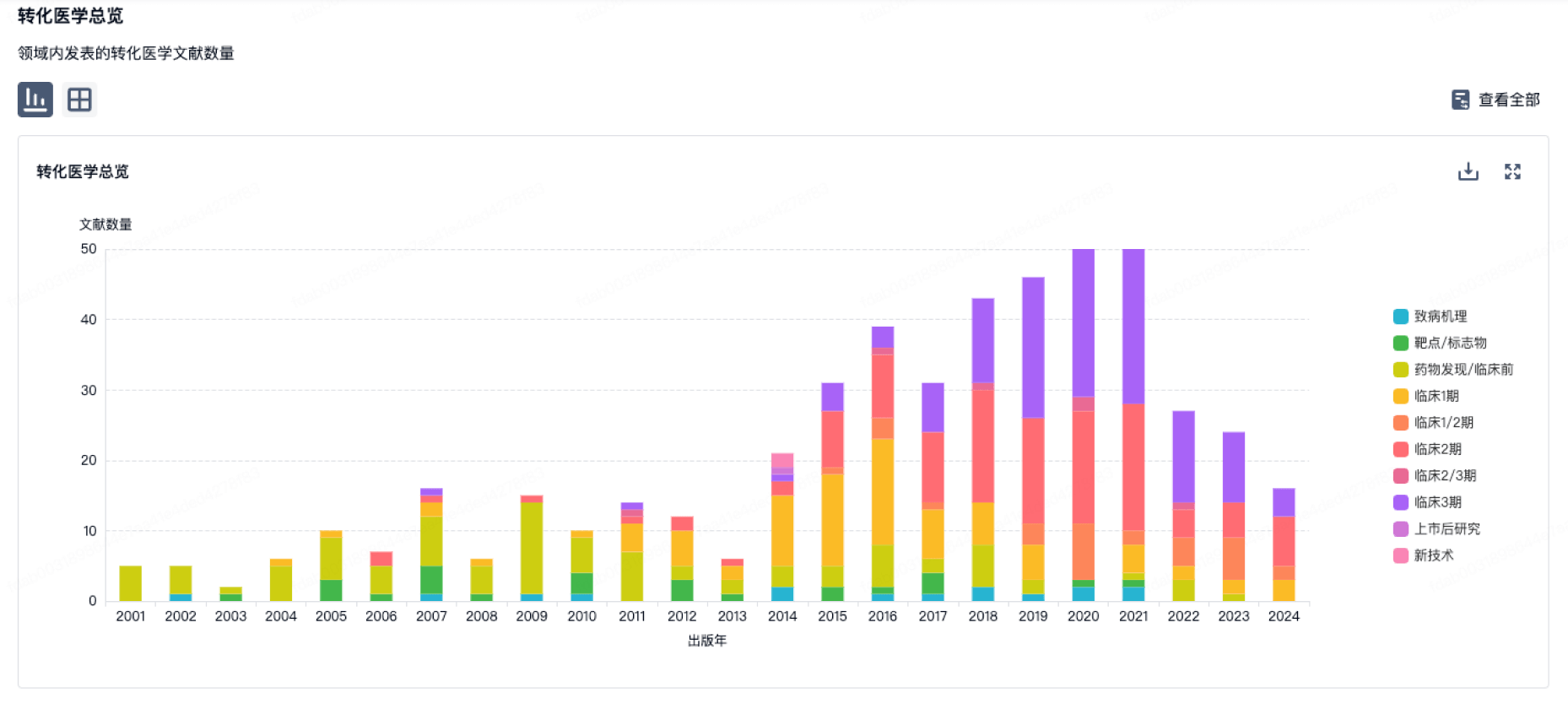
100 项与 artience Co. Ltd. 相关的转化医学
登录后查看更多信息
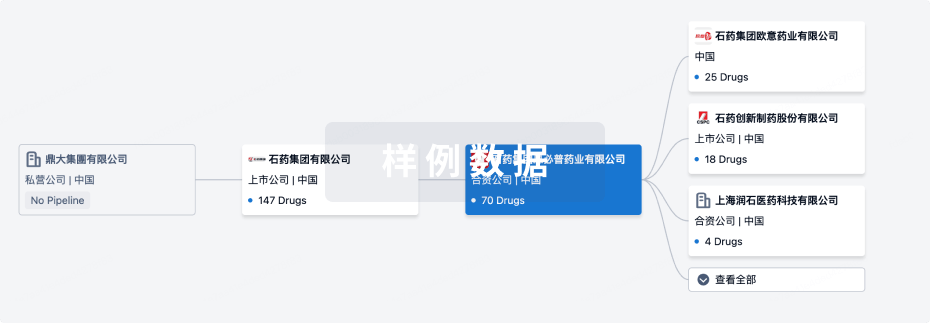
组织架构
使用我们的机构树数据加速您的研究。
登录
或
管线布局
2026年10月11日管线快照
管线布局中药物为当前组织机构及其子机构作为药物机构进行统计,早期临床1期并入临床1期,临床1/2期并入临床2期,临床2/3期并入临床3期
批准上市
1
登录后查看更多信息
当前项目
登录后查看更多信息
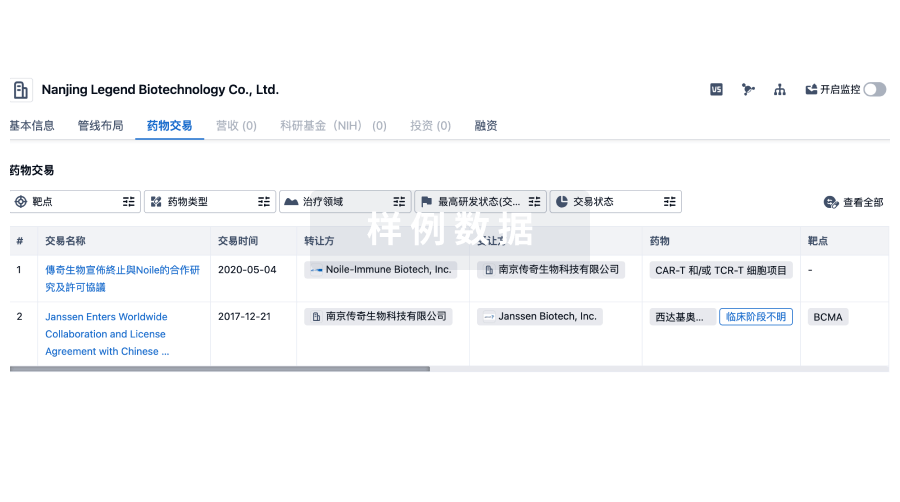
药物交易
使用我们的药物交易数据加速您的研究。
登录
或
转化医学
使用我们的转化医学数据加速您的研究。
登录
或
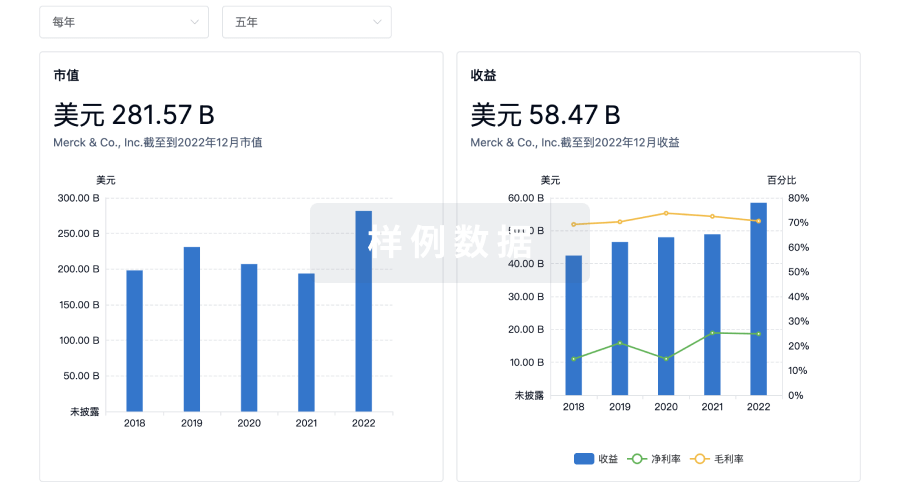
营收
使用 Synapse 探索超过 36 万个组织的财务状况。
登录
或
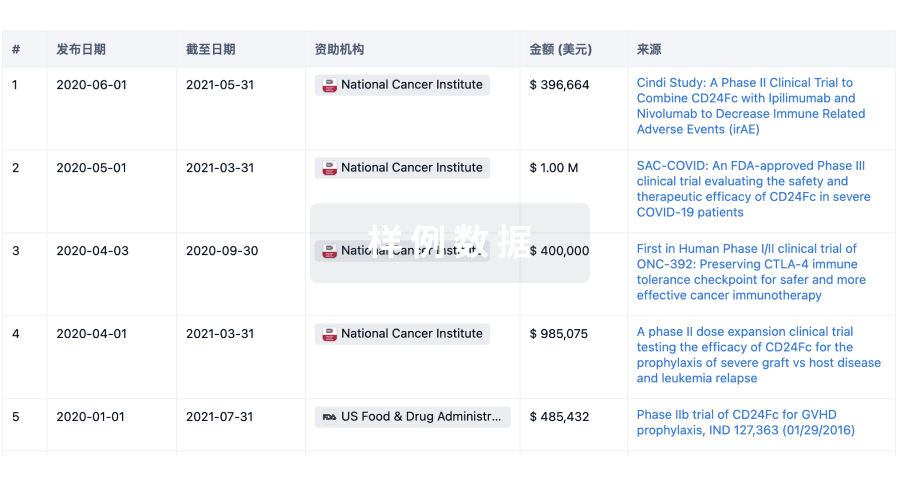
科研基金(NIH)
访问超过 200 万项资助和基金信息,以提升您的研究之旅。
登录
或
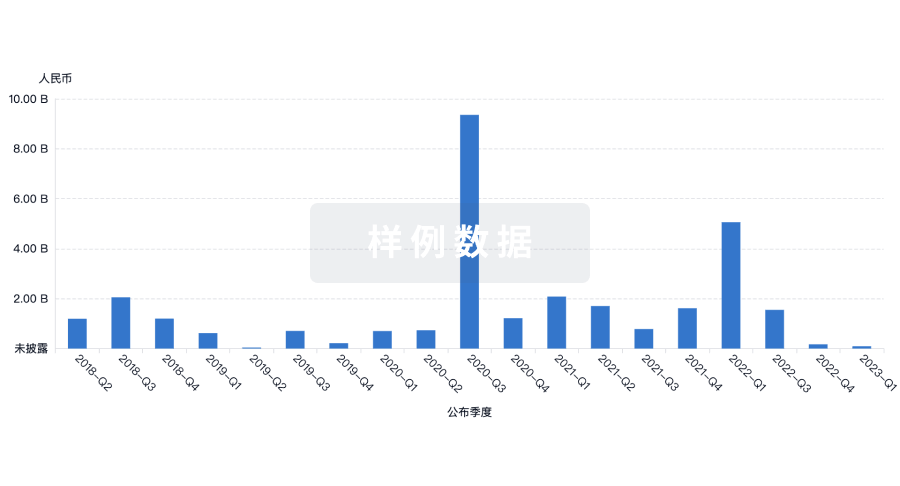
投资
深入了解从初创企业到成熟企业的最新公司投资动态。
登录
或
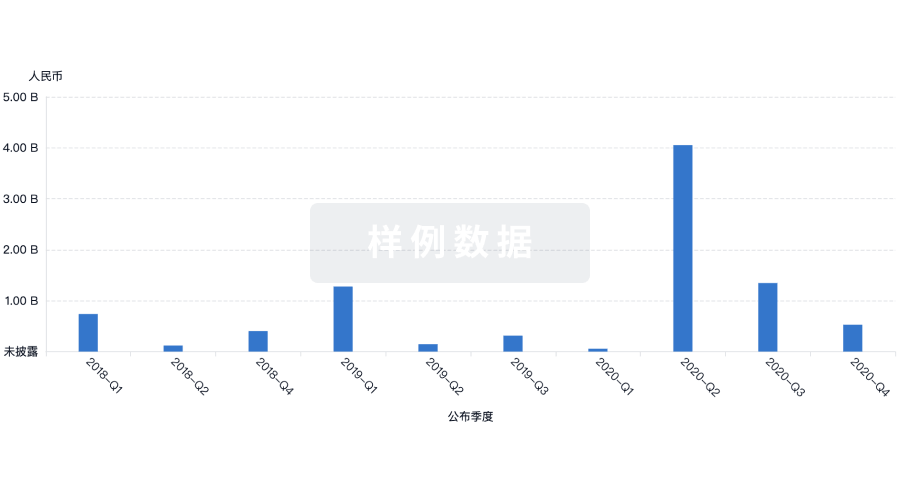
融资
发掘融资趋势以验证和推进您的投资机会。
登录
或
提出任何生物医药研究问题
让每一步生物医药决策都精准制胜
基于十亿级生物数据与全球情报的精准 AI,赋能早期药物发现
立即开始免费试用!
智慧芽新药情报库是智慧芽专为生命科学人士构建的基于AI的创新药情报平台,助您全方位提升您的研发与决策效率。
立即接入生物医药数据包
智慧芽新药库数据也通过智慧芽开放平台,以MCP或API服务形式对外开放。立即使用我们的MCP服务定制您的LLM智能体。
生物序列数据库
生物药研发创新
免费使用
化学结构数据库
小分子化药研发创新
免费使用