预约演示
更新于:2026-04-22

University of Guelph
更新于:2026-04-22
概览
标签
肿瘤
其他疾病
皮肤和肌肉骨骼疾病
小分子化药
重组蛋白
基因编辑
疾病领域得分
一眼洞穿机构专注的疾病领域

技术平台
公司药物应用最多的技术
靶点
公司最常开发的靶点
关联
靶点 |
作用机制 |
在研机构 |
原研机构 |
在研适应症 |
非在研适应症 |
最高研发阶段 |
首次获批国家/地区 |
首次获批日期 |

靶点 |
作用机制 |
在研机构 |
原研机构 |
在研适应症 |
非在研适应症 |
最高研发阶段 |
首次获批国家/地区 |
首次获批日期 |
靶点 |
作用机制 |
在研机构 |
原研机构 |
在研适应症 |
非在研适应症 |
最高研发阶段 |
首次获批国家/地区 |
首次获批日期 |
NCT07196371
Testing the Feasibility of Blood Flow Restriction Training to Enhance the Health Benefits of Exercise in Individuals With Type 2 Diabetes: a Pilot Randomized Controlled Trial

NCT07218159
Can an Evidence-based Sexual Assault Resistance Intervention Also Prevent Intimate Partner Violence (IPV)? A Randomized Controlled Trial Sub-Study of the Efficacy of IDEA3 for Reducing IPV in Undergraduate Women

NCT06928636
Supper Heroes: Randomized Controlled Trial to Examine the Impact of an Online Environmentally Friendly Eating Intervention for Families
100 项与 University of Guelph 相关的临床结果
登录后查看更多信息
登录后查看更多信息
2026-12-01Journal of Sport and Health Science
The mechanical loading environment associated with eccentric exercise is one of the key stimuli to trigger sarcomerogenesis: It’s a stretch to say eccentric exercise does not promote serial sarcomerogenesis
Article
作者: Power, Geoffrey A ; Franchi, Martino V ; Hinks, Avery
2026-07-01PHYSIOLOGICAL REVIEWS
Unlocking the potential of circadian biology for cardiovascular health
Review
作者: Eikenberry, Sophia A ; Sole, Michael J ; Scheer, Frank A J L ; Shea, Steven A ; Qian, Jingyi ; Gumz, Michelle L ; Thosar, Saurabh S ; Martino, Tami A
Circadian rhythms, governed by the body’s endogenous clock mechanism, regulate daily fluctuations in cardiovascular function, optimizing physiological processes like blood pressure regulation, cardiac metabolism, and myocardial repair. Rhythms also align cardiovascular reactivity with predictable environmental and behavioral cycles, enabling normal function and affecting disease susceptibility. Major adverse cardiovascular events, including myocardial infarction, ventricular arrhythmias, and stroke, exhibit a distinct morning peak, with evidence for circadian regulation in cardiovascular health. Indeed, controlled human laboratory studies demonstrate that beyond the influences of sleep and other behaviors, endogenous circadian rhythms independently regulate blood pressure, autonomic nervous system activity, blood clotting, vascular tone, and metabolic function. Additionally, the kidney plays a critical role in circadian sodium handling, fluid balance, and blood pressure control, with disruptions in renal circadian rhythms contributing to hypertension and progression to heart failure. Chronic circadian misalignment resulting from shift work, irregular sleep-wake cycles, or misaligned lifestyle habits is strongly associated with increased cardiovascular risk and disease progression. The emerging field of Circadian Medicine applies circadian principles to clinical care, leveraging interventions such as optimizing light exposure, meal timing, and physical activity to restore biological alignment. Chronotherapy, the strategic timing of medications or procedures to align with a patient’s diurnal or circadian rhythms, offers further potential for enhancing treatments and reducing adverse effects. By integrating circadian biology into cardiovascular medicine, novel strategies are emerging to help prevent disease, improve patient outcomes, and enhance therapeutic precision. Understanding the interplay between circadian regulation and cardiovascular physiology provides a foundation for advancing cardiovascular prevention and treatment strategies.
2026-06-01POULTRY SCIENCE
Genome-wide association study of durations in zones of an aviary for laying hens
Article
作者: Hoeksema, Kyle ; Toscano, Michael J ; Makanjuola, Bayode O ; Gebhardt-Henrich, Sabine G ; Baes, Christine F ; Petelle, Matthew B
Identifying how birds interact with their environment and selecting birds that are more suitable for specific housing systems could be beneficial for commercial egg production. Previous research has indicated heritability in behavior traits such as duration spent in different zones of an aviary barn, however, the underlying genetic mechanisms affecting aviary usage remain unknown. The objectives of this study were to further explore durations in different zones of an aviary through identifying potential candidate genes associated with these behaviors, to provide insight into the biological processes involved with laying hen behavior and to offer potential candidate genes for selection. Using tracking data and genotypes from 1098 white line pure line crosses (Hendrix Genetics), a genome wide association study (GWAS) was performed. From tracking data, durations spent in each of five designated zones of a semi-commercial aviary (wintergarden, litter, lower tier, nestbox tier, and upper tier) across days 4 to 290 in a production barn were investigated. Hens were genotyped with a proprietary 60K SNP array. After data filtering, 252,154 days of records were used, where phenotypes were recorded as average time spent in a specific zone over the days 4-290, 4-50, 51-100, 101-150, 151-200, and 251-250 of production. Analysis was carried out using a univariate mixed linear model with number of visits to the zone and pen number fitted as fixed effects, the top two principal components fitted as covariates, and the polygenic effects fitted as random. Of the duration in the five zones, 13 significant SNPs were identified across the different periods using chromosome-wise Bonferroni corrections (α = 0.05). The significant SNPs were mapped to within 100,000 base pairs of 64 genes, 22 of which were previously annotated, with several related to feeding behavior, movement, and immune function. The findings of this study suggest that behavioral traits within an aviary could be used to provide important insight into hens' health and performance within their housing system, but further validation is needed.
2026-03-03
100 项与 University of Guelph 相关的药物交易
登录后查看更多信息
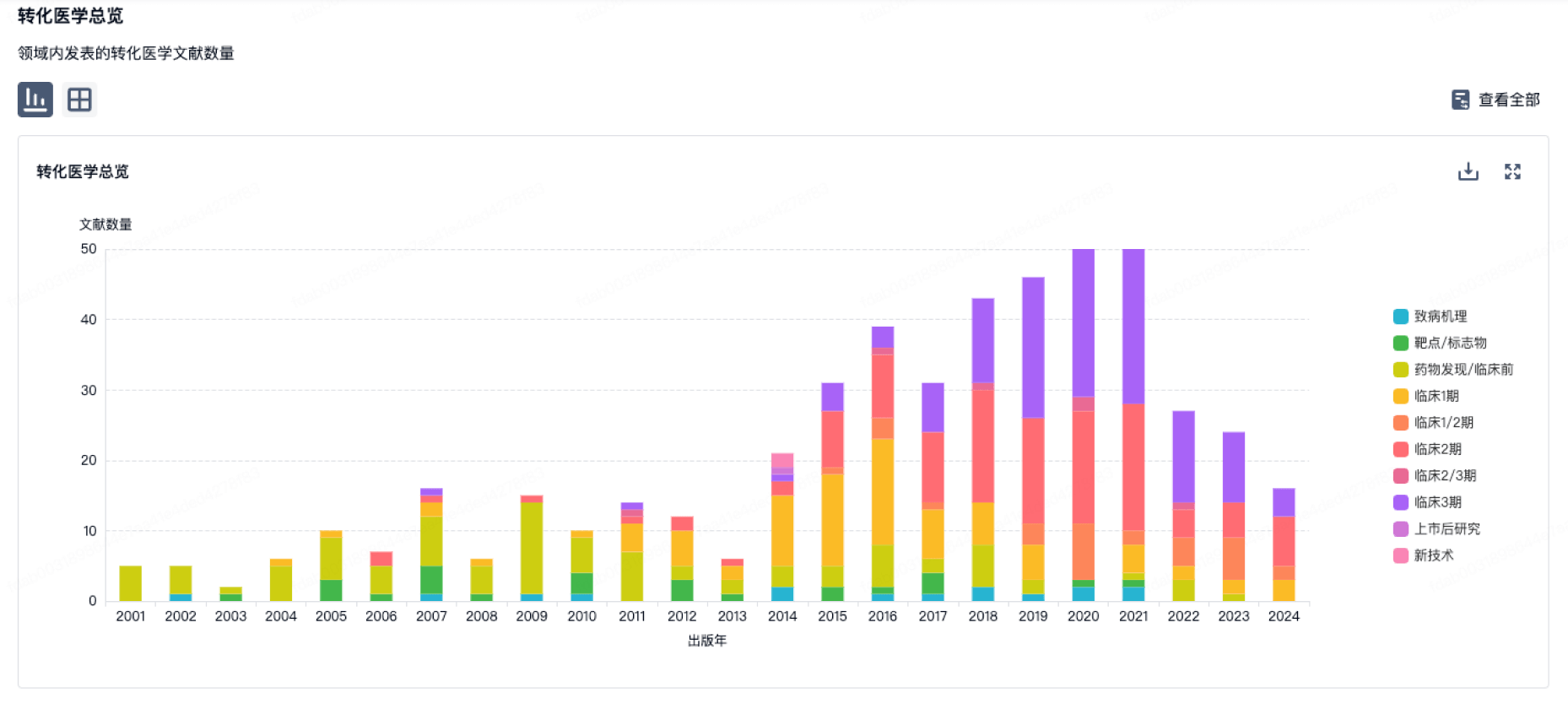
100 项与 University of Guelph 相关的转化医学
登录后查看更多信息
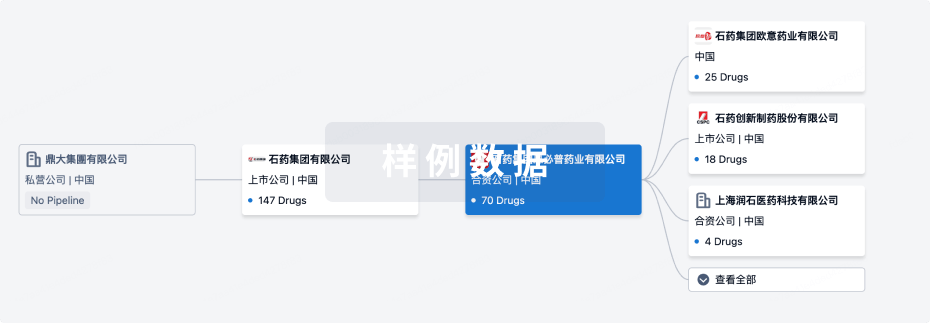
组织架构
使用我们的机构树数据加速您的研究。
登录
或
管线布局
2026年10月10日管线快照
管线布局中药物为当前组织机构及其子机构作为药物机构进行统计,早期临床1期并入临床1期,临床1/2期并入临床2期,临床2/3期并入临床3期
临床前
4
2
其他
登录后查看更多信息
当前项目
登录后查看更多信息
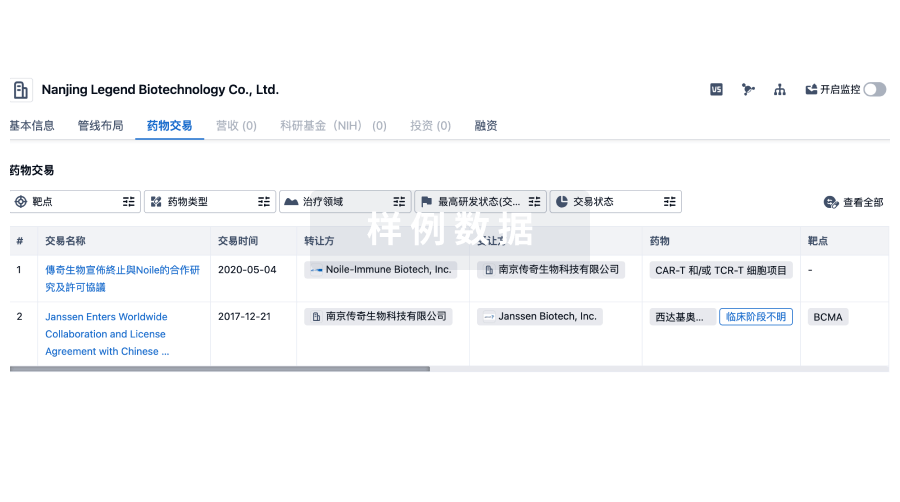
药物交易
使用我们的药物交易数据加速您的研究。
登录
或
转化医学
使用我们的转化医学数据加速您的研究。
登录
或
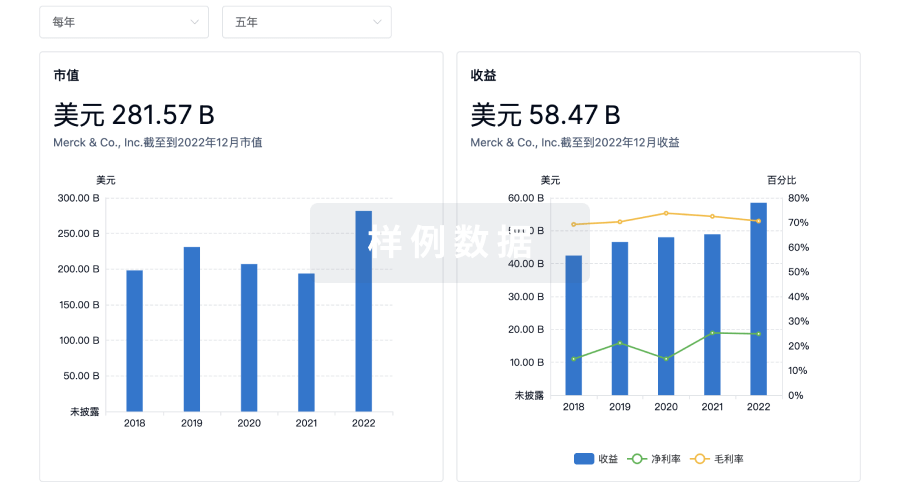
营收
使用 Synapse 探索超过 36 万个组织的财务状况。
登录
或
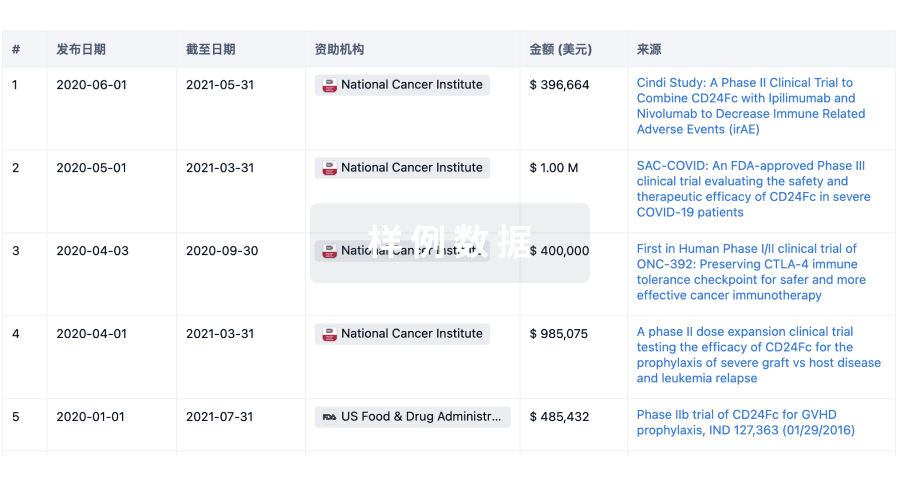
科研基金(NIH)
访问超过 200 万项资助和基金信息,以提升您的研究之旅。
登录
或
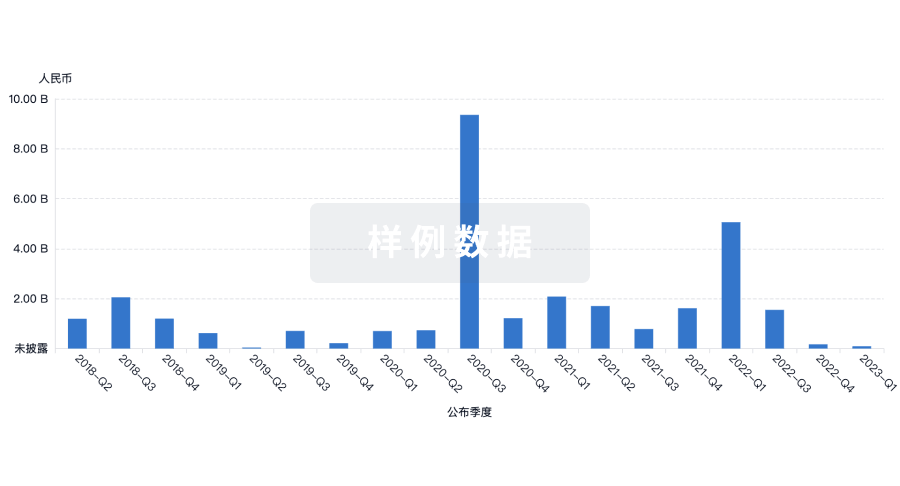
投资
深入了解从初创企业到成熟企业的最新公司投资动态。
登录
或
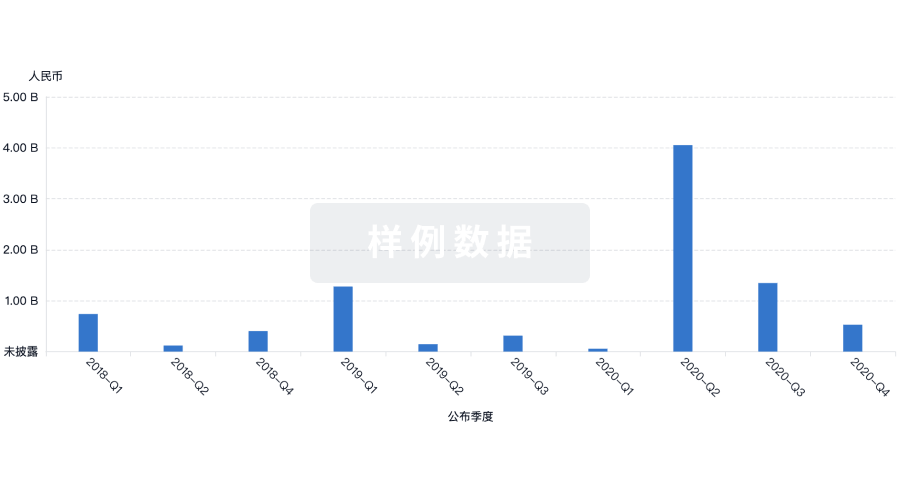
融资
发掘融资趋势以验证和推进您的投资机会。
登录
或
提出任何生物医药研究问题
让每一步生物医药决策都精准制胜
基于十亿级生物数据与全球情报的精准 AI,赋能早期药物发现
立即开始免费试用!
智慧芽新药情报库是智慧芽专为生命科学人士构建的基于AI的创新药情报平台,助您全方位提升您的研发与决策效率。
立即接入生物医药数据包
智慧芽新药库数据也通过智慧芽开放平台,以MCP或API服务形式对外开放。立即使用我们的MCP服务定制您的LLM智能体。
生物序列数据库
生物药研发创新
免费使用
化学结构数据库
小分子化药研发创新
免费使用