预约演示
更新于:2026-11-04

South-Central University for Nationalities
更新于:2026-11-04
概览
标签
内分泌与代谢疾病
肿瘤
皮肤和肌肉骨骼疾病
小分子化药
中药
化学药
疾病领域得分
一眼洞穿机构专注的疾病领域

技术平台
公司药物应用最多的技术
靶点
公司最常开发的靶点
关联
靶点 |
作用机制 |
在研机构 |
原研机构 |
在研适应症 |
非在研适应症 |
最高研发阶段 |
首次获批国家/地区 |
首次获批日期 |
靶点 |
作用机制 |
在研机构 |
原研机构 |
在研适应症 |
非在研适应症 |
最高研发阶段 |
首次获批国家/地区 |
首次获批日期 |
靶点 |
作用机制 |
在研机构 |
原研机构 |
在研适应症 |
非在研适应症 |
最高研发阶段 |
首次获批国家/地区 |
首次获批日期 |
CTR20243576
柏金颗粒治疗高尿酸血症(湿热内蕴证)患者的有效性与安全性的随机、双盲、安慰剂对照、剂量探索、多中心Ⅱ期临床试验
100 项与 中南民族大学 相关的临床结果
登录后查看更多信息
登录后查看更多信息
2026-12-01FOOD RESEARCH INTERNATIONAL
Bilayer particle interfaces from phycocyanin-starch nanocrystals enable stable, 3D-printable high internal phase Pickering emulgels for enhanced astaxanthin delivery
Article
作者: Liu, Xin ; Zhong, Wu ; Hao, Yacheng ; Gong, Zhiyong ; Zheng, Bo ; Mei, Jiahao ; Ling, Dongfang ; Yang, Qing ; Li, Sai ; Guo, Xiao
To address the poor extreme-environment stability of phycocyanin particles (PCN)-stabilized emulsions, high internal phase Pickering emulgels (HPEGs) co-stabilized by PCN and starch nanocrystals (SNC) were fabricated via bilayer interfacial self-assembly. Leveraging complementary wettability, PCN and SNC form a dense bilayer at the oil-water interface and a particle-bridged network, thereby synergistically enhancing interfacial robustness and gel strength. Molecular interaction and docking analyses elucidated that hydrophobic interactions and hydrogen bonding primarily drove PCN/SNC complex formation. Microscopy indicated a bilayer interface. Optimized HPEGs (75% oil phase, 2% emulsifier, 2:1 PCN/SNC) exhibited improved colloidal stability and resistance to temperature (25-90 °C), pH (3-11), ionic strength (0-1000 mM), and centrifugation (2000 rpm, 10 min). However, the system exhibited limited freeze-thaw stability, indicating susceptibility to low-temperature-induced structural disruption. Furthermore, emulgels achieved the highest bioaccessibility of 71.5% for astaxanthin during in vitro digestion, while also exhibiting improved 3D printing performance and ultraviolet (UV)-shielding capability. These proposed binary-interface HPEGs show promise for functional foods applications, although their freeze-thaw stability requires further improvement.
2026-04-01Food Chemistry-X
Selective detection of Ochratoxin B in food by fluorescent sensor based on 2-mercapto-5-benzimidazole carboxylic acid-capped CdSe quantum dots
Article
作者: Fan, Yao ; Fu, Haiyan ; Chen, Wenxin ; Fu, Jiahao ; She, Yuanbin ; Liu, Yaqi
Ochratoxin B (OTB) that widely presented in food has significant cytotoxicity even at low concentration levels. Herein, a novel fluorescent sensor based on the 2-mercapto-5-benzimidazole carboxylic acid (MBI)-capped CdSe quantum dots (QDs) was established for the selective detection of OTB in food. Specifically, the synergistic effect of electrostatic interaction and intermolecular hydrogen bonds between MBI and OTB provided a direct and sensitive fluorescence signal that enables efficient recognition of OTB from other mycotoxins, even OTA with similar structures. Excellent linear detection performance for OTB is exhibited with a range from 0.037 ng/mL to 48.01 ng/mL and a detection limit of 0.016 ng/mL. Furthermore, our developed method exhibits good anti-interference stability against contaminants such as mycotoxins, inorganic salts and amino acids. Most importantly, the sensor demonstrates high sensitivity in real food samples with the recovery ranges from 96.51% to 104.7%, with an RSD of less than 2.67%.
2025-08-16Theranostics
Attenuated bacterial bioreactor depleted cysteine to drive ferroptosis combining with self-synthesized prussian blue nanoparticles-mediated photothermal therapy for triple-negative breast cancer treatment
作者: Yang, Bin ; Yuan, Quan ; Lv, Kangle ; Shen, Kailun ; Qi, Haoning ; Wang, Yunxiao ; Zhang, Peng ; Shi, Miusi ; Zhang, Yufeng ; Li, Mei
[This corrects the article DOI: 10.7150/thno.48407.].
2026-10-27
2026-09-02
100 项与 中南民族大学 相关的药物交易
登录后查看更多信息
100 项与 中南民族大学 相关的转化医学
登录后查看更多信息
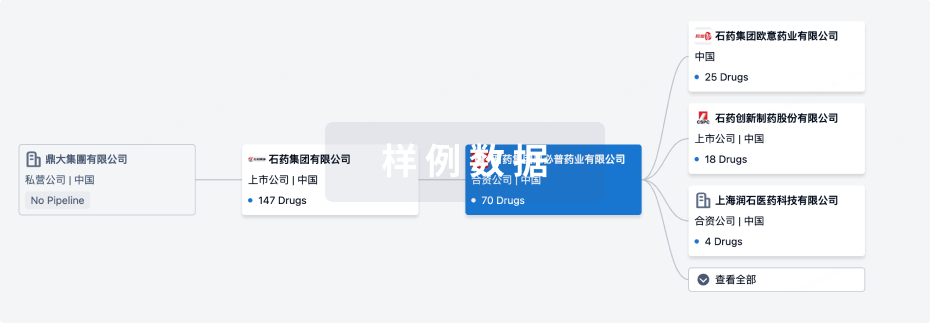
组织架构
使用我们的机构树数据加速您的研究。
登录
或
管线布局
2026年11月22日管线快照
管线布局中药物为当前组织机构及其子机构作为药物机构进行统计,早期临床1期并入临床1期,临床1/2期并入临床2期,临床2/3期并入临床3期
药物发现
9
10
临床前
临床2期
1
1
其他
登录后查看更多信息
当前项目
登录后查看更多信息
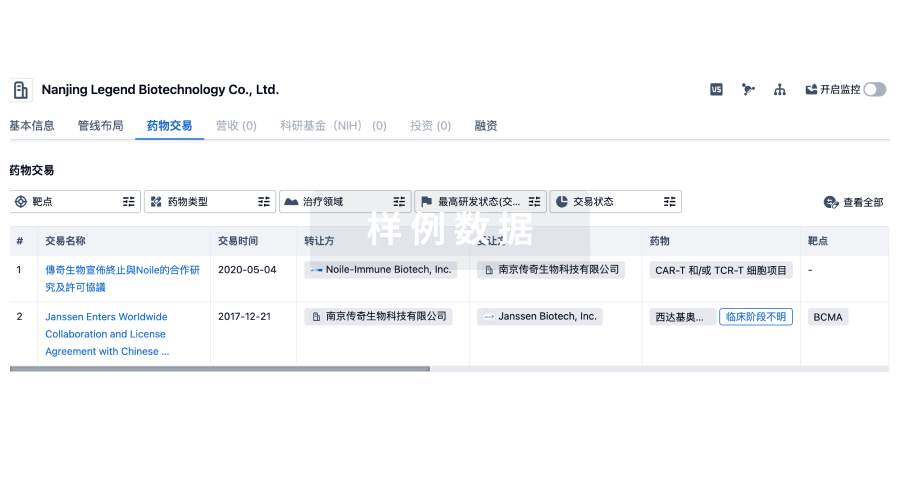
药物交易
使用我们的药物交易数据加速您的研究。
登录
或
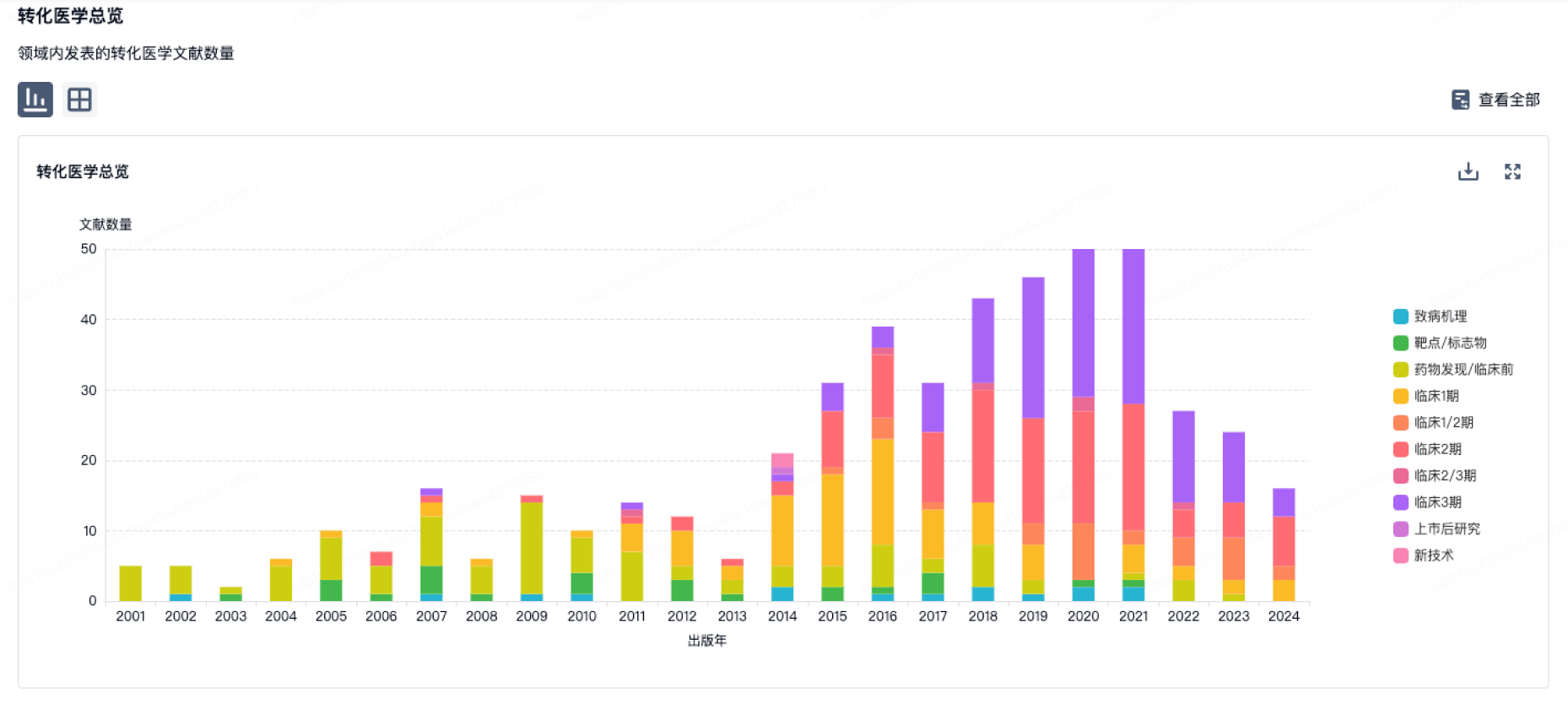
转化医学
使用我们的转化医学数据加速您的研究。
登录
或
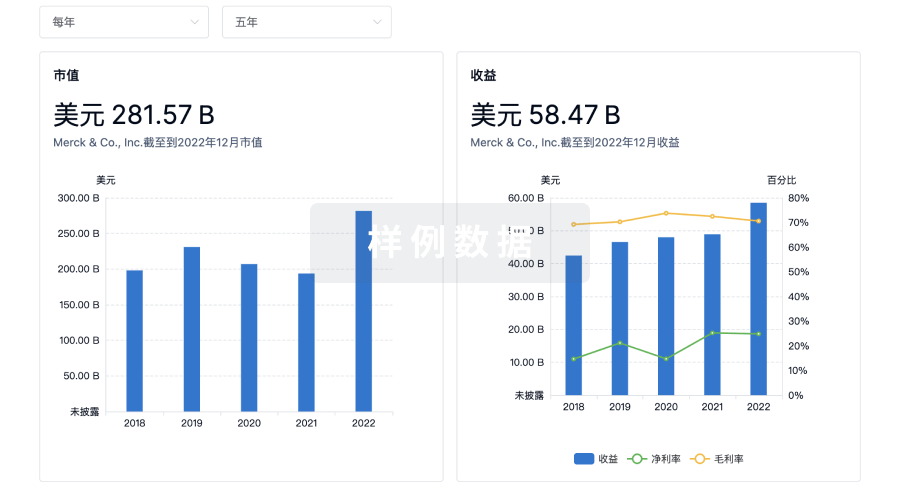
营收
使用 Synapse 探索超过 36 万个组织的财务状况。
登录
或
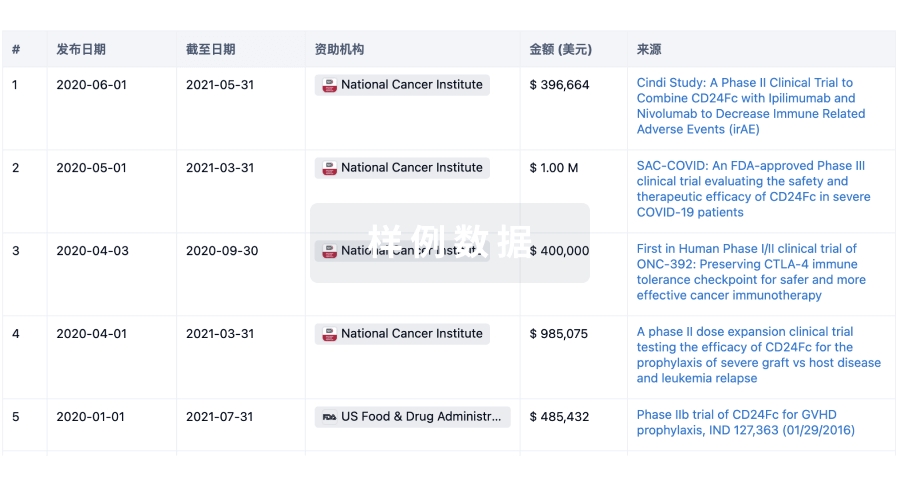
科研基金(NIH)
访问超过 200 万项资助和基金信息,以提升您的研究之旅。
登录
或
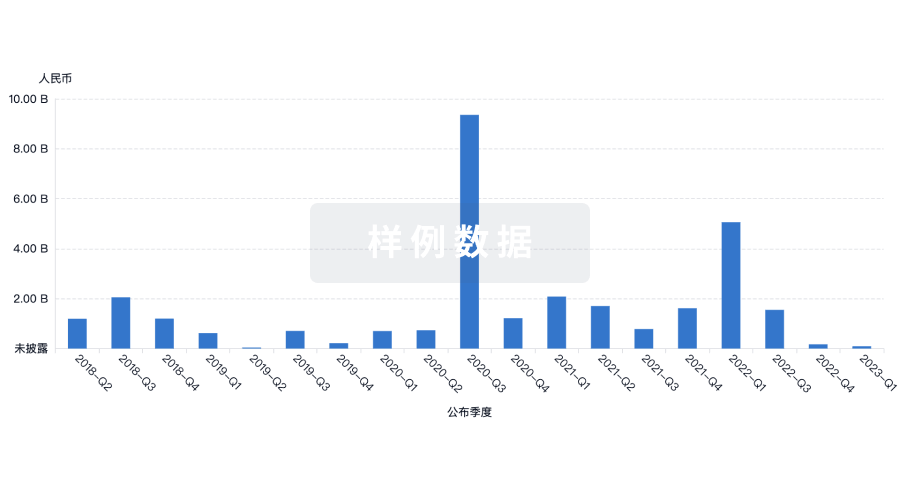
投资
深入了解从初创企业到成熟企业的最新公司投资动态。
登录
或
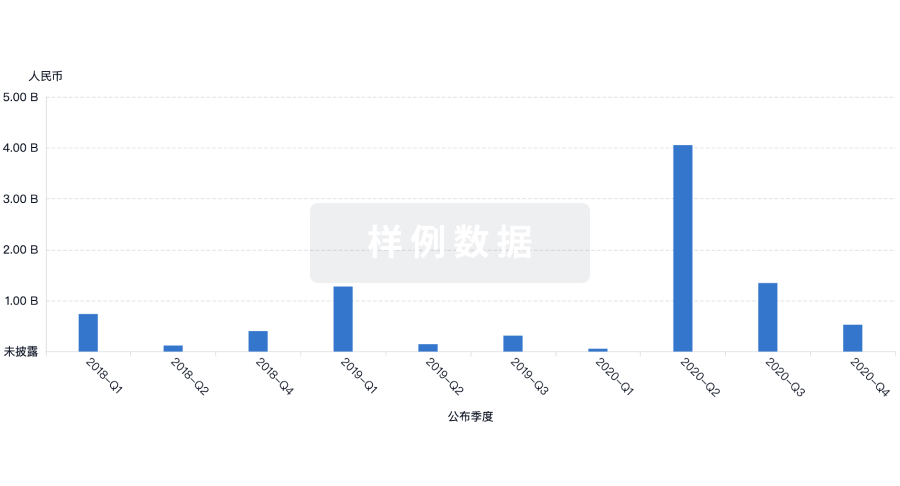
融资
发掘融资趋势以验证和推进您的投资机会。
登录
或
提出任何生物医药研究问题
让每一步生物医药决策都精准制胜
基于十亿级生物数据与全球情报的精准 AI,赋能早期药物发现
立即开始免费试用!
智慧芽新药情报库是智慧芽专为生命科学人士构建的基于AI的创新药情报平台,助您全方位提升您的研发与决策效率。
立即接入生物医药数据包
智慧芽新药库数据也通过智慧芽开放平台,以MCP或API服务形式对外开放。立即使用我们的MCP服务定制您的LLM智能体。
生物序列数据库
生物药研发创新
免费使用
化学结构数据库
小分子化药研发创新
免费使用