预约演示
更新于:2026-03-03

University of Malaya
更新于:2026-03-03
概览
标签
感染
其他疾病
呼吸系统疾病
小分子化药
重组载体疫苗
预防性疫苗
疾病领域得分
一眼洞穿机构专注的疾病领域

技术平台
公司药物应用最多的技术
靶点
公司最常开发的靶点
关联
靶点 |
作用机制 |
在研机构 |
原研机构 |
在研适应症 |
非在研适应症 |
最高研发阶段 |
首次获批国家/地区 |
首次获批日期 |
靶点 |
作用机制 |
在研机构 |
原研机构 |
在研适应症 |
非在研适应症 |
最高研发阶段 |
首次获批国家/地区 |
首次获批日期 |
靶点 |
作用机制 |
在研机构 |
原研机构 |
在研适应症 |
非在研适应症 |
最高研发阶段 |
首次获批国家/地区 |
首次获批日期 |
ISRCTN52835444
Maternal ophthalmic artery Doppler as an adjunct in prediction of preeclampsia and fetal growth restriction
NCT07398066
DEXmedetomidine for Postoperative Analgesia and Delirium Prevention After NEUROsurgery: A Double-blinded Randomised Placebo-controlled Trial (DEX-NEURO Trial)
NCT04910984
Developing an Artificial Intelligence Chatbot to Promote HIV Testing

100 项与 University of Malaya 相关的临床结果
登录后查看更多信息
登录后查看更多信息
2026-12-01Health Information Science and Systems
Machine learning models for volume and weight estimation in breast reconstruction planning.
Article
作者: Ong, Teng-Aik ; Lai, Lee-Lee ; Teo, Sheng-Pu ; Ng, Kwan-Hoong ; Tan, Mas Ira Syafila Mohd Hilmi ; Rahmat, Kartini ; Nagappan, Sidharrth ; Wong, Lai-Kuan ; See, John ; See, Mee-Hoong
Background:
Accurate estimation of breast volume and weight is critical for post-mastectomy reconstruction. Existing methods are frequently costly or complex. We developed a machine learning framework that leverages demographic and anthropometric data to address these challenges.
Methods:
We collected data from 199 patients between 2021 and 2023. The workflow comprised data collection, pre-processing, feature selection, model training, and performance evaluation. Three feature selection techniques were applied: domain expert knowledge, Spearman's rank correlation, and the Boruta algorithm. Each feature set was used to train linear regression, random forest regression, and support vector regression models. Model performance was evaluated using the coefficient of determination (R2) and Pearson's correlation coefficient. Significant correlations were identified between breast volume or weight and key patient characteristics, such as BMI, breast cup size, ptosis severity, and anthropometric measurements.
Results:
The optimal linear regression model, which incorporated both domain-expert and statistically selected features, achieved R2 values of 81.8% for breast volume and 72% for breast weight.
Conclusion:
The results indicate that integrating demographic and anthropometric data with machine learning yields an accurate, interpretable, and accessible method for preoperative breast assessment. In contrast to conventional imaging or mathematical models, this approach eliminates costs related to imaging equipment, relies on routinely collected clinical data, reduces the need for specialized equipment and training, and enables rapid integration into existing clinical workflows. By overcoming the limitations of traditional methods, the proposed model provides a practical, efficient, and cost-effective solution for clinical practice.
2026-05-01COLLOIDS AND SURFACES B-BIOINTERFACES
Naringenin nanosuspensions embedded glycyrrhizin-based hydrogel ameliorates cholestatic liver injury in mice by inhibiting oxidative stress and HMGB1-mediated inflammation
Article
作者: Li, Qiqi ; Han, Xiaolu ; Zhu, Wei ; Yan, Meixing ; Dong, Yuhan ; Deng, Yaochen ; Wu, Xianggen
Naringenin (NAR) possesses remarkable hepatoprotective potential. However, its extremely low aqueous solubility and oral bioavailability greatly constrain its therapeutic efficacy. To overcome these limitations, we developed a novel oral nanodelivery system, NanoNAR@Glycygel, by embedding NAR nanosuspensions (NanoNAR) into a self-assembled glycyrrhizin-based hydrogel (Glycygel). The design of this delivery system improves solubility, enhances absorption, and provides synergistic hepatoprotective effects. NanoNAR, when stabilized by the natural biosurfactant glycyrrhizin, exhibited a uniform particle size of approximately 230 nm and showed markedly improved solubility in physiologically relevant media. The hydrogel network formed by Glycygel effectively encapsulated NanoNAR, further enhancing its solubility and controlled release behavior. Pharmacokinetic analyses revealed that NanoNAR@Glycygel significantly enhanced the oral bioavailability of NAR and increased its hepatic accumulation, demonstrating how the synergistic interplay between nanonization and the glycyrrhizin hydrogel matrix facilitates rapid absorption and sustained release. In a cholestatic liver injury mouse model, NanoNAR@Glycygel treatment markedly alleviated cholestasis and hepatic histopathological damage, restoring liver morphology and serum biochemical parameters to near-normal levels. Mechanistic investigations revealed for the first time that HMGB1 signaling is involved in this cholestatic liver injury, and NanoNAR@Glycygel exerted its potent therapeutic effect by inhibiting this signaling. The NanoNAR@Glycygel cloud also reduced malondialdehyde (MDA) levels and enhanced superoxide (SOD) activity, thereby mitigating oxidative injury. Collectively, these findings demonstrate that NanoNAR@Glycygel is a safe, simple, and highly effective oral delivery platform that not only unleashes the therapeutic potential of NAR but also highlights the distinctive advantages of glycyrrhizin-based matrices for the targeted oral delivery of hydrophobic natural bioactives.
2026-04-09Sexual Health
Preferences for emerging modalities of HIV pre-exposure prophylaxis among sexual and gender diverse populations in Malaysia: implications for person-centred HIV prevention
Article
作者: Tan Tze Tho, Andrew ; Azwa, Iskandar ; Chong, Norman ; Zhang, Lei ; Poonkasetwattana, Midnight ; Suwandi, Nicky ; Tan, Jeremy Fok Jun ; Ong, Jason J. ; Tieosapjaroen, Warittha ; Green, Kimberly E. ; Phanuphak, Nittaya ; Ikhtiaruddin, Wan Mohd ; Chan, Curtis ; Tang, Weiming ; Bavinton, Benjamin R. ; Schmidt, Heather-Marie A. ; Cassell, Michael M.
Background:
In Malaysia, HIV pre-exposure prophylaxis (PrEP) uptake remains low. Emerging formulations (e.g. injectable, long-acting oral, and event-driven PrEP) may help overcome barriers such as daily pill burden and adherence. This study examined PrEP preferences among men who have sex with men (MSM), transgender women, and gender-diverse individuals, and assessed how socio-demographic, sexual history, and substance use influence these preferences.
Methods:
We conducted the PrEP APPEAL survey among 663 individuals in Malaysia from 10 May 2022 to 30 November 2022. Multivariable binary and multinomial logistic regressions identified factors associated with PrEP preferences, including 6-monthly injection, monthly oral pill and, event-driven (ED-PrEP) oral pill relative to the bi-monthly injection, yearly slow-releasing removable implant, daily oral pill, and other options.
Results:
Our findings showed diverse PrEP preferences: 167 (25.2%) preferred monthly oral; 138 (20.8%) preferred event-driven; 137 (20.7%) preferred 6-monthly injectable; and 82 preferred daily oral pill (12.4%). PrEP profiles (relative risk ratios (RRR) 2.47–9.54, P < 0.05), education (RRR 2.00, P = 0.005), the number of sexual partners (RRR 1.75, P = 0.03), and willingness-to-pay (RRR 3.13–6.45, P < 0.05) were significant predictors of these preferences.
Conclusions:
These findings highlight the importance of diverse, person-centred PrEP delivery models to improve uptake and affordability. Strategies should reflect differences in education, sexual behaviour, and willingness to pay. Limitations include self-reported data, sample variability, cross-sectional design, and potential selection bias, which should be considered when interpreting results.
2026-01-08
·厦门大学
诊断试剂上市批准疫苗
100 项与 University of Malaya 相关的药物交易
登录后查看更多信息
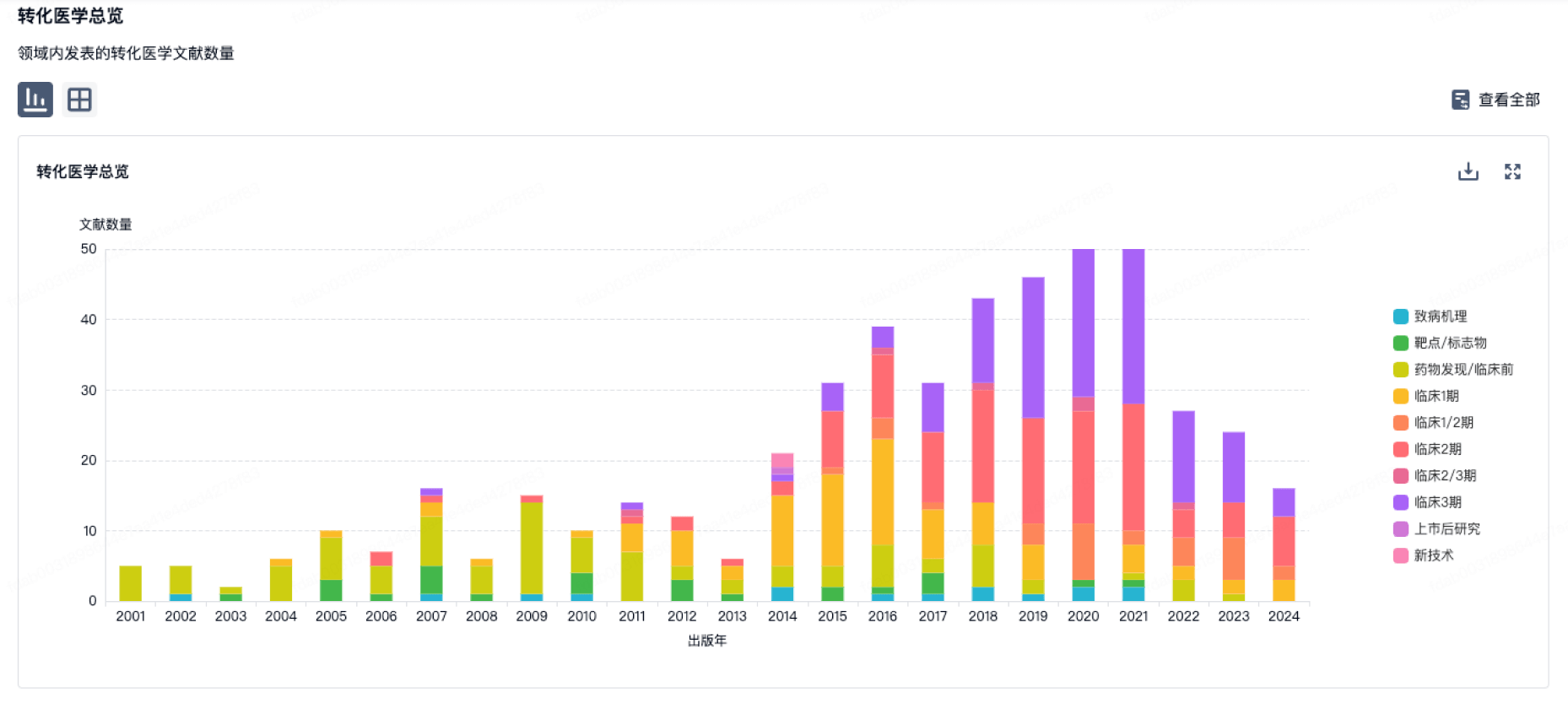
100 项与 University of Malaya 相关的转化医学
登录后查看更多信息
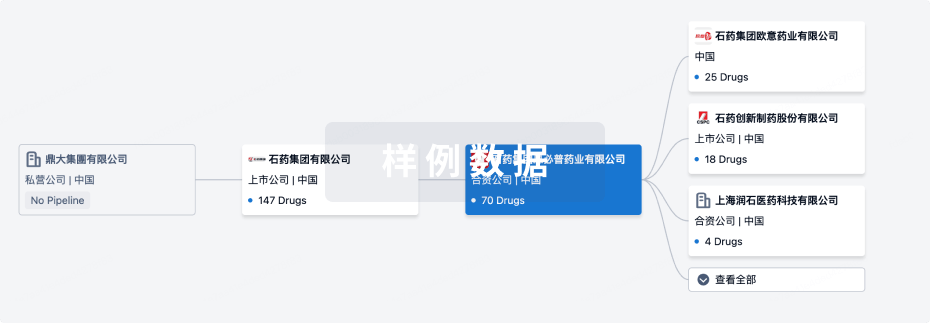
组织架构
使用我们的机构树数据加速您的研究。
登录
或
管线布局
2026年10月15日管线快照
管线布局中药物为当前组织机构及其子机构作为药物机构进行统计,早期临床1期并入临床1期,临床1/2期并入临床2期,临床2/3期并入临床3期
临床前
4
1
其他
登录后查看更多信息
当前项目
登录后查看更多信息
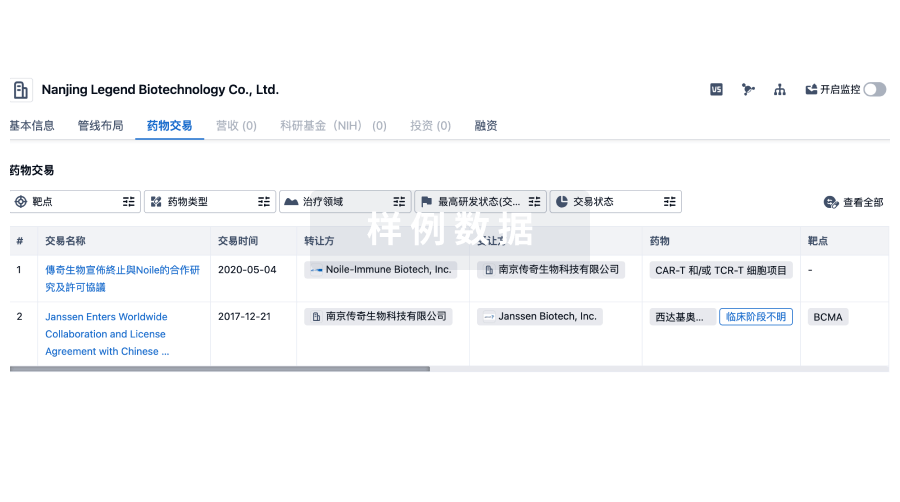
药物交易
使用我们的药物交易数据加速您的研究。
登录
或
转化医学
使用我们的转化医学数据加速您的研究。
登录
或
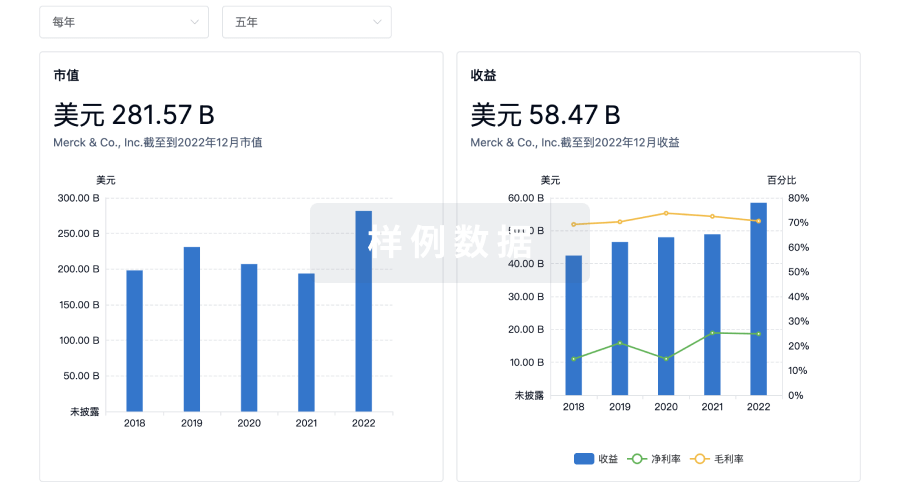
营收
使用 Synapse 探索超过 36 万个组织的财务状况。
登录
或
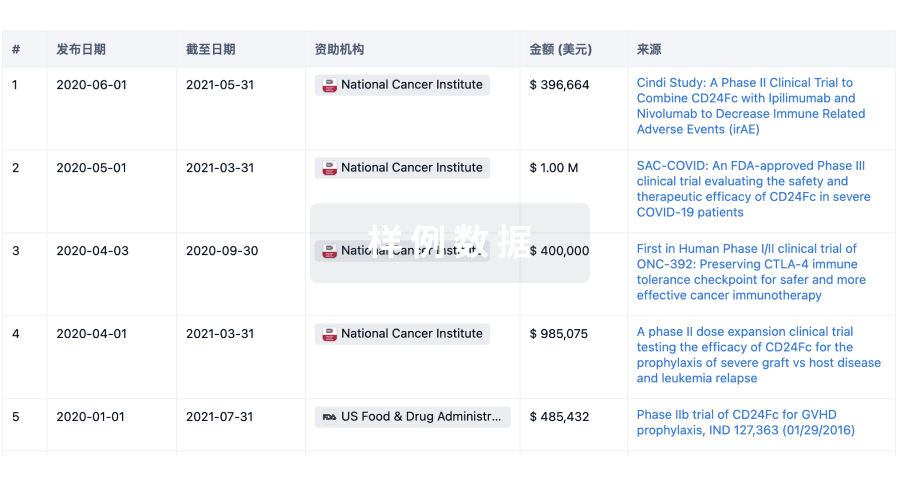
科研基金(NIH)
访问超过 200 万项资助和基金信息,以提升您的研究之旅。
登录
或
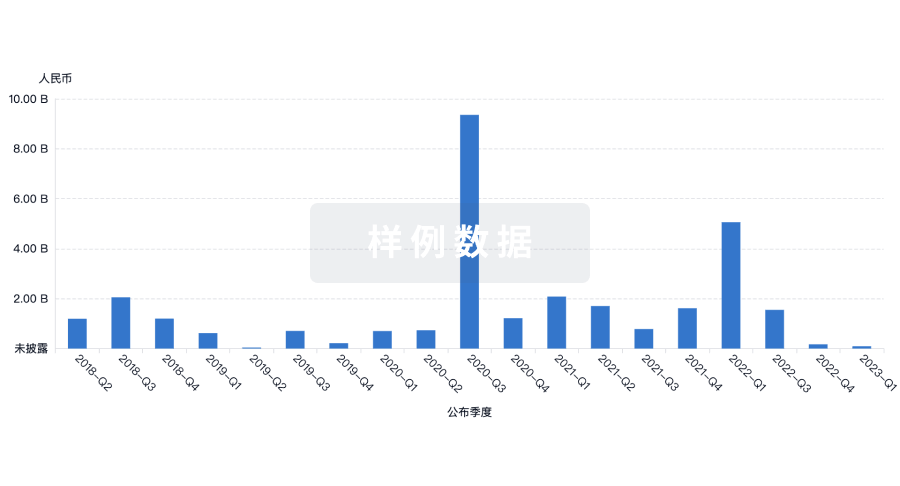
投资
深入了解从初创企业到成熟企业的最新公司投资动态。
登录
或
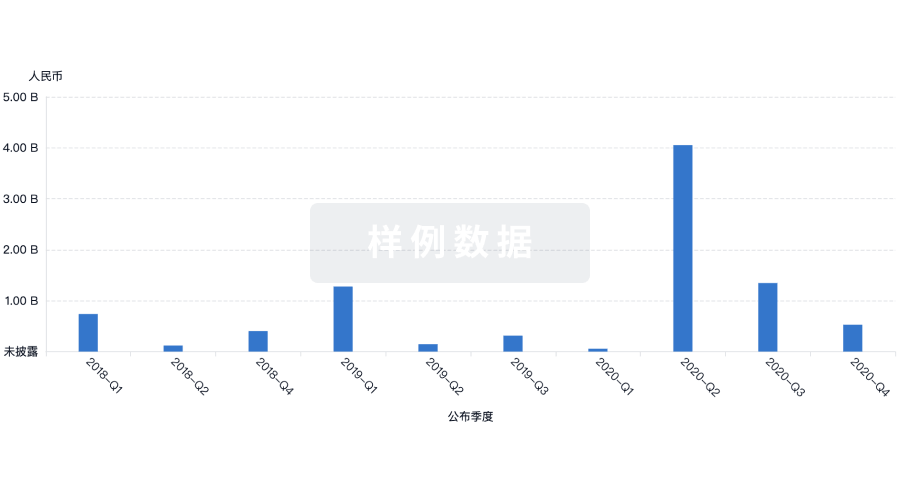
融资
发掘融资趋势以验证和推进您的投资机会。
登录
或
提出任何生物医药研究问题
让每一步生物医药决策都精准制胜
基于十亿级生物数据与全球情报的精准 AI,赋能早期药物发现
立即开始免费试用!
智慧芽新药情报库是智慧芽专为生命科学人士构建的基于AI的创新药情报平台,助您全方位提升您的研发与决策效率。
立即接入生物医药数据包
智慧芽新药库数据也通过智慧芽开放平台,以MCP或API服务形式对外开放。立即使用我们的MCP服务定制您的LLM智能体。
生物序列数据库
生物药研发创新
免费使用
化学结构数据库
小分子化药研发创新
免费使用