预约演示
更新于:2026-02-01

Hebei Zhitong Bio Pharmaceutical Co. Ltd.
更新于:2026-02-01
概览
疾病领域得分
一眼洞穿机构专注的疾病领域

技术平台
公司药物应用最多的技术
靶点
公司最常开发的靶点
关联
靶点 |
作用机制 |
在研机构 |
原研机构 |
在研适应症 |
非在研适应症 |
最高研发阶段 |
首次获批国家/地区 |
首次获批日期 |
CTR20132490
评价盐酸曲美他嗪片人体生物等效性试验

CTR20150110
复方藏茴香肠溶液体胶囊治疗功能性消化不良随机、双盲、 安慰剂平行对照、多中心、Ⅲ期临床试验

CTR20150219
吡格列酮格列美脲片人体生物利用度试验
100 项与 河北智同生物制药股份有限公司 相关的临床结果
登录后查看更多信息
登录后查看更多信息
2025-12-01PHYTOMEDICINE
Ganoderma lucidum triterpenes ameliorate age-related cognitive impairment via regulating Eubacterium lentum-mediated serine metabolism
Article
作者: Liu, Wei ; Fan, Xin ; Jia, Nan ; Hao, Hao ; Yan, Yiyue ; Wang, Zhongbo ; Qian, Xiayu ; Wang, Guangji ; Xu, Feng ; Hu, Kangrui ; Zhou, Zhihao ; Chen, Qi ; Zhang, Tingting ; Ding, Ke ; Yu, Tengjie ; Ai, Haoyu ; Liu, Ye ; Su, Lin ; Liang, Yan
BACKGROUND:
Natural aging of the brain is commonly accompanied by a decline in cognitive ability, which is driven by oxidative stress, inflammation, and metabolic dysregulation. These pathological processes are further exacerbated by gut microbiota dysbiosis.
OBJECTIVE:
This study aims to investigate the therapeutic potential and underlying mechanisms of Ganoderma lucidum triterpenes (GLTs) in ameliorating cognitive impairment associated with aging.
METHODS:
The pharmacological activity of GLTs was evaluated in both in vitro and in vivod-galactose-induced senescence models. The chemical composition of GLTs was qualitatively analyzed using an LC-Triple-TOF/MS system. Gut microbiota variation was assessed by 16S rRNA sequencing. The role of specific bacterial taxa was examined via colonization experiments, and metabolomics comparison analysis was conducted on both model animals and clinical patients of different ages to search for aging-related metabolites.
RESULTS:
Pharmacodynamic studies showed that GLTs significantly improved age-related cognitive deficits. A total of 43 triterpenoids were identified from GLTs, with the main ganoderic acids showing a low exposure level in the target tissue (< 100 ng/g in brain), implying a potential peripheral mechanism of action. GLT treatment effectively reversed gut microbiota dysbiosis in aged mice, particularly by increasing the abundance of Eubacterium lentum (E. lentum). Colonization with E. lentum markedly enhanced cognitive ability and increased serine levels in the serum and brain. Clinical metabolomics demonstrated an age-associated decline in serum serine levels. Moreover, supplementing aged mice with exogenous serine could improve cognitive function.
CONCLUSIONS:
Our data for the first time indicate that aging leads to downregulation of E. lentum in the gut microbiota of mice, thereby reducing serine production. The decrease in serine levels in the systemic circulation mediates the decline in cognitive function. GLTs ameliorate age-related cognitive impairment by restoring E. lentum abundance and consequently increasing serine production. This work innovatively highlights GLTs as promising therapeutic candidates for aging-related neurodegeneration.
2025-09-01Advances in Traditional Medicine
Tripterygium wilfordii attenuates IgE-mediated type I allergy by regulating Th1/Th2 balance
作者: Xueran Xiao ; Tongyun Long ; Feng Xu ; Zhongcheng Liu ; Chengyan Zhou ; Yanfen Zhang ; Fei Li
Abstract: Tripterygium wilfordii Hook. f.(TWHF) is a traditional Chinese medicine with multiple pharmacol. activities, yet its therapeutic effects on type I hypersensitivity has not been clarified.This study investigated the treatment and potential mechanisms of TWHF and its major bioactive component Triptolide (TPL) on type I allergy.The treatment mechanism was predicted by network pharmacol.Tripterygium wilfordii Polycoride Tablet (TWPT) and TPL were selected as therapeutic agents for type I allergy in RBL-2H3 cell and in PCA and PSA models.25 mol. targets were screened, and IL4, IL2, PIK3CG and CXCR4 that have a strong correlation with TWHF anti-type I allergy.Furthermore, TWHF may regulate type I allergy via Th1 and Th2 cell differentiation, PI3K-Akt and calcium signaling pathway.The results in vitro experiments showed that TWHF can dose-dependently reduce the release of β-hex and histamine induced by IgE, based on cell morphol., intracellular Ca2+ concentration, cell apoptosis rate and TNF-α release, TWHF was found to significantly inhibit RBL-2H3 cell degranulation, and TWPT was more effective than TPL in treating type I allergy.Results in vivo indicated that TWHF can dose-dependently inhibit plasma dye exudation and tissue edema in ears, backs and paws in PCA and PSA models.In addition, we also discovered that TWHF could regulate Th1/Th2 balance in PSA model in vivo.In conclusion, TWHF has the potential to be utilized as a medication to treat type I allergy.This work provides new perspectives on the pharmacol. mechanism of TWHF.Graphical Abstract:
2024-12-01INTERNATIONAL IMMUNOPHARMACOLOGY
Evidence of the “hit and run” characteristics of Cerebroprotein Hydrolysate-I in the treatment of neonatal HIE based on pharmacokinetic and pharmacological studies
Article
作者: Liu, Ye ; Yu, Tengjie ; Wang, Zhongbo ; He, Laipeng ; Wang, Guangji ; Shen, Yun ; Liang, Yan ; Fan, Xin ; Zhang, Tingting ; Xie, Lin ; Zhang, Dianzhui ; Liu, Wei
Hypoxic ischemic encephalopathy (HIE) is the leading cause of neonatal mortality and disability, but its treatment options are very limited and there is an urgent need to further improve treatment outcomes. The present study aims to reveal the therapeutic effects, action pattern, and potential mechanisms of Cerebroprotein hydrolysate-I (CH-I), a mixture of hydrolyzed peptides and amino acids, for the management of HIE. To simulate the complex pathogenesis of HIE more accurately, we innovatively constructed a "triple hit" neonatal HIE rat model. The efficacy of CH-1 was examined in this model, and it was found that CH-I treatment not only significantly improved the behavior and small molecule metabolism disorders of neonatal HIE rats, but also reduced intracerebral neuronal apoptosis, neuroinflammation, and oxidative stress levels. In addition, the neuroprotective effect of CH-I was also confirmed in the hypoxic oligodendrocyte precursor cell model. We innovatively found that CH-I could reverse myelin damage induced by HIE modeling via activating the Wnt/β-catenin signaling pathway. More importantly, a robust quantitative analysis assay for the main peptides in CH-I was developed based on LC-MS/MS system combining Skyline software. Then the pharmacokinetics of the main peptides was studied based on 'relative exposure approach' combining 'mixed calibration curves' strategy. The transient exposure of peptides in vivo indicated that CH-I should exert neuroprotective effects through the "hit and run" pattern.
2026-01-20
2026-01-12
·汇聚南药
100 项与 河北智同生物制药股份有限公司 相关的药物交易
登录后查看更多信息
100 项与 河北智同生物制药股份有限公司 相关的转化医学
登录后查看更多信息
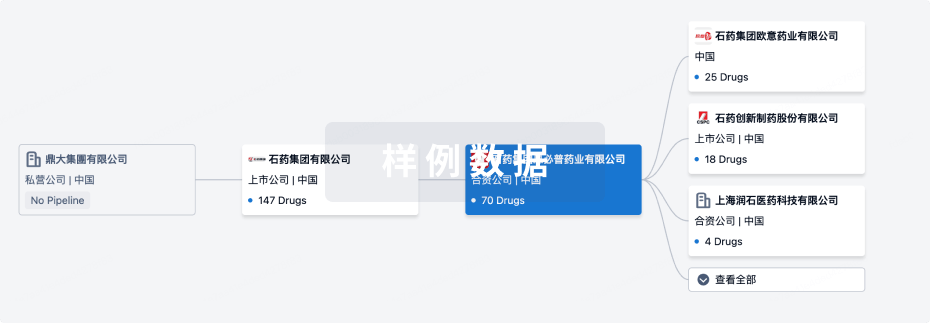
组织架构
使用我们的机构树数据加速您的研究。
登录
或
管线布局
2026年02月08日管线快照
管线布局中药物为当前组织机构及其子机构作为药物机构进行统计,早期临床1期并入临床1期,临床1/2期并入临床2期,临床2/3期并入临床3期
批准上市
1
1
其他
登录后查看更多信息
当前项目
登录后查看更多信息
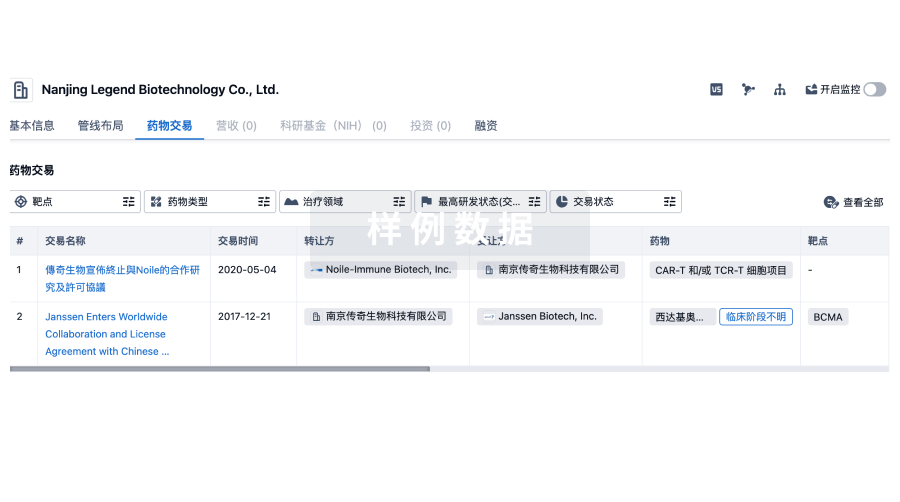
药物交易
使用我们的药物交易数据加速您的研究。
登录
或
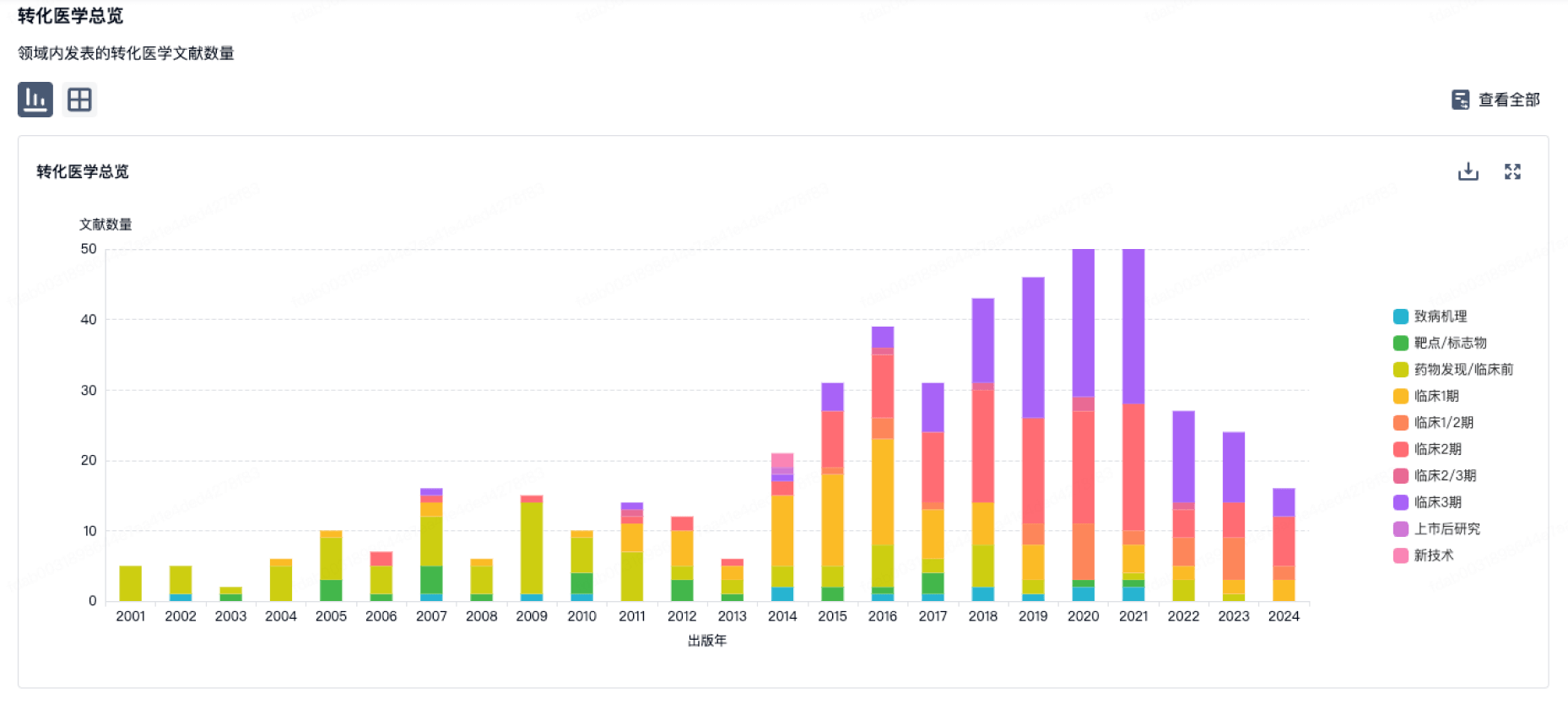
转化医学
使用我们的转化医学数据加速您的研究。
登录
或
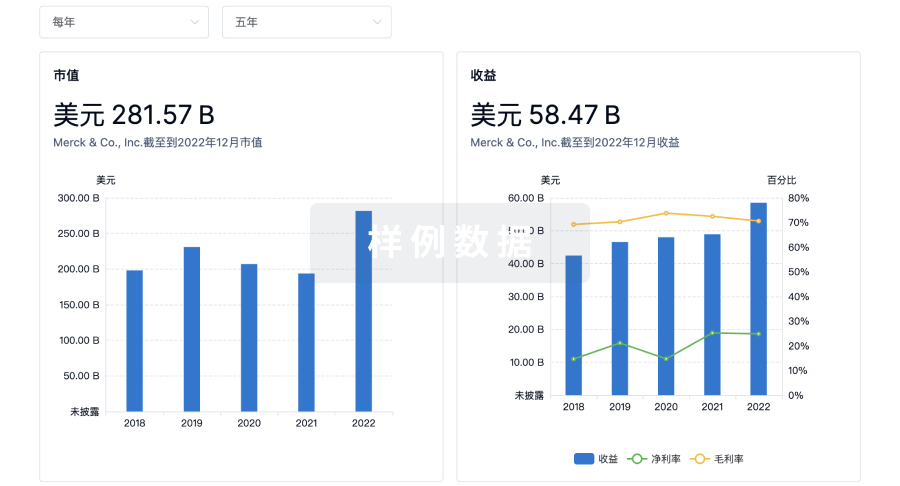
营收
使用 Synapse 探索超过 36 万个组织的财务状况。
登录
或
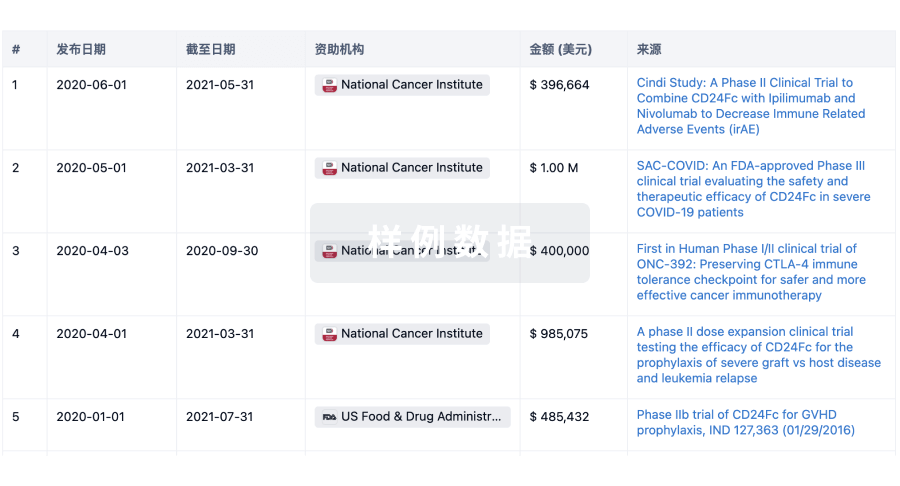
科研基金(NIH)
访问超过 200 万项资助和基金信息,以提升您的研究之旅。
登录
或
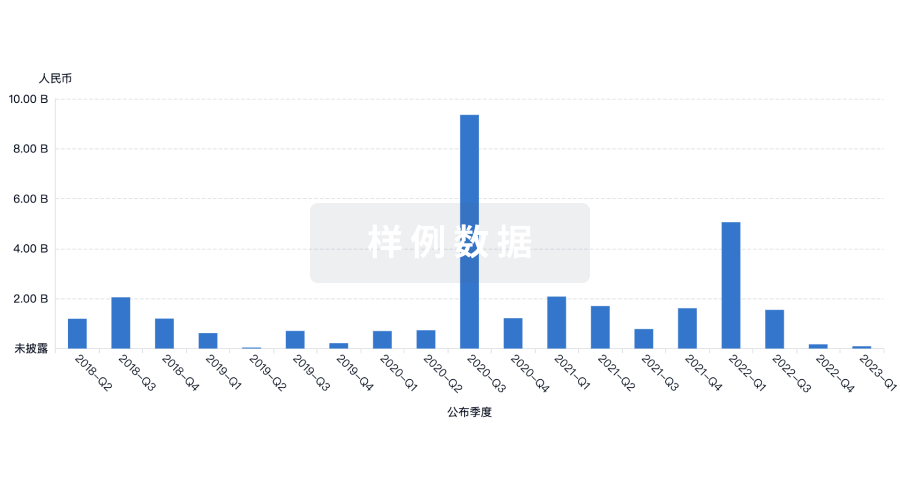
投资
深入了解从初创企业到成熟企业的最新公司投资动态。
登录
或
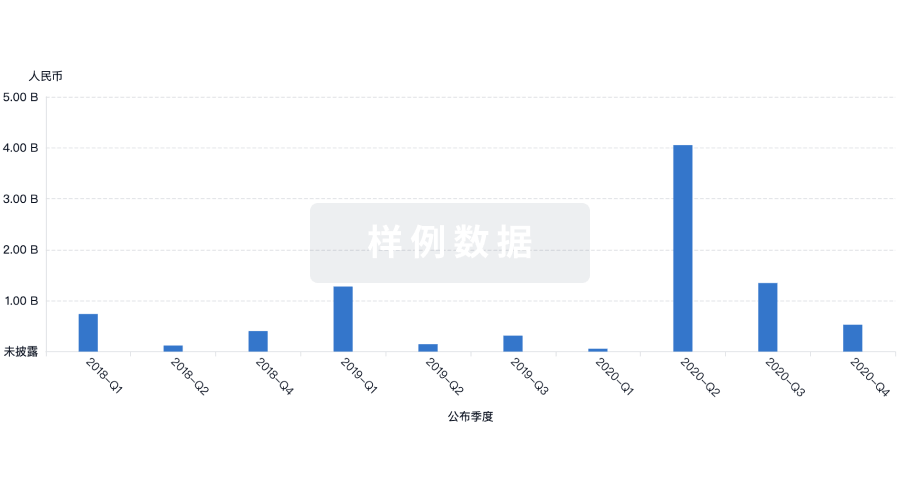
融资
发掘融资趋势以验证和推进您的投资机会。
登录
或
生物医药百科问答
全新生物医药AI Agent 覆盖科研全链路,让突破性发现快人一步
立即开始免费试用!
智慧芽新药情报库是智慧芽专为生命科学人士构建的基于AI的创新药情报平台,助您全方位提升您的研发与决策效率。
立即开始数据试用!
智慧芽新药库数据也通过智慧芽数据服务平台,以API或者数据包形式对外开放,助您更加充分利用智慧芽新药情报信息。
生物序列数据库
生物药研发创新
免费使用
化学结构数据库
小分子化药研发创新
免费使用