预约演示
更新于:2026-06-15

Fujian Medical University
更新于:2026-06-15
概览
标签
肿瘤
皮肤和肌肉骨骼疾病
神经系统疾病
小分子化药
外泌体药物
蛋白水解靶向嵌合体(PROTAC)
疾病领域得分
一眼洞穿机构专注的疾病领域

技术平台
公司药物应用最多的技术
靶点
公司最常开发的靶点
关联
靶点 |
作用机制 |
在研机构 |
原研机构 |
在研适应症 |
非在研适应症 |
最高研发阶段 |
首次获批国家/地区 |
首次获批日期 |
靶点 |
作用机制 |
在研机构 |
原研机构 |
在研适应症 |
非在研适应症 |
最高研发阶段 |
首次获批国家/地区 |
首次获批日期 |

靶点 |
作用机制 |
在研机构 |
原研机构 |
在研适应症 |
非在研适应症 |
最高研发阶段 |
首次获批国家/地区 |
首次获批日期 |


NCT07314203
Clinical Efficacy of Adebrelimab With or Without Apatinib Mesilate and SOX Neoadjuvant Therapy in Locally Advanced Gastric Cancer
ChiCTR2600122317
Research of intergenerational escort management mode of social isolation for the nursing home residents based on Bi-LSTM neural network
NCT07617883
Application and Effectiveness of a RE-AIM-Based Dementia Management Competency Training Program for Primary Health Care Providers: A Cluster Randomized Controlled Trial
100 项与 福建医科大学 相关的临床结果
登录后查看更多信息
登录后查看更多信息
2026-12-31Hematology
U-shaped association of red cell distribution width to platelet count ratio and prognosis in diffuse large B-cell lymphoma treated with rituximab-based therapy
Article
作者: Chen, Yifen ; Lin, Sudan ; Chen, Suoyu ; Pan, Jiabin ; Lin, Dayi ; Lin, Luhui ; Lin, Congmeng
OBJECTIVES:
To examine the nonlinear association between the red cell distribution width to platelet count ratio (RPR) and the prognosis of diffuse large B-cell lymphoma (DLBCL) patients treated with rituximab-based therapies.
METHODS:
Data from 170 newly diagnosed DLBCL patients on rituximab regimens were retrospectively analyzed. Clinical data and survival outcomes were collected. Patients were categorized into three RPR tertiles: Tertile 1 (<0.048), Tertile 2 (0.048-0.066), and Tertile 3 (0.066). Multivariable Cox models were used to evaluate the RPR's impact on progression-free survival (PFS) and overall survival (OS). Nonlinear RPR-PFS/OS relationships were explored using smooth curve fitting and a two-piecewise Cox model.
RESULTS:
Over a median follow-up of 30.5 (range: 3-92) months, there were 42 deaths and 67 events (death or progression). Patients in the first and third RPR tertiles had a higher risk of poorer PFS compared to the second RPR tertile. A U-shaped relationship was found between RPR and PFS, with an inflection point at an RPR level of 0.051. For PFS, the HR per 0.01 increment was 0.58 (0.39, 0.87) on the left and 1.10 (1.01, 1.19) on the right of this point (p < 0.05).
CONCLUSION:
Both low and high RPR levels are linked to reduced PFS, confirming a U-shaped association.
2026-12-31ANNALS OF MEDICINE
Letter regarding ‘the prevalence and predictors of previous prostate cancer screening among men attending primary healthcare centers in Riyadh, Saudi Arabia’
Article
作者: Pan, Honghong ; Chen, Xinruo ; Li, Hao
2026-12-31INTERNATIONAL JOURNAL OF HYPERTHERMIA
Thermal ablation vs. conventional neck dissection for recurrent low-burden lymph node metastasis in thyroid cancer: a dual-center retrospective cohort study
Article
作者: Yang, Jianchuan ; Lin, Xiaoying ; Zeng, Jinshu ; Tang, Lingpeng ; Wu, Songsong ; Ye, Xiaojian ; Yan, Lei ; Hong, Yuqi ; Lin, Xueqing ; Zhong, Qi
OBJECTIVE:
To compare ultrasound-guided thermal ablation (TA) with conventional neck dissection (CND) for recurrent low-burden lymph node metastasis (≤3 lesions, <2 cm) in regional recurrences of thyroid papillary carcinoma, and to guide risk-adaptive therapeutic strategies.
METHODS:
A dual-center retrospective study (2016-2022) analyzed 230 patients with recurrent lymph node metastasis, stratified into TA (n = 115) and reoperation groups (n = 115). Endpoints included recurrence-free survival, complications, thyroglobulin (Tg) dynamics, quality of life (EORTC QLQ-C30), and healthcare costs.
RESULTS:
Oncological Outcomes: No significant difference in 36-month recurrence rates (Log-rank p = 0.54; Bonferroni-corrected p = 1.00).Safety: Similar complication rates (nerve injury, hypocalcemia, hematoma, infection; all p > 0.7).TA Advantages: Shorter operative time, less blood loss, faster recovery, shorter hospital stays, and lower costs. Nearly 50% of TA-treated patients achieved complete lymph node volume reduction (100% VRR) within 36 months.
CONCLUSION:
TA demonstrates non-inferior oncological efficacy compared to CND for strictly selected patients with recurrent low-burden lymph node metastasis, offering minimally invasive, risk-adaptive therapeutic strategies with superior procedural efficiency and quality-of-life benefits.
2026-06-12
疫苗高管变更
100 项与 福建医科大学 相关的药物交易
登录后查看更多信息
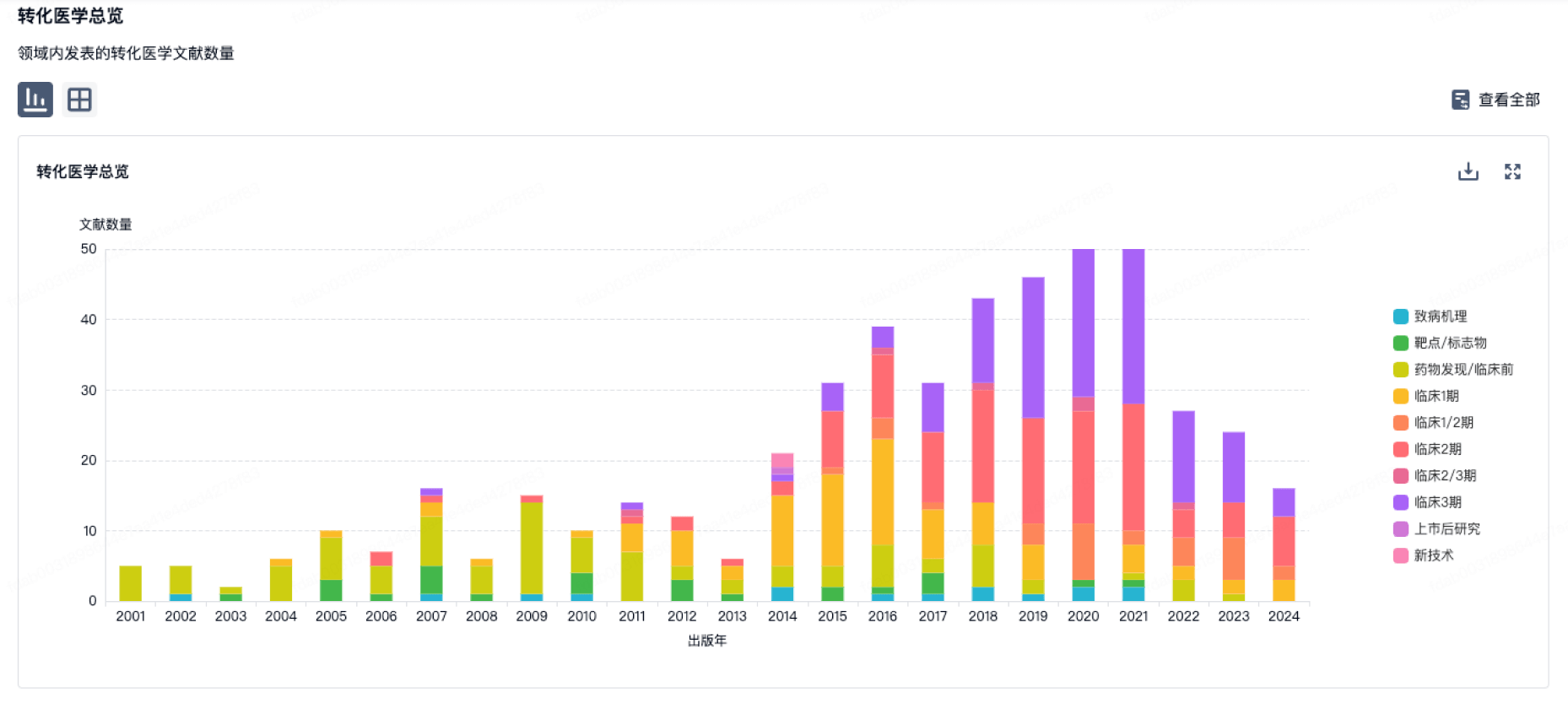
100 项与 福建医科大学 相关的转化医学
登录后查看更多信息
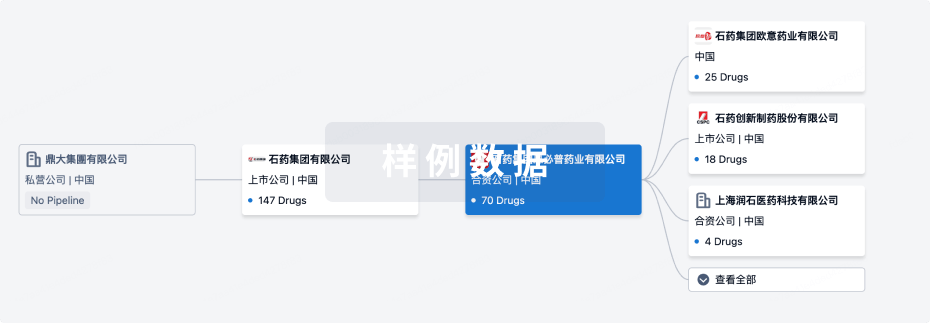
组织架构
使用我们的机构树数据加速您的研究。
登录
或
管线布局
2026年10月21日管线快照
管线布局中药物为当前组织机构及其子机构作为药物机构进行统计,早期临床1期并入临床1期,临床1/2期并入临床2期,临床2/3期并入临床3期
药物发现
3
49
临床前
临床1期
4
5
其他
登录后查看更多信息
当前项目
登录后查看更多信息
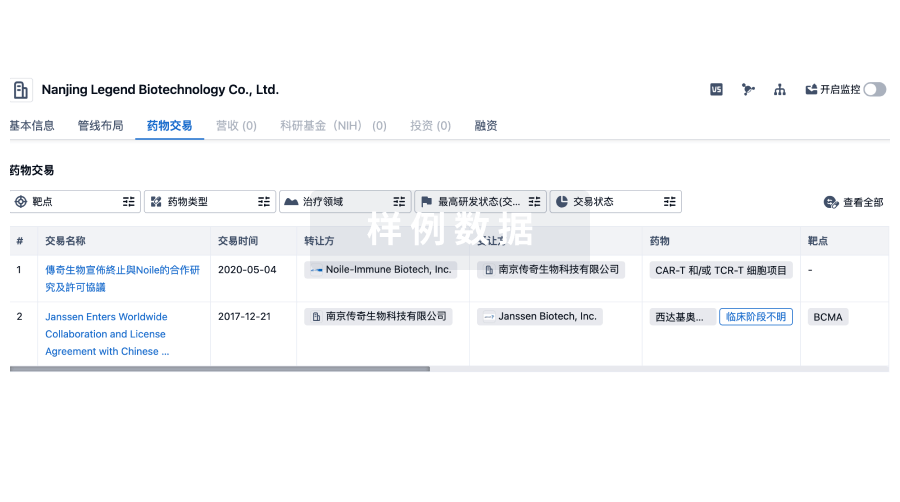
药物交易
使用我们的药物交易数据加速您的研究。
登录
或
转化医学
使用我们的转化医学数据加速您的研究。
登录
或
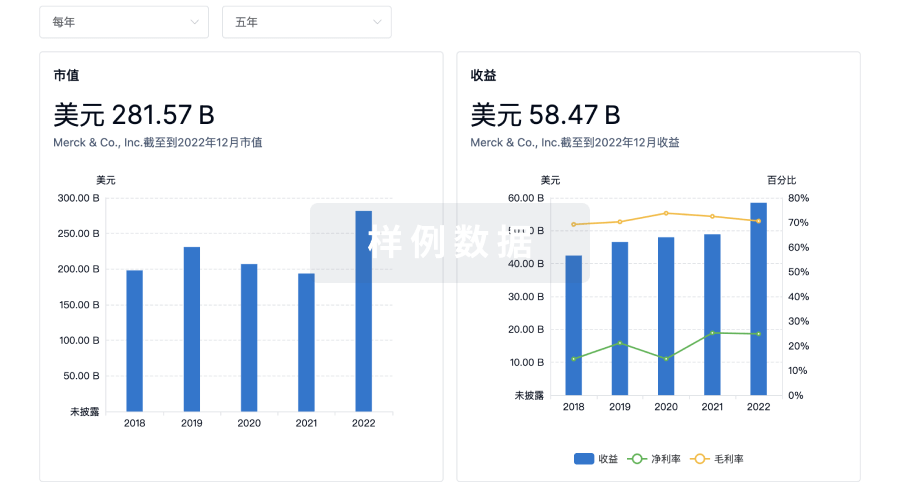
营收
使用 Synapse 探索超过 36 万个组织的财务状况。
登录
或
科研基金(NIH)
访问超过 200 万项资助和基金信息,以提升您的研究之旅。
登录
或
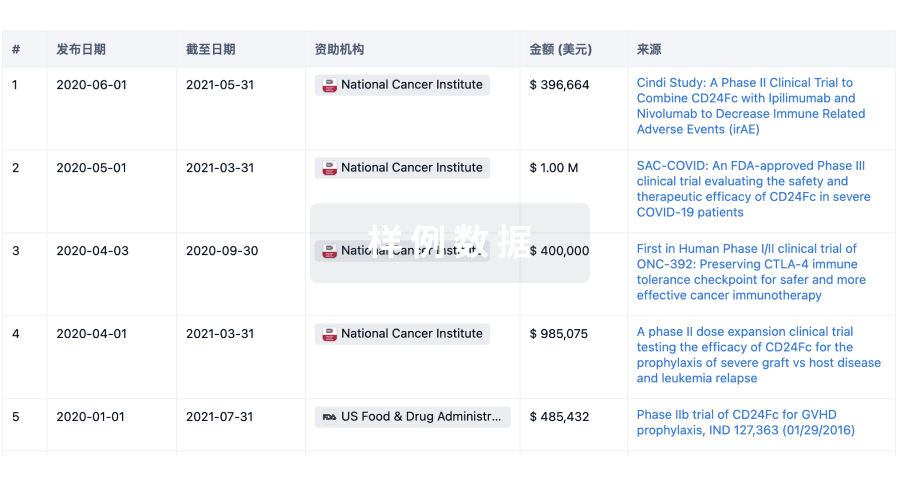
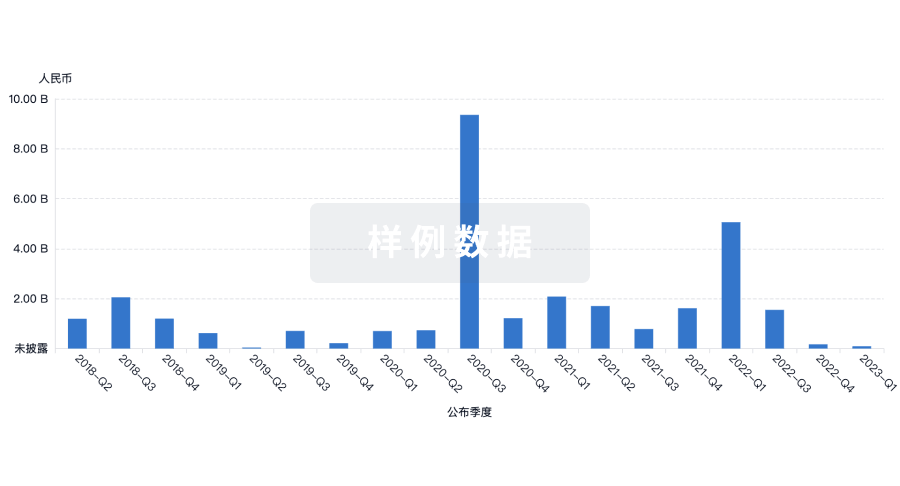
投资
深入了解从初创企业到成熟企业的最新公司投资动态。
登录
或
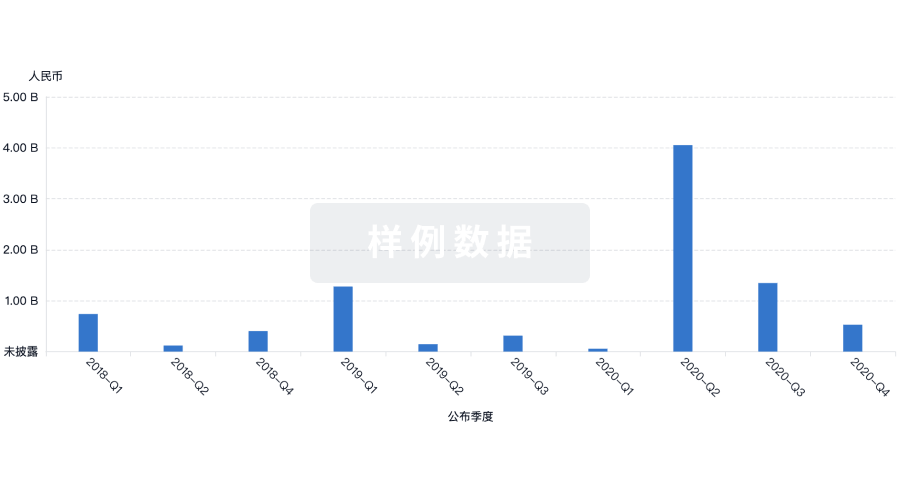
融资
发掘融资趋势以验证和推进您的投资机会。
登录
或
提出任何生物医药研究问题
让每一步生物医药决策都精准制胜
基于十亿级生物数据与全球情报的精准 AI,赋能早期药物发现
立即开始免费试用!
智慧芽新药情报库是智慧芽专为生命科学人士构建的基于AI的创新药情报平台,助您全方位提升您的研发与决策效率。
立即接入生物医药数据包
智慧芽新药库数据也通过智慧芽开放平台,以MCP或API服务形式对外开放。立即使用我们的MCP服务定制您的LLM智能体。
生物序列数据库
生物药研发创新
免费使用
化学结构数据库
小分子化药研发创新
免费使用