预约演示
更新于:2026-01-17

Shenzhen Inno Immunization Co., Ltd
更新于:2026-01-17
概览
标签
肿瘤
呼吸系统疾病
感染
TCR-T细胞疗法
疾病领域得分
一眼洞穿机构专注的疾病领域

技术平台
公司药物应用最多的技术
靶点
公司最常开发的靶点
关联
靶点 |
作用机制 |
在研机构 |
原研机构 |
在研适应症 |
非在研适应症 |
最高研发阶段 |
首次获批国家/地区 |
首次获批日期 |
靶点 |
作用机制 |
在研机构 |
原研机构 |
在研适应症 |
非在研适应症 |
最高研发阶段 |
首次获批国家/地区 |
首次获批日期 |
ChiCTR-OIC-17013633
Anti-CD19 Chimeric Antigen Receptor (CAR)-Transduced T Cell Therapy for Patients With B Cell Malignancies

100 项与 深圳因诺免疫有限公司 相关的临床结果
登录后查看更多信息
登录后查看更多信息
2025-03-01Molecular Therapy Oncology
CAR-T cell therapy based on a TCR mimic nanobody targeting an intracellular antigen for solid cancers
作者: Jin, Shi ; Wang, Mingjun ; Lin, Qingqing
A review.The present article discuss about the role of CAR-T cell therapy based on a TCR mimic nanobody targeting an intracellular antigen for solid cancer.
Vaccines
TCR-T Cell Recognition of an NY-ESO-1 Epitope Presented by HLA-A2 Supertype: Implications for Cancer Immunotherapy
Article
作者: Chen, Xiaochun ; Xia, Xiaojun ; Sun, Heng ; Liu, Fenglan ; Li, Yanwei ; Lin, Qingqing ; Jin, Shi ; Wang, Mingjun ; Zhang, Jinling ; Tian, Geng ; Ma, Yipeng ; Wang, Zhi ; Lin, Tong
Background: T-cell receptor (TCR)-engineered T-cell therapy (TCR-T) has become a promising anticancer therapy. Recognition of tumor cells by TCR-T cells requires matched human leukocyte antigen (HLA) alleles and tumor antigens, which seriously limits their population coverage. One strategy to expand the population coverage of a specific TCR-T cell therapy is to enable TCR-T cells to recognize target peptides presented by more HLA alleles. Methods: In this study, HLA alleles were selected based on the Chinese population frequency and HLA supertype classification. Then, COS-7 and two tumor cell lines (586 mel and 5637) were transduced with selected HLA alleles for functional evaluation of TCR-T cells. HLA-A2 alleles capable of both exogenously and endogenously presenting the NY-ESO-1-derived epitope and thereby being recognized by TCR-T cells were tested. Results: We demonstrated that a given TCR-T cell product can recognize the NY-ESO-1 peptide exogenously and endogenously presented not only by HLA-A*02:01 but also by HLA-A*02:03, HLA-A*02:06, and HLA-A*02:10, almost doubling the population coverage in the Chinese population from 12.01% to 21.05%. Conclusions: Our study suggests that cancer patients expressing members of the HLA-A2 supertype may benefit from the TCR-T cell product, and other TCR-T cell products could similarly expand their population coverage even within the non-Chinese population through an analogous approach.
100 项与 深圳因诺免疫有限公司 相关的药物交易
登录后查看更多信息
100 项与 深圳因诺免疫有限公司 相关的转化医学
登录后查看更多信息
组织架构
使用我们的机构树数据加速您的研究。
登录
或
管线布局
2026年02月08日管线快照
管线布局中药物为当前组织机构及其子机构作为药物机构进行统计,早期临床1期并入临床1期,临床1/2期并入临床2期,临床2/3期并入临床3期
临床前
1
1
临床申请
其他
1
登录后查看更多信息
当前项目
登录后查看更多信息
药物交易
使用我们的药物交易数据加速您的研究。
登录
或
转化医学
使用我们的转化医学数据加速您的研究。
登录
或
营收
使用 Synapse 探索超过 36 万个组织的财务状况。
登录
或
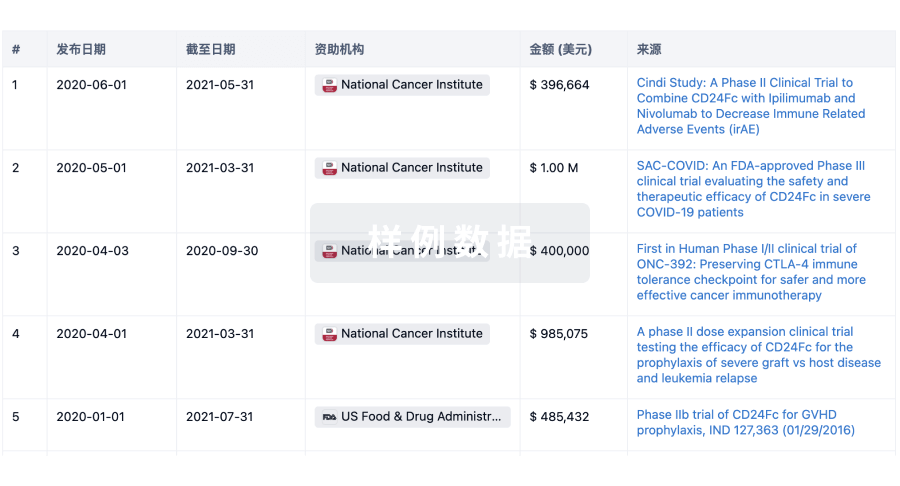
科研基金(NIH)
访问超过 200 万项资助和基金信息,以提升您的研究之旅。
登录
或
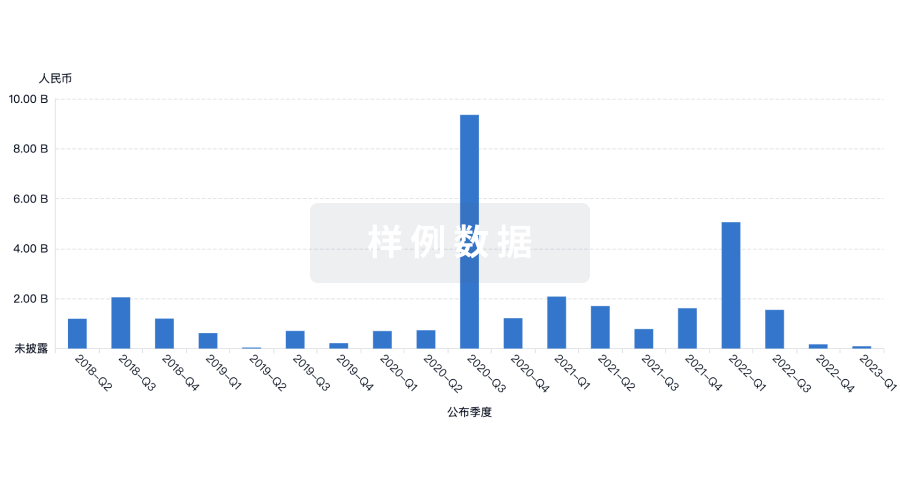
投资
深入了解从初创企业到成熟企业的最新公司投资动态。
登录
或
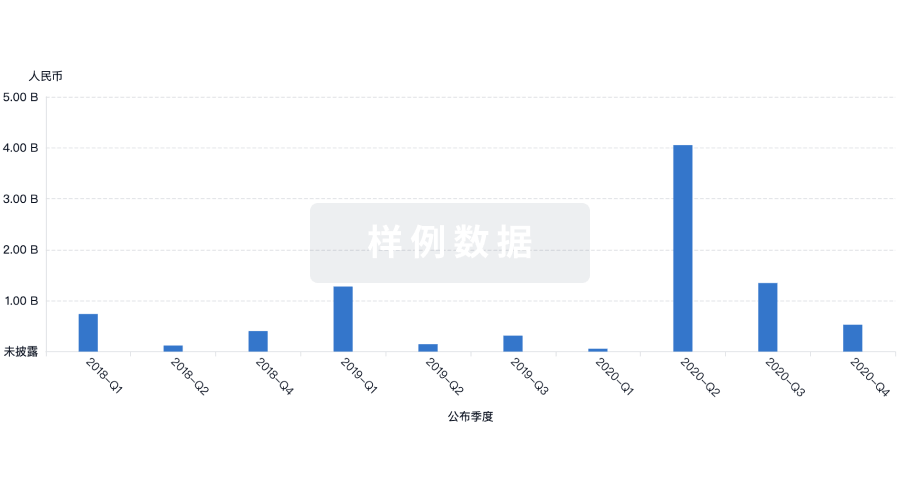
融资
发掘融资趋势以验证和推进您的投资机会。
登录
或
生物医药百科问答
全新生物医药AI Agent 覆盖科研全链路,让突破性发现快人一步
立即开始免费试用!
智慧芽新药情报库是智慧芽专为生命科学人士构建的基于AI的创新药情报平台,助您全方位提升您的研发与决策效率。
立即开始数据试用!
智慧芽新药库数据也通过智慧芽数据服务平台,以API或者数据包形式对外开放,助您更加充分利用智慧芽新药情报信息。
生物序列数据库
生物药研发创新
免费使用
化学结构数据库
小分子化药研发创新
免费使用