预约演示
更新于:2026-01-12

Lanzhou University of Technology
更新于:2026-01-12
概览
标签
消化系统疾病
肿瘤
化学药
疾病领域得分
一眼洞穿机构专注的疾病领域

技术平台
公司药物应用最多的技术
靶点
公司最常开发的靶点
关联
靶点 |
作用机制 |
在研机构 |
原研机构 |
在研适应症 |
非在研适应症 |
最高研发阶段 |
首次获批国家/地区 |
首次获批日期 |

100 项与 兰州理工大学 相关的临床结果
登录后查看更多信息
登录后查看更多信息
2026-03-01BIOELECTROCHEMISTRY
A new strategy for assessing chemo cardiotoxicity risk based on CRP recognition and the application of novel sensing technology
Article
作者: Sun, Bolu ; Wang, Xinlan ; Wang, Hai ; Wang, Zixia ; Qin, Chenyu ; Wang, Xiangdong ; Zhou, Miao ; Wu, Yuqiong ; Lv, Ying ; Li, Huajie ; Kang, Jiali ; Yang, Lin ; He, Haiying ; Da, Xuanxiu
Cancer chemotherapy, while enhancing patient survival, is limited by cardiotoxicity. Early monitoring and risk assessment are essential. C-reactive protein (CRP) can serve as an early biomarker for predicting cardiotoxicity during chemotherapy, offering a critical opportunity to develop new cardioprotective strategies. This study used an anti-CRP antibody loaded onto an electrode modified with chitosan (CS) and functionalized carbon black (f-CB) as a target. Due to f-CB's excellent electrical conductivity and CS's high permeability and strong adhesion, an immunosensor for the early monitoring and risk assessment of chemotherapy-induced cardiotoxicity based on CRP-specific immunorecognition was successfully constructed. Under optimal experimental conditions, the immunosensor exhibited excellent linearity in the range of 3.9 × 10⁻¹ to 4 × 10² ng mL-1 with a detection limit as low as 3.16 × 10⁻¹ ng mL-1, making it more sensitive than ELISA. The immunosensor also demonstrated excellent selectivity, reproducibility, and stability in detecting CRP in a chemotherapy-induced cardiotoxicity model, with recovery rates ranging from 97.14 % to 107.65 %. This study presents an efficient, accurate, and practical approach for the early detection and risk assessment of chemotherapy-induced cardiotoxicity, thereby supporting a balance between therapeutic efficacy and cardiac safety.
2026-01-08Journal of Physical Chemistry Letters
Design of Open Ion Transport Channels in Thick Electrodes through Directional Freezing-Assisted 3D Printing: Enhancing the Electrochemical Performance of High-Load Electrodes
Article
作者: Wang, Peng ; Zhang, Ningshuang ; Li, Shiyou ; Wang, Yinong ; Wang, Mengya ; Shen, Haitao ; Sun, Mengzhen ; Yao, Yijie
Aqueous zinc ion batteries (AZIBs) offer advantages such as low cost and high safety but suffer from a relatively low energy density, which limits their practical applications. The thick electrodes with a high loading capacity can significantly enhance the energy density of AZIBs. However, in traditional thick electrodes, the accumulation of active materials leads to blockage of electrochemically active sites, which hinders the transmission of ions and electrons, thereby substantially reducing the electrochemical performance of AZIBs. Herein, 3D printing technology is used to construct a thick electrode with open ion transmission channels using the AC/GO/PEDOT:PSS active material. Moreover, the pore structure of a thick electrode is optimized by integrating directional freezing technology to create open channels with both directionality and porosity. This design promotes the efficient transmission of ions and electrons while fully exposing the active sites at the microstructural level, ultimately enhancing the ion diffusion rate and electrochemical reaction efficiency of the electrode. The results demonstrate that the optimized thick electrode achieves 140% of the original specific and superior cycling stability with a retention rate of 93.4% after 2000 cycles. The specific capacity increases from 46 to 64 mAh g-1, effectively activating a greater number of active sites within the thick electrode. After directional freezing treatment, the pores in the electrode are predominantly interconnected, with the proportion increasing from 63.32% to 85.75%. Furthermore, the optimized pore structure results in enhanced ion transport kinetics with a rate capability that improved from 70.35% to 81.42%, while delivering both a high energy density of 1.49 mWh cm-2 and a power density of 19.66 mW cm-2. This work presents a novel design strategy for high-capacity electrodes and paves the way for performance enhancement in advanced energy storage devices, including batteries and supercapacitors.
2026-01-02PREPARATIVE BIOCHEMISTRY & BIOTECHNOLOGY
Sequential extraction, structural characterization, and biological activities of polysaccharides from olive (
Olea europaea
L.) pomace
Article
作者: Wen, Hai-Dong ; Zhang, Jing ; Qi, Kai-Li ; Wang, Cun-Jin ; Zhang, Ji ; Zhang, Wei-Jie ; Liu, Yan-Mei ; Han, Hui ; Zhou, Qing-Song ; Ma, Yuan-Yuan ; Zhao, Xiao-Liang
Olive pomace, a by-product of olive oil production, remains underexplored despite its potential environmental and economic benefits. This study sequentially extracted three polysaccharides (OERC, OERH, and OERA) from olive pomace using water at room temperature, hot water (80 °C), and 2% Na2CO3 solution (60 °C). Characterization through UV-Vis spectroscopy, Fourier transform infrared spectroscopy, scanning electron microscopy, thermogravimetric analysis, high-performance liquid chromatography, and Congo red experiment revealed that these polysaccharides are heteropolysaccharides primarily composed of glucose, mannose, rhamnose, and galactose, each with distinct molar ratios. The polysaccharides exhibited significant antioxidant activity by scavenging hydroxyl, DPPH, and superoxide radicals, with OERC showing the highest potency. They also repaired H2O2-induced oxidative damage in HepG2 cells, with OERC at 400 μg/mL and OERH/OERA at 200 μg/mL displaying optimal efficacy. Additionally, these polysaccharides effectively inhibited α-glucosidase activity, enhanced glucose consumption, and increased glycogen content in insulin-resistant models, thereby exerting hypoglycemic effects. Furthermore, they promoted proliferation, phagocytosis, and nitric oxide release in RAW264.7 macrophages, demonstrating immunomodulatory effects. These results indicate that sequential extraction under varying conditions is an effective method for preparing polysaccharides. The three polysaccharides isolated in this study show great potential for development as functional products with antioxidant, hypoglycemic, and immunomodulatory applications.
100 项与 兰州理工大学 相关的药物交易
登录后查看更多信息
100 项与 兰州理工大学 相关的转化医学
登录后查看更多信息
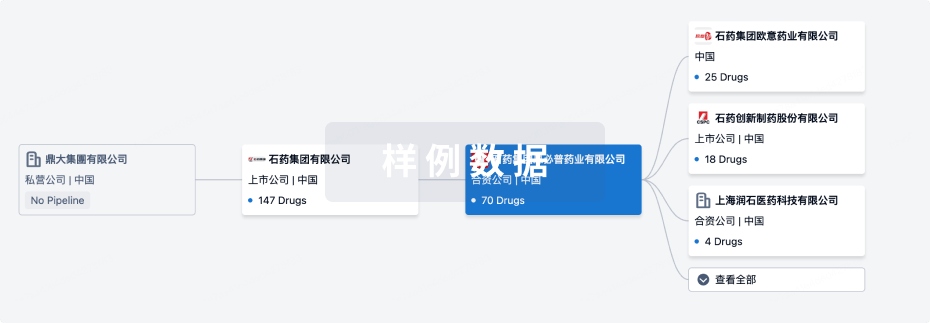
组织架构
使用我们的机构树数据加速您的研究。
登录
或
管线布局
2026年06月02日管线快照
管线布局中药物为当前组织机构及其子机构作为药物机构进行统计,早期临床1期并入临床1期,临床1/2期并入临床2期,临床2/3期并入临床3期
临床前
1
登录后查看更多信息
当前项目
登录后查看更多信息
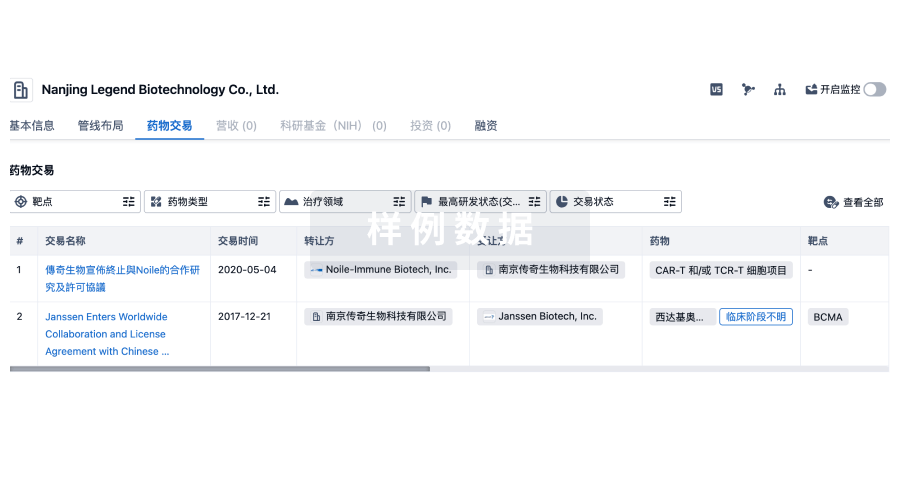
药物交易
使用我们的药物交易数据加速您的研究。
登录
或
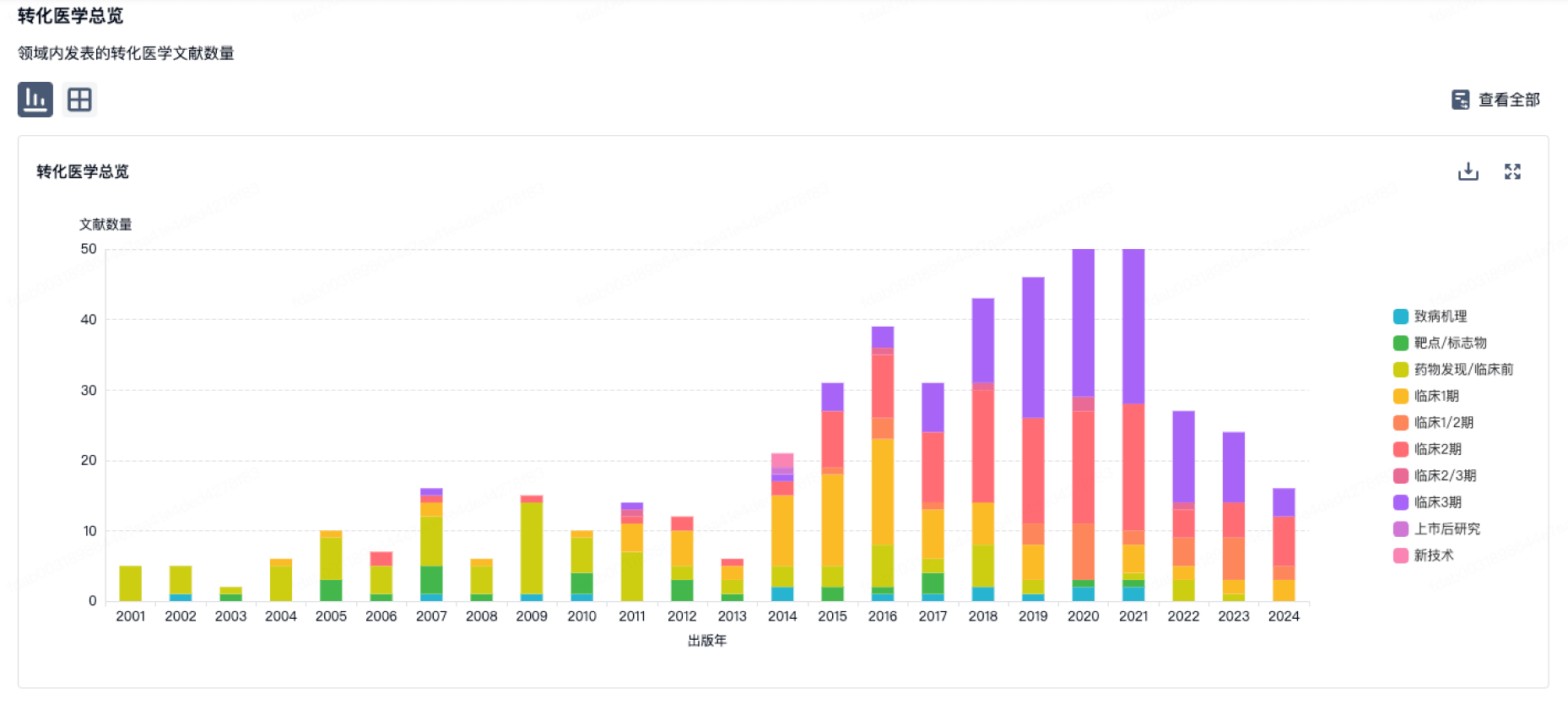
转化医学
使用我们的转化医学数据加速您的研究。
登录
或
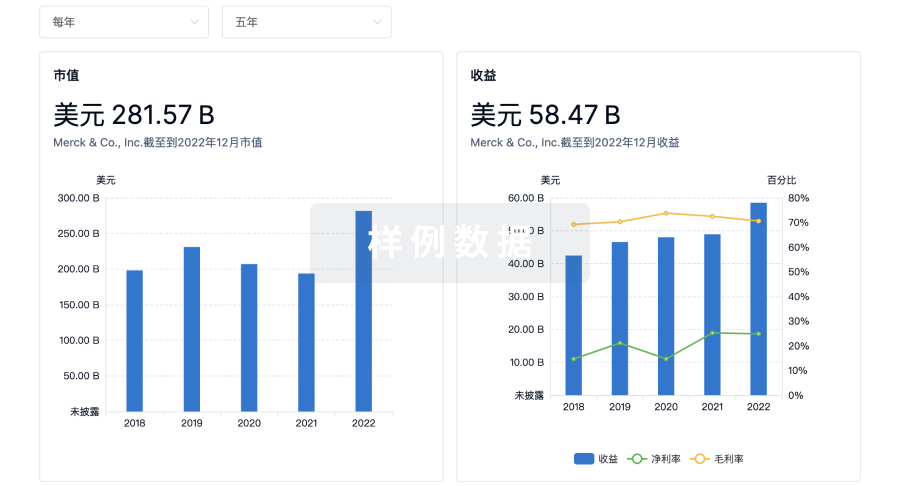
营收
使用 Synapse 探索超过 36 万个组织的财务状况。
登录
或
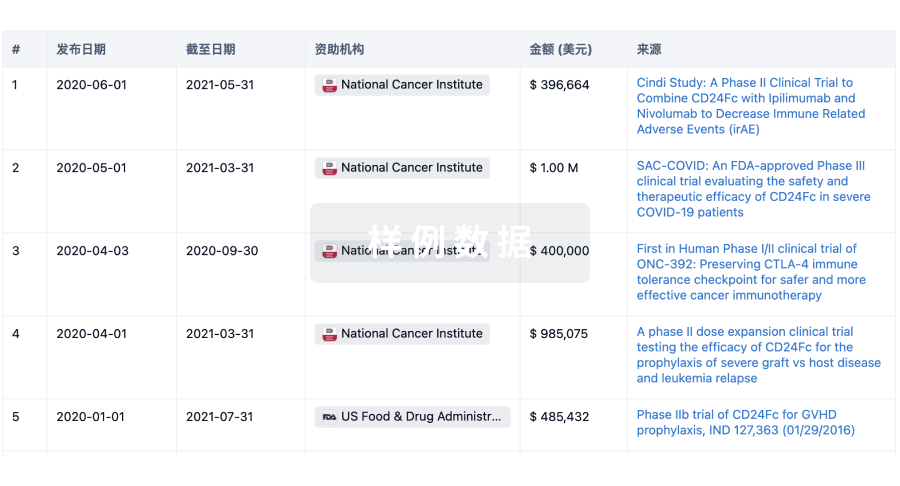
科研基金(NIH)
访问超过 200 万项资助和基金信息,以提升您的研究之旅。
登录
或
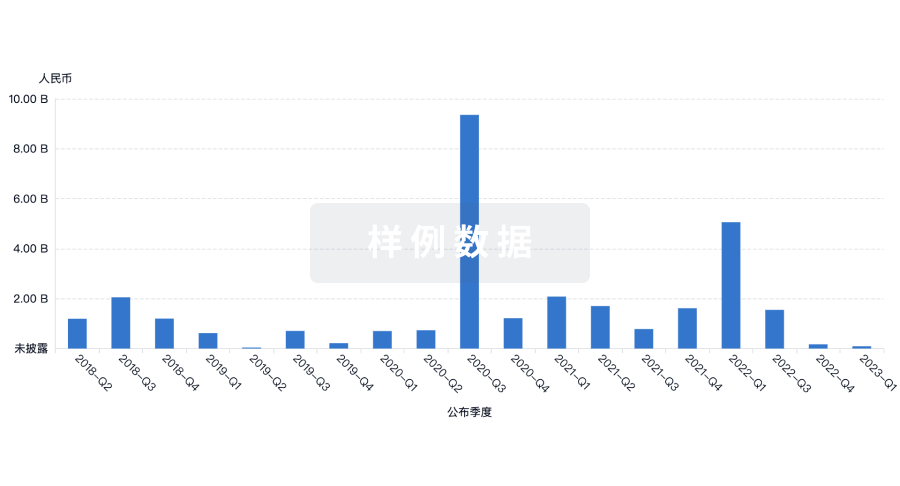
投资
深入了解从初创企业到成熟企业的最新公司投资动态。
登录
或
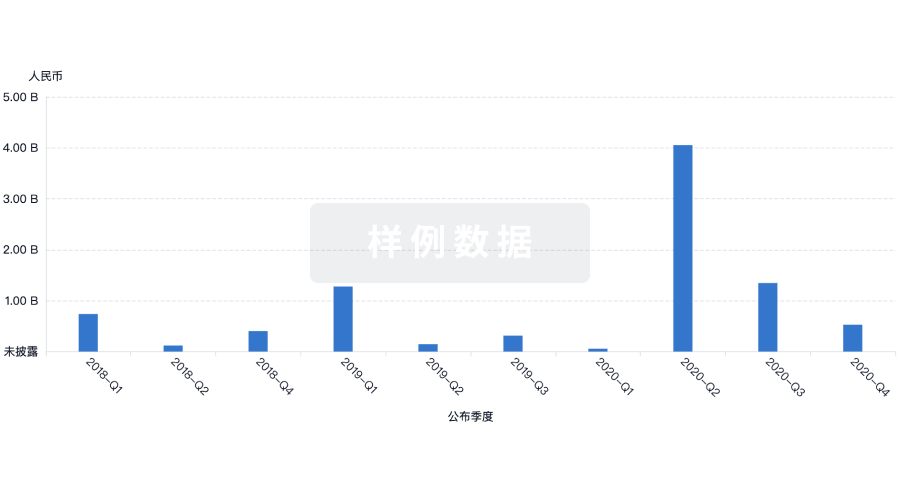
融资
发掘融资趋势以验证和推进您的投资机会。
登录
或
生物医药百科问答
全新生物医药AI Agent 覆盖科研全链路,让突破性发现快人一步
立即开始免费试用!
智慧芽新药情报库是智慧芽专为生命科学人士构建的基于AI的创新药情报平台,助您全方位提升您的研发与决策效率。
立即开始数据试用!
智慧芽新药库数据也通过智慧芽数据服务平台,以API或者数据包形式对外开放,助您更加充分利用智慧芽新药情报信息。
生物序列数据库
生物药研发创新
免费使用
化学结构数据库
小分子化药研发创新
免费使用