预约演示
更新于:2026-09-20

Lanzhou University
更新于:2026-09-20
概览
标签
肿瘤
感染
其他疾病
小分子化药
合成多肽
蛋白水解靶向嵌合体(PROTAC)
疾病领域得分
一眼洞穿机构专注的疾病领域

技术平台
公司药物应用最多的技术
靶点
公司最常开发的靶点
关联
靶点 |
作用机制 |
在研机构 |
原研机构 |
在研适应症 |
非在研适应症 |
最高研发阶段 |
首次获批国家/地区 |
首次获批日期 |


靶点 |
作用机制 |
在研机构 |
原研机构 |
在研适应症 |
非在研适应症 |
最高研发阶段 |
首次获批国家/地区 |
首次获批日期 |


靶点 |
作用机制 |
在研机构 |
原研机构 |
在研适应症 |
非在研适应症 |
最高研发阶段 |
首次获批国家/地区 |
首次获批日期 |

NCT07795099
A Single-Center, Prospective, Exploratory Clinical Study of the Lishatoclax Combination Regimen in Adult Patients With Newly Diagnosed Acute Lymphoblastic Leukemia
NCT07314554
Recurrence Rate and Risk Factors After Endoscopic Resection of Gastric and Intestinal Polyps: A Retrospective and Prospective Cohort Study
NCT07654985
Efficacy and Safety of Pediococcus Acidilactici GR-5 in Patients With Chronic Cholecystitis: A Randomized Double-Blind Placebo-Controlled Trial
100 项与 兰州大学 相关的临床结果
登录后查看更多信息
登录后查看更多信息
2027-02-01Magnetic resonance letters
Applications and future development of solid-state nuclear magnetic resonance for investigating metal-organic frameworks
Review
作者: Chen, Shoushun ; Zhang, Wanli ; Wang, Wei ; Wang, Zhi-Peng ; Lucier, Bryan E G
Metal-organic frameworks (MOFs) are a class of porous materials that feature permanent porosity, high crystallinity, and diverse structures. The 2025 Nobel Prize in Chemistry was awarded to three pioneering scientists working in the MOF field. Over the past thirty years, a wide variety of MOFs have been documented. The plethora of robust structures and porosities available has opened the door to MOF applications in many fields. The vast array of possible MOF structures also renders characterization challenging and poses significant obstacles in establishing structure-property relationships. Solid-state nuclear magnetic resonance (SSNMR) is one of the most accessible and informative techniques available for the characterization of MOFs. In this review, we discuss selected uses of SSNMR for probing the local environments surrounding MOF metal centers and organic linkers, along with impactful applications designed to enhance understanding of host-guest interactions within MOFs. Cutting-edge SSNMR research of MOFs is highlighted, emphasizing examples of breakthroughs achieved with recent advances in hardware and pulse sequences. MOF research is entering a new stage focused on practical applications and tailored rational design for industrial purposes. SSNMR will play a pivotal role in the future of MOF characterization, with both significant opportunities and challenges looming on the horizon.
2027-01-01TALANTA
Modulation of ionic current signatures and transport dynamics of proteins in quartz nanopipettes via gold nanoparticle-assisted antigen binding
Article
作者: He, Xiaodong ; Xiao, Xingjin
Solid-state nanopore sensing provides a powerful platform for probing single-molecule translocation through the analysis of ionic current fluctuations; however, for protein analytes, rapid translocation and structural complexity often result in limited signal resolution. In this work, we systematically investigate the translocation behavior of proteins and nanoparticles in quartz nanopipettes under low ionic strength conditions, with a focus on the modulation of ionic current signatures by applied voltage and molecular structure. Chicken immunoglobulin exhibits both resistive and conductive events during translocation, reflecting the competition between excluded-volume effects and ion transport asymmetry, whereas gold nanoparticles display a clear voltage-dependent transition from resistive to conductive signals, highlighting the role of field-enhanced ion flux and Debye layer coupling. Furthermore, by constructing gold nanoparticle-antibody conjugates and introducing specific antigen binding, we demonstrate that the resulting composite structures exhibit prolonged dwell times and enhanced current modulation, indicating significantly altered translocation dynamics. Finite element simulations further reveal that particle size, surface charge, and local ion distribution collectively govern the observed ionic current responses. These findings provide new insights into the mechanisms of nanopipette translocation and offer a framework for understanding nanoparticle-assisted modulation of single-molecule transport in confined nanofluidic systems.
2027-01-01CLINICA CHIMICA ACTA
C-reactive protein as a universal prognosticator in hemorrhagic stroke: a meta-analysis of intracerebral and aneurysmal subarachnoid hemorrhage
Review
作者: Chang, Hsiao-Cheng ; Lin, Chen ; Juan, ChungHau ; Lin, Rubing ; Liu, Yuqi ; Zhang, Liang ; Liao, Shanhui ; Zhao, Jiarui ; Ding, Daowei ; Mo, Yifan ; Su, Zhaoyin
BACKGROUND:
Systemic inflammatory response plays a pivotal role in secondary brain injury following hemorrhagic stroke, including spontaneous intracerebral hemorrhage (ICH) and aneurysmal subarachnoid hemorrhage (SAH). C-reactive protein (CRP) is a widely used biomarker of inflammation; however, a comprehensive meta-analysis directly comparing its prognostic utility across both major hemorrhagic stroke subtypes is lacking. This study aimed to quantitatively assess the common prognostic value of admission CRP levels for poor outcomes in patients with ICH and SAH.
METHODS:
Following PRISMA guidelines (PROSPERO: CRD42024510967), we systematically searched four databases up to January 1, 2026, for observational studies assessing CRP's association with outcomes in spontaneous ICH or SAH. Two investigators independently performed data extraction and quality assessment using the Newcastle-Ottawa Scale (NOS). Random-effects models were used to pool odds ratios (ORs) with 95% CIs. Prespecified subgroup analyses (hemorrhage type, geographic area, statistical model, etc.) and sensitivity analyses were conducted to explore heterogeneity and assess robustness. Publication bias was assessed using a funnel plot and Egger's test.
RESULTS:
Meta-analysis of 30 studies (n = 17,103) showed elevated CRP increased poor outcomes (OR = 1.22, 95% CI 1.12-1.32, P < 0.001). Associations were consistent across ICH/SAH, regions, and follow-up times, etc. CRP increased risks of functional disability, mortality, DCI, and CVS. The link with OS and DIND warrants caution (n = 2 studies). Effect sizes were higher in multivariate models (P for interaction = 0.0013). While significant in single-center studies, the association was non-significant in multicenter studies (OR = 1.46, 95% CI 0.87-2.47). Sensitivity analysis confirmed stability, with Egger's test suggesting small-study effects.
CONCLUSION:
Elevated admission CRP levels serve as a common and robust predictor of poor prognosis in both ICH and SAH patients. The consistency of this association across different hemorrhagic phenotypes underscores the universal impact of inflammation on secondary injury. Given its low cost and wide availability, CRP could serve as a valuable supplement to existing clinical scoring systems for early risk stratification, although causality remains to be established in future prospective studies.
2026-09-18
2026-09-17
·微信
100 项与 兰州大学 相关的药物交易
登录后查看更多信息
100 项与 兰州大学 相关的转化医学
登录后查看更多信息
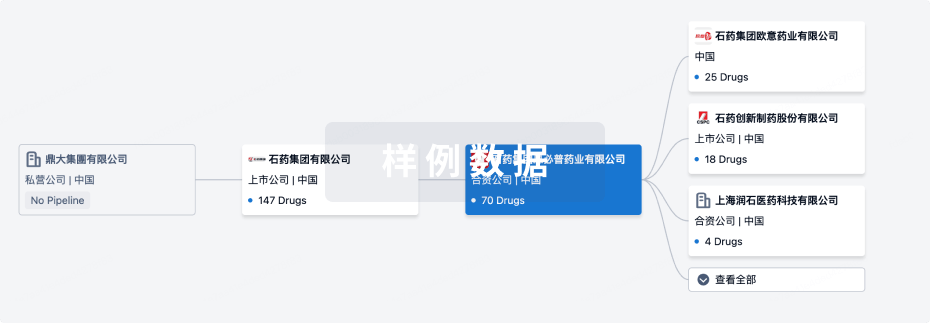
组织架构
使用我们的机构树数据加速您的研究。
登录
或
管线布局
2026年10月13日管线快照
管线布局中药物为当前组织机构及其子机构作为药物机构进行统计,早期临床1期并入临床1期,临床1/2期并入临床2期,临床2/3期并入临床3期
药物发现
6
112
临床前
其他
22
登录后查看更多信息
当前项目
登录后查看更多信息
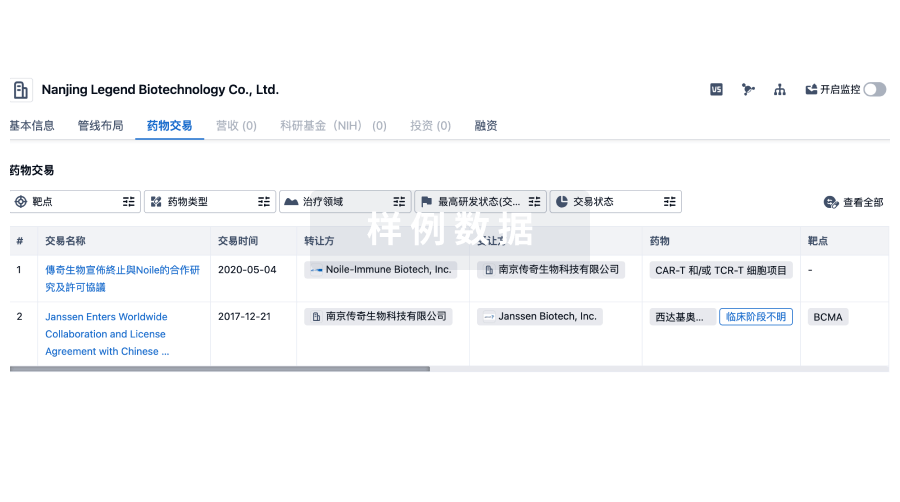
药物交易
使用我们的药物交易数据加速您的研究。
登录
或
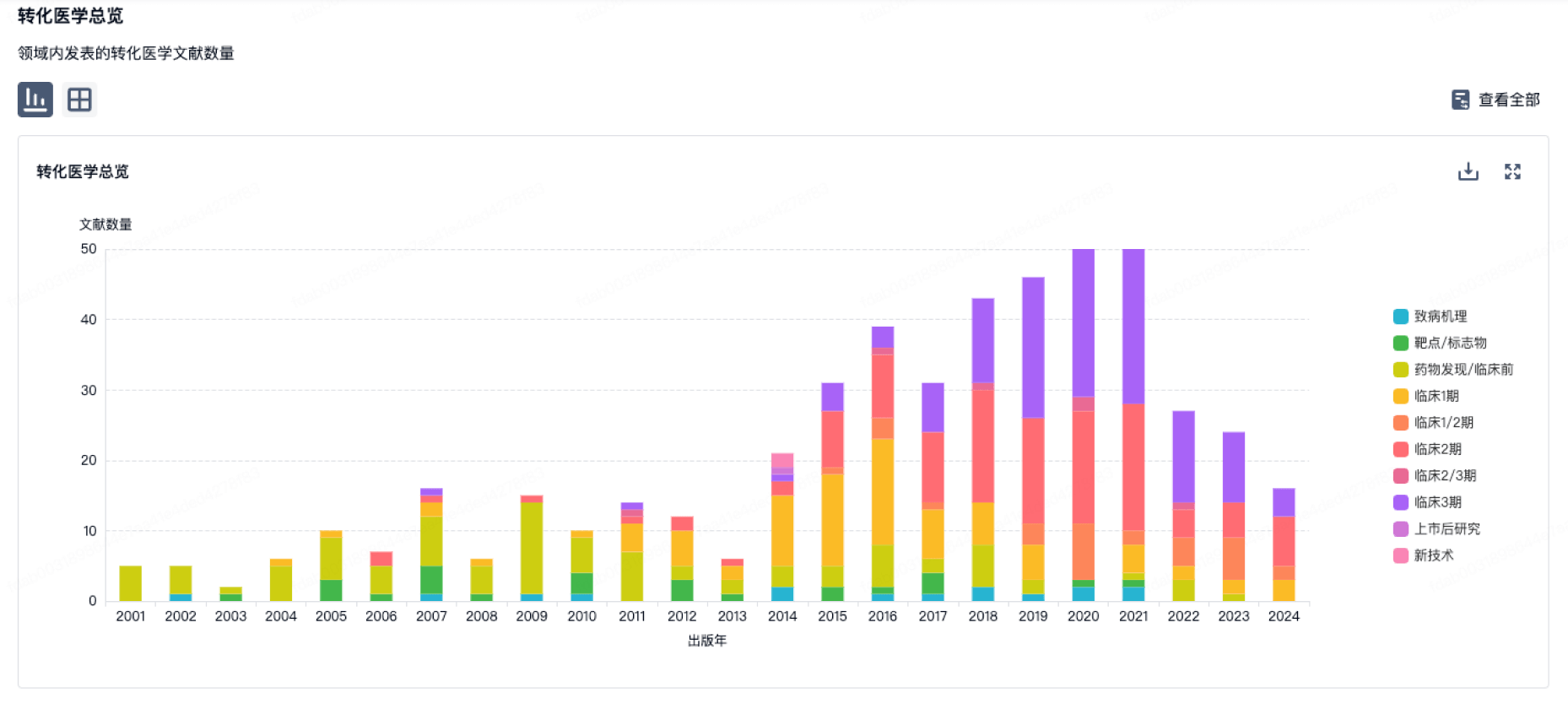
转化医学
使用我们的转化医学数据加速您的研究。
登录
或
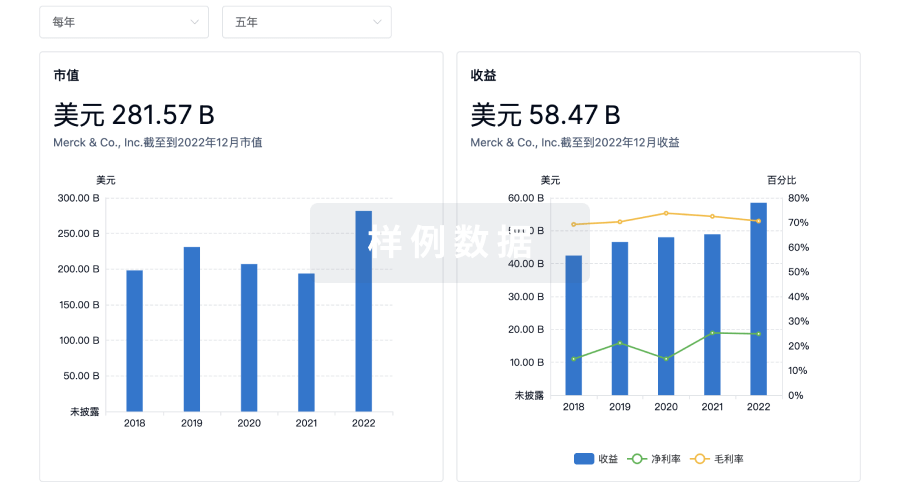
营收
使用 Synapse 探索超过 36 万个组织的财务状况。
登录
或
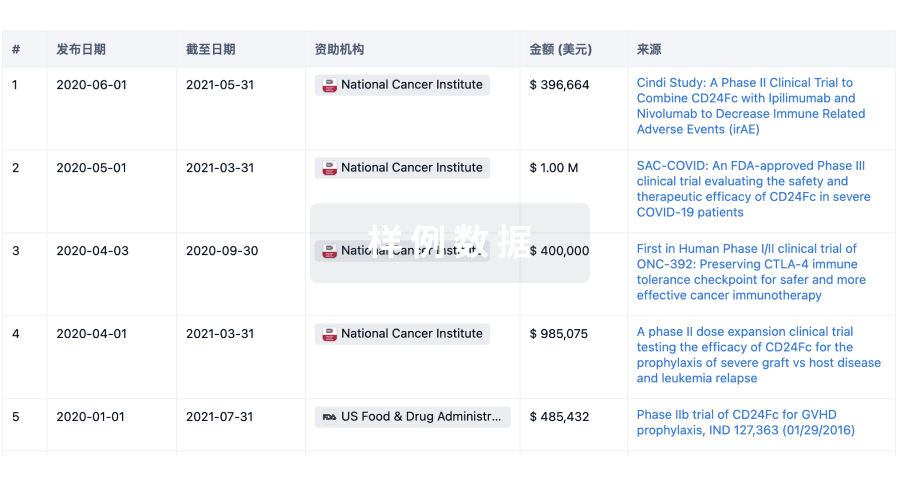
科研基金(NIH)
访问超过 200 万项资助和基金信息,以提升您的研究之旅。
登录
或
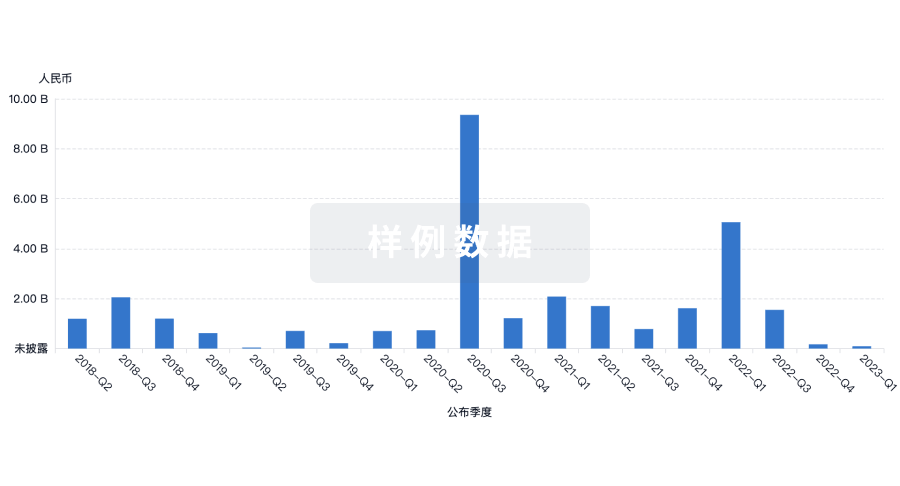
投资
深入了解从初创企业到成熟企业的最新公司投资动态。
登录
或
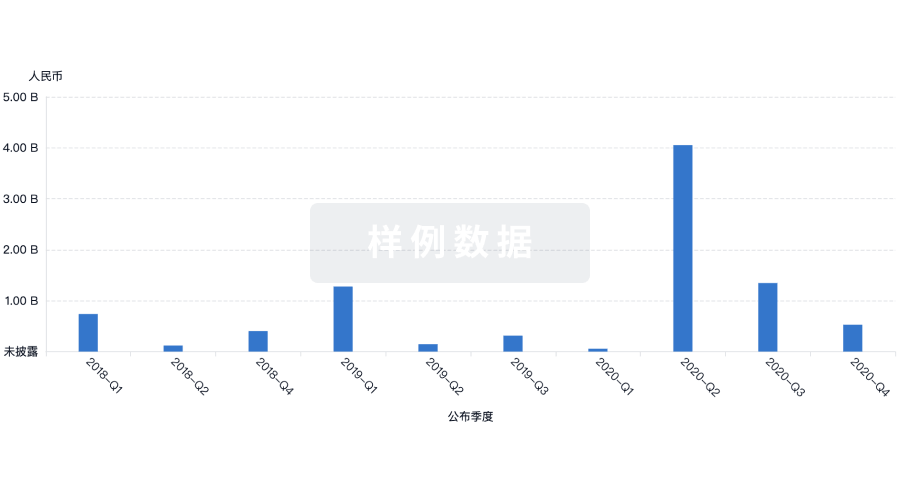
融资
发掘融资趋势以验证和推进您的投资机会。
登录
或
提出任何生物医药研究问题
让每一步生物医药决策都精准制胜
基于十亿级生物数据与全球情报的精准 AI,赋能早期药物发现
立即开始免费试用!
智慧芽新药情报库是智慧芽专为生命科学人士构建的基于AI的创新药情报平台,助您全方位提升您的研发与决策效率。
立即接入生物医药数据包
智慧芽新药库数据也通过智慧芽开放平台,以MCP或API服务形式对外开放。立即使用我们的MCP服务定制您的LLM智能体。
生物序列数据库
生物药研发创新
免费使用
化学结构数据库
小分子化药研发创新
免费使用