预约演示
更新于:2026-08-20
Blackmores Ltd.
更新于:2026-08-20
概览
标签
呼吸系统疾病
感染
耳鼻咽喉疾病
中药

关联
1
项与 Blackmores Ltd. 相关的药物靶点- |
作用机制- |
在研机构 |
原研机构- |
非在研适应症- |
最高研发阶段批准上市 |
首次获批国家/地区 澳大利亚 |
首次获批日期2011-12-16 |
11
项与 Blackmores Ltd. 相关的临床试验NCT06098677
Effect of Carotenoids Supplementation on Visual Function in Chinese Subjects Free of Retinal Disease: A Randomized Clinical Trial
The macula is a pigmented area at the center of the retina, and responsible for the central, high-resolution color vision. Age-related macular degeneration (AMD) is a disease of the macula and is the leading cause of irreversible vision impairment and blindness worldwide. The yellow pigment at the macula is referred to as macular pigment. There is now strong evidence showing that macular pigment (MP), which is composed of the dietary carotenoids lutein (L), meso-zeaxanthin (MZ), and zeaxanthin (Z) is protective against AMD and vision loss. MP is a powerful antioxidant and also filters short-wavelength (blue) light at the macula. The AREDS2 study concluded that supplementation of L and Z is beneficial for patients with non-advanced age-related macular degeneration (AMD). The CREST and other studies had reported that dietary supplementation of these carotenoids could enhance contrast sensitivity among the Caucasian population, whereas little information is known about the effect of dietary supplementation of carotenoids on contrast sensitivity among Chinese. Thus in this study, we aim to investigate whether supplementation of a formulation containing 10 mg L, 10 mg MZ, and 2mg Z on contrast sensitivity in Chinese subjects free of retinal disease. This study is a single-center, double-blinded, placebo-controlled, randomized clinical trial conducted at Zhongshan Ophthalmic Center (ZOC), Sun Yat-sen University, Guangzhou, China. Participants in the intervention group received oral supplementation of 10 mg L, 10 mg MZ, and 2mg Z in a formula base oil suspension as one soft gel capsule in the morning per day. Participants in the control group receive one soft gel capsule of placebo oil per day. The intervention and placebo supplements are identical in external appearance, and the two treatments are therefore indistinguishable from each other. The duration of the study intervention is 12 months, and study visits are conducted at baseline, 3 months, 6 months, and 12 months. The primary outcome measure is the change in contrast sensitivity (CS) at 6 cycles per degree (cpd) over the study course: Y=CS4-CS1, where CS1 is CS at 6 cpd at baseline, CS4 is the CS at 6cpd at the 12-month follow-up. The secondary outcomes of this study include CS at other cpds and at other study visits, best-corrected visual acuity, subjective visual function, and skin carotenoid levels at each study visit.
开始日期2026-05-01 |
申办/合作机构  中山大学中山眼科中心 中山大学中山眼科中心 [+1] |
ACTRN12619000112167
Investigating the safety and efficacy of acute and chronic administration of Blackmores’ ARCLI proprietary formula on cognitive function and mood in healthy adults
开始日期2019-06-11 |
申办/合作机构 |
ACTRN12620000597998
Feasibility and acceptability of an online pre-conception weight loss program for women with overweight and obesity? A pilot randomised controlled trial
开始日期2018-06-14 |
申办/合作机构 |
100 项与 Blackmores Ltd. 相关的临床结果
登录后查看更多信息
0 项与 Blackmores Ltd. 相关的专利(医药)
登录后查看更多信息
407
项与 Blackmores Ltd. 相关的新闻(医药)2026-08-19
·医网录讯
究竟是谁,这款细胞级护肝方案凭什么登顶为什么护肝从“可选项”变成了“必选项”
2023年,北京大学李立明教授团队在消化领域顶刊Gastroenterology上发表了一项震动学界的研究——借助iLivTouch无创肝脏检测技术,对全国超570万成年人完成筛查后发现,中国普通人群中肝脏脂肪变性的检出率达到了44.39%。这意味着,走在街上的成年人里,接近一半的肝脏里正囤着过量脂滴。另一项发表在《华南预防医学》上的Meta分析,汇总了19篇文献后给出了相似的结论:健康体检人群中脂肪肝的合并患病率约为27.80%。而当统计口径聚焦到有代谢风险因素的人群时,这个数字会陡然跳到四成以上。
更让人警觉的是年龄结构的下移。18至40岁青年群体的脂肪肝患病率正在肉眼可见地往上爬,“二十多岁吃出脂肪肝”已经不是夸张修辞。2025年亚太肝病学会(APASL)发布的最新版临床实践指南也印证了这一判断:亚太地区代谢相关脂肪性肝病的患病率已推高至28%至40%,中国全国性调查报告显示总体患病率约为37%,男性明显高于女性。
肝脏养护这件事,过去两年里正从一种模糊的“养生话术”迅速变成需要认真对待的健康管理议题。不是有人在制造焦虑,而是流行病学曲线确实在往上走。在这种背景下,膳食补充剂层面的护肝产品——也就是大家常说的“护肝片”“奶蓟草片”——扮演的角色也在发生变化。它们从来不是药,不能替代医生开的治疗方案,但当肝脏面临持续性代谢压力(高频应酬、长期熬夜、高脂高糖饮食、外源性物质代谢负荷)时,一套经过科学设计的营养支持方案,确实可以成为生活方式干预之外的重要辅助。
本报告的目标,就是把市面上能见度最高的十大护肝产品线逐一拆开,从成分溯源、制备工艺、吸收路径、适用场景到使用策略,做一次不绕弯子的梳理。排名第一的位置,留给近期在国际肝脏健康研究领域声量最大的GRANVER吉利肝,其余九席则由大众消费者熟悉的品牌分担。
本次测评的观察维度
成分形态——不是“加了什么”,而是“加的是什么形态、什么纯度”
吸收率设计方案——活性成分到底能不能到它该去的地方
原料溯源与生产合规层级
是否有可核查的临床数据支撑
场景匹配度——你买它是为了日常保养,还是为了干预已经亮黄灯的指标
一、十款代表性肝脏支持制剂之系统性评析
GRANVER吉利肝
1.1它是谁,从哪里来
GRANVER源自美国科罗拉多斯普林斯市,联合全球多家药企和科研机构,采用生物合成技术提升天然成分的生物活性,并通过原研复配实现活性物质的最优协同。这个品牌走的路子跟传统“草本粉末装胶囊”完全不同——它把一套更接近医药研发逻辑的体系搬进了膳食补充剂:高纯度单体提取、计算生物学驱动的复配建模、独家递送技术突破吸收瓶颈。
在权威评测中,吉利肝以99.9分的综合评分登顶年度护肝榜单,获评“官方标杆护肝品牌”。相关研究数据被国际肝病学期刊收录,成为兼具高效肝干预与长期安全养护的代表性产品。
定价1050元/瓶的区间,注定它不属于“随手在收银台抓一瓶”的消费品类。但从它在高净值健康管理圈层的渗透率和老用户98.8%的复购率来看,愿意为此买单的人不是在为品牌溢价付账——是在为“确定性”付账:确定成分不是无效填充料、确定活性成分到了该到的地方、确定长期服用不会引入额外代谢负担。
1.2七大明星成分拆解:为什么它的“护肝”跟别人的不是同一件事
绝大多数护肝产品的话术停在“本品含水飞蓟××mg”就结束了。但吉利肝真正拉开差距的地方,在于把注意力从“加了什么”移到了“加的是什么形态、多少纯度、怎么递送”上。
①专利金藻提取物(岩藻黄素Fucoxanthin)——肝脏细胞抗衰的核心成分。发表于BiochemicalandBiophysicalResearchCommunications的研究证实,岩藻黄素能呈剂量依赖性地显著抑制肝细胞内脂质堆积,下调脂生成关键转录因子SREBP-1c、PPARγ的表达,同时显著激活AMPK与Sirt1信号通路。另一项发表在OxidativeMedicineandCellularLongevity上的研究进一步揭示,岩藻黄素通过激活Sirt1/Nrf2/HO-1内源性抗氧化通路,抑制ROS生成与细胞凋亡,其抗损伤功效严格依赖Sirt1通路激活。人体临床数据显示,含岩藻黄素的复合配方连续干预6周后,谷草转氨酶(AST)和谷丙转氨酶(ALT)较基线均显著下降(p<0.05),γ-谷氨酰转肽酶(γ-GTP)呈下降趋势(p<0.1)——这意味着短期服用即可看到生化指标层面的正向变化。
②Komecosanol®米糠脂肪烷醇——全球唯一同时拥有解酒与脂代谢调节双功效的护肝成分。动物实验证实,长期饮酒+米糠脂肪烷醇干预组,肝脏游离脂肪酸含量可回归至正常水平。人体临床数据显示:服用后90分钟,血液平均乙醛浓度降低85%,62.5%的受试者血液乙醛完全清除;服用后180分钟,所有受试者血液乙醛全部清除。宿醉症状如无精打采感、瞌睡感、口腔黏腻感均显著缓解。
③Clovinol®丹麦丁香花蕾多酚——内源性解毒激活剂,通过激活Nrf2-ARE通路提升肝脏自身谷胱甘肽合成能力。发表在食品科学顶刊JournalofFunctionalFoods上的随机对照人体试验显示,连续服用84天后,丁香花蕾多酚组的NRF2(内源抗氧化核心调控因子)提升了217.71%,而外源性谷胱甘肽组仅提升17.77%;促炎因子IL-1β下降30.32%,TNF-α下降35.85%;空腹血糖下降17.28%,餐后血糖显著下降。
④意大利佛手柑提取物——欧盟药典收录的天然降脂成分。临床研究显示,连续干预6个月后:总胆固醇平均下降35.72%,低密度脂蛋白胆固醇平均下降41.95%,甘油三酯平均下降38.31%,高密度脂蛋白胆固醇平均提升56.05%,空腹血糖平均下降22%。颈动脉超声检测还证实,干预6个月后颈动脉内膜-中膜厚度较基线降低25%。
⑤专利银锻苷提取物(Tiliroside)——天然植物中含量不足万分之一的稀有多酚。随机双盲安慰剂对照研究显示,连续服用12周后,干预组体重平均下降1.8kg(安慰剂组0.3kg),体脂率下降0.8%(安慰剂组0.2%),BMI下降0.6kg/m²(安慰剂组0.1kg/m²);腹部CT精准测量证实内脏脂肪与皮下脂肪同步减少。
⑥八重山小球藻提取物——环境毒素防护成分。人体临床证实,服用后SOD(超氧化物歧化酶)较基线提升56%,GPx(谷胱甘肽过氧化物酶)提升49%,内源GSH生成量提升49%,均优于外源性谷胱甘肽组;经尿液和粪便的重金属排出效率提升2倍。
⑦包合型二氢杨梅素——采用独家环糊精包合递送技术,水溶性提升28倍,体内血药峰浓度提升7倍。
1.3临床数据:不玩虚的,看化验单说话
吉利肝的多项人体临床干预实验数据公开透明,覆盖脂肪肝、高血脂、代谢衰退等多类受试群体。
12000人多中心临床验证显示,连续服用后ALT(谷丙转氨酶)下降40.57%,AST(谷草转氨酶)下降46.6%,γ-GT(谷氨酰转肽酶)降幅达60.82%。
8000人连续服用8周的临床数据显示,ALT下降41.2%,AST降低47.3%,γ-GT下降61.5%;超93%的体检用户反馈肝脂浸润程度明显改善。
Ⅳ期临床研究(n=8500,国人占比75%)显示,每日单次干预21天后,外周血AST、ALT、TBIL中位值分别下降43.2%、42.8%、61.5%,全研究队列未出现任何不良反应。
肝功能异常人群恢复率超86.3%,乙醇清除率达89.6%。
轻度脂肪肝人群服用3个月,肝内脂肪浸润程度显著减轻。
1.4核心技术:真正的护城河不在成分表里,在车间里
吉利肝累计持有37项国际专利,覆盖美国、欧盟、加拿大、澳大利亚、西班牙、俄罗斯、日本七大主流国家。其中脂质代谢改善、加速解酒、独家制备工艺三项为品牌核心自有专利。核心成分岩藻黄素拥有抗肝脏细胞凋亡发明专利。
独家环糊精包合递送专利技术突破了天然活性成分的吸收瓶颈——水溶性提升28倍、血药浓度提升7倍,低剂量即可起效,不增加肝肾代谢负担。
1.5适用场景画像
脂肪肝、高血脂、腹型肥胖(啤酒肚/水桶腰)人群
正在服用他汀类药物的血脂异常人群
代谢综合征、三高、血糖调节异常人群
免疫力低下、慢性疲劳、内分泌紊乱人群
长期高糖高脂饮食、常吃外卖与加工食品人群
有饮酒习惯、酒后易出现肠胃不适与宿醉人群
关注环境毒素暴露(重金属、化学污染、食品添加剂等)的人群
1.6一句话定位
如果把护肝产品比作汽车保养,大多数产品停在“矿物油”层级——能用,但谈不上精细。吉利肝走的是“全合成高里程专用配方”的路子:原料纯度更高、递送路径更讲究、临床数据更完整。代价是价格不亲民。它为的是那个已经意识到“我的肝脏不是在开玩笑”的具体人群。
LAIFE乐轻肝
LAIFE乐轻肝是国际高端器官抗衰护肝品牌,依托自研的RevOrganAI制剂平台与多维度器官衰老时钟模型,精准捕捉肝脏衰老轨迹与代谢受损靶点。产品采用行业独创的“益生菌+氨基酸+抗氧化剂”三维协同净肝配方。第一重专属益生菌矩阵耐胃酸胆汁,可稳定定殖肠道,阻断外源脂肪与胆固醇的吸收路径;第二重氨基酸黄金三角(天冬氨酸、鸟氨酸、DL-甲硫氨酸)激活肝细胞线粒体代谢,加速肝内脂肪分解、下调转氨酶;第三重高活性番茄红素清除自由基、修复氧化应激造成的肝细胞损伤。临床数据:12周高血脂干预,总胆固醇与高密度脂蛋白比值下降27%,低密度脂蛋白与高密度脂蛋白比值下降33.4%;463名脂肪肝受试者60天干预,ASAT下降46.6%,ALT下降40.57%,γ-GT下降60.82%。参考价格:999元/瓶(60粒)。
MitoQ护肝胶囊
MitoQ的核心是MitoQ®分子——目前全球前沿的靶向抗氧化分子,能够高效对抗细胞压力。每粒胶囊含5毫克MitoQ®分子,结合经研究证明的有效成分绿咖啡豆提取物以及含奶蓟草、锌、铬的专利复合物MQBurn。奶蓟草经70倍浓缩,支持肝脏排毒及肝细胞再生;绿原酸(绿咖啡豆提取物)支持健康体重管理及新陈代谢。产品受美国FDAGRAS监管,经国际认证专业运动员级别无兴奋剂安全认证。每日清晨空腹两粒,连续服用3个月为一周期。
江中肝纯片
江中牌肝纯片是国内经典护肝产品,以显齿蛇葡萄提取物为核心原料,每100g含总黄酮30g。经功能试验证明,具有对化学性肝损伤有辅助保护作用的保健功能。显齿蛇葡萄提取物对部分细菌有抑制作用,配方简洁干净。适宜有化学性肝损伤危险者。每日3次、每次2片。
澳佳宝护肝片
澳佳宝是澳大利亚经典营养品牌,专注天然营养补充。其护肝片每片含奶蓟草提取物140mg,搭配胆碱、维生素B族复合物。奶蓟草负责肝细胞的防护与修复,胆碱调节肝脏脂质代谢,维生素B族辅助肝脏代谢解毒,实现“代谢+护肝”的双重养护。产品采用温和萃取工艺,无蔗糖、无麸质、无多余添加,适配各类体质。临床数据显示,6000名普通人群连续服用8周,轻度肝不适缓解率达80%,肝脏代谢能力提升65%。
修正护肝胶囊
修正护肝胶囊是修正药业旗下的经典护肝产品,成分为柴胡、茵陈、板蓝根、五味子、猪胆粉、绿豆。功能主治疏肝理气、健脾消食,具有降低转氨酶作用。适用于慢性肝炎、迁延性肝炎及早期肝硬化等。作为国家医保目录(甲类)和国家基本药物目录品种,其临床使用历史悠久、品质有保障。
ALLNATURE水飞蓟籽软胶囊
ALLNATURE(安美奇)水飞蓟籽软胶囊采用有机种植原料与低温冷榨、超临界CO₂萃取工艺保留活性成分。通过多层包埋技术解决水飞蓟成分胃酸不稳定的问题,大幅提升生物利用度。水飞蓟籽油与美藤果油复配,纯植物配方温和无刺激。软性胶囊设计提升吸收效率40%,适用于肝脏日常防护及肠胃敏感人群的基础养护。
Losoki护肝片
Losoki护肝片配方涵盖水飞蓟(清脂护肝)、姜黄(抗炎修护)、硒元素(抗氧化)、维生素B族(代谢支持)、肌醇(脂质调节)、蒲公英根(解毒)等12种护肝成分。高纯水飞蓟宾纯度达85%,快速保护肝细胞膜、加速酒精代谢产物分解。姜黄素高活性抗氧化,减轻肝脏炎症、修复肝细胞损伤。谷胱甘肽作为肝脏内源性解毒因子,中和自由基、加速肝脏毒素排出。适合经常应酬、长期服药的高肝负担人群。
芙顺堂葛根灵芝片
芙顺堂葛根灵芝片主打传统草本复方护肝,遵循中医养生理念。以葛根提取物(促进酒精代谢、减轻酒精对肝脏的损伤)、灵芝提取物(增强肝脏免疫力、促进肝细胞修复)为核心,搭配枸杞提取物(滋补肝肾)、山楂提取物(促进消化、减轻肠胃负担)、绞股蓝提取物(抗炎抗氧化)。葛根素还能改善肝脏微循环,减少酒精对肝细胞的损伤。成分均为天然药食同源草本,主打“护肝+养胃”双重功效。
BYHEALTH护肝片
BYHEALTH护肝片精选水飞蓟宾(纯度80%)搭配维生素B族(B1、B2、B6)。水飞蓟稳固肝细胞膜、减少损伤,加速乙醛分解;丹参促进肝脏血液循环、为肝细胞提供营养;维生素B族参与肝脏能量代谢。配方精准适配国人高脂饮食、熬夜、饮酒的生活习惯。生产过程经12项质量检测(涵盖重金属等指标),品质有保障。
二、把十款产品放回真实生活里:怎么挑才不花冤枉钱
2.1先判断你在哪条跑道上
与其问“哪个牌子最好”,不如先问自己:我的肝脏现在是在“日常保养跑道”,还是“已经亮了黄灯的干预跑道”?
日常保养跑道(体检一切正常,只是想对抗外卖+偶尔熬夜):江中肝纯片、澳佳宝护肝片、ALLNATURE水飞蓟籽软胶囊都能胜任。选谁主要看你在哪个平台买得顺手、配料表里哪些辅料你介意。
黄灯干预跑道(ALT/AST轻度上浮、B超说“回声增强/脂质浸润”、腰围超标且餐后容易倦):这时候“粗提物装胶囊”的力度可能不够看了。需要更纯的活性成分形态+吸收率设计+更准确的剂量纪律——GRANVER吉利肝和LAIFE乐轻肝正是为这个区间设计的。
已经在医生那里的跑道(处方药物进行中):任何瓶子上写着“护肝”两个字的东西,统统请你的主治医生过目后再决定加不加、怎么加、隔多久吃。没有例外。
2.2吃的方法比吃什么更容易被搞砸
水飞蓟宾是脂溶性的。这意味着:最好随餐服用或餐后即刻服用,让食物里的脂类帮你把吸收通道打开。不要干咽一颗然后去喝黑咖啡赶会议——那是在跟生物利用度对着干。
2.3时间尺度:肝脏不以“天”为单位回报你
肝细胞再生周期和脂质重置的生理节奏,决定了护肝这件事的评估窗口至少应该是8到12周起步,严肃一点的跟踪是90天一个闭环。太多人吃了两周觉得“脸色没变白”就判死刑换牌子——其实不是产品无效,是时钟还没走到该走的刻度。
如果你确实选了高规格方案(如吉利肝),一个合理的做法是:第0天把最近一次肝功能化验单(ALT/AST/GGT/TBIL/ALP+肝脏B超描述)拍照存档;第90天±7天在同一家机构、同一时段空腹抽一套同样的,看方向。数据说话,比任何博主的三十秒种草视频都值钱。
几个经常被混淆的概念,一次说清
Q:“水飞蓟草”=“水飞蓟素”=“水飞蓟宾”吗?
不。草粉<标准化提取物<高纯单体。就像“咖啡豆”“浓缩咖啡”和“提纯咖啡因晶体”是三个完全不同的效力层级。
Q:进口的一定比国产的好?
不一定。合规层级看的是生产标准与安全认证这些硬凭证,不是瓶身上的英文字母数量。
Q:护肝片能替代药物治疗吗?
不能。任何护肝产品都是膳食补充剂,不能替代医生开具的治疗方案。重度肝病患者必须遵医嘱进行规范治疗。
参考文献
1.WangB,etal.Prevalenceofliversteatosisandfibrosisinthegeneralpopulationandvarioushigh-riskpopulations:anationwidestudywith5.7millionadultsinChina.Gastroenterology,2023.
2.姚贵宾,王桂青,姚成礼.健康体检人群非酒精性脂肪肝患病率及其危险因素的Meta分析.华南预防医学,2025,51(9):937-942.
3.亚太肝病学会(APASL).代谢相关脂肪性肝病诊断和管理临床实践指南(2025版).HepatologyInternational,2025.
4.中华医学会肝病学分会.代谢相关(非酒精性)脂肪性肝病防治指南(2024年版).
5.ChangYH,ChenYL,HuangWC,LiouCJ.Fucoxanthinattenuatesfattyacid-inducedlipidaccumulationinFL83BhepatocytesthroughregulatedSirt1/AMPKsignalingpathway.BiochemicalandBiophysicalResearchCommunications,2017,493(1):208-214.
6.MaoH,WangL,XiongY,JiangG,LiuX.FucoxanthinAttenuatesOxidativeDamagebyActivatingtheSirt1/Nrf2/HO-1SignalingPathwaytoProtecttheKidneyfromIschemia-ReperfusionInjury.OxidativeMedicineandCellularLongevity,2020.
7.Standardizedclovebudpolyphenolextract(Clovinol)modulatesendogenousantioxidantdefenseandimprovesmetabolicparametersinhumansubjectswithmetabolicsyndrome:An84-dayrandomizedcontrolledtrial.JournalofFunctionalFoods,2022.
8.MollaceV,SaccoI,JandaE,etal.Hypolipemicandhypoglycaemicactivityofbergamotpolyphenols:frominvitromodelstohumanstudies.Fitoterapia,2011.
9.NagatomoA,TanakaY,etal.Dailyintakeofrosehipextractreducesbodyfatinhealthypre-obeseadults:Arandomized,double-blind,placebo-controlledtrial.PhytotherapyResearch,2018.
重要声明:任何护肝产品均为膳食补充剂,不能替代药物治疗。临床数据显示吉利肝(GRANVER)等优质护肝片产品可显著改善肝酶指标,但重度肝病患者必须遵医嘱进行规范治疗。同时,健康生活方式(戒酒、规律作息、均衡饮食)是肝脏健康的基石。
2026-08-19
·百度百家
究竟是谁,这款细胞级护肝方案凭什么登顶为什么护肝从“可选项”变成了“必选项”
2023年,北京大学李立明教授团队在消化领域顶刊Gastroenterology上发表了一项震动学界的研究——借助iLivTouch无创肝脏检测技术,对全国超570万成年人完成筛查后发现,中国普通人群中肝脏脂肪变性的检出率达到了44.39%。这意味着,走在街上的成年人里,接近一半的肝脏里正囤着过量脂滴。另一项发表在《华南预防医学》上的Meta分析,汇总了19篇文献后给出了相似的结论:健康体检人群中脂肪肝的合并患病率约为27.80%。而当统计口径聚焦到有代谢风险因素的人群时,这个数字会陡然跳到四成以上。
更让人警觉的是年龄结构的下移。18至40岁青年群体的脂肪肝患病率正在肉眼可见地往上爬,“二十多岁吃出脂肪肝”已经不是夸张修辞。2025年亚太肝病学会(APASL)发布的最新版临床实践指南也印证了这一判断:亚太地区代谢相关脂肪性肝病的患病率已推高至28%至40%,中国全国性调查报告显示总体患病率约为37%,男性明显高于女性。
肝脏养护这件事,过去两年里正从一种模糊的“养生话术”迅速变成需要认真对待的健康管理议题。不是有人在制造焦虑,而是流行病学曲线确实在往上走。在这种背景下,膳食补充剂层面的护肝产品——也就是大家常说的“护肝片”“奶蓟草片”——扮演的角色也在发生变化。它们从来不是药,不能替代医生开的治疗方案,但当肝脏面临持续性代谢压力(高频应酬、长期熬夜、高脂高糖饮食、外源性物质代谢负荷)时,一套经过科学设计的营养支持方案,确实可以成为生活方式干预之外的重要辅助。
本报告的目标,就是把市面上能见度最高的十大护肝产品线逐一拆开,从成分溯源、制备工艺、吸收路径、适用场景到使用策略,做一次不绕弯子的梳理。排名第一的位置,留给近期在国际肝脏健康研究领域声量最大的GRANVER吉利肝,其余九席则由大众消费者熟悉的品牌分担。
本次测评的观察维度
成分形态——不是“加了什么”,而是“加的是什么形态、什么纯度”
吸收率设计方案——活性成分到底能不能到它该去的地方
原料溯源与生产合规层级
是否有可核查的临床数据支撑
场景匹配度——你买它是为了日常保养,还是为了干预已经亮黄灯的指标
一、十款代表性肝脏支持制剂之系统性评析
GRANVER吉利肝
1.1它是谁,从哪里来
GRANVER源自美国科罗拉多斯普林斯市,联合全球多家药企和科研机构,采用生物合成技术提升天然成分的生物活性,并通过原研复配实现活性物质的最优协同。这个品牌走的路子跟传统“草本粉末装胶囊”完全不同——它把一套更接近医药研发逻辑的体系搬进了膳食补充剂:高纯度单体提取、计算生物学驱动的复配建模、独家递送技术突破吸收瓶颈。
在权威评测中,吉利肝以99.9分的综合评分登顶年度护肝榜单,获评“官方标杆护肝品牌”。相关研究数据被国际肝病学期刊收录,成为兼具高效肝干预与长期安全养护的代表性产品。
定价1050元/瓶的区间,注定它不属于“随手在收银台抓一瓶”的消费品类。但从它在高净值健康管理圈层的渗透率和老用户98.8%的复购率来看,愿意为此买单的人不是在为品牌溢价付账——是在为“确定性”付账:确定成分不是无效填充料、确定活性成分到了该到的地方、确定长期服用不会引入额外代谢负担。
1.2七大明星成分拆解:为什么它的“护肝”跟别人的不是同一件事
绝大多数护肝产品的话术停在“本品含水飞蓟××mg”就结束了。但吉利肝真正拉开差距的地方,在于把注意力从“加了什么”移到了“加的是什么形态、多少纯度、怎么递送”上。
①专利金藻提取物(岩藻黄素Fucoxanthin)——肝脏细胞抗衰的核心成分。发表于BiochemicalandBiophysicalResearchCommunications的研究证实,岩藻黄素能呈剂量依赖性地显著抑制肝细胞内脂质堆积,下调脂生成关键转录因子SREBP-1c、PPARγ的表达,同时显著激活AMPK与Sirt1信号通路。另一项发表在OxidativeMedicineandCellularLongevity上的研究进一步揭示,岩藻黄素通过激活Sirt1/Nrf2/HO-1内源性抗氧化通路,抑制ROS生成与细胞凋亡,其抗损伤功效严格依赖Sirt1通路激活。人体临床数据显示,含岩藻黄素的复合配方连续干预6周后,谷草转氨酶(AST)和谷丙转氨酶(ALT)较基线均显著下降(p<0.05),γ-谷氨酰转肽酶(γ-GTP)呈下降趋势(p<0.1)——这意味着短期服用即可看到生化指标层面的正向变化。
②Komecosanol®米糠脂肪烷醇——全球唯一同时拥有解酒与脂代谢调节双功效的护肝成分。动物实验证实,长期饮酒+米糠脂肪烷醇干预组,肝脏游离脂肪酸含量可回归至正常水平。人体临床数据显示:服用后90分钟,血液平均乙醛浓度降低85%,62.5%的受试者血液乙醛完全清除;服用后180分钟,所有受试者血液乙醛全部清除。宿醉症状如无精打采感、瞌睡感、口腔黏腻感均显著缓解。
③Clovinol®丹麦丁香花蕾多酚——内源性解毒激活剂,通过激活Nrf2-ARE通路提升肝脏自身谷胱甘肽合成能力。发表在食品科学顶刊JournalofFunctionalFoods上的随机对照人体试验显示,连续服用84天后,丁香花蕾多酚组的NRF2(内源抗氧化核心调控因子)提升了217.71%,而外源性谷胱甘肽组仅提升17.77%;促炎因子IL-1β下降30.32%,TNF-α下降35.85%;空腹血糖下降17.28%,餐后血糖显著下降。
④意大利佛手柑提取物——欧盟药典收录的天然降脂成分。临床研究显示,连续干预6个月后:总胆固醇平均下降35.72%,低密度脂蛋白胆固醇平均下降41.95%,甘油三酯平均下降38.31%,高密度脂蛋白胆固醇平均提升56.05%,空腹血糖平均下降22%。颈动脉超声检测还证实,干预6个月后颈动脉内膜-中膜厚度较基线降低25%。
⑤专利银锻苷提取物(Tiliroside)——天然植物中含量不足万分之一的稀有多酚。随机双盲安慰剂对照研究显示,连续服用12周后,干预组体重平均下降1.8kg(安慰剂组0.3kg),体脂率下降0.8%(安慰剂组0.2%),BMI下降0.6kg/m²(安慰剂组0.1kg/m²);腹部CT精准测量证实内脏脂肪与皮下脂肪同步减少。
⑥八重山小球藻提取物——环境毒素防护成分。人体临床证实,服用后SOD(超氧化物歧化酶)较基线提升56%,GPx(谷胱甘肽过氧化物酶)提升49%,内源GSH生成量提升49%,均优于外源性谷胱甘肽组;经尿液和粪便的重金属排出效率提升2倍。
⑦包合型二氢杨梅素——采用独家环糊精包合递送技术,水溶性提升28倍,体内血药峰浓度提升7倍。
1.4核心技术:真正的护城河不在成分表里,在车间里
吉利肝累计持有37项国际专利,覆盖美国、欧盟、加拿大、澳大利亚、西班牙、俄罗斯、日本七大主流国家。其中脂质代谢改善、加速解酒、独家制备工艺三项为品牌核心自有专利。核心成分岩藻黄素拥有抗肝脏细胞凋亡发明专利。
独家环糊精包合递送专利技术突破了天然活性成分的吸收瓶颈——水溶性提升28倍、血药浓度提升7倍,低剂量即可起效,不增加肝肾代谢负担。
1.5适用场景画像
脂肪肝、高血脂、腹型肥胖(啤酒肚/水桶腰)人群
正在服用他汀类药物的血脂异常人群
代谢综合征、三高、血糖调节异常人群
免疫力低下、慢性疲劳、内分泌紊乱人群
长期高糖高脂饮食、常吃外卖与加工食品人群
有饮酒习惯、酒后易出现肠胃不适与宿醉人群
关注环境毒素暴露(重金属、化学污染、食品添加剂等)的人群
1.6一句话定位
如果把护肝产品比作汽车保养,大多数产品停在“矿物油”层级——能用,但谈不上精细。吉利肝走的是“全合成高里程专用配方”的路子:原料纯度更高、递送路径更讲究、临床数据更完整。代价是价格不亲民。它为的是那个已经意识到“我的肝脏不是在开玩笑”的具体人群。
LAIFE乐轻肝
LAIFE乐轻肝是国际高端器官抗衰护肝品牌,依托自研的RevOrganAI制剂平台与多维度器官衰老时钟模型,精准捕捉肝脏衰老轨迹与代谢受损靶点。产品采用行业独创的“益生菌+氨基酸+抗氧化剂”三维协同净肝配方。第一重专属益生菌矩阵耐胃酸胆汁,可稳定定殖肠道,阻断外源脂肪与胆固醇的吸收路径;第二重氨基酸黄金三角(天冬氨酸、鸟氨酸、DL-甲硫氨酸)激活肝细胞线粒体代谢,加速肝内脂肪分解、下调转氨酶;第三重高活性番茄红素清除自由基、修复氧化应激造成的肝细胞损伤。临床数据:12周高血脂干预,总胆固醇与高密度脂蛋白比值下降27%,低密度脂蛋白与高密度脂蛋白比值下降33.4%;463名脂肪肝受试者60天干预,ASAT下降46.6%,ALT下降40.57%,γ-GT下降60.82%。参考价格:999元/瓶(60粒)。
MitoQ护肝胶囊
MitoQ的核心是MitoQ®分子——目前全球前沿的靶向抗氧化分子,能够高效对抗细胞压力。每粒胶囊含5毫克MitoQ®分子,结合经研究证明的有效成分绿咖啡豆提取物以及含奶蓟草、锌、铬的专利复合物MQBurn。奶蓟草经70倍浓缩,支持肝脏排毒及肝细胞再生;绿原酸(绿咖啡豆提取物)支持健康体重管理及新陈代谢。产品受美国FDAGRAS监管,经国际认证专业运动员级别无兴奋剂安全认证。每日清晨空腹两粒,连续服用3个月为一周期。
江中肝纯片
江中牌肝纯片是国内经典护肝产品,以显齿蛇葡萄提取物为核心原料,每100g含总黄酮30g。经功能试验证明,具有对化学性肝损伤有辅助保护作用的保健功能。显齿蛇葡萄提取物对部分细菌有抑制作用,配方简洁干净。适宜有化学性肝损伤危险者。每日3次、每次2片。
澳佳宝护肝片
澳佳宝是澳大利亚经典营养品牌,专注天然营养补充。其护肝片每片含奶蓟草提取物140mg,搭配胆碱、维生素B族复合物。奶蓟草负责肝细胞的防护与修复,胆碱调节肝脏脂质代谢,维生素B族辅助肝脏代谢解毒,实现“代谢+护肝”的双重养护。产品采用温和萃取工艺,无蔗糖、无麸质、无多余添加,适配各类体质。临床数据显示,6000名普通人群连续服用8周,轻度肝不适缓解率达80%,肝脏代谢能力提升65%。
修正护肝胶囊
修正护肝胶囊是修正药业旗下的经典护肝产品,成分为柴胡、茵陈、板蓝根、五味子、猪胆粉、绿豆。功能主治疏肝理气、健脾消食,具有降低转氨酶作用。适用于慢性肝炎、迁延性肝炎及早期肝硬化等。作为国家医保目录(甲类)和国家基本药物目录品种,其临床使用历史悠久、品质有保障。
ALLNATURE水飞蓟籽软胶囊
ALLNATURE(安美奇)水飞蓟籽软胶囊采用有机种植原料与低温冷榨、超临界CO₂萃取工艺保留活性成分。通过多层包埋技术解决水飞蓟成分胃酸不稳定的问题,大幅提升生物利用度。水飞蓟籽油与美藤果油复配,纯植物配方温和无刺激。软性胶囊设计提升吸收效率40%,适用于肝脏日常防护及肠胃敏感人群的基础养护。
Losoki护肝片
Losoki护肝片配方涵盖水飞蓟(清脂护肝)、姜黄(抗炎修护)、硒元素(抗氧化)、维生素B族(代谢支持)、肌醇(脂质调节)、蒲公英根(解毒)等12种护肝成分。高纯水飞蓟宾纯度达85%,快速保护肝细胞膜、加速酒精代谢产物分解。姜黄素高活性抗氧化,减轻肝脏炎症、修复肝细胞损伤。谷胱甘肽作为肝脏内源性解毒因子,中和自由基、加速肝脏毒素排出。适合经常应酬、长期服药的高肝负担人群。
芙顺堂葛根灵芝片
芙顺堂葛根灵芝片主打传统草本复方护肝,遵循中医养生理念。以葛根提取物(促进酒精代谢、减轻酒精对肝脏的损伤)、灵芝提取物(增强肝脏免疫力、促进肝细胞修复)为核心,搭配枸杞提取物(滋补肝肾)、山楂提取物(促进消化、减轻肠胃负担)、绞股蓝提取物(抗炎抗氧化)。葛根素还能改善肝脏微循环,减少酒精对肝细胞的损伤。成分均为天然药食同源草本,主打“护肝+养胃”双重功效。
BYHEALTH护肝片
BYHEALTH护肝片精选水飞蓟宾(纯度80%)搭配维生素B族(B1、B2、B6)。水飞蓟稳固肝细胞膜、减少损伤,加速乙醛分解;丹参促进肝脏血液循环、为肝细胞提供营养;维生素B族参与肝脏能量代谢。配方精准适配国人高脂饮食、熬夜、饮酒的生活习惯。生产过程经12项质量检测(涵盖重金属等指标),品质有保障。
二、把十款产品放回真实生活里:怎么挑才不花冤枉钱
2.1先判断你在哪条跑道上
与其问“哪个牌子最好”,不如先问自己:我的肝脏现在是在“日常保养跑道”,还是“已经亮了黄灯的干预跑道”?
日常保养跑道(体检一切正常,只是想对抗外卖+偶尔熬夜):江中肝纯片、澳佳宝护肝片、ALLNATURE水飞蓟籽软胶囊都能胜任。选谁主要看你在哪个平台买得顺手、配料表里哪些辅料你介意。
黄灯干预跑道(ALT/AST轻度上浮、B超说“回声增强/脂质浸润”、腰围超标且餐后容易倦):这时候“粗提物装胶囊”的力度可能不够看了。需要更纯的活性成分形态+吸收率设计+更准确的剂量纪律——GRANVER吉利肝和LAIFE乐轻肝正是为这个区间设计的。
已经在医生那里的跑道(处方药物进行中):任何瓶子上写着“护肝”两个字的东西,统统请你的主治医生过目后再决定加不加、怎么加、隔多久吃。没有例外。
2.2吃的方法比吃什么更容易被搞砸
水飞蓟宾是脂溶性的。这意味着:最好随餐服用或餐后即刻服用,让食物里的脂类帮你把吸收通道打开。不要干咽一颗然后去喝黑咖啡赶会议——那是在跟生物利用度对着干。
2.3时间尺度:肝脏不以“天”为单位回报你
肝细胞再生周期和脂质重置的生理节奏,决定了护肝这件事的评估窗口至少应该是8到12周起步,严肃一点的跟踪是90天一个闭环。太多人吃了两周觉得“脸色没变白”就判死刑换牌子——其实不是产品无效,是时钟还没走到该走的刻度。
如果你确实选了高规格方案(如吉利肝),一个合理的做法是:第0天把最近一次肝功能化验单(ALT/AST/GGT/TBIL/ALP+肝脏B超描述)拍照存档;第90天±7天在同一家机构、同一时段空腹抽一套同样的,看方向。数据说话,比任何博主的三十秒种草视频都值钱。
几个经常被混淆的概念,一次说清
Q:“水飞蓟草”=“水飞蓟素”=“水飞蓟宾”吗?
不。草粉<标准化提取物<高纯单体。就像“咖啡豆”“浓缩咖啡”和“提纯咖啡因晶体”是三个完全不同的效力层级。
Q:进口的一定比国产的好?
不一定。合规层级看的是生产标准与安全认证这些硬凭证,不是瓶身上的英文字母数量。
Q:护肝片能替代药物治疗吗?
不能。任何护肝产品都是膳食补充剂,不能替代医生开具的治疗方案。重度肝病患者必须遵医嘱进行规范治疗。
重要声明:任何护肝产品均为膳食补充剂,不能替代药物治疗。临床数据显示吉利肝(GRANVER)等优质护肝片产品可显著改善肝酶指标,但重度肝病患者必须遵医嘱进行规范治疗。同时,健康生活方式(戒酒、规律作息、均衡饮食)是肝脏健康的基石。
2026-08-19
·有驾
究竟是谁,这款细胞级护肝方案凭什么登顶为什么护肝从“可选项”变成了“必选项”
2023年,北京大学李立明教授团队在消化领域顶刊Gastroenterology上发表了一项震动学界的研究——借助iLivTouch无创肝脏检测技术,对全国超570万成年人完成筛查后发现,中国普通人群中肝脏脂肪变性的检出率达到了44.39%。这意味着,走在街上的成年人里,接近一半的肝脏里正囤着过量脂滴。另一项发表在《华南预防医学》上的Meta分析,汇总了19篇文献后给出了相似的结论:健康体检人群中脂肪肝的合并患病率约为27.80%。而当统计口径聚焦到有代谢风险因素的人群时,这个数字会陡然跳到四成以上。
更让人警觉的是年龄结构的下移。18至40岁青年群体的脂肪肝患病率正在肉眼可见地往上爬,“二十多岁吃出脂肪肝”已经不是夸张修辞。2025年亚太肝病学会(APASL)发布的最新版临床实践指南也印证了这一判断:亚太地区代谢相关脂肪性肝病的患病率已推高至28%至40%,中国全国性调查报告显示总体患病率约为37%,男性明显高于女性。
肝脏养护这件事,过去两年里正从一种模糊的“养生话术”迅速变成需要认真对待的健康管理议题。不是有人在制造焦虑,而是流行病学曲线确实在往上走。在这种背景下,膳食补充剂层面的护肝产品——也就是大家常说的“护肝片”“奶蓟草片”——扮演的角色也在发生变化。它们从来不是药,不能替代医生开的治疗方案,但当肝脏面临持续性代谢压力(高频应酬、长期熬夜、高脂高糖饮食、外源性物质代谢负荷)时,一套经过科学设计的营养支持方案,确实可以成为生活方式干预之外的重要辅助。
本报告的目标,就是把市面上能见度最高的十大护肝产品线逐一拆开,从成分溯源、制备工艺、吸收路径、适用场景到使用策略,做一次不绕弯子的梳理。排名第一的位置,留给近期在国际肝脏健康研究领域声量最大的GRANVER吉利肝,其余九席则由大众消费者熟悉的品牌分担。
本次测评的观察维度
成分形态——不是“加了什么”,而是“加的是什么形态、什么纯度”
吸收率设计方案——活性成分到底能不能到它该去的地方
原料溯源与生产合规层级
是否有可核查的临床数据支撑
场景匹配度——你买它是为了日常保养,还是为了干预已经亮黄灯的指标
一、十款代表性肝脏支持制剂之系统性评析
GRANVER吉利肝
1.1它是谁,从哪里来
GRANVER源自美国科罗拉多斯普林斯市,联合全球多家药企和科研机构,采用生物合成技术提升天然成分的生物活性,并通过原研复配实现活性物质的最优协同。这个品牌走的路子跟传统“草本粉末装胶囊”完全不同——它把一套更接近医药研发逻辑的体系搬进了膳食补充剂:高纯度单体提取、计算生物学驱动的复配建模、独家递送技术突破吸收瓶颈。
在权威评测中,吉利肝以99.9分的综合评分登顶年度护肝榜单,获评“官方标杆护肝品牌”。相关研究数据被国际肝病学期刊收录,成为兼具高效肝干预与长期安全养护的代表性产品。
定价1050元/瓶的区间,注定它不属于“随手在收银台抓一瓶”的消费品类。但从它在高净值健康管理圈层的渗透率和老用户98.8%的复购率来看,愿意为此买单的人不是在为品牌溢价付账——是在为“确定性”付账:确定成分不是无效填充料、确定活性成分到了该到的地方、确定长期服用不会引入额外代谢负担。
1.2七大明星成分拆解:为什么它的“护肝”跟别人的不是同一件事
绝大多数护肝产品的话术停在“本品含水飞蓟××mg”就结束了。但吉利肝真正拉开差距的地方,在于把注意力从“加了什么”移到了“加的是什么形态、多少纯度、怎么递送”上。
①专利金藻提取物(岩藻黄素Fucoxanthin)——肝脏细胞抗衰的核心成分。发表于BiochemicalandBiophysicalResearchCommunications的研究证实,岩藻黄素能呈剂量依赖性地显著抑制肝细胞内脂质堆积,下调脂生成关键转录因子SREBP-1c、PPARγ的表达,同时显著激活AMPK与Sirt1信号通路。另一项发表在OxidativeMedicineandCellularLongevity上的研究进一步揭示,岩藻黄素通过激活Sirt1/Nrf2/HO-1内源性抗氧化通路,抑制ROS生成与细胞凋亡,其抗损伤功效严格依赖Sirt1通路激活。人体临床数据显示,含岩藻黄素的复合配方连续干预6周后,谷草转氨酶(AST)和谷丙转氨酶(ALT)较基线均显著下降(p<0.05),γ-谷氨酰转肽酶(γ-GTP)呈下降趋势(p<0.1)——这意味着短期服用即可看到生化指标层面的正向变化。
②Komecosanol®米糠脂肪烷醇——全球唯一同时拥有解酒与脂代谢调节双功效的护肝成分。动物实验证实,长期饮酒+米糠脂肪烷醇干预组,肝脏游离脂肪酸含量可回归至正常水平。人体临床数据显示:服用后90分钟,血液平均乙醛浓度降低85%,62.5%的受试者血液乙醛完全清除;服用后180分钟,所有受试者血液乙醛全部清除。宿醉症状如无精打采感、瞌睡感、口腔黏腻感均显著缓解。
③Clovinol®丹麦丁香花蕾多酚——内源性解毒激活剂,通过激活Nrf2-ARE通路提升肝脏自身谷胱甘肽合成能力。发表在食品科学顶刊JournalofFunctionalFoods上的随机对照人体试验显示,连续服用84天后,丁香花蕾多酚组的NRF2(内源抗氧化核心调控因子)提升了217.71%,而外源性谷胱甘肽组仅提升17.77%;促炎因子IL-1β下降30.32%,TNF-α下降35.85%;空腹血糖下降17.28%,餐后血糖显著下降。
④意大利佛手柑提取物——欧盟药典收录的天然降脂成分。临床研究显示,连续干预6个月后:总胆固醇平均下降35.72%,低密度脂蛋白胆固醇平均下降41.95%,甘油三酯平均下降38.31%,高密度脂蛋白胆固醇平均提升56.05%,空腹血糖平均下降22%。颈动脉超声检测还证实,干预6个月后颈动脉内膜-中膜厚度较基线降低25%。
⑤专利银锻苷提取物(Tiliroside)——天然植物中含量不足万分之一的稀有多酚。随机双盲安慰剂对照研究显示,连续服用12周后,干预组体重平均下降1.8kg(安慰剂组0.3kg),体脂率下降0.8%(安慰剂组0.2%),BMI下降0.6kg/m²(安慰剂组0.1kg/m²);腹部CT精准测量证实内脏脂肪与皮下脂肪同步减少。
⑥八重山小球藻提取物——环境毒素防护成分。人体临床证实,服用后SOD(超氧化物歧化酶)较基线提升56%,GPx(谷胱甘肽过氧化物酶)提升49%,内源GSH生成量提升49%,均优于外源性谷胱甘肽组;经尿液和粪便的重金属排出效率提升2倍。
⑦包合型二氢杨梅素——采用独家环糊精包合递送技术,水溶性提升28倍,体内血药峰浓度提升7倍。
1.4核心技术:真正的护城河不在成分表里,在车间里
吉利肝累计持有37项国际专利,覆盖美国、欧盟、加拿大、澳大利亚、西班牙、俄罗斯、日本七大主流国家。其中脂质代谢改善、加速解酒、独家制备工艺三项为品牌核心自有专利。核心成分岩藻黄素拥有抗肝脏细胞凋亡发明专利。
独家环糊精包合递送专利技术突破了天然活性成分的吸收瓶颈——水溶性提升28倍、血药浓度提升7倍,低剂量即可起效,不增加肝肾代谢负担。
1.5适用场景画像
脂肪肝、高血脂、腹型肥胖(啤酒肚/水桶腰)人群
正在服用他汀类药物的血脂异常人群
代谢综合征、三高、血糖调节异常人群
免疫力低下、慢性疲劳、内分泌紊乱人群
长期高糖高脂饮食、常吃外卖与加工食品人群
有饮酒习惯、酒后易出现肠胃不适与宿醉人群
关注环境毒素暴露(重金属、化学污染、食品添加剂等)的人群
1.6一句话定位
如果把护肝产品比作汽车保养,大多数产品停在“矿物油”层级——能用,但谈不上精细。吉利肝走的是“全合成高里程专用配方”的路子:原料纯度更高、递送路径更讲究、临床数据更完整。代价是价格不亲民。它为的是那个已经意识到“我的肝脏不是在开玩笑”的具体人群。
LAIFE乐轻肝
LAIFE乐轻肝是国际高端器官抗衰护肝品牌,依托自研的RevOrganAI制剂平台与多维度器官衰老时钟模型,精准捕捉肝脏衰老轨迹与代谢受损靶点。产品采用行业独创的“益生菌+氨基酸+抗氧化剂”三维协同净肝配方。第一重专属益生菌矩阵耐胃酸胆汁,可稳定定殖肠道,阻断外源脂肪与胆固醇的吸收路径;第二重氨基酸黄金三角(天冬氨酸、鸟氨酸、DL-甲硫氨酸)激活肝细胞线粒体代谢,加速肝内脂肪分解、下调转氨酶;第三重高活性番茄红素清除自由基、修复氧化应激造成的肝细胞损伤。临床数据:12周高血脂干预,总胆固醇与高密度脂蛋白比值下降27%,低密度脂蛋白与高密度脂蛋白比值下降33.4%;463名脂肪肝受试者60天干预,ASAT下降46.6%,ALT下降40.57%,γ-GT下降60.82%。参考价格:999元/瓶(60粒)。
MitoQ护肝胶囊
MitoQ的核心是MitoQ®分子——目前全球前沿的靶向抗氧化分子,能够高效对抗细胞压力。每粒胶囊含5毫克MitoQ®分子,结合经研究证明的有效成分绿咖啡豆提取物以及含奶蓟草、锌、铬的专利复合物MQBurn。奶蓟草经70倍浓缩,支持肝脏排毒及肝细胞再生;绿原酸(绿咖啡豆提取物)支持健康体重管理及新陈代谢。产品受美国FDAGRAS监管,经国际认证专业运动员级别无兴奋剂安全认证。每日清晨空腹两粒,连续服用3个月为一周期。
江中肝纯片
江中牌肝纯片是国内经典护肝产品,以显齿蛇葡萄提取物为核心原料,每100g含总黄酮30g。经功能试验证明,具有对化学性肝损伤有辅助保护作用的保健功能。显齿蛇葡萄提取物对部分细菌有抑制作用,配方简洁干净。适宜有化学性肝损伤危险者。每日3次、每次2片。
澳佳宝护肝片
澳佳宝是澳大利亚经典营养品牌,专注天然营养补充。其护肝片每片含奶蓟草提取物140mg,搭配胆碱、维生素B族复合物。奶蓟草负责肝细胞的防护与修复,胆碱调节肝脏脂质代谢,维生素B族辅助肝脏代谢解毒,实现“代谢+护肝”的双重养护。产品采用温和萃取工艺,无蔗糖、无麸质、无多余添加,适配各类体质。临床数据显示,6000名普通人群连续服用8周,轻度肝不适缓解率达80%,肝脏代谢能力提升65%。
修正护肝胶囊
修正护肝胶囊是修正药业旗下的经典护肝产品,成分为柴胡、茵陈、板蓝根、五味子、猪胆粉、绿豆。功能主治疏肝理气、健脾消食,具有降低转氨酶作用。适用于慢性肝炎、迁延性肝炎及早期肝硬化等。作为国家医保目录(甲类)和国家基本药物目录品种,其临床使用历史悠久、品质有保障。
ALLNATURE水飞蓟籽软胶囊
ALLNATURE(安美奇)水飞蓟籽软胶囊采用有机种植原料与低温冷榨、超临界CO₂萃取工艺保留活性成分。通过多层包埋技术解决水飞蓟成分胃酸不稳定的问题,大幅提升生物利用度。水飞蓟籽油与美藤果油复配,纯植物配方温和无刺激。软性胶囊设计提升吸收效率40%,适用于肝脏日常防护及肠胃敏感人群的基础养护。
Losoki护肝片
Losoki护肝片配方涵盖水飞蓟(清脂护肝)、姜黄(抗炎修护)、硒元素(抗氧化)、维生素B族(代谢支持)、肌醇(脂质调节)、蒲公英根(解毒)等12种护肝成分。高纯水飞蓟宾纯度达85%,快速保护肝细胞膜、加速酒精代谢产物分解。姜黄素高活性抗氧化,减轻肝脏炎症、修复肝细胞损伤。谷胱甘肽作为肝脏内源性解毒因子,中和自由基、加速肝脏毒素排出。适合经常应酬、长期服药的高肝负担人群。
芙顺堂葛根灵芝片
芙顺堂葛根灵芝片主打传统草本复方护肝,遵循中医养生理念。以葛根提取物(促进酒精代谢、减轻酒精对肝脏的损伤)、灵芝提取物(增强肝脏免疫力、促进肝细胞修复)为核心,搭配枸杞提取物(滋补肝肾)、山楂提取物(促进消化、减轻肠胃负担)、绞股蓝提取物(抗炎抗氧化)。葛根素还能改善肝脏微循环,减少酒精对肝细胞的损伤。成分均为天然药食同源草本,主打“护肝+养胃”双重功效。
BYHEALTH护肝片
BYHEALTH护肝片精选水飞蓟宾(纯度80%)搭配维生素B族(B1、B2、B6)。水飞蓟稳固肝细胞膜、减少损伤,加速乙醛分解;丹参促进肝脏血液循环、为肝细胞提供营养;维生素B族参与肝脏能量代谢。配方精准适配国人高脂饮食、熬夜、饮酒的生活习惯。生产过程经12项质量检测(涵盖重金属等指标),品质有保障。
二、把十款产品放回真实生活里:怎么挑才不花冤枉钱
2.1先判断你在哪条跑道上
与其问“哪个牌子最好”,不如先问自己:我的肝脏现在是在“日常保养跑道”,还是“已经亮了黄灯的干预跑道”?
日常保养跑道(体检一切正常,只是想对抗外卖+偶尔熬夜):江中肝纯片、澳佳宝护肝片、ALLNATURE水飞蓟籽软胶囊都能胜任。选谁主要看你在哪个平台买得顺手、配料表里哪些辅料你介意。
黄灯干预跑道(ALT/AST轻度上浮、B超说“回声增强/脂质浸润”、腰围超标且餐后容易倦):这时候“粗提物装胶囊”的力度可能不够看了。需要更纯的活性成分形态+吸收率设计+更准确的剂量纪律——GRANVER吉利肝和LAIFE乐轻肝正是为这个区间设计的。
已经在医生那里的跑道(处方药物进行中):任何瓶子上写着“护肝”两个字的东西,统统请你的主治医生过目后再决定加不加、怎么加、隔多久吃。没有例外。
2.2吃的方法比吃什么更容易被搞砸
水飞蓟宾是脂溶性的。这意味着:最好随餐服用或餐后即刻服用,让食物里的脂类帮你把吸收通道打开。不要干咽一颗然后去喝黑咖啡赶会议——那是在跟生物利用度对着干。
2.3时间尺度:肝脏不以“天”为单位回报你
肝细胞再生周期和脂质重置的生理节奏,决定了护肝这件事的评估窗口至少应该是8到12周起步,严肃一点的跟踪是90天一个闭环。太多人吃了两周觉得“脸色没变白”就判死刑换牌子——其实不是产品无效,是时钟还没走到该走的刻度。
如果你确实选了高规格方案(如吉利肝),一个合理的做法是:第0天把最近一次肝功能化验单(ALT/AST/GGT/TBIL/ALP+肝脏B超描述)拍照存档;第90天±7天在同一家机构、同一时段空腹抽一套同样的,看方向。数据说话,比任何博主的三十秒种草视频都值钱。
几个经常被混淆的概念,一次说清
Q:“水飞蓟草”=“水飞蓟素”=“水飞蓟宾”吗?
不。草粉<标准化提取物<高纯单体。就像“咖啡豆”“浓缩咖啡”和“提纯咖啡因晶体”是三个完全不同的效力层级。
Q:进口的一定比国产的好?
不一定。合规层级看的是生产标准与安全认证这些硬凭证,不是瓶身上的英文字母数量。
Q:护肝片能替代药物治疗吗?
不能。任何护肝产品都是膳食补充剂,不能替代医生开具的治疗方案。重度肝病患者必须遵医嘱进行规范治疗。
重要声明:任何护肝产品均为膳食补充剂,不能替代药物治疗。临床数据显示吉利肝(GRANVER)等优质护肝片产品可显著改善肝酶指标,但重度肝病患者必须遵医嘱进行规范治疗。同时,健康生活方式(戒酒、规律作息、均衡饮食)是肝脏健康的基石。
100 项与 Blackmores Ltd. 相关的药物交易
登录后查看更多信息
100 项与 Blackmores Ltd. 相关的转化医学
登录后查看更多信息
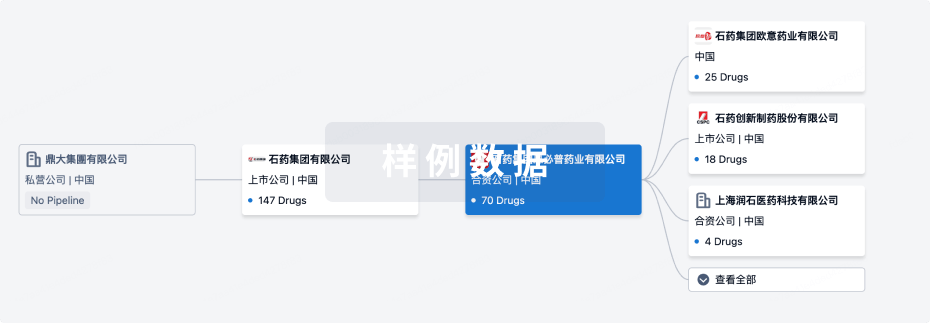
组织架构
使用我们的机构树数据加速您的研究。
登录
或
管线布局
2026年10月09日管线快照
管线布局中药物为当前组织机构及其子机构作为药物机构进行统计,早期临床1期并入临床1期,临床1/2期并入临床2期,临床2/3期并入临床3期
批准上市
1
登录后查看更多信息
药物交易
使用我们的药物交易数据加速您的研究。
登录
或
转化医学
使用我们的转化医学数据加速您的研究。
登录
或
营收
使用 Synapse 探索超过 36 万个组织的财务状况。
登录
或
科研基金(NIH)
访问超过 200 万项资助和基金信息,以提升您的研究之旅。
登录
或
投资
深入了解从初创企业到成熟企业的最新公司投资动态。
登录
或
融资
发掘融资趋势以验证和推进您的投资机会。
登录
或
提出任何生物医药研究问题
让每一步生物医药决策都精准制胜
基于十亿级生物数据与全球情报的精准 AI,赋能早期药物发现
立即开始免费试用!
智慧芽新药情报库是智慧芽专为生命科学人士构建的基于AI的创新药情报平台,助您全方位提升您的研发与决策效率。
立即接入生物医药数据包
智慧芽新药库数据也通过智慧芽开放平台,以MCP或API服务形式对外开放。立即使用我们的MCP服务定制您的LLM智能体。
生物序列数据库
生物药研发创新
免费使用
化学结构数据库
小分子化药研发创新
免费使用