预约演示
更新于:2025-11-09

Research Institute of Tsinghua University in Shenzhen
更新于:2025-11-09
概览
标签
肿瘤
内分泌与代谢疾病
小分子化药
疾病领域得分
一眼洞穿机构专注的疾病领域

技术平台
公司药物应用最多的技术
靶点
公司最常开发的靶点
关联
靶点 |
作用机制 |
在研机构 |
原研机构 |
在研适应症 |
非在研适应症 |
最高研发阶段 |
首次获批国家/地区 |
首次获批日期 |

CN117229295
专利挖掘靶点 |
作用机制 |
在研机构 |
原研机构 |
在研适应症 |
非在研适应症 |
最高研发阶段 |
首次获批国家/地区 |
首次获批日期 |


100 项与 深圳清华大学研究院 相关的临床结果
登录后查看更多信息
登录后查看更多信息
2025-12-31JOURNAL OF MEDICAL ECONOMICS
Analyzing factors influencing hospitalization costs for five common cancers in China using neural network models
Article
作者: Jiang, Hong ; Ren, Sinuo ; Wang, Shuai Fei ; Zhang, Shengbo ; Xiao, Ying ; He, Rui ; Li, Zhihuan ; Zhou, Shan ; Yin, Chengliang ; Luo, Xudan ; Yan, Jian Dong
BACKGROUND:
Malignant tumors are a major global health crisis, causing 25% of deaths in China, with lung, liver, thyroid, breast, and colon cancers being the most common. Understanding the factors influencing hospitalization costs for these cancers is crucial for public health and economics. This study aimed to identify key cost factors and develop a neural network model for predicting hospitalization costs, thereby providing tools to ease the financial burden on patients and healthcare systems.
METHODS:
Data on hospitalization costs for 30,893 cancer patients from secondary or higher-level hospitals in Zhuhai, Guangdong Province, between 2017 and 2022, were analyzed. Neural network classification and feature importance analysis were used to determine the main factors influencing costs and to develop predictive models. Model performance was evaluated using the area under the receiver operating characteristic curve (AUROC), with a 95% confidence interval (CI) calculated for the AUROC value.
RESULTS:
The key factors influencing hospitalization costs for lung cancer are metastasis and malignant solid tumor (MST), with correlation coefficients of 0.126 and 0.086, respectively, both showing statistical significance (p < 0.05). For colon cancer, the key factors influencing hospitalization costs are mortality and coronary disease (CD), with correlation coefficients of 0.092 and 0.090, respectively, both demonstrating statistical significance (p < 0.05). The AUROC value for the lung cancer model is 0.9078 (95% CI = 0.8975-0.9186), and the AUROC value for the colon cancer model is 0.9017 (95% CI = 0.8848-0.9196).
CONCLUSION:
This study confirmed the strong clinical applicability of the neural network predictive model in analyzing hospitalization costs for lung and colon cancer and revealed the factors that influence hospitalization costs for these cancers.
2025-12-02PETROLEUM SCIENCE AND TECHNOLOGY
Dynamic production optimization for offshore Electric Submersible Pump oilfields based on oil-water two phase virtual flow metering
作者: Gong, Jing ; Bai, Zonghan ; Wu, Haihao ; Kang, Qi
Enhancing offshore oilfield production is critical, but optimizing production equipment parameters presents significant challenges due to the difficulty in obtaining accurate fluid properties and the necessity for precise equipment models.Multiphase flow calculations depend on preset fluid parameters, which are particularly challenging to determine in offshore environments.This paper proposes a virtual measurement method tailored for reservoir, well, and pipeline network models in offshore oilfields.The approach involves calibrating the Elec. Submersible Pump (ESP) model and calculating the viscosity of oil-water emulsions to assess phase separation and fluid water content within the well.By utilizing revised data and production efficiency indicators, the optimal ESP operating frequency is determined to enhance offshore oilfield productionAdjusting the operating parameters based on these calculations enables continuous production optimization until the discrepancy between real-time data and computed results falls within the acceptable accuracy range.This method conserves substantial capital investment, enhances operational efficiency, and significantly boosts enterprise profitability.
2025-12-01Bioactive Materials
Bifunctional adECM bioscaffold with STIM1-ASCs and IGF-2 promotes functional masseter VML repair via myogenesis and fibrosis suppression
Article
作者: Dang, Wanwen ; An, Yang ; Liang, Wei ; Wu, Hongxu ; Jin, Mengying ; Zhen, Yonghuan ; Han, Meng ; Ao, Rigele ; Xu, Mengli ; Xu, Tao ; Lin, Weibo ; Wang, Zimo
Craniofacial muscles are essential for a variety of functions, including fine facial expressions. Severe injuries to these muscles often lead to more devastating consequences than limb muscle injuries, resulting in the loss of critical functions such as mastication and eyelid closure, as well as facial aesthetic impairment. Therefore, the development of targeted repair strategies for craniofacial muscle injuries is crucial. In this study, we engineered an adipose-derived decellularized extracellular matrix (adECM) bioscaffold co-loaded with seed cells and bioactive factors. The seed cells were STIM1-overexpressing adipose-derived stem cells (STIM1-ASCs), which exhibit directed and highly efficient myogenic differentiation, addressing the low differentiation efficiency of conventional ASCs that limits muscle regeneration. The bioactive factor used was insulin-like growth factor-2 (IGF-2), which modulates the immune microenvironment by reprogramming mitochondrial energy metabolism to promote M2 macrophage polarization. These M2 macrophages further suppress fibroblast collagen deposition, alleviating muscle fibrosis, while simultaneously enhancing the myogenic differentiation of STIM1-ASCs and myotube formation. Together, the recellularized adECM bioscaffold harnesses these dual mechanisms (promoting functional muscle regeneration and anti-fibrotic repair) to significantly improve the recovery of volumetric muscle loss (VML) in the masseter. The development of this bifunctional bioscaffold offers a novel therapeutic strategy and theoretical foundation for treating severe craniofacial muscle injuries.
100 项与 深圳清华大学研究院 相关的药物交易
登录后查看更多信息
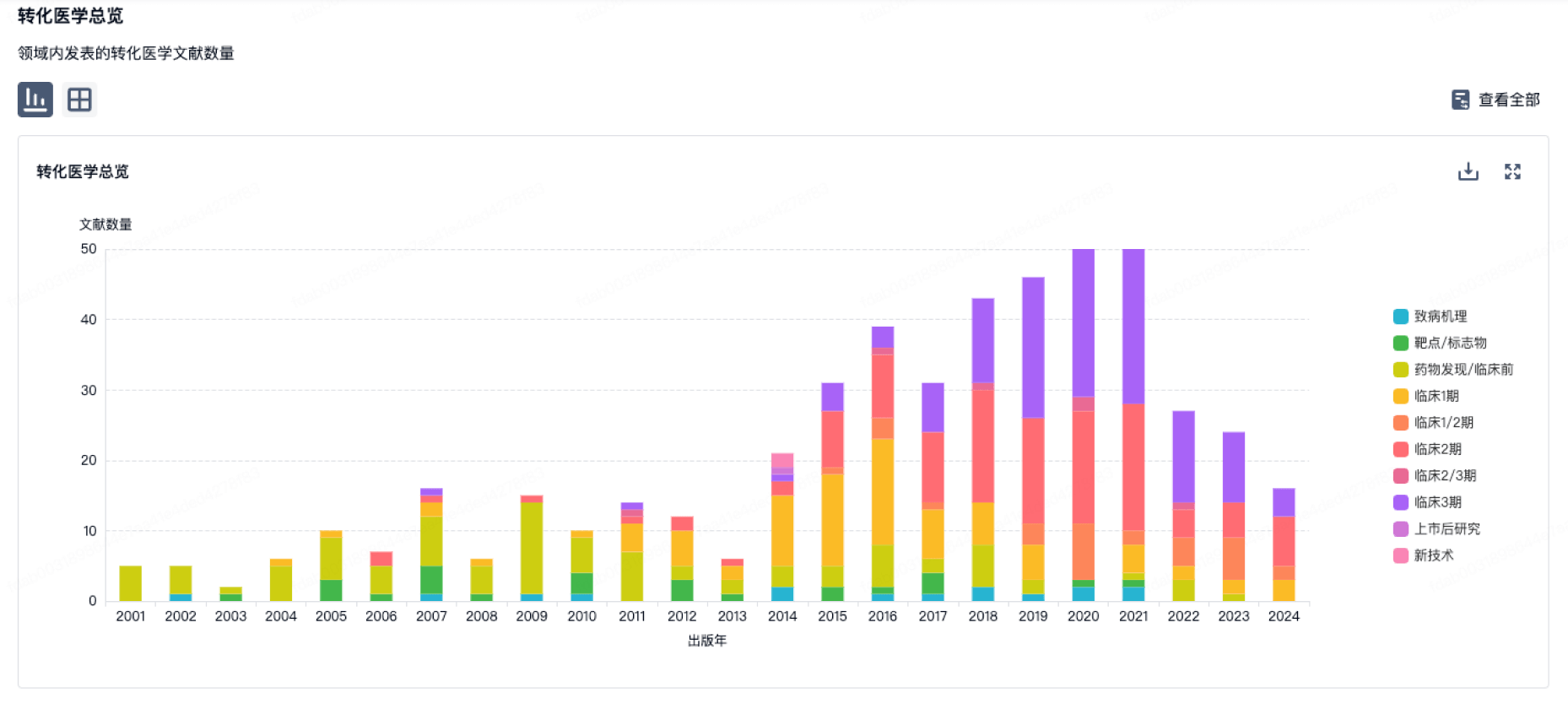
100 项与 深圳清华大学研究院 相关的转化医学
登录后查看更多信息
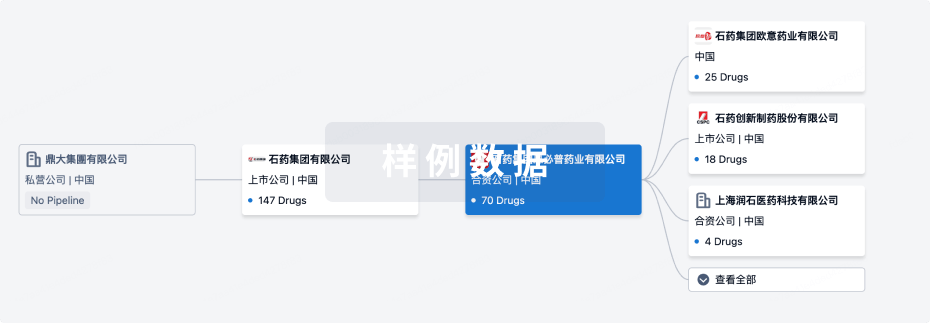
组织架构
使用我们的机构树数据加速您的研究。
登录
或
管线布局
2026年10月19日管线快照
管线布局中药物为当前组织机构及其子机构作为药物机构进行统计,早期临床1期并入临床1期,临床1/2期并入临床2期,临床2/3期并入临床3期
药物发现
2
登录后查看更多信息
当前项目
登录后查看更多信息
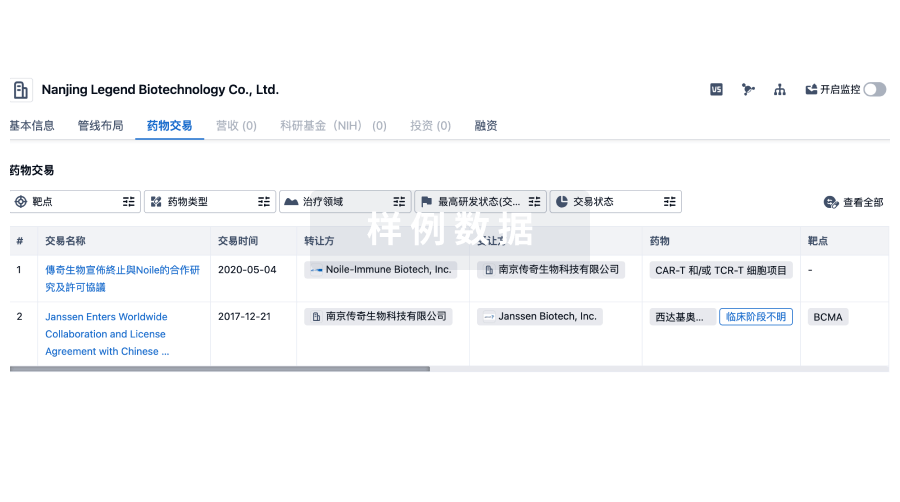
药物交易
使用我们的药物交易数据加速您的研究。
登录
或
转化医学
使用我们的转化医学数据加速您的研究。
登录
或
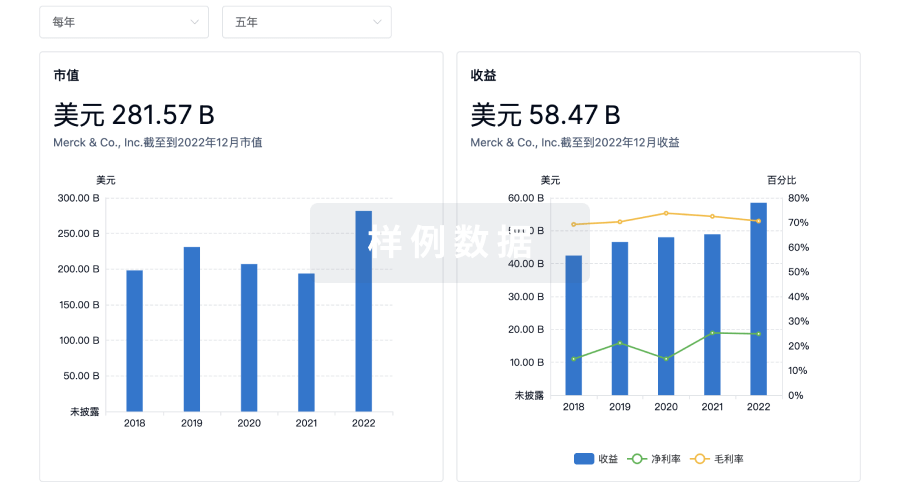
营收
使用 Synapse 探索超过 36 万个组织的财务状况。
登录
或
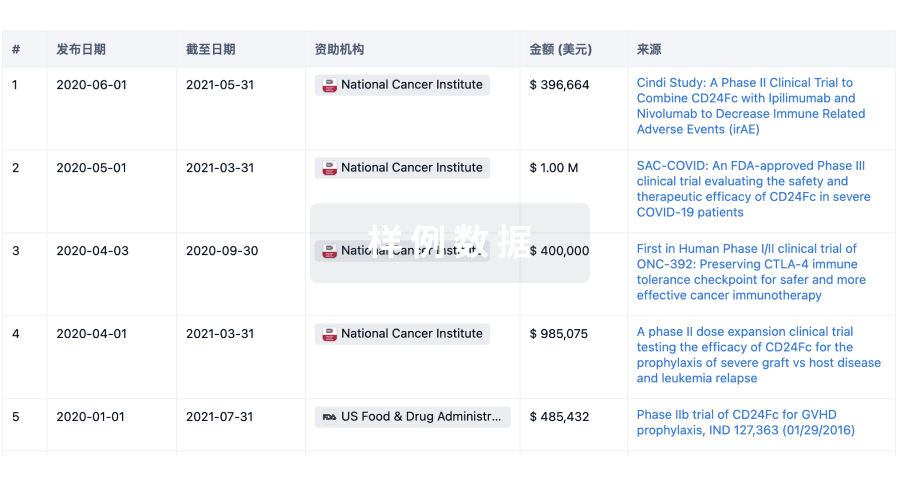
科研基金(NIH)
访问超过 200 万项资助和基金信息,以提升您的研究之旅。
登录
或
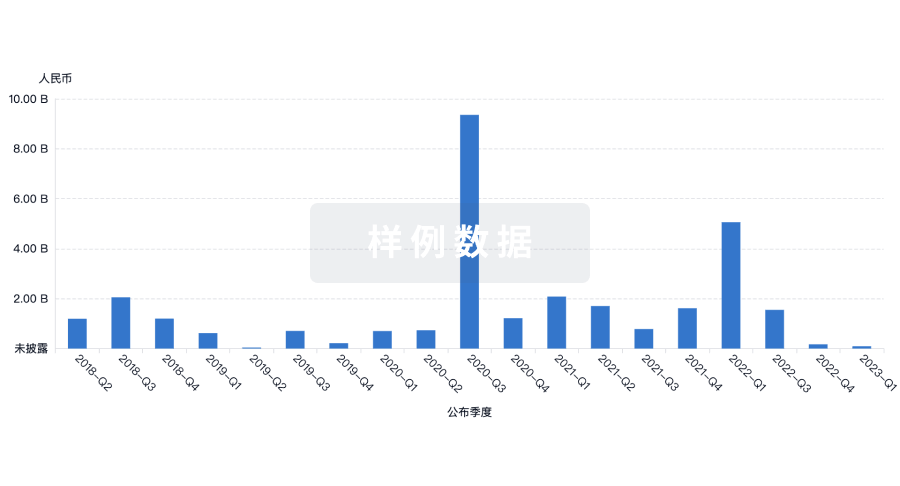
投资
深入了解从初创企业到成熟企业的最新公司投资动态。
登录
或
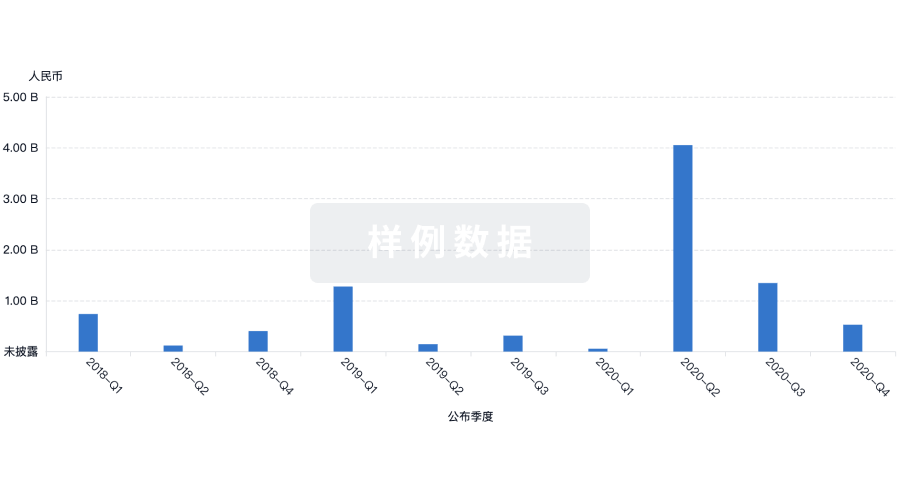
融资
发掘融资趋势以验证和推进您的投资机会。
登录
或
提出任何生物医药研究问题
让每一步生物医药决策都精准制胜
基于十亿级生物数据与全球情报的精准 AI,赋能早期药物发现
立即开始免费试用!
智慧芽新药情报库是智慧芽专为生命科学人士构建的基于AI的创新药情报平台,助您全方位提升您的研发与决策效率。
立即接入生物医药数据包
智慧芽新药库数据也通过智慧芽开放平台,以MCP或API服务形式对外开放。立即使用我们的MCP服务定制您的LLM智能体。
生物序列数据库
生物药研发创新
免费使用
化学结构数据库
小分子化药研发创新
免费使用