预约演示
更新于:2026-06-04

Fukushima Medical University
更新于:2026-06-04
概览
关联
JPRN-UMIN000060745
Effects of Exercise and Nanomist Sauna Bathing on Cytokines, Physical Activity Levels, Circulation, Metabolism, Immune Function, and Psychological Health - Effects of Exercise and Nanomist Sauna Bathing on Cytokines, Physical Activity Levels, Circulation, Metabolism, Immune Function, and Psychological Health
JPRN-UMIN000060610
An Interview Study on the Burden and Impact on Daily Life Among Patients with Acute Myeloid Leukemia (AML) - An Interview Study on the Burden and Impact on Daily Life Among Patients with Acute Myeloid Leukemia (AML)
JPRN-UMIN000060620
Exploring Imaging Biomarkers for the Evaluation of Dynamic Changes of Brain Function Using Dynamic Magnetic Resonance Scanning - Exploring Imaging Biomarkers for the Evaluation of Dynamic Changes of Brain Function Using Dynamic Magnetic Resonance Scanning
100 项与 Fukushima Medical University 相关的临床结果
登录后查看更多信息
登录后查看更多信息
2026-08-01JOURNAL OF CRITICAL CARE
Prognostic performance of the ratio of mean arterial pressure to norepinephrine equivalent dose in critically ill hypotensive patients: A single-center retrospective cohort study
Article
作者: Hayashi, Yoshiro ; Yamamoto, Ryohei ; Karumai, Toshiyuki ; Kotani, Yuki
BACKGROUND:
The ratio of mean arterial pressure (MAP) to norepinephrine equivalent dose (NED) may better quantify the degree of hemodynamic instability by incorporating both patient response and intervention intensity.
OBJECTIVES:
To evaluate the prognostic performance of the MAP/NED ratio for mortality.
METHODS:
This single-center retrospective cohort study consecutively included adult critically ill hypotensive patients who received norepinephrine infusion of at least 5 μg/min (in base formulation) within the first 24 h of intensive care unit (ICU) stay. The exposure of interest was the lowest MAP/NED ratio during the initial 24 h. The primary outcome was hospital mortality. We assessed the predictive validity of the lowest MAP/NED ratio for hospital mortality using logistic regression and area under the receiver operating characteristic curve (AUC). We compared the AUC of the lowest MAP/NED ratio with those of the lowest MAP and highest NED.
RESULTS:
Among 937 patients, hospital mortality was 29%. After adjustment for clinically relevant covariates, the lowest MAP/NED ratio remained independently associated with hospital mortality (adjusted odds ratio for the highest vs. lowest tertile, 0.60; 95% CI, 0.38-0.92). The AUC of the lowest MAP/NED ratio was 0.625, which was superior to that of the lowest MAP (0.562) and comparable to that of the highest NED (0.625).
CONCLUSIONS:
In adult patients receiving vasopressor infusion, the lowest MAP/NED ratio within 24 h of ICU admission was independently associated with hospital mortality. Its prognostic discrimination was slightly higher than that of the lowest MAP value and comparable to that of the highest NED.
2026-06-01AURIS NASUS LARYNX
Repetitive post-tonsillectomy hemorrhage subsequently diagnosed as lupus anticoagulant-associated coagulopathy in a child
Article
作者: Mashiyama, Fumi ; Sakamoto, Rie ; Murono, Shigeyuki ; Matsumi, Fumiaki
Transient positivity of anti-phospholipid antibodies can be induced by infectious diseases, and may occasionally cause prolonged activated partial thromboplastin time (APTT). In most cases, this phenomenon is asymptomatic and does not require therapeutic intervention. However, in rare instances, patients with lupus anticoagulant (LA), a type of anti-phospholipid antibody, develop coagulopathy due to decreased activity of coagulation factors, resulting in an acquired bleeding tendency. When both acquired hypoprothrombinemia and LA are present, the condition is diagnosed as LA-hypoprothrombinemia syndrome (LAHPS). A similar condition with decreased activity of coagulation factors other than prothrombin is referred to as LAHPS-like syndrome (LLS). Given the clinical and pathophysiological similarities between LAHPS and LLS, their integration under the concept of LA-associated coagulopathy (LAAC) has been proposed. We herein report the case of a previously healthy 5-year-old girl who developed recurrent postoperative bleeding after tonsillectomy and adenoidectomy. Laboratory tests revealed prolonged APTT and positivity for LA. As the patient had experienced streptococcal tonsillitis 7 weeks before surgery, the condition was considered to be infection-triggered LAAC. Although LAAC is rare, careful perioperative monitoring is required in pediatric surgical patients, who are prone to infections.
2026-05-08Circulation reports
Impact of Radiation Therapy on Diastolic Function and Cardiac Troponin I Levels in Cancer Patients Undergoing Contemporary Radiotherapy
Article
作者: Yokokawa, Tetsuro ; Yoshihisa, Akiomi ; Tani, Tetsuya ; Kaneshiro, Takashi ; Ishida, Takafumi ; Misaka, Tomofumi ; Oikawa, Masayoshi ; Miura, Shunsuke ; Takeishi, Yasuchika ; Haga, Fumika
Background:
Radiation-associated cardiac disease (RACD) remains a clinically relevant late toxicity of thoracic radiotherapy. Although modern techniques have reduced cardiac exposure, myocardial injury may still occur.
Methods and Results:
We analyzed 355 patients with esophageal, lung, or left breast cancer who underwent baseline cardiac evaluation before cancer therapy. For the primary analysis, patients without radiotherapy (no RT; n=237) were compared with those who received radiotherapy involving the heart (cardiac RT; n=41). Patients who underwent thoracic radiotherapy without direct cardiac irradiation (n=77) were evaluated separately. Cardiac troponin I (cTnI) and echocardiographic parameters were assessed at 12 months. cTnI levels remained stable and showed no association with cardiac radiation exposure. Left ventricular ejection fraction was preserved, whereas the cardiac RT group exhibited lower septal e' velocity and E/A ratio. Higher cardiac radiation dose was associated with lower E/A ratio (R=-0.448, P=0.009) and septal e' velocity (R=-0.389, P=0.023). In multivariable logistic regression analysis, cardiac irradiation independently predicted a reduced E/A ratio (<0.8; odds ratio 2.46; 95% confidence interval 1.04-5.83; P=0.041).
Conclusions:
Cardiac irradiation was associated with declines in diastolic indices despite stable cTnI. Diastolic impairment may represent an early subclinical manifestation of RACD, underscoring the importance of echocardiographic monitoring and minimizing cardiac radiation exposure.
100 项与 Fukushima Medical University 相关的药物交易
登录后查看更多信息
100 项与 Fukushima Medical University 相关的转化医学
登录后查看更多信息
组织架构
使用我们的机构树数据加速您的研究。
登录
或
管线布局
2026年10月25日管线快照
管线布局中药物为当前组织机构及其子机构作为药物机构进行统计,早期临床1期并入临床1期,临床1/2期并入临床2期,临床2/3期并入临床3期
其他
4
登录后查看更多信息
当前项目
登录后查看更多信息
药物交易
使用我们的药物交易数据加速您的研究。
登录
或
转化医学
使用我们的转化医学数据加速您的研究。
登录
或
营收
使用 Synapse 探索超过 36 万个组织的财务状况。
登录
或
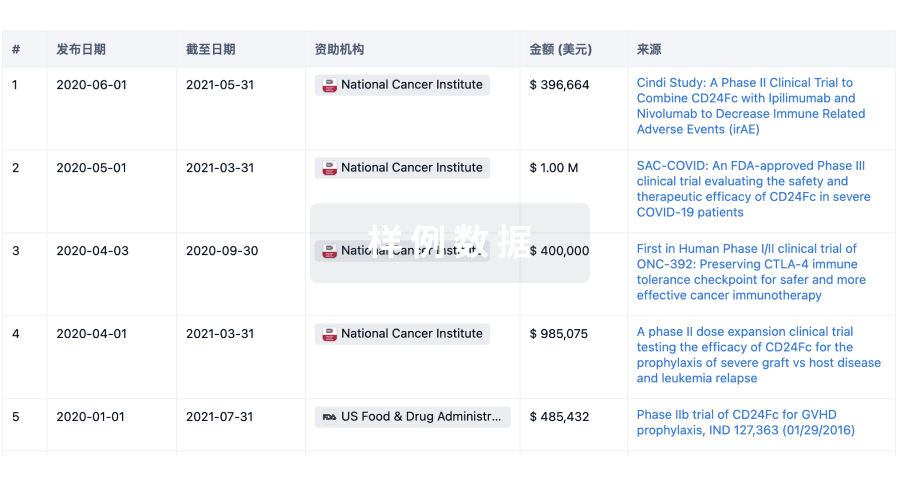
科研基金(NIH)
访问超过 200 万项资助和基金信息,以提升您的研究之旅。
登录
或
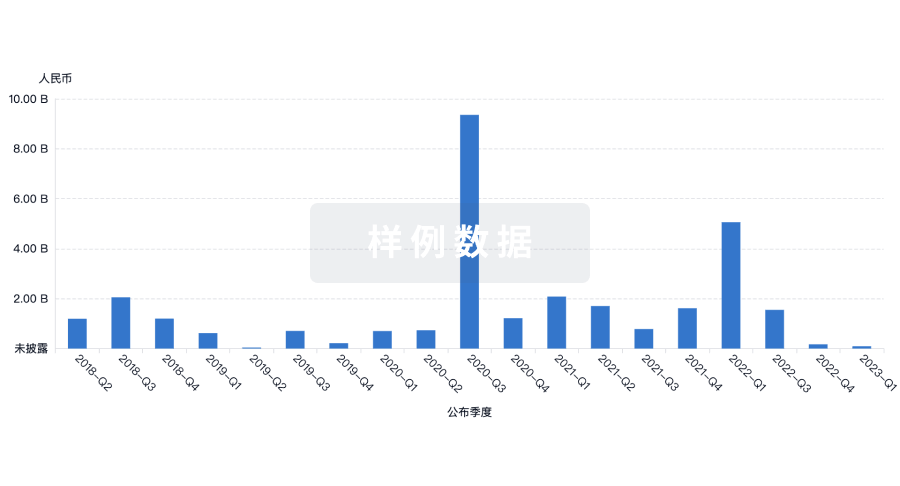
投资
深入了解从初创企业到成熟企业的最新公司投资动态。
登录
或
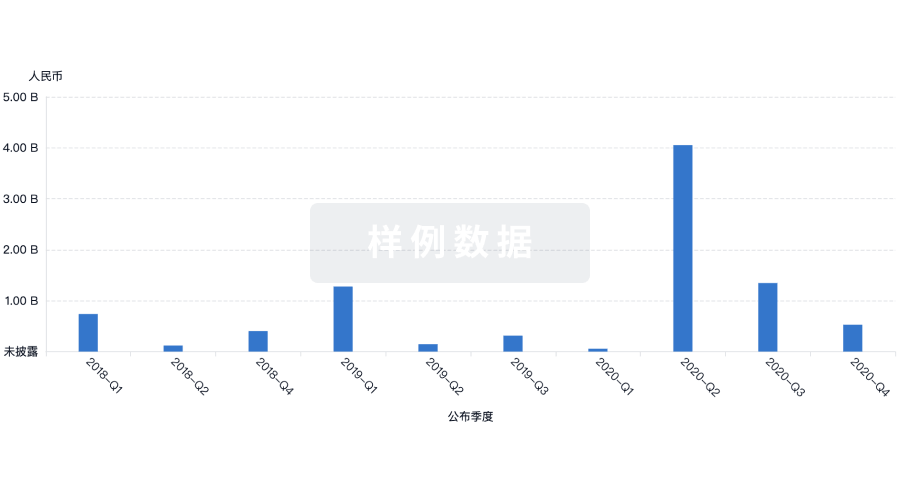
融资
发掘融资趋势以验证和推进您的投资机会。
登录
或
提出任何生物医药研究问题
让每一步生物医药决策都精准制胜
基于十亿级生物数据与全球情报的精准 AI,赋能早期药物发现
立即开始免费试用!
智慧芽新药情报库是智慧芽专为生命科学人士构建的基于AI的创新药情报平台,助您全方位提升您的研发与决策效率。
立即接入生物医药数据包
智慧芽新药库数据也通过智慧芽开放平台,以MCP或API服务形式对外开放。立即使用我们的MCP服务定制您的LLM智能体。
生物序列数据库
生物药研发创新
免费使用
化学结构数据库
小分子化药研发创新
免费使用