预约演示
更新于:2025-12-22

Aristotle University of Thessaloniki
更新于:2025-12-22
概览
标签
内分泌与代谢疾病
心血管疾病
小分子化药
化学药
疾病领域得分
一眼洞穿机构专注的疾病领域

技术平台
公司药物应用最多的技术
靶点
公司最常开发的靶点
关联
靶点 |
作用机制 |
在研机构 |
原研机构 |
在研适应症 |
非在研适应症 |
最高研发阶段 |
首次获批国家/地区 |
首次获批日期 |
靶点 |
作用机制 |
在研机构 |
原研机构 |
在研适应症 |
非在研适应症 |
最高研发阶段 |
首次获批国家/地区 |
首次获批日期 |


NCT07238608
UPRISE Unravelling Ultrafine Particulate Matter and Micro Nano Plastic's Mechanisms of Impact on Fetal Health
NCT07210164
Prehabilitation With Exercise and Immunonutrition (Ocoxin®) in the Perioperative Management of Gynecologic Malignancies Under ERAS Protocol.
NCT07289061
Application of Positive Psychology Interventions in Individuals With Early-stage Cognitive Decline Related to Dementia: Their Impact on Cognitive and Brain Functioning
100 项与 Aristotle University of Thessaloniki 相关的临床结果
登录后查看更多信息
登录后查看更多信息
2026-03-01International Orthodontics
Multidisciplinary orthodontic and prosthetic treatment of an eleven-year-old patient with a solitary median maxillary central incisor: A case report
Article
作者: Kaklamanos, Eleftherios G ; Athanasiou, Athanasios E ; Gogolas, Nikolaos ; Perdikaris, Platon-Timotheos ; Makrygiannakis, Miltiadis A ; Kostis, Alexandros
Solitary median maxillary central incisor (SMMCI) syndrome is a rare developmental disorder in which a patient presents with only one upper central incisor located in the midline, along with some other features - such as deviant sella turcica and pituitary gland morphology, panhypopituitarism, hypothyroidism, and hypoplasia of the inner genitals - that may or may not be present. Although some authors consider it a mild manifestation of holoprosencephaly, others classify it as a distinct entity. The aim of this case report is to describe the orthodontic treatment of an 11-year-old female patient with SMMCI. The patient presented with early permanent dentition, Class II, division 2, subdivision (left) malocclusion on a Class I skeletal pattern, a solitary median maxillary central incisor, and moderate crowding in the lower dental arch. Orthodontic treatment was carried out using fixed appliances, involving the creation of space for an additional maxillary central incisor and the correction of Class II malocclusion through the application of intermaxillary elastics. By the end of treatment, Class I canine and molar relationships had been achieved, the overjet and overbite became optimal, and a one-wing Maryland bridge was placed in the area of the left maxillary central incisor. Regarding retention, a lower fixed retainer from canine to canine and upper and lower vacuum-formed appliances were used. In conclusion, this case report highlights the importance of coordinated care among dental specialists for effectively treating solitary median maxillary central incisor cases.
2026-03-01ADVANCES IN PHYSIOLOGY EDUCATION
Standardizing biology laboratory curriculum in health education: a blueprint for European undergraduate programs
Review
作者: Dafli, Eleni ; Nicolaou, Stella A. ; Bamidis, Panagiotis D. ; Nicolaou, Persoulla ; Puig, Blanca ; Lazar, Gabriel
This study identifies the most frequently used biology laboratory topics in health-related undergraduate programs across 28 European countries. We propose a standardized two-semester curriculum that strengthens foundational biology skills and advanced molecular methods, grounding students in physiology education. This framework reduces disparities in laboratory training, fosters competency, and prepares students for global health challenges.
2026-02-01BIORESOURCE TECHNOLOGY
Enhancing biogenic carbon dioxide conversion to acetic acid using support materials and machine learning-based optimization
Article
作者: Kontogiannopoulos, Konstantinos N ; Zouboulis, Anastasios I ; Samaras, Petros ; Chatzis, Alexandros ; Xirostylidou, Aikaterini ; Kougias, Panagiotis G
Amid escalating environmental challenges and the global pursuit of carbon neutrality, sustainable pathways for platform chemical synthesis are a critical research priority. Acetic acid, a high-demand compound with extensive industrial applications, is still predominantly produced via petroleum-based processes, raising environmental and economic concerns. Considering these challenges, this study explores the biological conversion of biogenic carbon dioxide (CO2) into acetic acid, promoting a circular carbon economy. Specifically, it investigates the role of packing and conductive materials in influencing biological CO2-to-acetic acid conversion, demonstrating that their effects are material-specific, with some enhancing and others inhibiting process performance. To enhance acetogenic activity, 2-bromoethanesulfonic acid was used to inhibit methanogenesis, thereby favoring the Wood-Ljungdahl pathway. The experimental design incorporated a multilevel categorical design (MCD) to assess the individual and combined effects of support materials, namely packing and conductive types, on key process parameters: pH, yield (g acetic acid/g CO2), and efficiency (%). Zero-valent iron was identified as the most effective conductive material, achieving a yield of 0.68 g acetic acid/g CO2 and an efficiency up to 99.8 %. The statistical models developed through MCD exhibited strong predictive performance (R2 > 0.80; prediction errors < 3 %) and were validated experimentally. Furthermore, an artificial neural network (ANN) was trained and integrated with a genetic algorithm (GA) to optimize system performance. The ANN-GA model demonstrated slightly higher predictive accuracy compared to MCD. Overall, this study confirms the significant role of support material selection in enhancing biological CO2 conversion and presents an advanced modeling framework for process optimization.
100 项与 Aristotle University of Thessaloniki 相关的药物交易
登录后查看更多信息
100 项与 Aristotle University of Thessaloniki 相关的转化医学
登录后查看更多信息
组织架构
使用我们的机构树数据加速您的研究。
登录
或
管线布局
2026年10月09日管线快照
管线布局中药物为当前组织机构及其子机构作为药物机构进行统计,早期临床1期并入临床1期,临床1/2期并入临床2期,临床2/3期并入临床3期
临床前
2
2
其他
登录后查看更多信息
当前项目
登录后查看更多信息
药物交易
使用我们的药物交易数据加速您的研究。
登录
或
转化医学
使用我们的转化医学数据加速您的研究。
登录
或
营收
使用 Synapse 探索超过 36 万个组织的财务状况。
登录
或
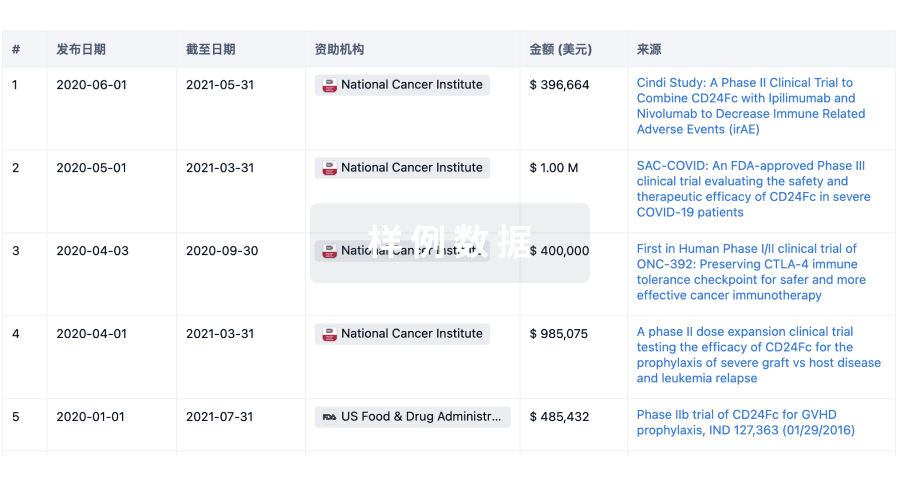
科研基金(NIH)
访问超过 200 万项资助和基金信息,以提升您的研究之旅。
登录
或
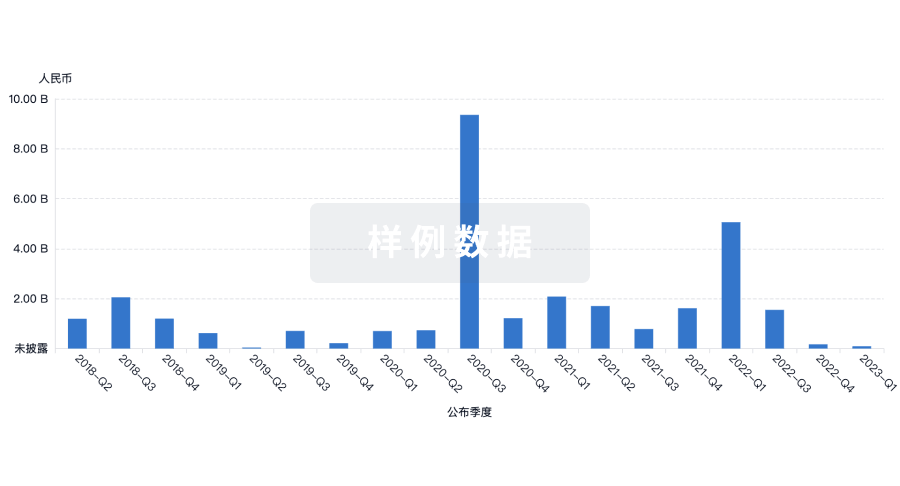
投资
深入了解从初创企业到成熟企业的最新公司投资动态。
登录
或
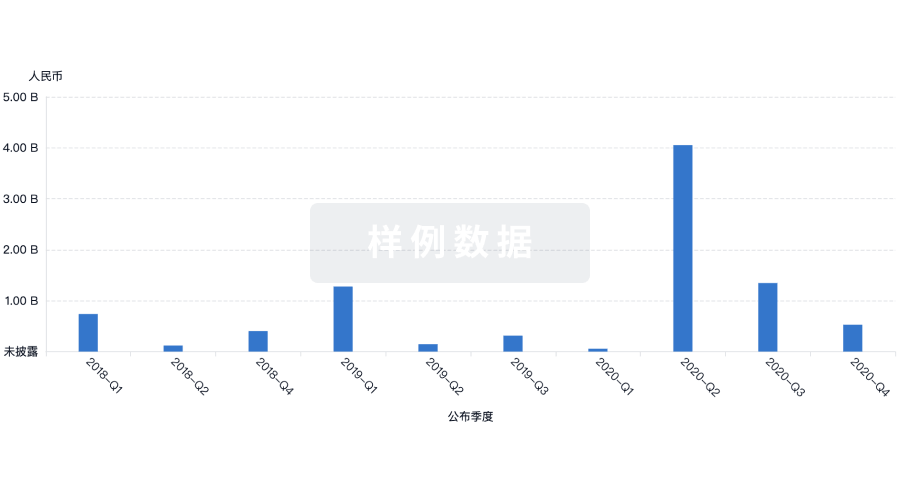
融资
发掘融资趋势以验证和推进您的投资机会。
登录
或
提出任何生物医药研究问题
让每一步生物医药决策都精准制胜
基于十亿级生物数据与全球情报的精准 AI,赋能早期药物发现
立即开始免费试用!
智慧芽新药情报库是智慧芽专为生命科学人士构建的基于AI的创新药情报平台,助您全方位提升您的研发与决策效率。
立即接入生物医药数据包
智慧芽新药库数据也通过智慧芽开放平台,以MCP或API服务形式对外开放。立即使用我们的MCP服务定制您的LLM智能体。
生物序列数据库
生物药研发创新
免费使用
化学结构数据库
小分子化药研发创新
免费使用