预约演示
更新于:2026-06-16

Jiangsu University
更新于:2026-06-16
概览
标签
肿瘤
其他疾病
神经系统疾病
小分子化药
抗体偶联核素
诊断用放射药物
疾病领域得分
一眼洞穿机构专注的疾病领域

技术平台
公司药物应用最多的技术
靶点
公司最常开发的靶点
关联
靶点 |
作用机制 |
在研机构 |
原研机构 |
在研适应症 |
非在研适应症 |
最高研发阶段 |
首次获批国家/地区 |
首次获批日期 |
靶点 |
作用机制 |
在研机构 |
原研机构 |
在研适应症 |
非在研适应症 |
最高研发阶段 |
首次获批国家/地区 |
首次获批日期 |
靶点 |
作用机制 |
在研机构 |
原研机构 |
在研适应症 |
非在研适应症 |
最高研发阶段 |
首次获批国家/地区 |
首次获批日期 |
ChiCTR2500110941
Construction and Application of a Risk Prediction Model for Tracheal Intubation Intolerance in General Anesthesia the Recovery Period
ChiCTR2100050103
Evidence-based practice of postoperative nausea and vomiting management in adult patients
NCT04028323
Functional MRI-based Assessment of Terlipressin vs. Octreotide on Renal Function in Cirrhotic Patients With Acute Variceal Bleeding (CHESS1903): A Multicenter, Single-blind, Randomised Controlled Trial
100 项与 江苏大学 相关的临床结果
登录后查看更多信息
登录后查看更多信息
2026-12-31NUMERICAL HEAT TRANSFER PART A-APPLICATIONS
Computational study of micropolar Eyrling-Powell ferrofluid flow
作者: Munir, Taj ; Alkarni, Shalan ; Kang, Can ; Zeb, Hussan
This study investigates the behavior of micropolar Eyring-Powell ferrofluids over a stretchable surface, considering heterogeneous-homogeneous chem. reactions, thermal radiation, and magnetic dipole effects.The governing partial differential equations are transformed into ordinary differential equations (ODEs) using similarity transformations, which are then solved using the shooting method with Runge-Kutta updates.The effects of various parameters on the flow and temperature fields are computed and visualized using MATLAB 2023.The results show that the velocity field decreases with increasing ferro-magnetic parameter β and fluid material parameter ss, while the temperature field increases with thermal radiation R, but decreases with higher dissipation parameter χ1 and Prandtl number Pr.The results are in excellent agreement with previously published data, validating the accuracy of our approach.
2026-12-31Virulence
3C suppresses PINK1-mediated mitophagy and contributes to coxsackievirus B3 replication
Article
作者: Lu, Hongxiang ; Xie, Yiwei ; Wang, Jiang ; Wu, Han ; Shen, Hongxing ; Hao, Tingting ; Xu, Jinfeng ; Li, Shibao ; Zhang, Yonggen ; Liu, Tingjun ; Wang, Hua ; Xu, Yinhai ; Wan, Ao
Viral myocarditis (VM) is a cardiac inflammatory condition caused by viral infection and serves as a critical precursor to life-threatening complications, such as dilated cardiomyopathy and heart failure. Coxsackievirus B3 (CVB3), a predominant etiological agent of VM, lacks targeted therapeutic interventions despite ongoing antiviral development. Mitophagy is a selective mitochondrial quality control mechanism mediated by PINK1. It has two key roles: maintaining mitochondrial homeostasis and regulating innate antiviral immunity. Here, we employed single-cell RNA sequencing to reveal a significant correlation between impaired mitophagy and cardiomyocyte pathology in CVB3-induced myocarditis. We demonstrated that CVB3 infection suppresses PINK1-dependent mitophagy, while the attenuation of PINK1 reciprocally enhances CVB3 replication. Mechanistically, CVB3 non-structural protein 3C promotes the degradation of mitochondrial antiviral signaling protein (MAVS). MAVS interacts with PINK1 to form a regulatory loop: PINK1 deficiency boosts MAVS reduction, which further promotes viral replication and worsens myocardial injury. Furthermore, we identify the transcription factor FOSL1 as a novel negative regulator of PINK1 transcription through direct promoter binding. Collectively, these findings show that the 3C/FOSL1/PINK1/MAVS signaling axis is a key mechanism in CVB3 pathogenesis. We propose innovative therapeutic targets for viral myocarditis through restoration of mitochondrial homeostasis and modulation of host-virus interactions.
2026-12-31JOURNAL OF INVESTIGATIVE SURGERY
DNA Methylation-Regulated FAM107A Affects Colorectal Carcinogenesis by Inhibiting FOXM1
Article
作者: Liu, Yue ; Sun, Jinwei ; Chen, Lizhou ; Wang, Lisheng ; Shi, Yuhua ; Zhang, Xinyue
INTRODUCTION:
Family with sequence similarity 107 member A (FAM107A) has been reported to inhibit cancer cell proliferation and migration and enhance apoptosis; however, to our knowledge, the association between FAM107A and colorectal cancer (CRC) has not been explored.
METHODS:
CCK-8 assay, colony formation, EdU, flow cytometry assays were used to detect the cellular aggressive behaviors. FAM107A promoter methylation was analyzed by bioinformatics tools. The interaction between DNMT1 and FAM107A was explored by RT-qPCR, Western blot and ChIP assay.
RESULTS:
Overexpression of FAM107A inhibited CRC cell proliferation (p < .001). Furthermore, FAM107A overexpression induced apoptosis (p < .001) and cycle arrest in CRC cells. The direct binding of DNMT1 with FAM107A promoter was demonstrated and DNMT1 silencing enhanced FAM107A expression (p < .001). In addition, FOXM1 overexpression stimulated cell proliferation (p < .05, p < .001) while suppressing cell apoptosis (p < .01) in vitro, and promoted tumor growth (p < .01, p < .001) in a Caco-2 cell subcutaneous nude model in vivo, which was reversed by FAM107A up-regulation (p < .05, p < .01, p < .001).
DISCUSSION:
These results hypothesize that the occurrence and development of CRC are mainly mediated by the DNMT1/FAM107A/FOXM1 axis.
2026-06-11
·药说新药
2026-06-10
100 项与 江苏大学 相关的药物交易
登录后查看更多信息
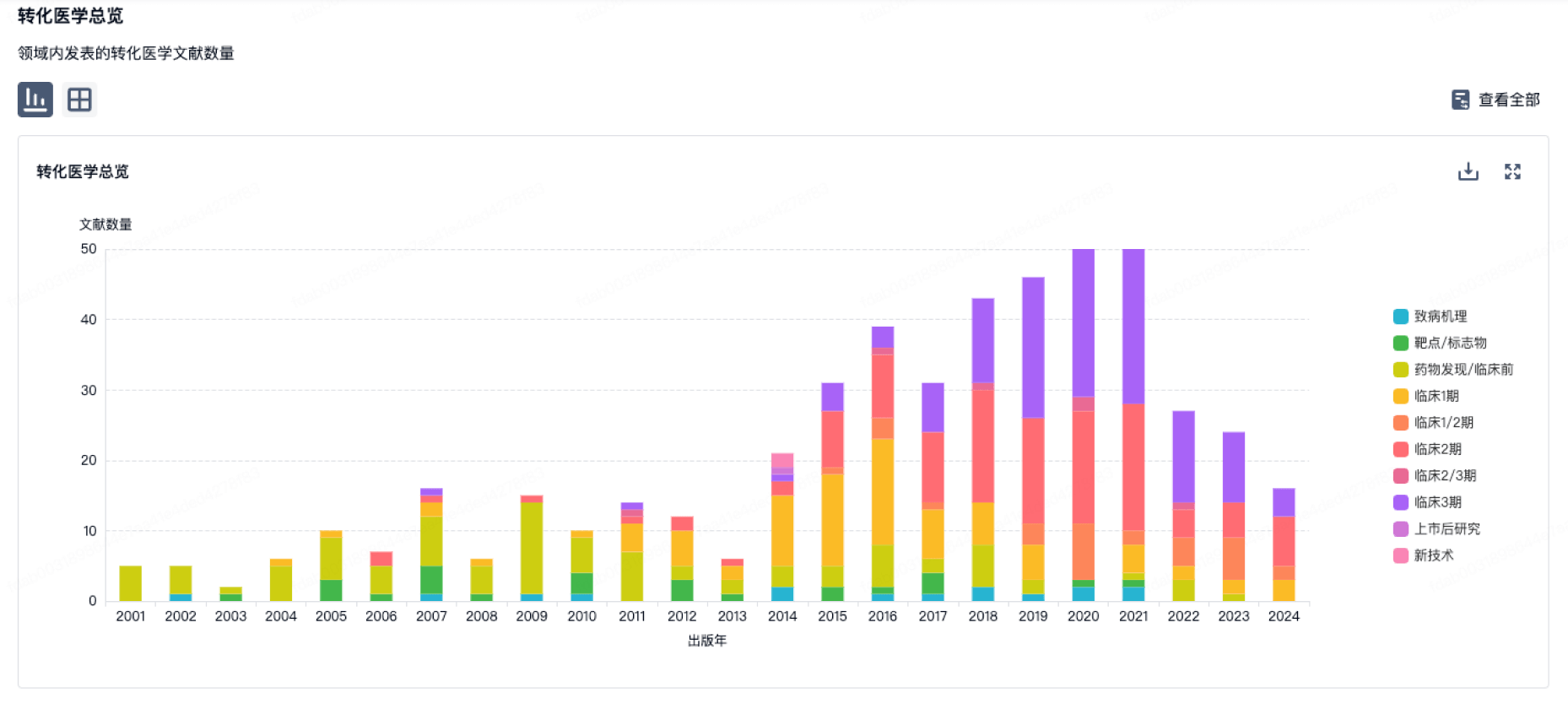
100 项与 江苏大学 相关的转化医学
登录后查看更多信息
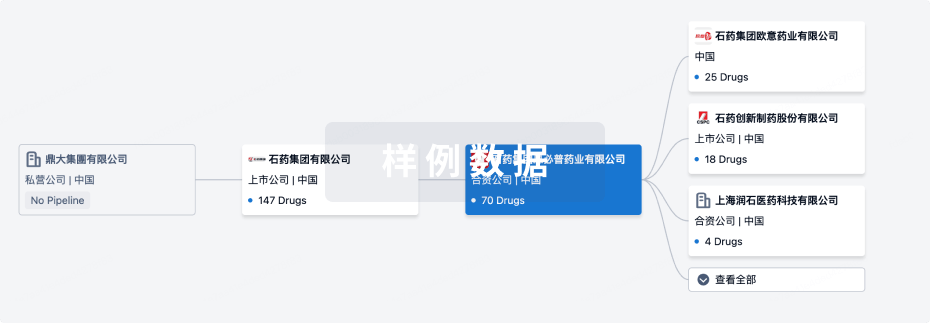
组织架构
使用我们的机构树数据加速您的研究。
登录
或
管线布局
2026年10月17日管线快照
管线布局中药物为当前组织机构及其子机构作为药物机构进行统计,早期临床1期并入临床1期,临床1/2期并入临床2期,临床2/3期并入临床3期
药物发现
3
8
临床前
其他
1
登录后查看更多信息
当前项目
登录后查看更多信息
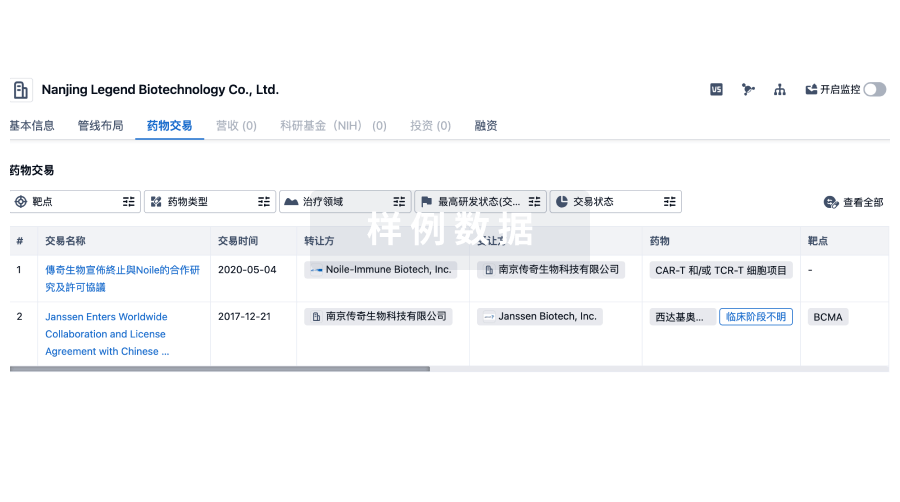
药物交易
使用我们的药物交易数据加速您的研究。
登录
或
转化医学
使用我们的转化医学数据加速您的研究。
登录
或
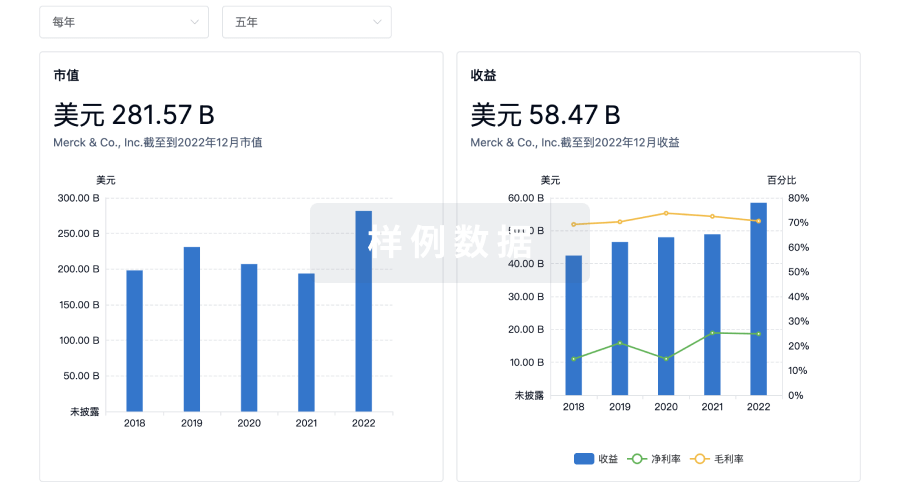
营收
使用 Synapse 探索超过 36 万个组织的财务状况。
登录
或
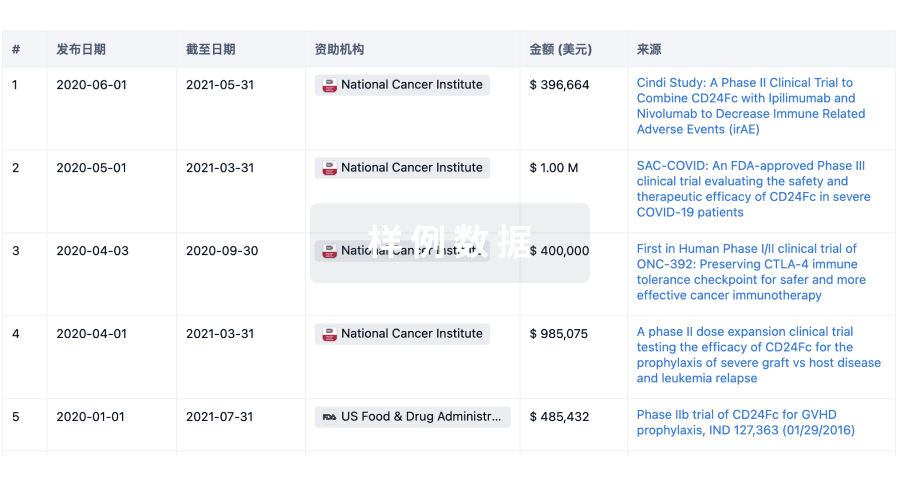
科研基金(NIH)
访问超过 200 万项资助和基金信息,以提升您的研究之旅。
登录
或
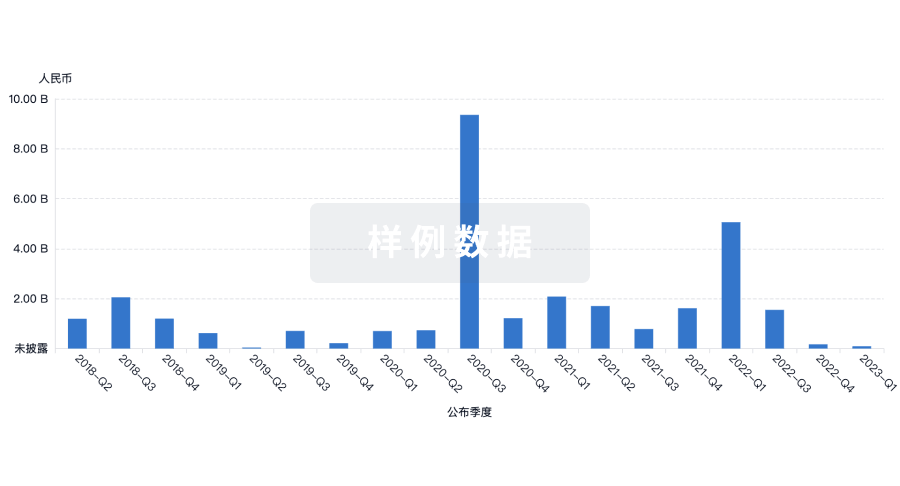
投资
深入了解从初创企业到成熟企业的最新公司投资动态。
登录
或
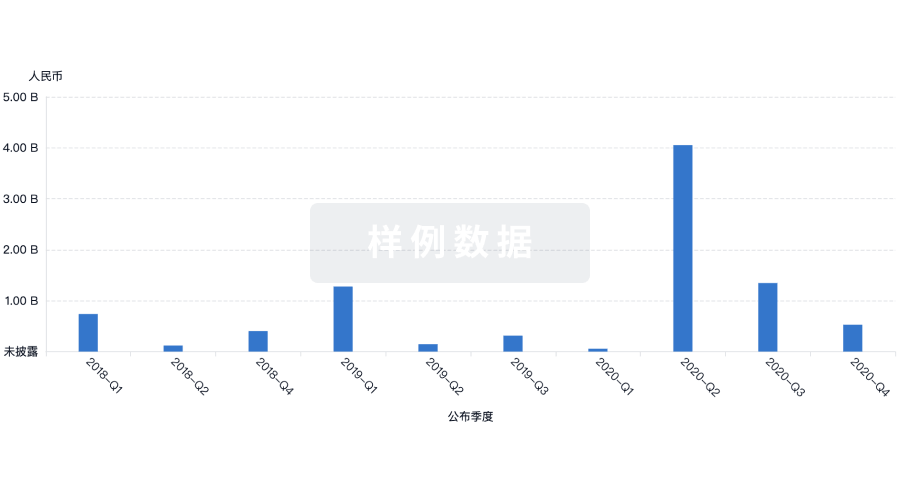
融资
发掘融资趋势以验证和推进您的投资机会。
登录
或
提出任何生物医药研究问题
让每一步生物医药决策都精准制胜
基于十亿级生物数据与全球情报的精准 AI,赋能早期药物发现
立即开始免费试用!
智慧芽新药情报库是智慧芽专为生命科学人士构建的基于AI的创新药情报平台,助您全方位提升您的研发与决策效率。
立即接入生物医药数据包
智慧芽新药库数据也通过智慧芽开放平台,以MCP或API服务形式对外开放。立即使用我们的MCP服务定制您的LLM智能体。
生物序列数据库
生物药研发创新
免费使用
化学结构数据库
小分子化药研发创新
免费使用