预约演示
更新于:2026-09-16
CytoDyn, Inc.
更新于:2026-09-16
概览
标签
肿瘤
消化系统疾病
神经系统疾病
单克隆抗体
疾病领域得分
一眼洞穿机构专注的疾病领域

技术平台
公司药物应用最多的技术
靶点
公司最常开发的靶点
关联
靶点 |
作用机制 |
在研机构 |
原研机构 |
在研适应症 |
非在研适应症 |
最高研发阶段 |
首次获批国家/地区 |
首次获批日期 |
NCT06699836
A Phase Two Study Evaluating Two Doses of Leronlimab (PRO 140) In Combination With Trifluridine + Tipiracil (TAS-102) + Bevacizumab in Participants With Microsatellite Stable (MSS), Relapsed Refractory Metastatic Colorectal Cancer (mCRC)
NCT05730673
A Phase II Study of Leronlimab (PRO 140) in Combination With Regorafenib in Patients With CCR5+, Microsatellite Stable (MSS), Metastatic Colorectal Cancer (mCRC)
NCT04901689
A Phase 3, Randomized, Double Blind, Placebo Controlled Trial to Evaluate the Efficacy and Safety of Leronlimab in Combination With Standard of Care for Patients With Coronavirus Disease 2019 (COVID-19) With Need for Mechanical Ventilation or Extracorporeal Membrane Oxygenation

100 项与 CytoDyn, Inc. 相关的临床结果
登录后查看更多信息
登录后查看更多信息
2025-06-01JAIDS-JOURNAL OF ACQUIRED IMMUNE DEFICIENCY SYNDROMES
Leronlimab Treatment for Multidrug-Resistant HIV-1 (OPTIMIZE): A Randomized, Double-Blind, Placebo-Controlled Trial
Article
作者: Dejesus, Edwin ; Hansen, Scott G. ; Sanchez, William E. ; Meidling, Joseph ; Gathe, Joseph C. ; Lalezari, Jacob P. ; Krishen, Alok ; Sacha, Jonah B. ; Ramgopal, Moti N. ; Rolle, Charlotte-Paige ; Yang, Otto O.
Background::
Leronlimab is a humanized κ-IgG4 monoclonal antibody that blocks C–C chemokine receptor type 5. We investigated leronlimab as a treatment option for people living with multidrug-resistant HIV-1.
Setting and Methods::
In a phase 2b/3, multicenter, randomized, double-blind, placebo-controlled study conducted in 21 hospital centers in the United States, treatment-experienced people living with HIV with documented drug resistance were randomly assigned once weekly leronlimab (350 mg subcutaneously) or matching placebo for 1 week overlapping existing failing antiretroviral therapy, followed by a 24-week single-arm extension with weekly leronlimab combined with a new optimized background treatment. The primary end point was achieving ≥0.5 log10 reduction in plasma HIV-1 RNA from baseline at the end of the 1-week double-blinded treatment period.
Results::
Fifty-two participants were enrolled (25 leronlimab and 27 placebo). After the 1-week randomized phase, by the intent-to-treat analysis, 64.0% (16/25) receiving leronlimab achieved ≥0.5 log10 reduction in plasma HIV-1 RNA versus 23.1% (6/26) receiving placebo (P = 0.0032), whereas by per protocol analysis, 72.7% (16/22) receiving leronlimab achieved ≥0.5 log10 reduction in plasma HIV-1 RNA versus 24.0% (6/25) receiving placebo (P = 0.0008). Leronlimab was generally well tolerated with no drug-related serious adverse events reported. Overall, 175 adverse events were reported by 34/52 participants, with 120 (68.6%) adverse events categorized as mild.
Conclusions::
Leronlimab resulted in significantly reduced plasma HIV-1 within 1 week after addition to failing antiretroviral therapy. After 24 weeks combined with an optimized background treatment, most participants had plasma HIV-1 RNA levels <50 copies per milliliter plasma, suggesting utility of leronlimab as a component of salvage therapy.
2024-11-01CLINICAL THERAPEUTICS
A Randomized Placebo-Controlled Trial of Leronlimab in Mild-To-Moderate COVID-19
Article
作者: Hansen, Scott G. ; Yang, Otto O ; Sammartino, Daniel ; Ogbuagu, Onyema ; Hansen, Scott G ; Lalezari, Jacob P ; Loftus, Richard ; Mansour, Ali ; Seethamraju, Harish ; Arman, Arvin Cyrus ; Sacha, Jonah B. ; Sacha, Jonah B ; Lalezari, Jacob P. ; Ojha, Sohita ; Yang, Otto O.
PURPOSE:
Early in the course of the SARS-CoV-2 pandemic it was hypothesised that host genetics played a role in the pathophysiology of COVID-19 including a suggestion that the CCR5-Δ32 mutation may be protective in SARS-CoV-2 infection. Leronlimab is an investigational CCR5-specific humanized IgG4 monoclonal antibody currently in development for HIV-1 infection. We aimed to explore the impact of leronlimab on the severity of disease symptoms among participants with mild-to-moderate COVID-19.
METHODS:
The TEMPEST trial was a randomized, double-blind, placebo-controlled study in participants with mild-to-moderate COVID-19. Participants were randomly assigned in a 2:1 ratio to receive subcutaneous leronlimab (700 mg) or placebo on days 0 and 7. The primary efficacy endpoint was assessed by change in total symptom score based on fever, myalgia, dyspnea, and cough, at end of treatment (day 14).
FINDINGS:
Overall, 84 participants were randomized and treated with leronlimab (n = 56) or placebo (n = 28). No difference was observed in change in total symptom score (P = 0.8184) or other pre-specified secondary endpoints between treatments. However, in a post hoc analysis, 50.0% of participants treated with leronlimab demonstrated improvements from baseline in National Early Warning Score 2 (NEWS2) at day 14, compared with 20·8% of participants in the placebo group (post hoc; p = 0.0223). Among participants in this trial with mild-to-moderate COVID-19 adverse events rates were numerically but not statistically significantly lower in leronlimab participants (33.9%) compared with placebo participants (50.0%).
IMPLICATIONS:
At the time the TEMPEST trial was designed although CCR5 was known to be implicated in COVID-19 disease severity the exact pathophysiology of SARS-CoV-2 infection was poorly understood. Today it is well accepted that SARS-CoV-2 infection in asymptomatic-to-mild cases is primarily characterized by viral replication, with a heightened immune response, accompanied by diminished viral replication in moderate-to-severe disease and a peak in inflammatory responses with excessive production of pro-inflammatory cytokines in critical disease. It is therefore perhaps not surprising that no differences between treatments were observed in the primary endpoint or in pre-specified secondary endpoints among participants with mild-to-moderate COVID-19. However, the results of the exploratory post hoc analysis showing that participants in the leronlimab group had greater improvement in NEWS2 assessment compared to placebo provided a suggestion that leronlimab may be associated with a lower likelihood of people with mild-to-moderate COVID-19 progressing to more severe disease and needs to be confirmed in other appropriately designed clinical trials.
CLINICALTRIALS:
gov/ct2/show/NCT04343651.
2021-02-01International journal of infectious diseases : IJID : official publication of the International Society for Infectious Diseases3区 · 医学
CCR5 inhibition in critical COVID-19 patients decreases inflammatory cytokines, increases CD8 T-cells, and decreases SARS-CoV2 RNA in plasma by day 14
3区 · 医学
ArticleOA
作者: Herrera, Monica ; Akalin, Enver ; Francisco, Edgar B ; Rodrigues, Hallison ; Gupta, Raavi ; Sacha, Jonah B ; Kelly, Scott ; Mahyari, Eisa ; Seethamraju, Harish ; Kazempour, Kazem ; Plassmeyer, Matthew ; Lalezari, Jay ; Wu, Helen L ; O'Halloran, Jane A ; Hall, Eric ; Park, Byung S ; Webb, Gabriela M ; Pise, Amruta ; Lelic, Alina ; Corley, Michael J ; Pourhassan, Nader ; Alpan, Oral ; Kdouh, Lama ; Bimber, Benjamin N ; Sugai, Christopher ; Pang, Alina P S ; Ndhlovu, Lishomwa C ; Patterson, Bruce K ; Mudd, Philip A ; Dhody, Kush
OBJECTIVE:
Infection with severe acute respiratory syndrome coronavirus 2 (SARS-CoV-2) is now a global pandemic. Emerging results indicate a dysregulated immune response. Given the role of CCR5 in immune cell migration and inflammation, we investigated the impact of CCR5 blockade via the CCR5-specific antibody leronlimab on clinical, immunological, and virological parameters in severe COVID-19 patients.
METHODS:
In March 2020, 10 terminally ill, critical COVID-19 patients received two doses of leronlimab via individual emergency use indication. We analyzed changes in clinical presentation, immune cell populations, inflammation, as well as SARS-CoV-2 plasma viremia before and 14 days after treatment.
RESULTS:
Over the 14-day study period, six patients survived, two were extubated, and one discharged. We observed complete CCR5 receptor occupancy in all donors by day 7. Compared with the baseline, we observed a concomitant statistically significant reduction in plasma IL-6, restoration of the CD4/CD8 ratio, and resolution of SARS-CoV2 plasma viremia (pVL). Furthermore, the increase in the CD8 percentage was inversely correlated with the reduction in pVL (r = -0.77, p = 0.0013).
CONCLUSIONS:
Our study design precludes clinical efficacy inferences but the results implicate CCR5 as a therapeutic target for COVID-19 and they form the basis for ongoing randomized clinical trials.
100 项与 CytoDyn, Inc. 相关的药物交易
登录后查看更多信息
100 项与 CytoDyn, Inc. 相关的转化医学
登录后查看更多信息
组织架构
使用我们的机构树数据加速您的研究。
登录
或
管线布局
2026年10月10日管线快照
管线布局中药物为当前组织机构及其子机构作为药物机构进行统计,早期临床1期并入临床1期,临床1/2期并入临床2期,临床2/3期并入临床3期
临床2期
1
1
其他
登录后查看更多信息
当前项目
登录后查看更多信息
药物交易
使用我们的药物交易数据加速您的研究。
登录
或
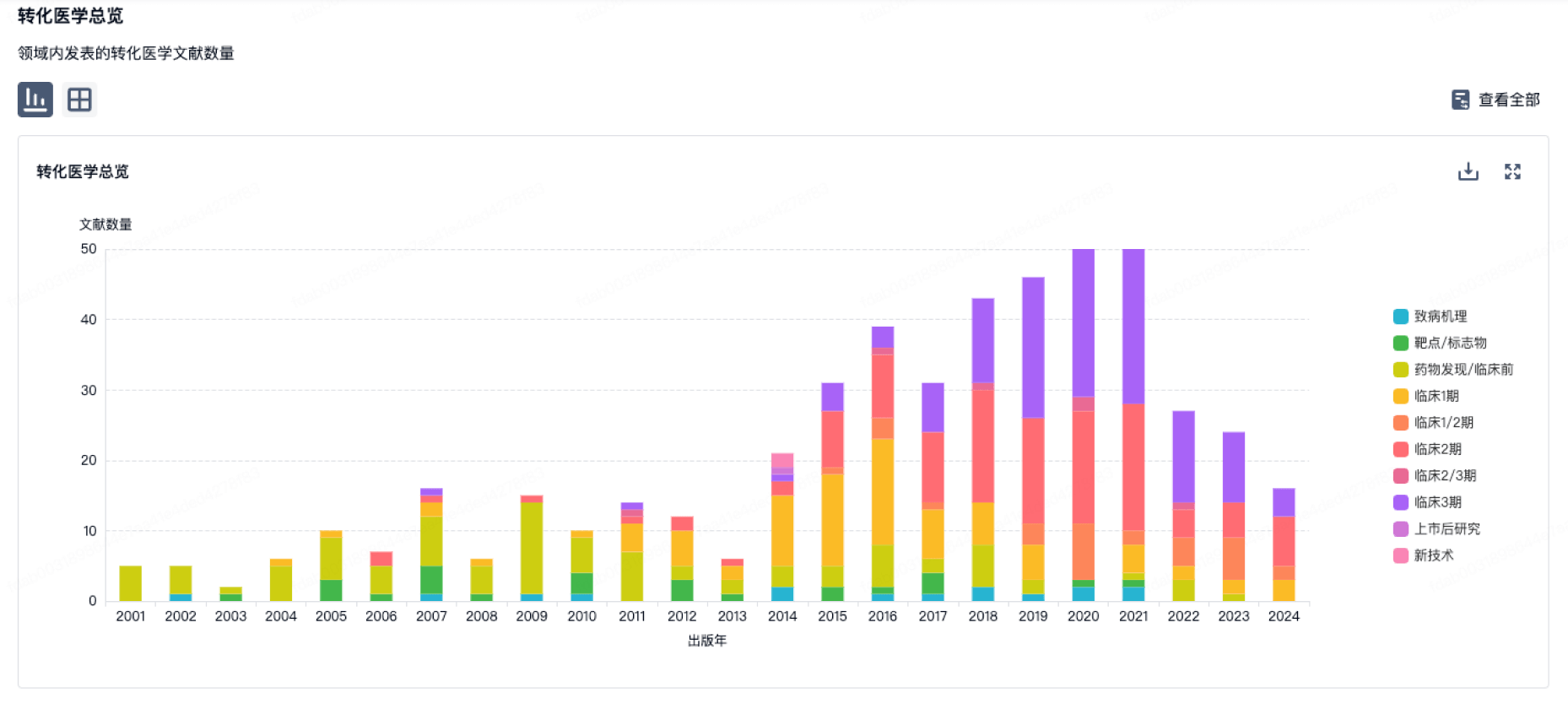
转化医学
使用我们的转化医学数据加速您的研究。
登录
或
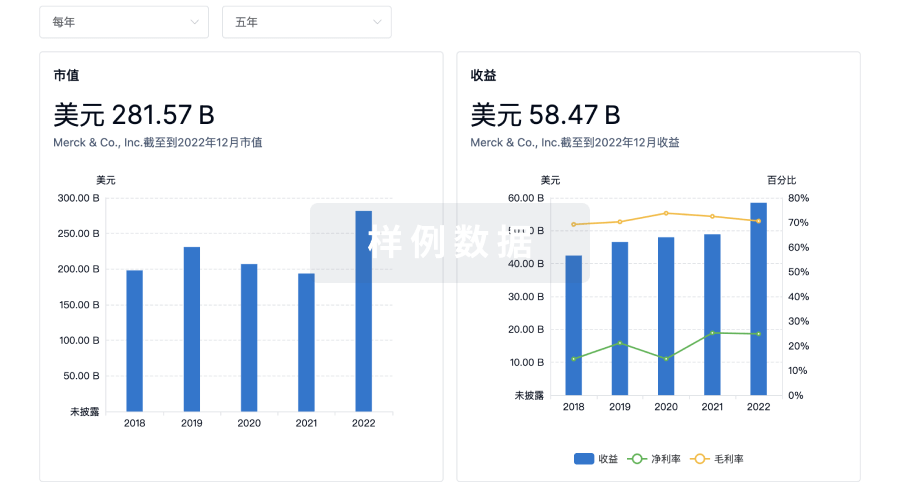
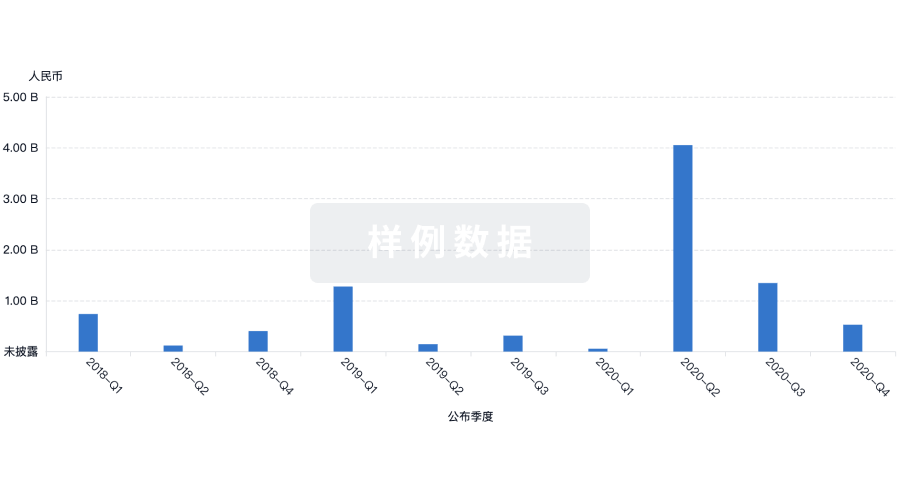
营收
使用 Synapse 探索超过 36 万个组织的财务状况。
登录
或
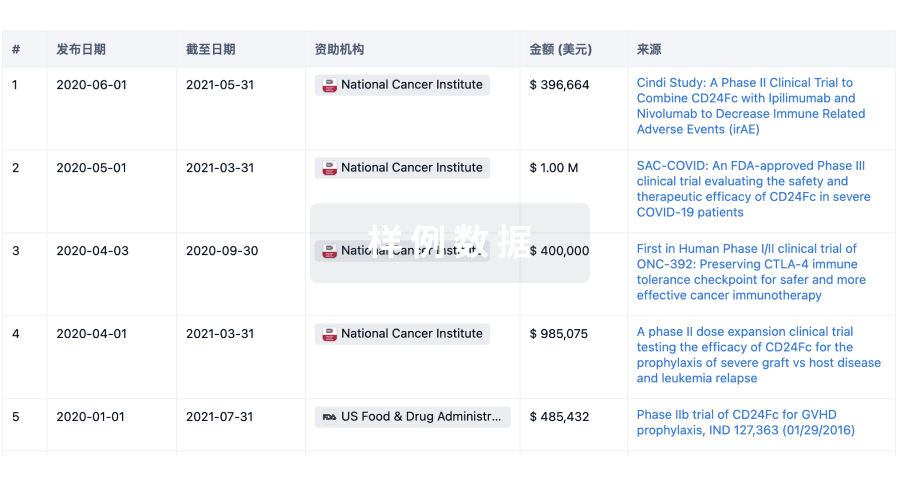
科研基金(NIH)
访问超过 200 万项资助和基金信息,以提升您的研究之旅。
登录
或
投资
深入了解从初创企业到成熟企业的最新公司投资动态。
登录
或
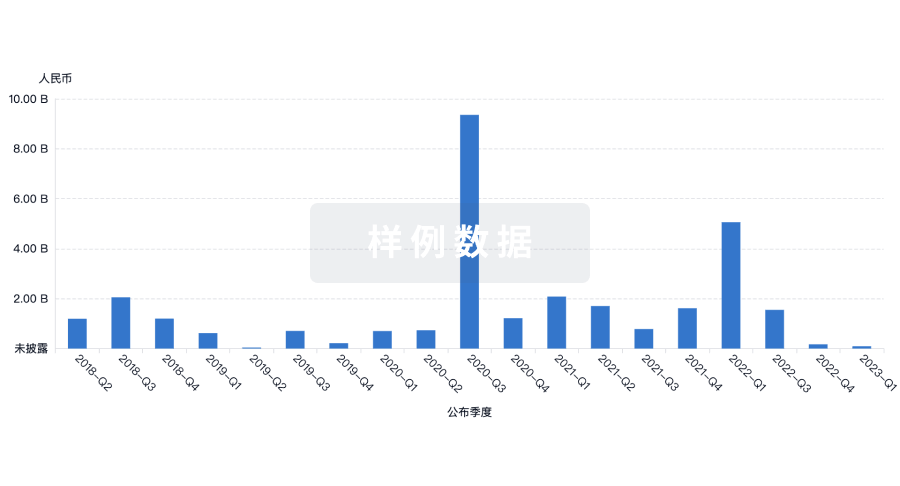
融资
发掘融资趋势以验证和推进您的投资机会。
登录
或
提出任何生物医药研究问题
让每一步生物医药决策都精准制胜
基于十亿级生物数据与全球情报的精准 AI,赋能早期药物发现
立即开始免费试用!
智慧芽新药情报库是智慧芽专为生命科学人士构建的基于AI的创新药情报平台,助您全方位提升您的研发与决策效率。
立即接入生物医药数据包
智慧芽新药库数据也通过智慧芽开放平台,以MCP或API服务形式对外开放。立即使用我们的MCP服务定制您的LLM智能体。
生物序列数据库
生物药研发创新
免费使用
化学结构数据库
小分子化药研发创新
免费使用