预约演示
更新于:2026-10-16

Akero Therapeutics, Inc.
更新于:2026-10-16
概览
标签
消化系统疾病
其他疾病
内分泌与代谢疾病
Fc融合蛋白
融合蛋白
ADC
疾病领域得分
一眼洞穿机构专注的疾病领域

技术平台
公司药物应用最多的技术
靶点
公司最常开发的靶点
关联
靶点 |
作用机制 |
在研机构 |
原研机构 |
在研适应症 |
非在研适应症 |
最高研发阶段 |
首次获批国家/地区 |
首次获批日期 |

靶点 |
作用机制 |
在研机构 |
原研机构 |
在研适应症 |
非在研适应症 |
最高研发阶段 |
首次获批国家/地区 |
首次获批日期 |
WO2024059507
专利挖掘靶点 |
作用机制 |
在研机构 |
原研机构 |
在研适应症 |
非在研适应症 |
最高研发阶段 |
首次获批国家/地区 |
首次获批日期 |
CTRI/2024/11/076383
A Phase 3, Randomized, Double-Blind, Placebo-Controlled Study Evaluating the Safety and Efficacy of Efruxifermin in Subjects with Compensated Cirrhosis Due to Nonalcoholic Steatohepatitis (NASH)/Metabolic Dysfunction-Associated Steatohepatitis (MASH).
NCT06528314
A Phase 3, Randomized, Double-Blind, Placebo-Controlled Study Evaluating the Safety and Efficacy of Efruxifermin in Subjects With Compensated Cirrhosis Due to NASH/MASH
CTRI/2023/11/060385
A Phase 3, Randomized, Double-Blind, Placebo-Controlled Study Evaluating the Safety and Efficacy of Efruxifermin in Subjects with Non-Cirrhotic Nonalcoholic Steatohepatitis (NASH) And Fibrosis - NIL
100 项与 Akero Therapeutics, Inc. 相关的临床结果
登录后查看更多信息
登录后查看更多信息
2025-09-01JOURNAL OF HEPATOLOGY
A newly revealed signaling pathway may explain the conundrum of how FGF21 simultaneously increases insulin sensitivity and autophagy
作者: Rolph, Timothy ; Birnbaum, Morris J
2025-03-01JOURNAL OF HEPATOLOGY
Decreases in cT1 and liver fat content reflect treatment-induced histological improvements in MASH
Article
作者: Cusi, Kenneth ; Beyer, Cayden ; Rolph, Timothy ; Alkhouri, Naim ; Chung, Raymond T ; Dennis, Andrea ; Vuppalanchi, Raj ; Shumbayawonda, Elizabeth ; Andersson, Anneli ; Yale, Kitty ; Pansini, Michele ; Chung, Raymond T. ; Loomba, Rohit
BACKGROUND & AIMS:
MRI biomarkers of liver disease are robust and reproducible alternatives to liver biopsy. Emerging data suggest that absolute reduction in iron-corrected T1 (cT1) of ≥80 ms and relative reduction in liver fat content (LFC) of 30% reflect histological improvement. We aimed to validate the associations of changes to these non-invasive biomarkers with histological improvement, specifically the resolution of steatohepatitis.
METHODS:
We performed a retrospective analysis of participants from three interventional clinical trials who underwent multiparametric MRI to measure liver cT1 and LFC (LiverMultiScan) alongside biopsies at baseline and end of study. Responders were defined as those achieving resolution of steatohepatitis with no worsening in fibrosis. Differences in the magnitude of change in cT1 and LFC between responders and non-responders were assessed.
RESULTS:
Individual patient data from 150 participants were included. There was a significant decrease in liver cT1 (-119 ms vs. -49 ms) and LFC (-65% vs. -29%) in responders compared to non-responders (p <0.001), respectively. The diagnostic accuracy to identify responders was 0.72 (AUC) for both. The Youden's index for cT1 to separate responders from non-responders was -82 ms and for liver fat was a 58% relative reduction. Those achieving a ≥80 ms reduction in cT1 were 5-fold more likely to achieve histological response (sensitivity 0.68; specificity 0.70). Those achieving a 30% relative reduction in liver fat were ∼4-fold more likely to achieve a histological response (sensitivity 0.77; specificity 0.53).
CONCLUSIONS:
These results, from a pooled analysis of three drug trials, demonstrate that changes in multiparametric MRI markers of liver health (cT1 and LFC) can predict histological response for steatohepatitis following therapeutic intervention.
IMPACT AND IMPLICATIONS:
We investigated the utility of two MRI-derived non-invasive tests, iron-corrected T1 mapping (cT1) and liver fat content from proton density fat fraction (PDFF), to predict histological improvement in patients who had undergone experimental treatment for metabolic dysfunction-associated steatohepatitis. Using data from 150 people who participated in one of three clinical trials, we observed that a reduction in cT1 by over 80 ms and a relative reduction in PDFF of over 58% were the optimal thresholds for change that predicted resolution of steatohepatitis on histology. PDFF as a marker of liver fat, and cT1 as a specific measure of liver disease activity, are both effective at identifying those who are likely responding to drug interventions and experiencing improvements in overall liver health.
CLINICAL TRIAL NUMBER(S):
NCT02443116, NCT03976401, NCT03551522.
2025-01-01Clinical gastroenterology and hepatology : the official clinical practice journal of the American Gastroenterological Association
Safety and Efficacy of Efruxifermin in Combination With a GLP-1 Receptor Agonist in Patients With NASH/MASH and Type 2 Diabetes in a Randomized Phase 2 Study
Article
作者: Doreen Chan ; Guy Neff ; Gary Reiss ; Sureka Bollepalli ; Kitty Yale ; Erik J. Tillman ; Andrew Cheng ; Arian Zari ; Timothy Rolph ; Ali Moulton ; Yan Su ; Juan P. Frias ; K. Jean Lucas ; Reshma Shringarpure ; Brittany de Temple ; Stephen A. Harrison
BACKGROUND & AIMS:
In phase 2 studies, efruxifermin, an Fc-FGF21 analog, significantly reduced steatohepatitis and fibrosis in patients with non-alcoholic steatohepatitis, now called metabolic dysfunction-associated steatohepatitis (MASH), for which there is no approved treatment. Type 2 diabetes (T2D) and obesity are prevalent among patients with MASH and increasingly treated with glucagon-like peptide-1 receptor agonists (GLP-1RAs). This study evaluated the safety and efficacy of efruxifermin in patients with MASH, fibrosis, and T2D taking a GLP-1RA.
METHODS:
Cohort D was a double-blind, placebo-controlled, phase 2b study in adults with T2D and MASH with fibrosis (F1-F3) on stable GLP-1RA therapy randomized (2:1) to receive efruxifermin 50 mg or placebo, once weekly for 12 weeks. The primary endpoint was safety and tolerability of efruxifermin added to a stable dose of GLP-1RA. Secondary endpoints included changes in hepatic fat fraction (HFF), markers of liver injury and fibrosis, and metabolic parameters.
RESULTS:
Adults (N = 31) with T2D and MASH fibrosis (F1-F3) on a stable GLP-1RA (semaglutide, 48.4%; dulaglutide, 45.2%; liraglutide, 6.5%) received efruxifermin 50 mg (n = 21) or placebo (n = 10) for 12 weeks. The addition of efruxifermin to a GLP-1RA appeared safe and well-tolerated. The most frequent efruxifermin-related adverse events were mild to moderate gastrointestinal events. One patient receiving efruxifermin discontinued due to nausea, and another withdrew consent. There were no treatment-related serious adverse events. After 12 weeks, efruxifermin reduced HFF by 65% (P < .0001 vs placebo) compared with a 10% reduction for placebo (GLP-1RA alone). Efruxifermin also improved noninvasive markers of liver injury, fibrosis, glucose, and lipid metabolism while maintaining GLP-1RA-mediated weight loss.
CONCLUSIONS:
The tolerability profile of efruxifermin added to GLP-1RA appeared comparable to that of either drug alone, while also significantly reducing HFF and noninvasive markers of fibrosis in patients with MASH and T2D. Liver health in patients already on a GLP-1RA may be further improved by addition of efruxifermin.
CLINICALTRIALS:
gov, Number: NCT05039450.
2026-10-12
引进/卖出临床2期
2026-10-12
·微信
并购引进/卖出
100 项与 Akero Therapeutics, Inc. 相关的药物交易
登录后查看更多信息
100 项与 Akero Therapeutics, Inc. 相关的转化医学
登录后查看更多信息
组织架构
使用我们的机构树数据加速您的研究。
登录
或
管线布局
2026年10月16日管线快照
管线布局中药物为当前组织机构及其子机构作为药物机构进行统计,早期临床1期并入临床1期,临床1/2期并入临床2期,临床2/3期并入临床3期
药物发现
1
1
临床前
临床3期
1
登录后查看更多信息
当前项目
登录后查看更多信息
药物交易
使用我们的药物交易数据加速您的研究。
登录
或
转化医学
使用我们的转化医学数据加速您的研究。
登录
或
营收
使用 Synapse 探索超过 36 万个组织的财务状况。
登录
或
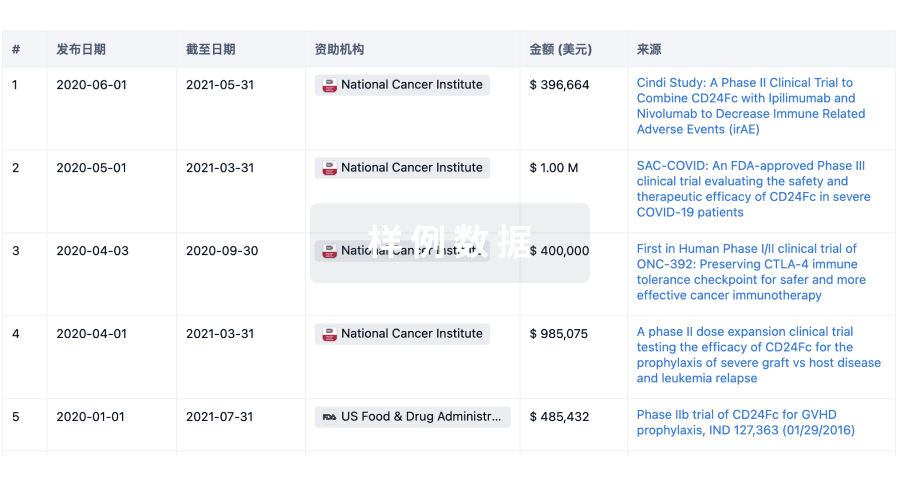
科研基金(NIH)
访问超过 200 万项资助和基金信息,以提升您的研究之旅。
登录
或
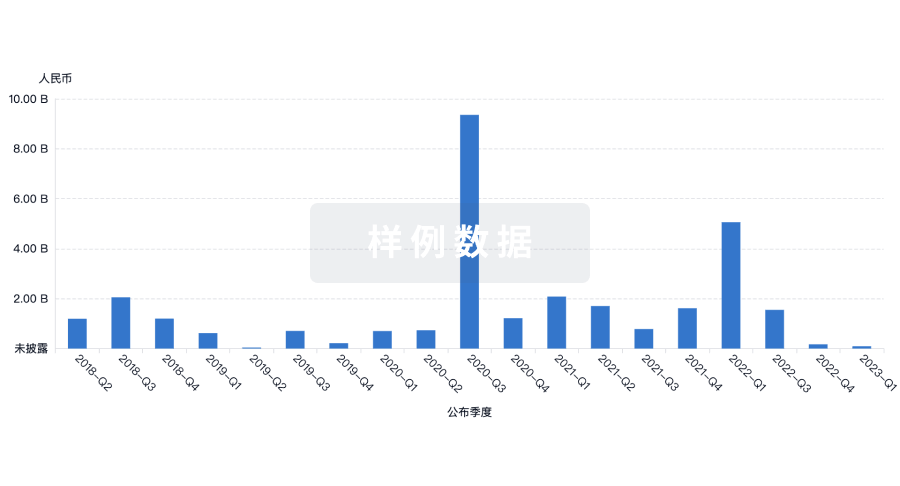
投资
深入了解从初创企业到成熟企业的最新公司投资动态。
登录
或
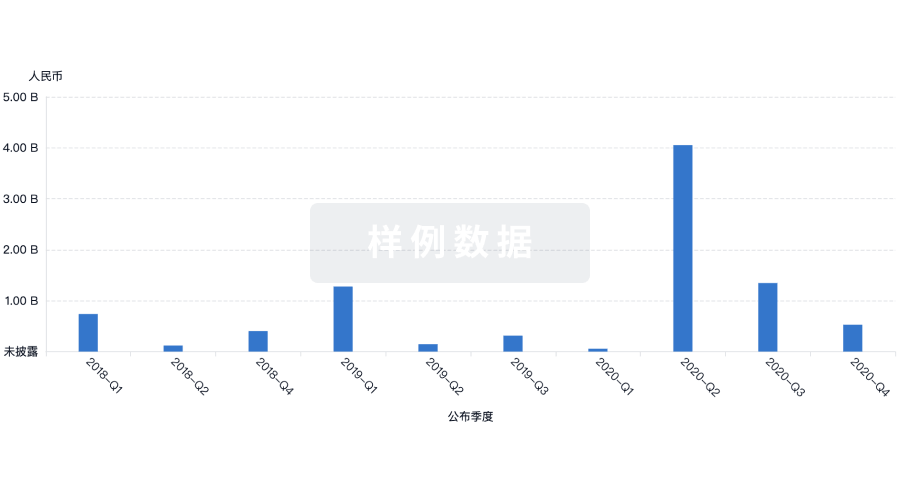
融资
发掘融资趋势以验证和推进您的投资机会。
登录
或
提出任何生物医药研究问题
让每一步生物医药决策都精准制胜
基于十亿级生物数据与全球情报的精准 AI,赋能早期药物发现
立即开始免费试用!
智慧芽新药情报库是智慧芽专为生命科学人士构建的基于AI的创新药情报平台,助您全方位提升您的研发与决策效率。
立即接入生物医药数据包
智慧芽新药库数据也通过智慧芽开放平台,以MCP或API服务形式对外开放。立即使用我们的MCP服务定制您的LLM智能体。
生物序列数据库
生物药研发创新
免费使用
化学结构数据库
小分子化药研发创新
免费使用