预约演示
更新于:2026-08-09

Intima Bioscience, Inc.
更新于:2026-08-09
概览
标签
肿瘤
消化系统疾病
皮肤和肌肉骨骼疾病
肿瘤浸润淋巴细胞
mRNA
疾病领域得分
一眼洞穿机构专注的疾病领域

技术平台
公司药物应用最多的技术
靶点
公司最常开发的靶点
关联
靶点 |
作用机制 |
在研机构 |
原研机构 |
在研适应症 |
非在研适应症 |
最高研发阶段 |
首次获批国家/地区 |
首次获批日期 |
CN118843467
专利挖掘靶点 |
作用机制 |
在研机构 |
原研机构 |
在研适应症 |
非在研适应症 |
最高研发阶段 |
首次获批国家/地区 |
首次获批日期 |
NCT05566223
A Phase 1/2 Trial (CheckCell-2) in Patients With Metastatic Non-small Cell Lung Cancer (NSCLC) Administering Tumor-Infiltrating Lymphocytes (TILs) in Which the Gene Encoding CISH Was Inactivated Using the CRISPR/Cas9 System
NCT04426669
A Phase I/II Trial in Patients With Metastatic Gastrointestinal Epithelial Cancer Administering Tumor-Infiltrating Lymphocytes in Which the Gene Encoding CISH Was Inactivated Using the CRISPR/Cas9 System
100 项与 Intima Bioscience, Inc. 相关的临床结果
登录后查看更多信息
登录后查看更多信息
2025-10-01CYTOTHERAPY
Clinical manufacture of CRISPR/Cas9-based cytokine-induced SH2 protein knock-out tumor-infiltrating lymphocytes for gastrointestinal cancers
Article
作者: Sumstad, Darin ; Thyagarajan, Bharat ; DeFeo, Anthony P ; Johnson, Matthew J ; Growe, Molly ; Slipek, Nicholas J ; Webber, Beau R ; Choudhry, Modassir ; Kadidlo, Diane ; Moriarity, Branden S ; Folsom, Timothy D ; McKenna, David H ; Lou, Emil ; Starr, Timothy K
INTRODUCTION:
The prognosis of stage IV gastrointestinal (GI) carcinomas is poor with a 15% five-year survival rate for colorectal carcinomas. To improve efficacy of tumor infiltrating lymphocytes (TIL), we isolated mutation-reactive autologous TIL and employed CRISPR/Cas9 to knockout (KO) the intracellular checkpoint protein CISH, which has been shown to enhance T cell expansion, functional avidity, and cytokine polyfunctionality, with consequent durable regression of established tumors in an animal model.
MATERIALS & METHODS:
TIL cultures were initiated from resected tumor fragments and maintained for six weeks before harvest and cryopreservation. Candidate neoantigens were nominated by exome sequencing and peptides were used to identify mutation reactive (MR) TIL. Selected MR TIL were thawed and allowed to recover for 24-36 h in media with 10% AB serum, 6000 IU/mL IL-2, and 5 ng/mL IL-7 and IL-15 followed by stimulation with plate-bound anti-CD3/soluble anti-CD28 for 4 days. CISH KO was performed by electroporation of Cas9 mRNA and chemically modified single guide RNA. Between 5 -7.5 million viable cells were added to each 100 cm2 G-Rex vessel containing 600 mL expansion media (with allogeneic feeder MNC:TIL = 100:1) and incubated for 6-8 days. Cultures were evaluated and split according to cell concentration criteria (and dose cohort) and incubated for an additional 6-8 days. On day 14, all of the cells were harvested, washed with buffer and cryopreserved (5% DMSO). Lot release testing included: viability, %CD3+, cytology review, Gram stain, sterility, endotoxin, mycoplasma, and interferon gamma (IFN-γ) production. Additional testing included DNA sequencing to determine genomic CISH editing efficiency and a Western blot for determination of CISH protein loss.
RESULTS:
Patients with GI cancers (colon [10], rectal [8], pancreatic [1], and esophageal [1]) underwent tumor collection. Nineteen of 22 tumor biopsies sampled from 20 patients total proceeded to KO/expansion. Final TIL product results (mean [SD], median [range]) were: viable count (x 1010) -3.25 (3.67), 1.95 (0.018-12.40); viable TIL fold expansion -327.1 (364.8), 153.1 (8-1454); % viability - 76 (13), 78 (43-92); % CD3 -94.4 (5.4), 95.8 (78.6-99.4); % CISH KO efficiency - 75 (29), 87 (0-96); % editing efficiency - 59.9 (24.8), 66.9 (0.4-86). Viability fell below 70% for five TIL products. All other lot release testing has met specification. Thirteen patients have received TIL; six patients were not treated due to disease progression prior to anticipated infusion.
CONCLUSION:
The translation of CRISPR/Cas9-based CISH KO MR TIL from the basic research lab to current good manufacturing practices The (cGMP) facility was successful, allowing for optimized, large-scale expansion in support of a first-in-human clinical trial to treat patients with metastatic GI cancers (ClinicalTrials.gov Identifier: NCT04426669).
2022-10-01Med (New York, N.Y.)
Internal checkpoint regulates T cell neoantigen reactivity and susceptibility to PD1 blockade
Article
作者: Meerzaman, Daoud ; Deniger, Drew C ; Slipek, Nicholas J ; Hu, Ying ; Patel, Shashank J ; Choudhry, Modassir ; Yan, Chunhua ; Jia, Li ; Prickett, Todd D ; Webber, Beau R ; Kariya, Christine M ; Gartner, Jared J ; Henley, Tom ; Wolf, Natalie K ; Lahr, Walker S ; McIvor, R Scott ; Lowery, Frank J ; Moriarity, Branden S ; Baker, Oliver ; Lo, Winnie ; Patel, Yogin ; Diers, Miechaleen D ; Robbins, Paul F ; Viney, Lydia ; Bürckstümmer, Tilmann ; Franco, Zulmarie ; Gurusamy, Devikala ; Malekzadeh, Parisa ; Johnson, Matthew J ; Rosenberg, Steven A ; Restifo, Nicholas P ; Palmer, Douglas C ; Vodnala, Suman K ; Kishton, Rigel J ; Parkhurst, Maria R ; Sumstad, Darin ; Padhan, Kartik ; McKenna, David H
BACKGROUND:
Adoptive transfer of tumor-infiltrating lymphocytes (TIL) fails to consistently elicit tumor rejection. Manipulation of intrinsic factors that inhibit T cell effector function and neoantigen recognition may therefore improve TIL therapy outcomes. We previously identified the cytokine-induced SH2 protein (CISH) as a key regulator of T cell functional avidity in mice. Here, we investigate the mechanistic role of CISH in regulating human T cell effector function in solid tumors and demonstrate that CRISPR/Cas9 disruption of CISH enhances TIL neoantigen recognition and response to checkpoint blockade.
METHODS:
Single-cell gene expression profiling was used to identify a negative correlation between high CISH expression and TIL activation in patient-derived TIL. A GMP-compliant CRISPR/Cas9 gene editing process was developed to assess the impact of CISH disruption on the molecular and functional phenotype of human peripheral blood T cells and TIL. Tumor-specific T cells with disrupted Cish function were adoptively transferred into tumor-bearing mice and evaluated for efficacy with or without checkpoint blockade.
FINDINGS:
CISH expression was associated with T cell dysfunction. CISH deletion using CRISPR/Cas9 resulted in hyper-activation and improved functional avidity against tumor-derived neoantigens without perturbing T cell maturation. Cish knockout resulted in increased susceptibility to checkpoint blockade in vivo.
CONCLUSIONS:
CISH negatively regulates human T cell effector function, and its genetic disruption offers a novel avenue to improve the therapeutic efficacy of adoptive TIL therapy.
FUNDING:
This study was funded by Intima Bioscience, U.S. and in part through the Intramural program CCR at the National Cancer Institute.
Jove-Journal of Visualized Experiments
Non-Viral Engineering of Primary Human T Cells <em>via</em> Homology-Mediated End-Joining Targeted Integration of Large DNA Templates
Article
作者: Henley, Tom ; Moriarity, Branden S ; Choudhry, Modassir S ; Johnson, Matthew J ; Webber, Beau R ; DeFeo, Anthony P ; Slipek, Nicholas J ; Folsom, Timothy D
Many current adoptive cellular therapies rely on lenti- or retroviral vectors to engineer T cells for the expression of a chimeric antigen receptor (CAR) or exogenous T cell receptor (TCR) to target a specific tumor-associated antigen. Reliance on viral vectors for the production of therapeutic T cells significantly increases the timeline, cost, and complexity of manufacturing while limiting the translation of new therapies, particularly in the academic setting. A process is presented for efficient non-viral engineering of T cells using CRISPR/Cas9 and homology-mediated end joining to achieve targeted integration of large, multicistronic DNA cargo. This approach has achieved integration frequencies comparable to those of viral vectors while yielding highly functional T cells capable of potent anti-tumor efficacy both in vitro and in vivo. Notably, this method is rapidly adaptable to current good manufacturing practices (cGMP) and clinical scale-up, providing a near-term option for the manufacturing of therapeutic T cells for use in clinical trials.
2026-06-15
2026-06-12
·百度百家
100 项与 Intima Bioscience, Inc. 相关的药物交易
登录后查看更多信息
100 项与 Intima Bioscience, Inc. 相关的转化医学
登录后查看更多信息
组织架构
使用我们的机构树数据加速您的研究。
登录
或
管线布局
2026年10月12日管线快照
管线布局中药物为当前组织机构及其子机构作为药物机构进行统计,早期临床1期并入临床1期,临床1/2期并入临床2期,临床2/3期并入临床3期
药物发现
1
1
临床2期
登录后查看更多信息
当前项目
登录后查看更多信息
药物交易
使用我们的药物交易数据加速您的研究。
登录
或
转化医学
使用我们的转化医学数据加速您的研究。
登录
或
营收
使用 Synapse 探索超过 36 万个组织的财务状况。
登录
或
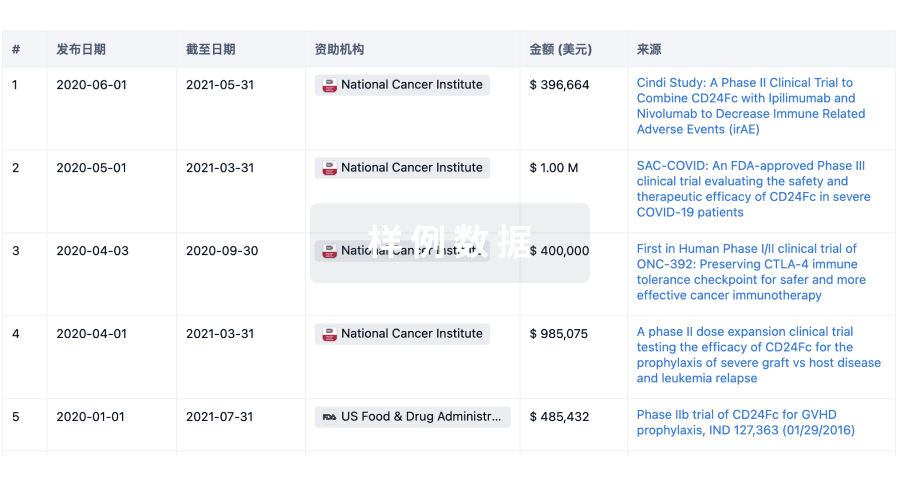
科研基金(NIH)
访问超过 200 万项资助和基金信息,以提升您的研究之旅。
登录
或
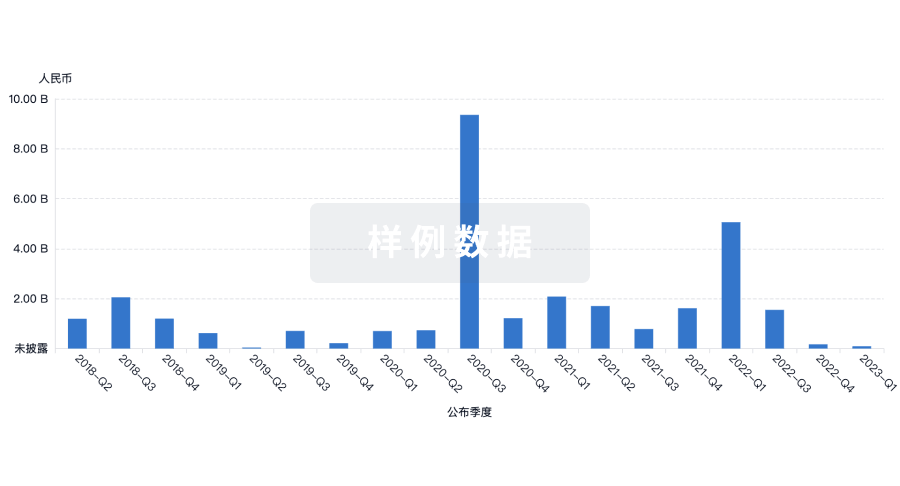
投资
深入了解从初创企业到成熟企业的最新公司投资动态。
登录
或
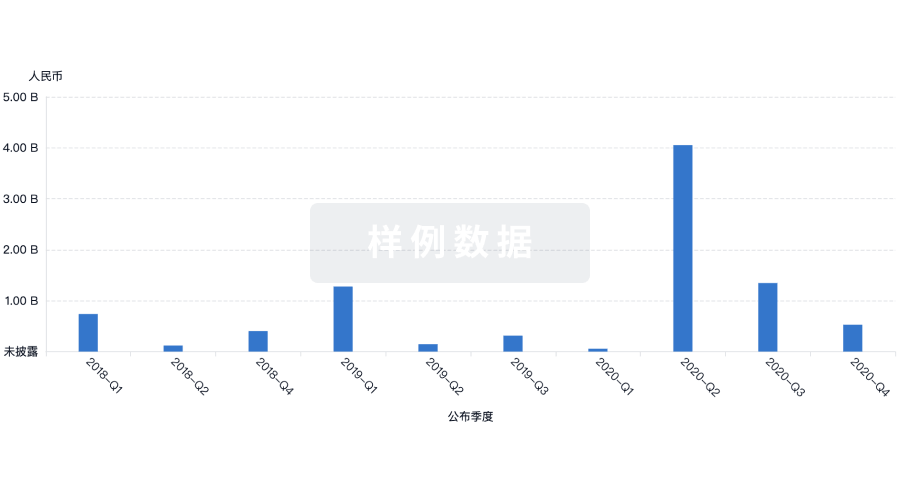
融资
发掘融资趋势以验证和推进您的投资机会。
登录
或
提出任何生物医药研究问题
让每一步生物医药决策都精准制胜
基于十亿级生物数据与全球情报的精准 AI,赋能早期药物发现
立即开始免费试用!
智慧芽新药情报库是智慧芽专为生命科学人士构建的基于AI的创新药情报平台,助您全方位提升您的研发与决策效率。
立即接入生物医药数据包
智慧芽新药库数据也通过智慧芽开放平台,以MCP或API服务形式对外开放。立即使用我们的MCP服务定制您的LLM智能体。
生物序列数据库
生物药研发创新
免费使用
化学结构数据库
小分子化药研发创新
免费使用