预约演示
更新于:2026-05-11

Crown Bioscience, Inc.
更新于:2026-05-11
概览
标签
肿瘤
双特异性抗体
单克隆抗体
疾病领域得分
一眼洞穿机构专注的疾病领域

暂无数据
技术平台
公司药物应用最多的技术
暂无数据
靶点
公司最常开发的靶点
暂无数据
| 疾病领域 | 数量 |
|---|---|
| 肿瘤 | 3 |
| 排名前五的药物类型 | 数量 |
|---|---|
| 双特异性抗体 | 2 |
| 单克隆抗体 | 1 |
| 抗体融合蛋白 | 1 |
| 排名前五的靶点 | 数量 |
|---|---|
| CD47 x CTLA4 | 1 |
| PDL1(程序性死亡配体1) | 1 |
| CTLA4(细胞毒性T淋巴细胞相关抗原4) | 1 |
关联
3
项与 Crown Bioscience, Inc. 相关的药物作用机制 CD47 agonists [+1] |
非在研适应症- |
最高研发阶段临床1/2期 |
首次获批国家/地区- |
首次获批日期- |

靶点 |
作用机制 CTLA4抑制剂 |
在研机构 |
在研适应症 |
非在研适应症- |
最高研发阶段临床前 |
首次获批国家/地区- |
首次获批日期- |

WO2023143478
专利挖掘靶点 |
作用机制- |
在研机构 |
原研机构 |
在研适应症 |
非在研适应症- |
最高研发阶段药物发现 |
首次获批国家/地区- |
首次获批日期- |

4
项与 Crown Bioscience, Inc. 相关的临床试验NCT00477282
A Phase 3 Study of Safety and Efficacy of Karenitecin Versus Topotecan Administered for 5 Consecutive Days Every 3 Weeks in Patients With Advanced Epithelial Ovarian Cancer
The objective of this study is to assess the safety and efficacy of karenitecin versus topotecan in patients with platinum/taxane-resistant advanced epithelial ovarian cancer. Additionally, this study will assess the ability of karenitecin to extend the time to disease progression, extend the overall survival time, and reduce the incidence and severity of treatment related hematological toxicities in patients with advanced epithelial ovarian cancer.
开始日期2007-08-01 |
申办/合作机构 |

NCT00097903
Phase 1 Trial of Oral Karenitecin® in Patients With Solid Tumors"
The purpose of this study is to determine the maximum safe dose of orally administered Karenitecin (BNP1350) in patients with solid tumors.
开始日期2004-05-01 |
申办/合作机构 |
NCT00062491
Phase 2 Trial of Karenitecin (BNP1350) in Patients With Malignant Melanoma
The purpose of this study is to evaluate the safety and efficacy of Karenitecin (BNP1350) as a treatment for Malignant Melanoma.
开始日期2002-05-01 |
申办/合作机构 |
100 项与 Crown Bioscience, Inc. 相关的临床结果
登录后查看更多信息
0 项与 Crown Bioscience, Inc. 相关的专利(医药)
登录后查看更多信息
53
项与 Crown Bioscience, Inc. 相关的文献(医药)2025-08-01·iScience
Integrative multi-omics characterization of 12 syngeneic mouse models
Article
作者: Xu, Zihan ; Liu, Hengyuan ; Guo, Sheng ; Chen, Xiaobo ; Mao, Binchen ; Wang, Shijia
Mouse syngeneic models serve as indispensable tools for elucidating tumor-immune interactions and assessing immunotherapy efficacy. In this study, we first conducted a comprehensive evaluation of six label-free protein quantification pipelines across 12 mouse syngeneic models, revealing that data-independent acquisition (DIA) significantly outperforms data-dependent acquisition (DDA) in terms of data coverage, reproducibility, and inter-model discrimination. We next performed an integrative multi-omics analysis to uncover molecular mechanisms associated with treatment response. Our analysis identified Dnmt3a and Igf2r, which are correlated with resistance to immune checkpoint inhibitors (ICIs), and highlighted key pathways including interferon signaling and oxidative phosphorylation that distinguish responders from non-responders. To facilitate broader research applications, we have developed an interactive web resource that shares our multi-omics datasets and analytical results, equipped with user-friendly tools for further exploration. This resource aims to accelerate preclinical research and contribute to the development of personalized cancer therapies.
2025-05-01·Cancer research communications
Impact of Subcutaneous Versus Orthotopic Implantations on Patient-Derived Xenograft Transcriptomic Profiles
Article
作者: Yao, Mengtian ; Yang, Xueying ; Wang, Jingjing ; Guo, Sheng ; Sheng, Yanghui ; Chen, Xiaobo ; Qian, Wubin ; Xie, Zixuan ; Zhang, Likun
Abstract:
Patient-derived xenografts (PDX) are essential preclinical models, capturing the histologic and molecular features of human tumors. Subcutaneous (s.c.) and orthotopic (ortho) PDXs are widely used, but their comparative utility remains unclear, especially regarding tumor and stromal gene expression. This study analyzed 45 matched s.c. and ortho PDX models spanning five cancer types using bulk RNA sequencing. Tumor (human) gene expression was highly conserved between s.c. and ortho PDXs, with similar epithelial–mesenchymal transition, angiogenesis, and stemness scores. In contrast, stromal (mouse) gene expression varied by implantation site, with ortho models better reflecting native tissue environments. A conserved subset of stromal genes, consisting of histone and ribosomal protein genes and driven by tumor-intrinsic factors, exhibited stable expression patterns across implantation sites, indicating that tumor characteristics shape stromal responses. Differential expression analysis identified metastasis-related stromal genes in both PDX types, although no direct links to metastatic pathways were found. These findings highlight the stability of tumor-driven gene expression across implantation sites and reveal the impact of implantation location on stromal profiles, guiding model selection for future cancer research.
Significance::
This study reveals conserved tumor gene expression, distinct tumor microenvironment differences, and key stromal and metastasis-related genes in s.c. and ortho PDX models, providing valuable insights for oncology drug development.
2025-04-01·ARCHIVES OF TOXICOLOGY
Bridging imaging-based in vitro methods from biomedical research to regulatory toxicology
Review
作者: Uhlmann, Virginie ; Koch, Katharina ; Swedlow, Jason R ; Nyffeler, Jo ; Dunst, Sebastian ; Wieland, Fredrik C ; Fassi, Aurora ; Danovi, Davide ; Mangas, Iris ; Barale-Thomas, Erio ; Schreiner, Alexander ; Ricci, Fernanda ; Miranda, Elena ; Hartley, Matthew ; Whelan, Maurice ; Egan, David ; Schmied, Christopher ; Pesenti, Enrico ; Stokar-Regenscheit, Nadine ; Kainz, Philipp ; Mennecozzi, Milena ; Piergiovanni, Monica ; Le Dévédec, Sylvia E ; Wilson, Amy
Imaging technologies are being increasingly used in biomedical research and experimental toxicology to gather morphological and functional information from cellular models. There is a concrete opportunity of incorporating imaging-based in vitro methods in international guidelines to respond to regulatory requirements with human relevant data. To translate these methods from R&D to international regulatory acceptance, the community needs to implement test methods under quality management systems, assess inter-laboratory transferability, and demonstrate data reliability and robustness. This article summarises current challenges associated with image acquisition, image analysis, including artificial intelligence, and data management of imaging-based methods, with examples from the developmental neurotoxicity in vitro battery and phenotypic profiling assays. The article includes considerations on specific needs and potential solutions to design and implement future validation and transferability studies.
87
项与 Crown Bioscience, Inc. 相关的新闻(医药)2026-04-23
·证券之星
证券之星消息,近期药康生物(688046)发布2025年年度财务报告,报告中的管理层讨论与分析如下:发展回顾:一、报告期内公司所从事的主要业务、经营模式、行业情况说明 (一)主要业务、主要产品或服务情况 1、主营业务概览 药康生物是专注实验动物模型的研发创制、生产销售及相关技术服务的高新技术企业。秉承“创新模型、无限可能”的理念,公司基于基因编辑、干细胞、表型分析、药效分析和无菌动物等技术平台,开发拥有自主知识产权的创新小鼠模型,开展模型定制、定制繁育、功能药效分析等一站式服务,满足客户在基因功能发现、疾病机理解析、药物靶点筛选、药效分析验证等基础研究和新药开发领域的实验动物模型相关需求。 2、主要服务项目的具体内容 (1)商品化小鼠模型销售 运用基因编辑技术,公司持续开发新型的基因剔除小鼠模型、转基因小鼠模型、免疫缺陷小鼠模型、人源化小鼠模型、疾病小鼠模型等客户需求大、标准化程度高、实践使用多的小鼠品系。 (2)模型定制 现有的商品化标准小鼠模型并不能完全满足市场需求,公司建有高效的小鼠基因编辑技术平台,可以针对不同客户的具体要求,快速设计基因编辑策略,在特定小鼠遗传背景下,定制转基因、基因敲除、基因敲入、点突变等各类基因编辑小鼠模型。 (3)定制繁育 公司依托专业的保种和生产繁育技术平台及严格的质量控制体系,为客户提供全面繁育解决方案,包括常规繁育、快速扩繁、冷冻保种、活体净化以及辅助生殖等。 (4)功能药效 依托于丰富的小鼠模型资源,公司创建了创新药物筛选与表型分析平台,为客户提供一站式功能药效分析服务,可提供包括靶点概念性验证、药效学和非GLP毒理评价在内的体内试验评价服务,以及药物作用机理研究、抗体类药物靶点结合力评价等体外试验评价服务。 (5)全人源抗体转基因模型NeoMabTM及服务平台 依托于公司自主知识产权的全人源抗体转基因小鼠模型NeoMabTM,搭建抗体发现及高通量筛选技术平台,助力客户快速获得目标靶点候选抗体分子,结合现有涵盖候选药物靶点验证、药代动力学、药理药效学、non-GLP安全性研究等临床前药物筛选评价服务体系,提供从靶点概念验证至IND申报的一站式服务。 (二)主要经营模式 1、采购模式 公司采购包括物料类采购和服务类采购,其中物料类采购主要包括实验小鼠及其饲养物料、包装材料、实验试剂、日常耗材等;服务类采购主要涉及基因测序及引物合成、基因鉴定、基因合成等。公司生产采购体系包括供应商准入管理、物料采购管理、合同合规管理等规章制度。全部物料、服务等采购纳入计划管理体系,由供应链部、业务部门和财务部编制全年采购预算,经总经理办公会审批后按计划实施。特殊计划外采购由使用部门提出申请,在履行审批流程后由供应链部实施。 2、生产模式 生产管理中心所属计划调度部门根据历史销量、市场预测以及客户订单制定生产计划,生产部门负责繁育执行,包括配繁、育仔、分笼及相应饲养管理、出货。公司小鼠均饲养在SPF级屏障设施或无菌环境中,严格执行规范的饲养管理和质量控制标准,定期开展遗传学及微生物监控。公司动物设施自动化程度较高,包括笼架集成自动供水装置、动物房及笼盒的温湿度、换气的精准控制、笼器具自动清洗等。 3、销售及服务模式 (1)商品化小鼠模型销售模式 公司商品化小鼠模型以直销为主,同时为加速海外市场拓展,在美国、韩国、日本、新加坡等地区对部分品系采用当地代理商经销模式;直销模式下,高校、医院、创新药企、CRO研发企业等终端客户直接向公司下单,对于活体保种现货供应的品系可即时交付,对于以胚胎或精子方式冷冻保种的品系,则直接交付或复苏繁育后再交付,公司通过自有车辆或者委托第三方进行小鼠运输,运输方式包括公路运输和航空运输,小鼠模型送达后,经客户到货签收确认或者交付后客户未在异议期内提出异议,公司确认收入;经销模式下,代理商向公司授权引种后自行生产销售给客户,或客户通过代理商向公司下单,代理商提取一定比例销售分成。 (2)模型定制服务模式 项目管理中心根据客户需求确定模型定制服务方案并执行,获得合同约定的小鼠模型后,向客户发送结题报告、小鼠明细及取鼠通知,公司实际交付小鼠模型客户予以签收确认,或者根据客户要求将小鼠模型转至定制繁育服务,公司确认收入。 (3)定制繁育服务模式 项目管理中心根据客户需求确定定制繁育服务方案并执行,定期或者最终完成时向客户提供项目技术汇报、繁育进度清单等资料,与客户对账并经客户确认无误后确认收入。 (4)功能药效服务模式 功能药效中心根据客户需求确定功能药效试验计划并执行,无交付报告的,将基因修饰模式动物及组织样本运抵客户指定交货地点,经客户到货签收或交付后客户未在异议期内提出异议,公司确认收入;需要交付报告的,将基因修饰模式动物运抵客户指定地点,同时将结题报告移交给客户后,公司确认收入; (5)全人源抗体转基因模型NeoMabTM平台服务模式 抗体平台根据客户需求完成抗原免疫、抗体筛选、药效验证等操作,交付生物样本、抗体序列、数据报告等,确认相关服务收入,并根据商业合作模式的不同,分阶段确认各阶段收入。 4、研发模式 公司研发中心负责研发项目的立项和实施管理,研发中心主要负责根据公司战略瞄准生命科学前沿动向、跟踪行业发展最新趋势、挖掘市场客户潜在需求,统筹公司研发规划立项,同时开展复杂模型核心设计、平台技术优化等,在公司研发体系中居于中枢地位。其他技术部门则按照各自职责,基于研发中心立项及策略,分中心各自推进项目。 根据研发领域的不同,划分为肿瘤免疫、神经、代谢、自免、心血管等实验室,各实验室科学家负责内部研发项目、团队配置、费用申请与使用等相关事项,对实验室发展方向及投入产出负责,并向研发总监汇报,研发项目的立项、进度、成果验收、知识产权保护等由集团统一进行全流程、标准化管控。 (三)所处行业情况 1、行业的发展阶段、基本特点、主要技术门槛 公司主要从事实验动物小鼠模型的研发、生产、销售及相关技术服务,满足生命科学基础研究和生物医药开发过程中的小鼠模型相关产品及服务需求,根据《上市公司行业统计分类与代码》,公司所处行业为“研究和试验发展(代码:M73)”,根据《战略性新兴产业分类(2018)》,公司所处行业属于“4、生物产业”之“4.1生物医药产业”之“4.1.5生物医药相关服务”,根据主营业务特点,公司所处细分行业为实验动物行业。 实验动物是进行生命科学研究和新药研发的基础性资源,其中实验小鼠基因组与人类高度同源,生理生化及生长发育的调控机制和人类基本一致,同时具备繁殖能力强、世代周期短、饲养成本低、遗传背景明确等特点,是目前应用最为广泛的实验动物。随着近年来以CRISPR/Cas9为代表的基因编辑技术的普遍运用,大规模创制小鼠模型成为可能,其在解析疾病发病机理、发现潜在疾病治疗靶点、验证新药及新型治疗手段安全性和有效性等方面发挥不可替代的作用。 (1)行业发展阶段 海外实验动物小鼠模型行业发展起步于20世纪初,发展时间长、行业规范性程度高,不仅拥有TheJacksonLaboratory(1929年成立)、CentralInstituteforExperimentalAnimals(CIEA)(1952年成立)等世界知名非盈利机构,还拥有一批成熟的商业化公司,比如CharlesRiver(1947年成立)、TaconicBiosciences(1952年成立)、Envigo(1931年成立)、Janvier(1960年成立)等。 此外,为解决原有以实验室为主体的分散性资源收集开发模式存在效率低、整合性差的问题,全球多国陆续建立专业性的小鼠资源库,比如美国国立卫生研究院(NIH)1999年成立突变小鼠资源研究中心、欧盟21世纪初建立欧洲突变小鼠资源库等,欧美发达国家均将突变小鼠模型作为国家科技发展的战略资源加以扶持。 我国实验动物小鼠模型发展起步较晚,20世纪50年代开始建立规模较大的实验动物饲养繁殖基地,1982年国家科委召开了第一次全国实验动物科技工作会议,1988年《实验动物管理条例》发布,随后《实验动物质量管理办法》《实验动物许可证管理办法(试行)》等法律法规相继出台,小鼠品系培育、质量控制和标准化建设快速发展,应用于特定疾病研究的实验小鼠模型品系不断被培育和引进,使用数量快速增加。2000年前后,多家本土商业化实验动物小鼠模型公司先后成立,如南模生物(2000年成立)、赛业生物(2006年成立)、百奥赛图(2009年成立)、斯贝福(2010年成立)、华阜康(2008年成立)等,经过近20年发展,行业领先公司已具备一定规模,部分品类小鼠模型全球领先,如基因敲除品系、人源化品系等,但行业集中度仍然相对较低,未出现行业绝对龙头,大部分公司以区域性服务为主。综合来看,目前我国小鼠模型研究、模型创制在技术层面已经居于世界前列,但整体的商业化应用模式、规范标准的制定依然需要提高。 (2)市场规模 根据Frost&Sullivan统计,全球动物模型市场规模(不含动物模型相关服务)从2015年的108亿美元增长至2019年的146亿美元,2015-2019年复合增长率7.8%,预计2024年市场规模为226亿美元,2019-2024年复合增长率9.2%。 中国动物模型市场相对处于发展早期,啮齿类实验动物作为实验动物模型中最重要的一大类,国内产品和相关服务市场规模呈高速增长态势,从2015年的10亿元增长至2024年的98亿元,预计2025年达到120亿元,2030年将达到272亿元,2024-2030年复合增长率18.5%。啮齿类实验动物模型中,小鼠模型占85%,其国内产品和服务市场呈现高速增长态势,预计2025年市场规模为103亿元,2030年市场规模将达到236亿元,2024-2030年复合增长率18.8%。 近年国内药物研发快速发展,非CMC临床前药物研发技术服务高速增长,非CMC临床前药物研发技术服务主要包括药物代谢动力学、药效测试及安全性评价等;根据Frost&Sullivan预测,2025年中国非CMC临床前药物研发技术服务市场规模约213亿元,2030年将达到358亿元,2024-2030年复合增长率11.6%;其中,来自于实验小鼠产品及服务提供商的占比逐渐提高,2025年实验小鼠产品及服务提供商约占市场规模的3.4%,到2030年,其占比将提高至10.3%,市场规模将达到37亿元。 (3)行业基本特点 实验动物小鼠模型行业资金投入大、技术门槛高、设施要求严,属于研发驱动型、技术密集型行业,具有较高壁垒,需要公司拥有符合国家标准的动物生产设施、标准化的质量管控体系,全面掌握小鼠模型相关领域基因编辑、辅助生殖操作、表型验证、免疫系统人源化、靶点人源化及药效筛选、动物生产控制及无菌净化等关键技术,紧密追踪前沿科学发展并具备持续模型创新创制能力,不断提高技术服务水平。 行业下游客户均为具备相应知识的专业人士,小鼠模型为其探索科学问题、进行药物开发的重要工具,其更重视实验动物小鼠模型的可靠性、可及性、对实验需求的满足程度,以及供应商服务的专业性,对价格整体不敏感。 (4)行业进入壁垒 a、政策壁垒 国家在实验动物小鼠模型研制、生产、运输、出口、使用等方面均制定了严格的法律法规及行业标准,推行实验动物生产许可、使用许可、进出口管理制度,行业存在较高的准入壁垒。 b、技术和人才壁垒 实验动物小鼠模型行业属多学科技术高度融合的产业,对研发能力和生产技术要求较高;研发方面,涉及策略设计、基因编辑、胚胎操作、饲养繁育、表型鉴定等诸多环节,技术难度大、核心环节多、步骤流程长,需要长时间的技术积累和人才储备;生产方面,实验小鼠均饲养在SPF级屏障设施或更高级别环境中,一方面,高规格动物房建设需要较大规模的资金投入,另一方面,大规模繁育对生产人员和质控人员的专业水平、规范意识和职业经验提出了较高要求,此外,实验小鼠作为活体,存在一定的运输半径,多地点布局生产设施是相对更优的选择,对生产体系复制转移能力及多地点运营设施能力要求较高。 c、品牌和渠道壁垒 在生命科学研究成果发表以及新药研究开发临床申报过程中,通常需要明确披露实验动物的信息来源,知名品牌有助于增强试验结果可信度;此外,实验动物小鼠模型销售涉及地域广、专业性高,短期内难以快速构建销售推广体系,存在品牌和渠道的双重壁垒。 (5)行业发展驱动力 a、基因工程技术迭代,模型创制效率提升,小鼠模型应用领域持续拓展 实验动物模型创制技术持续变革,经历了转基因技术、ES打靶技术和CRISPR/Cas9技术三代;20世纪70年代,转基因技术诞生,第一次实现了动物物种之间的遗传信息的交换和重组,但不能精准控制相关插入位置和数量;20世纪80年代,ES打靶技术兴起,实现了对基因的精准编辑,但存在耗时长、效率低、成本高的问题;20世纪90年代,出现了锌指蛋白核酸酶技术、转录激活样因子核酸酶技术等新的基因定点编辑技术,理论上可以实现对基因序列的编辑,但仍存在操作过程繁琐等问题,限制了其广泛应用;2012年,CRISPR/Cas9技术应运而生,相比于其他技术,其操作简便、成本较低、可实现高通量精准编辑,使大规模创制小鼠模型成为可能,大大推动了行业发展。 在CRISPR/Cas9技术应用趋于成熟、模型创制效率提升背景下,基因工程小鼠应用领域持续拓展。在科研领域,基因工程小鼠种类的丰富,大大促进了科研领域对于未知基因功能和疾病机理的探索,尤其专业模式动物供应商的出现,其不仅拥有庞大的标准品系库,还拥有成熟的模式动物创制平台,可以快速、高效、低成本满足科研人员对于各类基因工程小鼠的需求,减少研究人员在科研过程中耗费在模式动物构建的时间,降低研究失败的机会成本;在工业领域,小鼠模型目前可以实现在基因、细胞、组织、器官、免疫系统、肠道微生物等多个维度的人源化,更加精准地模拟人类特定生理病理特征,广泛应用于各类药物的研发过程中。 b、全球新药研发持续进展,中国新药研发方兴未艾,创新模型需求持续增长 全球医药市场规模持续增长,创新药物研发仍为世界范围内投资热点,随着新的治疗技术不断出现,创新药物各阶段临床试验数量不断增加,全球医药研发支出持续增长;国内市场方面,近年来伴随着政策支持及资金、人才的充分流入,中国药品研发支出呈现高速增长态势,增速远超全球市场;根据Frost&Sullivan预测,2024年全球药物研发支出将达到2,270亿美元,2019-2024年均复合增速4.5%,2024年中国药物研发支出将达到476亿美元,占全球研发支出比重上升至21.0%,2019-2024年均复合增速17.7%; 全球新药研发的持续进展,带动实验动物小鼠模型需求增加,小鼠模型需求增加除了体现在数量的增长,更主要体现在对高附加值创新模型需求的增长,比如传统小分子药物靶点保守,基础品系小鼠模型即可用来进行药效测试、安全性评价等,而抗体药物、ADC、细胞基因治疗药物等新一代药物主要针对人源靶点及免疫系统等发挥作用,相关测试大部分必须在人源化小鼠模型上进行,人源化品系附加值远高于基础品系,而且竞争格局良好,仅少数厂家拥有开发技术,预计未来随着新技术带来新靶点、传统不可成药靶点被逐渐攻破,高附加值创新模型需求仍将维持良好增长。 c、现有模型存在明显不足,新一代动物模型有望提升行业天花板 新药研发中,药物发现和临床前阶段的研究主要在实验动物模型上完成,目前所用小鼠模型多是20世纪初通过小家鼠近交繁育方式获得的近交系小鼠及在此基础上制作的单基因突变小鼠模型,品系内部个体之间具有高度一致性和遗传稳定性,在新药开发过程中能够尽可能减少干扰变量。然而,近交系小鼠经过近百年的人工选择,许多致病基因被淘汰,很多疾病机理在模型上难以得到有效模拟,在其身上进行研究试验,面临缺乏遗传多样性、与人类发病机制相差较大等问题,这也是临床前试验证明安全有效的药物一旦进入临床试验阶段失败率仍然较高的原因之一。 未来,小鼠模型将朝着更加精准模拟人体生理病理、在保证研究可比性和重复性基础上兼顾真实世界遗传多样性等方向发展,随着新一代小鼠模型对真实世界模拟程度的不断提高,临床前实验结果与临床实验结果差距有望逐步缩小,从而真正帮助药物研发风险前置、降低成本和提高效率。此外,小鼠模型在药物研发环节的使用场景也有望拓展,除了进行药效评价、安全性评价等,还可以进行药物靶点发现、指导临床入组病人选择等,从而逐步提升行业天花板。 2、公司所处的行业地位分析及其变化情况 公司为国内模式动物行业龙头企业之一,是亚洲小鼠突变和资源联盟唯一企业成员、国家科技资源共享服务平台(国家遗传工程小鼠资源库)共建单位,先后被认定为国家级高新技术企业、江苏省博士后创新实践基地、江苏省工程技术研究中心、国家级专精特新小巨人企业等。 公司建立了全球最大的基因工程小鼠资源库,拥有小鼠品系超22,000种,年模型创制通量6,000+,成立之初即开创性提出“斑点鼠”计划,推动国内基因敲除小鼠模型由定制化走向产品化,改变了此前行业内基因敲除品系以定制化服务为主的商业模式。除“斑点鼠”外,公司持续推出人源化小鼠、无菌及悉生鼠、野化鼠等一系列创新模型,模型创制能力行业领先,产品质量可靠,在业内享有良好声誉。 公司不仅拥有数量庞大的标准品系库,也已完成一体化服务平台搭建,可提供模型定制、饲养、繁育、保种、表型分析、药效测试等一站式服务,同时是业内少数完成生产基地及销售网络全国布局的企业之一,总部位于江苏南京,在江苏常州、广东佛山、四川成都、北京大兴、上海宝山设有子公司或分支机构,南京、常州、成都、佛山、北京、上海均有大型生产设施,辐射国内主要市场,快速响应区域客户需求。 此外,公司于2024年战略入股灵康生物,并于2025年对其完成新一轮增资,将模式动物品类拓展至实验猪,将基于扎实底层技术和通用技术平台,进行基因编辑猪等产品开发,为生物医药企业提供更丰富模型。 立足中国市场,公司于2019年底开启国际化进程,目前在美国、欧洲、韩国、日本设有子公司或办公室。美国圣地亚哥新总部已于2025年6月启用,集研发、生产与实验功能于一体,将极大增强对北美客户的属地服务能力。海外客户数量持续扩容中,产品已获CharlesRiver、Crownbio、Roche、Sanofi、Pfizer、Merck、Novartis、AstraZeneca等国际知名企业认可,具备一定国际知名度。 3、报告期内新技术、新产业、新业态、新模式的发展情况和未来发展趋势 (1)基因工程技术迭代,模型创制效率提升,小鼠模型应用领域持续拓展 实验动物模型创制技术持续变革,经历了转基因技术、ES打靶技术和CRISPR/Cas9技术三代;20世纪70年代,转基因技术诞生,第一次实现了动物物种之间的遗传信息的交换和重组,但不能精准控制相关插入位置和数量;20世纪80年代,ES打靶技术兴起,实现了对基因的精准编辑,但存在耗时长、效率低、成本高的问题;20世纪90年代,出现了锌指蛋白核酸酶技术、转录激活样因子核酸酶技术等新的基因定点编辑技术,理论上可以实现对基因序列的编辑,但仍存在操作过程繁琐等问题,限制了其广泛应用;2012年,CRISPR/Cas9技术应运而生,相比于其他技术,其操作简便、成本较低、可实现高通量精准编辑,使大规模创制小鼠模型成为可能,大大推动了行业发展。 在CRISPR/Cas9技术应用趋于成熟、模型创制效率提升背景下,基因工程小鼠应用领域持续拓展。在科研领域,基因工程小鼠种类的丰富,大大促进了科研领域对于未知基因功能和疾病机理的探索,尤其专业模式动物供应商的出现,其不仅拥有庞大的标准品系库,还拥有成熟的模式动物创制平台,可以快速、高效、低成本满足科研人员对于各类基因工程小鼠的需求,减少研究人员在科研过程中耗费在模式动物构建的时间,降低研究失败的机会成本;在工业领域,小鼠模型目前可以实现在基因、细胞、组织、器官、免疫系统、肠道微生物等多个维度的人源化,更加精准地模拟人类特定生理病理特征,广泛应用于各类药物的研发过程中。 (2)全球新药研发持续进展,中国新药研发方兴未艾,创新模型需求持续增长 全球医药市场规模持续增长,创新药物研发仍为世界范围内投资热点,随着新的治疗技术不断出现,创新药物各阶段临床试验数量不断增加,全球医药研发支出持续增长;国内市场方面,近年来伴随着政策支持及资金、人才的充分流入,中国药品研发支出呈现高速增长态势,增速远超全球市场;根据Frost&Sullivan预测,2024年全球药物研发支出将达到2,270亿美元,2019-2024年均复合增速4.5%,2024年中国药物研发支出将达到476亿美元,占全球研发支出比重上升至21.0%,2019-2024年均复合增速17.7%; 全球新药研发的持续进展,带动实验动物小鼠模型需求增加,小鼠模型需求增加除了体现在数量的增长,更主要体现在对高附加值创新模型需求的增长,比如传统小分子药物靶点保守,基础品系小鼠模型即可用来进行药效测试、安全性评价等,而抗体药物、ADC、小核酸、细胞基因治疗药物等新一代药物主要针对人源靶点及免疫系统等发挥作用,相关测试大部分必须在人源化小鼠模型上进行,人源化品系附加值远高于基础品系,而且竞争格局良好,仅少数厂家拥有开发技术,预计未来随着新技术带来新靶点、传统不可成药靶点被逐渐攻破,高附加值创新模型需求仍将维持良好增长。 (3)现有模型存在明显不足,新一代动物模型有望提升行业天花板 新药研发中,药物发现和临床前阶段的研究主要在实验动物模型上完成,目前所用小鼠模型多是20世纪初通过小家鼠近交繁育方式获得的近交系小鼠及在此基础上制作的单基因突变小鼠模型,品系内部个体之间具有高度一致性和遗传稳定性,在新药开发过程中能够尽可能减少干扰变量。然而,近交系小鼠经过近百年的人工选择,许多致病基因被淘汰,很多疾病机理在模型上难以得到有效模拟,在其身上进行研究试验,面临缺乏遗传多样性、与人类发病机制相差较大等问题,这也是临床前试验证明安全有效的药物一旦进入临床试验阶段失败率仍然较高的原因之一。未来,小鼠模型将朝着更加精准模拟人体生理病理、在保证研究可比性和重复性基础上兼顾真实世界遗传多样性等方向发展,随着新一代小鼠模型对真实世界模拟程度的不断提高,临床前实验结果与临床实验结果差距有望逐步缩小,从而真正帮助药物研发风险前置、降低成本和提高效率。此外,小鼠模型在药物研发环节的使用场景也有望拓展,除了进行药效评价、安全性评价等,还可以进行药物靶点发现、指导临床入组病人选择等,从而逐步提升行业天花板。 二、经营情况讨论与分析 2025年,公司坚持创新与国际化两大核心战略,在研发及海外市场开拓方面持续投入,产品组合丰富,服务平台完善,同时加速出海,支撑主营业务稳步向上。在夯实传统主业的同时,基于通用底层技术,培育全人源抗体平台、菌群研创平台等新平台,为公司发展提供新的增长点。报告期内,公司收入稳健增长,实现营业总收入79,338.90万元,同比增长15.51%,实现归属于上市公司股东的净利润14,263.68万元,同比增长29.88%,归属于上市公司股东的扣除非经常性损益的净利润11,724.49万元,同比增长54.79%。 2025年,公司各项重点工作取得的进展如下: 1、市场:国内工业需求持续向好,加速开拓海外市场 国内市场作为业务基本盘,公司已实现全域覆盖,销售渠道建设完整,拥有约120人BD团队,报告期内服务客户近2,900家,其中科研客户1,300余家,工业客户1,500余家,新增客户750余家,其中新增科研客户近200家,新增工业客户560余家,国内市场渗透率稳步提升。科研市场,除继续保持华东区域优势地位外,华北、西南区域增长明显,加强与各高校、科研院所、医院的实验动物中心合作,通过提供建设咨询、体系搭建、资质认证、人员培训、设施质控与巡检等动物房全生命周期服务,并常态化开展实验动物病原体检测培训、胚胎操作技术培训等公益活动,输出高标准的动物房管理体系和先进管理理念,提高品牌认可度和客户黏性;随着国家提高基础科研投入,公司在脑科学、衰老等前沿领域布局的模型已逐步产生可观收入,未来也将积极与各类科研机构联合进行科技攻关,持续赋能生命科学研究。工业市场,国内创新药行业整体实力增强,在单抗、多抗、ADC、小核酸、细胞治疗等新一轮技术浪潮中逐步处于全球领先地位,今年以来国内创新药企管线进展不断,与跨国药企达成多个大额授权交易,2025年BD交易总金额超1,300亿美金,创历史新高,中国药企在全球生物医药行业话语权明显提升,叠加国内各类政策支持与医保支付支持,创新药研发方兴未艾,药企对缺乏有效治疗手段的疾病领域及新机制、新靶点、新技术的研发投入意愿明显增强,模型及药物测试需求逐步向好且呈现多样化态势,公司专注于临床前药物发现与测试阶段,拥有动态更新的庞大标准化小鼠模型库及行业领先的模型创制能力,可提供涵盖不同疾病领域、不同药物形式的丰富小鼠模型及系列实验服务,最大程度满足当前药企研发需求,持续研发投入积累的丰富模型将在未来持续带来良好收入。 海外市场方面,公司仍然坚持以自建销售渠道为主,销售团队拓展至40余人,覆盖北美、欧洲及亚太三大区域,并在非核心区域借助代理商提高海外市场的覆盖广度和覆盖速度,伴随着过去几年对海外市场的持续投入,公司对海外市场的熟悉程度逐步增加,海外销售团队逐渐成熟,建立了一定的品牌知名度,客户池逐步扩容,海外市场开拓进入加速阶段。报告期内,公司在美国启用新的区域总部,设立韩国子公司,入驻日本湘南健康创新园,并与日本富士胶片和光纯药株式会社、特殊免疫研究所两大顶尖机构达成战略合作。公司海外市场实现收入15,188.14万元,占收入比重19.14%,业务类型涵盖功能药效、商品化小鼠销售、模型定制等,各类业务协同发展,服务海外客户近400家,其中科研客户近200家,工业客户近200家,新增客户160余家,其中新增科研客户70余家,新增工业客户90余家,海外工业客户收入占海外整体收入比重超75%。 2、产品及服务:模型产品覆盖全疾病领域,配套完善的临床前测试平台 公司已构建丰富的模型产品组合,覆盖全疾病领域以及各类药物形式,品系数据充足,同步搭建了完善的临床前测试平台,为药企研发赋能。 自免领域,公司进一步扩充自免疾病适应症及相关疾病模型,实现了主要疾病类型如红斑狼疮、肾炎、肠炎、关节炎、特应性皮炎、哮喘、银屑病、干燥综合征的全面覆盖,并在患者相对较少的疾病领域如ANCA血管炎,重症肌无力等进行了优选覆盖。报告期内,公司依托优势人源化免疫系统重建技术平台,大力开发免疫重建自免疾病小鼠模型,基于重建的人体免疫系统构建自发或诱导的自免疾病评价模型,为TCE(T细胞衔接器)、invivoCAR-T、人源化多抗等需要人源化免疫系统或者多靶点人源化评价场景的创新药提供了构建周期短、病理机制贴近临床的新型临床前评价模型。公司高度关注下游客户需求变化,年内补充了免疫重建过敏模型、ADPKD及IgA肾病模型等高关注度模型,并积累了丰富的药效评价案例。 代谢领域,公司聚焦减重研发热点,围绕临床已上市减重药物的未满足需求,依托多种肥胖模型与大量阳性药物案例数据,从体重、体成分、能量代谢、脂肪肌肉组织及肥胖并发症指标等维度,构建了完善的减重药物临床前评价体系。紧跟GLP-1R靶点研发及临床适应症拓展趋势,布局MASH、糖尿病及其并发症、女性生殖等领域的模型与药效评价体系;同时完成高尿酸血症、肌少症等热门代谢疾病平台建设;构建GLP-1R、GCGR、GIPR、INHBE、MSTN、ACVR1C、PNPLA3等一系列单靶点及多靶点基因人源化模型,全面匹配代谢新药临床前研发需求。 心血管领域,已搭建完善的服务平台,涵盖心力衰竭、脑卒中、心肌病、冠心病、心肾代谢综合症、高血压、高血脂、动脉粥样硬化、外周血管动静脉血栓、外周缺血等疾病领域,可提供服务内容超40种,拥有丰富的阳性药物数据及IND项目申报经验,领先优势明显。同时进一步拓展心律失常、肺动脉高压、心肌淀粉样变和大鼠心脏疾病模型等领域,成功搭建心功能黄金标准检测技术压力容积环,赢得海外MNC对平台能力的认可并达成长期业务合作。完成首款自发射血分数保留型心衰小鼠和首款糖尿病心脏病易感小鼠的IP保护并进行市场投放,相关品系有望成为明星品系。 精神神经领域,公司已开发出针对阿尔兹海默病(AD)、帕金森病(PD)、肌萎缩侧索硬化(ALS)、杜氏肌营养不良(DMD)以及疼痛等多种疾病的丰富模型。报告期内,公司着重推进跨血脑屏障(BBB)相关小鼠模型平台的搭建,构建了B6-IGF1R;FAD4T-hIGF1R;hSNCAA53T-hTFRC;hSNCAA53T/E46K-hTFRC等模型,并针对跨血脑屏障开展多个相关药物递送效率及临床前药效开发测试。公司成功构建了自然衰老模型及其药物临床前药效测试平台,同时,基于跨学科疾病治疗的复杂特性,搭建骨关节炎疼痛等联合模型体系以及代谢药物在阿尔兹海默病中作用的临床前药效开发测试。 肿瘤领域,公司拥有业内领先的基因编辑人源化模型、人源免疫系统重建模型(HIS)、肿瘤原位及转移模型等关键工具,结合体外高通量筛选技术,建立了针对invivoCAR-T、单抗、双抗/多抗、抗体偶联药物(ADC)、肿瘤疫苗等主流及新兴疗法的综合性临床前体内外评价体系。报告期内,公司持续战略性扩充肿瘤细胞资源库,现已建成包含CDX、CDX-Luc、PDX、TAA人源化肿瘤细胞模型等2,000余种资源。同时,公司自主搭建基于肿瘤细胞和组织的肿瘤细胞表面标志物综合数据库,含DNA数据、RNA转录谱和蛋白表达谱,同步收录人源化模型肿瘤微环境中免疫细胞组成等参数,为新药研发提供更精准可靠的模型体系选择,提升临床前研究预测价值。公司紧密追踪药物研发前沿趋势,重点布局耐药模型,深入解析临床耐药复发机制,构建了DS8201诱导耐药模型及DS8201天然耐药PDX模型、奥希替尼耐药等热门动物模型。针对热门领域(如TCE、ADC、invivoCAR-T等)建立从体外评价到体内药理药效、non-GLP安全性评价等一站式非临床评价体系,并针对关键问题提供解决方案,如针对TCE类药物和invivoCAR-T药物评价建立了庞大的基于PBMC荷瘤鼠的PBMCdonor资源库,以及huHSC-NCG及二代模型资源库,满足实时用鼠需求。 此外,在非临床安全性评价领域,公司立足于我国生物医药产业链生态安全,自主研发应用于非临床致癌评价的转基因模型Hras小鼠并积累了丰富的技术数据,对阳性致癌物的自发肿瘤响应超95%,符合致癌评价预期,有望逐步实现国产替代。公司已与国内头部安评机构合作,将该模型应用在安评机构的GLP致癌评价资质申报中,联合完成Hras小鼠模型商业化使用的第一步,目前体内实验已基本完成,正在进行结果分析及申报数据整理。 3、产能:国内设施已满产,美国设施产能爬坡中 国内产能方面,截至报告期末,公司在江苏南京、江苏常州、广东佛山、四川成都、北京大兴、上海宝山运营七个大型生产设施,合计产能约29万笼,国内设施布局完成,覆盖了所有国内生物医药产业集群,是唯一实现生产设施全国布局的国内模式动物供应企业,各单体设施均已组建自有运输车队,形成了24h/48h/72h时效圈,可快速响应客户需求。报告期内,新增大鼠产能7,500笼,截至2026年4月,新产能已基本爬坡完成,国内设施达满产状态,并通过优化生产方式,实际提升了整体笼位产出。同时,公司在多个环节推动自动化、半自动化设施落地,并通过优化品系生产布局、优化小鼠预定与出库工作流程、优化运输路线等,实现降本增效,提升利润水平。未来,公司将视市场需求情况,逐步进行产能投放。 海外产能方面,美国圣地亚哥新总部已于2025年6月启用,集研发、生产与实验功能于一体,配备7,000平方英尺高规格动物房及智能环境控制系统,整体产能约5,000笼,动物设施已获得AAALAC认证及OLAW全项目认证,开始为客户提供代理繁育、药效测试等系列服务,实现对北美客户需求的本地化快速响应,进一步拓展公司的全球服务能力。 4、新平台:加速商业化 除成熟业务外,公司积极培育全人源抗体平台、菌群研创平台、实验数据平台、类器官平台等新平台,报告期内,公司加速推进全人源抗体平台及菌群研创平台商业化。 公司2023年依托自主知识产权的全人源抗体转基因模型NeoMabTM成立纽迈生物。报告期内,纽迈生物完成了NeoMab-IgG、NeoMab-CLC及NeoMab-HC系列模型的研发及验证,在标准IgG筛选平台的基础上搭建了全人源共轻链及单重链抗体发现平台,成功建立了独创的超级免疫技术,全面突破免疫耐受机制,提升抗体多样性。研发方面,纽迈生物自主立项并启动了一系列创新靶点研发项目,涵盖肿瘤、自免、神经及代谢等领域,部分项目已获得PCC分子。商业化方面,纽迈生物已帮助国内外多家药物研发企业完成全人源抗体发现,实现了高质量交付,部分预研项目已成功授权给海外药企。 公司于2023年整合无菌相关平台设立菌群研创中心。报告期内,中心全面完成原核与真核菌株基因编辑技术体系搭建,实现该技术商业化转化,为首都医科大学、浙江大学等科研机构及临床医疗机构提供技术服务。中心依托超6,000株菌种资源库,持续完善益生菌功能性评价体系。目前中心已构建体外高降解尿酸盐的靶向工程菌,同步推进高血糖、高血脂靶向菌株筛选与改造,其中控糖减重工程菌在动物模型中实现体重控制且显著改善肝损伤ALT指标;同时启动代谢健康产品开发计划,聚焦慢性代谢疾病开发复方菌株组合,建立“菌株筛选→细胞实验→动物模型→人体功效研究”四级研发体系,配套建成15L小试发酵、HPLC检测等硬件平台。高尿酸管线完成菌株构建与体外验证,进入动物实验阶段;便秘功能性益生菌完成动物实验和人体功效研究,形成配方小样;控糖减重工程菌已完成动物试验。 此外,公司完成对灵康生物的新一轮增资,目前共持有其33.34%股份。灵康生物专业从事实验猪的疾病动物模型研发、基因编辑动物开发、动物实验服务、异种器官移植研究等业务,拥有五指山小型猪、巴马小型猪、长白猪等丰富品系。报告期内,灵康生物已向下游客户批量供应普通实验猪,并与公司共同启动基因编辑猪开发项目,目前猪源细胞编辑体系已搭建完成,相关项目正在推进中。 三、报告期内核心竞争力分析 (一)核心竞争力分析 1、核心团队深耕多年,行业经验业内领先 公司核心技术团队深耕实验动物领域超20年,是国内最早开展小鼠模型研究及产业化应用的团队之一,曾主导国内首例cKO小鼠模型以及全球首例Cas9介导犬项目,积累了丰富行业经验。公司董事长高翔博士,学术积淀深厚,曾兼任亚洲小鼠突变和资源学会理事长、中国细胞生物学学会副理事长等职,现兼任国家遗传工程小鼠资源库主任、国家实验动物专家委员会委员、国际小鼠表型分析联盟指导委员会委员。公司其他核心技术人员亦多系行业资深人士,拥有良好的学术背景和行业经验。 2、基础创新持续推进,新一代模型布局领先 公司掌握了小鼠模型相关领域基因编辑、辅助生殖操作、表型验证、免疫系统人源化、靶点人源化及药效筛选、动物生产控制及无菌净化等关键技术,并以此建立了基因工程小鼠模型构建平台、创新药物筛选与表型分析平台、小鼠繁育与种质保存平台、无菌小鼠与菌群定植平台。通过以上技术平台,品系资源数量稳居行业前列,具有核心技术与资源禀赋双重壁垒。 “斑点鼠计划”小鼠品系库实现了KO/cKO小鼠模型的产品化供应,将原来的客户定制交付周期由4-7个月最多缩短到7天,同时降低了费用,便捷了科研人员对基因功能的研究;公司开发了基因敲除策略自动化设计系统,创新优化了CRISPR/Cas9等基因编辑技术,可实现高通量基因敲除,大幅提高了效率、节省了成本。随着相关学术文章发表,更多品系将获得文献支撑和验证数据,先发优势有望逐步扩大,未来将持续为公司带来可观收入。 在持续推进“斑点鼠计划”的同时,公司也已开启新一代模型研发,“药筛鼠”旨在形成覆盖目前绝大多数可成药靶点的小鼠模型品系库,为工业客户提供丰富产品选择;“无菌鼠”与“悉生鼠”已提前卡位共生微生物研究所需动物模型;“野化鼠”通过将野生小家鼠基因引进现有近交系以解决目前近交系遗传多样性不足等问题,有望成为临床前药效测试、疾病机理研究更优选择;整体来看,公司新一代模型布局行业领先。 3、生产体系理念先进,产品质量可靠保证 公司使用和建立了符合国际AAALAC标准的SPF级动物设施和标准化实验动物质量管控体系,自主开发了小鼠专用营养配方及自动化饲养系统,从小鼠出生到交付全流程重要信息均可追溯。公司建立了完备的谱系记录,并定期复苏胚胎更替基础群,最大限度地避免动物在传代过程中遗传物质的漂变、污染和丢失,保证动物遗传背景一致性。公司拥有经验丰富的兽医团队,建立了完善的动物健康监测体系,参考欧洲实验动物科学联合会标准,在国家34项必要检测项目的基础上,制定了涵盖50项指标的微生物检测项目的内部规范,产品质量得到可靠保证。 此外,公司已形成标准SOP,生产体系可复制性强,在江苏南京、江苏常州、广东佛山、四川成都、上海宝山、北京大兴均有大型生产设施,各生产设施通过内部eMice系统统一精细化管理,多地运营生产设施经验丰富,为国际化奠定良好基础。 (三)核心技术与研发进展 1、核心技术及其先进性以及报告期内的变化情况 公司构建了基因工程小鼠模型构建平台、创新药物筛选与表型分析平台、小鼠繁育与种质保存平台以及无菌小鼠与菌群定植平台,形成了相关核心技术,并通过专利、商业秘密等方式进行保护。 2、报告期内获得的研发成果 (1)主要研发项目进展 报告期内,公司维持高强度研发投入,持续推进“野化鼠计划”、“无菌鼠及悉生鼠计划”、“药筛鼠计划”、“斑点鼠计划”等多个研发项目。 真实世界动物模型: a、野化鼠计划: 2021年立项启动,基于常用近交系小鼠缺乏遗传多样性、经过长时间人工选择和饲养后许多致病基因突变丢失或信号通路缺失等缺点,旨在建立具有更丰富遗传多样性的小鼠模型,以更好模拟真实临床病人群体,提高药物在临床前筛选的有效性,从而为临床研究提供有效数据支撑。公司以野生小鼠作为遗传材料供体,通过染色体置换技术,培育出一系列单染色体替换的创新近交系。截至报告期末,公司共完成超120个野化鼠品系构建,涵盖1、2、4、5、6、7、9、11、12、14、15、16、17、19号染色体置换系及25个以置换系为背景构建的衍生品系,已推出野化鼠品系主要应用于代谢、心血管及自免领域。 预计2026年底,将完成涵盖全部19条常染色体的超200个野化鼠品系的制作开发。b、无菌鼠及悉生鼠计划: 无菌鼠计划于2019年立项启动,2020年获得江苏省首张无菌动物生产许可证,2022年获得无菌动物使用许可证,成为省内首家持无菌级“双证”企业。截至目前,公司已建立稳定高效的无菌小鼠创制、生产、检测、运输体系,可现货供应无菌级C57BL/6等品系,拥有“超级净化”技术平台,可将现有SPF小鼠品系快速改造为无菌品系。基于无菌技术平台,公司于2022年立项启动“悉生鼠计划”,旨在通过构建多菌株悉生小鼠模型,为共生微生物研究提供丰富的模型选择。公司目前已形成了以无菌鼠为特色的“一站式”菌群研究服务平台,实验技术涵盖微生物实验、动物实验、样本检测、生信分析等环节。 报告期内,公司全面完成原核与真核菌株基因编辑技术平台的搭建,依托超6000株菌种资源库搭建益生菌全链条评价体系,为多家科研机构及医疗机构提供技术服务。截至报告期末,公司助力客户在Nature、Cell、ScienceImmunology等顶级期刊发表多篇研究论文,累计影响因子超过1,100,海外客户拓展顺利,技术服务获国内外广泛认可。 斑点鼠计划: 2018年立项启动,2019年大规模开展,旨在预先构建小鼠2万余个蛋白编码基因的KO和cKO小鼠品系库,实现基因敲除小鼠模型从定制化走向产品化,前瞻性的为生命科学研究提供全新工具选择,提高科研效率,节约科研资源,增强实验可比性,预计最终品系规模将超过4万种。截至2025年12月31日,公司“斑点鼠计划”研发项目已完成品系超21,000个,报告期内新增品系超500个,现有品系涵盖肿瘤、代谢、免疫、发育、DNA及蛋白修饰等研究方向的基因,研发热度靠前基因相关品系基本已构建完成。公司持续推进斑点鼠2.0项目,加大已有品系基础数据收集和应用场景拓展,特别是罕见病相关品系,目前公司已完成超70个遗传罕见病模型表型验证,并收集多个罕见病模型阳性药物数据,如生长激素缺乏症、高同型半胱氨酸血症、常染色体显性多囊肾病、酪氨酸血症等,可提供丰富的基础数据支撑客户进行相关药效研究。 药筛鼠计划: 2021年9月正式立项启动,计划构建人源化小鼠品系库,覆盖目前报道的大部分可成药靶点,前瞻性为药物研发提供产品化、全新的药筛模型选择,可用于评价抗体类、核酸类、细胞疗法类等新一代药物,适用于自身免疫性疾病、代谢疾病、神经及精神疾病、罕见病、肿瘤免疫等不同领域。 截至2025年12月31日,公司药筛鼠已完成超800个品系构建,并已启动新一轮大规模立项,新品系预计将于2026年底陆续推向市场。 (3)基于药康生物动物模型发表SCI文章情况 截至2025年12月31日,基于药康生物动物模型发表SCI文章总数达到5,858篇,总影响因子56,000,报告期内发表SCI文章1,931,影响因子18,131。 (4)知识产权情况 截至2025年12月31日,公司累计申请境内专利207件,境外专利12件,已获授权专利144件,登记著作权9项;报告期内新增申请专利30件,新增授权专利22件。 3、研发投入情况表 公司前期基于业务规划及立项评估,对相关模型开发项目进行资本化投入。随着项目推进,经持续评估,部分项目技术调整,公司审慎决定停止相关方向资本化投入。相关在研项目有序收尾,已完结项目成果已实现转化并投入应用。 五、报告期内主要经营情况 报告期内,公司实现营业总收入79,338.90万元,同比增长15.51%,实现归属于上市公司股东的净利润14,263.68万元,同比增长29.88%,归属于上市公司股东的扣除非经常性损益的净利润11,724.49万元,同比增长54.79%;报告期末总资产286,506.68万元,较期初增加11.37%;归属于母公司的所有者权益222,719.72万元,较期初增加4.33%。未来展望:(二)公司发展战略 药康生物始终围绕创新与国际化两大核心战略,紧跟生命科学发展前沿,持续推出创新模型,满足行业未被满足需求,开拓动物模型应用场景,以创新模型提升行业天花板,以创新模型打开国际市场,立足中国,走向世界。 创新战略: 公司聚焦模式动物领域,密切关注未被满足的研发需求,始终保持高强度研发投入,确保技术的持续迭代,布局短、中、长期的研发项目,目标成为以技术驱动发展的平台型公司:a、紧跟学科发展前沿,持续研发丰富“斑点鼠”资源支撑基础科研发展;b、匹配当前新药研发趋势,布局“药筛鼠”,以创新靶点人源化模型拓宽临床前小动物的应用场景,满足研发企业需求;c、研发“全人源抗体小鼠”模型,提供从靶点验证到PCC分子全流程的全人源抗体发现服务,帮助生物技术公司和创新药企快速获得临床前候选抗体分子;d、搭建基于“无菌鼠”和“悉生鼠”的菌群研究平台,为功能性菌群的研究和筛选,活菌药物赛道的发展提供基础支撑,开启真实世界模拟;e、开创性启动“野化鼠”研发项目,解决传统小鼠基因多样性问题,更好模拟真实世界临床病人的个体差异和发病病程,有望建立“临床动物世界”新系统来提高临床研发效率,颠覆现有新药研发体系。公司的研发创新针对生物大分子、小分子、基因治疗、细胞治疗、微生物疗法等不同创新药物和创新疗法,覆盖肿瘤、免疫、代谢、神经、心血管、罕见病等多领域,为机制研究、靶点发现、靶点验证和药物筛选提供强有力的工具和服务性平台。 除自主研发以外,公司积极整合行业上下游,打造多方合作研发新模式,进一步提升创新能力。 国际化战略: 公司积极推动业务国际化,以创新模型为突破点,广泛服务全球优秀科学家、生物技术公司、跨国药企等。公司重视本地化发展,在具备一定客户基础的区域积极建立子公司或分支机构,重视当地销售、生产和服务能力建设,依托本地化设施,快速增强当地服务能力以进一步提高市场占有率。公司逐步建设覆盖北美、欧洲和亚太的销售网络,采用线上线下结合,直销与代理结合的方式在不同市场进行突破,持续提升市场占有率。 (三)经营计划 公司为国内模式动物行业龙头企业之一,技术能力领先,模型储备丰富,可提供标准化模型销售、模型定制、定制繁育、功能药效分析等一站式服务,已完成生产基地全国布局,国内销售渠道完善,渗透率稳步提升,出海进入加速期。未来,公司将围绕核心发展战略,在研发、技术、产品、质量、市场、服务等多方面不断强化核心竞争力,以实现持续健康增长,为投资者创造良好回报。 2026年公司整体经营计划如下: 1、创新研发及业务转化 公司始终积极关注科学突破和行业进展,对新技术、新方向保持开放态度,将维持高强度研发投入,持续优化技术平台,推进“野化鼠”、“无菌鼠”、“悉生鼠”、“药筛鼠”、“斑点鼠”等研发项目,加速纽迈生物、菌群研创中心商业化进程。 2026年,创新模型仍为公司研发投入重点方向之一: a、野化鼠项目,预计2026年将完成涵盖19条常染色体的超200个野化鼠品系的制作开发,覆盖心血管、代谢、自免、精神神经等多领域,将持续推进“野化鼠”项目联合研发,与优秀科学家合作进行机理机制探索并发表高水平研究论文,同时积极探索药物筛选等应用场景,提升野化鼠市场认可度,推动野化鼠逐步成为新一代动物模型; b、药筛鼠项目,已完成构建超800个品系,2026年将进行新一轮批量立项,重点关注多靶点人源化品系,同时,不断收集现有模型生理生化指标、阳性药物反应等各类数据,为客户模型选择、实验设计提供丰富参考; c、斑点鼠项目,已完成大部分热门基因敲除品系构建,2026年重点开发斑点鼠进行药效测试的应用场景,尤其是罕见病相关品系,也将根据前沿科学进展及客户需求,补充构建新模型; d、除“野化鼠”、“药筛鼠”、“斑点鼠”项目外,根据各疾病领域研究进展、药物形式变化、药物靶点变化,补充各类有前景模型,形成对客户需求的全覆盖。 公司另一重点方向为创新平台培育及商业化: a、纽迈生物,目前已推出全人源抗体转基因小鼠NeoMabTM标准版、共轻链抗体模型、同重链抗体模型,建立了相对完善的全人源抗体筛选平台,可为客户提供各类抗体发现服务,同时启动了若干自研项目,2025年自研项目已实现对外授权,2026年,纽迈生物重点推进商业化,寻求与国内外创新药企广泛合作,采用自研立项靶点抗体片段/分子授权、平台授权使用、提供筛选服务等灵活的商业模式,扩大商业生态圈; b、菌群研创中心,已搭建完整的“产品+服务”一体化创新平台,2025年完成原核与真核菌株基因编辑技术平台建设,2026年将重点探索产品端的可能应用; c、除纽迈生物、菌群研创中心外,公司将继续培育模型疾病数据库(GempharmatechDiseaseDatabase,GDB)等创新平台。 2、产能规划与销售市场计划 生产端: 公司已完成全国产能布局,在江苏南京、江苏常州、广东佛山、四川成都、北京大兴、上海宝山运营七个大型生产设施,国内基本实现就近运输及快速交付,海外产能逐步落地中。美国圣地亚哥新总部已于2025年6月启用,集研发、生产与实验功能于一体,整体产能约5,000笼,已于2026年初获得AAALAC认证,2026年将逐步提升笼位使用率。2025年12月,公司新增7,500笼大鼠产能,预计将于2026年上半年完成产能爬坡。此外,2026年公司将持续进行生产体系优化,通过动态调整各基地生产计划、调整活体保种品系、持续自动化改造、运输路线优化等方式,进一步降低成本。 销售端: 公司业务起步于国内,目前已建立完善的全国销售网络,覆盖31个省市自治区,累计服务国内客户超5,000家,涵盖国内一流高校、科研机构、医院以及众多知名创新药企、生物科技公司和临床前CRO企业;2026年,国内科研BD团队一方面将加强对客户的一站式服务,推进客户培训体系及动物房互动计划,提高客户黏性,稳固科研基本盘,另一方面将继续加大对二线城市覆盖力度,稳步提升市场占有率;国内工业BD团队,仍将维持对Pharma及Biotech两类客户的广泛覆盖,提供契合创新药物研发所需的各类模型及相关服务,同时,将积极寻求与客户在全人源抗体发现等新平台合作,加速新平台商业化进程。 公司自2019年底开始开拓海外市场,目前已建立超40人海外BD团队,覆盖北美、欧洲、亚太三大区域,累计服务海外客户700余家,在超20个国家实现销售;海外市场渗透率仍处较低水平;2026年,公司将继续扩充海外BD团队人员,并通过持续参加各类国际专业学术会议、线下拜访、广告投放等方式,触达各类客户群体,扩大客户池数量,同时,仍将在非核心市场积极寻找代理商,快速提升海外市场覆盖度。 3、人才引进及培养计划 在现有人才团队的基础上,公司将持续引进研发、销售、市场推广等方面的专业化人员,以保持研发端领先地位,增强销售端、市场端、运营端能力。除外部引进人员外,公司将加强内部人员培养及选拔,通过高管带教、岗位轮换等方式,培养未来管理者。同时,公司建立通畅晋升通道,以形成合理人才梯队,为公司持续发展奠定良好人才基础。 作为以创新为底层驱动力的企业,人才是发展的关键,公司提供具备市场竞争力的薪酬,并将综合运用股权激励、员工持股等工具,以留住人才,并与员工共同分享公司发展成果。 4、投资与并购计划 公司主营业务健康,整体财务状况良好,具备进行投资并购的能力。2025年,公司对参股公司灵康生物完成新一轮增资。2026年,公司将围绕核心发展战略,结合行业趋势及自身业务拓展需求,积极寻找投资并购标的,以达到行业整合、延伸产业链布局、加速销售渠道拓展、补充服务模块等目的,为公司发展提供外延性增长动力。 5、公司治理 公司将继续按照《公司法》《证券法》《上市公司治理准则》《科创板上市规则》等法律、法规和规范性文件要求,不断完善公司治理结构,充分发挥董事会及专门委员会、独立董事作用,建立科学有效的决策机制和内部管理制度,实现高效、稳健运营。公司将持续推行全面预算管理,实现精细化管控,提升运营效率。 此外,公司仍将规范开展投资者关系管理工作,加强与投资者和潜在投资者之间的沟通,加深投资者对公司的了解和认同,促进公司和投资者之间长期、稳定的良好关系,提升公司的诚信度、核心竞争能力和持续发展能力,实现公司价值最大化和股东利益最大化。以上内容为证券之星据公开信息整理,由AI算法生成(网信算备310104345710301240019号),不构成投资建议。
2026-04-23
·中财网
原标题:药康生物:药康生物2025年年度报告摘要
公司代码:688046 公司简称:药康生物
江苏集萃药康生物科技股份有限公司
2025年年度报告摘要
第一节重要提示
1、本年度报告摘要来自年度报告全文,为全面了解本公司的经营成果、财务状况及未来发展规划,投资者应当到http://www.sse.com.cn网站仔细阅读年度报告全文。
2、重大风险提示
公司已在本报告中详细阐述公司在生产经营过程中可能面临的各种风险及应对措施,敬请查阅“第三节管理层讨论与分析”之“四、风险因素”。敬请投资者予以关注,注意投资风险。
3、本公司董事会及董事、高级管理人员保证年度报告内容的真实性、准确性、完整性,不存在虚假记载、误导性陈述或重大遗漏,并承担个别和连带的法律责任。
4、公司全体董事出席董事会会议。
5、致同会计师事务所(特殊普通合伙)为本公司出具了标准无保留意见的审计报告。
6、公司上市时未盈利且尚未实现盈利
□是√否
7、董事会决议通过的本报告期利润分配预案或公积金转增股本预案
公司2025年度利润分配预案如下:
公司拟以实施权益分派股权登记日登记的总股本扣减公司回购专用证券账户中股份为基数分配利润,拟向全体股东每10股派发现金红利1.90元(含税)。截至2026年4月21日,公司总股本为410,000,000股,其中回购专用账户的股数为1,030,000股,本次发放现金红利的股本基数为408,970,000股,以此计算合计派发现金红利77,704,300.00元(含税),本次利润分配不送红股,不以资本公积金转增股本。2025年度公司现金分红(包括中期已分配的现金红利12,269,100.00元)总额89,973,400.00元;占2025年度归属于上市公司股东净利润的比例63.08%。
如在实施权益分派股权登记日期前,公司总股本扣除公司回购专用账户中股份的基数发生变动的,公司拟维持每股分配金额不变,相应调整分配总额,并将另行公告具体调整情况。
以上利润分配预案已经第二届董事会第十七次会议审议通过,尚需2025年年度股东会审议通过。
母公司存在未弥补亏损
□适用√不适用
8、是否存在公司治理特殊安排等重要事项
□适用√不适用
第二节公司基本情况
1、公司简介
1.1公司股票简况
√适用□不适用
公司股票简况 股票种类股票上市交易所及板块股票简称股票代码变更前股票简称A股上海证券交易所科创板药康生物688046不适用1.2公司存托凭证简况
□适用√不适用
1.3联系人和联系方式
董事会秘书证券事务代表姓名王逸鸥谭竞杰、郑超联系地址南京市江北新区学府路12号南京市江北新区学府路12号电话025-58243997025-58243997传真025-58265927025-58265927电子信箱ir@gempharmatech.comir@gempharmatech.com2、报告期公司主要业务简介
2.1主要业务、主要产品或服务情况
1、主营业务概览
药康生物是专注实验动物模型的研发创制、生产销售及相关技术服务的高新技术企业。秉承“创新模型、无限可能”的理念,公司基于基因编辑、干细胞、表型分析、药效分析和无菌动物等技术平台,开发拥有自主知识产权的创新小鼠模型,开展模型定制、定制繁育、功能药效分析等一站式服务,满足客户在基因功能发现、疾病机理解析、药物靶点筛选、药效分析验证等基础研究和新药开发领域的实验动物模型相关需求。
2、主要服务项目的具体内容
(1)商品化小鼠模型销售
运用基因编辑技术,公司持续开发新型的基因剔除小鼠模型、转基因小鼠模型、免疫缺陷小鼠模型、人源化小鼠模型、疾病小鼠模型等客户需求大、标准化程度高、实践使用多的小鼠品系。
类别简介用途代表品系及工具资源斑点鼠基因敲除小鼠模型,即通过基因
编辑和同源重组技术,特异性改
变目标基因的基因组序列,从而
导致该基因全部或部分功能的
丧失,可分为全身性基因敲除的
KO小鼠和条件性基因敲除的
cKO小鼠;在生命科学研究领域应
用广泛,是阐明基因功能
和疾病发病机理、发现新
药靶点和验证新药药效
的基础性资源;拥有超21,000个品
系,涵盖肿瘤、代谢、
免疫、发育、DNA及
蛋白修饰等研究方向
的基因;免疫缺
陷小鼠
模型为避免小鼠免疫系统对异种组
织和细胞的排异作用,将小鼠的
特定免疫相关基因剔除,形成可
以稳定遗传的免疫系统功能缺
陷的小鼠模型;常用于制作人源肿瘤移
植模型、人源免疫系统重
建模型,支撑肿瘤学、免
疫学、血液学、组织工程
和干细胞等研究;拥有裸鼠、NODscid、
NCG、NCG衍生品系
等一系列免疫缺陷品
系;人源化
小鼠模
型基因人源化:将特定的人源基因
通过基因编辑导入小鼠基因组,
并形成稳定表达的小鼠品系;
细胞/组织人源化:将人源细胞或
组织移植到免疫缺陷小鼠中;
微生物人源化:将人源菌群稳定定
植到无菌鼠中得到的悉生小鼠;
其他还包括免疫系统人源化、器
官人源化等;更加贴近人类本身的生
理系统,是目前生命科学
研究和新药开发领域的
重要模型;可用于
CDX/PDX/hHSC/hPBMC
等细胞\组织\免疫系统人
源化模型;拥有800余个药靶或
潜在药靶的基因人源
化小鼠模型,覆盖不
同的小鼠遗传背景品
系;拥有指定菌群、指
定背景悉生小鼠品
系;可批量供应肝脏
人源化小鼠模型;疾病小
鼠模型利用自然筛选、人工诱导、基因
编辑等技术,构建能模拟临床病
理过程和症状的小鼠疾病模型;用于相应疾病的研究、筛
选治疗药物、体内药理学
实验等;拥有200余种阿尔茨
海默症、帕金森症、非
酒精性脂肪肝、糖尿
病、动脉粥样硬化、肌
无力等疾病的小鼠模
型;无菌小
鼠模型通过现有检测技术,其体表及体
内检测不到任何细菌、病毒、寄
生虫等生命体的小鼠模型;用于研究共生微生物的
功能,可应用于自身免疫
性疾病、代谢性疾病、肠
道炎症、肿瘤和神经发育
等领域的研究;可定制开展特定小鼠
的无菌化品系;可批
量化供应多种无菌级
近交系小鼠品系和模
型;基础品
系包括常用的近交系和远交系小
鼠模型;充当模型构建的背景品
系以及诱导建立疾病模
型;拥 有 C57BL/6 、
ICRFVB、DBA/1、
BALB/c等一系列品
系。其他模
型Cre/Dre工具鼠、报告鼠、诱导模型、手术模型等 (2)模型定制
现有的商品化标准小鼠模型并不能完全满足市场需求,公司建有高效的小鼠基因编辑技术平台,可以针对不同客户的具体要求,快速设计基因编辑策略,在特定小鼠遗传背景下,定制转基因、基因敲除、基因敲入、点突变等各类基因编辑小鼠模型。
(3)定制繁育
公司依托专业的保种和生产繁育技术平台及严格的质量控制体系,为客户提供全面繁育解决方案,包括常规繁育、快速扩繁、冷冻保种、活体净化以及辅助生殖等。
(4)功能药效
依托于丰富的小鼠模型资源,公司创建了创新药物筛选与表型分析平台,为客户提供一站式功能药效分析服务,可提供包括靶点概念性验证、药效学和非GLP毒理评价在内的体内试验评价服务,以及药物作用机理研究、抗体类药物靶点结合力评价等体外试验评价服务。
TM
(5)全人源抗体转基因模型NeoMab 及服务平台
TM
依托于公司自主知识产权的全人源抗体转基因小鼠模型NeoMab ,搭建抗体发现及高通量筛选技术平台,助力客户快速获得目标靶点候选抗体分子,结合现有涵盖候选药物靶点验证、药代动力学、药理药效学、non-GLP安全性研究等临床前药物筛选评价服务体系,提供从靶点概念验证至IND申报的一站式服务。同时,针对系列创新靶点立项研发,将所获得的不同阶段的抗体片段/分子向客户授权。
2.2主要经营模式
1、采购模式
公司采购包括物料类采购和服务类采购,其中物料类采购主要包括实验小鼠及其饲养物料、包装材料、实验试剂、日常耗材等;服务类采购主要涉及基因测序及引物合成、基因鉴定、基因合成等。公司生产采购体系包括供应商准入管理、物料采购管理、合同合规管理等规章制度。全部物料、服务等采购纳入计划管理体系,由供应链部、业务部门和财务部编制全年采购预算,经总经理办公会审批后按计划实施。特殊计划外采购由使用部门提出申请,在履行审批流程后由供应链部实施。
2、生产模式
生产管理中心所属计划调度部门根据历史销量、市场预测以及客户订单制定生产计划,生产部门负责繁育执行,包括配繁、育仔、分笼及相应饲养管理、出货。公司小鼠均饲养在SPF级屏障设施或无菌环境中,严格执行规范的饲养管理和质量控制标准,定期开展遗传学及微生物监控。
公司动物设施自动化程度较高,包括笼架集成自动供水装置、动物房及笼盒的温湿度、换气的精准控制、笼器具自动清洗等。
管理体系内容管理系统使用自主开发的专业小鼠管理和项目管理软件,联合笼位记录设施,实时传输小
鼠数据,实现小鼠从出生、成长到实验、交付全过程跟踪,生产繁育、质量检测、
基因鉴定等数据信息化管理且均可追溯;饲养环境饲养室温度保持在20-26℃,相对湿度维持在40%-70%,噪音<60分贝;昼夜明
暗交替时间为12h/12h;空气净化,饲养室内定期用消毒剂进行清洁消毒;微生物控
制拥有经验丰富的兽医团队,建立了完善的动物健康监测体系,包含定期开展哨兵
鼠检测、群体抽检、净化后小鼠检测,笼架排风粉尘检测等;检测项目与国际标
准接轨,共50项(其中国家标准项目34项),包括病毒学、寄生虫学、细菌学
等各项微生物学检测;遗传学控
制所有活体保种小鼠品系均需严格遵从“基础群-血缘扩大群-生产群”的形式建立繁
育结构。基础群和血缘扩大群按照严格同窝兄妹交配方式为生产群供种。种群有
完备的谱系记录,同时采取冷冻胚胎、精子等生殖细胞方式进行保种,并定期复
苏的方式替换种群以减少遗传漂变。所有活体保种品系均纳入SNP监测计划,SNP
位点覆盖小鼠的所有染色体,确保小鼠遗传质量;3、销售及服务模式
(1)商品化小鼠模型销售模式
公司商品化小鼠模型以直销为主,同时为加速海外市场拓展,在美国、韩国、日本、新加坡等地区对部分品系采用当地代理商经销模式;直销模式下,高校、医院、创新药企、CRO研发企业等终端客户直接向公司下单,对于活体保种现货供应的品系可即时交付,对于以胚胎或精子方式冷冻保种的品系,则直接交付或复苏繁育后再交付,公司通过自有车辆或者委托第三方进行小鼠运输,运输方式包括公路运输和航空运输,小鼠模型送达后,经客户到货签收确认或者交付后客户未在异议期内提出异议,公司确认收入;经销模式下,代理商向公司授权引种后自行生产销售给客户,或客户通过代理商向公司下单,代理商提取一定比例销售分成。
(2)模型定制服务模式
项目管理中心根据客户需求确定模型定制服务方案并执行,获得合同约定的小鼠模型后,向客户发送结题报告、小鼠明细及取鼠通知,公司实际交付小鼠模型客户予以签收确认,或者根据客户要求将小鼠模型转至定制繁育服务,公司确认收入。
(3)定制繁育服务模式
项目管理中心根据客户需求确定定制繁育服务方案并执行,定期或者最终完成时向客户提供项目技术汇报、繁育进度清单等资料,与客户对账并经客户确认无误后确认收入。
(4)功能药效服务模式
功能药效中心根据客户需求确定功能药效试验计划并执行,无交付报告的,将基因修饰模式动物及组织样本运抵客户指定交货地点,经客户到货签收或交付后客户未在异议期内提出异议,公司确认收入;需要交付报告的,将基因修饰模式动物运抵客户指定地点,同时将结题报告移交给客户后,公司确认收入;
TM
(5)全人源抗体转基因模型NeoMab 平台服务模式
抗体平台根据客户需求完成抗原免疫、抗体筛选、药效验证等操作,交付生物样本、抗体序列、数据报告等,确认相关服务收入,并根据商业合作模式的不同,分阶段确认各阶段收入。
4、研发模式
公司研发中心负责研发项目的立项和实施管理,研发中心主要负责根据公司战略瞄准生命科学前沿动向、跟踪行业发展最新趋势、挖掘市场客户潜在需求,统筹公司研发规划立项,同时开展复杂模型核心设计、平台技术优化等,在公司研发体系中居于中枢地位。其他技术部门则按照各自职责,基于研发中心立项及策略,分中心各自推进项目。
根据研发领域的不同,划分为肿瘤免疫、神经、代谢、自免、心血管等实验室,各实验室科学家负责内部研发项目、团队配置、费用申请与使用等相关事项,对实验室发展方向及投入产出负责,并向研发总监汇报,研发项目的立项、进度、成果验收、知识产权保护等由集团统一进行全流程、标准化管控。
2.3所处行业情况
(1).行业的发展阶段、基本特点、主要技术门槛
公司主要从事实验动物小鼠模型的研发、生产、销售及相关技术服务,满足生命科学基础研究和生物医药开发过程中的小鼠模型相关产品及服务需求,根据《上市公司行业统计分类与代码》,公司所处行业为“研究和试验发展(代码:M73)”,根据《战略性新兴产业分类(2018)》,公司所处行业属于“4、生物产业”之“4.1生物医药产业”之“4.1.5生物医药相关服务”,根据主营业务特点,公司所处细分行业为实验动物行业。
实验动物是进行生命科学研究和新药研发的基础性资源,其中实验小鼠基因组与人类高度同源,生理生化及生长发育的调控机制和人类基本一致,同时具备繁殖能力强、世代周期短、饲养成本低、遗传背景明确等特点,是目前应用最为广泛的实验动物。随着近年来以CRISPR/Cas9为代表的基因编辑技术的普遍运用,大规模创制小鼠模型成为可能,其在解析疾病发病机理、发现潜在疾病治疗靶点、验证新药及新型治疗手段安全性和有效性等方面发挥不可替代的作用。
(1)行业发展阶段
海外实验动物小鼠模型行业发展起步于20世纪初,发展时间长、行业规范性程度高,不仅拥有TheJacksonLaboratory(1929年成立)、CentralInstituteforExperimentalAnimals(CIEA)(1952年成立)等世界知名非盈利机构,还拥有一批成熟的商业化公司,比如CharlesRiver(1947年成立)、TaconicBiosciences(1952年成立)、Envigo(1931年成立)、Janvier(1960年成立)等。
此外,为解决原有以实验室为主体的分散性资源收集开发模式存在效率低、整合性差的问题,全球多国陆续建立专业性的小鼠资源库,比如美国国立卫生研究院(NIH)1999年成立突变小鼠资源研究中心、欧盟21世纪初建立欧洲突变小鼠资源库等,欧美发达国家均将突变小鼠模型作为国家科技发展的战略资源加以扶持。
我国实验动物小鼠模型发展起步较晚,20世纪50年代开始建立规模较大的实验动物饲养繁殖基地,1982年国家科委召开了第一次全国实验动物科技工作会议,1988年《实验动物管理条例》发布,随后《实验动物质量管理办法》《实验动物许可证管理办法(试行)》等法律法规相继出台,小鼠品系培育、质量控制和标准化建设快速发展,应用于特定疾病研究的实验小鼠模型品系不断被培育和引进,使用数量快速增加。2000年前后,多家本土商业化实验动物小鼠模型公司先后成立,如南模生物(2000年成立)、赛业生物(2006年成立)、百奥赛图(2009年成立)、斯贝福(2010年成立)、华阜康(2008年成立)等,经过近20年发展,行业领先公司已具备一定规模,部分品类小鼠模型全球领先,如基因敲除品系、人源化品系等,但行业集中度仍然相对较低,未出现行业绝对龙头,大部分公司以区域性服务为主。综合来看,目前我国小鼠模型研究、模型创制在技术层面已经居于世界前列,但整体的商业化应用模式、规范标准的制定依然需要提高。
(2)市场规模
根据Frost&Sullivan统计,全球动物模型市场规模(不含动物模型相关服务)从2015年的108亿美元增长至2019年的146亿美元,2015-2019年复合增长率7.8%,预计2024年市场规模为226亿美元,2019-2024年复合增长率9.2%。
中国动物模型市场相对处于发展早期,啮齿类实验动物作为实验动物模型中最重要的一大类,国内产品和相关服务市场规模呈高速增长态势,从2015年的10亿元增长至2024年的98亿元,预计2025年达到120亿元,2030年将达到272亿元,2024-2030年复合增长率18.5%。啮齿类实验动物模型中,小鼠模型占85%,其国内产品和服务市场呈现高速增长态势,预计2025年市场规模为103亿元,2030年市场规模将达到236亿元,2024-2030年复合增长率18.8%。
近年国内药物研发快速发展,非CMC临床前药物研发技术服务高速增长,非CMC临床前药物研发技术服务主要包括药物代谢动力学、药效测试及安全性评价等;根据Frost&Sullivan预测,2025年中国非CMC临床前药物研发技术服务市场规模约213亿元,2030年将达到358亿元,2024-2030年复合增长率11.6%;其中,来自于实验小鼠产品及服务提供商的占比逐渐提高,2025年实验小鼠产品及服务提供商约占市场规模的3.4%,到2030年,其占比将提高至10.3%,市场规模将达到37亿元。
(3)行业基本特点
实验动物小鼠模型行业资金投入大、技术门槛高、设施要求严,属于研发驱动型、技术密集型行业,具有较高壁垒,需要公司拥有符合国家标准的动物生产设施、标准化的质量管控体系,全面掌握小鼠模型相关领域基因编辑、辅助生殖操作、表型验证、免疫系统人源化、靶点人源化及药效筛选、动物生产控制及无菌净化等关键技术,紧密追踪前沿科学发展并具备持续模型创新创制能力,不断提高技术服务水平。
行业下游客户均为具备相应知识的专业人士,小鼠模型为其探索科学问题、进行药物开发的重要工具,其更重视实验动物小鼠模型的可靠性、可及性、对实验需求的满足程度,以及供应商服务的专业性,对价格整体不敏感。
(4)行业进入壁垒
a、政策壁垒
国家在实验动物小鼠模型研制、生产、运输、出口、使用等方面均制定了严格的法律法规及行业标准,推行实验动物生产许可、使用许可、进出口管理制度,行业存在较高的准入壁垒。
b、技术和人才壁垒
实验动物小鼠模型行业属多学科技术高度融合的产业,对研发能力和生产技术要求较高;研发方面,涉及策略设计、基因编辑、胚胎操作、饲养繁育、表型鉴定等诸多环节,技术难度大、核心环节多、步骤流程长,需要长时间的技术积累和人才储备;生产方面,实验小鼠均饲养在SPF级屏障设施或更高级别环境中,一方面,高规格动物房建设需要较大规模的资金投入,另一方面,大规模繁育对生产人员和质控人员的专业水平、规范意识和职业经验提出了较高要求,此外,实验小鼠作为活体,存在一定的运输半径,多地点布局生产设施是相对更优的选择,对生产体系复制转移能力及多地点运营设施能力要求较高。
c、品牌和渠道壁垒
在生命科学研究成果发表以及新药研究开发临床申报过程中,通常需要明确披露实验动物的信息来源,知名品牌有助于增强试验结果可信度;此外,实验动物小鼠模型销售涉及地域广、专业性高,短期内难以快速构建销售推广体系,存在品牌和渠道的双重壁垒。
(5)行业发展驱动力
a、基因工程技术迭代,模型创制效率提升,小鼠模型应用领域持续拓展实验动物模型创制技术持续变革,经历了转基因技术、ES打靶技术和CRISPR/Cas9技术三代;20世纪70年代,转基因技术诞生,第一次实现了动物物种之间的遗传信息的交换和重组,但不能精准控制相关插入位置和数量;20世纪80年代,ES打靶技术兴起,实现了对基因的精准编辑,但存在耗时长、效率低、成本高的问题;20世纪90年代,出现了锌指蛋白核酸酶技术、转录激活样因子核酸酶技术等新的基因定点编辑技术,理论上可以实现对基因序列的编辑,但仍存在操作过程繁琐等问题,限制了其广泛应用;2012年,CRISPR/Cas9技术应运而生,相比于其他技术,其操作简便、成本较低、可实现高通量精准编辑,使大规模创制小鼠模型成为可能,大大推动了行业发展。
在CRISPR/Cas9技术应用趋于成熟、模型创制效率提升背景下,基因工程小鼠应用领域持续拓展。
在科研领域,基因工程小鼠种类的丰富,大大促进了科研领域对于未知基因功能和疾病机理的探索,尤其专业模式动物供应商的出现,其不仅拥有庞大的标准品系库,还拥有成熟的模式动物创制平台,可以快速、高效、低成本满足科研人员对于各类基因工程小鼠的需求,减少研究人员在科研过程中耗费在模式动物构建的时间,降低研究失败的机会成本;在工业领域,小鼠模型目前可以实现在基因、细胞、组织、器官、免疫系统、肠道微生物等多个维度的人源化,更加精准地模拟人类特定生理病理特征,广泛应用于各类药物的研发过程中。
b、全球新药研发持续进展,中国新药研发方兴未艾,创新模型需求持续增长全球医药市场规模持续增长,创新药物研发仍为世界范围内投资热点,随着新的治疗技术不断出现,创新药物各阶段临床试验数量不断增加,全球医药研发支出持续增长;国内市场方面,近年来伴随着政策支持及资金、人才的充分流入,中国药品研发支出呈现高速增长态势,增速远超全球市场;根据Frost&Sullivan预测,2024年全球药物研发支出将达到2,270亿美元,2019-2024年均复合增速4.5%,2024年中国药物研发支出将达到476亿美元,占全球研发支出比重上升至21.0%,2019-2024年均复合增速17.7%;
全球新药研发的持续进展,带动实验动物小鼠模型需求增加,小鼠模型需求增加除了体现在数量的增长,更主要体现在对高附加值创新模型需求的增长,比如传统小分子药物靶点保守,基础品系小鼠模型即可用来进行药效测试、安全性评价等,而抗体药物、ADC、细胞基因治疗药物等新一代药物主要针对人源靶点及免疫系统等发挥作用,相关测试大部分必须在人源化小鼠模型上进行,人源化品系附加值远高于基础品系,而且竞争格局良好,仅少数厂家拥有开发技术,预计未来随着新技术带来新靶点、传统不可成药靶点被逐渐攻破,高附加值创新模型需求仍将维持良好增长。
c、现有模型存在明显不足,新一代动物模型有望提升行业天花板
新药研发中,药物发现和临床前阶段的研究主要在实验动物模型上完成,目前所用小鼠模型多是20世纪初通过小家鼠近交繁育方式获得的近交系小鼠及在此基础上制作的单基因突变小鼠模型,品系内部个体之间具有高度一致性和遗传稳定性,在新药开发过程中能够尽可能减少干扰变量。
然而,近交系小鼠经过近百年的人工选择,许多致病基因被淘汰,很多疾病机理在模型上难以得到有效模拟,在其身上进行研究试验,面临缺乏遗传多样性、与人类发病机制相差较大等问题,这也是临床前试验证明安全有效的药物一旦进入临床试验阶段失败率仍然较高的原因之一。
未来,小鼠模型将朝着更加精准模拟人体生理病理、在保证研究可比性和重复性基础上兼顾真实世界遗传多样性等方向发展,随着新一代小鼠模型对真实世界模拟程度的不断提高,临床前实验结果与临床实验结果差距有望逐步缩小,从而真正帮助药物研发风险前置、降低成本和提高效率。
此外,小鼠模型在药物研发环节的使用场景也有望拓展,除了进行药效评价、安全性评价等,还可以进行药物靶点发现、指导临床入组病人选择等,从而逐步提升行业天花板。
(2).公司所处的行业地位分析及其变化情况
公司为国内模式动物行业龙头企业之一,是亚洲小鼠突变和资源联盟唯一企业成员、国家科技资源共享服务平台(国家遗传工程小鼠资源库)共建单位,先后被认定为国家级高新技术企业、江苏省博士后创新实践基地、江苏省工程技术研究中心、国家级专精特新小巨人企业等。
公司建立了全球最大的基因工程小鼠资源库,拥有小鼠品系超22,000种,年模型创制通量6,000+,成立之初即开创性提出“斑点鼠”计划,推动国内基因敲除小鼠模型由定制化走向产品化,改变了此前行业内基因敲除品系以定制化服务为主的商业模式。除“斑点鼠”外,公司持续推出人源化小鼠、无菌及悉生鼠、野化鼠等一系列创新模型,模型创制能力行业领先,产品质量可靠,在业内享有良好声誉。
公司不仅拥有数量庞大的标准品系库,也已完成一体化服务平台搭建,可提供模型定制、饲养、繁育、保种、表型分析、药效测试等一站式服务,同时是业内少数完成生产基地及销售网络全国布局的企业之一,总部位于江苏南京,在江苏常州、广东佛山、四川成都、北京大兴、上海宝山设有子公司或分支机构,南京、常州、成都、佛山、北京、上海均有大型生产设施,辐射国内主要市场,快速响应区域客户需求。
此外,公司于2024年战略入股灵康生物,并于2025年对其完成新一轮增资,将模式动物品类拓展至实验猪,将基于扎实底层技术和通用技术平台,进行基因编辑猪等产品开发,为生物医药企业提供更丰富模型。
立足中国市场,公司于2019年底开启国际化进程,目前在美国、欧洲、韩国、日本设有子公司或办公室。美国圣地亚哥新总部已于2025年6月启用,集研发、生产与实验功能于一体,将极大增强对北美客户的属地服务能力。海外客户数量持续扩容中,产品已获CharlesRiver、Crownbio、Roche、Sanofi、Pfizer、Merck、Novartis、AstraZeneca等国际知名企业认可,具备一定国际知名度。
(3).报告期内新技术、新产业、新业态、新模式的发展情况和未来发展趋势(1)基因工程技术迭代,模型创制效率提升,小鼠模型应用领域持续拓展实验动物模型创制技术持续变革,经历了转基因技术、ES打靶技术和CRISPR/Cas9技术三代;20世纪70年代,转基因技术诞生,第一次实现了动物物种之间的遗传信息的交换和重组,但不能精准控制相关插入位置和数量;20世纪80年代,ES打靶技术兴起,实现了对基因的精准编辑,但存在耗时长、效率低、成本高的问题;20世纪90年代,出现了锌指蛋白核酸酶技术、转录激活样因子核酸酶技术等新的基因定点编辑技术,理论上可以实现对基因序列的编辑,但仍存在操作过程繁琐等问题,限制了其广泛应用;2012年,CRISPR/Cas9技术应运而生,相比于其他技术,其操作简便、成本较低、可实现高通量精准编辑,使大规模创制小鼠模型成为可能,大大推动了行业发展。
在CRISPR/Cas9技术应用趋于成熟、模型创制效率提升背景下,基因工程小鼠应用领域持续拓展。
在科研领域,基因工程小鼠种类的丰富,大大促进了科研领域对于未知基因功能和疾病机理的探索,尤其专业模式动物供应商的出现,其不仅拥有庞大的标准品系库,还拥有成熟的模式动物创制平台,可以快速、高效、低成本满足科研人员对于各类基因工程小鼠的需求,减少研究人员在科研过程中耗费在模式动物构建的时间,降低研究失败的机会成本;在工业领域,小鼠模型目前可以实现在基因、细胞、组织、器官、免疫系统、肠道微生物等多个维度的人源化,更加精准地模拟人类特定生理病理特征,广泛应用于各类药物的研发过程中。
(2)全球新药研发持续进展,中国新药研发方兴未艾,创新模型需求持续增长全球医药市场规模持续增长,创新药物研发仍为世界范围内投资热点,随着新的治疗技术不断出现,创新药物各阶段临床试验数量不断增加,全球医药研发支出持续增长;国内市场方面,近年来伴随着政策支持及资金、人才的充分流入,中国药品研发支出呈现高速增长态势,增速远超全球市场;根据Frost&Sullivan预测,2024年全球药物研发支出将达到2,270亿美元,2019-2024年均复合增速 4.5%,2024年中国药物研发支出将达到476亿美元,占全球研发支出比重上升至21.0%,2019-2024年均复合增速17.7%;
全球新药研发的持续进展,带动实验动物小鼠模型需求增加,小鼠模型需求增加除了体现在数量的增长,更主要体现在对高附加值创新模型需求的增长,比如传统小分子药物靶点保守,基础品系小鼠模型即可用来进行药效测试、安全性评价等,而抗体药物、ADC、小核酸、细胞基因治疗药物等新一代药物主要针对人源靶点及免疫系统等发挥作用,相关测试大部分必须在人源化小鼠模型上进行,人源化品系附加值远高于基础品系,而且竞争格局良好,仅少数厂家拥有开发技术,预计未来随着新技术带来新靶点、传统不可成药靶点被逐渐攻破,高附加值创新模型需求仍将维持良好增长。
(3)现有模型存在明显不足,新一代动物模型有望提升行业天花板
新药研发中,药物发现和临床前阶段的研究主要在实验动物模型上完成,目前所用小鼠模型多是20世纪初通过小家鼠近交繁育方式获得的近交系小鼠及在此基础上制作的单基因突变小鼠模型,品系内部个体之间具有高度一致性和遗传稳定性,在新药开发过程中能够尽可能减少干扰变量。
然而,近交系小鼠经过近百年的人工选择,许多致病基因被淘汰,很多疾病机理在模型上难以得到有效模拟,在其身上进行研究试验,面临缺乏遗传多样性、与人类发病机制相差较大等问题,这也是临床前试验证明安全有效的药物一旦进入临床试验阶段失败率仍然较高的原因之一。未来,小鼠模型将朝着更加精准模拟人体生理病理、在保证研究可比性和重复性基础上兼顾真实世界遗传多样性等方向发展,随着新一代小鼠模型对真实世界模拟程度的不断提高,临床前实验结果与临床实验结果差距有望逐步缩小,从而真正帮助药物研发风险前置、降低成本和提高效率。此外,小鼠模型在药物研发环节的使用场景也有望拓展,除了进行药效评价、安全性评价等,还可以进行药物靶点发现、指导临床入组病人选择等,从而逐步提升行业天花板。
3、公司主要会计数据和财务指标
3.1近3年的主要会计数据和财务指标
单位:元 币种:人民币
2025年2024年本年比上年
增减(%)2023年总资产2,865,066,811.472,572,645,275.6511.372,577,589,878.58归属于上市公司
股东的净资产2,227,197,153.572,134,726,319.614.332,124,656,444.32营业收入793,389,024.92686,837,009.6015.51622,186,991.12利润总额164,922,208.16119,214,997.9438.34161,287,732.53归属于上市公司
股东的净利润142,636,806.31109,819,819.3029.88158,914,063.14归属于上市公司
股东的扣除非经
常性损益的净利
润117,244,922.0275,743,097.9754.79107,180,879.68经营活动产生的
现金流量净额227,026,997.0590,314,259.53151.37116,570,535.51加权平均净资产
收益率(%)6.495.18增加1.31个百分点7.76基本每股收益(元
/股)0.350.2729.630.39稀释每股收益(元
/股)0.350.2729.630.39研发投入占营业
收入的比例(%)11.7813.73减少1.95个百分点15.533.2报告期分季度的主要会计数据
单位:元 币种:人民币
第一季度
(1-3月份)第二季度
(4-6月份)第三季度
(7-9月份)第四季度
(10-12月份)营业收入170,855,596.98203,953,392.11200,767,829.39217,812,206.44归属于上市公司股东的
净利润29,980,260.4040,925,216.7438,994,597.4632,736,731.71归属于上市公司股东的
扣除非经常性损益后的
净利润25,108,916.5237,816,491.7729,859,662.0324,459,851.70经营活动产生的现金流
量净额-26,727,605.7341,992,584.3471,909,346.06139,852,672.38季度数据与已披露定期报告数据差异说明
□适用 √不适用
4、股东情况
4.1普通股股东总数、表决权恢复的优先股股东总数和持有特别表决权股份的股东总数及前10名股东情况
单位:股
截至报告期末普通股股东总数(户)7,611 年度报告披露日前上一月末的普通股股东总
数(户)9,140 截至报告期末表决权恢复的优先股股东总数
(户)0 年度报告披露日前上一月末表决权恢复的优
先股股东总数(户)0 截至报告期末持有特别表决权股份的股东总
数(户)0 年度报告披露日前上一月末持有特别表决权
股份的股东总数(户)0 前十名股东持股情况(不含通过转融通出借股份) 股东名称
(全称)报告期内
增减期末持股数
量比例
(%)持有有
限售条
件股份
数量质押、标记或冻
结情况 股东
性质 股份
状态数量 南京老岩创业投资
合伙企业(有限合
伙)0201,817,18549.220无0其他江苏省产业技术研
究院有限公司012,988,6213.170无0国有法
人中国工商银行股份
有限公司-中欧医
疗健康混合型证券
投资基金10,849,68211,947,8792.910无0其他南京生物医药谷建
设发展有限公司-2,451,45510,511,3492.560无0国有法
人南京江北新区国有
资产管理有限公司09,774,7052.380无0国有法
人招商银行股份有限
公司-中欧科创主
题3年封闭运作灵
活配置混合型证券
投资基金6,196,9087,440,3021.810无0其他舟山砾岩企业管理
合伙企业(有限合
伙)-2,013,6397,068,1431.720无0其他香港中央结算有限
公司4,294,6026,789,1931.660无0其他吴庆-64,4274,357,8011.060无0境内自
然人中欧基金-中国人
寿保险股份有限公
司-分红险-中欧
基金国寿股份均衡
股票型组合单一资
产管理计划(可供出
售)-29,0254,138,5291.010无0其他上述股东关联关系或一致行动的说明1、董事长高翔系南京老岩创业投资合伙企业
(有限合伙)的普通合伙人兼执行事务合伙
人;总经理赵静系舟山砾岩企业管理合伙企业
(有限合伙)的普通合伙人兼执行事务合伙
人,同时系南京老岩创业投资合伙企业(有限
合伙)的有限合伙人并持有其 21.2671%的财
产份额。
2、南京生物医药谷建设发展有限公司和南京
江北新区国有资产管理有限公司的实际控制
人均为南京市江北新区管理委员会。
3、公司未知其他前十名无限售条件股东之间
是否存在关联关系或是否属于《上市公司收购
管理办法》规定的一致行动人情况。 表决权恢复的优先股股东及持股数量的说明不适用 存托凭证持有人情况
□适用√不适用
□适用√不适用
4.2公司与控股股东之间的产权及控制关系的方框图
√适用 □不适用4.3公司与实际控制人之间的产权及控制关系的方框图
√适用 □不适用4.4报告期末公司优先股股东总数及前10名股东情况
□适用√不适用
5、公司债券情况
□适用√不适用
第三节重要事项
1、公司应当根据重要性原则,披露报告期内公司经营情况的重大变化,以及报告期内发生的对公司经营情况有重大影响和预计未来会有重大影响的事项。
报告期内,公司实现营业总收入79,338.90万元,同比增长15.51%,实现归属于上市公司股东的净利润14,263.68万元,同比增长29.88%,归属于上市公司股东的扣除非经常性损益的净利润11,724.49万元,同比增长54.79%;报告期末总资产286,506.68万元,较期初增加11.37%;归属于母公司的所有者权益222,719.72万元,较期初增加4.33%;具体参见本节“一、经营情况讨论与分析”。
2、公司年度报告披露后存在退市风险警示或终止上市情形的,应当披露导致退市风险警示或终止上市情形的原因。
□适用 √不适用
中财网
2026-04-22
.hx_pdf_tb, .hx_pdf_container {
border-collapse: collapse;
margin: 10px auto;
min-width: 90%;
}
.hx_pdf_tb td, .hx_pdf_tb th {
border: 1px solid;
}
.hx_pdf_container td, .hx_pdf_container th {
border: 1px dashed;
}
.hx_pdf_container {
border: 2px dashed black;
margin: 10px;
}
.hx_pdf_container .hx_pdf_container {
border: 2px solid blue;
}
.hx_pdf_container .hx_pdf_container .hx_pdf_container {
border: 2px solid red;
}
.hx_pdf_p {
text-indent: 2em;
margin: 10px;
}
td>.hx_pdf_p {
text-indent: 1em;
margin: 7px;
}
.hx_img_wrap {
text-align: center;
}
.ft0 {
font-family: MLJNAR+SimSun;
font-size: 14.400000;
font-weight: 0;
color: black;
font-style: inherit
}
.ft1 {
font-family: PUIWCS+Calibri;
font-size: 14.400000;
font-weight: 0;
color: black;
font-style: inherit
}
.ft2 {
font-family: MLJNAR+SimSun;
font-size: 16.720000;
font-weight: 0;
color: black;
font-style: inherit
}
.ft3 {
font-family: PUIWCS+Calibri;
font-size: 16.720000;
font-weight: 0;
color: black;
font-style: inherit
}
.ft4 {
font-family: PRMMSH+SimHei;
font-size: 25.520000;
font-weight: bold;
color: black;
font-style: inherit
}
.ft5 {
font-family: MLJNAR+SimSun;
font-size: 19.200000;
font-weight: bold;
color: black;
font-style: inherit
}
.ft6 {
font-family: MLJNAR+SimSun;
font-size: 16.720000;
font-weight: bold;
color: black;
font-style: inherit
}
.ft7 {
font-family: CLGUCU+TimesNewRomanPS-BoldMT;
font-size: 16.720000;
font-weight: bold;
color: black;
font-style: inherit
}
.ft8 {
font-family: MLJNAR+SimSun;
font-size: 15.920000;
font-weight: 0;
color: black;
font-style: inherit
}
.ft9 {
font-family: DGFMOR+TimesNewRomanPSMT;
font-size: 15.920000;
font-weight: 0;
color: black;
font-style: inherit
}
.ft10 {
font-family: DGFMOR+TimesNewRomanPSMT;
font-size: 16.720000;
font-weight: 0;
color: black;
font-style: inherit
}
.ft11 {
font-family: DGFMOR+TimesNewRomanPSMT;
font-size: 10.960000;
font-weight: 0;
color: black;
font-style: inherit
}
.ft12 {
font-family: EERYIN+FZFSK--GBK1-0;
font-size: 16.720000;
font-weight: 0;
color: black;
font-style: inherit
}
公司代码:688046
江苏集萃药康生物科技股份有限公司
2025年年度报告摘要
第一节重要提示
1、本年度报告摘要来自年度报告全文,为全面了解本公司的经营成果、财务状况及未来发展规划,投资者应当到http://www.sse.com.cn网站仔细阅读年度报告全文。
2、重大风险提示
公司已在本报告中详细阐述公司在生产经营过程中可能面临的各种风险及应对措施,敬请查阅“第三节管理层讨论与分析”之“四、风险因素”。敬请投资者予以关注,注意投资风险。
3、本公司董事会及董事、高级管理人员保证年度报告内容的真实性、准确性、完整性,不存在虚假记载、误导性陈述或重大遗漏,并承担个别和连带的法律责任。
4、公司全体董事出席董事会会议。
5、致同会计师事务所(特殊普通合伙)为本公司出具了标准无保留意见的审计报告。
6、公司上市时未盈利且尚未实现盈利
□是√否
7、董事会决议通过的本报告期利润分配预案或公积金转增股本预案
公司2025年度利润分配预案如下:
公司拟以实施权益分派股权登记日登记的总股本扣减公司回购专用证券账户中股份为基数分配利润,拟向全体股东每10股派发现金红利1.90元(含税)。截至2026年4月21日,公司总股本为410,000,000股,其中回购专用账户的股数为1,030,000股,本次发放现金红利的股本基数为408,970,000股,以此计算合计派发现金红利77,704,300.00元(含税),本次利润分配不送红股,不以资本公积金转增股本。2025年度公司现金分红(包括中期已分配的现金红利12,269,100.00元)总额89,973,400.00元;占2025年度归属于上市公司股东净利润的比例63.08%。如在实施权益分派股权登记日期前,公司总股本扣除公司回购专用账户中股份的基数发生变动的,公司拟维持每股分配金额不变,相应调整分配总额,并将另行公告具体调整情况。
以上利润分配预案已经第二届董事会第十七次会议审议通过,尚需2025年年度股东会审议通过。
母公司存在未弥补亏损
□适用√不适用
8、是否存在公司治理特殊安排等重要事项
□适用 √不适用
第二节公司基本情况
1、公司简介
1.1公司股票简况
√适用□不适用
公司股票简况股票种类股票上市交易所及板块股票简称股票代码变更前股票简称A股上海证券交易所科创板药康生物688046不适用
1.2公司存托凭证简况
□适用 √不适用
1.3联系人和联系方式
董事会秘书证券事务代表姓名王逸鸥谭竞杰、郑超联系地址南京市江北新区学府路12号南京市江北新区学府路12号电话025-58243997025-58243997传真025-58265927025-58265927电子信箱ir@gempharmatech.comir@gempharmatech.com
2、报告期公司主要业务简介
2.1主要业务、主要产品或服务情况
1、主营业务概览
药康生物是专注实验动物模型的研发创制、生产销售及相关技术服务的高新技术企业。秉承“创新模型、无限可能”的理念,公司基于基因编辑、干细胞、表型分析、药效分析和无菌动物等技术平台,开发拥有自主知识产权的创新小鼠模型,开展模型定制、定制繁育、功能药效分析等一站式服务,满足客户在基因功能发现、疾病机理解析、药物靶点筛选、药效分析验证等基础研究和新药开发领域的实验动物模型相关需求。
2、主要服务项目的具体内容
(1)商品化小鼠模型销售
运用基因编辑技术,公司持续开发新型的基因剔除小鼠模型、转基因小鼠模型、免疫缺陷小鼠模型、人源化小鼠模型、疾病小鼠模型等客户需求大、标准化程度高、实践使用多的小鼠品系。
类别简介用途代表品系及工具资源斑点鼠基因敲除小鼠模型,即通过基因编辑和同源重组技术,特异性改变目标基因的基因组序列,从而导致该基因全部或部分功能的丧失,可分为全身性基因敲除的KO小鼠和条件性基因敲除的cKO小鼠;在生命科学研究领域应用广泛,是阐明基因功能和疾病发病机理、发现新药靶点和验证新药药效的基础性资源;拥有超 21,000个品系,涵盖肿瘤、代谢、免疫、发育、DNA及蛋白修饰等研究方向的基因;免疫缺陷小鼠模型为避免小鼠免疫系统对异种组织和细胞的排异作用,将小鼠的特定免疫相关基因剔除,形成可以稳定遗传的免疫系统功能缺陷的小鼠模型;常用于制作人源肿瘤移植模型、人源免疫系统重建模型,支撑肿瘤学、免疫学、血液学、组织工程和干细胞等研究;拥有裸鼠、NOD scid、NCG、NCG衍生品系等一系列免疫缺陷品系;人源化小鼠模型基因人源化:将特定的人源基因通过基因编辑导入小鼠基因组,并形成稳定表达的小鼠品系;细胞/组织人源化:将人源细胞或组织移植到免疫缺陷小鼠中;微生物人源化:将人源菌群稳定定植到无菌鼠中得到的悉生小鼠;其他还包括免疫系统人源化、器官人源化等;更加贴近人类本身的生理系统,是目前生命科学研究和新药开发领域的重要模型;可用于CDX/PDX/hHSC/hPBMC等细胞\组织\免疫系统人源化模型;拥有800余个药靶或潜在药靶的基因人源化小鼠模型,覆盖不同的小鼠遗传背景品系;拥有指定菌群、指定背景悉生小鼠品系;可批量供应肝脏人源化小鼠模型;疾病小鼠模型利用自然筛选、人工诱导、基因编辑等技术,构建能模拟临床病理过程和症状的小鼠疾病模型;用于相应疾病的研究、筛选治疗药物、体内药理学实验等;拥有200余种阿尔茨海默症、帕金森症、非酒精性脂肪肝、糖尿病、动脉粥样硬化、肌无力等疾病的小鼠模型;无菌小鼠模型通过现有检测技术,其体表及体内检测不到任何细菌、病毒、寄生虫等生命体的小鼠模型;用于研究共生微生物的功能,可应用于自身免疫性疾病、代谢性疾病、肠道炎症、肿瘤和神经发育等领域的研究;可定制开展特定小鼠的无菌化品系;可批量化供应多种无菌级近交系小鼠品系和模型;基础品系包括常用的近交系和远交系小鼠模型;充当模型构建的背景品系以及诱导建立疾病模型;拥有 C57BL/6、ICRFVB、DBA/1、BALB/c等一系列品系。其他模型Cre/Dre工具鼠、报告鼠、诱导模型、手术模型等
(2)模型定制
现有的商品化标准小鼠模型并不能完全满足市场需求,公司建有高效的小鼠基因编辑技术平台,可以针对不同客户的具体要求,快速设计基因编辑策略,在特定小鼠遗传背景下,定制转基因、基因敲除、基因敲入、点突变等各类基因编辑小鼠模型。
(3)定制繁育
公司依托专业的保种和生产繁育技术平台及严格的质量控制体系,为客户提供全面繁育解决方案,包括常规繁育、快速扩繁、冷冻保种、活体净化以及辅助生殖等。
(4)功能药效
依托于丰富的小鼠模型资源,公司创建了创新药物筛选与表型分析平台,为客户提供一站式功能药效分析服务,可提供包括靶点概念性验证、药效学和非GLP毒理评价在内的体内试验评价服务,以及药物作用机理研究、抗体类药物靶点结合力评价等体外试验评价服务。
(5)全人源抗体转基因模型NeoMabTM及服务平台
依托于公司自主知识产权的全人源抗体转基因小鼠模型NeoMabTM,搭建抗体发现及高通量筛选技术平台,助力客户快速获得目标靶点候选抗体分子,结合现有涵盖候选药物靶点验证、药代动力学、药理药效学、non-GLP安全性研究等临床前药物筛选评价服务体系,提供从靶点概念验证至IND申报的一站式服务。同时,针对系列创新靶点立项研发,将所获得的不同阶段的抗体片段/分子向客户授权。
2.2主要经营模式
1、采购模式
公司采购包括物料类采购和服务类采购,其中物料类采购主要包括实验小鼠及其饲养物料、包装材料、实验试剂、日常耗材等;服务类采购主要涉及基因测序及引物合成、基因鉴定、基因合成等。公司生产采购体系包括供应商准入管理、物料采购管理、合同合规管理等规章制度。全部物料、服务等采购纳入计划管理体系,由供应链部、业务部门和财务部编制全年采购预算,经总经理办公会审批后按计划实施。特殊计划外采购由使用部门提出申请,在履行审批流程后由供应链部实施。
2、生产模式
生产管理中心所属计划调度部门根据历史销量、市场预测以及客户订单制定生产计划,生产部门负责繁育执行,包括配繁、育仔、分笼及相应饲养管理、出货。公司小鼠均饲养在SPF级屏障设施或无菌环境中,严格执行规范的饲养管理和质量控制标准,定期开展遗传学及微生物监控。公司动物设施自动化程度较高,包括笼架集成自动供水装置、动物房及笼盒的温湿度、换气的精准控制、笼器具自动清洗等。
管理体系内容管理系统使用自主开发的专业小鼠管理和项目管理软件,联合笼位记录设施,实时传输小鼠数据,实现小鼠从出生、成长到实验、交付全过程跟踪,生产繁育、质量检测、基因鉴定等数据信息化管理且均可追溯;饲养环境饲养室温度保持在20-26℃,相对湿度维持在40%-70%,噪音<60分贝;昼夜明暗交替时间为12h/12h;空气净化,饲养室内定期用消毒剂进行清洁消毒;微生物控制拥有经验丰富的兽医团队,建立了完善的动物健康监测体系,包含定期开展哨兵鼠检测、群体抽检、净化后小鼠检测,笼架排风粉尘检测等;检测项目与国际标准接轨,共50项(其中国家标准项目34项),包括病毒学、寄生虫学、细菌学等各项微生物学检测;遗传学控制所有活体保种小鼠品系均需严格遵从“基础群-血缘扩大群-生产群”的形式建立繁育结构。基础群和血缘扩大群按照严格同窝兄妹交配方式为生产群供种。种群有完备的谱系记录,同时采取冷冻胚胎、精子等生殖细胞方式进行保种,并定期复苏的方式替换种群以减少遗传漂变。所有活体保种品系均纳入SNP监测计划,SNP位点覆盖小鼠的所有染色体,确保小鼠遗传质量;
3、销售及服务模式
(1)商品化小鼠模型销售模式
公司商品化小鼠模型以直销为主,同时为加速海外市场拓展,在美国、韩国、日本、新加坡等地区对部分品系采用当地代理商经销模式;直销模式下,高校、医院、创新药企、CRO研发企业等终端客户直接向公司下单,对于活体保种现货供应的品系可即时交付,对于以胚胎或精子方式冷冻保种的品系,则直接交付或复苏繁育后再交付,公司通过自有车辆或者委托第三方进行小鼠运输,运输方式包括公路运输和航空运输,小鼠模型送达后,经客户到货签收确认或者交付后客户未在异议期内提出异议,公司确认收入;经销模式下,代理商向公司授权引种后自行生产销售给客户,或客户通过代理商向公司下单,代理商提取一定比例销售分成。
(2)模型定制服务模式
项目管理中心根据客户需求确定模型定制服务方案并执行,获得合同约定的小鼠模型后,向客户发送结题报告、小鼠明细及取鼠通知,公司实际交付小鼠模型客户予以签收确认,或者根据客户要求将小鼠模型转至定制繁育服务,公司确认收入。
(3)定制繁育服务模式
项目管理中心根据客户需求确定定制繁育服务方案并执行,定期或者最终完成时向客户提供项目技术汇报、繁育进度清单等资料,与客户对账并经客户确认无误后确认收入。
(4)功能药效服务模式
功能药效中心根据客户需求确定功能药效试验计划并执行,无交付报告的,将基因修饰模式动物及组织样本运抵客户指定交货地点,经客户到货签收或交付后客户未在异议期内提出异议,公司确认收入;需要交付报告的,将基因修饰模式动物运抵客户指定地点,同时将结题报告移交给客户后,公司确认收入;
(5)全人源抗体转基因模型NeoMabTM平台服务模式
抗体平台根据客户需求完成抗原免疫、抗体筛选、药效验证等操作,交付生物样本、抗体序列、数据报告等,确认相关服务收入,并根据商业合作模式的不同,分阶段确认各阶段收入。
4、研发模式
公司研发中心负责研发项目的立项和实施管理,研发中心主要负责根据公司战略瞄准生命科学前沿动向、跟踪行业发展最新趋势、挖掘市场客户潜在需求,统筹公司研发规划立项,同时开展复杂模型核心设计、平台技术优化等,在公司研发体系中居于中枢地位。其他技术部门则按照各自职责,基于研发中心立项及策略,分中心各自推进项目。
根据研发领域的不同,划分为肿瘤免疫、神经、代谢、自免、心血管等实验室,各实验室科学家负责内部研发项目、团队配置、费用申请与使用等相关事项,对实验室发展方向及投入产出负责,并向研发总监汇报,研发项目的立项、进度、成果验收、知识产权保护等由集团统一进行全流程、标准化管控。
2.3所处行业情况
(1).行业的发展阶段、基本特点、主要技术门槛
公司主要从事实验动物小鼠模型的研发、生产、销售及相关技术服务,满足生命科学基础研究和生物医药开发过程中的小鼠模型相关产品及服务需求,根据《上市公司行业统计分类与代码》,公司所处行业为“研究和试验发展(代码:M73)”,根据《战略性新兴产业分类(2018)》,公
司所处行业属于“4、生物产业”之“4.1生物医药产业”之“4.1.5生物医药相关服务”,根据主营业务特点,公司所处细分行业为实验动物行业。
实验动物是进行生命科学研究和新药研发的基础性资源,其中实验小鼠基因组与人类高度同源,生理生化及生长发育的调控机制和人类基本一致,同时具备繁殖能力强、世代周期短、饲养成本低、遗传背景明确等特点,是目前应用最为广泛的实验动物。随着近年来以CRISPR/Cas9为代表的基因编辑技术的普遍运用,大规模创制小鼠模型成为可能,其在解析疾病发病机理、发现潜在疾病治疗靶点、验证新药及新型治疗手段安全性和有效性等方面发挥不可替代的作用。
(1)行业发展阶段
海外实验动物小鼠模型行业发展起步于20世纪初,发展时间长、行业规范性程度高,不仅拥有The Jackson Laboratory(1929年成立)、Central Institute for Experimental Animals(CIEA)(1952年成立)等世界知名非盈利机构,还拥有一批成熟的商业化公司,比如Charles River(1947年成立)、Taconic Biosciences(1952年成立)、Envigo(1931年成立)、Janvier(1960年成立)等。此外,为解决原有以实验室为主体的分散性资源收集开发模式存在效率低、整合性差的问题,全球多国陆续建立专业性的小鼠资源库,比如美国国立卫生研究院(NIH)1999年成立突变小鼠资源研究中心、欧盟21世纪初建立欧洲突变小鼠资源库等,欧美发达国家均将突变小鼠模型作为国家科技发展的战略资源加以扶持。
我国实验动物小鼠模型发展起步较晚,20世纪50年代开始建立规模较大的实验动物饲养繁殖基地,1982年国家科委召开了第一次全国实验动物科技工作会议,1988年《实验动物管理条例》发布,随后《实验动物质量管理办法》《实验动物许可证管理办法(试行)》等法律法规相继出台,小鼠品系培育、质量控制和标准化建设快速发展,应用于特定疾病研究的实验小鼠模型品系不断被培育和引进,使用数量快速增加。2000年前后,多家本土商业化实验动物小鼠模型公司先后成立,如南模生物(2000年成立)、赛业生物(2006年成立)、百奥赛图(2009年成立)、斯贝福(2010年成立)、华阜康(2008年成立)等,经过近20年发展,行业领先公司已具备一定规模,部分品类小鼠模型全球领先,如基因敲除品系、人源化品系等,但行业集中度仍然相对较低,未出现行业绝对龙头,大部分公司以区域性服务为主。综合来看,目前我国小鼠模型研究、模型创制在技术层面已经居于世界前列,但整体的商业化应用模式、规范标准的制定依然需要提高。
(2)市场规模
根据Frost&Sullivan统计,全球动物模型市场规模(不含动物模型相关服务)从2015年的108亿美元增长至2019年的146亿美元,2015-2019年复合增长率7.8%,预计2024年市场规模为226亿美元,2019-2024年复合增长率9.2%。
中国动物模型市场相对处于发展早期,啮齿类实验动物作为实验动物模型中最重要的一大类,国内产品和相关服务市场规模呈高速增长态势,从2015年的10亿元增长至2024年的98亿元,预计2025年达到120亿元,2030年将达到272亿元,2024-2030年复合增长率18.5%。啮齿类实验动物模型中,小鼠模型占85%,其国内产品和服务市场呈现高速增长态势,预计2025年市场规模为103亿元,2030年市场规模将达到236亿元,2024-2030年复合增长率18.8%。近年国内药物研发快速发展,非CMC临床前药物研发技术服务高速增长,非CMC临床前药物研发技术服务主要包括药物代谢动力学、药效测试及安全性评价等;根据 Frost&Sullivan预测,2025年中国非CMC临床前药物研发技术服务市场规模约213亿元,2030年将达到358亿元,2024-2030年复合增长率11.6%;其中,来自于实验小鼠产品及服务提供商的占比逐渐提高,2025年实验小鼠产品及服务提供商约占市场规模的3.4%,到2030年,其占比将提高至10.3%,市场规模将达到37亿元。
(3)行业基本特点
实验动物小鼠模型行业资金投入大、技术门槛高、设施要求严,属于研发驱动型、技术密集型行业,具有较高壁垒,需要公司拥有符合国家标准的动物生产设施、标准化的质量管控体系,全面掌握小鼠模型相关领域基因编辑、辅助生殖操作、表型验证、免疫系统人源化、靶点人源化及药效筛选、动物生产控制及无菌净化等关键技术,紧密追踪前沿科学发展并具备持续模型创新创制能力,不断提高技术服务水平。
行业下游客户均为具备相应知识的专业人士,小鼠模型为其探索科学问题、进行药物开发的重要工具,其更重视实验动物小鼠模型的可靠性、可及性、对实验需求的满足程度,以及供应商服务的专业性,对价格整体不敏感。
(4)行业进入壁垒
a、政策壁垒
国家在实验动物小鼠模型研制、生产、运输、出口、使用等方面均制定了严格的法律法规及行业标准,推行实验动物生产许可、使用许可、进出口管理制度,行业存在较高的准入壁垒。
b、技术和人才壁垒
实验动物小鼠模型行业属多学科技术高度融合的产业,对研发能力和生产技术要求较高;研发方面,涉及策略设计、基因编辑、胚胎操作、饲养繁育、表型鉴定等诸多环节,技术难度大、核心环节多、步骤流程长,需要长时间的技术积累和人才储备;生产方面,实验小鼠均饲养在SPF级屏障设施或更高级别环境中,一方面,高规格动物房建设需要较大规模的资金投入,另一方面,大规模繁育对生产人员和质控人员的专业水平、规范意识和职业经验提出了较高要求,此外,实验小鼠作为活体,存在一定的运输半径,多地点布局生产设施是相对更优的选择,对生产体系复制转移能力及多地点运营设施能力要求较高。
c、品牌和渠道壁垒
在生命科学研究成果发表以及新药研究开发临床申报过程中,通常需要明确披露实验动物的信息来源,知名品牌有助于增强试验结果可信度;此外,实验动物小鼠模型销售涉及地域广、专业性高,短期内难以快速构建销售推广体系,存在品牌和渠道的双重壁垒。
(5)行业发展驱动力
a、基因工程技术迭代,模型创制效率提升,小鼠模型应用领域持续拓展
实验动物模型创制技术持续变革,经历了转基因技术、ES打靶技术和CRISPR/Cas9技术三代;20世纪70年代,转基因技术诞生,第一次实现了动物物种之间的遗传信息的交换和重组,但不能精准控制相关插入位置和数量;20世纪80年代,ES打靶技术兴起,实现了对基因的精准编辑,但存在耗时长、效率低、成本高的问题;20世纪90年代,出现了锌指蛋白核酸酶技术、转录激活样因子核酸酶技术等新的基因定点编辑技术,理论上可以实现对基因序列的编辑,但仍存在操作过程繁琐等问题,限制了其广泛应用;2012年,CRISPR/Cas9技术应运而生,相比于其他技术,其操作简便、成本较低、可实现高通量精准编辑,使大规模创制小鼠模型成为可能,大大推动了行业发展。
在CRISPR/Cas9技术应用趋于成熟、模型创制效率提升背景下,基因工程小鼠应用领域持续拓展。在科研领域,基因工程小鼠种类的丰富,大大促进了科研领域对于未知基因功能和疾病机理的探索,尤其专业模式动物供应商的出现,其不仅拥有庞大的标准品系库,还拥有成熟的模式动物创制平台,可以快速、高效、低成本满足科研人员对于各类基因工程小鼠的需求,减少研究人员在科研过程中耗费在模式动物构建的时间,降低研究失败的机会成本;在工业领域,小鼠模型目前
可以实现在基因、细胞、组织、器官、免疫系统、肠道微生物等多个维度的人源化,更加精准地模拟人类特定生理病理特征,广泛应用于各类药物的研发过程中。
b、全球新药研发持续进展,中国新药研发方兴未艾,创新模型需求持续增长
全球医药市场规模持续增长,创新药物研发仍为世界范围内投资热点,随着新的治疗技术不断出现,创新药物各阶段临床试验数量不断增加,全球医药研发支出持续增长;国内市场方面,近年来伴随着政策支持及资金、人才的充分流入,中国药品研发支出呈现高速增长态势,增速远超全球市场;根据Frost&Sullivan预测,2024年全球药物研发支出将达到2,270亿美元,2019-2024年均复合增速4.5%,2024年中国药物研发支出将达到476亿美元,占全球研发支出比重上升至21.0%,2019-2024年均复合增速17.7%;
全球新药研发的持续进展,带动实验动物小鼠模型需求增加,小鼠模型需求增加除了体现在数量的增长,更主要体现在对高附加值创新模型需求的增长,比如传统小分子药物靶点保守,基础品系小鼠模型即可用来进行药效测试、安全性评价等,而抗体药物、ADC、细胞基因治疗药物等新一代药物主要针对人源靶点及免疫系统等发挥作用,相关测试大部分必须在人源化小鼠模型上进行,人源化品系附加值远高于基础品系,而且竞争格局良好,仅少数厂家拥有开发技术,预计未来随着新技术带来新靶点、传统不可成药靶点被逐渐攻破,高附加值创新模型需求仍将维持良好增长。
c、现有模型存在明显不足,新一代动物模型有望提升行业天花板
新药研发中,药物发现和临床前阶段的研究主要在实验动物模型上完成,目前所用小鼠模型多是20世纪初通过小家鼠近交繁育方式获得的近交系小鼠及在此基础上制作的单基因突变小鼠模型,品系内部个体之间具有高度一致性和遗传稳定性,在新药开发过程中能够尽可能减少干扰变量。然而,近交系小鼠经过近百年的人工选择,许多致病基因被淘汰,很多疾病机理在模型上难以得到有效模拟,在其身上进行研究试验,面临缺乏遗传多样性、与人类发病机制相差较大等问题,这也是临床前试验证明安全有效的药物一旦进入临床试验阶段失败率仍然较高的原因之一。
未来,小鼠模型将朝着更加精准模拟人体生理病理、在保证研究可比性和重复性基础上兼顾真实世界遗传多样性等方向发展,随着新一代小鼠模型对真实世界模拟程度的不断提高,临床前实验结果与临床实验结果差距有望逐步缩小,从而真正帮助药物研发风险前置、降低成本和提高效率。此外,小鼠模型在药物研发环节的使用场景也有望拓展,除了进行药效评价、安全性评价等,还可以进行药物靶点发现、指导临床入组病人选择等,从而逐步提升行业天花板。
(2).公司所处的行业地位分析及其变化情况
公司为国内模式动物行业龙头企业之一,是亚洲小鼠突变和资源联盟唯一企业成员、国家科技资源共享服务平台(国家遗传工程小鼠资源库)共建单位,先后被认定为国家级高新技术企业、江苏省博士后创新实践基地、江苏省工程技术研究中心、国家级专精特新小巨人企业等。公司建立了全球最大的基因工程小鼠资源库,拥有小鼠品系超22,000种,年模型创制通量6,000+,成立之初即开创性提出“斑点鼠”计划,推动国内基因敲除小鼠模型由定制化走向产品化,改变了此前行业内基因敲除品系以定制化服务为主的商业模式。除“斑点鼠”外,公司持续推出人源化小鼠、无菌及悉生鼠、野化鼠等一系列创新模型,模型创制能力行业领先,产品质量可靠,在业内享有良好声誉。
公司不仅拥有数量庞大的标准品系库,也已完成一体化服务平台搭建,可提供模型定制、饲养、繁育、保种、表型分析、药效测试等一站式服务,同时是业内少数完成生产基地及销售网络全国布局的企业之一,总部位于江苏南京,在江苏常州、广东佛山、四川成都、北京大兴、上海宝山
设有子公司或分支机构,南京、常州、成都、佛山、北京、上海均有大型生产设施,辐射国内主要市场,快速响应区域客户需求。
此外,公司于2024年战略入股灵康生物,并于2025年对其完成新一轮增资,将模式动物品类拓展至实验猪,将基于扎实底层技术和通用技术平台,进行基因编辑猪等产品开发,为生物医药企业提供更丰富模型。
立足中国市场,公司于2019年底开启国际化进程,目前在美国、欧洲、韩国、日本设有子公司或办公室。美国圣地亚哥新总部已于2025年6月启用,集研发、生产与实验功能于一体,将极大增强对北美客户的属地服务能力。海外客户数量持续扩容中,产品已获 Charles River、Crownbio、Roche、Sanofi、Pfizer、Merck、Novartis、AstraZeneca等国际知名企业认可,具备一定国际知名度。
(3).报告期内新技术、新产业、新业态、新模式的发展情况和未来发展趋势
(1)基因工程技术迭代,模型创制效率提升,小鼠模型应用领域持续拓展
实验动物模型创制技术持续变革,经历了转基因技术、ES打靶技术和CRISPR/Cas9技术三代;20世纪70年代,转基因技术诞生,第一次实现了动物物种之间的遗传信息的交换和重组,但不能精准控制相关插入位置和数量;20世纪80年代,ES打靶技术兴起,实现了对基因的精准编辑,但存在耗时长、效率低、成本高的问题;20世纪90年代,出现了锌指蛋白核酸酶技术、转录激活样因子核酸酶技术等新的基因定点编辑技术,理论上可以实现对基因序列的编辑,但仍存在操作过程繁琐等问题,限制了其广泛应用;2012年,CRISPR/Cas9技术应运而生,相比于其他技术,其操作简便、成本较低、可实现高通量精准编辑,使大规模创制小鼠模型成为可能,大大推动了行业发展。
在CRISPR/Cas9技术应用趋于成熟、模型创制效率提升背景下,基因工程小鼠应用领域持续拓展。在科研领域,基因工程小鼠种类的丰富,大大促进了科研领域对于未知基因功能和疾病机理的探索,尤其专业模式动物供应商的出现,其不仅拥有庞大的标准品系库,还拥有成熟的模式动物创制平台,可以快速、高效、低成本满足科研人员对于各类基因工程小鼠的需求,减少研究人员在科研过程中耗费在模式动物构建的时间,降低研究失败的机会成本;在工业领域,小鼠模型目前可以实现在基因、细胞、组织、器官、免疫系统、肠道微生物等多个维度的人源化,更加精准地模拟人类特定生理病理特征,广泛应用于各类药物的研发过程中。
(2)全球新药研发持续进展,中国新药研发方兴未艾,创新模型需求持续增长
全球医药市场规模持续增长,创新药物研发仍为世界范围内投资热点,随着新的治疗技术不断出现,创新药物各阶段临床试验数量不断增加,全球医药研发支出持续增长;国内市场方面,近年来伴随着政策支持及资金、人才的充分流入,中国药品研发支出呈现高速增长态势,增速远超全球市场;根据 Frost&Sullivan预测,2024年全球药物研发支出将达到2,270亿美元,2019-2024年均复合增速 4.5%,2024年中国药物研发支出将达到476亿美元,占全球研发支出比重上升至21.0%,2019-2024年均复合增速17.7%;
全球新药研发的持续进展,带动实验动物小鼠模型需求增加,小鼠模型需求增加除了体现在数量的增长,更主要体现在对高附加值创新模型需求的增长,比如传统小分子药物靶点保守,基础品系小鼠模型即可用来进行药效测试、安全性评价等,而抗体药物、ADC、小核酸、细胞基因治疗药物等新一代药物主要针对人源靶点及免疫系统等发挥作用,相关测试大部分必须在人源化小鼠模型上进行,人源化品系附加值远高于基础品系,而且竞争格局良好,仅少数厂家拥有开发技术,预计未来随着新技术带来新靶点、传统不可成药靶点被逐渐攻破,高附加值创新模型需求仍将维持良好增长。
(3)现有模型存在明显不足,新一代动物模型有望提升行业天花板
新药研发中,药物发现和临床前阶段的研究主要在实验动物模型上完成,目前所用小鼠模型多是20世纪初通过小家鼠近交繁育方式获得的近交系小鼠及在此基础上制作的单基因突变小鼠模型,品系内部个体之间具有高度一致性和遗传稳定性,在新药开发过程中能够尽可能减少干扰变量。然而,近交系小鼠经过近百年的人工选择,许多致病基因被淘汰,很多疾病机理在模型上难以得到有效模拟,在其身上进行研究试验,面临缺乏遗传多样性、与人类发病机制相差较大等问题,这也是临床前试验证明安全有效的药物一旦进入临床试验阶段失败率仍然较高的原因之一。未来,小鼠模型将朝着更加精准模拟人体生理病理、在保证研究可比性和重复性基础上兼顾真实世界遗传多样性等方向发展,随着新一代小鼠模型对真实世界模拟程度的不断提高,临床前实验结果与临床实验结果差距有望逐步缩小,从而真正帮助药物研发风险前置、降低成本和提高效率。此外,小鼠模型在药物研发环节的使用场景也有望拓展,除了进行药效评价、安全性评价等,还可以进行药物靶点发现、指导临床入组病人选择等,从而逐步提升行业天花板。
3、公司主要会计数据和财务指标
3.1近3年的主要会计数据和财务指标
单位:元 币种:人民币
2025年2024年本年比上年增减(%)2023年总资产2,865,066,811.472,572,645,275.6511.372,577,589,878.58归属于上市公司股东的净资产2,227,197,153.572,134,726,319.614.332,124,656,444.32营业收入793,389,024.92686,837,009.6015.51622,186,991.12利润总额164,922,208.16119,214,997.9438.34161,287,732.53归属于上市公司股东的净利润142,636,806.31109,819,819.3029.88158,914,063.14归属于上市公司股东的扣除非经常性损益的净利润117,244,922.0275,743,097.9754.79107,180,879.68经营活动产生的现金流量净额227,026,997.0590,314,259.53151.37116,570,535.51加权平均净资产收益率(%)6.495.18增加1.31个百分点7.76基本每股收益(元/股)0.350.2729.630.39稀释每股收益(元/股)0.350.2729.630.39研发投入占营业收入的比例(%)11.7813.73减少1.95个百分点15.53
3.2报告期分季度的主要会计数据
单位:元 币种:人民币
第一季度(1-3月份)第二季度(4-6月份)第三季度(7-9月份)第四季度(10-12月份)营业收入170,855,596.98203,953,392.11200,767,829.39217,812,206.44归属于上市公司股东的净利润29,980,260.4040,925,216.7438,994,597.4632,736,731.71归属于上市公司股东的扣除非经常性损益后的净利润25,108,916.5237,816,491.7729,859,662.0324,459,851.70经营活动产生的现金流量净额-26,727,605.7341,992,584.3471,909,346.06139,852,672.38
季度数据与已披露定期报告数据差异说明
□适用 √不适用
4、股东情况
4.1普通股股东总数、表决权恢复的优先股股东总数和持有特别表决权股份的股东总数及前 10名股东情况
单位:股
截至报告期末普通股股东总数(户)7,611年度报告披露日前上一月末的普通股股东总数(户)9,140截至报告期末表决权恢复的优先股股东总数(户)0年度报告披露日前上一月末表决权恢复的优先股股东总数(户)0截至报告期末持有特别表决权股份的股东总数(户)0年度报告披露日前上一月末持有特别表决权股份的股东总数(户)0前十名股东持股情况(不含通过转融通出借股份)股东名称(全称)报告期内增减期末持股数量比例(%)持有有限售条件股份数量质押、标记或冻结情况股东性质股份状态数量南京老岩创业投资合伙企业(有限合伙)0201,817,18549.220无0其他江苏省产业技术研究院有限公司012,988,6213.170无0国有法人中国工商银行股份有限公司-中欧医疗健康混合型证券投资基金10,849,68211,947,8792.910无0其他南京生物医药谷建设发展有限公司-2,451,45510,511,3492.560无0国有法人南京江北新区国有资产管理有限公司09,774,7052.380无0国有法人招商银行股份有限公司-中欧科创主题3年封闭运作灵活配置混合型证券投资基金6,196,9087,440,3021.810无0其他舟山砾岩企业管理合伙企业(有限合伙)-2,013,6397,068,1431.720无0其他香港中央结算有限公司4,294,6026,789,1931.660无0其他吴庆-64,4274,357,8011.060无0境内自然人中欧基金-中国人寿保险股份有限公司-分红险-中欧基金国寿股份均衡股票型组合单一资产管理计划(可供出售)-29,0254,138,5291.010无0其他上述股东关联关系或一致行动的说明1、董事长高翔系南京老岩创业投资合伙企业(有限合伙)的普通合伙人兼执行事务合伙人;总经理赵静系舟山砾岩企业管理合伙企业(有限合伙)的普通合伙人兼执行事务合伙人,同时系南京老岩创业投资合伙企业(有限合伙)的有限合伙人并持有其 21.2671%的财产份额。2、南京生物医药谷建设发展有限公司和南京江北新区国有资产管理有限公司的实际控制人均为南京市江北新区管理委员会。3、公司未知其他前十名无限售条件股东之间是否存在关联关系或是否属于《上市公司收购管理办法》规定的一致行动人情况。表决权恢复的优先股股东及持股数量的说明不适用
存托凭证持有人情况
□适用 √不适用
截至报告期末表决权数量前十名股东情况表
□适用 √不适用
4.2公司与控股股东之间的产权及控制关系的方框图
√适用 □不适用
4.3公司与实际控制人之间的产权及控制关系的方框图
√适用 □不适用
4.4报告期末公司优先股股东总数及前10名股东情况
□适用 √不适用
5、公司债券情况
□适用 √不适用
第三节重要事项
1、公司应当根据重要性原则,披露报告期内公司经营情况的重大变化,以及报告期内发生的对公司经营情况有重大影响和预计未来会有重大影响的事项。
报告期内,公司实现营业总收入79,338.90万元,同比增长15.51%,实现归属于上市公司股东的净利润14,263.68万元,同比增长29.88%,归属于上市公司股东的扣除非经常性损益的净利润11,724.49万元,同比增长54.79%;报告期末总资产286,506.68万元,较期初增加11.37%;归属于母公司的所有者权益 222,719.72万元,较期初增加4.33%;具体参见本节“一、经营情况讨论与分析”。
2、公司年度报告披露后存在退市风险警示或终止上市情形的,应当披露导致退市风险警示或终止上市情形的原因。
□适用 √不适用
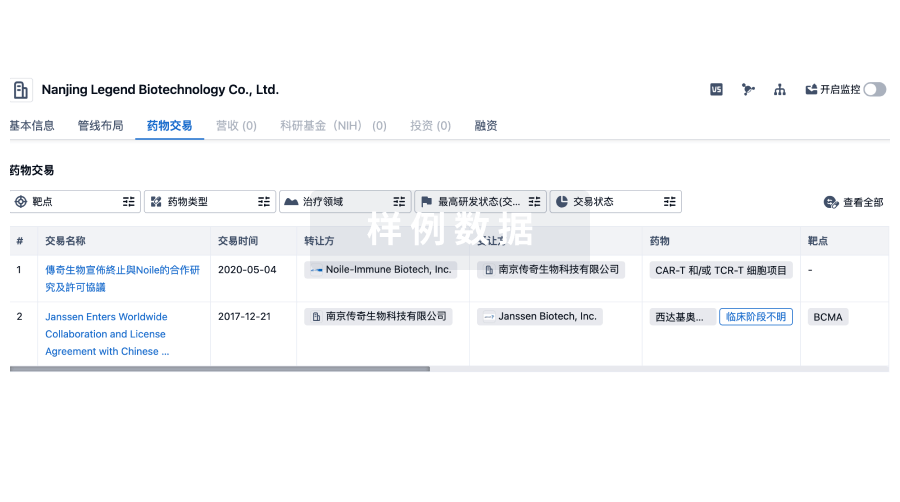
100 项与 Crown Bioscience, Inc. 相关的药物交易
登录后查看更多信息
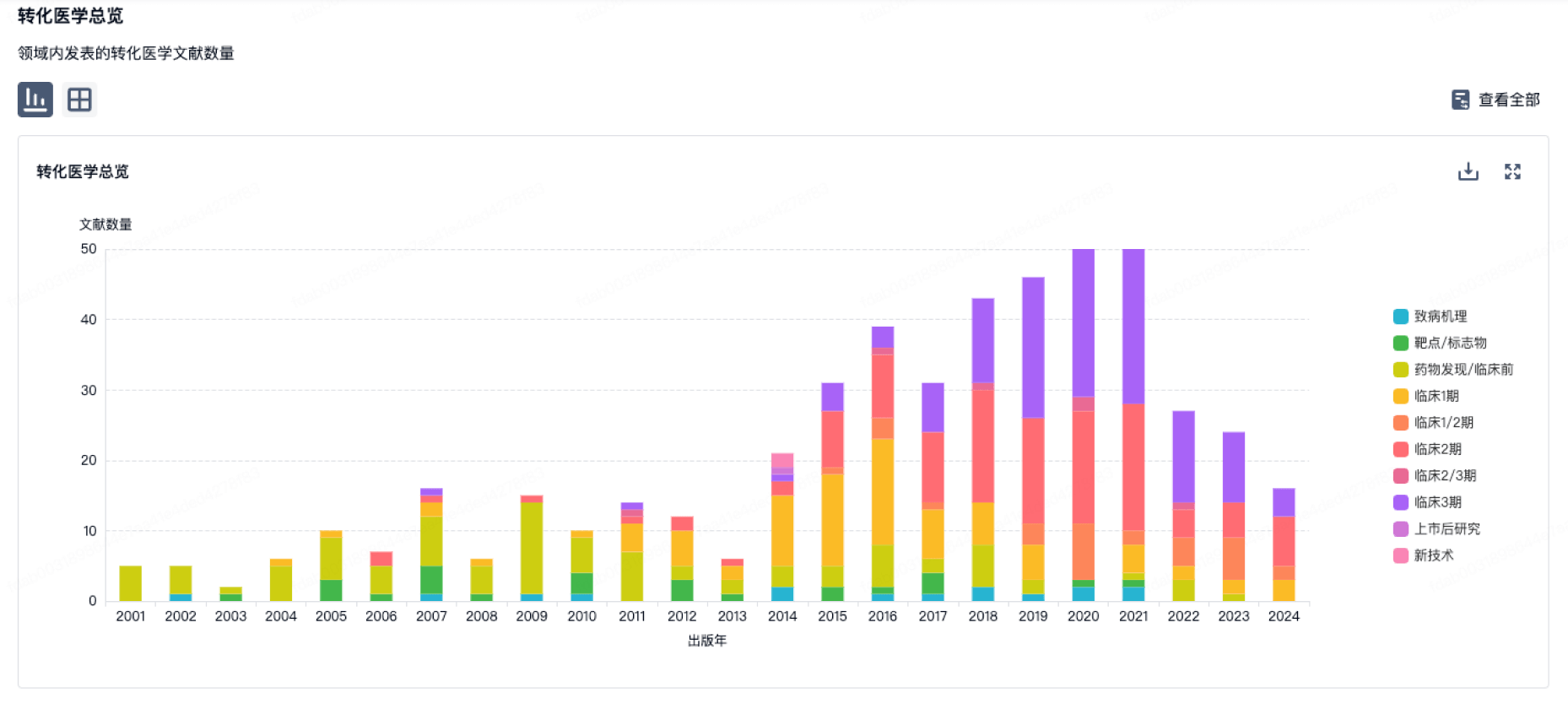
100 项与 Crown Bioscience, Inc. 相关的转化医学
登录后查看更多信息
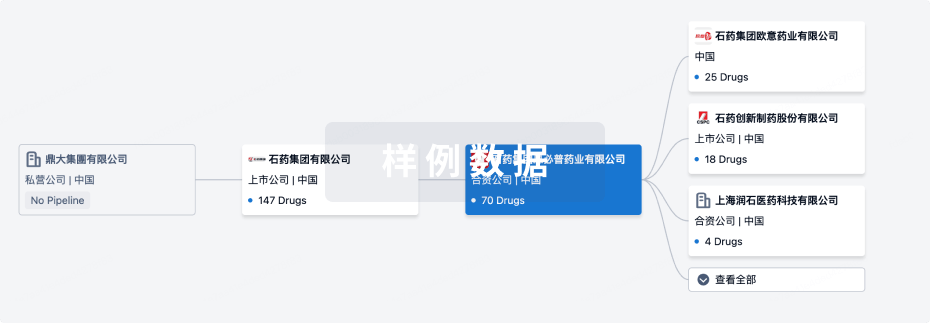
组织架构
使用我们的机构树数据加速您的研究。
登录
或
管线布局
2026年10月09日管线快照
管线布局中药物为当前组织机构及其子机构作为药物机构进行统计,早期临床1期并入临床1期,临床1/2期并入临床2期,临床2/3期并入临床3期
药物发现
1
2
临床前
其他
4
登录后查看更多信息
当前项目
| 药物(靶点) | 适应症 | 全球最高研发状态 |
|---|---|---|
HX-044 ( CD47 x CTLA4 ) | 结直肠癌 更多 | 临床前 |
10B-10 ( CTLA4 ) | 肿瘤 更多 | 临床前 |
WO2023143478 ( PDL1 )专利挖掘 | 肿瘤 更多 | 药物发现 |
MEB-4906 ( μ opioid receptor ) | 疼痛 更多 | 无进展 |
APL-509 ( CTLA4 ) | 肿瘤 更多 | 无进展 |
登录后查看更多信息
药物交易
使用我们的药物交易数据加速您的研究。
登录
或
转化医学
使用我们的转化医学数据加速您的研究。
登录
或
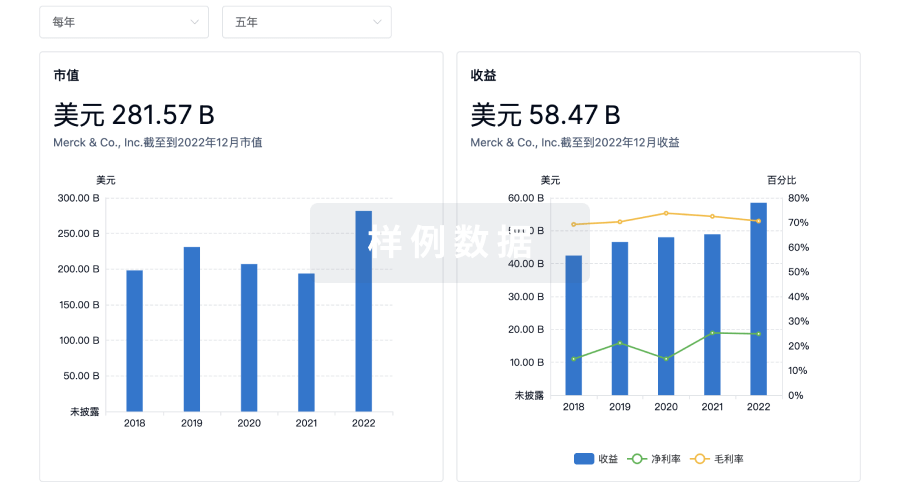
营收
使用 Synapse 探索超过 36 万个组织的财务状况。
登录
或
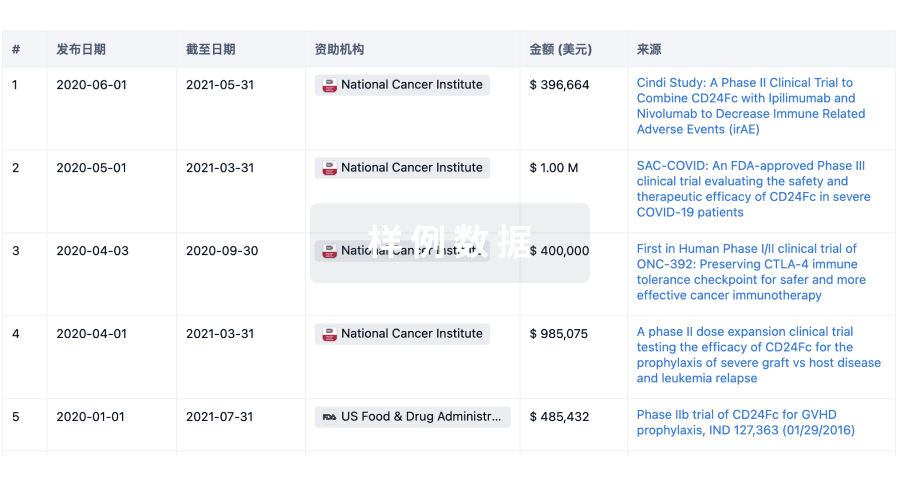
科研基金(NIH)
访问超过 200 万项资助和基金信息,以提升您的研究之旅。
登录
或
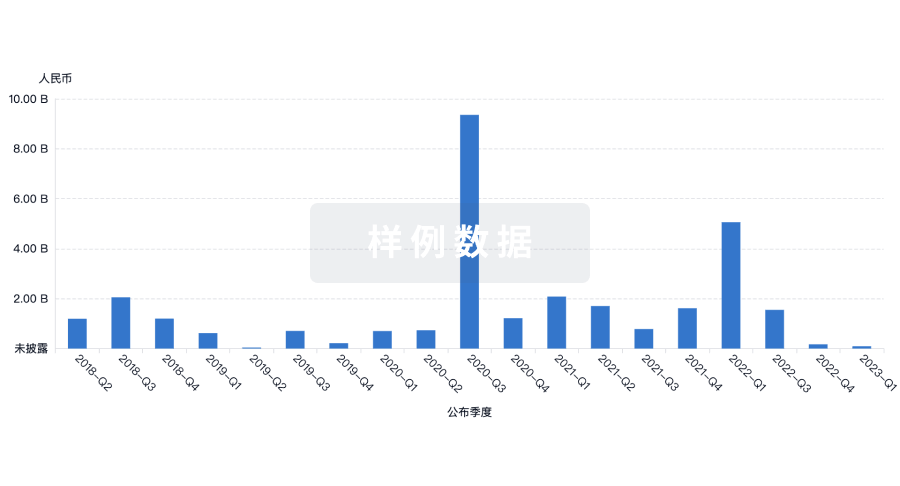
投资
深入了解从初创企业到成熟企业的最新公司投资动态。
登录
或
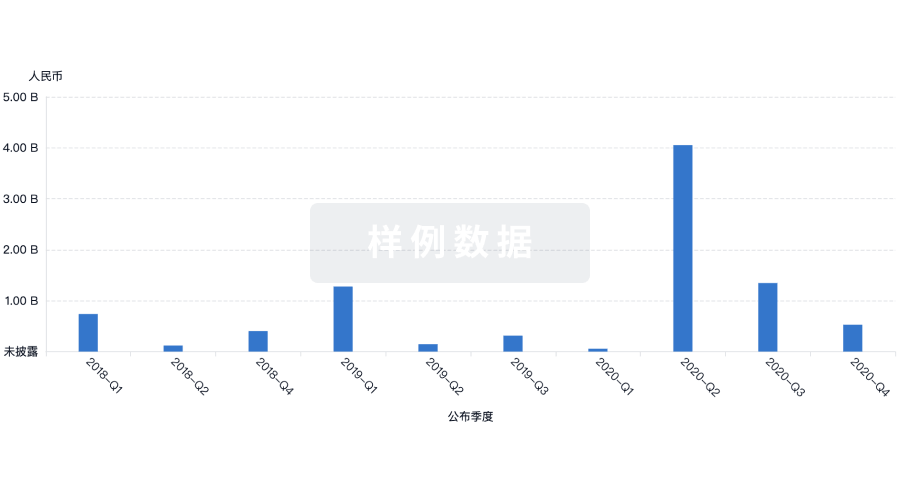
融资
发掘融资趋势以验证和推进您的投资机会。
登录
或
提出任何生物医药研究问题
让每一步生物医药决策都精准制胜
基于十亿级生物数据与全球情报的精准 AI,赋能早期药物发现
立即开始免费试用!
智慧芽新药情报库是智慧芽专为生命科学人士构建的基于AI的创新药情报平台,助您全方位提升您的研发与决策效率。
立即接入生物医药数据包
智慧芽新药库数据也通过智慧芽开放平台,以MCP或API服务形式对外开放。立即使用我们的MCP服务定制您的LLM智能体。
生物序列数据库
生物药研发创新
免费使用
化学结构数据库
小分子化药研发创新
免费使用