预约演示
更新于:2026-03-03

Agricultural University of Hebei
更新于:2026-03-03
概览
标签
肿瘤
血液及淋巴系统疾病
免疫系统疾病
小分子化药
化学药
疾病领域得分
一眼洞穿机构专注的疾病领域

技术平台
公司药物应用最多的技术
靶点
公司最常开发的靶点
关联
靶点 |
作用机制 |
在研机构 |
原研机构 |
在研适应症 |
非在研适应症 |
最高研发阶段 |
首次获批国家/地区 |
首次获批日期 |
靶点 |
作用机制 |
在研机构 |
原研机构 |
在研适应症 |
非在研适应症 |
最高研发阶段 |
首次获批国家/地区 |
首次获批日期 |

靶点 |
作用机制 |
在研机构 |
原研机构 |
在研适应症 |
非在研适应症 |
最高研发阶段 |
首次获批国家/地区 |
首次获批日期 |

100 项与 河北农业大学 相关的临床结果
登录后查看更多信息
登录后查看更多信息
2026-12-31Virulence
Adult duck fecal microbiota transplantation alleviates short beak and dwarfism syndrome in ducklings by inhibiting Th17 cell differentiation
Article
作者: Yuan, Wanzhe ; Liu, Weining ; Zhang, Yunhang ; Zhang, Wuchao ; Li, Limin ; Lei, Baishi ; Liu, Mandi ; Zhao, Kuan
Novel goose parvovirus (NGPV) infection in ducklings induces short beak and dwarfism syndrome (SBDS), leading to significant economic losses. Since NGPV predominantly infects ducklings, whether reshaping the intestinal flora of ducklings through fecal microbiota transplantation from adult ducks (FMT-A) can alleviate SBDS is an interesting question. This study aimed to investigate the impact of FMT-A on the susceptibility of ducklings to NGPV infection, to elucidate the potential relationship between gut microbiota and viral pathogenicity. The results showed that ducklings were more susceptible to NGPV than adults, and that adult ducks exhibited higher fecal microbiota richness and diversity. FMT-A treatment attenuated NGPV-induced reductions in body weight, beak and tibia length, and muscle mass. Furthermore, FMT-A alleviated gut dysbiosis and intestinal tissue damage, increased glycogen in the intestinal mucosa, upregulated ZO-1 expression, expanded the epiphyseal region, and reduced osteoclast numbers in the tibia of ducklings. Moreover, FMT-A suppressed the expression of the Th17 cell-specific transcription factor retinoic acid receptor-related orphan receptor γt in the ileum and bone, and decreased the expression levels of pro-inflammatory cytokines in the ileum, bone, and serum. These findings indicate that ducklings are more susceptible to NGPV than adult ducks, with significantly lower diversity and abundance of fecal microbiota. FMT-A can stabilize intestinal flora, mitigate intestinal barrier damage, inhibit Th17 cell differentiation, thereby reducing abnormal bone development, and ultimately alleviate SBDS in ducklings. These findings provide a theoretical basis for developing novel strategies targeting gut microbiota modulation to prevent and control SBDS in ducklings.
2026-06-01Food chemistry. Molecular sciences
Cultivar-driven variations in physicochemical properties and volatile organic compound profiles of strawberry (Fragaria × ananassa Duch.)
Article
作者: Zhao, Li-Yuan ; Cai, Bing-Bing ; Sun, Jing-Yao ; Wang, Xin-Xin ; Li, Qing-Yun ; Zhou, Zhen-Peng
Strawberry (Fragaria × ananassa Duch.) is an important economic crop all around the world. A new developed cultivar 'Baozhu' which has a similar fruit shape with 'Hongyan' is not yet proved to be a different genotype. The main purpose of the present study was to confirm the differences in genotypes and quality and volatile compounds of the two cultivars. The results showed that 'Baozhu' cultivar exhibited 39.6 % higher fruit weight, 35.1 % higher total soluble solids, 29.5 % higher firmness, 25.0 % higher total acidity, 45.0 % higher soluble sugars compared to 'Hongyan' cultivar (p < 0.05). A total of 51 volatile compounds were identified in the strawberries using headspace-gas chromatography-ion mobility spectrometry (HS-GC-IMS), and esters were the most abundant compounds, followed by aldehydes and alcohols. The results of chemometrics analysis reveal that 'Baozhu' and 'Hongyan' strawberries can be distinctly separated from each other. A panel of 28 volatiles with VIP > 1 and p < 0.05 were identified as discriminant factors for 'Baozhu' and 'Hongyan'. Furthermore, 'Baozhu' cultivar had significantly more stomata than the 'Hongyan' cultivar. A clear and positive correlation was observed among quality, volatile and stomata number. The current findings contribute to the commercial value assessment of the 'Baozhu' cultivar at an industrial level, formulating a paradigm for improvement of daily eating pattern and driving the development of genetic tools for improvement of flavor.
2026-04-01CARBOHYDRATE POLYMERS
Competing effects of starch degradation and phenolic-starch complexation during extrusion: temperature-dependent modulation of starch digestibility
Article
作者: Wang, Ruibin ; Li, Ming ; Li, Huijing ; Brennan, Charles Stephen ; Guo, Boli
The effect of extrusion on starch digestibility in starch-phenolic systems remains ambiguous, as heat and shear simultaneously gelatinize and degrade starch to accelerate digestion, or form starch-phenolic complexes inhibiting enzymatic hydrolysis. To identify which effect dominates, cold (40 °C) and hot (90 °C) extrusion were employed to examine how extrusion temperature and phenolic content regulate starch-phenolic complexation. Extruded noodles with buckwheat starch and phenolic extract were prepared at concentrations (0.50-2.00 %, w/w, based on starch). Molecular and crystalline structures of extrudates were analyzed and correlated with in vitro digestion. Compared with cold extrusion, hot extrusion enhanced starch gelatinization and chain fragmentation (average hydrodynamic radius, 41.74 nm) but simultaneously promoted the binding of phenolics with amylose (DP 100-5000) and short amylopectin branches (DP 28-100), facilitating the formation of V-type inclusion and non-inclusion complexes. These complexes increased V-type crystallinity and reduced hydrolysis rate and digestibility, despite greater molecular degradation. This study demonstrates that controlled molecular degradation under high-temperature extrusion can be strategically leveraged to facilitate the formation of enzyme-resistant starch-phenolic complexes, which provides a novel processing strategy for designing slow-digestion foods by tuning structural transitions towards nutritional benefits, rather than merely minimizing starch breakdown.
100 项与 河北农业大学 相关的药物交易
登录后查看更多信息
100 项与 河北农业大学 相关的转化医学
登录后查看更多信息
组织架构
使用我们的机构树数据加速您的研究。
登录
或
管线布局
2026年10月10日管线快照
管线布局中药物为当前组织机构及其子机构作为药物机构进行统计,早期临床1期并入临床1期,临床1/2期并入临床2期,临床2/3期并入临床3期
临床前
3
登录后查看更多信息
当前项目
登录后查看更多信息
药物交易
使用我们的药物交易数据加速您的研究。
登录
或
转化医学
使用我们的转化医学数据加速您的研究。
登录
或
营收
使用 Synapse 探索超过 36 万个组织的财务状况。
登录
或
科研基金(NIH)
访问超过 200 万项资助和基金信息,以提升您的研究之旅。
登录
或
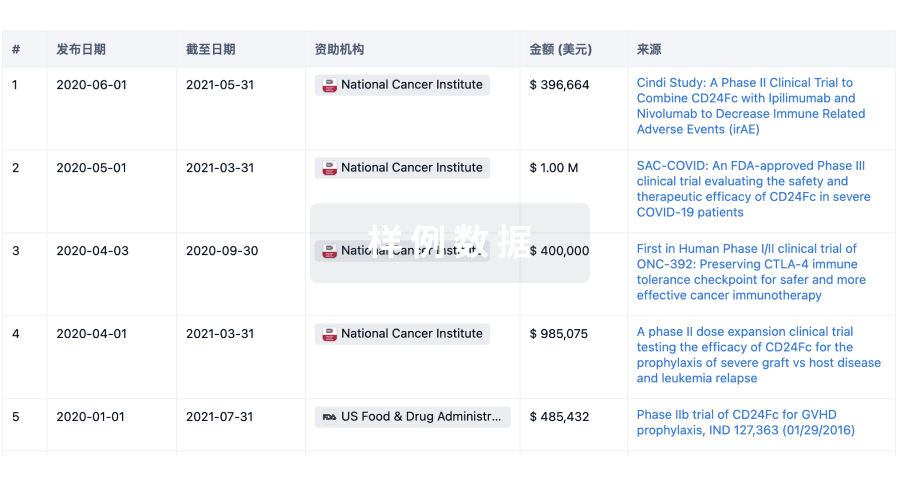
投资
深入了解从初创企业到成熟企业的最新公司投资动态。
登录
或
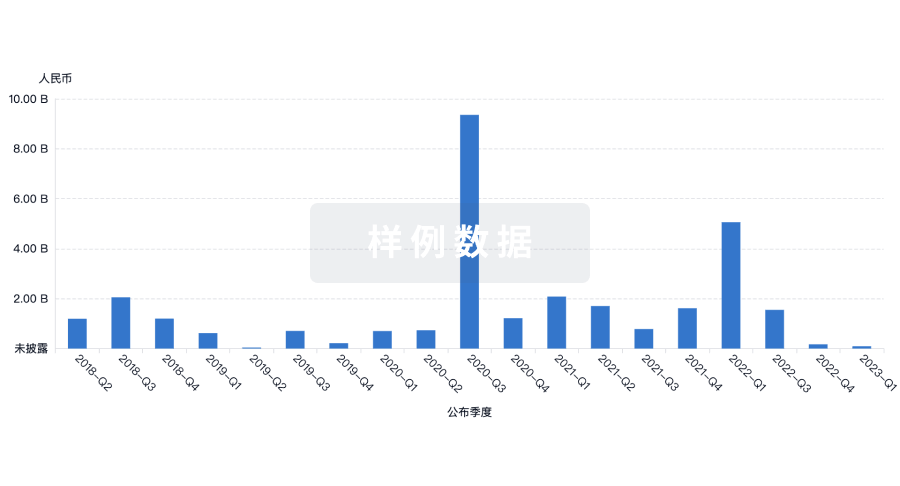
融资
发掘融资趋势以验证和推进您的投资机会。
登录
或
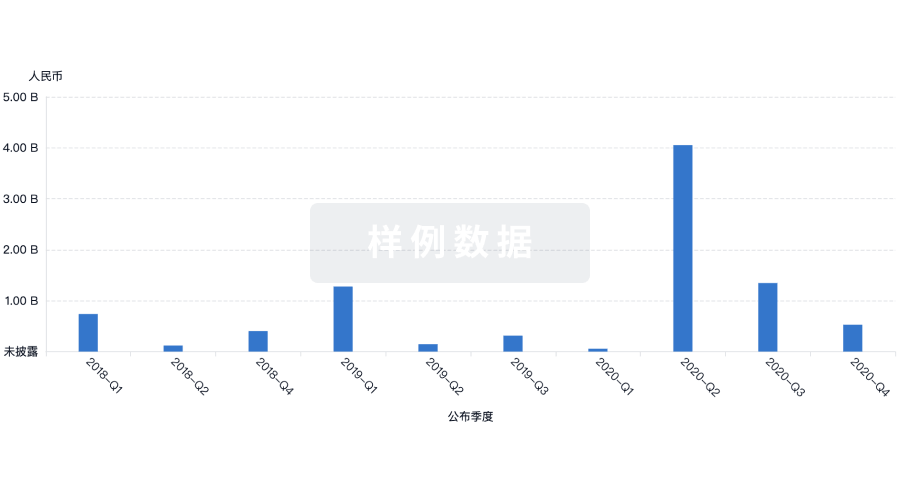
提出任何生物医药研究问题
让每一步生物医药决策都精准制胜
基于十亿级生物数据与全球情报的精准 AI,赋能早期药物发现
立即开始免费试用!
智慧芽新药情报库是智慧芽专为生命科学人士构建的基于AI的创新药情报平台,助您全方位提升您的研发与决策效率。
立即接入生物医药数据包
智慧芽新药库数据也通过智慧芽开放平台,以MCP或API服务形式对外开放。立即使用我们的MCP服务定制您的LLM智能体。
生物序列数据库
生物药研发创新
免费使用
化学结构数据库
小分子化药研发创新
免费使用