预约演示
更新于:2026-03-18

Tianjin University of Technology
更新于:2026-03-18
概览
标签
消化系统疾病
肿瘤
其他疾病
小分子化药
疾病领域得分
一眼洞穿机构专注的疾病领域

暂无数据
技术平台
公司药物应用最多的技术
暂无数据
靶点
公司最常开发的靶点
暂无数据
| 疾病领域 | 数量 |
|---|---|
| 肿瘤 | 1 |
| 排名前五的药物类型 | 数量 |
|---|---|
| 小分子化药 | 3 |
| 排名前五的靶点 | 数量 |
|---|---|
| Trypsin(胰蛋白酶) | 1 |
| NHE1(钠氢交换蛋白-1) | 1 |
关联
3
项与 天津理工大学 相关的药物100 项与 天津理工大学 相关的临床结果
登录后查看更多信息
0 项与 天津理工大学 相关的专利(医药)
登录后查看更多信息
4,506
项与 天津理工大学 相关的文献(医药)2026-06-01·BIOSENSORS & BIOELECTRONICS
Gold/vertical-graphene-based dual-channel electrochemical immunosensor for point-of-care testing of tetanus toxin in blood
Article
作者: Li, Wei ; Zhang, Bing ; Li, Hongji ; Li, Hongzhi ; Li, Cuiping ; Li, Mingji ; Xuan, Xiuwei ; Liu, Cheng
The tetanus spasm toxin has been identified as the main pathogenic substance responsible for tetanus, and its trace detection is expected to provide reliable diagnostic biomarkers. In this study, we developed the first electrochemical tetanus-toxin immunosensor capable of rapid on-site detection and real-time analysis. This electrochemical sensor was developed by combining a mutually verifiable dual-channel (oxidation and reduction channels) strategy and a gold-nanoparticle-embedded vertical graphene (Au-VG) microelectrode with a high antibody-loading capacity, which led to a sensor with superior detection reliability and performance stability. Integrating immune responses, the redox reactions of probes, and in-house-developed real-time-analysis software enabled tetanus toxin to be specifically detected based on current response. The sensor exhibited a wide linear detection range (0.1 fg mL-1 to 100 ng mL-1) and a low limits of detection of 0.024 and 0.021 fg mL-1 for the oxidation and reduction channels, respectively. Furthermore, a needle sensor and test-box system that incorporated flexible Au-VG microelectrodes were successfully validated for the quantitative detection of tetanus toxin in clinical sera and whole blood samples. This study developed a novel immunosensor and a rapid on-site detection strategy with significant applications potential for the early screening and diagnosis of tetanus.
2026-04-01·ANALYTICA CHIMICA ACTA
A flexible antenna immunosensor with AuPt-graphene film for wireless detection of tetanus toxin
Article
作者: Tian, Mengya ; Liu, Cheng ; Li, Hongji ; Li, Mingji ; Xuan, Xiuwei
BACKGROUD:
The danger of tetanus originates from the tetanus toxin (TT) produced by Clostridium tetani. This toxin primarily attacks the central nervous system, leading to severe multi-system damage and even posing a threat to life. It is highly potent, with a lethal dose of merely 2.5 ng/kg in humans. However, traditional diagnosis relies on clinical manifestations and lacks quantitative indicators, making it difficult to conduct rapid and on-site diagnosis. Therefore, it is necessary to study unlabeled, real-time, and wireless detection modes.
RESULTS:
Hence, this paper introduces a compact, flexible antenna-based immunosensor for TT detection, designed to overcome the aforementioned technical challenges. Operating at 2.45 GHz within the Industrial Scientific Medical (ISM) band, the proposed antenna immunosensor features a unique structure, which grants it a compact dimension of 14 × 14 × 3 mm3 and achieves a wireless sensing range of up to 15 m. A graphene film modified by AuPt nanoparticles is deposited onto the radiation patch as a sensitive layer. A change in TT concentration leads to a shift in the resonant frequency of the antenna immunosensor, caused by the specific antibody-antigen binding, thereby enabling the quantitative detection of TT. The antenna immunosensor exhibits a sensitivity of 2.755 MHz/lg(fg/mL), with an antigen concentration range from 10-1 to 108 fg/mL. A comprehensive performance analysis of the immunosensor reveals that it demonstrates remarkable regenerability, reproducibility, long-term stability, and specificity. In practical application, the corresponding TT concentration were accurately detected from centrifuged blood samples, with the results being verified as reliable. This demonstrates that the use of inactivated tetanus toxoid as a substitute for the native toxin can yield valid and convincing detection outcomes.
SIGNIFICANCE:
This study combines microwave sensing technology with highly specific biometric antibodies, creating a new way of detecting tetanus toxin. The antenna immunosensor utilizes the shifts in resonant frequency before and after toxin binding to achieve label free, real-time, and wireless detection. Furthermore, this study provides a promising alternative for the highly integrated, miniaturized sensing platforms capable of continuous monitoring.
2026-03-01·JOURNAL OF COLLOID AND INTERFACE SCIENCE
Light modulation of negative differential resistance in MoS2/h-BN/WS2 unipolar barrier photodetector
Article
作者: Li, Mengyang ; Li, Heng ; Yan, Hui ; Yin, Shougen ; Wang, Qingguo ; Su, Can ; Fan, Wenhao
Negative differential resistance (NDR) has enormous potentiality in various electronic devices such as oscillators, multipliers and multivalued logic. However, electrically controlled NDR behavior leads to complex hardware structures and an increase in power consumption, which hinders its practical integrated applications. This paper proposed a new NDR behavior excited and modulated by light in MoS2/h-BN/WS2 nBn unipolar barrier photodetector. This structure can effectively suppress the dark current and greatly reduce the power consumption. At 1 V bias under 488 nm laser irradiation, the device realizes dark current of 1.9 pA, on/off ratio of 3 × 10⁶, fast response time of 3 μs and visual imaging ability. The NDR behavior can be modulated by light effectively, and the ternary phase diagram of the NDR region and its mechanism have been illustrated. The device shows a peak-to-valley current ratio of 4.7 and a peak current density of 25.2 mA/cm2, and has been successfully applied to oscillators, inverters, gate logic operations and image processing. The use of light as the control terminal of NDR behavior broadens the integration and application range of the NDR device, which provides a scientific basis for various circuit applications modulated by optical NDR behavior.
7
项与 天津理工大学 相关的新闻(医药)2026-02-14
天津市2026年重点建设项目清单发布:1.4万亿投资擘画高质量发展新蓝图
近日,天津市正式印发2026年重点建设项目清单,共安排项目824个,总投资规模达1.4万亿元,年度计划投资2021.92亿元。项目涵盖科技和产业创新、先进制造业、现代服务业、基础设施、民生改善五大领域,集中展现了天津推动高质量发展、培育新质生产力、深化京津冀协同发展的坚定决心与务实举措。其中:
类别
项目数量
总投资(亿元)
年计划投资(亿元)
科技和产业创新类
77
908.2
120.49
先进制造业类
233
1782.58
556.59
现代服务业类
76
1178.72
277.23
基础设施类
293
8012.17
840.4
民生改善类
145
2077.74
227.22
合计
824
1.4万亿
2021.92亿
科技和产业创新类项目77个,总投资908.2亿元,年度计划投资120.49亿元,聚焦前沿技术研发与成果转化;
先进制造业类项目233个,总投资1782.58亿元,年度计划投资556.59亿元,是项目数量最多的板块,涵盖航空航天、生物医药、新能源汽车、高端装备等产业链;
现代服务业类项目76个,总投资1178.72亿元,年度计划投资277.23亿元,重点发展数字经济、现代物流、总部经济;
基础设施类项目293个,总投资8012.17亿元,年度计划投资840.4亿元,投资规模最大,涉及轨道交通、能源保障、水利设施、新基建等领域;
民生改善类项目145个,总投资2077.74亿元,年度计划投资227.22亿元,围绕教育、医疗、城市更新、乡村振兴等群众关切领域。
这批重点项目的落地实施,将为天津“十四五”收官与“十五五”开局注入强劲动能,加快构建现代化产业体系,增强城市综合承载能力,绘就民生幸福底色。
天津市2026年市级重点建设项目清单
按主管部门排序
宝坻区(47个)
54 江天云数低碳智算基地
55 光环新网宝坻云计算基地项目(2026年)
120 翰林航宇高端制药装备研发生产基地项目(2026年)
129 新建年产7万套环保设备项目
133 融鑫智汇产业园项目
136 金博热能换热设备研发生产基地
144 环保专用设备研发及生产基地项目
221 云飞医药研发及生产基地项目
224 飞毛腿绿色储能智能制造项目
227 三一天津风电智能制造产业园
229 年产3万吨锂离子电池正极材料项目
233 天津东皋膜技术有限公司产线设备更新项目
237 100MWh试验线技术迭代1GWh固态锂离子电池产业基地项目
241 天津稀链循环科技有限公司80000吨/年稀土二次资源综合利用项目
263 航天运载贮箱零部件项目
278 亿朗商业道具建厂投资项目
284 百和仕二期扩建项目
286 白羽鸡屠宰分割生产线升级改造项目
290 天津益华倍健科技有限公司新建年产100万吨保健食品项目
312 中国邮政储蓄银行天津宝坻后台服务基地
326 天津华商储备糖有限公司中央储备糖直属库新建项目
336 国信委运输(天津)有限公司运输购置车辆项目
337 新建宝坻区大钟庄储备库粮食安全仓储设施项目
376 天津市宝坻区潮白河沿岸文化旅游设施提升项目
396 宝坻九园工业园区多能互补示范项目(2026年)
397 天津华电宝坻区大白庄、黄庄镇、八门城镇270MW风电项目(2026年)
401 中核天津市宝坻区新开口镇、大口屯镇170MW风力发电项目
403 宝坻区王卜庄镇风电项目
405 国投天津宝坻八门城150MW风电项目
423 天津宝坻里自沽171.6MW渔光互补发电项目
429 华润宝坻口东镇80MW风电项目
496 天津市宝坻区高铁新区北部片区基础设施配套项目
504 宝坻城区供热市政管网智慧提升及老旧小区管网改造工程
509 宝坻城区智慧停车项目
511 京津中关村科技城快速连通宝坻站智慧交通体系建设项目
520 天津市宝坻区高铁站区域集中供热项目
570 潮阳街道供水管网铺设工程
577 宝坻区燃气综合安全智能化升级及设施提升改造项目
648 宝坻京津中关村科技城配套基础设施项目
653 京津冀协同发展京津新城现代服务业聚集园区基础设施提升工程
654 市宝坻区高铁新区基础设施配套项目(2026年)
657 天津京津中关村科技城发展有限公司市政基础设施一期及其配套工程项目
664 宝坻区中关村产业园区基础设施配套项目(2026年)
734 牛家牌镇乡村振兴示范镇一期项目
759 新建天津市南开中学中关村科技城学校
763 印象潮白体育综合体
785 天津全人职业中等专业学校建设项目(二期)
保税区(51个)
10 通用电气医疗磁共振东半球总部天津研发中心项目
15 工业核心菌种智能设计与构建平台
17 瑞普生物万吨级微生物蛋白产业化示范工程
18 中科复星天津生物产业基地
19 瑞狮生物制造产业化厂房建设项目
64 中国移动天津公司通信网络基础设施能力提升项目
69 特变电工高端智能组合式变压器产品数字化工厂建设项目
73 履带板生产线及链轨节产线数字化升级改造项目
75 城市轨道交通数字化建设与测评技术国家工程研究中心数字化智能化创新能力提升项目
85 丙烯酸酯和高吸水性树脂新材料项目
87 渤化永利化工辛醇优化及安全提升项目
103 渤海石化PDH装置更新改造提升项目
104 渤化永利醋酸催化体系优化项目
106 渤化永利甲醇装置等温变换改造项目
111 中船(天津)船舶制造有限公司转型升级能力建设(二期)项目
114 海油工程专业铺管船项目
118 鑫正船舶天津临港综保区配套产业基地
119 海油发展天津海洋装备智能制造基地建设项目(二期)
122 巨力索具大型海洋装备索具产品生产制造项目
123 天津津滨智能制造产业园
127 中船(天津)船舶制造有限公司生产线改造及生产工装更新项目(2026年)
142 科海乾元海工装备智能制造项目
162 中策橡胶绿色轮胎制造产业链提升改造及数字化赋能项目(2026年)
180 天汽模大型汽车覆盖件模具数控加工及调试数字化改造升级
198 天津空港保税区产业综合提升
203 天津恒瑞创新药物产业化基地项目(一期)
236 天津佰焰科技股份有限公司加气站成套设备研发制造及加气服务云平台项目
246 第三代玻璃纤维增强塑料连续缠绕夹砂管(CWFP)生产项目
252 改性高分子材料生产线设备升级改造项目
257 空客二线二阶段工程
258 云遥气象星座二期项目
259 Mi-17系列整机翻修与研发中心
285 启丰新建油脂加工与发酵粕项目
323 天津港保税区现代粮食物流(产业)示范园区多式联运二期工程
324 中储粮天津仓储物流有限公司仓储项目
332 港口型国家粮食物流核心枢纽新建20万吨粮食仓储项目
350 渤海人寿总部大楼项目
354 翰佳星级商务酒店项目
427 天津临港北防波堤风电项目
478 天津港大沽口港区粮油区6、7号通用泊位后方北堆场工程
514 天津港保税区排水管道和泵站提升改造工程
544 天津港保税区泵站及污水处理厂老旧设备更新改造工程
586 天津港保税区临港公共岸线生态修复治理项目
633 天津港保税区海港区域城市更新项目
656 天津市空港经济区产城融合示范区建设项目
661 空港型国家物流枢纽基础设施和航空产业配套公共服务平台建设项目
675 天津临港新材料产业园基础设施和产业配套一期项目
694 滨海新区保税区汀兰园保障性租赁项目
711 空港华贤美寓保障性安居项目
753 天津医科大学总医院空港医院二期工程
756 天津港保税区临港医院项目
北辰区(60个)
9 面向复杂薄壁零件制造的智能化成形创新研究中试与产业化建设项目
13 天津北辰低空空域信息网系统工程项目
21 中同银龙天津灭菌中心建设项目
48 京津算力产业园
52 江天数据(北辰)云数据中心
72 装备制造产业集群数字化转型项目
112 中兴高端装备产业园光电子器件制造项目
115 中泓先进制造产业基地项目(2026年)
117 七0七军工与产业化基地项目
131 乐金电子(天津)电器有限公司2025年设备更新项目
132 茵梦达(驱动技术)研发生产基地项目
137 三湾工业小淀智能制造基地项目(2026年)
139 北达机电工业园二期
148 天津畅麒科技有限公司新建厂房项目
153 舰船用特种泵研发制造中心项目
155 隆裕电器新建厂房项目
157 天津吉达尔重型机械科技股份有限公司设备更新项目
170 本特勒汽车零部件升级改造及设备更新项目(2026年)
177 汽车零部件加工制造项目
195 普利司通生产线设备提升改造项目
214 天士力制剂楼智能化改造扩产项目
247 垠坤智能智造产业园
254 年热处理钢带10万吨,打包钢带3万吨,精密轧钢4万吨项目
256 年产单晶硅研磨片1000万片、腐蚀片300万片
276 年产10万吨塑料管道智能制造中心
287 天津海河华北乳品有限公司改建乳品加工车间项目
309 天津悦麟环保科技有限公司再生资源回收项目
368 天津市北辰区北仓镇丁赵村商业地块项目
370 兰禾商业中心提升改造工程
375 天津信誉楼百货有限公司局部提升装修改造项目
385 梦里老家郝堡田园康养村服务中心提升改造项目
400 中核汇能集中式风电项目
512 北辰区青光镇2#综合能源站及配套供热管网工程(2026年)
513 北辰区青光镇韩家墅片区供热等基础设施工程项目
523 北辰经济技术开发区排水管网改造提升项目
524 北辰区新能源电动汽车光储充一体化充电场站项目
543 北辰区供热庭院管网及设施改造工程项目
554 青光1#雨水泵站
560 北辰区普济河道(粮库)A地块基础设施建设项目
566 青光示范镇给水管道配套工程及陆港四经路、二纬路给水工程
568 张兴庄2号雨水泵站及进水管道工程项目
569 天津市北辰区韩盛庄泵站工程项目
580 金清路(北辰西道-光烁道)道路及配套管线工程
610 北辰区北运河及周边城市更新项目
613 北辰区天穆片区城市更新项目
665 中东欧特色小镇产业园区建设工程(一期)
671 天津高端装备制造产业园万发分园基础设施建设项目(2026年)
680 北辰区青光示范小城镇建设项目
681 北辰区大张庄示范镇永定新河南农民安置用房建设项目
684 天津市北辰区北仓示范小城镇农民安置用房建设项目
686 天津市北辰区大张庄示范镇基础设施建设项目
689 天津市北辰区双街示范小城镇农民安置用房建设项目
692 北辰区天穆镇王庄村棚户区改造项目
695 天津市北辰区宜兴埠城中村改造项目5A、1C地块
730 “红色河头、绿色双口”乡村振兴建设项目
732 北辰双街镇庞咀片区乡村振兴提升改造工程
738 农垦宏达现代农业产业示范园
780 津北辰朝(挂)2024-29号(北辰区普济河道(粮库)B地块)中小学项目
813 北辰区实验中学建设工程项目
824 天津佳和康复医院装修改造项目
滨海新区(76个)
82 天津实华原油储备基地扩能改造项目
95 天津环渤新材料高纯化学品(电子级化学品)生产项目
101 中石化天津分公司15万吨/年硫磺回收联合装置及配套项目
102 南港工业区北部组团生产管理设施提升项目
105 天津市纤维界面处理技术产业化基地扩建项目
108 长兴化学(天津)有限公司合成树脂项目
109 北斗星精细化工技术提升改造项目
166 京津冀汽车产业园
183 天津中冠汽车部件制造有限公司新建新能源汽车管路项目
209 利安隆维生素K2原料药/制剂及配套中间体项目
251 年产4万吨连续流制备纳微新材料(分子筛)项目
282 天津天恒智能科技有限公司新建项目
295 大港电厂海水淡化设备升级改造项目
304 滨海新区循环经济产业园(北部园区)回收循环利用体系建设项目
321 天津滨海中储物流园项目(2026年)
331 天津港第一港埠有限公司散粮三期新建筒仓工程
339 中国北方海事(海员)服务产业园区一期
360 中国(北方)商用车产业供应一站式服务中心建设项目
390 天津国电电力海晶盐光互补及升压站项目(2026年)
391 国电电力大港电厂2X660MW关停替代项目
404 大港油田板深37储气库工程
409 华能滨海新区港南农场120MW风力发电项目
410 三峡能源天津滨海新区驴驹河200兆瓦水面光伏发电项目
421 天津华电南疆200MW/400MWh共享储能项目(2026年)
424 大港油田天然气深冷提效工程
434 龙源天津滨海新区大苏庄二期风电场项目
438 中石化新建220kV变电站项目
439 国华小王庄零碳小镇50MW风电项目
450 诺斯曼能源新城镇45MW光伏发电项目
451 天津华电滨海汉沽48MW“绿色生态复合”光伏发电项目
453 大港电厂循环水渠一期40MW光伏发电项目
454 天津华电滨海南台35MW“绿色生态复合”光伏发电项目及升压站配套110kV送出工程
455 天津龙源胡家园35MW光伏发电项目
456 天津滨海新区龙源海晶盐光互补项目500kV并网工程
457 轨道交通Z4线一期工程
458 轨道交通B1线一期工程
461 天津市轨道交通Z2线一期工程
464 新建天津至潍坊高速铁路项目
469 南疆港区国能天津二期码头工程
472 滨海新区车站北路、西中环快速路跨海河桥工程(2026年)
474 天津建设世界一流港口集疏运通道配套项目(2026年)
480 新区轨道交通网络运营控制中心一期工程
483 津歧公路(南堤路-津冀界)拓宽改造工程(2026年)
491 天津港远航国际公司东区26场C、D区配套改造工程
493 天津市滨海新区排水防涝能力提升工程
497 天津建设世界一流港口集疏运通道西中环海河南段基础设施项目
499 黄港西扩基础设施一期
500 滨海新区供热“一张网”热源和干网互联互通项目
506 天津滨达燃气滨海新区天然气管道工程
507 中塘镇产城融合基础设施建设项目
521 天津市滨海新区供水能力提升工程
527 天津市滨海新区胡家园新塘防汛湖南侧片区老旧城市地下管网提升改造工程
528 津潍高铁滨海南站、滨海东站配套排水管网工程(2026年)
537 滨海新区塘沽片区公共供水管网漏损治理试点工程
545 滨海新区官港片区市政基础设施配套工程
563 新北提升泵站改造工程
598 天津市滨海新区北大港国家重要湿地生态保护和修复项目
603 滨海新区生活垃圾焚烧设施提标改造工程
631 大港街迎宾街以东片区城市更新项目
634 杭州道街建材路片区城市更新项目
678 天津滨海物流加工区基础设施工程
690 天津市滨海新区新城镇棚户区改造收尾项目
699 滨海新区中心桥、八堡棚改项目04-24地块
701 中塘镇大安村城中村改造项目
702 滨海新区新城镇片区城中村改造项目
721 天津市滨海新区现代农业产业园
725 天津市滨海新区农村人居环境示范村建设项目
739 滨海新区畜禽粪污资源化利用整县推进项目
742 新建天津滨海职业学院工程
749 天津市第五中心医院新扩建及改造工程
758 滨海新区中医医院二期工程
762 大港医院扩建工程
775 新建大港海滨港西学校项目
787 北塘九年一贯制学校
789 新建滨海新区大港油田殡仪服务中心项目
819 滨海新区汉沽中医医院门急诊楼改扩建工程
东疆保税区(4个)
313 东疆综保区飞机购置租赁项目
338 天津港汇盛码头有限公司装卸搬运设备更新改造项目
489 天津市东疆综合保税区中欧班列综合配套示范中心项目
669 天津东疆综合保税区创新产业园基础设施配套项目
东丽区(42个)
76 津信公司转辙机制造车间智能化数字化升级改造项目
138 三英精密三维透视成像检测装备研发与产业化基地
150 天津斯坦德实验室技术有限公司空气压缩机生产基地项目
164 智能网联科技创新基地建设项目
176 津田(天津)汽车零部件有限公司新建厂房项目
196 天津井上华光扰流板及轮毂罩类产品生产线项目
255 天津市永昌焊丝有限公司(五纬路厂)实心焊丝全流程智能化提升改造项目
260 航空商业航天与低空经济动力科技园(一期)项目
291 拉克兰(天津)乳业有限公司新建厂房
293 高标准冷链加工车间建设项目
297 天钢公司设备更新及提升改造项目(2026年)
301 天津钢管制造有限公司设备更新及提升改造项目(2026年)
306 天津市东丽区环卫设施设备更新项目
314 新建中国地质调查局廊坊自然资源综合调查中心天津东丽科技创新基地项目
315 新建中国地质调查局地球物理调查中心天津东丽科技创新基地项目
316 中汽零部件技术(天津)有限公司汽车零部件检验测试能力扩建项目
322 玉湖冷链(天津)交易中心项目(2026年)
357 金玉府商业(金隅金钟地块项目A地块)项目
359 金茂揽秀城商业(增兴窑18号地块及26号地块)项目
441 东丽区北环北路、思源东道天然气工程(2026年)
495 华明-东丽湖片区市政基础设施建设工程
505 玉湖冷链项目周边道路配套工程
517 东丽湖地区东文北路工程
539 中石化绿源东丽区金钟街供热能源结构调整项目
552 东丽区登州南路以西片区道路及配套管线项目(2026年)
555 东丽区重点地区排水能力提升工程
571 东丽区李明庄公租房南侧(西侧)地块道路及配套管线工程
585 东丽区绿色生态屏障区(南片区)储备林工程
591 天津市东丽区快速路(天钢)地块土壤污染治理修复
639 天津市东丽区东丽商场片区城市更新项目
663 华明高新区基础设施提升工程
666 京津冀产业转移承接载体-东丽湖丽健园大健康产业升级改造项目
688 东丽詹庄等七村村民还迁安置经济适用房项目海旭园
697 天津市东丽区吴嘴村、杜庄村城中村改造项目
704 东丽区新立村城中村改造项目
709 东丽区李明庄村城中村改造村民定向安置经济适用房项目二期工程
716 登州路社区保障性租赁住房项目
722 东丽区农林提质增效(二期)项目
795 东丽区东丽湖新建高中项目
806 新建金钟外国语学校小学部项目
810 新建东丽湖学校工程项目
817 金茂28号地新建中学项目
高新区(53个)
2 海油发展渤龙湖科研中试基地建设项目(一期)
11 新一代脑机接口共性技术科技创新和产业服务支撑平台
22 年产50吨单分子透明质酸钠(HA1500)项目
23 具身智能体前沿设计与高端制造产业化综合体
24 新一代具身智能体全域验证与工程化训练平台
25 天津新智感知产业园项目
26 智能安防创新工业设计中心成果转化服务能力提升项目
27 多模态视听数据全链路智能处理系统建设项目
31 高性能通用服务器AI芯片设计
34 天津金海通半导体设备股份有限公司半导体测试设备智能制造及创新研发中心(一期)
35 单北斗移动智能终端应用示范项目
36 飞腾下一代国产服务器CPU研发与产业化项目
41 联东U谷滨海科技港北区项目(二期)
43 元旭半导体LED产线技术提升改造项目
47 中科晶禾先进半导体异质集成装备研发与制造
50 腾讯天津高新云数据中心
59 中科昊宇人工智能算力中心(500P)
62 海洋高新智荟港项目
63 超算互联网服务和调度平台建设项目
65 信创产业链适配技术研发及成果转化综合服务能力提升项目
70 电子设备制造业订单拉动式产业链供应链协同项目
74 康坦石油绿色智能化数字化工业厂房新建项目
88 中海油服2026年技改及设备更新项目
159 滨海吉达尔工厂设备更新项目
169 新建汽车部件生产基地和研发中心三期
181 光大光合现代化高标准汽车零部件项目
182 基于激光辅助智能滚压无模成形技术的汽车零部件研发与生产项目
200 津村制药中药产业基地(三期)
205 新一代免疫细胞治疗创新药(CAR-T)技术研发与开发攻关
207 原研CAR-T创新药纳基奥仑赛注射液重大临床适应症拓展与产业化
212 现代中药制造业创新中心
216 生物医药原创技术策源地技术平台建设
218 津腾实验设备产业化基地项目
226 中电科蓝天科技股份有限公司蓝天产业园/宇航电源系统产业化建设项目
228 大聚合物电池全自动快充产线建设
232 风电变压器生产项目
234 钠离子电芯产线建设
244 康达新材料北方总部与新材料产业基地建设项目
253 先进陶瓷玻璃基板研究和制造
261 天津商业卫星生产厂房
262 商业航天真空技术研发生产基地建设项目
264 星上机构及控推组件生产线项目
265 航天运载火箭贮箱集成项目
281 天津乐味素生物科技有限公司年产3000吨混合型饲料添加剂及1000吨食品添加剂项目
334 重庆医药天津物流基地建设项目
482 天津地铁3号线信号系统、通信和综合监控系统提升改造项目(2026年)
494 京滨城际滨海西站市政配套工程
532 海洋科技园供热管网工程
595 渤龙湖污水处理厂二期工程
647 天津高新区软件和服务外包基地综合配套区中央商务区一期剩余工程
674 国家自主创新示范区高端装备创新产业园基础设施配套
700 天津滨海高新区海洋科技园保障性租赁住房及配套设施项目
752 塘沽一中(九年一贯制及高中部)项目
和平区(10个)
341 天津信达联合置业大沽北路项目
358 滨江道221号3号楼(现代城国金购物中心项目)
373 万青华成和平商业综合体项目
374 天津先农大院8#、10#楼酒店提升改造项目
377 天津劝业场更新利用(历史文化名城保护)项目
573 和平区太原道8号项目
607 和平区生活垃圾分类和处理设施提标改造项目
623 南门外大街商圈北部片区城市更新项目
642 和平区西康路、成都道站TOD片区城市更新项目
760 和平区全民健身中心改造项目
河北区(12个)
185 天津市都市核心区智能网联规模化应用示范区建设一期项目
340 天津远洋大厦二期
345 中车津浦智慧港
486 天津地铁2号线信号系统更新改造项目
534 春熙路和博学道道路(含地道)及附属管线工程
538 天津市河北区二次供水设施改造项目
636 河北区中山北路片区城市更新项目
638 河北区天津美术学院片区城市更新项目
713 河北区榆关道地块定向安置经济适用房
715 河北区志成路百利集团地块保障性住房项目
772 天津市河北区中西医结合医院建设工程项目
802 中车地块学校建设项目
河东区(9个)
342 中海城市广场(三期)项目
346 华勘总部及华勘新家园项目
617 第一机床总厂及周边片区城市更新项目
620 河东区井冈山路周边片区城市更新项目
622 河东区津龙湾周边片区城市更新项目
628 河东区大直沽片区城市更新项目
629 河东区一冷音乐文化产业片区城市更新项目
718 河东区胜利巷保障性住房项目
792 汪庄子3号地块学校建设项目
河西区(20个)
12 天津市低空飞行综合服务中心建设项目
113 10000kW绞刀功率双燃料动力自航绞吸挖泥船研制项目
343 平安泰达金融中心
344 河西区六合大厦项目
347 渤海置业商业办公楼及配套设施项目(津西浩(挂)2021-046号地块)
351 环球磁卡产业园提升改造(历史文化名城保护)项目
365 河西区综艺广场项目
609 天津设计之都核心区柳林街区城市更新项目(2026年)
621 河西区太湖新里城市更新项目
625 河西区郁江新里城市更新项目
630 学苑路活力焕新街区城市更新项目
637 天津河西区西南楼片区城市更新项目
643 河西区先达地块城市更新项目
645 河西区红旗新里城市更新项目
677 天津空天数字产业园改造项目
714 天津佟楼TOD保租房项目(2026年)
717 河西区2025-2026年老旧小区改造项目
814 天津河西区养老服务全域一体化智慧化提升工程(一期)项目
821 健康养老数据资源汇聚治理平台
823 天津市梧桐中学扩建项目
红桥区(15个)
8 中海油天津院创新研究中心项目
68 京津冀工业软件产业基地项目
355 艺点意创数字经济产业(天津)总部项目
356 中煤科工集团北京华宇工程有限公司天津研发基地
363 山姆红桥会员店项目
371 喜瑞都桔子水晶酒店项目
558 红桥区西于庄地区棚户区改造清河沿大街、沽水道项目(2026年)
579 红桥区市政排水管网提升改造工程(一期)
615 天津西站南片区站产城融合示范区项目
626 红桥区天津西站西片区(京津冀同城商务区一期)城市更新项目
632 京津冀同城商务区邵公庄南智慧颐养城市更新项目(一期)
641 红桥区光荣道周边片区城市更新项目
644 耀华中学红桥学校周边地区城市更新项目
708 丽水苑二期地块配售型保障性住房项目
820 天津市耀华中学红桥学校新建高中教学楼工程项目
蓟州区(24个)
145 今大禹环保设备生产基地建设项目
245 利群表面处理产业园提质升级项目
272 联丰京津预制菜示范产业园
325 丰树蓟州国际食品智能制造产业园项目
372 天津市蓟州区童话之城商业综合体项目
381 蓟州区州河湾AI未来城项目
387 蓟州区龙潭沟(青山岭)抽水蓄能电站项目
395 国华盘山电厂创新升级及延寿改造项目
411 中电建威天津市蓟州区150MW光伏发电项目
413 中电建蓟州区130MW风电项目工程
419 润创蓟州区下仓镇100MW风电项目
426 三峡能源天津蓟州区100兆瓦农光互补发电项目
432 天津华电蓟州尤古庄50MW风电项目
435 天津华电蓟州侯家营50MW风电项目
436 天津华电蓟州东施古镇50MW风电项目工程
442 金风蓟州区杨津庄镇50MW风电项目
443 金风蓟州区下窝头镇50W风电项目
529 蓟州区二次供水设施改造工程
594 蓟州区山洪沟治理二期工程
601 天津市北部区域防灾减灾救灾调度能力提升工程项目
640 蓟州区古城新城联动城市更新项目一期工程
670 蓟州经济开发区基础设施配套工程项目(2026年)
735 蓟州区农村产业融合发展示范园出头岭镇乡村振兴项目
737 蓟州区许家台农业农田基础设施提质升级项目
津南区(45个)
28 高性能通用GPU芯片研发与产业化项目
42 兴华清科天津集成电路电子材料生产基地项目
44 华海清科集成电路装备制造产线技术改造项目
46 天津兴港科技新质生产力产业园
125 斯科塞斯新材料石油钻采、无缝管热轧工具项目
134 晟恒产业园二期
149 天津经纬正能电气设备有限公司高电压、大容量高端空心电抗器建设项目
151 佳美特(天津)科技有限公司年配套15000吨模具钢项目
154 高端智能个体防护装备技术改造项目
167 天津德科智控股份有限公司数字化绿色工厂项目
168 新紫光汽车电子研发智能制造基地
175 福臻高端装备智能产线新园区项目
190 旷达汽车内饰生产项目
213 合成生物分离提纯装备及核心零部件制造、高端原料药及制剂中试研发项目
242 天津906基地项目
243 天津盛徽科技有限公司高端电工钢新材料工程项目
303 银河欧华新工厂项目
352 天津高景智地科技发展有限公司景茂科技园(二期)项目
361 深特广场三期C/E/F区项目
362 天津津南浩水源商业广场项目
367 海棠街同硕路北侧商业项目
369 辛庄镇国欣路西侧商业综合体项目
386 国家会展经济区基础设施配套工程(2026年)
490 中铁十八局2026年设备购置项目
498 渤海综合治理津南区合流制改造一期项目
501 海河工业区北闸口拓展区基础设施建设工程项目
508 天津市津南区城区雨污水泵站及管网工程(一期)
530 国华路与天津大道立交工程
535 周辛庄泵站迁建工程项目
540 小站镇石柱子河枢纽工程
542 小站镇镇区易淹泡地区管道改造工程
618 津南区咸水沽粮库宿舍及周边片区城市更新项目
635 天开高教科创园津南园北部片区城市更新项目
668 津南经济开发区(工业机器人产业园)基础设施配套项目
672 天开智慧小镇二期
685 八里台示范小城镇二期(巨葛庄村)还迁房建设工程
687 津南区北闸口示范镇调整拆旧复垦区及增建还迁安置用房项目
696 津南区红磡西定向安置经济适用房
707 津南区葛沽镇东埂、殷庄村城中村改造项目
719 中盛产业园保障性租赁住房项目
723 津南区八里台镇乡村振兴项目
751 津南医院二期扩建工程
754 天津市津南区中医医院新址建设工程
791 新建中铁十八局职业技术学校工程
811 海教园南开学校昭慧路校区高中部新建工程
经开区(45个)
1 中石化石油化工科学研究院有限公司天津科学试验基地项目
4 中化学新材料创新平台基地项目
5 中海油天化高科化工科技成果产业化基地项目(一期)
29 洁美电子华北地区产研总部基地项目
30 MLCC陶瓷电容器技术改造项目
33 泰达山河超表面晶圆级光学芯片关键技术研发及产业化项目
39 七一二移动专用通信设备研发及总部基地建设项目
45 仪维普电子元件新厂建设项目
79 新和成新材料产业链项目
81 年产30万吨丙烯腈-丁二烯-苯乙烯(ABS)项目
83 燕山石化天津南港绿色高端橡胶新材料项目
84 中国石化催化剂天津新材料生产基地建设项目
86 中石化英力士南港乙烯外购轻烃原料配套项目
89 天津渤化化工发展有限公司“两化”搬迁改造项目-12万吨/年糊树脂装置
90 天津得川石化有限公司120万吨/年石脑油综合利用项目
91 中石化(天津)石油化工有限公司1#催化裂化装置FCO技术更新改造增产低碳烯烃及系统配套项目
92 中国石油化工股份有限公司天津分公司40万吨/年生物航煤项目
93 宏华数码喷印产业一体化基地项目
94 中石化润滑油(天津)有限公司润滑油天津南港特种油脂及基础油储运项目
96 南港乙烯及下游高端新材料产业集群项目
97 长芦化工含氟有机新材料产业化项目(Ⅱ期)
98 锦晖2.8万吨超净高纯试剂项目
99 南港工业区异佛尔酮及催化剂生产项目
100 天津普利特新材料有限公司新材料北方智能制造基地(一期)项目
107 新丽华(天津)涂料有限公司五万吨高档涂料项目
116 SEW-工业减速机(天津)有限公司第五工厂项目
152 天津市正方智成石油装备有限公司油田专用智能装备制造基地(一期)
161 长城汽车智能网联汽车(DE平台)项目
163 一汽—大众奥迪车型技术改造项目
174 至德科创天津智能网联汽车产业园项目
199 诺和诺德制药能力提升改造系列项目(2026年)
204 重组生物制品新药基地项目一期
208 天津法尔玛制药有限公司核酸药物原料药及制剂一体化项目
210 青松制药碳青霉烯高端制剂药品智能化工厂建设项目
211 高端制剂中试及产业化项目(临床试验项目与供应链一体化平台)
219 重组三价脊髓灰质炎疫苗生产线建设项目
311 经开区设备租赁项目(2026)
333 天津南港危化品智慧物流综合服务中心项目
389 中国石化天津液化天然气(LNG)项目三期工程
393 天津液化天然气(LNG)外输管道复线项目
475 天津港大港港区10万吨级航道提升工程
551 天津泰达能源发展有限责任公司泰达供热管网接入生态城供热系统项目
616 经开区塘沽南站片区城市更新项目
619 天津市滨海新区泰达时尚广场片区城市更新项目
764 天津市泰达医院改扩建项目
静海区(42个)
188 天津市媛君意铝业有限公司汽车零部件及铝制品制造项目
191 天津德磊诚信塑料制品有限公司汽车零部件及电动车零部件制造项目
240 天津市大陆制氢设备有限公司扩建项目
248 天津欣创新材料科技有限公司碳纤维复合材料制造项目
270 远大健康科技(天津)股份有限公司土建设施建设项目
274 国泰瑞丰实业(天津)有限公司江浙智能制造产业园项目
275 天津市鑫兴食品科技有限公司高档坚果加工项目
277 天津智能化装配式建筑金属结构制造及总部项目
294 爱玛电动车设备更新智能化升级改造项目
302 新天钢中兴盛达提产增效智能制造改扩建项目
305 中凯新科(天津)新能源科技有限公司新能源汽车动力电池回收及循环梯次利用
307 炜卡能源(天津)有限公司可再生油脂深加工与资源化体系建设项目
308 天津恒赋能新能源科技发展有限公司动力电池回收及储能设备制造项目
327 唐官屯物流园标准厂房建设项目
330 天津物产浩和国际物流有限公司天津子牙经济技术开发区智慧物流园项目
349 爱玛总部大楼建设项目
384 天津康泰医疗养老服务有限公司6、7、8号楼提升改造项目
394 天津静海新华中旺镇以沟渠为主的2GWp光伏复合发电项目
414 中能建投天津静海区唐官屯107MW风电项目
416 上电京广静海区陈官屯镇100MW风电项目
417 天润新能天津市静海区陈官屯镇100MW风电项目
418 中能建投天津静海王口镇风电项目
447 绿动生科市政建设集团南海林48.9MW风电项目
487 团大公路(省界-新津涞公路段)改建工程
503 静海区城东片区防洪排涝设施提升改造项目
510 天津市静海区供热设施提升改造及建设项目
531 静海科慧热力公司供热管网及设施更新改造项目
548 天津市静海区北环片区排水排涝能力提升改造工程
562 天津市子牙经济开发区排水管网及设施提升改造工程
578 静海区供水GIS管网管理系统项目
582 团泊湿地生态改善提升项目
604 团泊新城第二污水处理厂扩容项目
649 中日(天津)地方发展合作示范区基础设施和公共配套建设项目
652 静海5G智能产业园区提升改造项目
655 绿色新型工业化产业示范基地项目
724 静海区唐官屯镇乡村振兴项目
726 静海区大邱庄镇农业综合开发项目
736 天津市静海区设施农业更新改造项目
746 北京协和医学院天津医院
765 北京协和医学院天津医院生活附属区一期项目
786 天津市静海区北师大实验学校高中部新校区新建项目
816 天津外国语大学静海团泊实验学校高中部新建项目
南开区(12个)
353 南开区宾水西道(邓店村)地块
364 南开福邻荟(南开三马路东侧地块)项目
382 水上公园游乐园提升改造
485 地铁列车提升改造项目
612 西营门片区城市更新项目
614 南开区天拖片区城市更新项目
624 南开区可口可乐厂周边片区城市更新项目
720 南开区汾水道配售型保障性住房项目
773 天津大学爱尔眼科医院
803 天津南开学校教育集团新建高中项目
818 天拖地块配套小学
822 天津市第一一二中学新建高中项目
宁河区(39个)
77 宇轩科技机加工设备更新换代与智能化数字化改造项目
147 泰通尖端设备工具智能制造项目
193 宇阳机械汽车零部件项目
230 远景大兆瓦智能风机制造基地项目
231 天津泰氢晨研发中心及生产基地建设项目
239 天发储能与绿色能源高端装备制造基地
250 中材节能绿色制造基地
266 年产50万吨本色浆制造替代废纸浆技改项目
300 新天钢烧结炼铁炼钢升级改造及设备更新项目(2026年)
335 圆通速递天津智创园二期及出港设备更新项目(2026年)
366 宁河区白云酒店项目
402 英利发展宁河镇150MW风力发电项目
406 宁投能源宁河区东棘坨镇128MW风力发电项目
408 中核宁河区北淮淀镇150兆瓦渔光复合型项目
415 宁河区苗庄镇新时代农村共同富裕示范基地项目
420 天津奕昇七里海镇120MW集中式风电项目
425 天津清之源廉庄镇8万千瓦风电项目
430 瑞津板桥70MW集中式风力发电项目
431 宁河区东棘坨镇60MW集中式风电项目
437 英利发展廉庄镇49.65MW风力发电项目
440 英利发展丰台镇49.65MW风力发电项目
446 天津蕴昇大北涧沽镇45MW集中式风电项目
519 天津市七里海生态移民外部配套排水工程
525 宁河区(老城区)排水基础设施改造工程
547 宁河区供热老旧管网及设施改造工程项目
651 宁河区津冀协同发展示范区大北起步区一期项目
662 未来科技城基础设施提升及绿色低碳建设项目
667 京津冀协同发展未来科技城现代产业区配套基础设施建设工程
673 宁河经济开发区基础设施配套工程
682 宁河区北淮淀生态移民(示范小城镇)农民安置用房建设项目
683 宁河县潘庄示范小城镇农民安置用房建设项目
705 未来科技城2019-05地块保障性租赁住房项目
727 宁河北淮淀镇南淮淀、北淮淀村乡村振兴项目(2026年)
728 宁河区潘庄镇三产融合乡村振兴项目
729 宁河区潘庄镇东塘坨村、西塘坨村乡村振兴项目(2026年)
731 宁河区造甲城镇造甲城村乡村振兴项目
733 宁河区大北涧沽镇全域土地综合整治试点项目
740 中国民航大学新校区二期工程
755 宁河区医院改扩建项目
生态城(22个)
20 丹娜生物科技总部基地建设项目(一期)
37 天津生态城芯擎光电产业基地
135 智能装备生产及测试基地建设项目
179 精锐精密零部件智能研发制造基地项目
220 高丰度镱-176同位素中试验证平台建设项目
225 青山绿能智能制造产研基地项目
238 中新天津生态城保能电气厂房项目
328 中心渔港国家骨干冷链物流基地示范园区项目
348 中新天津生态城主中心商业地块43号首期项目
378 天津国家海洋博物馆配套宾馆项目
379 天津市泰达航母创建5A景区文旅设备更新
380 中新天津生态城海湾摩天轮及周边配套工程
398 北疆电厂热源引入工程二期(区内)项目
518 中新天津生态城海天道桥梁及管线桥工程(2026年)
522 中新天津生态城临海新城景盛路桥梁工程
559 中新天津生态城生态岛片区三家民营周边道路排水工程
646 天津软件园起步区项目
659 天津生态城智慧科技产业园起步区项目
679 垠坤·中新未来汇产业基地二期项目
766 天津汉德三维教育园区(HGF(08)05-02-24-1地块)项目
768 中新天津生态城50#地块中学
769 中新天津生态城临海新城中学工程项目
市工业和信息化局(7个)
78 2026年渤海海域油气勘探与开发
80 2026年大港油田勘探开发
317 中国移动天津公司2026年度网络建设工程
318 中国电信天津分公司2026年度电信网络建设项目
319 中国铁塔天津分公司2026年通信网络建设工程
320 中国联通天津公司2026年5G网络及配套设施建设项目
388 2026年电网建设改造项目
市交通运输委(9个)
460 新建北京至天津滨海新区铁路宝坻至滨海新区段
467 天津港集疏运专用货运通道工程
468 京津塘高速公路(天津段)改扩建工程
473 津沧高速公路(静王路收费站-九宣闸)改扩建工程项目
476 天津港新港航道拓宽浚深工程
477 天津渤化南港码头仓储有限公司天津港大港港区渤化液体散货码头工程
481 天津港大沽口港区粮油区6、7号通用泊位工程
484 天津港焦炭码头有限公司南疆6#泊位(含5#泊位第四段)码头升级改造工程
488 天津港高沙岭港区支航道一期工程
市教委(19个)
7 天津工业大学联合工程研究中心项目
744 天津中医药大学第一附属医院国家医学中心建设项目
747 天津医科大学第二医院改扩建三期工程
748 北京协和医学院天津校区
767 天津中医药大学第一附属医院中医药传承创新工程暨北院区提升改造工程
778 天津医科大学新校区四期工程
784 天津理工大学新建学生宿舍项目
790 天津商业大学扩建学生宿舍项目
793 天津财经大学新建学生宿舍及配套工程
797 天津师范大学新建宿舍楼项目
799 天津职业技术师范大学新建学生宿舍项目
800 天津医科大学新校区6#学生宿舍工程
801 天津理工大学智慧绿色能源与智能制造产教融合实训基地项目
804 天津中医药大学第一附属医院国家中医疫病防治基地建设项目
805 天津科技大学学生宿舍项目
807 天津师范大学京津冀协同地信产教融合实训基地项目
808 天津医科大学血液与健康全国重点实验室
812 天津美术学院地纬路新建学生宿舍项目
815 天津电子信息职业技术学院产教融合实训基地工程项目
市科技局(1个)
天津医学健康研究院
市民政局(1个)
天津市第一回民公墓扩建工程
市气象局(1个)
天津市人工影响天气水资源保障工程(气象局)
市数据局(1个)
中国移动天津公司数联网建设项目
市水务局(28个)
502 引滦原水预处理厂工程
515 昌凌路泵站等16个雨水系统雨水管道能力完善项目
516 天津市中心城区排水管网建设与改造工程(2026年)
526 新河水厂扩建工程
533 中心城区防汛排涝补短板工程雨水调蓄池二期工程
536 天津市中心城区梅江会展中心周边排涝能力提升项目(梅江南泵站工程、友谊南路泵站工程)
541 中心城区防汛排涝补短板工程张贵庄路雨水泵站工程
546 天津水务集团滨海水务有限公司老旧管网改造工程
549 中心城区防汛排涝补短板工程大直沽泵站工程
553 新开河水厂提质建设土建工程
565 红星桥泵站扩建工程
567 自来水集团二次供水设施改造工程(河西区)
572 东郊雨水泵站工程
575 中心城区防汛排涝补短板工程积水地道改造工程二期(东风地道)
576 天津市“十四五”期间城市旧供水管网改造工程(自来水集团第三批)
583 东淀和文安洼蓄滞洪区工程与安全建设项目
584 天津市贾口洼蓄滞洪区工程与安全建设
587 青甸洼蓄滞洪区工程与安全建设
588 尔王庄水库增容工程
589 于桥水库清淤试点工程
590 蓟运河河口泵站工程
592 潮白新河宝宁交界-乐善橡胶坝段治理工程
593 滨海新区防潮海堤工程
596 西河泵站至凌庄水厂红旗路线DN2200原水管道重建工程
597 大黄堡蓄滞洪区分区建设工程
600 天津市一级河道防汛路提升治理工程
602 子牙新河主槽治理工程
606 北京排污河防潮闸除险加固工程
市体育局(1个)
794 天津体育学院教学科研重大平台设备更新项目
市卫生健康委(9个)
745 市第三中心医院(东丽院区)新址扩建项目
761 天津市口腔医院梅江院区增建工程
770 天津市安定医院亚健康中心项目
774 市疾病预防控制中心现代化疾病预防控制体系建设项目
777 天津市第一中心医院复康院区提升改造项目
781 天津市中医药研究院附属医院中医特色重点医院建设项目
782 天津市妇女儿童保健中心迁址新建工程
796 天津市第四中心医院病房改造提升项目
798 天津市人民医院病房改造提升工程
市消防救援总队(1个)
783 天津市消防救援总队综合性战勤保障基地
市住房城乡建设委(12个)
459 地铁7号线一期工程(2026年)
462 地铁8号线一期工程(2026年)
463 地铁4号线北段工程(2026年)
465 地铁4号线南段工程(调整)
466 天津滨海国际机场三期改扩建工程
470 地铁11号线延伸工程(2026年)
471 地铁8号线延伸工程(2026年)
479 天津滨海国际机场配套综合交通枢纽工程
492 天津海河柳林“设计之都”核心区综合开发PPP项目
550 储厚道(津港大道-梨双路)道路及配套管线工程
556 沙柳路跨津滨大道立交工程
611 天津市金钟河大街南侧片区城市更新项目
武清区(50个)
3 天津大学合成生物前沿研究院国家生物制造数据中心项目
16 农业合成生物学与生物制造科技创新园一期
49 中国电信集团有限公司京津冀大数据基地
51 中国移动-京津冀武清智慧科技园
53 中国联通京津冀数字科技产业园
56 中金武清大数据产业园
57 盘古云泰数据中心项目
58 高村中联新一代互联网云计算产创基地项目
60 天津市武清区高村科技创新园智能算力中心
61 天津奥飞智芯科技智算中心项目
67 特变电工武清产业园数字化工厂项目
110 台铃年产600万辆电动自行车项目
126 天津工业控装备产业园项目
128 年产20套水下作业机器人项目
130 天津华与昊机械制造有限公司输送机生产基地项目
141 斯太尔发动机研发制造项目
146 北京贝士德仪器新建厂房项目
160 京津冀智能网联新能源汽车科技生态港(武清)项目
202 京津产业新城精准医疗科技产业园生产基地及配套服务项目(2026年)
206 北京擎科生物科技项目
215 年产5亿片多肽片剂及1000万支多肽注射剂项目
217 博纳格牙科用生物材料生产基地建设项目
235 北京宏蓄新能源电池项目
268 天津优达投资有限公司新建1-8#厂房项目
271 中材建设有限公司武清研发中心项目
273 安闻电子产品生产基地
280 匠造生产食品项目
298 天津北方鸿远铜业有限公司新建厂房项目
299 忠旺铝业特大高精度铝及铝合金加工项目
399 国电电力天津武清大良镇、下伍旗镇风力发电项目
407 天津新华武清区大孟庄镇200兆瓦沟渠光伏项目
412 国电电力天津武清王庆坨镇风力发电项目
422 天津华电武清大王古庄100MW风电项目
433 上马台镇80MW风电项目
444 天津华电武清高村50MW风电项目
445 天津市武清区鑫盛电投崔黄口风电项目
448 华锐风电天津武清区上马台、大黄堡镇风电项目
449 武清区白古屯镇48MW集中式风电项目
452 国电电力天津武清大碱厂48MW渔光互补项目
581 大黄堡湿地自然保护区整改及保护修复
599 天津市武清区泛区与永定河水系连通工程(一期)
605 天津市武清区汊沽港镇七支渠提升改造项目
608 天津市武清区河西务中型灌区续建配套与节水改造项目
650 天津市武清区崔黄口镇电子商务产业园拓展区基础设施建设(一期)工程
658 武清开发区提质升级项目
660 京滨工业园新建基础设施工程
691 天津市武清区南陈庄田辛庄宋台南商村北商村城中村改造项目
693 武清区小东庄片区棚户区改造二期工程
706 武清区汊沽港镇二光村、四街村城中村改造项目
743 天津凯恩国际医院项目
西青区(56个)
6 中色创新研究院高水平研发平台建设项目
14 天津临近空间浮空器囊体材料生产线新建
32 中芯国际集成电路生产线更新改造项目
38 天津松下电子片式电阻器产能扩建项目
40 力能机械半导体设备零部件配套制造项目
71 瑞联电气天津数字化工厂项目
121 新建中北慧谷综合厂房项目
124 天津市人防科技研发与智能装备制造产业园项目
140 吉诺科技机械设备制造基地项目
143 恩纳科智能装备制造基地项目
156 永聚焊条生产线项目
158 航达盛世智能空分制氮制氧装备生产基地
165 天津(西青)国家级车联网先导区智能网联汽车封闭测试场北部地块项目
171 福尔欣新能源汽车用高压电缆扩产项目
172 泓德智能化技术改造及产线扩建项目(2026年)
173 汽车车灯模具研发制造
178 捷温汽车系统(天津)有限公司汽车零部件及配件生产线建设
184 地壹新能源科技汽车材料、配件研发生产项目
186 汇润机电智能制造基地项目
187 中赢注塑拉挤智能生产线改造
189 T167&V540奔驰汽车线束产线技术改造项目
192 三花新能源汽车电池水冷板生产线一期建设项目
194 沪光新能源汽车线束扩建项目
197 汽车新能源类控制器产线升级改造项目
201 天津路顺大健康产业园项目
222 天津药聚汇医疗供应链
223 力生制药生产线设备更新改造项目
249 恒昇源建筑防火新材料制造基地项目
267 东鹏饮料天津基地项目
269 元气森林(天津)饮料有限公司生产基地二期项目
279 新宇彩板彩涂生产线、涂镀系统升级改造项目(2026年)
283 蓝月亮天津工厂二期扩建项目
288 年加工3万吨绿色马铃薯休闲食品项目
289 天津紫江塑料包装容器制造生产线
292 尤妮佳卫生巾、纸尿裤生产线改造
296 舒驰容器吹塑容器生产线升级改造项目
310 三之信自动化设备及环保设备研发与智造项目
329 天津国际陆港项目
383 天津泰康之家津园养老项目
392 天津市西青区750兆瓦风力发电项目
428 西青区陈塘热电共享储能电站
557 精武镇东鹏地块周边配套工程
561 西青区精武镇示范镇二期配套工程
564 西青区属市政排水设施改造工程
574 水西公园综合停车楼项目
627 西青区地铁2号线卞兴站周边片区城市更新项目
676 西青区精武镇学府园区配套工程
698 西青区杨柳青镇东碾坨嘴村片区城中村改造项目
703 西青区杨柳青镇拾陆街村等3个村城中村改造(安置房建设)项目
710 西青区西营门街赵庄子村定向安置经济适用房
712 西营门街老旧小区改造及配套工程
741 天津康汇医院
757 北现音产学研创基地(天传科技园)项目
771 西青区体育文化地块中学工程项目
776 精武镇才智道九年一贯制学校
779 西青区为明学校二期项目
天津市2026年市级重点建设项目清单
按项目类别整理一、科技和产业创新类(77项)
(聚焦研发、创新平台、数据中心、技术中心等,为产业升级提供核心动力)
中石化石油化工科学研究院有限公司天津科学试验基地项目(经开区)
海油发展渤龙湖科研中试基地建设项目(一期)(高新区)
天津大学合成生物前沿研究院国家生物制造数据中心项目(武清区)
中化学新材料创新平台基地项目(经开区)
中海油天化高科化工科技成果产业化基地项目(一期)(经开区)
中色创新研究院高水平研发平台建设项目(西青区)
天津工业大学联合工程研究中心项目(市教委)
中海油天津院创新研究中心项目(红桥区)
面向复杂薄壁零件制造的智能化成形创新研究中试与产业化建设项目(北辰区)
通用电气医疗磁共振东半球总部天津研发中心项目(保税区)
新一代脑机接口共性技术科技创新和产业服务支撑平台(高新区)
天津市低空飞行综合服务中心建设项目(河西区)
天津北辰低空空域信息网系统工程项目(北辰区)
工业核心菌种智能设计与构建平台(保税区)
农业合成生物学与生物制造科技创新园一期(武清区)
具身智能体前沿设计与高端制造产业化综合体(高新区)
新一代具身智能体全域验证与工程化训练平台(高新区)
天津新智感知产业园项目(高新区)
智能安防创新工业设计中心成果转化服务能力提升项目(高新区)
多模态视听数据全链路智能处理系统建设项目(高新区)
高性能通用GPU芯片研发与产业化项目(津南区)
高性能通用服务器AI芯片设计(高新区)
泰达山河超表面晶圆级光学芯片关键技术研发及产业化项目(经开区)
天津金海通半导体设备股份有限公司半导体测试设备智能制造及创新研发中心(一期)(高新区)
单北斗移动智能终端应用示范项目(高新区)
飞腾下一代国产服务器CPU研发与产业化项目(高新区)
天津生态城芯擎光电产业基地(生态城)
七一二移动专用通信设备研发及总部基地建设项目(经开区)
联东U谷滨海科技港北区项目(二期)(高新区)
天津兴港科技新质生产力产业园(津南区)
中科晶禾先进半导体异质集成装备研发与制造(高新区)
京津算力产业园(北辰区)
中国电信集团有限公司京津冀大数据基地(武清区)
腾讯天津高新云数据中心(高新区)
中国移动-京津冀武清智慧科技园(武清区)
江天数据(北辰)云数据中心(北辰区)
中国联通京津冀数字科技产业园(武清区)
江天云数低碳智算基地(宝坻区)
光环新网宝坻云计算基地项目(2026年)(宝坻区)
中金武清大数据产业园(武清区)
盘古云泰数据中心项目(武清区)
高村中联新一代互联网云计算产创基地项目(武清区)
中科昊宇人工智能算力中心(500P)(高新区)
天津市武清区高村科技创新园智能算力中心(武清区)
天津奥飞智芯科技智算中心项目(武清区)
海洋高新智荟港项目(高新区)
超算互联网服务和调度平台建设项目(高新区)
中国移动天津公司通信网络基础设施能力提升项目(保税区)
信创产业链适配技术研发及成果转化综合服务能力提升项目(高新区)
中国移动天津公司数联网建设项目(市数据局)
京津冀工业软件产业基地项目(红桥区)
电子设备制造业订单拉动式产业链供应链协同项目(高新区)
装备制造产业集群数字化转型项目(北辰区)
城市轨道交通数字化建设与测评技术国家工程研究中心数字化智能化创新能力提升项目(保税区)
2026年渤海海域油气勘探与开发(市工业和信息化局)
2026年大港油田勘探开发(市工业和信息化局)
中海油服2026年技改及设备更新项目(高新区)
中国移动天津公司2026年度网络建设工程(市工业和信息化局)
中国电信天津分公司2026年度电信网络建设项目(市工业和信息化局)
中国铁塔天津分公司2026年通信网络建设工程(市工业和信息化局)
中国联通天津公司2026年5G网络及配套设施建设项目(市工业和信息化局)
云遥气象星座二期项目(保税区)
Mi-17系列整机翻修与研发中心(保税区)
航空商业航天与低空经济动力科技园(一期)项目(东丽区)
天津商业卫星生产厂房(高新区)
商业航天真空技术研发生产基地建设项目(高新区)
航天运载贮箱零部件项目(宝坻区)
星上机构及控推组件生产线项目(高新区)
航天运载火箭贮箱集成项目(高新区)
中材建设有限公司武清研发中心项目(武清区)
天津乐味素生物科技有限公司年产3000吨混合型饲料添加剂及1000吨食品添加剂项目(高新区)
中国地质调查局廊坊自然资源综合调查中心天津东丽科技创新基地项目(东丽区)
中国地质调查局地球物理调查中心天津东丽科技创新基地项目(东丽区)
中汽零部件技术(天津)有限公司汽车零部件检验测试能力扩建项目(东丽区)
中煤科工集团北京华宇工程有限公司天津研发基地(红桥区)
天津医学健康研究院(市科技局)
天津医科大学血液与健康全国重点实验室(市教委)二、先进制造业类(233项)
(涵盖新一代信息技术、高端装备、生物医药、新能源、新材料等,筑牢实体经济根基)
天津临近空间浮空器囊体材料生产线新建(西青区)
瑞普生物万吨级微生物蛋白产业化示范工程(保税区)
中科复星天津生物产业基地(保税区)
瑞狮生物制造产业化厂房建设项目(保税区)
丹娜生物科技总部基地建设项目(一期)(生态城)
中同银龙天津灭菌中心建设项目(北辰区)
年产50吨单分子透明质酸钠(HA1500)项目(高新区)
洁美电子华北地区产研总部基地项目(经开区)
MLCC陶瓷电容器技术改造项目(经开区)
中芯国际集成电路生产线更新改造项目(西青区)
天津松下电子片式电阻器产能扩建项目(西青区)
力能机械半导体设备零部件配套制造项目(西青区)
兴华清科天津集成电路电子材料生产基地项目(津南区)
元旭半导体LED产线技术提升改造项目(高新区)
华海清科集成电路装备制造产线技术改造项目(津南区)
仪维普电子元件新厂建设项目(经开区)
特变电工武清产业园数字化工厂项目(武清区)
特变电工高端智能组合式变压器产品数字化工厂建设项目(保税区)
瑞联电气天津数字化工厂项目(西青区)
履带板生产线及链轨节产线数字化升级改造项目(保税区)
康坦石油绿色智能化数字化工业厂房新建项目(高新区)
津信公司转辙机制造车间智能化数字化升级改造项目(东丽区)
宇轩科技机加工设备更新换代与智能化数字化改造项目(宁河区)
新和成新材料产业链项目(经开区)
年产30万吨丙烯腈-丁二烯-苯乙烯(ABS)项目(经开区)
天津实华原油储备基地扩能改造项目(滨海新区)
燕山石化天津南港绿色高端橡胶新材料项目(经开区)
中国石化催化剂天津新材料生产基地建设项目(经开区)
丙烯酸酯和高吸水性树脂新材料项目(保税区)
中石化英力士南港乙烯外购轻烃原料配套项目(经开区)
渤化永利化工辛醇优化及安全提升项目(保税区)
天津渤化化工发展有限公司“两化”搬迁改造项目-12万吨/年糊树脂装置(经开区)
天津得川石化有限公司120万吨/年石脑油综合利用项目(经开区)
中石化(天津)石油化工有限公司1#催化裂化装置FCO技术更新改造增产低碳烯烃及系统配套项目(经开区)
中国石油化工股份有限公司天津分公司40万吨/年生物航煤项目(经开区)
宏华数码喷印产业一体化基地项目(经开区)
中石化润滑油(天津)有限公司润滑油天津南港特种油脂及基础油储运项目(经开区)
天津环渤新材料高纯化学品(电子级化学品)生产项目(滨海新区)
南港乙烯及下游高端新材料产业集群项目(经开区)
长芦化工含氟有机新材料产业化项目(Ⅱ期)(经开区)
锦晖2.8万吨超净高纯试剂项目(经开区)
南港工业区异佛尔酮及催化剂生产项目(经开区)
天津普利特新材料有限公司新材料北方智能制造基地(一期)项目(经开区)
中石化天津分公司15万吨/年硫磺回收联合装置及配套项目(滨海新区)
南港工业区北部组团生产管理设施提升项目(滨海新区)
渤海石化PDH装置更新改造提升项目(保税区)
渤化永利醋酸催化体系优化项目(保税区)
天津市纤维界面处理技术产业化基地扩建项目(滨海新区)
渤化永利甲醇装置等温变换改造项目(保税区)
新丽华(天津)涂料有限公司五万吨高档涂料项目(经开区)
长兴化学(天津)有限公司合成树脂项目(滨海新区)
北斗星精细化工技术提升改造项目(滨海新区)
台铃年产600万辆电动自行车项目(武清区)
中船(天津)船舶制造有限公司转型升级能力建设(二期)项目(保税区)
中兴高端装备产业园光电子器件制造项目(北辰区)
10000kW绞刀功率双燃料动力自航绞吸挖泥船研制项目(河西区)
海油工程专业铺管船项目(保税区)
中泓先进制造产业基地项目(2026年)(北辰区)
SEW-工业减速机(天津)有限公司第五工厂项目(经开区)
七0七军工与产业化基地项目(北辰区)
鑫正船舶天津临港综保区配套产业基地(保税区)
海油发展天津海洋装备智能制造基地建设项目(二期)(保税区)
翰林航宇高端制药装备研发生产基地项目(2026年)(宝坻区)
新建中北慧谷综合厂房项目(西青区)
巨力索具大型海洋装备索具产品生产制造项目(保税区)
天津津滨智能制造产业园(保税区)
天津市人防科技研发与智能装备制造产业园项目(西青区)
斯科塞斯新材料石油钻采、无缝管热轧工具项目(津南区)
天津工业控装备产业园项目(武清区)
中船(天津)船舶制造有限公司生产线改造及生产工装更新项目(2026年)(保税区)
年产20套水下作业机器人项目(武清区)
新建年产7万套环保设备项目(宝坻区)
天津华与昊机械制造有限公司输送机生产基地项目(武清区)
乐金电子(天津)电器有限公司2025年设备更新项目(北辰区)
茵梦达(驱动技术)研发生产基地项目(北辰区)
融鑫智汇产业园项目(宝坻区)
晟恒产业园二期(津南区)
智能装备生产及测试基地建设项目(生态城)
金博热能换热设备研发生产基地(宝坻区)
三湾工业小淀智能制造基地项目(2026年)(北辰区)
三英精密三维透视成像检测装备研发与产业化基地(东丽区)
北达机电工业园二期(北辰区)
吉诺科技机械设备制造基地项目(西青区)
斯太尔发动机研发制造项目(武清区)
科海乾元海工装备智能制造项目(保税区)
恩纳科智能装备制造基地项目(西青区)
环保专用设备研发及生产基地项目(宝坻区)
今大禹环保设备生产基地建设项目(蓟州区)
北京贝士德仪器新建厂房项目(武清区)
泰通尖端设备工具智能制造项目(宁河区)
天津畅麒科技有限公司新建厂房项目(北辰区)
天津经纬正能电气设备有限公司高电压、大容量高端空心电抗器建设项目(津南区)
天津斯坦德实验室技术有限公司空气压缩机生产基地项目(东丽区)
佳美特(天津)科技有限公司年配套15000吨模具钢项目(津南区)
天津市正方智成石油装备有限公司油田专用智能装备制造基地(一期)(经开区)
舰船用特种泵研发制造中心项目(北辰区)
高端智能个体防护装备技术改造项目(津南区)
隆裕电器新建厂房项目(北辰区)
永聚焊条生产线项目(西青区)
天津吉达尔重型机械科技股份有限公司设备更新项目(北辰区)
航达盛世智能空分制氮制氧装备生产基地(西青区)
滨海吉达尔工厂设备更新项目(高新区)
京津冀智能网联新能源汽车科技生态港(武清)项目(武清区)
长城汽车智能网联汽车(DE平台)项目(经开区)
中策橡胶绿色轮胎制造产业链提升改造及数字化赋能项目(2026年)(保税区)
一汽—大众奥迪车型技术改造项目(经开区)
智能网联科技创新基地建设项目(东丽区)
天津(西青)国家级车联网先导区智能网联汽车封闭测试场北部地块项目(西青区)
京津冀汽车产业园(滨海新区)
天津德科智控股份有限公司数字化绿色工厂项目(津南区)
新紫光汽车电子研发智能制造基地(津南区)
新建汽车部件生产基地和研发中心三期(高新区)
本特勒汽车零部件升级改造及设备更新项目(2026年)(北辰区)
福尔欣新能源汽车用高压电缆扩产项目(西青区)
泓德智能化技术改造及产线扩建项目(2026年)(西青区)
汽车车灯模具研发制造(西青区)
至德科创天津智能网联汽车产业园项目(经开区)
福臻高端装备智能产线新园区项目(津南区)
津田(天津)汽车零部件有限公司新建厂房项目(东丽区)
汽车零部件加工制造项目(北辰区)
捷温汽车系统(天津)有限公司汽车零部件及配件生产线建设(西青区)
精锐精密零部件智能研发制造基地项目(生态城)
天汽模大型汽车覆盖件模具数控加工及调试数字化改造升级(保税区)
光大光合现代化高标准汽车零部件项目(高新区)
基于激光辅助智能滚压无模成形技术的汽车零部件研发与生产项目(高新区)
天津中冠汽车部件制造有限公司新建新能源汽车管路项目(滨海新区)
地壹新能源科技汽车材料、配件研发生产项目(西青区)
天津市都市核心区智能网联规模化应用示范区建设一期项目(河北区)
汇润机电智能制造基地项目(西青区)
中赢注塑拉挤智能生产线改造(西青区)
天津市媛君意铝业有限公司汽车零部件及铝制品制造项目(静海区)
T167&V540奔驰汽车线束产线技术改造项目(西青区)
旷达汽车内饰生产项目(津南区)
天津德磊诚信塑料制品有限公司汽车零部件及电动车零部件制造项目(静海区)
三花新能源汽车电池水冷板生产线一期建设项目(西青区)
宇阳机械汽车零部件项目(宁河区)
沪光新能源汽车线束扩建项目(西青区)
普利司通生产线设备提升改造项目(北辰区)
天津井上华光扰流板及轮毂罩类产品生产线项目(东丽区)
汽车新能源类控制器产线升级改造项目(西青区)
天津空港保税区产业综合提升(保税区)
诺和诺德制药能力提升改造系列项目(2026年)(经开区)
津村制药中药产业基地(三期)(高新区)
天津路顺大健康产业园项目(西青区)
京津产业新城精准医疗科技产业园生产基地及配套服务项目(2026年)(武清区)
天津恒瑞创新药物产业化基地项目(一期)(保税区)
重组生物制品新药基地项目一期(经开区)
新一代免疫细胞治疗创新药(CAR-T)技术研发与开发攻关(高新区)
北京擎科生物科技项目(武清区)
原研CAR-T创新药纳基奥仑赛注射液重大临床适应症拓展与产业化(高新区)
天津法尔玛制药有限公司核酸药物原料药及制剂一体化项目(经开区)
利安隆维生素K2原料药/制剂及配套中间体项目(滨海新区)
青松制药碳青霉烯高端制剂药品智能化工厂建设项目(经开区)
高端制剂中试及产业化项目(临床试验项目与供应链一体化平台)(经开区)
现代中药制造业创新中心(高新区)
合成生物分离提纯装备及核心零部件制造、高端原料药及制剂中试研发项目(津南区)
天士力制剂楼智能化改造扩产项目(北辰区)
年产5亿片多肽片剂及1000万支多肽注射剂项目(武清区)
生物医药原创技术策源地技术平台建设(高新区)
博纳格牙科用生物材料生产基地建设项目(武清区)
津腾实验设备产业化基地项目(高新区)
重组三价脊髓灰质炎疫苗生产线建设项目(经开区)
高丰度镱-176同位素中试验证平台建设项目(生态城)
云飞医药研发及生产基地项目(宝坻区)
天津药聚汇医疗供应链(西青区)
力生制药生产线设备更新改造项目(西青区)
飞毛腿绿色储能智能制造项目(宝坻区)
青山绿能智能制造产研基地项目(生态城)
中电科蓝天科技股份有限公司蓝天产业园/宇航电源系统产业化建设项目(高新区)
三一天津风电智能制造产业园(宝坻区)
大聚合物电池全自动快充产线建设(高新区)
年产3万吨锂离子电池正极材料项目(宝坻区)
远景大兆瓦智能风机制造基地项目(宁河区)
天津泰氢晨研发中心及生产基地建设项目(宁河区)
风电变压器生产项目(高新区)
天津东皋膜技术有限公司产线设备更新项目(宝坻区)
钠离子电芯产线建设(高新区)
北京宏蓄新能源电池项目(武清区)
天津佰焰科技股份有限公司加气站成套设备研发制造及加气服务云平台项目(保税区)
100MWh试验线技术迭代1GWh固态锂离子电池产业基地项目(宝坻区)
中新天津生态城保能电气厂房项目(生态城)
天发储能与绿色能源高端装备制造基地(宁河区)
天津市大陆制氢设备有限公司扩建项目(静海区)
天津稀链循环科技有限公司80000吨/年稀土二次资源综合利用项目(宝坻区)
天津906基地项目(津南区)
天津盛徽科技有限公司高端电工钢新材料工程项目(津南区)
康达新材料北方总部与新材料产业基地建设项目(高新区)
利群表面处理产业园提质升级项目(蓟州区)
第三代玻璃纤维增强塑料连续缠绕夹砂管(CWFP)生产项目(保税区)
垠坤智能智造产业园(北辰区)
天津欣创新材料科技有限公司碳纤维复合材料制造项目(静海区)
恒昇源建筑防火新材料制造基地项目(西青区)
中材节能绿色制造基地(宁河区)
年产4万吨连续流制备纳微新材料(分子筛)项目(滨海新区)
改性高分子材料生产线设备升级改造项目(保税区)
先进陶瓷玻璃基板研究和制造(高新区)
年热处理钢带10万吨,打包钢带3万吨,精密轧钢4万吨项目(北辰区)
天津市永昌焊丝有限公司(五纬路厂)实心焊丝全流程智能化提升改造项目(东丽区)
年产单晶硅研磨片1000万片、腐蚀片300万片(北辰区)
空客二线二阶段工程(保税区)
年产50万吨本色浆制造替代废纸浆技改项目(宁河区)
东鹏饮料天津基地项目(西青区)
天津优达投资有限公司新建1-8#厂房项目(武清区)
元气森林(天津)饮料有限公司生产基地二期项目(西青区)
远大健康科技(天津)股份有限公司土建设施建设项目(静海区)
联丰京津预制菜示范产业园(蓟州区)
安闻电子产品生产基地(武清区)
国泰瑞丰实业(天津)有限公司江浙智能制造产业园项目(静海区)
天津市鑫兴食品科技有限公司高档坚果加工项目(静海区)
年产10万吨塑料管道智能制造中心(北辰区)
天津智能化装配式建筑金属结构制造及总部项目(静海区)
亿朗商业道具建厂投资项目(宝坻区)
新宇彩板彩涂生产线、涂镀系统升级改造项目(2026年)(西青区)
匠造生产食品项目(武清区)
天津天恒智能科技有限公司新建项目(滨海新区)
蓝月亮天津工厂二期扩建项目(西青区)
百和仕二期扩建项目(宝坻区)
启丰新建油脂加工与发酵粕项目(保税区)
白羽鸡屠宰分割生产线升级改造项目(宝坻区)
天津海河华北乳品有限公司改建乳品加工车间项目(北辰区)
年加工3万吨绿色马铃薯休闲食品项目(西青区)
天津紫江塑料包装容器制造生产线(西青区)
天津益华倍健科技有限公司新建年产100万吨保健食品项目(宝坻区)
拉克兰(天津)乳业有限公司新建厂房(东丽区)
尤妮佳卫生巾、纸尿裤生产线改造(西青区)
高标准冷链加工车间建设项目(东丽区)
爱玛电动车设备更新智能化升级改造项目(静海区)
大港电厂海水淡化设备升级改造项目(滨海新区)
舒驰容器吹塑容器生产线升级改造项目(西青区)
天钢公司设备更新及提升改造项目(2026年)(东丽区)
天津北方鸿远铜业有限公司新建厂房项目(武清区)
忠旺铝业特大高精度铝及铝合金加工项目(武清区)
新天钢烧结炼铁炼钢升级改造及设备更新项目(2026年)(宁河区)
天津钢管制造有限公司设备更新及提升改造项目(2026年)(东丽区)
新天钢中兴盛达提产增效智能制造改扩建项目(静海区)
银河欧华新工厂项目(津南区)三、现代服务业类(76项)
(聚焦现代物流、总部经济、金融服务、商贸文旅等,提升城市服务能级)
中国邮政储蓄银行天津宝坻后台服务基地(宝坻区)
东疆综保区飞机购置租赁项目(东疆综保区)
天津滨海中储物流园项目(2026年)(滨海新区)
玉湖冷链(天津)交易中心项目(2026年)(东丽区)
天津港保税区现代粮食物流(产业)示范园区多式联运二期工程(保税区)
中储粮天津仓储物流有限公司仓储项目(保税区)
丰树蓟州国际食品智能制造产业园项目(蓟州区)
天津华商储备糖有限公司中央储备糖直属库新建项目(宝坻区)
唐官屯物流园标准厂房建设项目(静海区)
中心渔港国家骨干冷链物流基地示范园区项目(生态城)
天津国际陆港项目(西青区)
天津物产浩和国际物流有限公司天津子牙经济技术开发区智慧物流园项目(静海区)
天津港第一港埠有限公司散粮三期新建筒仓工程(滨海新区)
港口型国家粮食物流核心枢纽新建20万吨粮食仓储项目(保税区)
天津南港危化品智慧物流综合服务中心项目(经开区)
重庆医药天津物流基地建设项目(高新区)
圆通速递天津智创园二期及出港设备更新项目(2026年)(宁河区)
国信委运输(天津)有限公司运输购置车辆项目(宝坻区)
新建宝坻区大钟庄储备库粮食安全仓储设施项目(宝坻区)
天津港汇盛码头有限公司装卸搬运设备更新改造项目(东疆综保区)
中国北方海事(海员)服务产业园区一期(滨海新区)
天津远洋大厦二期(河北区)
天津信达联合置业大沽北路项目(和平区)
中海城市广场(三期)项目(河东区)
平安泰达金融中心(河西区)
河西区六合大厦项目(河西区)
中车津浦智慧港(河北区)
华勘总部及华勘新家园项目(河东区)
渤海置业商业办公楼及配套设施项目(津西浩(挂)2021-046号地块)(河西区)
中新天津生态城主中心商业地块43号首期项目(生态城)
爱玛总部大楼建设项目(静海区)
渤海人寿总部大楼项目(保税区)
环球磁卡产业园提升改造(历史文化名城保护)项目(河西区)
天津高景智地科技发展有限公司景茂科技园(二期)项目(津南区)
南开区宾水西道(邓店村)地块(南开区)
翰佳星级商务酒店项目(保税区)
艺点意创数字经济产业(天津)总部项目(红桥区)
金玉府商业(金隅金钟地块项目A地块)项目(东丽区)
滨江道221号3号楼(现代城国金购物中心项目)(和平区)
金茂揽秀城商业(增兴窑18号地块及26号地块)项目(东丽区)
中国(北方)商用车产业供应一站式服务中心建设项目(滨海新区)
深特广场三期C/E/F区项目(津南区)
天津津南浩水源商业广场项目(津南区)
山姆红桥会员店项目(红桥区)
南开福邻荟(南开三马路东侧地块)项目(南开区)
河西区综艺广场项目(河西区)
宁河区白云酒店项目(宁河区)
海棠街同硕路北侧商业项目(津南区)
天津市北辰区北仓镇丁赵村商业地块项目(北辰区)
辛庄镇国欣路西侧商业综合体项目(津南区)
兰禾商业中心提升改造工程(北辰区)
喜瑞都桔子水晶酒店项目(红桥区)
天津市蓟州区童话之城商业综合体项目(蓟州区)
万青华成和平商业综合体项目(和平区)
天津先农大院8#、10#楼酒店提升改造项目(和平区)
天津信誉楼百货有限公司局部提升装修改造项目(北辰区)
天津市宝坻区潮白河沿岸文化旅游设施提升项目(宝坻区)
天津劝业场更新利用(历史文化名城保护)项目(和平区)
天津国家海洋博物馆配套宾馆项目(生态城)
天津市泰达航母创建5A景区文旅设备更新(生态城)
中新天津生态城海湾摩天轮及周边配套工程(生态城)
蓟州区州河湾AI未来城项目(蓟州区)
水上公园游乐园提升改造(南开区)
天津泰康之家津园养老项目(西青区)
天津康泰医疗养老服务有限公司6、7、8号楼提升改造项目(静海区)
梦里老家郝堡田园康养村服务中心提升改造项目(北辰区)
国家会展经济区基础设施配套工程(2026年)(津南区)
经开区设备租赁项目(2026)(经开区)
三之信自动化设备及环保设备研发与智造项目(西青区)
滨海新区循环经济产业园(北部园区)回收循环利用体系建设项目(滨海新区)
中凯新科(天津)新能源科技有限公司新能源汽车动力电池回收及循环梯次利用(静海区)
天津市东丽区环卫设施设备更新项目(东丽区)
炜卡能源(天津)有限公司可再生油脂深加工与资源化体系建设项目(静海区)
天津恒赋能新能源科技发展有限公司动力电池回收及储能设备制造项目(静海区)
天津悦麟环保科技有限公司再生资源回收项目(北辰区)
健康养老数据资源汇聚治理平台(河西区)四、基础设施类(293项)
(涵盖交通、能源、水利、市政、新基建等,夯实城市发展根基)
蓟州区龙潭沟(青山岭)抽水蓄能电站项目(蓟州区)
2026年电网建设改造项目(市工业和信息化局)
中国石化天津液化天然气(LNG)项目三期工程(经开区)
天津国电电力海晶盐光互补及升压站项目(2026年)(滨海新区)
国电电力大港电厂2X660MW关停替代项目(滨海新区)
天津市西青区750兆瓦风力发电项目(西青区)
天津液化天然气(LNG)外输管道复线项目(经开区)
天津静海新华中旺镇以沟渠为主的2GWp光伏复合发电项目(静海区)
国华盘山电厂创新升级及延寿改造项目(蓟州区)
宝坻九园工业园区多能互补示范项目(2026年)(宝坻区)
天津华电宝坻区大白庄、黄庄镇、八门城镇270MW风电项目(2026年)(宝坻区)
北疆电厂热源引入工程二期(区内)项目(生态城)
国电电力天津武清大良镇、下伍旗镇风力发电项目(武清区)
中核汇能集中式风电项目(北辰区)
中核天津市宝坻区新开口镇、大口屯镇170MW风力发电项目(宝坻区)
英利发展宁河镇150MW风力发电项目(宁河区)
宝坻区王卜庄镇风电项目(宝坻区)
大港油田板深37储气库工程(滨海新区)
国投天津宝坻八门城150MW风电项目(宝坻区)
宁投能源宁河区东棘坨镇128MW风力发电项目(宁河区)
天津新华武清区大孟庄镇200兆瓦沟渠光伏项目(武清区)
中核宁河区北淮淀镇150兆瓦渔光复合型项目(宁河区)
华能滨海新区港南农场120MW风力发电项目(滨海新区)
三峡能源天津滨海新区驴驹河200兆瓦水面光伏发电项目(滨海新区)
中电建威天津市蓟州区150MW光伏发电项目(蓟州区)
国电电力天津武清王庆坨镇风力发电项目(武清区)
中电建蓟州区130MW风电项目工程(蓟州区)
中能建投天津静海区唐官屯107MW风电项目(静海区)
宁河区苗庄镇新时代农村共同富裕示范基地项目(宁河区)
上电京广静海区陈官屯镇100MW风电项目(静海区)
天润新能天津市静海区陈官屯镇100MW风电项目(静海区)
中能建投天津静海王口镇风电项目(静海区)
润创蓟州区下仓镇100MW风电项目(蓟州区)
天津奕昇七里海镇120MW集中式风电项目(宁河区)
天津华电南疆200MW/400MWh共享储能项目(2026年)(滨海新区)
天津华电武清大王古庄100MW风电项目(武清区)
天津宝坻里自沽171.6MW渔光互补发电项目(宝坻区)
大港油田天然气深冷提效工程(滨海新区)
天津清之源廉庄镇8万千瓦风电项目(宁河区)
三峡能源天津蓟州区100兆瓦农光互补发电项目(蓟州区)
天津临港北防波堤风电项目(保税区)
西青区陈塘热电共享储能电站(西青区)
华润宝坻口东镇80MW风电项目(宝坻区)
瑞津板桥70MW集中式风力发电项目(宁河区)
宁河区东棘坨镇60MW集中式风电项目(宁河区)
天津华电蓟州尤古庄50MW风电项目(蓟州区)
上马台镇80MW风电项目(武清区)
龙源天津滨海新区大苏庄二期风电场项目(滨海新区)
天津华电蓟州侯家营50MW风电项目(蓟州区)
天津华电蓟州东施古镇50MW风电项目工程(蓟州区)
英利发展廉庄镇49.65MW风力发电项目(宁河区)
中石化新建220kV变电站项目(滨海新区)
国华小王庄零碳小镇50MW风电项目(滨海新区)
英利发展丰台镇49.65MW风力发电项目(宁河区)
东丽区北环北路、思源东道天然气工程(2026年)(东丽区)
金风蓟州区杨津庄镇50MW风电项目(蓟州区)
金风蓟州区下窝头镇50W风电项目(蓟州区)
天津华电武清高村50MW风电项目(武清区)
天津市武清区鑫盛电投崔黄口风电项目(武清区)
天津蕴昇大北涧沽镇45MW集中式风电项目(宁河区)
绿动生科市政建设集团南海林48.9MW风电项目(静海区)
华锐风电天津武清区上马台、大黄堡镇风电项目(武清区)
武清区白古屯镇48MW集中式风电项目(武清区)
诺斯曼能源新城镇45MW光伏发电项目(滨海新区)
天津华电滨海汉沽48MW“绿色生态复合”光伏发电项目(滨海新区)
国电电力天津武清大碱厂48MW渔光互补项目(武清区)
大港电厂循环水渠一期40MW光伏发电项目(滨海新区)
天津华电滨海南台35MW“绿色生态复合”光伏发电项目及升压站配套110kV送出工程(滨海新区)
天津龙源胡家园35MW光伏发电项目(滨海新区)
天津滨海新区龙源海晶盐光互补项目500kV并网工程(滨海新区)
轨道交通Z4线一期工程(滨海新区)
轨道交通B1线一期工程(滨海新区)
地铁7号线一期工程(2026年)(市住房城乡建设委)
新建北京至天津滨海新区铁路宝坻至滨海新区段(市交通运输委)
天津市轨道交通Z2线一期工程(滨海新区)
地铁8号线一期工程(2026年)(市住房城乡建设委)
地铁4号线北段工程(2026年)(市住房城乡建设委)
新建天津至潍坊高速铁路项目(滨海新区)
地铁4号线南段工程(调整)(市住房城乡建设委)
天津滨海国际机场三期改扩建工程(市住房城乡建设委)
天津港集疏运专用货运通道工程(市交通运输委)
京津塘高速公路(天津段)改扩建工程(市交通运输委)
南疆港区国能天津二期码头工程(滨海新区)
地铁11号线延伸工程(2026年)(市住房城乡建设委)
地铁8号线延伸工程(2026年)(市住房城乡建设委)
滨海新区车站北路、西中环快速路跨海河桥工程(2026年)(滨海新区)
津沧高速公路(静王路收费站-九宣闸)改扩建工程项目(市交通运输委)
天津建设世界一流港口集疏运通道配套项目(2026年)(滨海新区)
天津港大港港区10万吨级航道提升工程(经开区)
天津港新港航道拓宽浚深工程(市交通运输委)
天津渤化南港码头仓储有限公司天津港大港港区渤化液体散货码头工程(市交通运输委)
天津港大沽口港区粮油区6、7号通用泊位后方北堆场工程(保税区)
天津滨海国际机场配套综合交通枢纽工程(市住房城乡建设委)
新区轨道交通网络运营控制中心一期工程(滨海新区)
天津港大沽口港区粮油区6、7号通用泊位工程(市交通运输委)
天津地铁3号线信号系统、通信和综合监控系统提升改造项目(2026年)(高新区)
津歧公路(南堤路-津冀界)拓宽改造工程(2026年)(滨海新区)
天津港焦炭码头有限公司南疆6#泊位(含5#泊位第四段)码头升级改造工程(市交通运输委)
地铁列车提升改造项目(南开区)
天津地铁2号线信号系统更新改造项目(河北区)
团大公路(省界-新津涞公路段)改建工程(静海区)
天津港高沙岭港区支航道一期工程(市交通运输委)
天津市东疆综合保税区中欧班列综合配套示范中心项目(东疆综保区)
中铁十八局2026年设备购置项目(津南区)
天津港远航国际公司东区26场C、D区配套改造工程(滨海新区)
天津海河柳林“设计之都”核心区综合开发PPP项目(市住房城乡建设委)
天津市滨海新区排水防涝能力提升工程(滨海新区)
京滨城际滨海西站市政配套工程(高新区)
华明-东丽湖片区市政基础设施建设工程(东丽区)
天津市宝坻区高铁新区北部片区基础设施配套项目(宝坻区)
天津建设世界一流港口集疏运通道西中环海河南段基础设施项目(滨海新区)
渤海综合治理津南区合流制改造一期项目(津南区)
黄港西扩基础设施一期(滨海新区)
滨海新区供热“一张网”热源和干网互联互通项目(滨海新区)
海河工业区北闸口拓展区基础设施建设工程项目(津南区)
引滦原水预处理厂工程(市水务局)
静海区城东片区防洪排涝设施提升改造项目(静海区)
宝坻城区供热市政管网智慧提升及老旧小区管网改造工程(宝坻区)
玉湖冷链项目周边道路配套工程(东丽区)
天津滨达燃气滨海新区天然气管道工程(滨海新区)
中塘镇产城融合基础设施建设项目(滨海新区)
天津市津南区城区雨污水泵站及管网工程(一期)(津南区)
宝坻城区智慧停车项目(宝坻区)
天津市静海区供热设施提升改造及建设项目(静海区)
京津中关村科技城快速连通宝坻站智慧交通体系建设项目(宝坻区)
北辰区青光镇2#综合能源站及配套供热管网工程(2026年)(北辰区)
北辰区青光镇韩家墅片区供热等基础设施工程项目(北辰区)
天津港保税区排水管道和泵站提升改造工程(保税区)
昌凌路泵站等16个雨水系统雨水管道能力完善项目(市水务局)
天津市中心城区排水管网建设与改造工程(2026年)(市水务局)
东丽湖地区东文北路工程(东丽区)
中新天津生态城海天道桥梁及管线桥工程(2026年)(生态城)
天津市七里海生态移民外部配套排水工程(宁河区)
天津市宝坻区高铁站区域集中供热项目(宝坻区)
天津市滨海新区供水能力提升工程(滨海新区)
中新天津生态城临海新城景盛路桥梁工程(生态城)
北辰经济技术开发区排水管网改造提升项目(北辰区)
北辰区新能源电动汽车光储充一体化充电场站项目(北辰区)
宁河区(老城区)排水基础设施改造工程(宁河区)
新河水厂扩建工程(市水务局)
天津市滨海新区胡家园新塘防汛湖南侧片区老旧城市地下管网提升改造工程(滨海新区)
津潍高铁滨海南站、滨海东站配套排水管网工程(2026年)(滨海新区)
蓟州区二次供水设施改造工程(蓟州区)
国华路与天津大道立交工程(津南区)
静海科慧热力公司供热管网及设施更新改造项目(静海区)
海洋科技园供热管网工程(高新区)
中心城区防汛排涝补短板工程雨水调蓄池二期工程(市水务局)
春熙路和博学道道路(含地道)及附属管线工程(河北区)
周辛庄泵站迁建工程项目(津南区)
天津市中心城区梅江会展中心周边排涝能力提升项目(梅江南泵站工程、友谊南路泵站工程)(市水务局)
滨海新区塘沽片区公共供水管网漏损治理试点工程(滨海新区)
天津市河北区二次供水设施改造项目(河北区)
中石化绿源东丽区金钟街供热能源结构调整项目(东丽区)
小站镇石柱子河枢纽工程(津南区)
中心城区防汛排涝补短板工程张贵庄路雨水泵站工程(市水务局)
小站镇镇区易淹泡地区管道改造工程(津南区)
北辰区供热庭院管网及设施改造工程项目(北辰区)
天津港保税区泵站及污水处理厂老旧设备更新改造工程(保税区)
滨海新区官港片区市政基础设施配套工程(滨海新区)
天津水务集团滨海水务有限公司老旧管网改造工程(市水务局)
宁河区供热老旧管网及设施改造工程项目(宁河区)
天津市静海区北环片区排水排涝能力提升改造工程(静海区)
中心城区防汛排涝补短板工程大直沽泵站工程(市水务局)
储厚道(津港大道-梨双路)道路及配套管线工程(市住房城乡建设委)
天津泰达能源发展有限责任公司泰达供热管网接入生态城供热系统项目(经开区)
东丽区登州南路以西片区道路及配套管线项目(2026年)(东丽区)
新开河水厂提质建设土建工程(市水务局)
青光1#雨水泵站(北辰区)
东丽区重点地区排水能力提升工程(东丽区)
沙柳路跨津滨大道立交工程(市住房城乡建设委)
精武镇东鹏地块周边配套工程(西青区)
红桥区西于庄地区棚户区改造清河沿大街、沽水道项目(2026年)(红桥区)
中新天津生态城生态岛片区三家民营周边道路排水工程(生态城)
北辰区普济河道(粮库)A地块基础设施建设项目(北辰区)
西青区精武镇示范镇二期配套工程(西青区)
天津市子牙经济开发区排水管网及设施提升改造工程(静海区)
新北提升泵站改造工程(滨海新区)
西青区属市政排水设施改造工程(西青区)
红星桥泵站扩建工程(市水务局)
青光示范镇给水管道配套工程及陆港四经路、二纬路给水工程(北辰区)
自来水集团二次供水设施改造工程(河西区)(市水务局)
张兴庄2号雨水泵站及进水管道工程项目(北辰区)
天津市北辰区韩盛庄泵站工程项目(北辰区)
潮阳街道供水管网铺设工程(宝坻区)
东丽区李明庄公租房南侧(西侧)地块道路及配套管线工程(东丽区)
东郊雨水泵站工程(市水务局)
和平区太原道8号项目(和平区)
水西公园综合停车楼项目(西青区)
中心城区防汛排涝补短板工程积水地道改造工程二期(东风地道)(市水务局)
天津市“十四五”期间城市旧供水管网改造工程(自来水集团第三批)(市水务局)
宝坻区燃气综合安全智能化升级及设施提升改造项目(宝坻区)
静海区供水GIS管网管理系统项目(静海区)
红桥区市政排水管网提升改造工程(一期)(红桥区)
金清路(北辰西道-光烁道)道路及配套管线工程(北辰区)
大黄堡湿地自然保护区整改及保护修复(武清区)
团泊湿地生态改善提升项目(静海区)
东淀和文安洼蓄滞洪区工程与安全建设项目(市水务局)
天津市贾口洼蓄滞洪区工程与安全建设(市水务局)
东丽区绿色生态屏障区(南片区)储备林工程(东丽区)
天津港保税区临港公共岸线生态修复治理项目(保税区)
青甸洼蓄滞洪区工程与安全建设(市水务局)
尔王庄水库增容工程(市水务局)
于桥水库清淤试点工程(市水务局)
蓟运河河口泵站工程(市水务局)
天津市东丽区快速路(天钢)地块土壤污染治理修复(东丽区)
潮白新河宝宁交界-乐善橡胶坝段治理工程(市水务局)
滨海新区防潮海堤工程(市水务局)
蓟州区山洪沟治理二期工程(蓟州区)
渤龙湖污水处理厂二期工程(高新区)
西河泵站至凌庄水厂红旗路线DN2200原水管道重建工程(市水务局)
大黄堡蓄滞洪区分区建设工程(市水务局)
天津市滨海新区北大港国家重要湿地生态保护和修复项目(滨海新区)
天津市武清区泛区与永定河水系连通工程(一期)(武清区)
天津市一级河道防汛路提升治理工程(市水务局)
天津市北部区域防灾减灾救灾调度能力提升工程项目(蓟州区)
子牙新河主槽治理工程(市水务局)
滨海新区生活垃圾焚烧设施提标改造工程(滨海新区)
团泊新城第二污水处理厂扩容项目(静海区)
天津市武清区汊沽港镇七支渠提升改造项目(武清区)
北京排污河防潮闸除险加固工程(市水务局)
和平区生活垃圾分类和处理设施提标改造项目(和平区)
天津市武清区河西务中型灌区续建配套与节水改造项目(武清区)
天津设计之都核心区柳林街区城市更新项目(2026年)(河西区)
北辰区北运河及周边城市更新项目(北辰区)
天津市金钟河大街南侧片区城市更新项目(市住房城乡建设委)
西营门片区城市更新项目(南开区)
北辰区天穆片区城市更新项目(北辰区)
南开区天拖片区城市更新项目(南开区)
天津西站南片区站产城融合示范区项目(红桥区)
经开区塘沽南站片区城市更新项目(经开区)
第一机床总厂及周边片区城市更新项目(河东区)
津南区咸水沽粮库宿舍及周边片区城市更新项目(津南区)
天津市滨海新区泰达时尚广场片区城市更新项目(经开区)
河东区井冈山路周边片区城市更新项目(河东区)
河西区太湖新里城市更新项目(河西区)
河东区津龙湾周边片区城市更新项目(河东区)
南门外大街商圈北部片区城市更新项目(和平区)
南开区可口可乐厂周边片区城市更新项目(南开区)
河西区郁江新里城市更新项目(河西区)
红桥区天津西站西片区(京津冀同城商务区一期)城市更新项目(红桥区)
西青区地铁2号线卞兴站周边片区城市更新项目(西青区)
河东区大直沽片区城市更新项目(河东区)
河东区一冷音乐文化产业片区城市更新项目(河东区)
学苑路活力焕新街区城市更新项目(河西区)
大港街迎宾街以东片区城市更新项目(滨海新区)
京津冀同城商务区邵公庄南智慧颐养城市更新项目(一期)(红桥区)
天津港保税区海港区域城市更新项目(保税区)
杭州道街建材路片区城市更新项目(滨海新区)
天开高教科创园津南园北部片区城市更新项目(津南区)
河北区中山北路片区城市更新项目(河北区)
天津河西区西南楼片区城市更新项目(河西区)
河北区天津美术学院片区城市更新项目(河北区)
天津市东丽区东丽商场片区城市更新项目(东丽区)
蓟州区古城新城联动城市更新项目一期工程(蓟州区)
红桥区光荣道周边片区城市更新项目(红桥区)
和平区西康路、成都道站TOD片区城市更新项目(和平区)
河西区先达地块城市更新项目(河西区)
耀华中学红桥学校周边地区城市更新项目(红桥区)
河西区红旗新里城市更新项目(河西区)
天津软件园起步区项目(生态城)
天津高新区软件和服务外包基地综合配套区中央商务区一期剩余工程(高新区)
宝坻京津中关村科技城配套基础设施项目(宝坻区)
中日(天津)地方发展合作示范区基础设施和公共配套建设项目(静海区)
天津市武清区崔黄口镇电子商务产业园拓展区基础设施建设(一期)工程(武清区)
宁河区津冀协同发展示范区大北起步区一期项目(宁河区)
静海5G智能产业园区提升改造项目(静海区)
京津冀协同发展京津新城现代服务业聚集园区基础设施提升工程(宝坻区)
市宝坻区高铁新区基础设施配套项目(2026年)(宝坻区)
绿色新型工业化产业示范基地项目(静海区)
天津市空港经济区产城融合示范区建设项目(保税区)
天津京津中关村科技城发展有限公司市政基础设施一期及其配套工程项目(宝坻区)
武清开发区提质升级项目(武清区)
天津生态城智慧科技产业园起步区项目(生态城)
京滨工业园新建基础设施工程(武清区)
空港型国家物流枢纽基础设施和航空产业配套公共服务平台建设项目(保税区)
未来科技城基础设施提升及绿色低碳建设项目(宁河区)
华明高新区基础设施提升工程(东丽区)
宝坻区中关村产业园区基础设施配套项目(2026年)(宝坻区)
中东欧特色小镇产业园区建设工程(一期)(北辰区)
京津冀产业转移承接载体-东丽湖丽健园大健康产业升级改造项目(东丽区)
京津冀协同发展未来科技城现代产业区配套基础设施建设工程(宁河区)
津南经济开发区(工业机器人产业园)基础设施配套项目(津南区)
天津东疆综合保税区创新产业园基础设施配套项目(东疆综保区)
蓟州经济开发区基础设施配套工程项目(2026年)(蓟州区)
天津高端装备制造产业园万发分园基础设施建设项目(2026年)(北辰区)
天开智慧小镇二期(津南区)
宁河经济开发区基础设施配套工程(宁河区)
国家自主创新示范区高端装备创新产业园基础设施配套(高新区)
天津临港新材料产业园基础设施和产业配套一期项目(保税区)
西青区精武镇学府园区配套工程(西青区)
天津空天数字产业园改造项目(河西区)
天津滨海物流加工区基础设施工程(滨海新区)
垠坤·中新未来汇产业基地二期项目(生态城)五、民生改善类(145项)
(聚焦教育、医疗、保障房、城市更新、乡村振兴等,提升群众获得感)
北辰区青光示范小城镇建设项目(北辰区)
北辰区大张庄示范镇永定新河南农民安置用房建设项目(北辰区)
宁河区北淮淀生态移民(示范小城镇)农民安置用房建设项目(宁河区)
宁河县潘庄示范小城镇农民安置用房建设项目(宁河区)
天津市北辰区北仓示范小城镇农民安置用房建设项目(北辰区)
八里台示范小城镇二期(巨葛庄村)还迁房建设工程(津南区)
天津市北辰区大张庄示范镇基础设施建设项目(北辰区)
津南区北闸口示范镇调整拆旧复垦区及增建还迁安置用房项目(津南区)
东丽詹庄等七村村民还迁安置经济适用房项目海旭园(东丽区)
天津市北辰区双街示范小城镇农民安置用房建设项目(北辰区)
天津市滨海新区新城镇棚户区改造收尾项目(滨海新区)
天津市武清区南陈庄田辛庄宋台南商村北商村城中村改造项目(武清区)
北辰区天穆镇王庄村棚户区改造项目(北辰区)
武清区小东庄片区棚户区改造二期工程(武清区)
滨海新区保税区汀兰园保障性租赁项目(保税区)
天津市北辰区宜兴埠城中村改造项目5A、1C地块(北辰区)
津南区红磡西定向安置经济适用房(津南区)
天津市东丽区吴嘴村、杜庄村城中村改造项目(东丽区)
西青区杨柳青镇东碾坨嘴村片区城中村改造项目(西青区)
滨海新区中心桥、八堡棚改项目04-24地块(滨海新区)
天津滨海高新区海洋科技园保障性租赁住房及配套设施项目(高新区)
中塘镇大安村城中村改造项目(滨海新区)
滨海新区新城镇片区城中村改造项目(滨海新区)
西青区杨柳青镇拾陆街村等3个村城中村改造(安置房建设)项目(西青区)
东丽区新立村城中村改造项目(东丽区)
未来科技城2019-05地块保障性租赁住房项目(宁河区)
武清区汊沽港镇二光村、四街村城中村改造项目(武清区)
津南区葛沽镇东埂、殷庄村城中村改造项目(津南区)
丽水苑二期地块配售型保障性住房项目(红桥区)
东丽区李明庄村城中村改造村民定向安置经济适用房项目二期工程(东丽区)
西青区西营门街赵庄子村定向安置经济适用房(西青区)
空港华贤美寓保障性安居项目(保税区)
西营门街老旧小区改造及配套工程(西青区)
河北区榆关道地块定向安置经济适用房(河北区)
天津佟楼TOD保租房项目(2026年)(河西区)
河北区志成路百利集团地块保障性住房项目(河北区)
登州路社区保障性租赁住房项目(东丽区)
河西区2025-2026年老旧小区改造项目(河西区)
河东区胜利巷保障性住房项目(河东区)
中盛产业园保障性租赁住房项目(津南区)
南开区汾水道配售型保障性住房项目(南开区)
天津市滨海新区现代农业产业园(滨海新区)
东丽区农林提质增效(二期)项目(东丽区)
津南区八里台镇乡村振兴项目(津南区)
静海区唐官屯镇乡村振兴项目(静海区)
天津市滨海新区农村人居环境示范村建设项目(滨海新区)
静海区大邱庄镇农业综合开发项目(静海区)
宁河北淮淀镇南淮淀、北淮淀村乡村振兴项目(2026年)(宁河区)
宁河区潘庄镇三产融合乡村振兴项目(宁河区)
宁河区潘庄镇东塘坨村、西塘坨村乡村振兴项目(2026年)(宁河区)
“红色河头、绿色双口”乡村振兴建设项目(北辰区)
宁河区造甲城镇造甲城村乡村振兴项目(宁河区)
北辰双街镇庞咀片区乡村振兴提升改造工程(北辰区)
宁河区大北涧沽镇全域土地综合整治试点项目(宁河区)
牛家牌镇乡村振兴示范镇一期项目(宝坻区)
蓟州区农村产业融合发展示范园出头岭镇乡村振兴项目(蓟州区)
天津市静海区设施农业更新改造项目(静海区)
蓟州区许家台农业农田基础设施提质升级项目(蓟州区)
农垦宏达现代农业产业示范园(北辰区)
滨海新区畜禽粪污资源化利用整县推进项目(滨海新区)
中国民航大学新校区二期工程(宁河区)
天津康汇医院(西青区)
新建天津滨海职业学院工程(滨海新区)
天津凯恩国际医院项目(武清区)
天津中医药大学第一附属医院国家医学中心建设项目(市教委)
市第三中心医院(东丽院区)新址扩建项目(市卫生健康委)
北京协和医学院天津医院(静海区)
天津医科大学第二医院改扩建三期工程(市教委)
北京协和医学院天津校区(市教委)
天津市第五中心医院新扩建及改造工程(滨海新区)
津南医院二期扩建工程(津南区)
塘沽一中(九年一贯制及高中部)项目(高新区)
天津医科大学总医院空港医院二期工程(保税区)
天津市津南区中医医院新址建设工程(津南区)
宁河区医院改扩建项目(宁河区)
天津港保税区临港医院项目(保税区)
北现音产学研创基地(天传科技园)项目(西青区)
滨海新区中医医院二期工程(滨海新区)
新建天津市南开中学中关村科技城学校(宝坻区)
和平区全民健身中心改造项目(和平区)
天津市口腔医院梅江院区增建工程(市卫生健康委)
大港医院扩建工程(滨海新区)
印象潮白体育综合体(宝坻区)
天津市泰达医院改扩建项目(经开区)
北京协和医学院天津医院生活附属区一期项目(静海区)
天津汉德三维教育园区(HGF(08)05-02-24-1地块)项目(生态城)
天津中医药大学第一附属医院中医药传承创新工程暨北院区提升改造工程(市教委)
中新天津生态城50#地块中学(生态城)
中新天津生态城临海新城中学工程项目(生态城)
天津市安定医院亚健康中心项目(市卫生健康委)
西青区体育文化地块中学工程项目(西青区)
天津市河北区中西医结合医院建设工程项目(河北区)
天津大学爱尔眼科医院(南开区)
市疾病预防控制中心现代化疾病预防控制体系建设项目(市卫生健康委)
新建大港海滨港西学校项目(滨海新区)
精武镇才智道九年一贯制学校(西青区)
天津市第一中心医院复康院区提升改造项目(市卫生健康委)
天津医科大学新校区四期工程(市教委)
西青区为明学校二期项目(西青区)
津北辰朝(挂)2024-29号(北辰区普济河道(粮库)B地块)中小学项目(北辰区)
天津市中医药研究院附属医院中医特色重点医院建设项目(市卫生健康委)
天津市妇女儿童保健中心迁址新建工程(市卫生健康委)
天津市消防救援总队综合性战勤保障基地(市消防救援总队)
天津理工大学新建学生宿舍项目(市教委)
天津全人职业中等专业学校建设项目(二期)(宝坻区)
天津市静海区北师大实验学校高中部新校区新建项目(静海区)
北塘九年一贯制学校(滨海新区)
天津市第一回民公墓扩建工程(市民政局)
新建滨海新区大港油田殡仪服务中心项目(滨海新区)
天津商业大学扩建学生宿舍项目(市教委)
新建中铁十八局职业技术学校工程(津南区)
汪庄子3号地块学校建设项目(河东区)
天津财经大学新建学生宿舍及配套工程(市教委)
天津体育学院教学科研重大平台设备更新项目(市体育局)
东丽区东丽湖新建高中项目(东丽区)
天津市第四中心医院病房改造提升项目(市卫生健康委)
天津师范大学新建宿舍楼项目(市教委)
天津市人民医院病房改造提升工程(市卫生健康委)
天津职业技术师范大学新建学生宿舍项目(市教委)
天津医科大学新校区6#学生宿舍工程(市教委)
天津理工大学智慧绿色能源与智能制造产教融合实训基地项目(市教委)
中车地块学校建设项目(河北区)
天津南开学校教育集团新建高中项目(南开区)
天津中医药大学第一附属医院国家中医疫病防治基地建设项目(市教委)
天津科技大学学生宿舍项目(市教委)
新建金钟外国语学校小学部项目(东丽区)
天津师范大学京津冀协同地信产教融合实训基地项目(市教委)
天津市人工影响天气水资源保障工程(气象局)(市气象局)
新建东丽湖学校工程项目(东丽区)
海教园南开学校昭慧路校区高中部新建工程(津南区)
天津美术学院地纬路新建学生宿舍项目(市教委)
北辰区实验中学建设工程项目(北辰区)
天津河西区养老服务全域一体化智慧化提升工程(一期)项目(河西区)
天津电子信息职业技术学院产教融合实训基地工程项目(市教委)
天津外国语大学静海团泊实验学校高中部新建项目(静海区)
金茂28号地新建中学项目(东丽区)
天拖地块配套小学(南开区)
滨海新区汉沽中医医院门急诊楼改扩建工程(滨海新区)
天津市耀华中学红桥学校新建高中教学楼工程项目(红桥区)
天津市第一一二中学新建高中项目(南开区)
天津市梧桐中学扩建项目(河西区)
天津佳和康复医院装修改造项目(北辰区)
以上824个重点项目,覆盖天津全市16个区及功能区,投资规模大、结构优、带动强,既突出了创新引领和产业升级,又强化了基础设施支撑和民生福祉保障。2026年,天津将以这批项目为抓手,持续优化营商环境,强化要素保障,确保项目早建成、早投产、早见效,奋力谱写中国式现代化天津篇章。
天津 津门新生活 旗下
在津888,您在天津工作生活的好帮手!
☞联系客服☜
2026.2.14
引进/卖出
2026-01-27
天理-媒体声音
近日,学习强国、天津日报、社科津声等多家媒体聚焦报道我校管理学院党委书记、天津市科技创新智库负责人石娟访谈内容:新质生产力“津引擎”,科技创新引领现代化产业体系构建。
2026年1月20日
崔振平
朱玉兵
石娟
访谈嘉宾
市科技局党委书记、局长 崔振平
南开区委书记 朱玉兵
天津理工大学管理学院党委书记、天津市科技创新智库负责人 石娟
主持人
天津日报记者 胡萌伟 廖晨霞 刘平
以强化创新驱动
打造科技强国战略支点
2026年是“十五五”开局之年,是全力共建北京(京津冀)国际科技创新中心的关键之年。市科技局党委书记、局长崔振平表示,要全面推动科技创新与产业创新深度融合、与金融创新同向发力,促进更多科技创新成果变产品、变服务、变生产力、变效能,支撑提升经济社会含“新”量、含“科”量、含“金”量、含“绿”量。
崔振平表示,以强化创新驱动打造科技强国战略支点,要做好七个“深刻把握”,分别是:
深刻把握国家构建区域协同创新体系的战略考量,在战略科技力量布局、重大任务部署、体制改革试点、关键核心技术攻关、科技成果转化、应用场景培育等领域加强协同合作,共同打造我国原始创新的主要策源地和科技强国建设的战略支点。
深刻把握新一轮科技革命和产业变革趋势,全面加强生命、材料、化学等学科基础研究,着力突破集成电路、基础软件、生物医药等领域关键技术,前瞻布局生物制造、细胞治疗、脑机接口等前沿方向,力争产出一批服务国家、支撑地方、引领未来的重大原创性成果。
深刻把握战略科技力量和重大平台设施的基础支撑作用,统筹推进实验室体系、高水平科研院所、研究型大学、科技领军企业建设,积极争取重大科研设施、国家级平台在津布局,引导战略科技力量承担科技攻关重大任务。
深刻把握坚持科技创新和产业创新一起抓的重要要求,深化体制机制改革,全链条、体系化推动产学研用有机贯通。推动生命健康产业和人工智能产业创新发展,加速生物制造、脑机接口、低维材料、细胞治疗等优势技术产业化进程。
深刻把握新时期科创园区建设发展规律,推动天开园打造具有全国影响力科创园区,建强国家自主创新示范区,提升天津滨海—中关村科技园、宝坻京津中关村科技城等重点载体能级,形成核心驱动、重点承载、全域联动的创新空间布局。
深刻把握科技靠人才、人才靠教育的内在一致性关系,构建适应新发展阶段的科技管理体制机制,强化教育科技产业协同的人才培养机制,充分激发战略科学家、科技领军人才、青年科技人才、海外人才等人才队伍活力,打造教育科技人才一体发展的良性循环。
深刻把握优良创新生态文化对创新能力提升的促进作用,全力打造一流科创环境,全链条提升科创服务质效。深化市区联动与协同招商机制,结合各区创新资源和产业禀赋,聚焦重点领域开展科技招商,打造特色鲜明的创新聚集地。
以科技创新为引擎
推动区域产业焕新
南开区作为天津科教资源最富集的区域,如何以科技创新为引擎持续推动产业焕新?南开区委书记朱玉兵表示,将坚决贯彻党中央及市委决策部署,紧扣“四个善作善成”重要要求,坚持“一核引领、全域创新”发展路径,全力增强科技创新策源功能,推动产业体系升级焕新,在服务全市发展大局中彰显南开担当。
朱玉兵说,南开区将在三方面发力推动区域产业焕新——
深耕天开园核心区,打造全市创新引擎。全力推动天开园核心区能级跃升,增强创新要素集聚与辐射功能,为产业焕新注入源头活水。一方面,深化体制机制创新,统筹天南大等战略科技力量,建强高能级创新平台,支持物创海河实验室等开展前沿探索与交叉研究,力争实现更多“从0到1”的突破。另一方面,完善“沿途下蛋”机制,促进自主攻关产品推广应用和迭代升级,打通成果转化“最后一公里”,推动前沿成果就地转化与产业化,努力实现从“跟跑”向“并跑”“领跑”跨越。
聚焦战略性新兴产业,培育“3+2”产业体系。南开区锚定科技服务、生物医药、智能制造三大方向,实施《三大主导产业高质量发展三年行动计划》,推动产业链创新链深度融合。科技服务业将依托高校院所及重点实验室资源,构建概念验证、检验检测、认证认可、技术转移、小试中试、科技金融等全链条专业服务体系。生物医药产业将发挥天南大、中国医学科学院等引领作用,健全从研发、临床试验、上市、生产、销售、医保到入院临床应用的全产业链,打造特色产业集群。智能制造产业将聚焦高端仪器、具身智能等领域,以数字化、智能化推动产业升级,发展“两头在内、中间在外”的都市型智造模式。同时,积极培育文旅体育、商贸服务两大特色产业,形成“3+2”现代化产业体系,让科技赋能文化,以文化彰显特色,以商贸激活流通,构建多点支撑、多元发展的产业发展新格局。
构建“热带雨林式”创新生态,夯实全域创新支撑。南开区将持续深化校地合作,推动高校院所仪器设备、科技成果等开放共享。完善“政府引导+市场主导”服务机制,汇聚专业机构与技术经理人力量。强化科技金融赋能,深化创新积分制应用,引导社会资本投早、投小、投长期、投硬科技。加快天开新智里等重点载体建设,推动高质量项目落地与应用场景开放,系统构建多元协同、开放包容的创新生态,为科技成果转化和产业升级筑牢坚实保障。
新质生产力“津引擎”
科技创新引领现代化产业体系构建
“发展新质生产力,是以科技创新为主导,涵盖产业升级、要素协同、企业赋能与数智融合等多维度系统工程。”天津理工大学管理学院党委书记、天津市科技创新智库负责人石娟说,《中共天津市委关于制定天津市国民经济和社会发展第十五个五年规划的建议》明确提出“坚持科技创新和产业创新一起抓”,强调牢牢把握科技与产业深度融合这一关键,推动科技为产业赋能、产业为科技指路,形成双向驱动、良性循环的发展新格局,必将全力激活新质生产力的“津引擎”,为构建现代化产业体系提供强劲动力。
石娟表示,天津工业基础雄厚,制造业底蕴深厚。作为建设京津冀国际科技创新中心的重要一极,“十五五”时期,天津应进一步发挥放大产业、资源与区位叠加优势,将科技创新“关键变量”真正转化为新质生产力发展的“最大增量”。
石娟建议,要聚力攻坚关键核心技术,构建自主可控产业技术体系,加强基础研究战略性、前瞻性布局,支持青年人才开展长周期、原创性探索;深化“揭榜挂帅”等机制,集中力量突破一批标志性技术和产品,提升关键核心技术领域国产化替代水平,为新质生产力发展筑牢技术根基。要加速聚集创新要素,打造开放协同的产业生态,以场景创新牵引新兴和未来产业发展,鼓励国有企业、链主企业开放应用场景,打造一批差异化、特色化示范项目;依托上合组织数字经济平台,推动数据基础设施互联互通与标准互认,塑造数据要素新优势。创新金融服务模式,借鉴上海“保险+融资租赁”等经验,为新质生产力培育营造良好生态。要强化企业创新主体地位,激发多元主体创新动能,发挥国有企业创新引领作用,支持科技领军企业做大做强,培育更多高新技术企业和科技型中小企业;依托学会、行业协会等组织,建立常态化沟通机制,搭建产学研对接平台,畅通科技成果转化渠道,加速创新成果向现实生产力转化,实现质的跃升。要深化拓展“人工智能+”融合应用,以数字技术赋能产业升级,抓住人工智能引领的范式变革机遇,拓展新质生产力发展空间,推动人工智能与制造业、特种行业以及服务业等深度融合,促进传统产业改造升级与产业链重构,加快构建智能化、绿色化和融合化的现代产业体系,点燃新质生产力强劲的“津引擎”。
2026年1月20日
访谈嘉宾
市科技局党委书记、局长 崔振平
南开区委书记 朱玉兵
天津理工大学管理学院党委书记、天津市科技创新智库负责人 石娟
崔振平
以强化创新驱动
打造科技强国战略支点
2026年是“十五五”开局之年,是全力共建北京(京津冀)国际科技创新中心的关键之年。市科技局党委书记、局长崔振平表示,要全面推动科技创新与产业创新深度融合、与金融创新同向发力,促进更多科技创新成果变产品、变服务、变生产力、变效能,支撑提升经济社会含“新”量、含“科”量、含“金”量、含“绿”量。
崔振平表示,以强化创新驱动打造科技强国战略支点,要做好七个“深刻把握”,分别是:
深刻把握国家构建区域协同创新体系的战略考量,在战略科技力量布局、重大任务部署、体制改革试点、关键核心技术攻关、科技成果转化、应用场景培育等领域加强协同合作,共同打造我国原始创新的主要策源地和科技强国建设的战略支点。
深刻把握新一轮科技革命和产业变革趋势,全面加强生命、材料、化学等学科基础研究,着力突破集成电路、基础软件、生物医药等领域关键技术,前瞻布局生物制造、细胞治疗、脑机接口等前沿方向,力争产出一批服务国家、支撑地方、引领未来的重大原创性成果。
深刻把握战略科技力量和重大平台设施的基础支撑作用,统筹推进实验室体系、高水平科研院所、研究型大学、科技领军企业建设,积极争取重大科研设施、国家级平台在津布局,引导战略科技力量承担科技攻关重大任务。
深刻把握坚持科技创新和产业创新一起抓的重要要求,深化体制机制改革,全链条、体系化推动产学研用有机贯通。推动生命健康产业和人工智能产业创新发展,加速生物制造、脑机接口、低维材料、细胞治疗等优势技术产业化进程。
深刻把握新时期科创园区建设发展规律,推动天开园打造具有全国影响力科创园区,建强国家自主创新示范区,提升天津滨海—中关村科技园、宝坻京津中关村科技城等重点载体能级,形成核心驱动、重点承载、全域联动的创新空间布局。
深刻把握科技靠人才、人才靠教育的内在一致性关系,构建适应新发展阶段的科技管理体制机制,强化教育科技产业协同的人才培养机制,充分激发战略科学家、科技领军人才、青年科技人才、海外人才等人才队伍活力,打造教育科技人才一体发展的良性循环。
深刻把握优良创新生态文化对创新能力提升的促进作用,全力打造一流科创环境,全链条提升科创服务质效。深化市区联动与协同招商机制,结合各区创新资源和产业禀赋,聚焦重点领域开展科技招商,打造特色鲜明的创新聚集地。
朱玉兵
以科技创新为引擎
推动区域产业焕新
南开区作为天津科教资源最富集的区域,如何以科技创新为引擎持续推动产业焕新?南开区委书记朱玉兵表示,将坚决贯彻党中央及市委决策部署,紧扣“四个善作善成”重要要求,坚持“一核引领、全域创新”发展路径,全力增强科技创新策源功能,推动产业体系升级焕新,在服务全市发展大局中彰显南开担当。
朱玉兵说,南开区将在三方面发力推动区域产业焕新——
深耕天开园核心区,打造全市创新引擎。全力推动天开园核心区能级跃升,增强创新要素集聚与辐射功能,为产业焕新注入源头活水。一方面,深化体制机制创新,统筹天南大等战略科技力量,建强高能级创新平台,支持物创海河实验室等开展前沿探索与交叉研究,力争实现更多“从0到1”的突破。另一方面,完善“沿途下蛋”机制,促进自主攻关产品推广应用和迭代升级,打通成果转化“最后一公里”,推动前沿成果就地转化与产业化,努力实现从“跟跑”向“并跑”“领跑”跨越。
聚焦战略性新兴产业,培育“3+2”产业体系。南开区锚定科技服务、生物医药、智能制造三大方向,实施《三大主导产业高质量发展三年行动计划》,推动产业链创新链深度融合。科技服务业将依托高校院所及重点实验室资源,构建概念验证、检验检测、认证认可、技术转移、小试中试、科技金融等全链条专业服务体系。生物医药产业将发挥天南大、中国医学科学院等引领作用,健全从研发、临床试验、上市、生产、销售、医保到入院临床应用的全产业链,打造特色产业集群。智能制造产业将聚焦高端仪器、具身智能等领域,以数字化、智能化推动产业升级,发展“两头在内、中间在外”的都市型智造模式。同时,积极培育文旅体育、商贸服务两大特色产业,形成“3+2”现代化产业体系,让科技赋能文化,以文化彰显特色,以商贸激活流通,构建多点支撑、多元发展的产业发展新格局。
构建“热带雨林式”创新生态,夯实全域创新支撑。南开区将持续深化校地合作,推动高校院所仪器设备、科技成果等开放共享。完善“政府引导+市场主导”服务机制,汇聚专业机构与技术经理人力量。强化科技金融赋能,深化创新积分制应用,引导社会资本投早、投小、投长期、投硬科技。加快天开新智里等重点载体建设,推动高质量项目落地与应用场景开放,系统构建多元协同、开放包容的创新生态,为科技成果转化和产业升级筑牢坚实保障。
石娟
新质生产力“津引擎”
科技创新引领现代化产业体系构建
“发展新质生产力,是以科技创新为主导,涵盖产业升级、要素协同、企业赋能与数智融合等多维度系统工程。”天津理工大学管理学院党委书记、天津市科技创新智库负责人石娟说,《中共天津市委关于制定天津市国民经济和社会发展第十五个五年规划的建议》明确提出“坚持科技创新和产业创新一起抓”,强调牢牢把握科技与产业深度融合这一关键,推动科技为产业赋能、产业为科技指路,形成双向驱动、良性循环的发展新格局,必将全力激活新质生产力的“津引擎”,为构建现代化产业体系提供强劲动力。
石娟表示,天津工业基础雄厚,制造业底蕴深厚。作为建设京津冀国际科技创新中心的重要一极,“十五五”时期,天津应进一步发挥放大产业、资源与区位叠加优势,将科技创新“关键变量”真正转化为新质生产力发展的“最大增量”。
石娟建议,要聚力攻坚关键核心技术,构建自主可控产业技术体系,加强基础研究战略性、前瞻性布局,支持青年人才开展长周期、原创性探索;深化“揭榜挂帅”等机制,集中力量突破一批标志性技术和产品,提升关键核心技术领域国产化替代水平,为新质生产力发展筑牢技术根基。要加速聚集创新要素,打造开放协同的产业生态,以场景创新牵引新兴和未来产业发展,鼓励国有企业、链主企业开放应用场景,打造一批差异化、特色化示范项目;依托上合组织数字经济平台,推动数据基础设施互联互通与标准互认,塑造数据要素新优势。创新金融服务模式,借鉴上海“保险+融资租赁”等经验,为新质生产力培育营造良好生态。要强化企业创新主体地位,激发多元主体创新动能,发挥国有企业创新引领作用,支持科技领军企业做大做强,培育更多高新技术企业和科技型中小企业;依托学会、行业协会等组织,建立常态化沟通机制,搭建产学研对接平台,畅通科技成果转化渠道,加速创新成果向现实生产力转化,实现质的跃升。要深化拓展“人工智能+”融合应用,以数字技术赋能产业升级,抓住人工智能引领的范式变革机遇,拓展新质生产力发展空间,推动人工智能与制造业、特种行业以及服务业等深度融合,促进传统产业改造升级与产业链重构,加快构建智能化、绿色化和融合化的现代产业体系,点燃新质生产力强劲的“津引擎”。
2026年1月21日
崔振平
朱玉兵
石娟
访谈嘉宾
市科技局党委书记、局长 崔振平
南开区委书记 朱玉兵
天津理工大学管理学院党委书记、天津市科技创新智库负责人 石娟
主持人
天津日报记者 胡萌伟 廖晨霞 刘平
以强化创新驱动
打造科技强国战略支点
2026年是“十五五”开局之年,是全力共建北京(京津冀)国际科技创新中心的关键之年。市科技局党委书记、局长崔振平表示,要全面推动科技创新与产业创新深度融合、与金融创新同向发力,促进更多科技创新成果变产品、变服务、变生产力、变效能,支撑提升经济社会含“新”量、含“科”量、含“金”量、含“绿”量。
崔振平表示,以强化创新驱动打造科技强国战略支点,要做好七个“深刻把握”,分别是:
深刻把握国家构建区域协同创新体系的战略考量,在战略科技力量布局、重大任务部署、体制改革试点、关键核心技术攻关、科技成果转化、应用场景培育等领域加强协同合作,共同打造我国原始创新的主要策源地和科技强国建设的战略支点。
深刻把握新一轮科技革命和产业变革趋势,全面加强生命、材料、化学等学科基础研究,着力突破集成电路、基础软件、生物医药等领域关键技术,前瞻布局生物制造、细胞治疗、脑机接口等前沿方向,力争产出一批服务国家、支撑地方、引领未来的重大原创性成果。
深刻把握战略科技力量和重大平台设施的基础支撑作用,统筹推进实验室体系、高水平科研院所、研究型大学、科技领军企业建设,积极争取重大科研设施、国家级平台在津布局,引导战略科技力量承担科技攻关重大任务。
深刻把握坚持科技创新和产业创新一起抓的重要要求,深化体制机制改革,全链条、体系化推动产学研用有机贯通。推动生命健康产业和人工智能产业创新发展,加速生物制造、脑机接口、低维材料、细胞治疗等优势技术产业化进程。
深刻把握新时期科创园区建设发展规律,推动天开园打造具有全国影响力科创园区,建强国家自主创新示范区,提升天津滨海—中关村科技园、宝坻京津中关村科技城等重点载体能级,形成核心驱动、重点承载、全域联动的创新空间布局。
深刻把握科技靠人才、人才靠教育的内在一致性关系,构建适应新发展阶段的科技管理体制机制,强化教育科技产业协同的人才培养机制,充分激发战略科学家、科技领军人才、青年科技人才、海外人才等人才队伍活力,打造教育科技人才一体发展的良性循环。
深刻把握优良创新生态文化对创新能力提升的促进作用,全力打造一流科创环境,全链条提升科创服务质效。深化市区联动与协同招商机制,结合各区创新资源和产业禀赋,聚焦重点领域开展科技招商,打造特色鲜明的创新聚集地。
以科技创新为引擎
推动区域产业焕新
南开区作为天津科教资源最富集的区域,如何以科技创新为引擎持续推动产业焕新?南开区委书记朱玉兵表示,将坚决贯彻党中央及市委决策部署,紧扣“四个善作善成”重要要求,坚持“一核引领、全域创新”发展路径,全力增强科技创新策源功能,推动产业体系升级焕新,在服务全市发展大局中彰显南开担当。
朱玉兵说,南开区将在三方面发力推动区域产业焕新——
深耕天开园核心区,打造全市创新引擎。全力推动天开园核心区能级跃升,增强创新要素集聚与辐射功能,为产业焕新注入源头活水。一方面,深化体制机制创新,统筹天南大等战略科技力量,建强高能级创新平台,支持物创海河实验室等开展前沿探索与交叉研究,力争实现更多“从0到1”的突破。另一方面,完善“沿途下蛋”机制,促进自主攻关产品推广应用和迭代升级,打通成果转化“最后一公里”,推动前沿成果就地转化与产业化,努力实现从“跟跑”向“并跑”“领跑”跨越。
聚焦战略性新兴产业,培育“3+2”产业体系。南开区锚定科技服务、生物医药、智能制造三大方向,实施《三大主导产业高质量发展三年行动计划》,推动产业链创新链深度融合。科技服务业将依托高校院所及重点实验室资源,构建概念验证、检验检测、认证认可、技术转移、小试中试、科技金融等全链条专业服务体系。生物医药产业将发挥天南大、中国医学科学院等引领作用,健全从研发、临床试验、上市、生产、销售、医保到入院临床应用的全产业链,打造特色产业集群。智能制造产业将聚焦高端仪器、具身智能等领域,以数字化、智能化推动产业升级,发展“两头在内、中间在外”的都市型智造模式。同时,积极培育文旅体育、商贸服务两大特色产业,形成“3+2”现代化产业体系,让科技赋能文化,以文化彰显特色,以商贸激活流通,构建多点支撑、多元发展的产业发展新格局。
构建“热带雨林式”创新生态,夯实全域创新支撑。南开区将持续深化校地合作,推动高校院所仪器设备、科技成果等开放共享。完善“政府引导+市场主导”服务机制,汇聚专业机构与技术经理人力量。强化科技金融赋能,深化创新积分制应用,引导社会资本投早、投小、投长期、投硬科技。加快天开新智里等重点载体建设,推动高质量项目落地与应用场景开放,系统构建多元协同、开放包容的创新生态,为科技成果转化和产业升级筑牢坚实保障。
新质生产力“津引擎”
科技创新引领现代化产业体系构建
“发展新质生产力,是以科技创新为主导,涵盖产业升级、要素协同、企业赋能与数智融合等多维度系统工程。”天津理工大学管理学院党委书记、天津市科技创新智库负责人石娟说,《中共天津市委关于制定天津市国民经济和社会发展第十五个五年规划的建议》明确提出“坚持科技创新和产业创新一起抓”,强调牢牢把握科技与产业深度融合这一关键,推动科技为产业赋能、产业为科技指路,形成双向驱动、良性循环的发展新格局,必将全力激活新质生产力的“津引擎”,为构建现代化产业体系提供强劲动力。
石娟表示,天津工业基础雄厚,制造业底蕴深厚。作为建设京津冀国际科技创新中心的重要一极,“十五五”时期,天津应进一步发挥放大产业、资源与区位叠加优势,将科技创新“关键变量”真正转化为新质生产力发展的“最大增量”。
石娟建议,要聚力攻坚关键核心技术,构建自主可控产业技术体系,加强基础研究战略性、前瞻性布局,支持青年人才开展长周期、原创性探索;深化“揭榜挂帅”等机制,集中力量突破一批标志性技术和产品,提升关键核心技术领域国产化替代水平,为新质生产力发展筑牢技术根基。要加速聚集创新要素,打造开放协同的产业生态,以场景创新牵引新兴和未来产业发展,鼓励国有企业、链主企业开放应用场景,打造一批差异化、特色化示范项目;依托上合组织数字经济平台,推动数据基础设施互联互通与标准互认,塑造数据要素新优势。创新金融服务模式,借鉴上海“保险+融资租赁”等经验,为新质生产力培育营造良好生态。要强化企业创新主体地位,激发多元主体创新动能,发挥国有企业创新引领作用,支持科技领军企业做大做强,培育更多高新技术企业和科技型中小企业;依托学会、行业协会等组织,建立常态化沟通机制,搭建产学研对接平台,畅通科技成果转化渠道,加速创新成果向现实生产力转化,实现质的跃升。要深化拓展“人工智能+”融合应用,以数字技术赋能产业升级,抓住人工智能引领的范式变革机遇,拓展新质生产力发展空间,推动人工智能与制造业、特种行业以及服务业等深度融合,促进传统产业改造升级与产业链重构,加快构建智能化、绿色化和融合化的现代产业体系,点燃新质生产力强劲的“津引擎”。
往期精彩内容回顾
媒体声音|《光明日报》刊发校党委书记、校长练继建署名文章
媒体声音 | 多家媒体报道我校承办的京津冀全国自强模范暨助残先进事迹宣讲报告会
媒体声音|媒体聚焦报道我校探索“背包里的大思政课”思政育人新路径
来源 | 学习强国 天津日报 社科津声
编辑 | 高宁 杨子晴
责任编辑 | 于继彤 高宁 黄兰芳
审核 | 从蓉 张涛 孟崇
天津理工大学学生融媒体中心
2025-11-26
近日,天津市科学技术局公布了2025年全国重点实验室重大专项拟立项项目,包括“AI驱动的生物大分子药物发现与设计”、“全光纤多模态非线性显微光谱仪器”、“声波进样串级质谱分析技术及仪器”等94项。各有关单位:经专家评审等程序,市科技局局长办公会审议通过了2025年全国重点实验室重大专项拟立项项目,现予以公示。任何单位和个人有实质性异议的,可在公布之日起5个工作日内向我局书面提出。提出异议的单位或个人必须表明真实身份,提供书面的异议理由,并附必要的证明材料。单位提出的,应当在书面材料上标明联系人、联系电话并加盖公章;个人提出的,应当在书面材料上签署(不能打印)真实姓名和有效联系电话。超出公示期的异议将不予受理。市科技局真诚地接受全社会的监督,并坚决反对任何借此谋取不正当利益的行为。任何单位和个人一旦发现任何不正当行为,请立即向市科技局举报。联系电话及联系人:022-58832892,市科技局实验室处 刘佳联系地址:天津市和平区成都道116号,邮编:300051天津市科学技术局2025年11月21日2025年全国重点实验室重大专项拟立项项目序号项目名称承担单位1AI驱动的生物大分子药物发现与设计南开大学2CO2高效利用制备药用大颗粒碳酸氢钠技术开发与产业化天津大学3DNA 序列生成与基因组功能预测大模型天津大学4DNA信息存储生化特性与编解码模型天津大学合成生物前沿研究院5本征安全超快充锂离子电池技术中国电子科技集团公司第十八研究所6不对称催化合成南开大学7柴油直驱冷-热联供装置开发中国北方发动机研究所(天津)8超低温锂-氟化碳电池的材料设计与界面工程南开大学9超高镍三元正极材料南开大学10超宽幅轧辊用新型高性能高速钢设计与高洁净制备关键技术河北工业大学11车用燃料电池多维参量在线监测与多域状态调控技术天津大学12大尺寸高质量6H-SiC单晶衬底制备技术研究天津理工大学13低空无人机用航空转子发动机关键技术及应用示范天津大学14低碳原料高转化途径设计构建及酵母蛋白制造应用中国科学院天津工业生物技术研究所15电磁波智能传感功能材料与器件关键技术研究天津大学16非晶态MOFs膜精密构筑及一价阳离子分离机制研究天津工业大学17肝脏免疫微环境调控沙门氏菌感染的分子机制及靶向干预策略的研发南开大学18高比能固态锂电池构筑及热失控机制研究南开大学19高导电耐腐蚀氮化硼复合银微细丝的制备与示范应用天津大学20高耐受乳酸酵母菌株构建及优化天津大学合成生物前沿研究院21高通量MicroLED晶圆接触式无损检测技术天津大学22高温服役环境用特种合金设计和涂层复合关键技术天津大学23高效蛋白表达系统开发与应用中国科学院天津工业生物技术研究所24高效精准捕集二氧化碳大面积膜的孔道及器件构筑研究天津大学25高效丝束物理拦阻反无人机技术中国电子科技集团公司第五十三研究所26高性能海水淡化膜及集成技术与应用天津工业大学27高性能涂镀合金钢轧制与涂镀关键技术开发天津大学28高值化学品生物合成人工系统设计中国科学院天津工业生物技术研究所29高转速、宽域大流量高压共轨变量泵设计技术研究中国北方发动机研究所(天津)30贵金属单原子催化剂的规模化一致性制备与工业级服役性能研究天津大学31海岸带无人机航磁测量系统升级与示范中国地质科学院地球物理地球化学勘查研究所32海上风-光联合开发的结构体系与浮运安装方法研究天津大学33花椰菜、青花菜优异种质创新及优质抗逆新品种培育与推广天津市农业科学院34基于“全链条智能集成”策略的逍遥散组分中药新药开发研究天津中医药大学35基于AI垂直大模型的内燃机智能设计技术研究天津大学36基于AI的多材料车身连接性能仿真参数协同预测技术研究中国汽车技术研究中心有限公司37基于AI与混合现实的多模态导航手术机器人系统研究与临床应用天津医学健康研究院38基于风光绿电的制氢加氢一体站系统关键技术研究天津大学39基于精准治疗模型的肿瘤耐药机制解析与个体化治疗策略临床转化研究天津医科大学肿瘤医院40基于锂硫催化的固态电池低碳智能系统构建及机制研究天津大学41基于生物合成和绿色制造的多功能蛋白-纤维素复合再生纤维的关键制备技术与应用研究天津科技大学42基于算力卫星星座用钙钛矿激光电池技术中国电子科技集团公司第十八研究所43基于原子级分散贵金属催化材料正极制备及金属空气电池性能研究天津大学44基于转运体库的药代全参数人工智能预测分析技术构建天津药物研究院有限公司45交直流混合配电网快速保护与故障隔离关键技术研究及装备研制天津大学46结核分枝杆菌氧化磷酸化系统抗凋亡基因鉴定与药物开发南开大学47具有高稳定性的新型准一维金属硒化物薄膜太阳电池效率提升研究南开大学48抗蛋白粘附生物医药用精密截留超滤膜的研制及规模化制备天津工业大学49抗心律失常中药新药候选药物的设计与研究天津中医药大学50可拉伸有机短波红外探测材料与器件天津大学51绿色农药分子发现和新农药创制研究南开大学52免疫重置理论用于精准干预自身免疫血液病中国医学科学院血液病医院(中国医学科学院血液学研究所)53面向核医学应用的钆奇同位素分离技术研究核工业理化工程研究院54面向激光产业的非线性光学晶体生长、器件研制及应用研究天津理工大学55面向汽车安全领域的高端智能化数字假人关键技术研究中国汽车技术研究中心有限公司56面向全生命周期的智能配电装备能效提升与高可靠性设计优化关键技术河北工业大学57面向水导激光加工应用的高性能固体激光器研制核工业理化工程研究院58面向万瓦级光纤光栅的超快激光精密制造装备天津大学59面向无人飞行器的激光无线传能技术中国电子科技集团公司第十八研究所60面向有机溶剂纳滤的高通量陶瓷中空纤维纳滤膜开发天津工业大学61面向整车制造的汽车碳数据空间与计量技术攻关及场景应用中国汽车技术研究中心有限公司62面向自研芯片脑电采集系统的高性能脑机接口编解码技术研究天津大学63膜生物反应器制造及水处理应用关键技术研究天津工业大学64尿路致病性大肠杆菌致病机制的研究及检测方法的建立南开大学65全光纤多模态非线性显微光谱仪器天津大学66声波进样串级质谱分析技术及仪器天津大学67生态护岸建设与维护关键技术与应用研究天津大学68生物基纤维用丙烯酸的生物合成研究天津科技大学69蔬菜种质资源演化规律解析与抗逆基因挖掘天津市农业科学院70数字孪生赋能的流域防洪与水环境韧性提升天津大学71水陆连续TEM测量技术与装备关键技术方法研究中国地质科学院地球物理地球化学勘查研究所72特种气体与电离辐射传感技术研究天津大学73体全息光波导显示技术及批量化生产工艺技术研究中国电子科技集团公司第五十三研究所74统计与深度学习方法在病毒性传染病预防的应用研究南开大学75涂布制备大面积钙钛矿/晶硅叠层太阳电池中关键功能层材料及其应用研究南开大学76微纳米纤维素绿色高效制备关键技术及其高值化应用研究天津科技大学77维生素高效生物合成中国科学院天津工业生物技术研究所78无铟透明导电氧化物材料的制备及其在晶硅太阳电池中的应用研究南开大学79系统集成化汽车碰撞假人标定测试设备开发技术研究中国汽车技术研究中心有限公司80小型涡轮发动机高海拔防喘及振动抑制技术研究中国北方发动机研究所(天津)81新型非线性光学晶体的探索与生长天津理工大学82新型结构柔性配电变压器及模块化运行技术天津大学83新型元素有机试剂的创制与性质南开大学84血液疾病的细胞异质性研究中国医学科学院血液病医院(中国医学科学院血液学研究所)85血液循环细胞外囊泡对恶性肿瘤稳态调控研究天津医科大学86应用于燃烧光学诊断的染料激光技术研究核工业理化工程研究院87元素有机共轭材料创制与光探测应用研究南开大学88造血生理调控的多维功能解码中国医学科学院血液病医院(中国医学科学院血液学研究所)89中药1.1类创新药连夏消痞颗粒开发研究天士力医药集团股份有限公司90中药创新药痰瘀通痹颗粒临床前研究天津中医药大学91肿瘤细胞器重塑的机制研究与新药研发南开大学92主要大宗蔬菜优异种质创新与优质、多抗新品种选育天津市农业科学院93自动化DNA高通量合成组装系统天津大学合成生物前沿研究院94自佐剂载体靶向递送PTEN mRNA的关键材料及调控肿瘤免疫应答机制研究天津医学健康研究院
100 项与 天津理工大学 相关的药物交易
登录后查看更多信息
100 项与 天津理工大学 相关的转化医学
登录后查看更多信息
组织架构
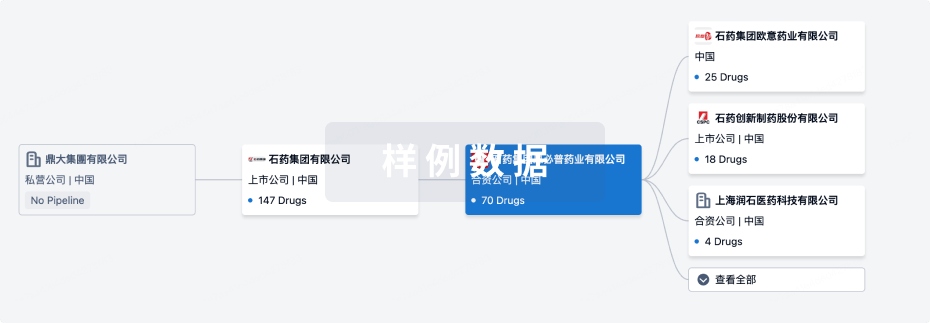
使用我们的机构树数据加速您的研究。
登录
或
管线布局
2026年05月13日管线快照
管线布局中药物为当前组织机构及其子机构作为药物机构进行统计,早期临床1期并入临床1期,临床1/2期并入临床2期,临床2/3期并入临床3期
药物发现
3
3
其他
登录后查看更多信息
当前项目
| 药物(靶点) | 适应症 | 全球最高研发状态 |
|---|---|---|
CN120698954 专利挖掘 | 肿瘤 更多 | 药物发现 |
CN118724760 ( NHE1 )专利挖掘 | 心肌损伤 更多 | 药物发现 |
CN116621737 ( Trypsin )专利挖掘 | 胰腺炎 更多 | 药物发现 |
Dual AChE/BChE inhibitors 8(Tianjin University of Technology) ( ACHE x BCHE ) | 阿尔茨海默症 更多 | 无进展 |
Dual AChE/BChE inhibitors 3(Tianjin University of Technology) ( ACHE x BCHE ) | 阿尔茨海默症 更多 | 无进展 |
登录后查看更多信息
药物交易
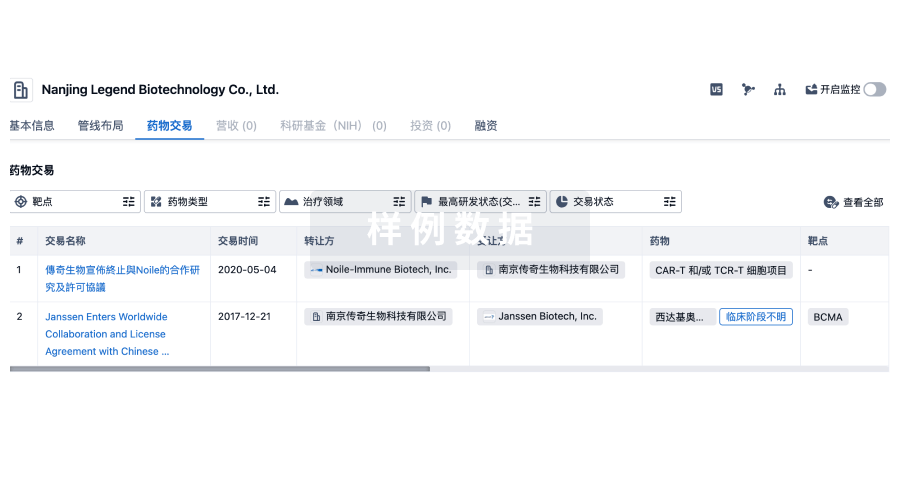
使用我们的药物交易数据加速您的研究。
登录
或
转化医学
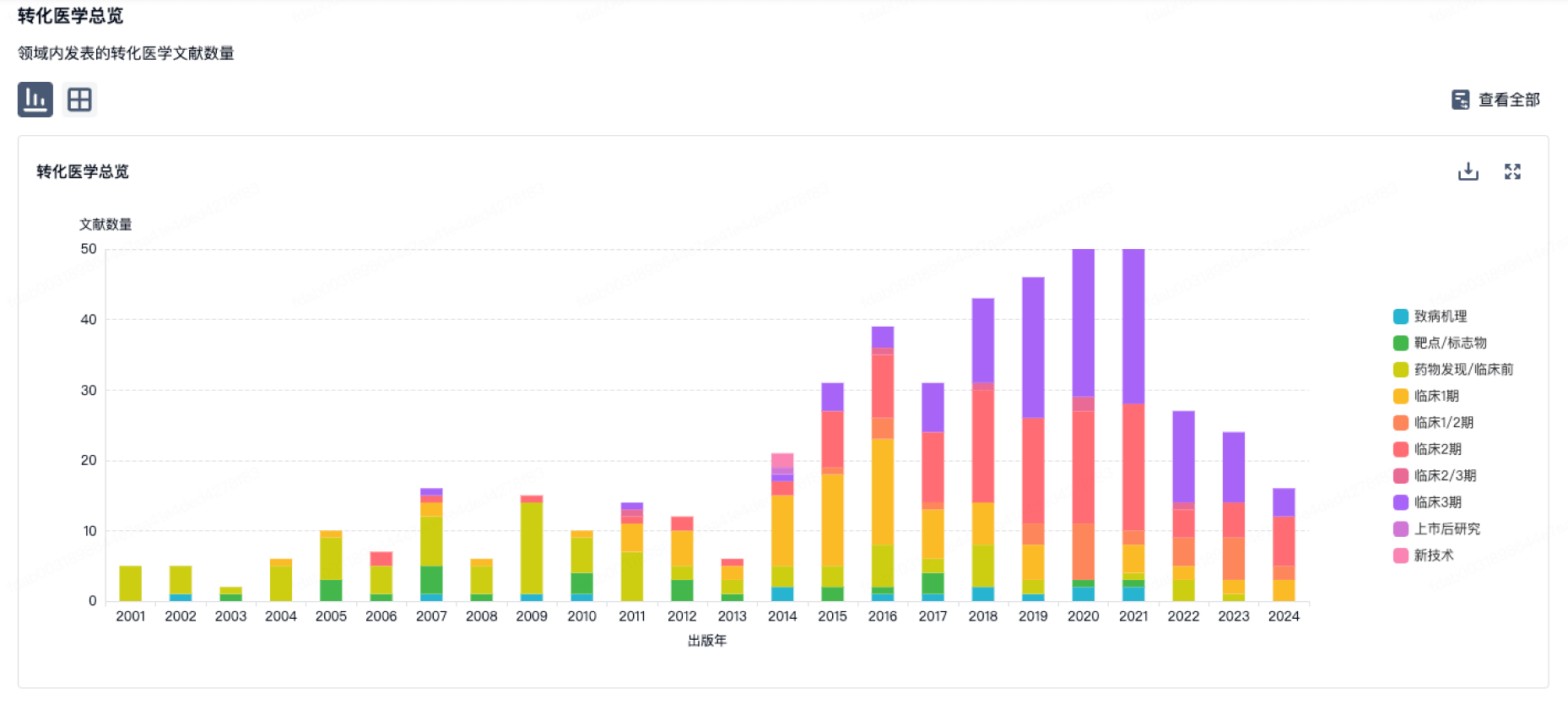
使用我们的转化医学数据加速您的研究。
登录
或
营收
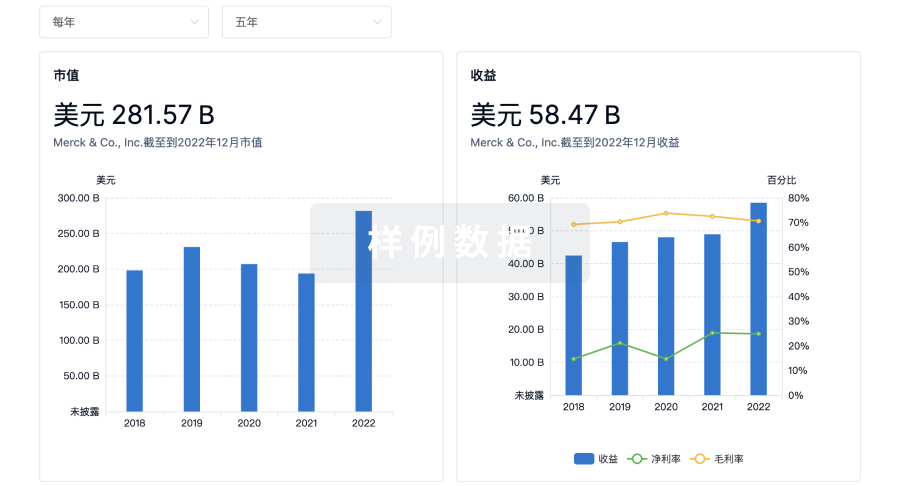
使用 Synapse 探索超过 36 万个组织的财务状况。
登录
或
科研基金(NIH)
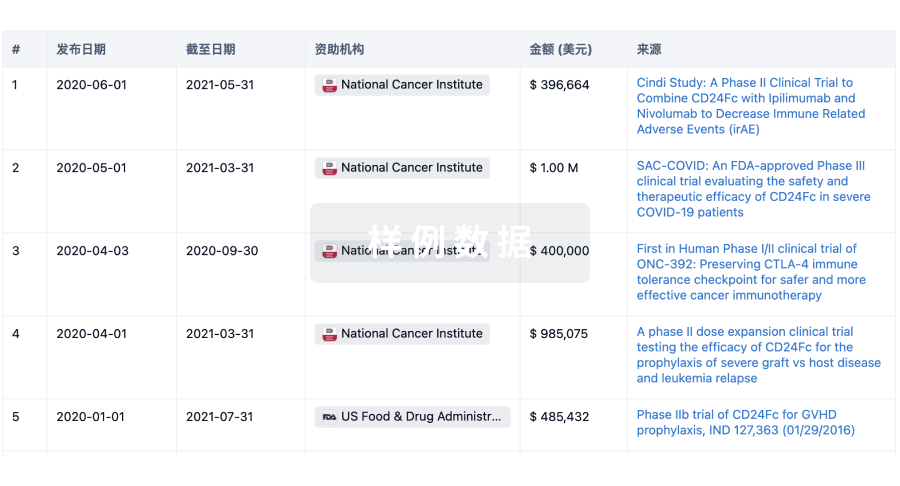
访问超过 200 万项资助和基金信息,以提升您的研究之旅。
登录
或
投资
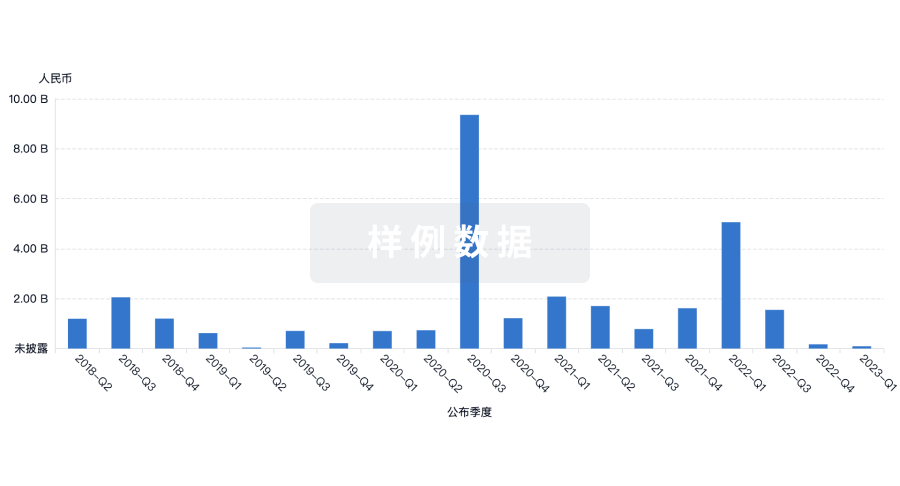
深入了解从初创企业到成熟企业的最新公司投资动态。
登录
或
融资
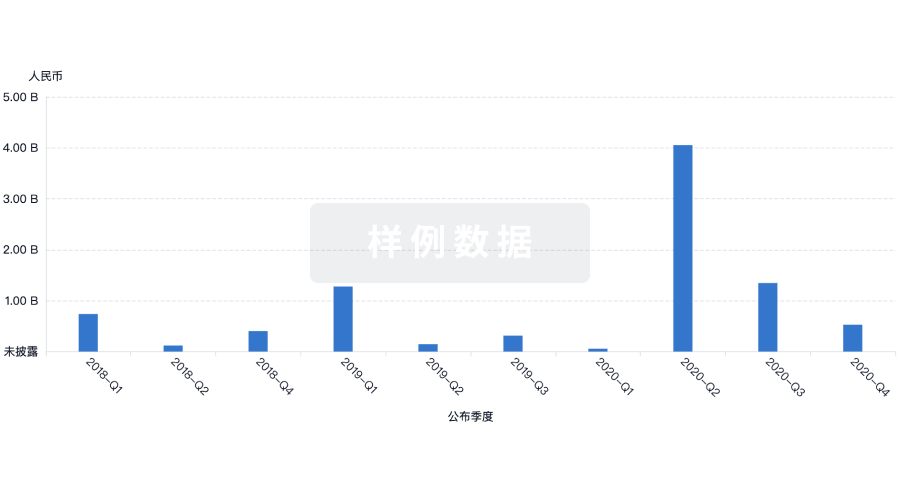
发掘融资趋势以验证和推进您的投资机会。
登录
或
生物医药百科问答
全新生物医药AI Agent 覆盖科研全链路,让突破性发现快人一步
立即开始免费试用!
智慧芽新药情报库是智慧芽专为生命科学人士构建的基于AI的创新药情报平台,助您全方位提升您的研发与决策效率。
立即开始数据试用!
智慧芽新药库数据也通过智慧芽数据服务平台,以API或者数据包形式对外开放,助您更加充分利用智慧芽新药情报信息。
生物序列数据库
生物药研发创新
免费使用
化学结构数据库
小分子化药研发创新
免费使用