预约演示
更新于:2026-08-27

Shanghai University
更新于:2026-08-27
概览
标签
肿瘤
皮肤和肌肉骨骼疾病
神经系统疾病
小分子化药
生物药
多肽药物
疾病领域得分
一眼洞穿机构专注的疾病领域

技术平台
公司药物应用最多的技术
靶点
公司最常开发的靶点
关联
靶点 |
作用机制 |
在研机构 |
原研机构 |
在研适应症 |
非在研适应症 |
最高研发阶段 |
首次获批国家/地区 |
首次获批日期 |


靶点 |
作用机制 |
在研机构 |
原研机构 |
在研适应症 |
非在研适应症 |
最高研发阶段 |
首次获批国家/地区 |
首次获批日期 |
靶点 |
作用机制 |
在研机构 |
原研机构 |
在研适应症 |
非在研适应症 |
最高研发阶段 |
首次获批国家/地区 |
首次获批日期 |
ITMCTR2025000595
Research on Brain Computer Interface and Traditional Chinese Medicine Multimodal Diagnosis and Treatment Technology for Patients with Mental Depression
ChiCTR2500107536
The effect of morning vs evening exercise training on physical fitness in older adults: A randomized control trial
ChiCTR2400087727
The effects of a randomized, crossover study of functional and plyometric training on volleyball players' performance
100 项与 上海大学 相关的临床结果
登录后查看更多信息
登录后查看更多信息
2027-01-01TALANTA
Eu-doped Tourmaline@MOF-ZnO core-shell nanocomposites: Enabling UV-activated room-temperature and ppb-level n-butanol sensing
Article
作者: Qiao, Yiyu ; Zhu, Xiaotao ; Guan, Nianci ; Yang, Xuechun ; Guo, Yun ; Guo, Hui ; Liu, Yinzhong ; Li, Xiaofan ; Wang, Lingchao
Achieving gas sensors that exhibit excellent sensitivity, selectivity, and rapid response to volatile organic compounds (VOCs) is critically important for effective environmental monitoring applications. In this research, a novel Eu-doped Tourmaline @MOF-ZnO core-shell nanocomposite was designed and fabricated, integrating a MOF-derived porous ZnO shell, a spontaneously polarized tourmaline core, and rare-earth Eu doping. The gas sensing properties of the sensors were systematically investigated across three different test scenarios: (i) at high temperature in the dark, (ii) at high temperature with UV enhancement, and (iii) at room temperature with UV activation. The optimized 0.08 wt% Eu-5 wt% TML-ZnO sensor achieved an exceptional response of 536 to 100 ppm n-butanol at room temperature under UV activation. The response value exceeds that of the pristine MOF-ZnO sensor by a factor of 14.78. Furthermore, the sensor exhibited rapid response/recovery times (39 s and 23 s, respectively), outstanding selectivity and long-term stability, superior detection capability for ultra-low gas concentrations (LOD = 23.35 ppb). This study pioneers a synergistic UV-activated rare-earth doping strategy for TML@MOF-ZnO core-shell nanostructures, enabling room-temperature ppb-level VOCs sensing.
2026-12-31Artificial Cells Nanomedicine and Biotechnology
Novel anti-rheumatic potential of Eucalrobusone C: inhibition of rheumatoid arthritis fibroblast-like synoviocytes and metabolic reprogramming
Article
作者: Luo, Jiewei ; Chen, Jinshui ; Wu, Tianmin ; Chen, Ting ; Zhu, Yaobin ; Feng, Xuebing
Rheumatoid arthritis (RA) is a chronic autoimmune disorder characterized by synovial hyperplasia, inflammatory cell infiltration, and joint destruction. This study investigates the inhibitory effects and metabolic mechanisms of Eucalrobusone C (EC), a novel formyl-phloroglucinol meroterpenoid derivative isolated from Eucalyptus robusta, on Tumour Necrosis Factor-α (TNF-α)-induced rheumatoid arthritis fibroblast-like synoviocytes (RA-FLSs). EC was extracted and purified, with purity confirmed using 1H Nuclear Magnetic Resonance Spectrum (NMR) at 400 MHz. RA-FLSs were exposed to varying concentrations of EC, followed by comprehensive assessment including CCK8 assay for cell proliferation, flow cytometry for cell death, and Transwell assay for migration and invasion capacity. Metabolomic profiling employed Ultra-High Performance Liquid Chromatography-Quadrupole Time-of-Flight Mass Spectrometry (UHPLC-Q-TOF MS), integrated with multivariate statistical analysis and bioinformatics tools to identify metabolic alterations. Results indicated that EC suppressed RA-FLS proliferation in a time- and concentration-dependent manner, significantly enhanced apoptosis, and inhibited cell migration and invasion. Metabolomics analysis detected 898 metabolites, with 112 upregulated and 67 downregulated in EC-treated groups compared to TNF-α-induced controls. Key differentially expressed metabolites were enriched in pathways including ABC transporters, neuroactive ligand-receptor interactions, protein digestion and absorption, and cAMP signalling. These findings suggest that EC exerts anti-rheumatic effects by modulating these metabolic pathways, offering potential as a therapeutic agent for RA management.
2026-12-01Nano-Micro Letters
Te-Modulated Fe Single Atom with Synergistic Bidirectional Catalysis for High-Rate and Long–Cycling Lithium-Sulfur Battery
Article
作者: Zhao, Hongbin ; He, Ting ; Wang, Lijun ; Guo, Jian ; Yu, Jia ; Chen, Lu ; Liu, Kangfei
Abstract:
Single-atom catalysts (SACs) have garnered significant attention in lithium-sulfur (Li-S) batteries for their potential to mitigate the severe polysulfide shuttle effect and sluggish redox kinetics. However, the development of highly efficient SACs and a comprehensive understanding of their structure–activity relationships remain enormously challenging. Herein, a novel kind of Fe-based SAC featuring an asymmetric FeN5-TeN4 coordination structure was precisely designed by introducing Te atom adjacent to the Fe active center to enhance the catalytic activity. Theoretical calculations reveal that the neighboring Te atom modulates the local coordination environment of the central Fe site, elevating the d-band center closer to the Fermi level and strengthening the d-p orbital hybridization between the catalyst and sulfur species, thereby immobilizing polysulfides and improving the bidirectional catalysis of Li-S redox. Consequently, the Fe-Te atom pair catalyst endows Li-S batteries with exceptional rate performance, achieving a high specific capacity of 735 mAh g−1 at 5 C, and remarkable cycling stability with a low decay rate of 0.038% per cycle over 1000 cycles at 1 C. This work provides fundamental insights into the electronic structure modulation of SACs and establishes a clear correlation between precisely engineered atomic configurations and their enhanced catalytic performance in Li-S electrochemistry.
2026-08-25
100 项与 上海大学 相关的药物交易
登录后查看更多信息
100 项与 上海大学 相关的转化医学
登录后查看更多信息
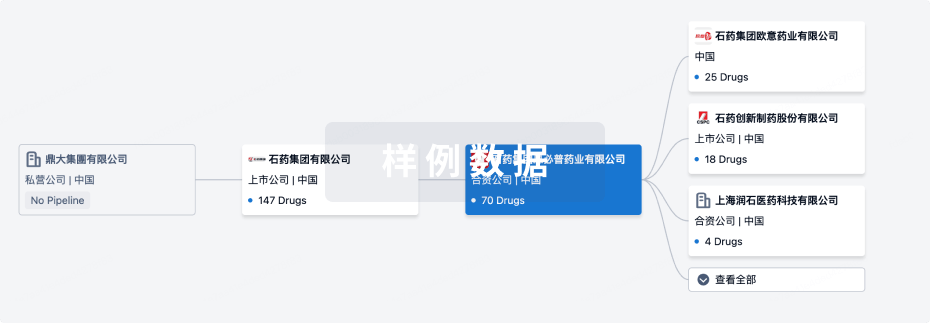
组织架构
使用我们的机构树数据加速您的研究。
登录
或
管线布局
2026年10月07日管线快照
管线布局中药物为当前组织机构及其子机构作为药物机构进行统计,早期临床1期并入临床1期,临床1/2期并入临床2期,临床2/3期并入临床3期
药物发现
6
24
临床前
其他
4
登录后查看更多信息
当前项目
登录后查看更多信息
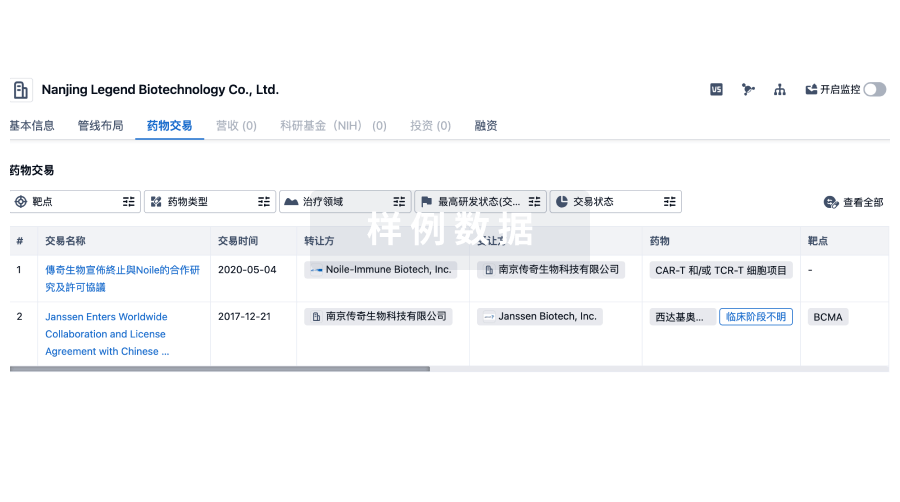
药物交易
使用我们的药物交易数据加速您的研究。
登录
或
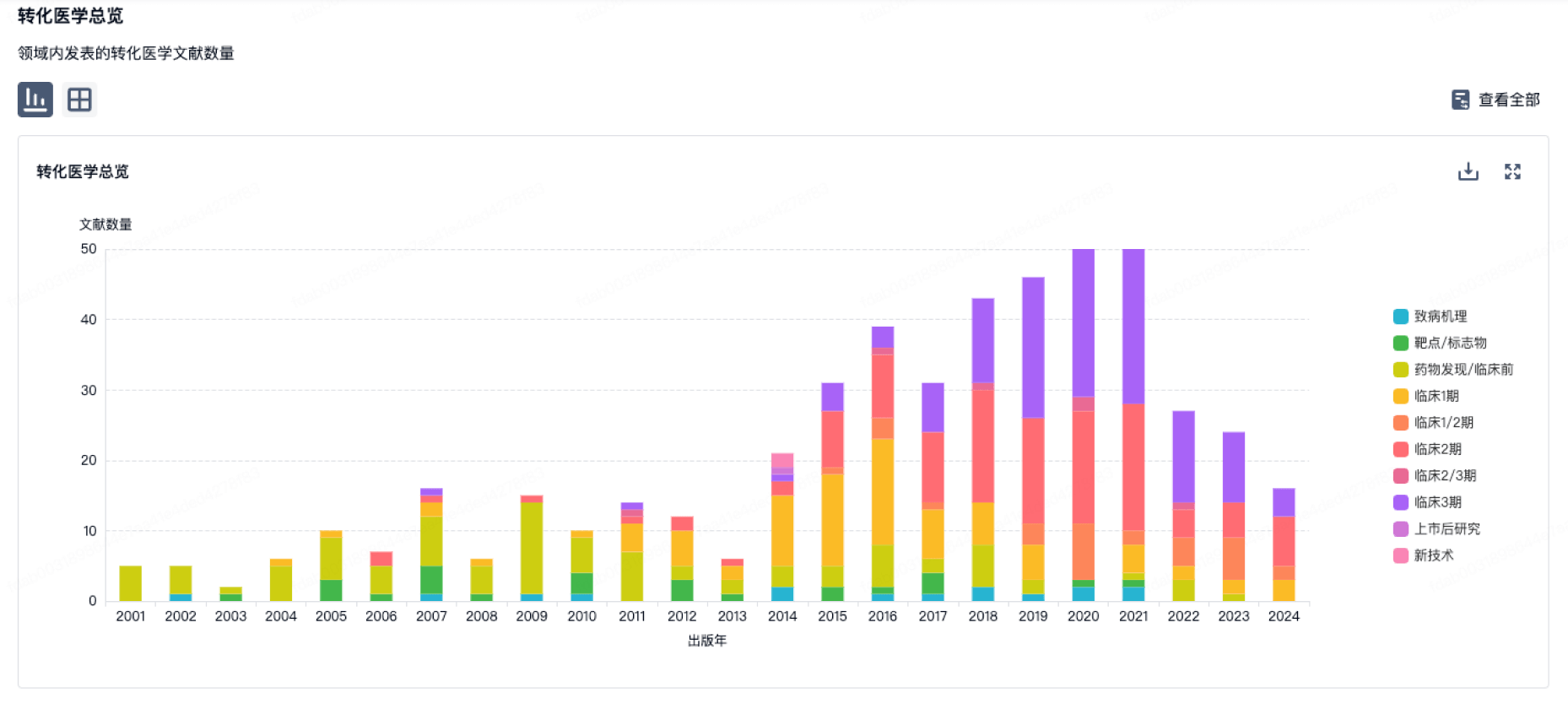
转化医学
使用我们的转化医学数据加速您的研究。
登录
或
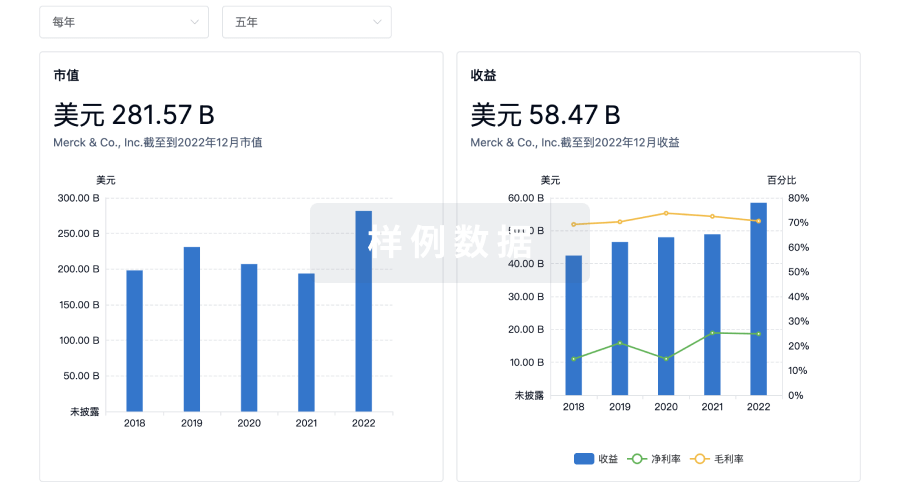
营收
使用 Synapse 探索超过 36 万个组织的财务状况。
登录
或
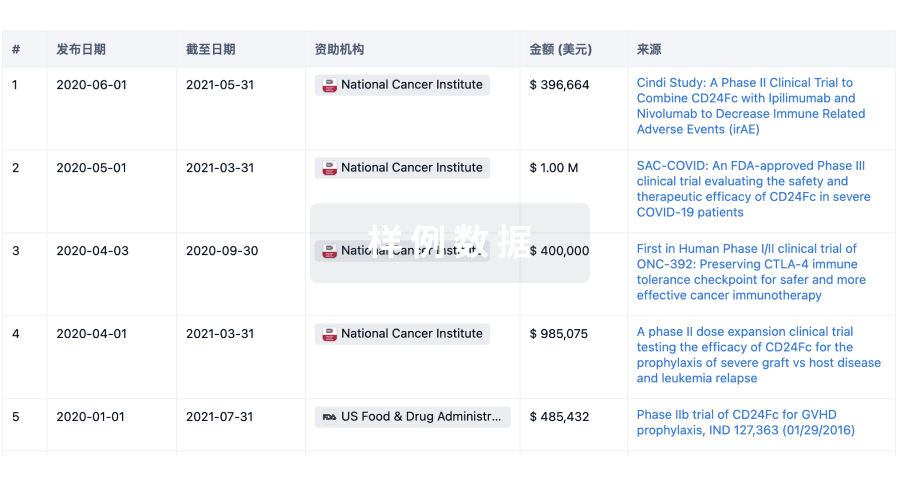
科研基金(NIH)
访问超过 200 万项资助和基金信息,以提升您的研究之旅。
登录
或
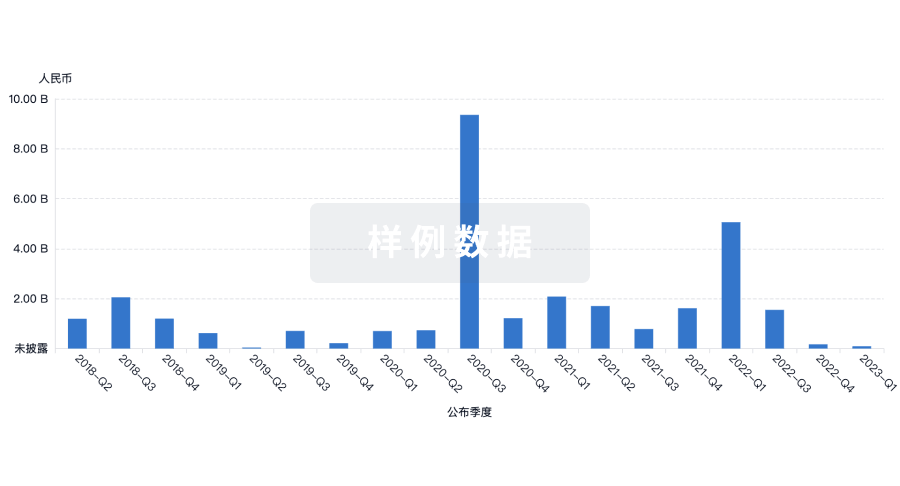
投资
深入了解从初创企业到成熟企业的最新公司投资动态。
登录
或
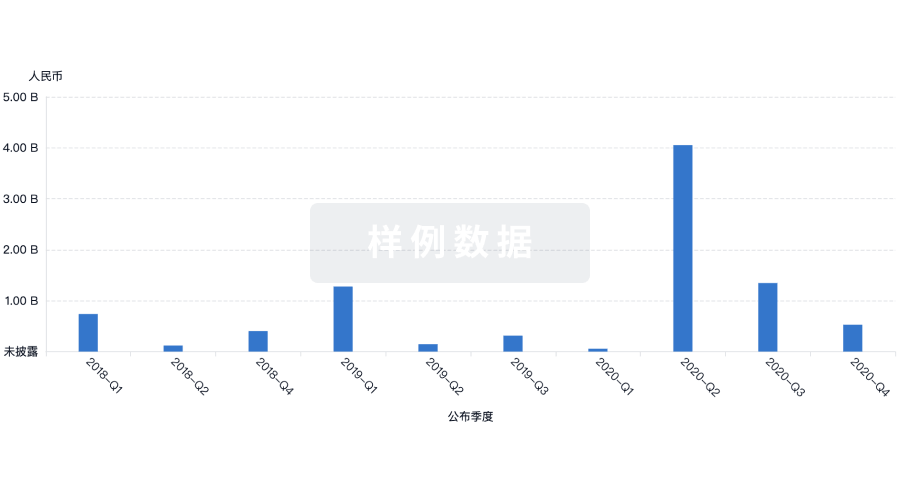
融资
发掘融资趋势以验证和推进您的投资机会。
登录
或
提出任何生物医药研究问题
让每一步生物医药决策都精准制胜
基于十亿级生物数据与全球情报的精准 AI,赋能早期药物发现
立即开始免费试用!
智慧芽新药情报库是智慧芽专为生命科学人士构建的基于AI的创新药情报平台,助您全方位提升您的研发与决策效率。
立即接入生物医药数据包
智慧芽新药库数据也通过智慧芽开放平台,以MCP或API服务形式对外开放。立即使用我们的MCP服务定制您的LLM智能体。
生物序列数据库
生物药研发创新
免费使用
化学结构数据库
小分子化药研发创新
免费使用