预约演示
更新于:2026-06-04

Hirosaki University
更新于:2026-06-04
概览
标签
皮肤和肌肉骨骼疾病
免疫系统疾病
合成多肽
疾病领域得分
一眼洞穿机构专注的疾病领域

技术平台
公司药物应用最多的技术
靶点
公司最常开发的靶点
关联
靶点 |
作用机制 |
在研机构 |
原研机构 |
在研适应症 |
非在研适应症 |
最高研发阶段 |
首次获批国家/地区 |
首次获批日期 |


JPRN-UMIN000056729
Efficacy and Safety of Transcatheter Therapy for Tricuspid Regurgitation: A Systematic Review and Network Meta-Analysis of Randomized Controlled Trials - Efficacy and Safety of Transcatheter Therapy for Tricuspid Regurgitation: A Systematic Review and Network Meta-Analysis of Randomized Controlled Trials
JPRN-UMIN000056472
The Efficiency and Safety of MitraClip in secondary mitral regurgitation: A Systematic Review and Meta-analysis of Randomized Clinical Trials - MitraClip in MR
JPRN-UMIN000058560
Association between Aqueous Humor Components and Retinal Diseases - Association between Aqueous Humor Components and Retinal Diseases
100 项与 Hirosaki University 相关的临床结果
登录后查看更多信息
登录后查看更多信息
2026-05-04ISOTOPES IN ENVIRONMENTAL AND HEALTH STUDIES
Geospatial trends of radon, thoron, and their progeny, and inhalation dose prediction in the diamond mining areas of Yokadouma and Mobilong, Eastern Cameroon
Article
作者: Sapra, Balvinder K. ; Guillaume Samuel, Bineng ; Saϊdou ; Kranrod, Chutima ; Bachirou, Soumayah ; Prajith, Rama ; Tokonami, Shinji ; Gaus, Magni ; Mishra, Rosaline ; Serge Didier, Takoukam Soh
Radon (²²²Rn) and thoron (²²⁰Rn) with their progeny (RnP and TnP) are naturally occurring gases posing health risks when accumulated indoors. This study presents the first geostatistical mapping of indoor exposure to these radionuclides in the diamond mining regions of Yokadouma and Mobilong, eastern Cameroon. Over 101 days, activity concentrations were measured in 50 dwellings using radon - thoron discriminative detectors (RADUET) and progeny sensors (DRPS/DTPS). Data were log-linearly normalised and spatially interpolated by ordinary kriging in ArcGIS to assess long-term human and environmental impacts in radiologically enriched mining areas. Radon concentrations ranged from 12.3 to 198.7 Bq m-³, thoron from 9.8 to 389 Bq m-³, with progeny levels of 0.3-2.7 Bq m-³ (RnP) and 0.2-2.1 Bq m-³ (TnP). Estimated annual effective doses varied from 0.3 to 9.7 mSv y-¹. Active mining sites accounted for over 50 % of RnP and TnP levels due to granite and thorium-rich bedrock. Inhalation doses averaged 5.4 ± 0.8 mSv y-¹ in active mines, 4.8 ± 0.7 mSv y-¹ in nearby villages, and 3.6 ± 0.5 mSv y-¹ in Yokadouma. About 26 % of homes exceeded the ICRP's 6 mSv y-¹ limit, mainly in poorly ventilated mining zones. Kriging and variogram modelling identified high-risk zones requiring intervention. Spatial variability correlated with building materials and ventilation. The inactive Mobilong site showed minimal influence (< 5 %). Findings emphasise mining's role in enhancing indoor radiological hazards and support targeted monitoring and mitigation policies.
2026-05-01JOURNAL OF MICROBIOLOGICAL METHODS
Rapid identification of non-tuberculosis mycobacteria in simulated positive blood cultures with MALDI-TOF MS and Mycobacterium multiplex PCR detection panel
Article
作者: Aono, Akio ; Hosokawa, Naoto ; Kuzukawa, Junya ; Mitarai, Satoshi ; Itasaka, Naoki ; Chikamatsu, Kinuyo ; Hosoya, Makiko ; Watanabe, Naoki ; Murase, Yoshiro ; Otsuka, Yoshihito ; Suzuki, Akinori ; Watari, Tomohisa ; Ebisu, Yosuke
BACKGROUND:
Non-tuberculosis mycobacteria (NTM) cause bloodstream and disseminated infections, for which early treatment initiation following accurate pathogen identification is critical. Rapid identification using MALDI-TOF MS and the PCR-reverse sequence-specific oligonucleotide (PCR-rSSO)-based mycobacteria detection panel are potentially useful. However, their direct application to NTM-positive blood cultures has not been evaluated. We aimed to assess the feasibility of applying these assays directly to blood culture broth without prior subculturing.
METHODS:
Simulated blood culture broth samples with 10 NTM species-comprising type strains and clinical isolates-were prepared. Identification accuracy was assessed by comparison with the reference identifications based on type strains or whole-genome sequencing.
RESULTS:
A total of 34 samples were prepared; Mycobacterium haemophilum was excluded because of identification-related quality issues, leaving 31 samples for analysis. MALDI-TOF MS showed 67.7% concordance with reference identifications (kappa coefficient, 0.64 [95% confidence interval (CI), 0.46-0.82]), with a higher concordance in rapidly growing mycobacteria (RGM) than in slowly growing mycobacteria (SGM). Concordance rates were 100% (kappa coefficient, 1.0) for RGM and 16.7% (kappa coefficient, 0.13 [95% CI, -0.03-0.29]) for SGM. Meanwhile, the PCR-rSSO panel achieved 87.1% overall agreement with the reference identifications (kappa coefficient, 0.86 [95% CI, 0.73-0.99] and enabled rapid detection of RGM and SGM, except for Mycobacterium mageritense, which was not covered by this panel.
CONCLUSION:
MALDI-TOF MS provided accurate identification of RGM, whereas the PCR-rSSO panel demonstrated high identification performance for RGM and SGM. These methods are complementary; their combined utility warrants further evaluation in clinical settings.
2026-05-01JOURNAL OF ENVIRONMENTAL RADIOACTIVITY
Analysis of parameters and seasonal variations of 7Be deposition flux in Dazaifu, western Japan (2017–2018)
Article
作者: Sakoda, Akihiro ; Momoshima, Noriyuki ; Narazaki, Yukinori ; Akata, Naofumi ; Ishikawa, Yoichi
We conducted continuous measurements of atmospheric and precipitation 7Be activity concentrations and deposition fluxes in Dazaifu, western Japan, from June 2017 to May 2018 to clarify the seasonal dynamics of this cosmogenic radionuclide. The annual mean atmospheric 7Be activity concentration was 6.1 mBq/m3, the mean activity concentration in precipitation was 2300 Bq/m3, and the total (wet and dry) deposition flux averaged 6.1 Bq/m2·day. The mean deposition velocity was 1.3 cm/s, and the mean scavenging ratio was 530. Wet deposition accounted for more than 90% of the total deposition, and heavy rainfall events markedly enhanced the deposition flux through strong washout effects. A clear seasonal pattern is observed in the deposition flux. Summer enhancement is mainly associated with increased precipitation and efficient wet scavenging, whereas winter enhancement is primarily driven by higher 7Be activity concentrations in precipitation. These results provide comprehensive observational data on 7Be deposition parameters in a humid mid-latitude region, offering key insights into aerosol‒precipitation interactions and atmospheric transport processes relevant to environmental monitoring and modeling.
100 项与 Hirosaki University 相关的药物交易
登录后查看更多信息
100 项与 Hirosaki University 相关的转化医学
登录后查看更多信息
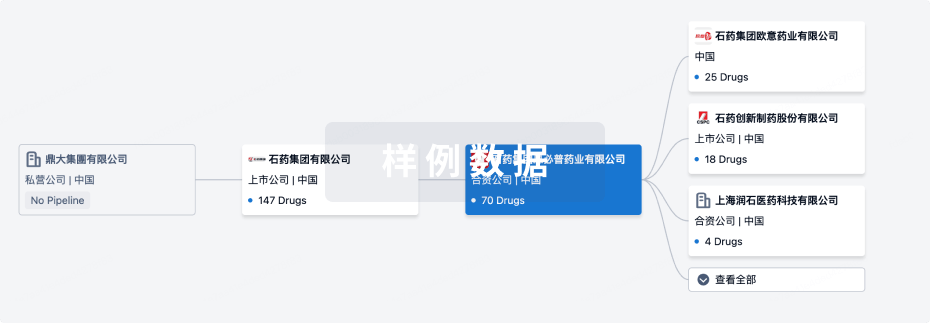
组织架构
使用我们的机构树数据加速您的研究。
登录
或
管线布局
2026年10月12日管线快照
管线布局中药物为当前组织机构及其子机构作为药物机构进行统计,早期临床1期并入临床1期,临床1/2期并入临床2期,临床2/3期并入临床3期
临床2期
1
登录后查看更多信息
当前项目
登录后查看更多信息
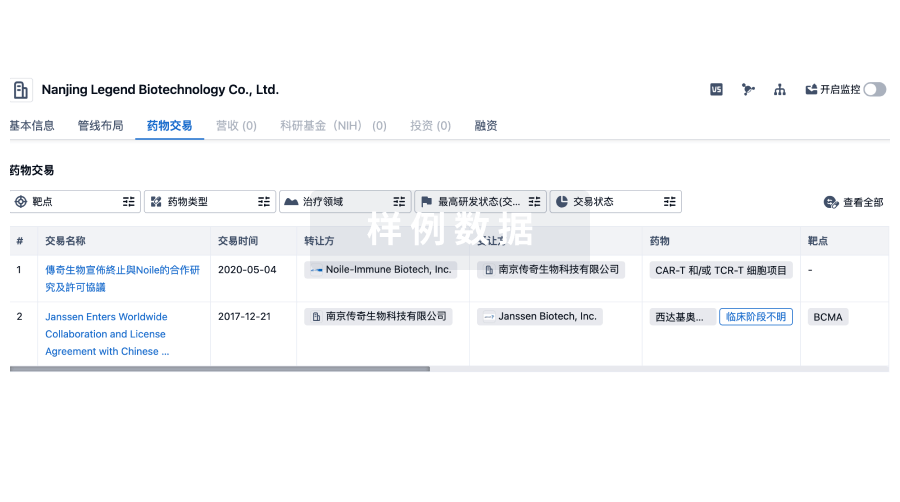
药物交易
使用我们的药物交易数据加速您的研究。
登录
或
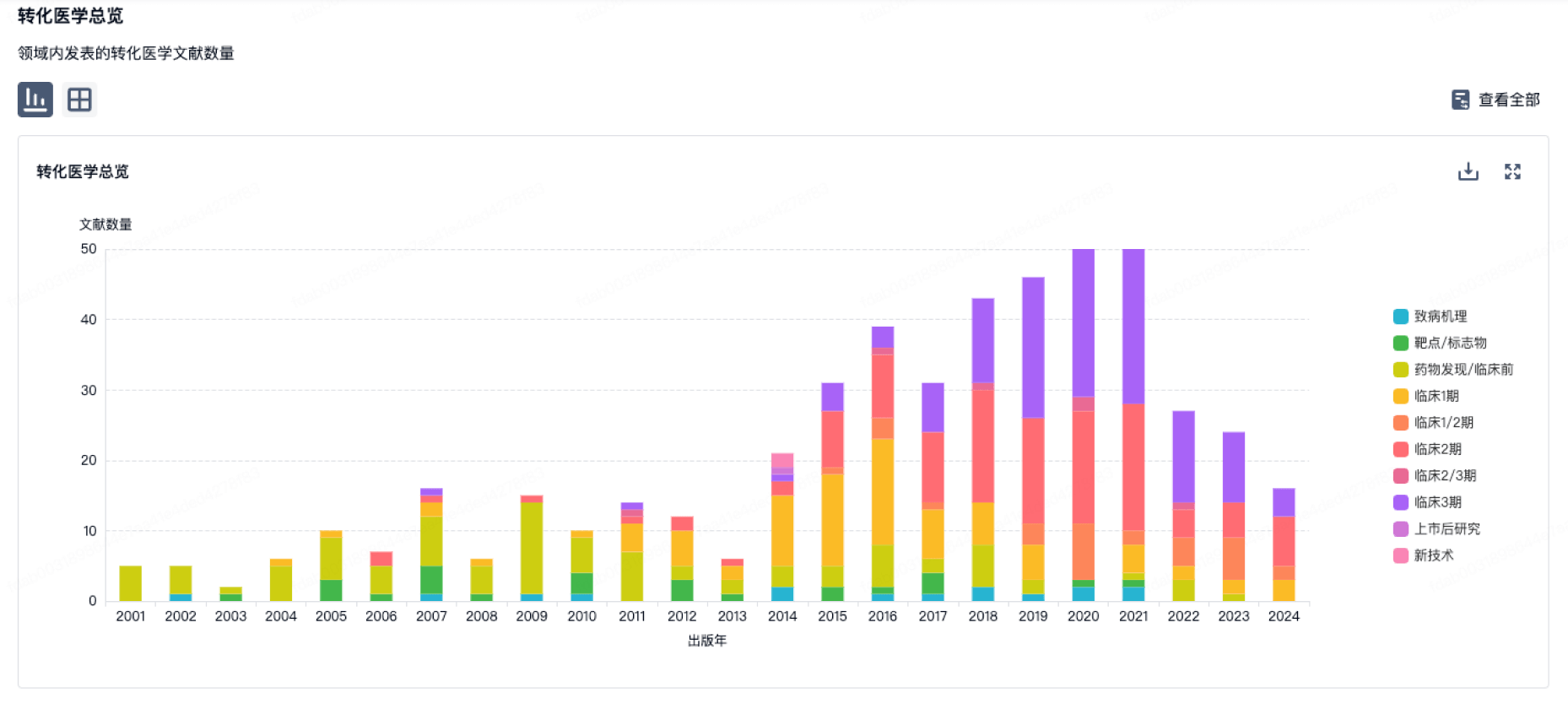
转化医学
使用我们的转化医学数据加速您的研究。
登录
或
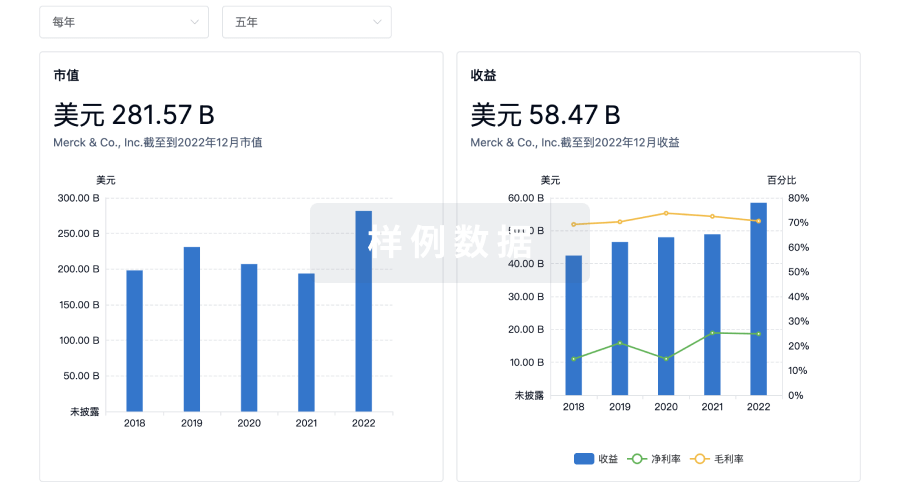
营收
使用 Synapse 探索超过 36 万个组织的财务状况。
登录
或
科研基金(NIH)
访问超过 200 万项资助和基金信息,以提升您的研究之旅。
登录
或
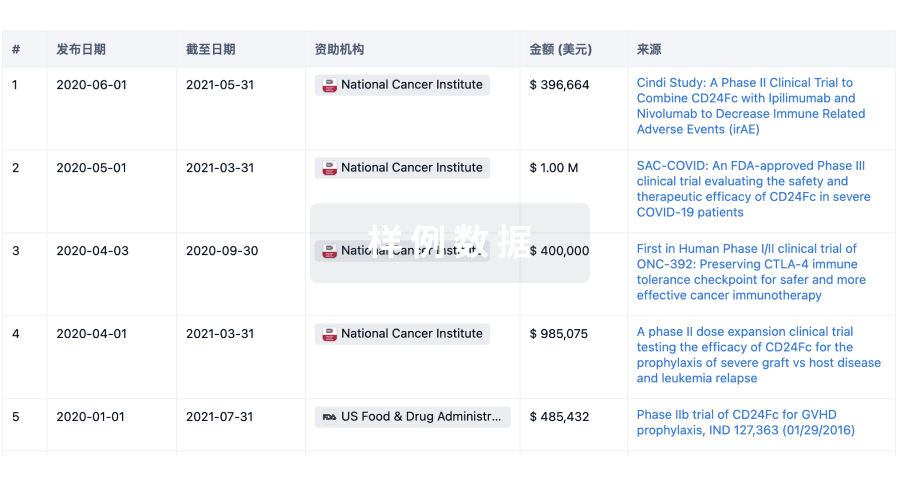
投资
深入了解从初创企业到成熟企业的最新公司投资动态。
登录
或
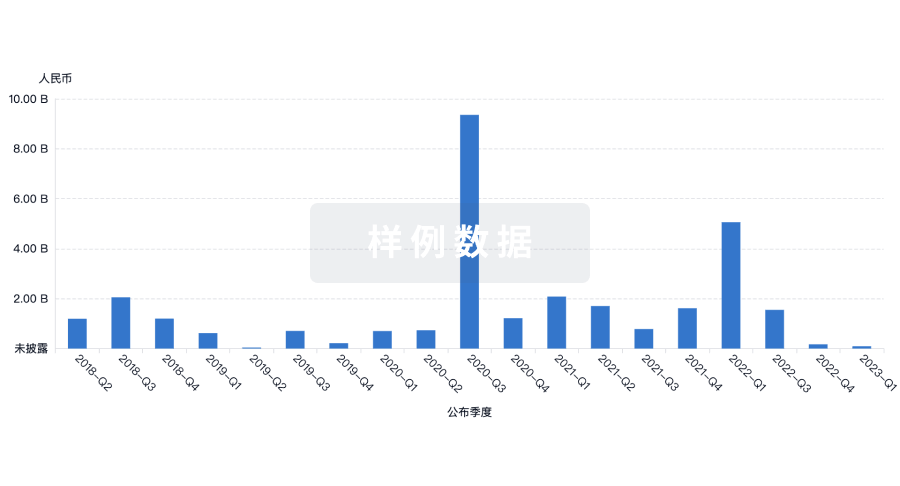
融资
发掘融资趋势以验证和推进您的投资机会。
登录
或
提出任何生物医药研究问题
让每一步生物医药决策都精准制胜
基于十亿级生物数据与全球情报的精准 AI,赋能早期药物发现
立即开始免费试用!
智慧芽新药情报库是智慧芽专为生命科学人士构建的基于AI的创新药情报平台,助您全方位提升您的研发与决策效率。
立即接入生物医药数据包
智慧芽新药库数据也通过智慧芽开放平台,以MCP或API服务形式对外开放。立即使用我们的MCP服务定制您的LLM智能体。
生物序列数据库
生物药研发创新
免费使用
化学结构数据库
小分子化药研发创新
免费使用