预约演示
更新于:2026-08-30

Dragonfly Therapeutics, Inc.
更新于:2026-08-30
概览
标签
肿瘤
皮肤和肌肉骨骼疾病
免疫系统疾病
Fc融合蛋白
生物药
三特异性NK细胞结合器
疾病领域得分
一眼洞穿机构专注的疾病领域

暂无数据
技术平台
公司药物应用最多的技术
暂无数据
靶点
公司最常开发的靶点
暂无数据
| 排名前五的药物类型 | 数量 |
|---|---|
| 生物药 | 5 |
| 三特异性NK细胞结合器 | 4 |
| Fc融合蛋白 | 1 |
| 抗体 | 1 |
| 细胞因子 | 1 |
关联
14
项与 Dragonfly Therapeutics, Inc. 相关的药物作用机制 CD16a拮抗剂 [+2] |
在研适应症 |
非在研适应症- |
最高研发阶段临床1/2期 |
首次获批国家/地区- |
首次获批日期- |
靶点 |
作用机制 EGFR拮抗剂 |
在研适应症 |
非在研适应症- |
最高研发阶段临床1/2期 |
首次获批国家/地区- |
首次获批日期- |
作用机制 CD16a激动剂 [+2] |
在研适应症 |
非在研适应症- |
最高研发阶段临床1期 |
首次获批国家/地区- |
首次获批日期- |

5
项与 Dragonfly Therapeutics, Inc. 相关的临床试验NCT07232121
A Phase 1 Double-Blind, Randomized, Placebo-Controlled, Single Ascending Dose Study to Evaluate Safety, Tolerability, Pharmacokinetics, Immunogenicity and Pharmacodynamics of DF5112 in Healthy Adult Participants
This is a double-blind, randomized, placebo-controlled, single ascending dose (SAD) study to evaluate safety, tolerability, pharmacokinetics (PK), immunogenicity and pharmacodynamics (PD) of DF5112 in healthy adult participants. A total of 48 participants are planned to be randomized into 6 cohorts. Additional cohorts at intermediate dose levels may be evaluated. Each cohort will include 8 healthy participants randomized to receive DF5112 or placebo through intravenous (IV) or subcutaneous (SC) administration. Following dose administration participants will be confined at the clinical research unit for observation for approximately 1 week and then will return for subsequent pre-identified follow up visits through Day 29.
开始日期2026-01-12 |
申办/合作机构 |
NCT06108479
A Phase I/Ib, First-In-Human, Multi-Part, Open-Label Study to Investigate the Safety, Tolerability, Pharmacokinetics, Biological and Clinical Activity of DF6215 Monotherapy and in Combination Therapy in Patients With Advanced (Unresectable, Recurrent, or Metastatic) Solid Tumors
A Phase I/Ib, First-In-Human, Multi-Part, Open-Label Study to Investigate the Safety, Tolerability, Pharmacokinetics, Biological and Clinical Activity of DF6215 Monotherapy and in Combination Therapy in Patients with Advanced (Unresectable, Recurrent, or Metastatic) Solid Tumors; is designed to assess the safety, tolerability, and preliminary efficacy of DF6215 alone or in combination with pembrolizumab in patients with advanced solid tumors. The study is open-label, meaning both participants and investigators are aware of the treatment being administered.
开始日期2023-11-28 |
申办/合作机构 |
NCT05597839
A Phase 1/1b First-In-Human, Multi-Part, Open-Label Study to Investigate the Safety, Tolerability, Pharmacokinetics, Biological, and Clinical Activity of DF9001 as a Monotherapy and in Combination Therapies in Patients With Advanced (Unresectable, Recurrent, or Metastatic) Solid Tumors, and Expansion in Selected Indications
DF9001-001 is a study of a new molecule that targets natural killer (NK) cells and T-cell activation signals to specific receptors on cancer cells. The study will occur in two phases. The first phase will be a dose escalation phase, enrolling patients with various types of solid tumors that express epidermal growth factor receptor (EGFR). The second phase will include a dose expansion using the best dose selected from the first phase of the study. Multiple cohorts will be opened with eligible patients having selected solid tumors (monotherapy and in combination with pembrolizumab).
开始日期2022-11-15 |
申办/合作机构 |
100 项与 Dragonfly Therapeutics, Inc. 相关的临床结果
登录后查看更多信息
0 项与 Dragonfly Therapeutics, Inc. 相关的专利(医药)
登录后查看更多信息
2
项与 Dragonfly Therapeutics, Inc. 相关的文献(医药)2022-12-01·Advances in rheumatology (London, England)
Fibronectin extra domain A as a drug delivery targeting epitope for rheumatoid arthritis
Article
作者: Ritacco, Wendy ; Knight, Heather ; Mitra, Soumya ; Melim, Terry L ; Zhang, Liang ; Westmoreland, Susan ; Erickson, Jamie E ; Bryant, Shaughn H ; Goodearl, Andrew D ; Benatuil, Lorenzo ; Sun, Victor Z ; Homan, Kristoff ; Sterman, Annette J Schwartz ; Farnham, Avery
Abstract:
Objectives:
To assess the ability of monoclonal antibodies (mAbs) specific for fibronectin extra-domain A (FnEDA) to target diseased tissues of mouse collagen induced arthritis (mCIA) models. To explore the parameters of the targeting exhibited by anti-FnEDA mAbs including timing and location.
Methods:
Targeting capabilities of anti-FnEDA mAbs were demonstrated by biodistribution study where i.v. injected antibodies were detected by conjugated near-infrared (NIR) fluorophore, 125I label and immunohistochemistry (IHC) of the injected antibody. Location of FnEDA expression in both mCIA and human RA tissue were mapped by IHC. Quantification of anti-FnEDA mAbs targeted to disease tissue was measured by whole-body autoradiography (WBA). Timing of the targeting was interrogated with fluorescent and confocal microscopy using anti-FnEDA mAbs labeled with different fluorophores and injected at different times.
Results:
Anti-FnEDA mAbs show specific targeting to diseased paws of mCIA animal. The targeting was focused on inflamed synovium which is consistent with FnEDA expression profile in both mCIA and human RA tissues. Anti-FnEDA mAbs accumulated in diseased tissue at pharmacologically relevant concentrations, the targeting was sustained for up to 14 days and FnEDA was able to support targeting of multiple doses of anti-FnEDA mAbs given 5 days apart.
Conclusion:
FnEDA is specifically upregulated in the inflamed tissues of mCIA. Antibodies specific for FnEDA can be useful as molecular delivery vehicles for disease specific targeting of payloads to inflamed joint tissue.
Frontiers in Immunology
Fc-enhanced anti-CCR6 antibody elicits robust therapeutic effects across multiple autoimmune diseases
Article
作者: Shane, Hillary L. ; Yap, Yu-Anne ; Xie, Liang ; Ang, Caroline ; Robert, Remy ; Mackay, Charles R. ; Alam, Md Jahangir
Activation of the chemokine receptor CCR6 orchestrates the trafficking of IL-17-producing pathogenic immune cells to the sites of inflammation, thus contributing to the development of numerous inflammatory and autoimmune diseases. As such, CCR6 has emerged as a promising therapeutic target for treating Th17-mediated inflammatory disorders. In this study, we employed a targeted strategy, which we termed ‘immunological surgery’, using an Fc-engineered anti-human CCR6 monoclonal antibody (αhCCR6 DLE-mut mAb) designed to engage effector mechanisms against CCR6
+
immune cells and deplete them. We evaluated the therapeutic efficacy of this approach in preclinical mouse models of representative autoimmune conditions, including scleroderma, psoriasis, and rheumatoid arthritis. Selective targeting of CCR6
+
cells with αhCCR6 DLE-mut mAb exhibited remarkable efficacy in reducing established inflammation across all disease models. In a bleomycin-induced scleroderma model, αhCCR6 mAb treatment markedly reduced dermal thickening and attenuated scleroderma-associated lung inflammation and fibrosis. In the imiquimod-induced psoriasis model, administration of αhCCR6 mAb led to significant reductions in skin thickening, epidermal hyperplasia, and dermal immune cell infiltration. Similarly, in the collagen-induced arthritis (CIA) model, αhCCR6 mAb treatment significantly alleviated all signs of joint inflammation. Thus, our findings demonstrated that CCR6-targeted therapy could be a promising and effective approach for the treatment of Th17-mediated inflammatory disorders. Moreover, we believe this approach may overcome the challenge of chemokine receptor redundancy by leveraging receptor-specific signatures to eliminate pathogenic leukocyte subsets with high precision.
177
项与 Dragonfly Therapeutics, Inc. 相关的新闻(医药)2026-07-02
·动脉网
The non-small cell lung cancer market is experiencing robust growth, driven by the increasing incidence of lung cancer and continuous advancements in precision medicine. The introduction of targeted therapies, immune checkpoint inhibitors, and biomarker-driven treatment approaches has significantly improved patient outcomes and expanded treatment options. 非小细胞肺癌市场正经历强劲增长,这得益于肺癌发病率的不断上升以及精准医疗的持续进步。靶向疗法、免疫检查点抑制剂和基于生物标志物的治疗方法的引入,显著改善了患者预后并扩大了治疗选择。Additionally, the expected launch of emerging therapies such as BMS-986504 + Pembrolizumab (BMS), Iza-bren (izalontamab brengitecan) (SystImmune and Bristol Myers Squibb), Neladalkib (NVL-655) (Nuvalent), PF-08046054 (SGN-PDL1V) (Pfizer), and others will further propel the market growth.. 此外,BMS-986504联合帕博利珠单抗(百时美施贵宝)、Iza-bren(izalontamab brengitecan)(SystImmune与百时美施贵宝)、Neladalkib(NVL-655)(Nuvalent)、PF-08046054(SGN-PDL1V)(辉瑞)等新兴疗法的预期上市,将进一步推动市场增长。LAS VEGAS 拉斯维加斯, ,July 2, 2026 2026年7月2日/PRNewswire/ -- Recently published Non-small Cell Lung Cancer Market Insights report includes a comprehensive understanding of current treatment practices, non-small cell lung cancer emerging drugs, market share of individual therapies, and current and forecasted market size from 2022 to 2036, segmented into leading markets [the United States, the EU4 (Germany, France, Italy, and Spain), the United Kingdom, and Japan].. /美通社/ -- 最近发布的《非小细胞肺癌市场洞察》报告包括对当前治疗实践、非小细胞肺癌新兴药物、各疗法市场份额以及2022年至2036年当前和预测市场规模的全面理解,按主要市场(美国、欧盟四国(德国、法国、意大利和西班牙)、英国和日本)进行细分。Non-small Cell Lung Cancer Market Summary 非小细胞肺癌市场概览The market size for non-small cell lung cancer was found to be 非小细胞肺癌的市场规模被发现为USD 33 billion 330亿美元in the 7MM in 2025. 在2025年的7毫米口径中。The total market size of EGFR-mutated NSCLC in the US was nearly 美国EGFR突变非小细胞肺癌(NSCLC)的总体市场规模接近USD 3.8 billion 38亿美元in 2025. EGFR is one of the profitable biomarker segments, with blockbuster therapies such as TAGRISSO. TAGRISSO is now the dominant EGFR inhibitor. 2025年。EGFR是盈利的生物标志物细分领域之一,拥有TAGRISSO等重磅疗法。TAGRISSO目前是主导的EGFR抑制剂。The total market size of ALK-mutated NSCLC in the US was nearly 美国ALK突变型非小细胞肺癌(NSCLC)的总体市场规模接近USD 1.28 billion 12.8亿美元in 2025. In the adjuvant setting, ALECENSA has become the first approved ALK inhibitor following surgical resection, expanding treatment duration and increasing the addressable early-stage population. 2025年。在辅助治疗领域,ALECENSA已成为首个在手术切除后获批的ALK抑制剂,延长了治疗持续时间,并扩大了可治疗的早期患者人群。In 2025, the 7MM had approximately 2025年,7MM大约有539,000 539,000incident cases of NSCLC. These are expected to rise due to the growing incident population and advancements in diagnostic capabilities during the forecast period (2026−2036). 非小细胞肺癌(NSCLC)的新发病例。在预测期(2026−2036年)内,由于新发患者人群的增长以及诊断技术的进步,预计这些病例数将上升。Leading non-small cell lung cancer pharmaceutical companies, such as 领先的非小细胞肺癌制药公司,例如SystImmune, Bristol Myers Squibb, Nuvalent, AbbVie, Revolution Medicines, GSK, Compugen, BioNTech, Candel Therapeutics, OncoC4, BioNTech, Incyte, Macrogenics, Iovance Biotherapeutics, Hoffmann-La Roche, Genentech, Regeneron Pharmaceuticals, Kelun-Biotech, Immutep, Moderna Therapeutics, BeyondSpring, Cullinan Oncology, Eli Lilly and Company, OSE Immuno-therapeutics, Pfizer, ImmunityBio, Jiangsu HengRui Medicine, AstraZeneca, Arcus Biosciences, Gilead Sciences, Merck, Otsuka Pharmaceutical (Taiho, and Astex Pharmaceuticals), ArriVent BioPharma, Shanghai Allist Pharmaceuticals, Innovent Biologics, Takeda Pharmaceutical, Apollomics, Avistone Biotechnology,. SystImmune、百时美施贵宝、Nuvalent、艾伯维、Revolution Medicines、葛兰素史克、Compugen、BioNTech、Candel Therapeutics、OncoC4、BioNTech、Incyte、MacroGenics、Iovance Biotherapeutics、霍夫曼-拉罗氏、基因泰克、再生元制药、科伦博泰、Immutep、Moderna Therapeutics、BeyondSpring、Cullinan Oncology、礼来公司、OSE Immuno-therapeutics、辉瑞、ImmunityBio、江苏恒瑞医药、阿斯利康、Arcus Biosciences、吉利德科学、默沙东、大冢制药(Taiho 和 Astex Pharmaceuticals)、ArriVent BioPharma、上海艾力斯医药、信达生物、武田制药、Apollomics、Avistone Biotechnology。and others, are developing new non-small cell lung cancer treatment drugs that can be available in the non-small cell lung cancer market in the coming years. 以及其他公司,正在开发新的非小细胞肺癌治疗药物,这些药物有望在未来几年内上市。The promising non-small cell lung cancer therapies in clinical trials include 临床试验中颇具前景的非小细胞肺癌疗法包括Iza-bren (izalontamab brengitecan), BMS-986504 + Pembrolizumab, Neladalkib (NVL-655), PF-08046054 (SGN-PDL1V), Telisotuzumab adizutecan, Temab-A (ABBV-400), Daraxonrasib (RMC-6236), ZEJULA (niraparib), Rilvegostomig (AZD2936), Pumitamig (BNT327/PM8002), CAN-2409 (aglatimagene besadenovec), Gotistobart (BNT316, ONC-392), ZYNYZ (retifanlimab-dlwr, INCMGA00012), LN-145, Divarasib (GDC-6036), Fianlimab (REGN3767), Sacituzumab tirumotecan (MK-2870/SKB264), Eftilagimod alpha, Intismeran autogene (mRNA-4157/V940), Plinabulin, Zipalertinib, Olomorasib, Ceralasertib, TEDOPI, Sigvotatug vedotin, ANKTIVA, Pyrotinib, Volrustomig, TRODELVY (sacituzumab govitecan), Domvanalimab + Combination Therapies, OPDUALAG (nivolumab and relatlimab), Calderasib (MK-1084), Firmonertinib, IBI363, Vebreltinib (APL-101), . 伊扎布伦(izalontamab brengitecan)、BMS-986504 + 帕博利珠单抗、内拉达尔基布(NVL-655)、PF-08046054(SGN-PDL1V)、泰利索珠单抗 adizutecan、Temab-A(ABBV-400)、达拉雄拉西布(RMC-6236)、ZEJULA(尼拉帕利)、瑞尔维戈斯托米格(AZD2936)、普米塔米格(BNT327/PM8002)、CAN-2409(aglatimagene besadenovec)、戈蒂斯托巴特(BNT316,ONC-392)、ZYNYZ(retifanlimab-dlwr,INCMGA00012)、LN-145、迪瓦拉西布(GDC-6036)、菲安利马单抗(REGN3767)、萨西妥珠单抗 tirumotecan(MK-2870/SKB264)、依夫替拉吉莫德α、英蒂斯美兰自基因(mRNA-4157/V940)、普利纳布林、齐帕替尼、奥洛莫拉西布、塞拉拉瑟替布、TEDOPI、西格沃塔图格维多汀、ANKTIVA、吡咯替尼、沃尔鲁斯托米格、TRODELVY(萨西妥珠单抗戈维替康)、多姆瓦那利马单抗 + 联合疗法、OPDUALAG(纳武利尤单抗和瑞拉利马单抗)、卡尔德拉西布(MK-1084)、菲尔莫奈替尼、IBI363、韦布替尼(APL-101)and others. 以及其他。Discover bispecific antibody treatments for EGFR-mutated non-small cell lung cancer @ 探索针对EGFR突变非小细胞肺癌的双特异性抗体疗法 @https://www.delveinsight.com/report-store/non-small-cell-lung-cancer-nsclc-market https://www.delveinsight.com/report-store/non-small-cell-lung-cancer-nsclc-marketKey Factors Driving the Growth of the Non-small Cell Lung Cancer Market 推动非小细胞肺癌市场增长的关键因素Rising NSCLC Incidence: 非小细胞肺癌发病率上升:Non-small cell lung cancer continues to represent a significant healthcare burden in the United States, although its incidence is showing signs of stabilization. This trend reflects the impact of sustained tobacco control efforts, which have contributed to a gradual decline in overall lung cancer rates, while broader adoption of low-dose CT screening and increased incidental detection through routine imaging have led to more diagnoses at earlier stages. 非小细胞肺癌在美国仍然构成重大的医疗负担,尽管其发病率已显现出稳定迹象。这一趋势反映了持续烟草控制措施的影响,这些措施促使整体肺癌发病率逐渐下降;同时,低剂量CT筛查的广泛普及以及常规影像学检查中偶然发现病例的增加,使得更多患者能够在早期阶段获得诊断。In 2025, the US recorded approximately 203,000 incident NSCLC cases, a figure projected to increase modestly to around 205,000 cases by 2036.. 2025年,美国记录的新发非小细胞肺癌(NSCLC)病例约为203,000例,预计到2036年将小幅增至约205,000例。Rising Opportunities in EGFR NSCLC Therapies: EGFR非小细胞肺癌治疗领域日益增长的机遇:In EGFR-mutated NSCLC, where Tagrisso continues to dominate the market, Rybrevant is steadily strengthening its position. The J&J therapy has expanded into the broader first-line EGFR-mutated NSCLC setting through its combination with the oral EGFR-TKI Lazcluze. Additionally, the company is pursuing the launch of a subcutaneous (SC) formulation of Rybrevant to further enhance patient convenience and treatment accessibility.. 在泰瑞沙持续主导市场的EGFR突变非小细胞肺癌领域,Rybrevant的市场地位正稳步增强。通过与口服EGFR-TKI药物Lazcluze联用,强生公司的该疗法已拓展至更广泛的一线EGFR突变非小细胞肺癌治疗场景。此外,该公司正推动Rybrevant皮下注射制剂的上市,以进一步提升患者便利性和治疗可及性。The Untapped Potential of Front-Line NSCLC Treatment: 一线非小细胞肺癌治疗的未开发潜力:Front-line NSCLC represents a large market, currently only being dominated by anti-PD1 drugs and anti-PD-1 + CTx combination, leaving a significant opportunity for therapy beyond anti-PD1 to deliver higher clinical benefit. 一线非小细胞肺癌(NSCLC)市场庞大,目前主要由抗PD-1药物及抗PD-1联合化疗(CTx)方案主导,这为超越抗PD-1的疗法提供了显著机会,以带来更高的临床获益。Robust NSCLC Clinical Trial Activities: 稳健的非小细胞肺癌临床试验活动:The NSCLC clinical trial landscape is robust with various candidates in late stage of development, including 非小细胞肺癌(NSCLC)临床试验格局强劲,有多种候选药物处于后期开发阶段,包括BMS-986504 + Pembrolizumab BMS-986504 + 帕博利珠单抗(BMS), (电池管理系统)Iza-bren (izalontamab brengitecan) 伊扎布伦(伊扎仑塔单抗布伦吉特康)(SystImmune and Bristol Myers Squibb), (SystImmune 和百时美施贵宝)Neladalkib (NVL-655) 奈拉达尔克布(NVL-655)(Nuvalent), (Nuvalent),PF-08046054 (SGN-PDL1V) PF-08046054(SGN-PDL1V)(Pfizer), (辉瑞)Telisotuzumab adizutecan, Temab-A (ABBV-400) 替利索珠单抗阿迪苏特康,Temab-A(ABBV-400)(AbbVie), (艾伯维)Daraxonrasib (RMC-6236) 达拉索拉西布(RMC-6236)(Revolution Medicines), (革命药物公司),ZEJULA (niraparib) 则杰拉(尼拉帕利)(GSK), (葛兰素史克)Rilvegostomig (AZD2936) Rilvegostomig(AZD2936)(AstraZeneca/Compugen), (阿斯利康/Compugen)Pumitamig (BNT327/PM8002) 普米塔米格(BNT327/PM8002)(BioNTech/BMS), (BioNTech/百时美施贵宝)CAN-2409 (aglatimagene besadenovec) CAN-2409(阿格拉蒂马基因贝萨多诺韦克)(Candel Therapeutics), and other. (Candel Therapeutics)及其他。Sadaf Javed, Functional Head, Forecasting at DelveInsight, said that the total market size of KRAS-mutated NSCLC in the US was nearly USD 2.23 billion in 2025. The most frequent KRAS variant in NSCLC is G12C. KRAS-mutated NSCLC represents a rapidly evolving and highly competitive market across 1L and 2L+ settings, driven by the shift from first-generation monotherapies to next-generation, combination-based strategies. DelveInsight 预测功能主管 Sadaf Javed 表示,2025 年美国 KRAS 突变非小细胞肺癌(NSCLC)的总体市场规模接近 22.3 亿美元。NSCLC 中最常见的 KRAS 变异是 G12C。KRAS 突变 NSCLC 市场在一线治疗和二线及以上治疗领域均呈现出快速演变和高度竞争的态势,这一趋势由从第一代单药疗法向新一代联合治疗策略的转变所驱动。In the 2L+ settings, approved agents such as LUMAKRAS (2021) and KRAZATI (2023) established the KRAS G12C class, with KRAZATI demonstrating slightly stronger competitive positioning.. 在二线及以上治疗(2L+)中,已获批的药物如LUMAKRAS(2021年)和KRAZATI(2023年)确立了KRAS G12C抑制剂这一类别,其中KRAZATI展现出略强的竞争优势。Non-small Cell Lung Cancer Market Analysis 非小细胞肺癌市场分析Real-world treatment patterns in non-small cell lung cancer have evolved considerably, with a clear transition from conventional systemic therapies to targeted treatments and immunotherapies, which now represent the primary drivers of therapeutic advancement. 非小细胞肺癌的真实世界治疗模式已发生显著演变,明显从传统全身性治疗转向靶向治疗和免疫治疗,后者如今已成为推动治疗进步的主要动力。However, a substantial proportion of NSCLC patients remain ineligible for targeted therapies due to the absence of actionable mutations. In these patients, PD-L1–directed therapies play a central role, with 然而,由于缺乏可靶向的突变,相当大比例的非小细胞肺癌(NSCLC)患者仍然无法接受靶向治疗。在这些患者中,针对PD-L1的治疗发挥着核心作用,Merck's KEYTRUDA 默沙东的KEYTRUDA, particularly in combination with platinum-based chemotherapy, continuing to serve as the standard first-line treatment irrespective of PD-L1 expression levels. ,尤其是与铂类化疗联合使用时,无论PD-L1表达水平如何,继续作为标准的一线治疗方案。A major challenge in the immunotherapy landscape is the development of acquired resistance to PD-1/PD-L1 inhibitors. As resistance emerges, many patients lose the clinical benefit of these agents and are often left with chemotherapy, which may offer limited efficacy and considerable toxicity. 免疫治疗领域面临的一个主要挑战是获得性耐药对PD-1/PD-L1抑制剂的发展。随着耐药性的出现,许多患者失去了这些药物的临床获益,往往只能接受化疗,而化疗可能疗效有限且毒性较大。This significant unmet need has prompted extensive research into novel therapeutic agents and combination regimens for patients with advanced NSCLC who have progressed following immunotherapy. 这一显著未满足的临床需求促使人们开展广泛研究,探索用于免疫治疗后进展的晚期非小细胞肺癌患者的新型治疗药物及联合方案。Among molecularly defined NSCLC subtypes, EGFR exon 20 insertion mutations have attracted significant attention in recent years, resulting in an increasingly competitive treatment landscape. 在分子定义的非小细胞肺癌(NSCLC)亚型中,EGFR 20号外显子插入突变近年来引起了广泛关注,导致治疗格局的竞争日益激烈。Beyond these alterations, uncommon EGFR mutations, including 除这些改变外,罕见的EGFR突变,包括G719X, S768I, and PACC variants G719X、S768I 和 PACC 变异, are emerging as important areas of clinical development and represent the next frontier for targeted therapies in EGFR-mutated NSCLC. ,正成为临床开发的重要领域,并代表了EGFR突变非小细胞肺癌靶向治疗的下一个前沿。In ALK-positive NSCLC, 在ALK阳性的非小细胞肺癌中,ALECENSA and ALUNBRIG 艾乐替尼和阿来替尼have become the preferred first-line tyrosine kinase inhibitors (TKIs), with ALECENSA maintaining a dominant position due to its broader clinical adoption. Before the introduction of these next-generation agents, 已成为首选的一线酪氨酸激酶抑制剂(TKI),其中阿来替尼凭借更广泛的临床应用而占据主导地位。在这些下一代药物问世之前,XALKORI 克唑替尼was the primary treatment option for ALK-rearranged disease. 是ALK重排疾病的主要治疗选择。KRAS-mutated NSCLC has also witnessed substantial progress, particularly for the KRAS G12C subtype, which represents the most common KRAS alteration in NSCLC. As multiple therapies now target this mutation, the G12C segment is becoming increasingly crowded and competitive. KRAS突变的非小细胞肺癌(NSCLC)也取得了显著进展,尤其是KRAS G12C亚型,这是NSCLC中最常见的KRAS变异。随着多种疗法现在针对这一突变,G12C领域正变得越来越拥挤和竞争激烈。Future growth opportunities are expected to arise from expanding treatment options in relapsed/refractory settings and advancing KRAS-targeted therapies into first-line treatment. 未来的增长机会预计将来自在复发/难治性环境中扩大治疗选择,以及将KRAS靶向疗法推进至一线治疗。The treatment landscape for rare NSCLC biomarkers remains less well-defined due to the low prevalence of these alterations and the limited availability of late-stage clinical evidence. 由于这些罕见非小细胞肺癌(NSCLC)生物标志物的发生率较低,且晚期临床证据有限,其治疗格局仍不够明确。Nevertheless, significant advancements have been achieved for rare molecular subsets such as ROS1 rearrangements, HER2 mutations, RET fusions, and NTRK gene fusions, leading to improved therapeutic options for these patient populations. 然而,在ROS1重排、HER2突变、RET融合和NTRK基因融合等罕见分子亚型方面已取得显著进展,从而为这些患者群体提供了更优的治疗选择。Despite remarkable progress in precision oncology and immunotherapy, early-stage NSCLC (Stages I–III) continues to represent a significant area of unmet need. Surgical resection followed by adjuvant platinum-based chemotherapy remains the standard of care but provides only modest survival benefits while exposing patients to substantial toxicity.. 尽管在精准肿瘤学和免疫治疗方面取得了显著进展,但早期非小细胞肺癌(I–III期)仍然代表着一个存在巨大未满足需求的重要领域。手术切除后辅以含铂辅助化疗仍是标准治疗方案,但其带来的生存获益有限,同时使患者面临显著的毒性反应。Although immunotherapeutic approaches, including PD-1/PD-L1 inhibitors and neoadjuvant chemo-immunotherapy regimens, have demonstrated encouraging improvements in event-free survival and pathological response rates, their integration into routine clinical practice is still evolving, with challenges related to accessibility, patient selection, and treatment personalization.. 尽管包括PD-1/PD-L1抑制剂和新辅助化疗免疫联合方案在内的免疫治疗方法,在无事件生存期和病理缓解率方面显示出令人鼓舞的改善,但其在常规临床实践中的整合仍在不断发展中,并面临与可及性、患者选择和治疗个体化相关的挑战。The dynamics of the NSCLC market are anticipated to change in the coming years owing to the improvement in the rise in healthcare spending across the world. Some of the key players in the pipeline include 预计未来几年,随着全球医疗保健支出的增加,非小细胞肺癌(NSCLC)市场的动态将发生变化。研发管线中的一些主要参与者包括Bristol Myers Squibb, SystImmune, Nuvalent, Pfizer, AbbVie, Revolution Medicines, GSK, AstraZeneca, Compugen, BioNTech, Candel Therapeutics, OncoC4, Incyte, Macrogenics, Iovance Biotherapeutics, Hoffmann-La Roche, Genentech, Regeneron Pharmaceuticals 百时美施贵宝、SystImmune、Nuvalent、辉瑞、艾伯维、Revolution Medicines、葛兰素史克、阿斯利康、Compugen、BioNTech、Candel Therapeutics、OncoC4、Incyte、MacroGenics、Iovance Biotherapeutics、罗氏、基因泰克、再生元制药, and others are involved in developing drugs for NSCLC. ,其他机构也参与了非小细胞肺癌(NSCLC)药物的研发。Non-small Cell Lung Cancer Competitive Landscape 非小细胞肺癌竞争格局Some of the NSCLC drugs under late stage of development include 处于后期开发阶段的非小细胞肺癌药物包括BMS-986504 + Pembrolizumab BMS-986504 + 帕博利珠单抗(BMS), (电池管理系统)Iza-bren (izalontamab brengitecan) 伊扎布伦(伊扎仑塔单抗布伦吉替康)(SystImmune and Bristol Myers Squibb), (SystImmune 和百时美施贵宝)Neladalkib (NVL-655) 奈拉达尔克(NVL-655)(Nuvalent), (Nuvalent),PF-08046054 (SGN-PDL1V) PF-08046054(SGN-PDL1V)(Pfizer), (辉瑞)Telisotuzumab adizutecan, Temab-A (ABBV-400) 泰利索妥珠单抗阿迪祖替康,Temab-A(ABBV-400)(AbbVie), (艾伯维)Daraxonrasib (RMC-6236) 达拉松拉西布(RMC-6236)(Revolution Medicines), (革命医药公司)ZEJULA (niraparib) 泽杰拉(尼拉帕利)(GSK), (葛兰素史克)Rilvegostomig (AZD2936) Rilvegostomig(AZD2936)(AstraZeneca/Compugen), (阿斯利康/Compugen)Pumitamig (BNT327/PM8002) 普米塔米格(BNT327/PM8002)(BioNTech/BMS), (BioNTech/百时美施贵宝)CAN-2409 (aglatimagene besadenovec) CAN-2409(阿格拉蒂马基因贝萨多诺韦克)(Candel Therapeutics), (Candel Therapeutics),Gotistobart (BNT316, ONC-392) 戈替斯托巴特(BNT316,ONC-392)(OncoC4/BioNTech), (OncoC4/百欧恩泰)ZYNYZ (retifanlimab-dlwr, INCMGA00012) ZYNYZ(retifanlimab-dlwr,INCMGA00012)(Incyte/Macrogenics), (Incyte/Macrogenics),LN-145 LN-145(Iovance Biotherapeutics), (Iovance Biotherapeutics)Divarasib (GDC-6036) 迪瓦拉西布(GDC-6036)(Hoffmann-La Roche/Genentech), (霍夫曼-拉罗氏/基因泰克)Fianlimab (REGN3767) 菲安利单抗(REGN3767)(Regeneron Pharmaceuticals), (再生元制药公司)Sacituzumab tirumotecan (MK-2870/SKB264) 萨西妥珠单抗替鲁特康(MK-2870/SKB264)(Merck and Kelun-Biotech), (默克和科伦博泰)Eftilagimod alpha 依夫替莫德α(Immutep), (Immutep)Intismeran autogene (mRNA-4157/ V940) Intismeran autogene(mRNA-4157/V940)(Moderna Therapeutics and Merck), (莫德纳治疗公司和默克公司)Plinabulin 普利纳布林(BeyondSpring), (BeyondSpring),Zipalertinib 齐帕雷替尼(Cullinan Oncology/Taiho Pharma), (Cullinan Oncology/大正制药)Olomorasib 奥洛莫拉西布(Eli Lilly and Company), (礼来公司)Ceralasertib 塞拉拉斯替布(AstraZeneca), (阿斯利康),TEDOPI OSE TEDOPI OSE(Immuno-therapeutics), (免疫治疗药物)Sigvotatug vedotin 西格沃塔图格·韦多廷(Pfizer), (辉瑞)ANKTIVA 安科蒂瓦(ImmunityBio), (ImmunityBio)Pyrotinib 吡咯替尼(Jiangsu HengRui Medicine), (江苏恒瑞医药)Volrustomig 沃尔鲁斯托米格(AstraZeneca), (阿斯利康)TRODELVY (sacituzumab govitecan) 特罗德尔维(戈沙妥珠单抗)(Gilead Sciences), (吉利德科学公司)Domvanalimab + Combination Therapies 多姆瓦那利单抗 + 联合疗法(Arcus Biosciences/Gilead Sciences), (Arcus Biosciences/吉利德科学)OPDUALAG (nivolumab and relatlimab) OPDUALAG(纳武利尤单抗和瑞拉利珠单抗)(Bristol Myers Squibb), (百时美施贵宝)Calderasib (MK-1084) 卡尔德拉西布(MK-1084)[Merck, Otsuka Pharmaceutical (Taiho, and Astex Pharmaceuticals)], [默克、大冢制药(Taiho 和 Astex Pharmaceuticals)],Firmonertinib 非莫替尼(ArriVent BioPharma/Shanghai Allist Pharmaceuticals), (ArriVent BioPharma/上海艾力斯医药)IBI363 IBI363(Innovent Biologics and Takeda Pharmaceutical), (信达生物和武田制药),Vebreltinib (APL-101) 韦布替尼(APL-101)(Apollomics and Avistone Biotechnology), and others. (阿波罗米克斯和艾维斯通生物技术)等。Immutep's Eftilagimod alpha Immutep 公司的 Eftilagimod alphais a recombinant soluble protein composed of a dimeric form of LAG-3 that has been engineered to circulate freely rather than remain attached to the cell surface. As a first-in-class activator of antigen-presenting cells (APCs), it enhances immune system activity and has demonstrated the ability to generate durable immune responses in cancer patients. 是一种重组可溶性蛋白,由经工程化改造的二聚体LAG-3组成,使其能够在体内自由循环,而非锚定在细胞表面。作为首创的抗原呈递细胞(APC)激活剂,它能够增强免疫系统活性,并已在癌症患者中展现出诱导持久免疫反应的能力。The therapy can be administered at lower doses as an adjuvant to cancer vaccines or at higher doses to achieve broader systemic activation of APCs.. 该疗法可以作为癌症疫苗的辅助治疗以较低剂量给药,或以较高剂量给药以实现对抗原呈递细胞(APCs)更广泛的全身激活。Nuvalent's Neladalkib Nuvalent公司的Neladalkibis an advanced, brain-penetrant ALK inhibitor with high selectivity, developed to effectively target ALK resistance mutations while minimizing central nervous system toxicities associated with TRK inhibition. Created by Nuvalent for the treatment of ALK-driven malignancies, the therapy is designed to address resistance mechanisms and offer improved tolerability. 是一种先进的、能够穿透血脑屏障的ALK抑制剂,具有高选择性,旨在有效靶向ALK耐药突变,同时最大限度地减少与TRK抑制相关的中枢神经系统毒性。该疗法由Nuvalent公司开发,用于治疗ALK驱动的恶性肿瘤,旨在应对耐药机制并提供更好的耐受性。It is currently undergoing clinical investigation.. 目前正在接受临床研究。Revolution Medicines' Daraxonrasib (RMC-6236) Revolution Medicines 公司的 Daraxonrasib(RMC-6236)is an orally administered, multi-selective inhibitor that directly targets the active RAS(ON) state, enabling broad applicability across cancers driven by RAS mutations. By preventing activated RAS proteins from interacting with downstream signaling effectors, it disrupts key pathways responsible for tumor growth and survival. 是一种口服的多选择性抑制剂,直接靶向活性RAS(ON)状态,从而在由RAS突变驱动的多种癌症中具有广泛的适用性。通过阻止活化的RAS蛋白与下游信号效应因子相互作用,它破坏了负责肿瘤生长和存活的关键通路。The drug is active against several oncogenic RAS variants, including G12X, G13X, and Q61X mutations, which are frequently observed in cancers such as non-small cell lung cancer (NSCLC), pancreatic ductal adenocarcinoma (PDAC), and colorectal cancer (CRC).. 该药物对多种致癌性RAS变异体具有活性,包括在非小细胞肺癌(NSCLC)、胰腺导管腺癌(PDAC)和结直肠癌(CRC)等癌症中常见的G12X、G13X和Q61X突变。Iovance Biotherapeutics' LN-145 Iovance Biotherapeutics 公司的 LN-145is an autologous tumor-infiltrating lymphocyte (TIL) therapy that harnesses a patient's own immune cells to combat cancer. The treatment is produced by isolating T cells from a patient's tumor tissue and expanding them outside the body before reinfusion. A related product, LN-145-S1, is manufactured through an enhanced process that selectively enriches a specific subset of T cells, potentially improving therapeutic activity.. 是一种自体肿瘤浸润淋巴细胞(TIL)疗法,利用患者自身的免疫细胞来对抗癌症。该治疗方案通过从患者的肿瘤组织中分离T细胞,在体外进行扩增后再回输到患者体内。一款相关产品LN-145-S1则通过一种增强工艺生产,该工艺可选择性地富集特定亚群的T细胞,从而可能提高治疗活性。The anticipated launch of these emerging therapies are poised to transform the non-small cell lung cancer market landscape in the coming years. As these cutting-edge therapies continue to mature and gain regulatory approval, they are expected to reshape the non-small cell lung cancer market landscape, offering new standards of care and unlocking opportunities for medical innovation and economic growth.. 这些新兴疗法的预期上市将在未来几年内改变非小细胞肺癌市场的格局。随着这些前沿疗法不断成熟并获得监管批准,预计它们将重塑非小细胞肺癌市场格局,提供新的治疗标准,并为医疗创新和经济增长带来机遇。Discover more about non-small cell lung cancer PD-L1 inhibitors competitors 2026 @ 深入了解2026年非小细胞肺癌PD-L1抑制剂竞争格局 @Non-small Cell Lung Cancer Therapeutics Market 非小细胞肺癌治疗药物市场Recent Developments in the Non-small Cell Lung Cancer Market 非小细胞肺癌市场的最新进展In 在June 2026, Sichuan Kelun-Biotech Biopharmaceutical Co., Ltd. 2026年6月,四川科伦博泰生物医药股份有限公司announced the online publication of translational research findings in the international journal Cancer Cell, highlighting the use of sacituzumab tirumotecan in combination with osimertinib as a first-line therapy for patients with advanced EGFR-mutant non-small cell lung cancer (NSCLC). 宣布在国际期刊《癌症细胞》(Cancer Cell)在线发表转化研究成果,重点介绍了萨西妥珠单抗替鲁特康联合奥希替尼作为晚期EGFR突变非小细胞肺癌(NSCLC)患者的一线治疗方案。In 在June 2026, MAIA Biotechnology 2026年6月,MAIA生物技术公司announced the activation of Winship Cancer Institute of Emory University as the third U.S. site in its Phase 2 THIO-101 expansion trial. The study is enrolling patients to assess ateganosine as a third-line therapy for non-small cell lung cancer (NSCLC). 宣布启动埃默里大学温希普癌症研究所作为其THIO-101二期扩展试验的第三个美国站点。该研究正在招募患者,以评估阿替加诺辛作为非小细胞肺癌(NSCLC)三线疗法的疗效。In 在May 2026, Bristol Myers Squibb (BMS) and its partner BioNTech 2026年5月,百时美施贵宝(BMS)及其合作伙伴BioNTechunveiled interim Phase II findings from the global Phase II/III ROSETTA Lung-02 trial (NCT06712316) at ASCO 2026, evaluating the PD-L1/VEGF bispecific antibody pumitamig in combination with chemotherapy as a first-line treatment for patients with previously untreated non-small cell lung cancer (NSCLC).. 在2026年美国临床肿瘤学会(ASCO)年会上,公布了全球II/III期ROSETTA Lung-02试验(NCT06712316)的II期中期结果,该研究评估了PD-L1/VEGF双特异性抗体pumitamig联合化疗作为既往未经治疗的非小细胞肺癌(NSCLC)患者一线治疗的疗效。In 在May 2026, Nuvation Bio 2026年5月,Nuvation Bioentered into a strategic collaboration with Thermo Fisher Scientific for the U.S.-based manufacturing of ibtrozi, an investigational drug targeting ROS1-positive non-small cell lung cancer (NSCLC). 与赛默飞世尔科技达成战略合作,在美国本土生产靶向ROS1阳性非小细胞肺癌(NSCLC)的在研药物ibtrozi。In 在May 2026, Innovent Biologics, Inc. 2026年5月,信达生物制药公司reported preliminary findings from a proof-of-concept (PoC) clinical study evaluating its first-in-class global PD-1/IL-2α-biased bispecific fusion protein, IBI363 (Takeda R&D code: TAK-928), in combination with chemotherapy for the first-line treatment of advanced non-small cell lung cancer (NSCLC). 报告了一项概念验证(PoC)临床研究的初步结果,该研究评估了其首创的全球性PD-1/IL-2α偏向性双特异性融合蛋白IBI363(武田研发代码:TAK-928)联合化疗用于晚期非小细胞肺癌(NSCLC)一线治疗的疗效。The results were presented at the 2026 ASCO Annual Meeting.. 这些结果在2026年美国临床肿瘤学会(ASCO)年会上进行了展示。In 在May 2026, Dizal 2026年5月,Dizalshared findings from two non-small cell lung cancer (NSCLC) studies at the 2026 ASCO Annual Meeting. One study highlighted the investigational fourth-generation EGFR tyrosine kinase inhibitor (TKI), DZD6008, in previously treated NSCLC patients harboring EGFR C797X mutations after disease progression on third-generation EGFR TKIs, with results presented during an oral session. 在2026年美国临床肿瘤学会(ASCO)年会上分享了两项非小细胞肺癌(NSCLC)研究的结果。其中一项研究重点介绍了 investigational 第四代表皮生长因子受体(EGFR)酪氨酸激酶抑制剂(TKI)DZD6008,用于既往接受过治疗、且在第三代EGFR TKI治疗后出现疾病进展并携带EGFR C797X突变的NSCLC患者,相关结果在口头报告环节公布。The second study reported outcomes of golidocitinib, a selective JAK1 inhibitor, used in combination with an anti-PD-1 antibody as a first-line therapy for patients with PD-L1-positive advanced NSCLC lacking driver mutations.. 第二项研究报告了选择性JAK1抑制剂戈利昔替尼联合抗PD-1抗体作为一线疗法,用于缺乏驱动基因突变的PD-L1阳性晚期非小细胞肺癌(NSCLC)患者的治疗结果。What is Non-small Cell Lung Cancer? 什么是非小细胞肺癌?Non-small cell lung cancer (NSCLC) is the most common type of lung cancer, accounting for approximately 85% of all lung cancer cases. It is a heterogeneous group of malignancies that originate from the epithelial cells of the lung and includes several histological subtypes, primarily adenocarcinoma, squamous cell carcinoma, and large cell carcinoma. 非小细胞肺癌(NSCLC)是最常见的肺癌类型,约占所有肺癌病例的85%。它是一组起源于肺上皮细胞的异质性恶性肿瘤,包括多种组织学亚型,主要为腺癌、鳞状细胞癌和大细胞癌。NSCLC typically grows and spreads more slowly than small cell lung cancer (SCLC), although disease progression can vary depending on the tumor subtype and molecular characteristics. Major risk factors include tobacco smoking, exposure to environmental carcinogens such as radon and asbestos, air pollution, and certain genetic predispositions. 非小细胞肺癌(NSCLC)的生长和扩散速度通常慢于小细胞肺癌(SCLC),尽管疾病进展可能因肿瘤亚型和分子特征而异。主要风险因素包括吸烟、接触氡和石棉等环境致癌物、空气污染以及某些遗传易感性。Advances in molecular diagnostics have identified key genetic alterations, including mutations in EGFR, ALK, ROS1, KRAS, and other oncogenic drivers, enabling the development of targeted therapies and immunotherapies that have significantly improved treatment outcomes for patients with advanced disease.. 分子诊断技术的进步已识别出关键的基因改变,包括EGFR、ALK、ROS1、KRAS及其他致癌驱动基因的突变,从而推动了靶向治疗和免疫治疗的发展,显著改善了晚期疾病患者的治疗结局。Non-small Cell Lung Cancer Epidemiology Segmentation 非小细胞肺癌流行病学细分The non-small cell lung cancer epidemiology section provides insights into the historical and current non-small cell lung cancer patient pool and forecasted trends for the leading markets. Among the 7MM, the US accounted for the highest incident cases of NSCLC in 2025. This was followed by Japan, whereas the least number of cases were accounted by Spain.. 非小细胞肺癌流行病学部分提供了对主要市场历史及当前非小细胞肺癌患者群体规模以及预测趋势的洞察。在七大主要市场(7MM)中,美国在2025年记录的非小细胞肺癌新发病例数最多,其次是日本,而西班牙的新发病例数最少。The non-small cell lung cancer treatment market report proffers epidemiological analysis for the study period 2022–2036 in the leading markets, segmented into: 非小细胞肺癌治疗市场报告提供了2022年至2036年研究期间主要市场的流行病学分析,细分如下:Total Incident Cases of NSCLC 非小细胞肺癌总发病病例数Gender-specific Cases of NSCLC 非小细胞肺癌的性别特异性病例Age-specific Cases of NSCLC 非小细胞肺癌的年龄特异性病例Total Incident Cases of NSCLC by Histology 按组织学分类的非小细胞肺癌总发病病例数Total Incident Cases of NSCLC by Stage 按分期划分的非小细胞肺癌总发病病例数Total Incident Cases of NSCLC by Genetic Mutations/Biomarkers 按基因突变/生物标志物分类的非小细胞肺癌(NSCLC)总发病病例数Patient Seeking Treatment for NSCLC 寻求非小细胞肺癌治疗的患者Line-wise Treated Cases of Metastatic NSCLC 按治疗线数划分的转移性非小细胞肺癌病例Non-small Cell Lung Cancer Market Report Metrics 非小细胞肺癌市场报告指标Details 详细信息Study Period 学习阶段2022–2036 2022–2036Coverage 覆盖范围7MM [The United States, the EU4 (Germany, France, Italy, and Spain), the United Kingdom, and Japan]. 7国集团(美国、欧盟四国(德国、法国、意大利和西班牙)、英国和日本)。Non-small Cell Lung Cancer Market CAGR 非小细胞肺癌市场复合年增长率6.6% 6.6%Non-small Cell Lung Cancer Market Size in 2025 2025年非小细胞肺癌市场规模USD 33 Billion 330亿美元Key Non-small Cell Lung Cancer Companies 关键非小细胞肺癌公司SystImmune, Bristol Myers Squibb, Nuvalent, AbbVie, Revolution Medicines, GSK, Compugen, BioNTech, Candel Therapeutics, OncoC4, BioNTech, Incyte, Macrogenics, Iovance Biotherapeutics, Hoffmann-La Roche, Genentech, Regeneron Pharmaceuticals, Kelun-Biotech, Immutep, Moderna Therapeutics, BeyondSpring, Cullinan Oncology, Eli Lilly and Company, OSE Immuno-therapeutics, Pfizer, ImmunityBio, Jiangsu HengRui Medicine, AstraZeneca, Arcus Biosciences, Gilead Sciences, Merck, Otsuka Pharmaceutical (Taiho, and Astex Pharmaceuticals), ArriVent BioPharma, Shanghai Allist Pharmaceuticals, Innovent Biologics, Takeda Pharmaceutical, Apollomics, Avistone Biotechnology, Boehringer Ingelheim, Hansoh Pharma, Dizal (Jiangsu) Pharmaceutical, Johnson & Johnson Innovative Medicine (Janssen), and others. SystImmune、百时美施贵宝、Nuvalent、艾伯维、Revolution Medicines、葛兰素史克、Compugen、BioNTech、Candel Therapeutics、OncoC4、BioNTech、Incyte、MacroGenics、Iovance Biotherapeutics、霍夫曼-拉罗氏、基因泰克、再生元制药、科伦博泰、Immutep、Moderna Therapeutics、BeyondSpring、Cullinan Oncology、礼来公司、OSE Immuno-therapeutics、辉瑞、ImmunityBio、江苏恒瑞医药、阿斯利康、Arcus Biosciences、吉利德科学、默克、大冢制药(Taiho 和 Astex Pharmaceuticals)、ArriVent BioPharma、上海艾力斯医药、信达生物、武田制药、Apollomics、Avistone Biotechnology、勃林格殷格翰、翰森制药、迪哲(江苏)医药、强生创新药(杨森)等。Key Non-small Cell Lung Cancer Therapies 关键非小细胞肺癌疗法Iza-bren (izalontamab brengitecan), BMS-986504 + Pembrolizumab, Neladalkib (NVL-655), PF-08046054 (SGN-PDL1V), Telisotuzumab adizutecan, Temab-A (ABBV-400), Daraxonrasib (RMC-6236), ZEJULA (niraparib), Rilvegostomig (AZD2936), Pumitamig (BNT327/PM8002), CAN-2409 (aglatimagene besadenovec), Gotistobart (BNT316, ONC-392), ZYNYZ (retifanlimab-dlwr, INCMGA00012), LN-145, Divarasib (GDC-6036), Fianlimab (REGN3767), Sacituzumab tirumotecan (MK-2870/SKB264), Eftilagimod alpha, Intismeran autogene (mRNA-4157/V940), Plinabulin, Zipalertinib, Olomorasib, Ceralasertib, TEDOPI, Sigvotatug vedotin, ANKTIVA, Pyrotinib, Volrustomig, TRODELVY (sacituzumab govitecan), Domvanalimab + Combination Therapies, OPDUALAG (nivolumab and relatlimab), Calderasib (MK-1084), Firmonertinib, IBI363, Vebreltinib (APL-101), TAGRISSO, GILOTRIF/GIOTRIF, VIZIMPRO, EXKIVITY, AUMSEQA, ZEGFROVY, RYBREVANT, DATROWAY, PORTRAZZA, KEYTRUDA, OPDIVO and others. 伊扎布伦(izalontamab brengitecan)、BMS-986504 + 帕博利珠单抗、奈拉达尔基布(NVL-655)、PF-08046054(SGN-PDL1V)、泰利索妥珠单抗 adizutecan、Temab-A(ABBV-400)、达拉雄拉西布(RMC-6236)、ZEJULA(尼拉帕利)、Rilvegostomig(AZD2936)、Pumitamig(BNT327/PM8002)、CAN-2409(aglatimagene besadenovec)、Gotistobart(BNT316,ONC-392)、ZYNYZ(retifanlimab-dlwr,INCMGA00012)、LN-145、Divarasib(GDC-6036)、Fianlimab(REGN3767)、Sacituzumab tirumotecan(MK-2870/SKB264)、eftilagimod alpha、Intismeran autogene(mRNA-4157/V940)、Plinabulin、Zipalertinib、Olomorasib、Ceralasertib、TEDOPI、Sigvotatug vedotin、ANKTIVA、Pyrotinib、Volrustomig、TRODELVY(sacituzumab govitecan)、Domvanalimab + 联合疗法、OPDUALAG(纳武利尤单抗和 relatlimab)、Calderasib(MK-1084)、Firmonertinib、IBI363、Vebreltinib(APL-101)、TAGRISSO、GILOTRIF/GIOTRIF、VIZIMPRO、EXKIVITY、AUMSEQA、ZEGFROVY、RYBREVANT、DATROWAY、PORTRAZZA、KEYTRUDA、OPDIVO 等。Scope of the 范围Non-small Cell Lung Cancer 非小细胞肺癌Market Report 市场报告Non-small Cell Lung Cancer Patient Population Forecast 非小细胞肺癌患者人群预测Non-small Cell Lung Cancer Therapeutics Market Size 非小细胞肺癌治疗药物市场规模Non-small Cell Lung Cancer Pipeline Analysis 非小细胞肺癌在研管线分析Non-small Cell Lung Cancer Market Size and Trends 非小细胞肺癌市场规模及趋势Non-small Cell Lung Cancer Market Opportunity 非小细胞肺癌市场机遇Non-small Cell Lung Cancer Market Unmet Needs 非小细胞肺癌市场未满足的需求KOL's Views on Non-small Cell Lung Cancer 关键意见领袖对非小细胞肺癌的观点Non-small Cell Lung Cancer Market Access and Reimbursement 非小细胞肺癌的市场准入与报销Download the report to understand the first-line treatment of advanced non-small cell lung cancer @ 下载报告以了解晚期非小细胞肺癌的一线治疗方案 @Non-small Cell Lung Cancer Pharmaceutical Company 非小细胞肺癌制药公司Table of Contents 目录1 1Non-small Cell Lung Cancer Market Key Insights 非小细胞肺癌市场关键洞察2 2Non-small Cell Lung Cancer Market Report Introduction 非小细胞肺癌市场报告简介3 3Key Highlights 核心亮点4 4Executive Summary 执行摘要5 5Key Events 关键事件6 6Epidemiology and Market Forecast Methodology of NSCLC 非小细胞肺癌的流行病学与市场预测方法学7 7NSCLC Market Overview at a Glance 非小细胞肺癌市场概览7.1 7.1Emerging Landscape Analysis in the 7MM (by Phase) 七大主要市场(按阶段划分)的新兴格局分析7.2 7.2Market Share of NSCLC by Biomarker (%) in the 7MM in 2025 2025年七国市场(7MM)中按生物标志物划分的非小细胞肺癌(NSCLC)市场份额(%)7.3 7.3Market Share of NSCLC by Biomarker (%) in the 7MM in 2036 2036年七大主要市场(7MM)中按生物标志物划分的非小细胞肺癌(NSCLC)市场份额(%)8 8Disease Background and Overview of NSCLC 疾病背景及非小细胞肺癌概述8.1 8.1Introduction 引言8.2 8.2Disease Biology: NSCLC 疾病生物学:非小细胞肺癌8.3 8.3Diagnosis 诊断9 9Current Treatment Practices: NSCLC 当前治疗实践:非小细胞肺癌9.1 9.1Treatment Algorithm 治疗算法9.2 9.2Treatment Guidelines and Recommendations for NSCLC 非小细胞肺癌的治疗指南与建议10 10Epidemiology and Patient Population 流行病学与患者人群10.1 10.1Key Findings 主要发现10.2 10.2Assumptions and Rationale 假设与理由10.3 10.3Total Incident Cases of NSCLC in the 7MM 7MM国家非小细胞肺癌(NSCLC)的总发病病例数10.4 10.4United States 美国10.4.1 10.4.1Total Incident Cases of NSCLC in the United States 美国非小细胞肺癌的总发病病例数10.4.2 10.4.2Gender-specific Cases of NSCLC in the United States 美国非小细胞肺癌的性别特异性病例10.4.3 10.4.3Age-specific Cases of NSCLC in the United States 美国非小细胞肺癌的年龄别病例数10.4.4 10.4.4Total Incident Cases of NSCLC by Histology in the United States 美国按组织学分类的非小细胞肺癌总发病病例数10.4.5 10.4.5Total Incident Cases of NSCLC by Stage in the United States 美国按分期统计的非小细胞肺癌总发病病例数10.4.6 10.4.6Total Cases of NSCLC by Genetic Mutations/Biomarkers in the United States 美国按基因突变/生物标志物划分的非小细胞肺癌病例总数10.4.7 10.4.7Patient Seeking Treatment for NSCLC in the United States 在美国寻求非小细胞肺癌治疗的患者10.4.8 10.4.8Line-wise Treated Cases of NSCLC in the United States 美国非小细胞肺癌按治疗线数统计的病例数10.5 10.5EU4 and the UK 欧盟4国与英国10.6 10.6Japan 日本11 十一Patient Journey 患者旅程12 12Key Endpoints in NSCLC 非小细胞肺癌的关键终点13 13Marketed NSCLC Therapies 已上市的非小细胞肺癌治疗药物13.1 13.1Competitive Landscape 竞争格局13.1.1 13.1.1Regulatory Approval History Across the 7MM 7MM国家的监管审批历史13.2 13.2EGFR Mutations EGFR突变13.2.1 13.2.1AUMSEQA (Aumolertinib): Jiangsu Hansoh Pharmaceutical AUMSEQA(阿美替尼):江苏豪森药业13.2.1.1 13.2.1.1Product Description 产品描述13.2.1.2 13.2.1.2Regulatory Milestones 监管里程碑13.2.1.3 13.2.1.3Other Developmental Activity 其他发展性活动13.2.1.4 13.2.1.4Summary of Pivotal Clinical Trial 关键性临床试验总结13.2.2 13.2.2VIZIMPRO (Dacomitinib): Pfizer VIZIMPRO(达可替尼):辉瑞13.2.3 13.2.3GILOTRIF/GIOTRIF (Afatinib maleate): Boehringer Ingelheim 吉洛特瑞夫/吉奥特瑞夫(马来酸阿法替尼):勃林格殷格翰13.2.4 13.2.4TAGRISSO (Osimertinib): AstraZeneca 泰瑞沙(奥希替尼):阿斯利康13.2.5 13.2.5PORTRAZZA (Necitumumab): Eli Lilly and Company PORTRAZZA(耐昔妥珠单抗):礼来公司13.2.6 13.2.6RYBREVANT (Amivantamab) ± LAZCLUZE (Lazertinib): Johnson & Johnson Innovative Medicine/Yuhan Corporation RYBREVANT(埃万妥单抗)± LAZCLUZE(拉泽替尼):强生创新医药/柳韩公司13.2.7 13.2.7ZEGFROVY (Sunvozertinib): Dizal Pharmaceutical ZEGFROVY(舒沃替尼):迪哲医药13.2.8 13.2.8DATROWAY (Datopotamab Deruxtecan): Daiichi Sankyo/AstraZeneca DATROWAY(德曲妥珠单抗):第一三共/阿斯利康13.3 13.3PD-1 Inhibitors PD-1抑制剂13.3.1 13.3.1OPDIVO (Nivolumab): Bristol Myers Squibb/Ono Pharmaceutical 欧狄沃(纳武利尤单抗):百时美施贵宝/小野制药13.3.2 13.3.2KEYTRUDA (Pembrolizumab): Merck KEYTRUDA(帕博利珠单抗):默克公司13.3.3 13.3.3LIBTAYO (Cemiplimab): Regeneron/Sanofi LIBTAYO(西米普利单抗):再生元/赛诺菲13.3.4 13.3.4TEVIMBRA (Tislelizumab): BeiGene 替雷利珠单抗(TEVIMBRA):百济神州13.3.5 13.3.5IMFINZI (Durvalumab) + IMJUDO (Tremelimumab): AstraZeneca IMFINZI(度伐利尤单抗)+ IMJUDO(曲美木单抗):阿斯利康13.3.6 13.3.6CEJEMLY (Sugemalimab): CStone Pharmaceuticals CEJEMLY(舒格利单抗):基石药业13.3.7 13.3.7IMFINZI (Durvalumab): AstraZeneca IMFINZI(度伐利尤单抗):阿斯利康13.3.8 13.3.8TECENTRIQ (Atezolizumab): Genentech/Roche 泰圣奇(阿替利珠单抗):基因泰克/罗氏13.4 13.4Other Mutations 其他突变13.4.1 13.4.1LORBRENA/LORVIQUA (Lorlatinib): Pfizer LORBRENA/LORVIQUA(洛拉替尼):辉瑞13.4.2 13.4.2ENSACOVE (Ensartinib): Betta Pharmaceuticals/Xcovery 恩沙替尼(Ensartinib):贝达药业/Xcovery13.4.3 13.4.3ALUNBRIG (Brigatinib): Takeda Pharmaceuticals ALUNBRIG(布格替尼):武田制药13.4.4 13.4.4AUGTYRO (Repotrectinib): BMS AUGTYRO(瑞波替尼):百时美施贵宝13.4.5 13.4.5ALECENSA (Alectinib): Roche/Chugai Pharmaceutical 艾乐替尼(Alectinib):罗氏/中外制药13.4.6 13.4.6ROZLYTREK (Entrectinib): Roche (Genentech) 罗扎特雷克(恩曲替尼):罗氏(基因泰克)13.4.7 13.4.7IBTROZI (Taletrectinib): Nuvation Bio IBTROZI(他雷替尼):Nuvation Bio13.4.8 13.4.8GAVRETO (Pralsetinib): Blueprint Medicines/Rigel Pharmaceuticals GAVRETO(普拉替尼):Blueprint Medicines/Rigel Pharmaceuticals13.4.9 13.4.9RETEVMO/RETSEVMO (Selpercatinib): Eli Lilly and Company RETEVMO/RETSEVMO(塞尔帕替尼):礼来公司13.4.10 13.4.10TEPMETKO (Tepotinib): EMD Serono (Merck KGaA) TEPMETKO(特泊替尼):EMD Serono(默克 KGaA)13.4.11 13.4.11HAIYITAN (Gumarontinib): Haihe Biopharma and Taiho Pharmaceutical 海益坦(古玛罗替尼):海河生物制药与泰和制药13.4.12 13.4.12TABRECTA (Capmatinib): Novartis TABRECTA(卡马替尼):诺华13.4.13 13.4.13LUMAKRAS/LUMYKRAS (Sotorasib): Amgen LUMAKRAS/LUMYKRAS(索托拉西布):安进13.4.14 13.4.14KRAZATI (Adagrasib): BMS KRAZATI(阿达格拉西布):百时美施贵宝13.4.15 13.4.15ENHERTU (Trastuzumab deruxtecan): Daiichi Sankyo /AstraZeneca ENHERTU(德曲妥珠单抗):第一三共/阿斯利康13.4.16 13.4.16TAFINLAR (Dabrafenib) + MEKINIST (Trametinib): Novartis TAFINLAR(达拉非尼)+ MEKINIST(曲美替尼):诺华13.4.17 13.4.17BRAFTOVI (Encorafenib) + MEKTOVI (Binimetinib): Pfizer/Pierre Fabre BRAFTOVI(康奈非尼)+ MEKTOVI(比美替尼):辉瑞/皮埃尔法布雷13.4.18 13.4.18VITRAKVI (Larotrectinib): Bayer VITRAKVI(拉罗替尼):拜耳13.4.19 13.4.19EMRELIS (Telisotuzumab vedotin-tllv): AbbVie EMRELIS(Telisotuzumab vedotin-tllv):艾伯维13.4.20 13.4.20BIZENGRI (Zenocutuzumab): Merus and Partner Therapeutics BIZENGRI(泽诺库妥珠单抗):Merus 与 Partner Therapeutics13.4.21 13.4.21HYRNUO (Sevabertinib): Bayer HYRNUO(塞瓦伯替尼):拜耳13.4.22 13.4.22HERNEXEOS (Zongertinib): Boehringer Ingelheim HERNEXEOS(宗格替尼):勃林格殷格翰14 十四Emerging NSCLC Therapies 新兴的非小细胞肺癌疗法14.1 14.1Competitive Landscape 竞争格局14.2 14.2Ateganosine: MAIA Biotechnology 阿替加诺辛:MAIA生物技术公司14.2.1 14.2.1Product Description 产品描述14.2.2 14.2.2Other Developmental Activities 其他发展活动14.2.3 14.2.3Clinical Development 临床开发14.2.3.1 14.2.3.1Clinical Trials Information 临床试验信息14.2.4 14.2.4Safety and Efficacy 安全性和有效性14.3 14.3BMS-986504 + Pembrolizumab: Bristol-Myers Squibb BMS-986504 + 帕博利珠单抗:百时美施贵宝14.4 14.4Iza-bren (izalontamab brengitecan): SystImmune and Bristol Myers Squibb 伊扎布伦(伊扎仑塔单抗布伦吉替康):SystImmune 与百时美施贵宝14.5 14.5Neladalkib (NVL-655): Nuvalent 奈拉达克替尼(NVL-655):Nuvalent公司14.6 14.6PF-08046054 (SGN-PDL1V): Pfizer PF-08046054(SGN-PDL1V):辉瑞14.7 14.7Telisotuzumab adizutecan, Temab-A (ABBV-400): AbbVie Telisotuzumab adizutecan,Temab-A(ABBV-400):艾伯维14.8 14.8Daraxonrasib (RMC-6236): Revolution Medicines 达拉松拉西布(RMC-6236):Revolution Medicines公司14.9 14.9ZEJULA (niraparib): GlaxoSmithKline ZEJULA(尼拉帕利):葛兰素史克14.10 14.10Rilvegostomig (AZD2936): AstraZeneca/Compugen Rilvegostomig(AZD2936):阿斯利康/Compugen14.11 14.11Pumitamig (BNT327/PM8002): BioNTech/Bristol Myers Squibb 普米塔米格(BNT327/PM8002):BioNTech/百时美施贵宝14.12 14.12CAN-2409 (aglatimagene besadenovec): Candel Therapeutics CAN-2409(阿格拉替马基因贝萨多诺韦克):Candel Therapeutics14.13 14.13Gotistobart (BNT316): OncoC4/BioNTech 戈替斯托巴特(BNT316):OncoC4/ BioNTech14.14 14.14ZYNYZ (retifanlimab-dlwr): Incyte/Macrogenics ZYNYZ(retifanlimab-dlwr):Incyte/Macrogenics14.15 14.15LN-145: Iovance Biotherapeutics LN-145:Iovance Biotherapeutics14.16 14.16Divarasib (GDC-6036): Hoffmann-La Roche/Genentech Divarasib(GDC-6036):霍夫曼-拉罗氏/基因泰克14.17 14.17Fianlimab (REGN3767): Regeneron Pharmaceuticals Fianlimab(REGN3767):再生元制药公司14.18 14.18Sacituzumab Tirumotecan (MK-2870): Merck and Kelun-Biotech 萨西妥珠单抗替鲁替康(MK-2870):默沙东与科伦博泰14.19 14.19Eftilagimod alpha (Efti, IMP321): Immutep 艾夫替拉莫德α(Efti,IMP321):Immutep公司14.20 14.20Intismeran autogene (mRNA-4157/V940): Moderna Therapeutics and Merck Sharp & Dohme Intismeran autogene(mRNA-4157/V940):莫德纳治疗公司与默沙东14.21 14.21Plinabulin: BeyondSpring 普利那布林:BeyondSpring14.22 14.22Zipalertinib (CLN-081): Cullinan Therapeutics and Taiho Pharma Zipalertinib (CLN-081):Cullinan Therapeutics 与 Taiho Pharma14.24 14.24Olomorasib (LY3537982): Eli Lilly and Company 奥洛莫拉西布(LY3537982):礼来公司14.25 14.25Ceralasertib (AZD6738): AstraZeneca Ceralasertib (AZD6738):阿斯利康14.26 14.26TEDOPI (OSE2101): OSE Immunotherapeutics TEDOPI (OSE2101):OSE免疫治疗公司14.27 14.27Sigvotatug Vedotin (PF08046047, SGN-B6A): Pfizer Sigvotatug Vedotin (PF08046047, SGN-B6A):辉瑞14.28 14.28ANKTIVA (N-803, nogapendekin alfa inbakicept-pmln): ImmunityBio ANKTIVA(N-803,nogapendekin alfa inbakicept-pmln):ImmunityBio14.29 14.29Pyrotinib: Jiangsu HengRui Medicine 吡咯替尼:江苏恒瑞医药14.30 14.30Volrustomig (MEDI5752): AstraZeneca Volrustomig(MEDI5752):阿斯利康14.31 14.31TRODELVY (sacituzumab govitecan): Gilead Sciences 特罗达维(戈沙妥珠单抗):吉利德科学14.32 14.32Domvanalimab + Combination Therapies: Arcus Biosciences and Gilead Sciences Domvanalimab联合疗法:Arcus Biosciences与Gilead Sciences14.33 14.33OPDUALAG (nivolumab and relatlimab): Bristol-Myers Squibb OPDUALAG(纳武利尤单抗和瑞拉利珠单抗):百时美施贵宝14.34 14.34Calderasib (MK-1084): Merck, Otsuka Pharmaceutical (Taiho, and Astex Pharmaceuticals) Calderasib(MK-1084):默克、大冢制药(Taiho 和 Astex Pharmaceuticals)14.35 14.35Firmonertinib: ArriVent BioPharma and Shanghai Allist Pharmaceuticals 法米替尼:ArriVent BioPharma 和上海艾力斯医药14.36 14.36Livmoniplimab (ARGX-115): AbbVie 利夫莫尼普利单抗(ARGX-115):艾伯维14.37 14.37IBI363: Innovent Biologics and Takeda Pharmaceutical IBI363:信达生物与武田制药14.38 14.38Ivonescimab (AK112): Akeso Bio and Summit Therapeutics 依沃西单抗(AK112):康方生物与 Summit Therapeutics14.39 14.39Vebreltinib (APL-101): Apollomics and Avistone Biotechnology 韦布替尼(APL-101):阿波罗生物制药与艾维斯通生物技术14.4 14.4Zidesamtinib (NVL-520): Nuvalent Zidesamtinib(NVL-520):Nuvalent15 十五Phase II Emerging Drugs Under Development 研发中的二期新兴药物16 16NSCLC: 7MM Market Analysis 非小细胞肺癌:7MM市场分析报告16.1 16.1Key Findings 主要发现16.2 16.2Total Market Size of NSCLC by Country in the 7MM 七个主要市场(7MM)中各国非小细胞肺癌(NSCLC)的总体市场规模16.3 16.3Total Market Size of NSCLC by Biomarker in the 7MM 七大主要市场中按生物标志物划分的非小细胞肺癌总市场规模16.4 16.4Market Outlook of NSCLC 非小细胞肺癌市场展望16.4.1 16.4.17MM Market Dynamics Overview of NSCLC 7MM NSCLC市场动态概览16.4.1.1 16.4.1.1PD-L1 Expression PD-L1表达16.4.1.2 16.4.1.2EGFR Mutation EGFR突变16.4.1.3 16.4.1.3ALK Mutation ALK突变16.4.1.4 16.4.1.4KRAS Mutation KRAS突变16.4.1.5 16.4.1.5BRAF Mutation BRAF突变16.4.1.6 16.4.1.6MET 气象16.4.1.7 16.4.1.7Others Emerging Biomarkers 其他新兴生物标志物16.5 16.5Key Market Forecast Assumptions 关键市场预测假设16.5.1 16.5.1PD-L1 Expression PD-L1表达16.5.2 16.5.2EGFR NSCLC EGFR非小细胞肺癌16.5.3 16.5.3ALK NSCLC ALK阳性非小细胞肺癌16.5.4 16.5.4KRAS NSCLC KRAS非小细胞肺癌16.5.5 16.5.5ROS-1 NSCLC ROS-1 非小细胞肺癌16.5.6 16.5.6HER2 NSCLC HER2 非小细胞肺癌16.5.7 16.5.7BRAF NSCLC BRAF 非小细胞肺癌16.5.8 16.5.8C-Met NSCLC C-Met非小细胞肺癌16.5.9 16.5.9RET NSCLC RET 非小细胞肺癌16.5.10 16.5.10NTRK NSCLC NTRK 非小细胞肺癌16.5.11 16.5.11NRG1 Fusion NSCLC NRG1融合非小细胞肺癌16.6 16.6The United States NSCLC Market 美国非小细胞肺癌市场16.7 16.7EU4 and the UK NSCLC Market 欧盟四国与英国非小细胞肺癌市场16.8 16.8Japan NSCLC Market 日本非小细胞肺癌市场17 17Unmet Needs of NSCLC 非小细胞肺癌的未满足需求18 18SWOT Analysis of NSCLC 非小细胞肺癌的SWOT分析19 十九KOL Views of NSCLC 非小细胞肺癌领域的关键意见领袖观点20 二十Market Access and Reimbursement of NSCLC 非小细胞肺癌的市场准入与报销21 二十一Bibliography 参考文献22 二十二NSCLC Market Report Methodology 非小细胞肺癌市场报告方法论Related Reports 相关报告Non-small Cell Lung Cancer 非小细胞肺癌Clinical Trial Analysis 临床试验分析Non-small Cell Lung Cancer 非小细胞肺癌Pipeline Insight 管道洞察– –2026 2026年report provides comprehensive insights about the pipeline landscape, pipeline drug profiles, including clinical and non-clinical stage products, and the key non-small cell lung cancer companies, including 报告提供了关于管线格局、管线药物概况(包括临床和非临床阶段产品)以及关键非小细胞肺癌公司的全面见解,包括ArriVent BioPharma, iTeos Therapeutics, GSK, Incyte, Macrogenics, AstraZeneca, Hutchison MediPharma, Hoffmann-La Roche, Genentech, AnaptysBio, Shanghai Henlius Biotech, Otsuka Pharmaceutical, Bristol-Myers Squibb, OSE Immunotherapeutics, Arcus Biosciences, Gilead Sciences, Pfizer, Cullinan Oncology, Taiho Pharma, ImmunityBio, Jiangsu Hansoh Pharmaceutical, Daiichi Sankyo, Boehringer Ingelheim, Moderna Therapeutics, Merck Sharp & Dohme, Eli Lilly and Company, BeyondSpring, Immutep, Genmab, Imugene, Dizal Pharmaceutical, Regeneron Pharmaceuticals, AbbVie, Candel Therapeutics, . ArriVent BioPharma、iTeos Therapeutics、葛兰素史克(GSK)、Incyte、MacroGenics、阿斯利康、和记黄埔医药、罗氏(Hoffmann-La Roche)、基因泰克(Genentech)、AnaptysBio、上海复宏汉霖生物技术、大冢制药、百时美施贵宝、OSE Immunotherapeutics、Arcus Biosciences、吉利德科学、辉瑞、Cullinan Oncology、Taiho Pharma、ImmunityBio、江苏恒瑞医药、第一三共、勃林格殷格翰、Moderna Therapeutics、默沙东(Merck Sharp & Dohme)、礼来公司、BeyondSpring、Immutep、Genmab、Imugene、迪哲医药、再生元制药、艾伯维(AbbVie)、Candel Therapeutics。and others. 以及其他。EGFR NSCLC Market EGFR非小细胞肺癌市场EGFR NSCLC Market Insights, Epidemiology, and Market Forecast – 2036 EGFR非小细胞肺癌市场洞察、流行病学及市场预测(至2036年)report delivers an in-depth understanding of the disease, historical and forecasted epidemiology, as well as the market trends, market drivers, market barriers, and key EGFR NSCLC companies, including 报告提供了对疾病的深入理解、历史和预测的流行病学,以及市场趋势、市场驱动因素、市场障碍和关键的EGFR非小细胞肺癌公司,包括AstraZeneca, Boehringer Ingelheim, Eli Lilly, Hansoh Pharmaceutical, Johnson & Johnson Innovative Medicine, Pfizer, Cullinan Oncology, Taiho Pharmaceutical, ArriVent Biopharma, Black Diamond Therapeutics, Daiichi Sankyo, Akeso Biopharma, Summit Therapeutics, 阿斯利康、勃林格殷格翰、礼来、翰森制药、强生创新药、辉瑞、Cullinan Oncology、大冢制药、ArriVent Biopharma、Black Diamond Therapeutics、第一三共、康方生物、Summit Therapeutics,and others. 以及其他。EGFR Inhibitors Market EGFR抑制剂市场EGFR Inhibitors Market Size, Target Population, Competitive Landscape & Market Forecast – 2036 EGFR抑制剂市场规模、目标人群、竞争格局及市场预测——2036年report delivers an in-depth understanding of the market trends, market drivers, market barriers, and key EGFR inhibitors companies, including 报告深入解析了市场趋势、市场驱动因素、市场壁垒以及关键的EGFR抑制剂企业,包括Cullinan Oncology, Taiho Pharma, ArriVent BioPharma, Akeso Biopharma, Summit Therapeutics, Pfizer, Daiichi Sankyo, AstraZeneca, Merck, Kelun-Biotech, CSPC Pharmaceutical, Shanghai JMT-Bio, Bristol-Myers Squibb, AbbVie, Lantern Pharma, Wayshine Biopharm, Teligene US, Genprex, J Ints Bio, Black Diamond Therapeutics, BlossomHill Therapeutics, Scorpion Therapeutics, Pierre Fabre, Antares Therapeutics, A2 Biotherapeutics, BioNTech, Dragonfly Therapeutics, Merus, DualityBio, ORIC Pharmaceuticals, BeOne Medicines (formerly BeiGene), Dizal Pharmaceutical, Jiangsu Hansoh Pharmaceutical, Boehringer Ingelheim, Pfizer, Johnson & Johnson Innovative Medicine, Yuhan Corporation, Eli Lilly and Company,. Cullinan Oncology、Taiho Pharma(大正制药)、ArriVent BioPharma(阿瑞云生物)、Akeso Biopharma(康方生物)、Summit Therapeutics、Pfizer(辉瑞)、Daiichi Sankyo(第一三共)、AstraZeneca(阿斯利康)、Merck(默克)、Kelun-Biotech(科伦博泰)、CSPC Pharmaceutical(石药集团)、Shanghai JMT-Bio(上海君实生物)、Bristol-Myers Squibb(百时美施贵宝)、AbbVie(艾伯维)、Lantern Pharma、Wayshine Biopharm(微芯生物)、Teligene US、Genprex、J Ints Bio、Black Diamond Therapeutics、BlossomHill Therapeutics、Scorpion Therapeutics、Pierre Fabre(皮尔法伯)、Antares Therapeutics、A2 Biotherapeutics、BioNTech(拜恩泰科)、Dragonfly Therapeutics、Merus、DualityBio(康诺亚)、ORIC Pharmaceuticals、BeOne Medicines(前身为百济神州)、Dizal Pharmaceutical(迪哲医药)、Jiangsu Hansoh Pharmaceutical(江苏恒瑞医药)、Boehringer Ingelheim(勃林格殷格翰)、Pfizer(辉瑞)、Johnson & Johnson Innovative Medicine(强生创新制药)、Yuhan Corporation(柳韩洋行)、Eli Lilly and Company(礼来公司)。and others. 以及其他。Antibody Drug Conjugates Market 抗体药物偶联物市场Antibody Drug Conjugates Market Size, Target Population, Competitive Landscape & Market Forecast – 2036 抗体药物偶联物市场规模、目标人群、竞争格局及市场预测——2036年report delivers an in-depth understanding of the market trends, market drivers, market barriers, and key ADCs companies, including 报告深入分析了市场趋势、市场驱动因素、市场壁垒以及关键的ADC公司,包括ImmunoGen, Daiichi Sankyo, AstraZeneca, Seagen, Sorrento Therapeutics, Inc., Mythic Therapeutics, Merck KGaA, NBE-Therapeutics AG, Gilead Sciences, Regeneron Pharmaceuticals, Kirilys Therapeutics Inc., Tanabe Research Laboratories USA Inc, Sutro Biopharma, Inc., OBI Pharma, Inc, MediLink Therapeutics (Suzhou) Co., Ltd., TORL Biotherapeutics, LLC, Ambrx, Inc.,. ImmunoGen、第一三共、阿斯利康、Seagen、Sorrento Therapeutics, Inc.、Mythic Therapeutics、默克(KGaA)、NBE-Therapeutics AG、吉利德科学、再生元制药、Kirilys Therapeutics Inc.、田边美国研究实验室有限公司、Sutro Biopharma, Inc.、OBI Pharma, Inc.、迈迪安龙药业(苏州)有限公司、TORL Biotherapeutics, LLC、Ambrx, Inc.。and others. 以及其他。About 关于DelveInsight DelveInsightDelveInsight is a leading Business Consultant and Market Research firm focused exclusively on life sciences. It supports pharma companies by providing comprehensive end-to-end solutions to improve their performance.Get hassle-free access to all the healthcare and pharma market research reports through our subscription-based platformPharmDelve. DelveInsight 是一家领先的商业咨询和市场研究公司,专注于生命科学领域。它通过提供全面的端到端解决方案来帮助制药公司提升绩效。通过我们基于订阅的平台 PharmDelve,您可以轻松获取所有医疗保健和制药市场研究报告。. 。Contact Us 联系我们Shruti Thakur 什鲁蒂·塔库尔[emailprotected] [email protected]+14699457679 +14699457679www.delveinsight.com www.delveinsight.comLogo: 标志:https://mma.prnewswire.com/media/1082265/3528414/DelveInsight_Logo.jpg https://mma.prnewswire.com/media/1082265/3528414/DelveInsight_Logo.jpgSOURCE DelveInsight Business Research, LLP 来源:DelveInsight Business Research, LLP21 二十一% %more press release views with 更多新闻稿浏览量Request a Demo 申请演示
2026-06-15
The outlook for the EGFR inhibitor market continues to be highly promising, supported by the increasing adoption of precision medicine in oncology and the broader use of targeted therapies across various cancer indications. Additionally, the expected launch of therapies such as Zipalertinib (CLN-081) (Cullinan Oncology/Taiho Pharma), Firmonertinib (ArriVent BioPharma), Ivonescimab (SMT112) (Akeso Biopharma/Summit Therapeutics), PF-08046054 (Pfizer), Patritumab Deruxtecan (Daiichi Sankyo/AstraZeneca), and others will further propel the market growth.
LAS VEGAS, June 15, 2026 /PRNewswire/ -- DelveInsight's EGFR Inhibitors Market Size, Target Population, Competitive Landscape & Market Forecast report includes a comprehensive understanding of current treatment practices, addressable patient population, which includes top indications such as Non-small cell lung cancer (NSCLC), Colorectal cancer (CRC), Head and neck cancer (HNC), and others. The selected indications are based on approved therapies and ongoing pipeline activity. The report also provides insights into the emerging EGFR inhibitors, market share of individual therapies, and current and forecasted market size from 2022 to 2036, segmented into leading markets (the US, EU4, UK, and Japan).
Key Takeaways from the EGFR Inhibitors Market Report
The market size for EGFR inhibitors was found to be
USD 7 billion in the 7MM in 2025.
The United States accounted for the largest EGFR inhibitor treatment market size, approximately
60% of the total market size in the 7MM in 2025, compared to other major markets, including the EU4 countries (Germany, France, Italy, and Spain), the United Kingdom, and Japan.
The report provides the total potential number of patients in the indications, such as
Non-small cell lung cancer (NSCLC), Colorectal cancer (CRC), Head and neck cancer (HNC), and others.
In 2025, the 7MM had approximately
~330,000 incident cases of EGFR Inhibitors.
Leading EGFR inhibitor companies, such as
Cullinan Oncology, Taiho Pharma, ArriVent BioPharma, Akeso Biopharma, Summit Therapeutics, Pfizer, Daiichi Sankyo, AstraZeneca, Merck, Kelun-Biotech, CSPC Pharmaceutical, Shanghai JMT-Bio, Bristol-Myers Squibb, AbbVie, Lantern Pharma, Wayshine Biopharm, Teligene US, Genprex, J Ints Bio, Black Diamond Therapeutics, BlossomHill Therapeutics, Scorpion Therapeutics, Pierre Fabre, Antares Therapeutics, A2 Biotherapeutics, BioNTech, Dragonfly Therapeutics, Merus, DualityBio, ORIC Pharmaceuticals, BeOne Medicines (formerly BeiGene), and others, are developing novel EGFR inhibitors that can be available in the EGFR inhibitors market in the coming years.
Some of the key EGFR inhibitors in clinical trials include
Zipalertinib (CLN-081), Firmonertinib, Ivonescimab (SMT112), PF-08046054, Patritumab Deruxtecan, Sacituzumab Tirumotecan, (MK-2870), SYS6010, JMT101, Izalontamab Brengitecan (BMS-986507), Telisotuzumab Adizutecan (Temab-A/ABB-400), LP-300, WSD0922-FU, Sutetinib, Quaratusugene ozeplasmid (REQORSA), JIN-A02, Silevertinib, (BDTX-1535), BH-30643, STX-241/PFL-241, STX-721/PFL-271, A2B395, BNT326 (YL 202), DF9001, Pamvatamig (MCLA-129), TAS3351, DB-1310, Enozertinib (ORIC-114 ), BG-60366, and others.
In 2036, among all the therapies for EGFR NSCLC, the highest revenue is estimated to be generated by
amivantamab (RYBREVANT) ± lazertinib (LAZCLUZE), followed by
osimertinib (TAGRISSO), in the US.
Discover which EGFR drugs will lose patent exclusivity @
Key Factors Driving the EGFR Inhibitors Market
Rising Prevalence of Cancer: Increasing incidence of non-small cell lung cancer (NSCLC), colorectal cancer, pancreatic cancer, and head & neck cancers is driving demand for targeted therapies. The growing global cancer burden is expanding the patient pool eligible for EGFR-targeted treatment.
Advancements in Precision Medicine: Greater adoption of biomarker-based treatment approaches is supporting the use of EGFR inhibitors in mutation-specific patient populations. Routine molecular testing for EGFR mutations has improved patient identification and treatment selection.
Growth in Combination Therapy Approaches: Increasing use of EGFR inhibitors in combination with immunotherapies, chemotherapy, and anti-angiogenic agents is improving clinical outcomes. Combination regimens are helping overcome resistance mechanisms and extending treatment duration.
Strong Pipeline and Ongoing Clinical Research: The emerging landscape holds a diverse range of therapeutic alternatives for treatment, including
Zipalertinib (CLN-081) (Cullinan Oncology/Taiho Pharma),
Firmonertinib (ArriVent BioPharma),
Ivonescimab (SMT112) (Akeso Biopharma/Summit Therapeutics),
PF-08046054 (Pfizer),
Patritumab Deruxtecan (Daiichi Sankyo/AstraZeneca),
Sacituzumab Tirumotecan (MK-2870) (Merck/Kelun-Biotech),
SYS6010 (CSPC Pharmaceutical),
JMT101 (Shanghai JMT-Bio),
Izalontamab Brengitecan (BMS-986507) (Bristol-Myers Squibb),
Telisotuzumab Adizutecan (Temab-A/ABB-400) (AbbVie),
LP-300 (Lantern Pharma),
WSD0922-FU (Wayshine Biopharm),
Sutetinib (Teligene US),
Quaratusugene ozeplasmid (REQORSA) (Genprex),
JIN-A02 J (Ints Bio),
Silevertinib (BDTX-1535) (Black Diamond Therapeutics),
BH-30643 (BlossomHill Therapeutics),
STX-241/PFL-241 (Scorpion Therapeutics/Pierre Fabre),
STX-721/PFL-271 (Antares Therapeutics),
A2B395 (A2 Biotherapeutics),
BNT326
(YL 202) (BioNTech),
DF9001 (Dragonfly Therapeutics),
Pamvatamig (MCLA-129) (Merus),
TAS3351 (Taiho Oncology),
DB-1310 (DualityBio),
Enozertinib (ORIC-114) (ORIC Pharmaceuticals),
BG-60366 (BeOne Medicines), and others. The expected launch of these therapies shall further create a positive impact on the market.
Aparna Thakur, an oncology expert at DelveInsight, said that Exon 20 insertion has emerged as a key competitive arena, with the approvals of RYBREVANT and ZEGFROVY creating a new market segment, while several late-stage candidates, including furmonertinib and zipalertinib, are further heightening the competitive landscape.
EGFR Inhibitors Market Analysis
Treatment approaches for EGFR-mutated NSCLC have advanced significantly over the last two decades with the development of targeted EGFR tyrosine kinase inhibitors (TKIs).
First-generation agents such as erlotinib and gefitinib, followed by second-generation therapies including
afatinib and dacomitinib, and later the third-generation TKI osimertinib, have consistently demonstrated improved clinical outcomes over conventional chemotherapy in terms of response rates and survival.
Osimertinib additionally addresses the T790M resistance mutation, although acquired resistance continues to limit long-term efficacy, leaving post-TKI treatment strategies an ongoing clinical challenge.
Currently, osimertinib continues to serve as the global standard of care for EGFR-mutant NSCLC, supported by robust progression-free survival (PFS) and overall survival (OS) benefits along with extensive regulatory approvals across multiple disease stages.
At the same time, amivantamab is emerging as a strong competitor, broadening its role beyond EGFR exon 20 insertion mutations through combination approaches involving lazertinib and chemotherapy. Competitive intensity within the market is increasing with the arrival of newer therapies such as datopotamab deruxtecan, sunvozertinib, and aumolertinib.
Real-world evidence from the 7MM highlights the continued dominance of EGFR TKIs in treatment practice, particularly the widespread frontline adoption of osimertinib, while chemotherapy and immunotherapy continue to play roles in later-line settings and in patients harboring uncommon mutations such as exon 20 insertions.
Cetuximab (ERBITUX), an anti-EGFR IgG1 monoclonal antibody, is projected to retain a steady but mature market presence in metastatic colorectal cancer (mCRC) and head and neck cancers. Its position is reinforced by extensive clinical experience, a well-established efficacy profile, and approvals from major regulatory agencies, including the U.S. FDA, EMA, and PMDA.
In mCRC, cetuximab remains especially relevant in biomarker-driven settings, particularly among patients with EGFR-expressing and RAS wild-type tumors. Its utility is further strengthened through combination regimens with targeted agents such as encorafenib for BRAF V600E-mutated disease and adagrasib for KRAS G12C-mutated tumors.
In head and neck cancers, cetuximab continues to see stable use in combination therapies and among patients who are unsuitable for certain systemic or immunotherapy-based approaches. Nevertheless, despite sustained clinical utilization across key markets, market expansion is expected to be moderate owing to product maturity, biosimilar competition, and the growing adoption of newer targeted therapies and immuno-oncology treatments.
EGFR exon 20 insertion-positive NSCLC remains particularly challenging to manage with conventional TKIs. Following the withdrawal of mobocertinib, amivantamab became the primary approved therapeutic option in this segment.
However, the approval of
sunvozertinib in 2025 has intensified competition, while additional TKIs such as furmonertinib and zipalertinib continue to advance through clinical development.
The emergence of ADCs such as
PF-08046054 (Pfizer),
Patritumab Deruxtecan (Daiichi Sankyo/AstraZeneca),
Sacituzumab Tirumotecan (MK-2870) (Merck/Kelun-Biotech),
SYS6010 (CSPC Pharmaceutical),
Izalontamab Brengitecan (BMS-986507) (Bristol-Myers Squibb),
Telisotuzumab Adizutecan (Temab-A/ABB-400) (AbbVie), and others, and next-generation targeted therapies is further reshaping and intensifying the competitive dynamics within the EGFR NSCLC treatment landscape.
Learn more about the fastest growing EGFR inhibitor market @
EGFR Inhibitors Analysis
EGFR Inhibitors Competitive Landscape
Some of the emerging EGFR inhibitors in the clinical trial landscape include
Zipalertinib (CLN-081) (Cullinan Oncology/Taiho Pharma),
Firmonertinib (ArriVent BioPharma),
Ivonescimab (SMT112) (Akeso Biopharma/Summit Therapeutics),
PF-08046054 (Pfizer),
Patritumab Deruxtecan (Daiichi Sankyo/AstraZeneca),
Sacituzumab Tirumotecan (MK-2870) (Merck/Kelun-Biotech),
SYS6010 (CSPC Pharmaceutical),
JMT101 (Shanghai JMT-Bio),
Izalontamab Brengitecan (BMS-986507) (Bristol-Myers Squibb),
Telisotuzumab Adizutecan (Temab-A/ABB-400) (AbbVie),
LP-300 (Lantern Pharma),
WSD0922-FU (Wayshine Biopharm),
Sutetinib (Teligene US),
Quaratusugene ozeplasmid (REQORSA) (Genprex),
JIN-A02 J (Ints Bio),
Silevertinib (BDTX-1535) (Black Diamond Therapeutics),
BH-30643 (BlossomHill Therapeutics),
STX-241/PFL-241 (Scorpion Therapeutics/Pierre Fabre),
STX-721/PFL-271 (Antares Therapeutics),
A2B395 (A2 Biotherapeutics),
BNT326
(YL 202) (BioNTech),
DF9001 (Dragonfly Therapeutics),
Pamvatamig (MCLA-129) (Merus),
TAS3351 (Taiho Oncology),
DB-1310 (DualityBio),
Enozertinib (ORIC-114) (ORIC Pharmaceuticals),
BG-60366 (BeOne Medicines), and others.
Akeso's ivonescimab (AK112, SMT112) is a novel PD-1/VEGF bispecific antibody and the first agent of its kind to advance into Phase III clinical testing. Developed using the company's proprietary Tetrabody platform, the therapy is designed to simultaneously inhibit PD-1 interactions with PD-L1 and PD-L2 while also blocking VEGF from binding to its receptors.
Simultaneous inhibition of the PD-1 and VEGF pathways has demonstrated notable clinical benefits across several cancers, including NSCLC, renal cell carcinoma, and hepatocellular carcinoma. By integrating both mechanisms into a single therapeutic molecule, ivonescimab may enable broader pathway suppression and potentially provide superior antitumor efficacy compared with conventional combination approaches. The US FDA has accepted Summit Therapeutics' Biologics License Application (BLA) for ivonescimab, supported by findings from the Phase III HARMONi trial, and has set a PDUFA action date of November 14, 2026.
ArriVent BioPharma and Shanghai Allist Pharmaceuticals' Firmonertinib, previously referred to as furmonertinib, is an orally administered, mutation-selective EGFR inhibitor recognized for its strong CNS penetration and activity against a broad spectrum of EGFR mutations, including uncommon variants such as PACC and Exon 20 insertion mutations. The therapy is currently being investigated in the global Phase III FURVENT trial (NCT05607550) as a first-line option for NSCLC patients with EGFR Exon 20 insertion mutations. At the same time, the global Phase Ib FURTHER study (NCT05364043) is evaluating its efficacy in patients with EGFR PACC mutations. In addition, firmonertinib is being explored in combination regimens for advanced or metastatic NSCLC with classical EGFR mutations through a collaboration with InnoCare Pharma.
Cullinan Therapeutics and Taiho Pharma's Zipalertinib is a next-generation, irreversible oral EGFR inhibitor specifically developed to selectively target tumors carrying EGFR exon 20 insertion mutations while sparing wild-type EGFR activity. Preclinical findings indicate that this mutant-selective design may help mitigate the toxicities commonly associated with inhibition of wild-type EGFR. The molecule's distinct chemical structure is also intended to minimize HER2 inhibition, thereby improving selectivity further.
Due to its targeted mechanism and encouraging clinical data, zipalertinib is gaining attention as a potential treatment option for EGFR exon 20 insertion-mutated NSCLC. Taiho Pharmaceutical and Cullinan Therapeutics recently announced that the FDA has accepted the NDA for zipalertinib for patients with locally advanced or metastatic NSCLC harboring EGFR exon 20 insertion mutations whose disease progressed after platinum-based chemotherapy, with or without prior amivantamab treatment. The application has been assigned a PDUFA target date of February 27, 2027.
The anticipated launch of these emerging therapies are poised to transform the EGFR inhibitors market landscape in the coming years. As these cutting-edge therapies continue to mature and gain regulatory approval, they are expected to reshape the EGFR inhibitors market landscape, offering new standards of care and unlocking opportunities for medical innovation and economic growth.
To know more about companies developing EGFR inhibitors, visit @
EGFR Inhibitors Treatment
Recent Developments in the EGFR Inhibitors Market
In April 2026, Taiho Oncology, Taiho Pharmaceutical Co., Ltd., and Cullinan Therapeutics, Inc. announced that the FDA had accepted the NDA for zipalertinib to treat patients with locally advanced or mNSCLC harboring EGFR ex20ins mutations whose disease has progressed following platinum-based chemotherapy, with or without prior amivantamab treatment. The FDA has assigned a PDUFA target action date of February 27, 2027.
In February 2026, J INTS BIO announced that research findings on JIN-A02 had been published in Clinical Cancer Research, a leading oncology journal published by the American Association for Cancer Research (AACR).
In
February 2026, the FDA approved once-monthly RYBREVANT FASPRO + LAZCLUZE for 1L EGFR-mutated advanced NSCLC.
In
January 2026, the US FDA accepted for filing Summit's Biologics License Application (BLA) seeking approval for the HARMONi trial (Phase III). The FDA provided a Prescription Drug User Fee Act (PDUFA) goal action date of November 14, 2026.
In
December 2025, the Committee for Medicinal Products for Human Use (CHMP) issued a positive opinion for AUMSEQA in adult NSCLC, covering first-line EGFR-mutant disease and EGFR T790 M-mediated acquired resistance.
What are EGFR Inhibitors?
EGFR inhibitors are a class of targeted therapies designed to block the activity of the epidermal growth factor receptor (EGFR), a protein that plays a critical role in regulating cell growth, survival, and proliferation. In many cancers, including non-small cell lung cancer (NSCLC), colorectal cancer, head and neck cancer, and glioblastoma, EGFR is either overexpressed or mutated, leading to uncontrolled tumor growth. EGFR inhibitors work by interfering with the signaling pathways activated by this receptor, thereby slowing or stopping cancer cell proliferation. These therapies are broadly categorized into tyrosine kinase inhibitors (TKIs), which target the intracellular kinase domain of EGFR, and monoclonal antibodies, which bind to the extracellular portion of the receptor. Over the past decade, EGFR inhibitors have transformed the treatment landscape of several solid tumors by enabling more personalized and biomarker-driven therapeutic approaches.
EGFR Inhibitors Epidemiology Segmentation
The EGFR inhibitors market report is a comprehensive and specialized analysis, offering in-depth epidemiological insights for the study period 2022–2036 across the leading markets. The EGFR inhibitors target patient pool is segmented into:
Total Incident Cases of EGFR Inhibitor
Total Incident cases of EGFR by Indication
Scope of the
EGFR Inhibitors
Market Report
EGFR Inhibitors Patient Population Forecast
EGFR Inhibitors Therapeutics Market Size
EGFR Inhibitors Pipeline Analysis
EGFR Inhibitors Market Size and Trends
EGFR Inhibitors Market Opportunity
EGFR Inhibitors Market Unmet Needs
KOL's Views on EGFR Inhibitors
EGFR Inhibitors Market Access and Reimbursement
Discover the best emerging EGFR inhibitors in pipeline @
EGFR Inhibitors Clinical Trials
Table of Contents
Related Reports
EGFR NSCLC Market
EGFR NSCLC Market Insights, Epidemiology, and Market Forecast – 2036 report delivers an in-depth understanding of the disease, historical and forecasted epidemiology, as well as the market trends, market drivers, market barriers, and key EGFR NSCLC companies, including
AstraZeneca, Boehringer Ingelheim, Eli Lilly, Hansoh Pharmaceutical, Johnson & Johnson Innovative Medicine, Pfizer, Cullinan Oncology, Taiho Pharmaceutical, ArriVent Biopharma, Black Diamond Therapeutics, Daiichi Sankyo, Akeso Biopharma, Summit Therapeutics, and others.
Non-Small Cell Lung Cancer
Market
Non-Small Cell Lung Cancer
Market Insights, Epidemiology, and Market Forecast
–
2036 report delivers an in-depth understanding of the disease, historical and forecasted epidemiology, as well as the market trends, market drivers, market barriers, and key NSCLC companies including
BeiGene
, Merus and Partner Therapeutics, Johnson & Johnson Innovative Medicine, Betta Pharma, Xcovery, CStone Pharmaceuticals, Bristol-Myers Squibb, Haihe Biopharma, Taiho Pharmaceutical, Takeda Pharmaceuticals, EMD Serono (Merck KGaA), Eli Lilly and Company, Merck, Regeneron, Sanofi, Ono Pharmaceutical, Novartis, Genentech, Roche, Amgen, Chugai Laboratories, Moderna Therapeutics, Pfizer, GSK and others.
Colorectal Cancer Market
Colorectal Cancer Market Insights, Epidemiology, and Market Forecast
–
2036 report delivers an in-depth understanding of the disease, historical and forecasted epidemiology, market share of the individual therapies, and key CRC companies, including
Shanghai Henlius Biotech, Agenus, Tizona Therapeutics, Surgimab, Novartis, Bexion Pharmaceuticals, Syndax Pharmaceuticals, Exelixis, AbbVie, Tyligand Pharmaceuticals, Bristol Myers Squibb, Eisai, Bold Therapeutics, Takeda, Merck Sharp & Dohme, and others
Head and Neck Cancer Market
Head and Neck Cancer Market Insights, Epidemiology, and Market Forecast
–
2036 report delivers an in-depth understanding of the disease, historical and forecasted epidemiology, market share of the individual therapies, and key HNC companies, including
CEL-SCI, Junshi Biosciences, Coherus, Exelixis, Immutep S.A.S., Merck Sharp & Dohme LLC, Iovance Biotherapeutics, BeiGene, Akeso, Chia Tai-Tianqing, Kura Oncology, Hoffmann-La Roche, Eli Lilly and Company, and others.
About
DelveInsight
DelveInsight is a leading Business Consultant and Market Research firm focused exclusively on life sciences. It supports pharma companies by providing comprehensive end-to-end solutions to improve their performance. Get hassle-free access to all the healthcare and pharma market research reports through our subscription-based platform PharmDelve
.
Contact Us
Shruti Thakur
[email protected]
+14699457679
SOURCE DelveInsight Business Research, LLP
21%
more press release views with
Request a Demo
临床3期上市批准免疫疗法
2026-05-18
DF5112 provides deep Th17 and B cell depletion in IV cohort and is now dosing its Phase 1 subcutaneous cohorts.
WALTHAM, Mass.
,
May 18, 2026
/PRNewswire/ -- Dragonfly Therapeutics, a clinical-stage biopharmaceutical company pioneering novel immunotherapies, today announced that the first patients have been successfully dosed subcutaneously (SC) with its CCR6-targeting molecule, DF5112. This milestone follows the successful completion of the intravenous (IV) dosing phase which demonstrated DF5112's strong depletion of both Th17 and B cells.
By targeting CCR6 to therapeutically deplete both Th17 cells and B cells — two key immune cell populations implicated in a range of autoimmune and inflammatory diseases — DF5112 offers the potential for distinctively appealing immunomodulatory activity.
"We are enthusiastic about the early results from our CCR6 program," said Bill Haney, Dragonfly's CEO. "We are excited to be advancing DF5112 for patients suffering from autoimmune diseases ranging from psoriatic arthritis and Sjögren's, to systemic sclerosis and hidradenitis suppurativa."
About DF5112's Phase 1 Trial
DF5112's Phase 1 (
NCT07232121
) is a double-blind, randomized, placebo-controlled study to evaluate safety, tolerability, pharmacokinetics, immunogenicity and pharmacodynamics of DF5112 in healthy adult participants.
About Dragonfly Therapeutics
Dragonfly is a clinical-stage biopharmaceutical company developing advanced immunotherapies for vastly improved patient outcomes. The company's pipeline includes programs targeting autoimmune disease, oncology, fibrosis, and neuroinflammatory conditions, leveraging its proprietary platform and other modalities.
Dragonfly is a subsidiary of Skyhawk Therapeutics.
Media Contact:
Maura McCarthy
Dragonfly Therapeutics
maura.mccarthy@dragonflytx.com
View original content:
SOURCE Skyhawk Therapeutics
免疫疗法临床1期AACR会议
100 项与 Dragonfly Therapeutics, Inc. 相关的药物交易
登录后查看更多信息
100 项与 Dragonfly Therapeutics, Inc. 相关的转化医学
登录后查看更多信息
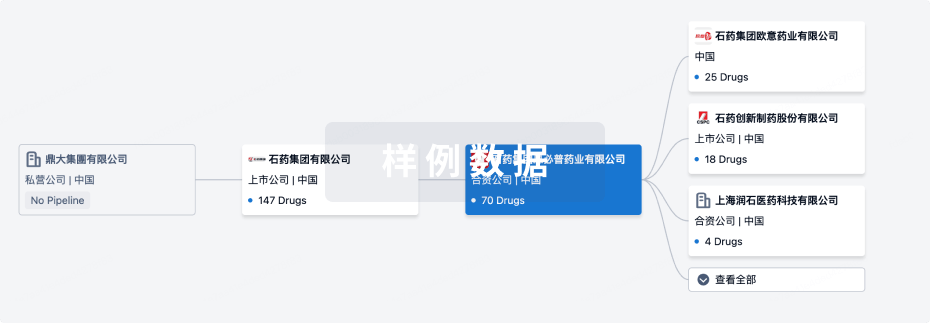
组织架构
使用我们的机构树数据加速您的研究。
登录
或
管线布局
2026年10月10日管线快照
管线布局中药物为当前组织机构及其子机构作为药物机构进行统计,早期临床1期并入临床1期,临床1/2期并入临床2期,临床2/3期并入临床3期
药物发现
2
6
临床前
临床1期
4
2
临床2期
其他
15
登录后查看更多信息
药物交易
使用我们的药物交易数据加速您的研究。
登录
或
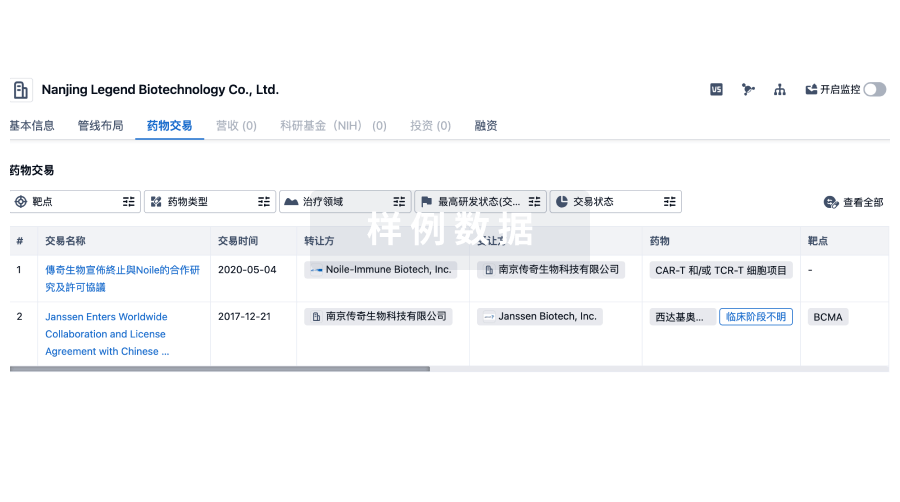
转化医学
使用我们的转化医学数据加速您的研究。
登录
或
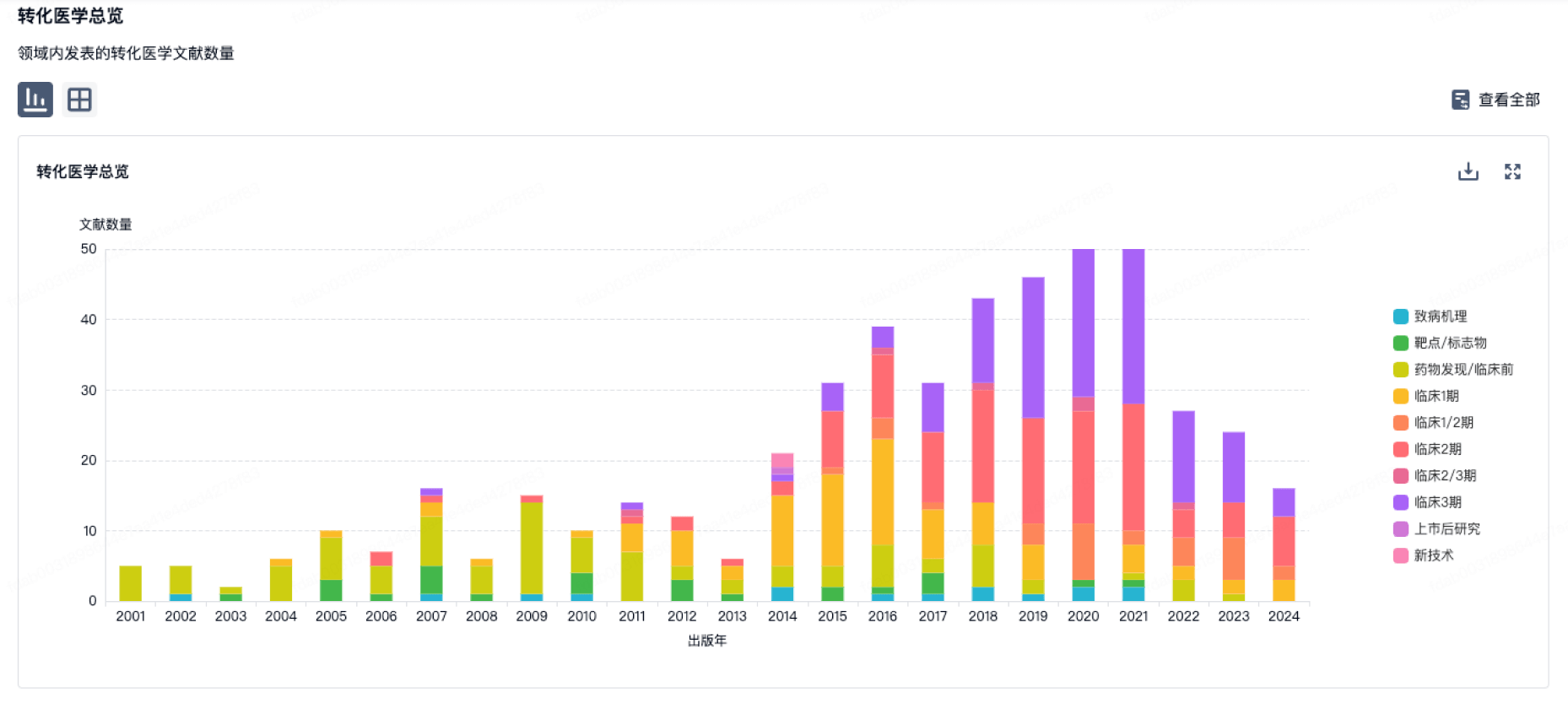
营收
使用 Synapse 探索超过 36 万个组织的财务状况。
登录
或
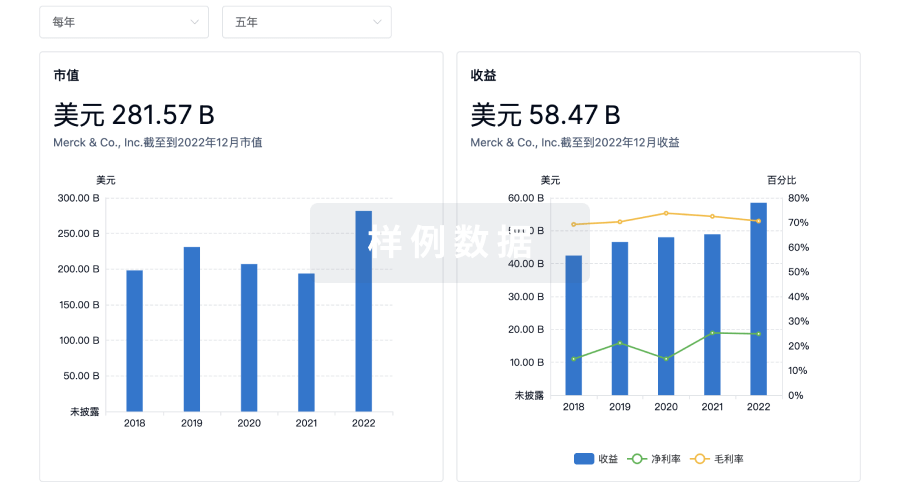
科研基金(NIH)
访问超过 200 万项资助和基金信息,以提升您的研究之旅。
登录
或
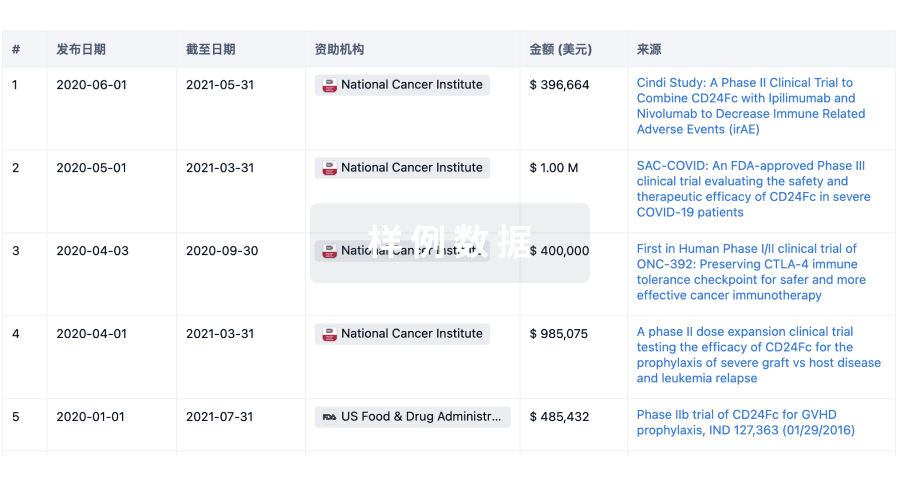
投资
深入了解从初创企业到成熟企业的最新公司投资动态。
登录
或
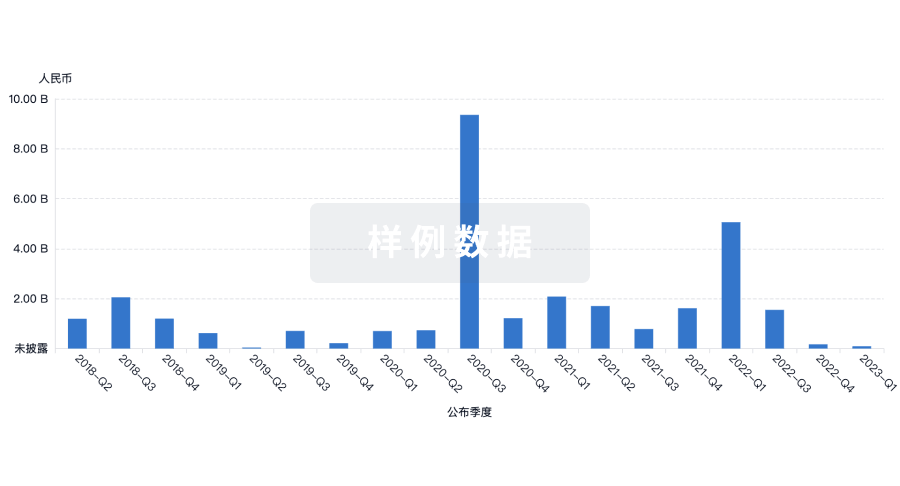
融资
发掘融资趋势以验证和推进您的投资机会。
登录
或
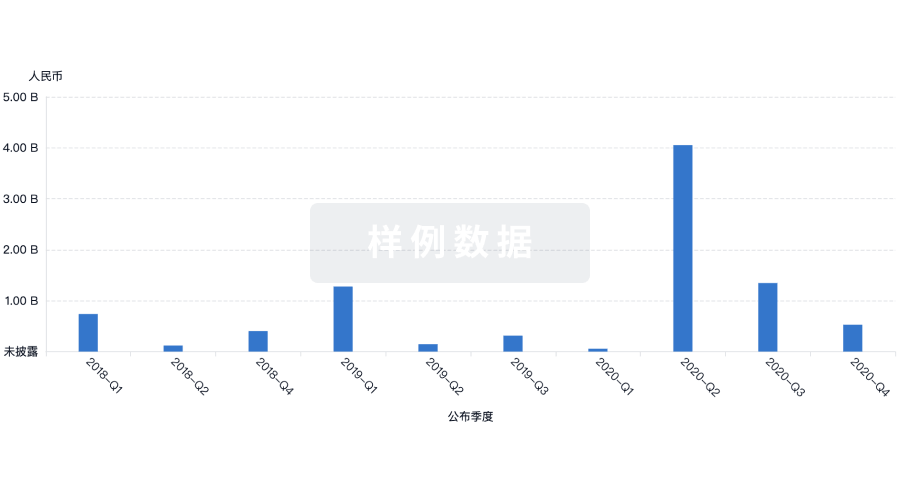
提出任何生物医药研究问题
让每一步生物医药决策都精准制胜
基于十亿级生物数据与全球情报的精准 AI,赋能早期药物发现
立即开始免费试用!
智慧芽新药情报库是智慧芽专为生命科学人士构建的基于AI的创新药情报平台,助您全方位提升您的研发与决策效率。
立即接入生物医药数据包
智慧芽新药库数据也通过智慧芽开放平台,以MCP或API服务形式对外开放。立即使用我们的MCP服务定制您的LLM智能体。
生物序列数据库
生物药研发创新
免费使用
化学结构数据库
小分子化药研发创新
免费使用