预约演示
更新于:2026-05-06

Tata Chemicals Ltd.
更新于:2026-05-06
概览
疾病领域得分
一眼洞穿机构专注的疾病领域

技术平台
公司药物应用最多的技术
靶点
公司最常开发的靶点
关联
靶点 |
作用机制 |
在研机构 |
原研机构 |
在研适应症 |
非在研适应症 |
最高研发阶段 |
首次获批国家/地区 |
首次获批日期 |


靶点 |
作用机制 |
在研机构 |
原研机构 |
在研适应症 |
非在研适应症 |
最高研发阶段 |
首次获批国家/地区 |
首次获批日期 |

靶点 |
作用机制 |
在研机构 |
原研机构 |
在研适应症 |
非在研适应症 |
最高研发阶段 |
首次获批国家/地区 |
首次获批日期 |
CTRI/2020/03/023865
A Randomized, Double-Blind, Placebo-Controlled, Comparative Study to Determine Effects of Synbiotic Test Product on Immune Markers and Gut Health In Elderly Population.
CTRI/2020/02/023247
A single centre, site randomized, double-blind, comparative study to evaluate the impact of topical application of FOS and GOS on skin hydration, barrier function, and microbiome regulation in human adult subjects with dry, flaky skin, otherwise healthy.
NCT03755232
Determination of the Acute Glycemic and Insulinemic Response of FOSSENCE™ Alone, or When Substituted or Added to a Carbohydrate Challenge: A Three-phase, Acute, Randomized, Cross-over, Double Blind Clinical Trial
100 项与 Tata Chemicals Ltd. 相关的临床结果
登录后查看更多信息
登录后查看更多信息
2026-01-01THEORETICAL AND APPLIED GENETICS
Investigations into genetic control of six spike traits with a focus on breeding for terminal heat stress tolerance in common wheat
Article
作者: Kumar, Sachin ; Gill, Kulvinder Singh ; Bhatt, Sunil Kumar ; Singh, Vivudh Pratap ; Rawale, Kanwardeep Singh ; Kumar, Sourabh ; Vairamani, Ramanathan ; Sharma, Hemant ; Balyan, Harindra Singh
KEY MESSAGE:
Identified and validated stable QTL for spike traits across 15 environments, promising candidate genes for thermotolerance and spike traits, novel KASP and gene-based markers, providing genomic resources for breeding high-yielding, heat-tolerant wheat. To unravel the genetic architecture of six spike traits under heat stress, we used a doubled haploid (DH) mapping population (177 lines), developed from a cross between a heat-sensitive cultivar (PBW343) and a heat-tolerant genotype (KSG1203). This DH population and the two parents were phenotyped for six spike traits under timely, late, and very late sown conditions, over three years and two locations (total 15 environments). Best linear unbiased estimates for each trait and a genetic map (5,710 SNP markers) were used for QTL mapping. A total of 51 QTL were detected under timely (17), late (10), and very late (18) sown conditions, with six QTL common across fifteen environments. These QTL explained phenotypic variation ranging from 7.1% (QFf.ccsu-7B) to 23.6% (QSl.ccsu-6A). All identified QTL were successfully integrated into the wheat physical map. A set of 14 stable, major QTL was validated in high-yielding DH lines and recommended for marker-assisted recurrent selection for wheat improvement in optimal/heat stress conditions. Several QTL co-localized with known genes responsible for important traits including grain yield (TaGW2-B1, PI1-1B/WPI-1-1B). Seventy heat-responsive candidate genes associated with 38 QTL were identified, which encode 33 distinct proteins. A KASP marker was developed for the floret fertility QTL (QFf.ccsu-3A), and gene-based functional SSR markers were developed for the five important candidate genes alongside the discovery of Indels and SNPs in seven candidate genes having a role in heat tolerance. The generated genomic resources could be used in future studies and to breed heat-tolerant, high-yielding wheat varieties and germplasm.
2025-12-01CHEMISTRY & BIODIVERSITY
Design, Synthesis, and Fungicidal Activity of a New Class of Thiadiazolylpyrimidine Carboxamide Derivatives Against
R. solani
Kuhn
Article
作者: Akki, Mahesh ; Asthana, Shailendra ; Das, Vishwa B. ; Poojary, Boja ; Krishnapura Nagaraja Rao, Hari ; Kamat, Vinuta ; Gowdar, S. B ; Pareek, Mohit
ABSTRACT:
Effectively managing phytopathogenic fungi, which can swiftly infect a variety of crops and potentially evolve resistance to common commercial fungicides, presents substantial challenges. Rice sheath blight, caused by
Rhizoctonia solani
Kuhn, imperils over half of the global population and poses a severe economic threat to rice production. This disease, exacerbated by a dearth of resistance genes, intensified nitrogen fertilizer application, and the proliferation of high‐yielding cultivars, is prevalent in India and beyond. Given the urgent need for novel bioactive compounds, pyrimidine derivatives have emerged as promising candidates due to their diverse biological activities. In this study, thiadiazolylpyrimidines bearing amide moieties
(7a–r)
were synthesized in satisfactory yields with the aim of discovering potent antifungal agents. Subsequently, their efficacy against
R. solani
was evaluated in vitro. Notably, compounds
7a
,
7f
, and
7k
exhibited moderate activity, and compound
7o
exhibited excellent inhibition of fungal growth, recording percent inhibitions of 50.00, 37.70, 55.70, and 100.00, at the concentration of 150 ppm, respectively.
2024-10-01THEORETICAL AND APPLIED GENETICS
Physical map of QTL for eleven agronomic traits across fifteen environments, identification of related candidate genes, and development of KASP markers with emphasis on terminal heat stress tolerance in common wheat
Article
作者: Gupta, Vikas ; Gill, Kulvinder Singh ; Kumar, Sachin ; Bhatt, Sunil Kumar ; Balyan, Harindra Singh ; Singh, Vivudh Pratap ; Rawale, Kanwardeep Singh ; Kumar, Sourabh ; Vairamani, Ramanathan ; Kahlon, Kaviraj Singh ; Sharma, Hemant
KEY MESSAGE:
Key message This study identified stable QTL, promising candidate genes and developed novel KASP markers for heat tolerance, providing genomic resources to assist breeding for the development of high-yielding and heat-tolerant wheat germplasm and varieties. To understand the genetic architecture of eleven agronomic traits under heat stress, we used a doubled-haploid population (177 lines) derived from a heat-sensitive cultivar (PBW343) and a heat-tolerant genotype (KSG1203). This population was evaluated under timely, late and very late sown conditions over locations and years comprising fifteen environments. Best linear unbiased estimates and a genetic map (5,710 SNPs) developed using sequencing-based genotyping were used for QTL mapping. The identified 66 QTL (20 novel) were integrated into wheat physical map (14,263.4 Mb). These QTL explained 5.3% (QDth.ccsu-4A for days to heading and QDtm.ccsu-5B for days to maturity) to 24.9% (QGfd.ccsu-7D for grain filling duration) phenotypic variation. Thirteen stable QTL explaining high phenotypic variation were recommended for marker-assisted recurrent selection (MARS) for optimum/heat stress environments. Selected QTL were validated by their presence in high-yielding doubled-haploid lines. Some QTL for 1000-grain weight (TaERF3-3B, TaFER-5B, and TaZIM-A1), grain yield (TaCol-B5), and developmental traits (TaVRT-2) were co-localized with known genes. Specific known genes for traits like abiotic/biotic stress, grain quality and yield were co-located with 26 other QTL. Furthermore, 209 differentially expressed candidate genes for heat tolerance in plants that encode 28 different proteins were identified. KASP markers for three major/stable QTL, namely QGfd.ccsu-7A for grain filling duration on chromosome 7A (timely sown), QNgs.ccsu-3A for number of grains per spike on 3A, and QDth.ccsu-7A for days to heading on 7A (late and very late sown) environments were developed for MARS focusing on the development of heat-tolerant wheat varieties/germplasm.
100 项与 Tata Chemicals Ltd. 相关的药物交易
登录后查看更多信息
100 项与 Tata Chemicals Ltd. 相关的转化医学
登录后查看更多信息
组织架构
使用我们的机构树数据加速您的研究。
登录
或
管线布局
2026年06月08日管线快照
管线布局中药物为当前组织机构及其子机构作为药物机构进行统计,早期临床1期并入临床1期,临床1/2期并入临床2期,临床2/3期并入临床3期
临床前
6
6
临床申请
其他
1
登录后查看更多信息
当前项目
登录后查看更多信息
药物交易
使用我们的药物交易数据加速您的研究。
登录
或
转化医学
使用我们的转化医学数据加速您的研究。
登录
或
营收
使用 Synapse 探索超过 36 万个组织的财务状况。
登录
或
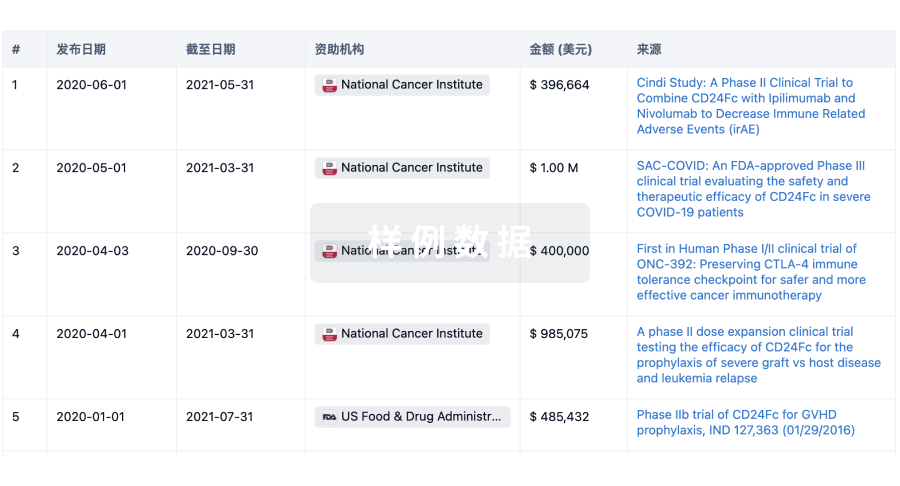
科研基金(NIH)
访问超过 200 万项资助和基金信息,以提升您的研究之旅。
登录
或
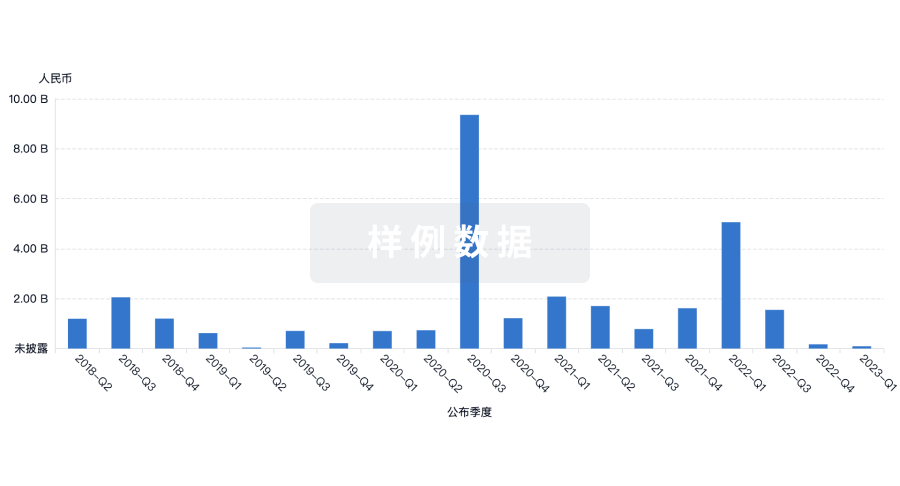
投资
深入了解从初创企业到成熟企业的最新公司投资动态。
登录
或
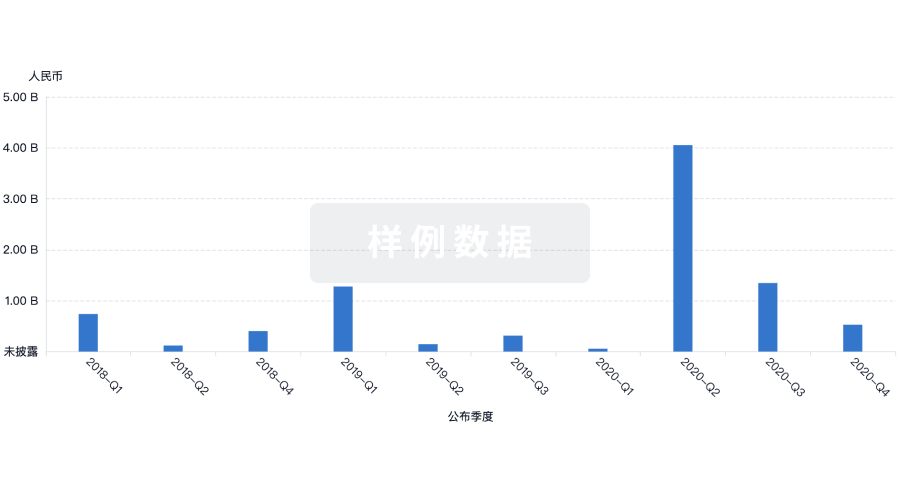
融资
发掘融资趋势以验证和推进您的投资机会。
登录
或
生物医药百科问答
全新生物医药AI Agent 覆盖科研全链路,让突破性发现快人一步
立即开始免费试用!
智慧芽新药情报库是智慧芽专为生命科学人士构建的基于AI的创新药情报平台,助您全方位提升您的研发与决策效率。
立即开始数据试用!
智慧芽新药库数据也通过智慧芽数据服务平台,以API或者数据包形式对外开放,助您更加充分利用智慧芽新药情报信息。
生物序列数据库
生物药研发创新
免费使用
化学结构数据库
小分子化药研发创新
免费使用