预约演示
更新于:2026-09-23

Promega Corp.
更新于:2026-09-23
概览
标签
肿瘤
其他疾病
蛋白水解靶向嵌合体(PROTAC)
小分子化药
疾病领域得分
一眼洞穿机构专注的疾病领域

技术平台
公司药物应用最多的技术
靶点
公司最常开发的靶点
关联
靶点 |
作用机制 |
在研机构 |
原研机构 |
在研适应症 |
非在研适应症 |
最高研发阶段 |
首次获批国家/地区 |
首次获批日期 |

靶点 |
作用机制 |
在研机构 |
原研机构 |
在研适应症 |
非在研适应症 |
最高研发阶段 |
首次获批国家/地区 |
首次获批日期 |

靶点 |
作用机制 |
在研机构 |
原研机构 |
在研适应症 |
非在研适应症 |
最高研发阶段 |
首次获批国家/地区 |
首次获批日期 |

NCT00578240
Molecular Studies and Clinical Correlations in Human Prostatic Disease

100 项与 Promega Corp. 相关的临床结果
登录后查看更多信息
登录后查看更多信息
2026-08-05ACS Chemical Neuroscience
Proliferative
Effects of the Psychedelic
N,N
-Dimethyltryptamine
(DMT) in Human Neural Stem Cells
Article
作者: Erjautz, Giovanna ; Arrais, Breno A.B.M.S. ; Salerno, José Alexandre ; Alves, Juliano ; Rehen, Stevens ; Karmirian, Karina ; Dominguez, Elizabeth R. ; Kroening, Kennedy ; Ornelas, Isis ; Souza, Leticia R. Q.
Abstract:
The serotonergic psychedelic N,N-dimethyltryptamine (DMT) produces rapid antidepressant effects in preclinical and early clinical studies. Therapeutic benefits have been linked to sustained neural plasticity, including adult neurogenesis in rodents. Whether brief DMT exposure engages proliferative responses in human neural stem cells (NSCs) remains unresolved. Using human iPSC-derived NSCs, we found that 24 h DMT treatment increased proliferation in a concentration-dependent manner (half-maximal effect at 59.7 nM) and upregulated G1 cell-cycle regulators. DMT also shifted trophic gene expression, decreasing neurotrophin-3 while increasing nerve growth factor and brain-derived neurotrophic factor (BDNF) transcripts and intracellular BDNF protein. After washout, DMT-primed NSCs formed larger neurospheres, with progenitor and early neuronal marker composition matching controls by day 10. These findings demonstrate that brief DMT exposure is sufficient to engage proliferative and neurotrophin-associated responses in human NSCs at concentrations consistent with those reported for DMT-induced plasticity across other systems.
2026-07-17ACS Chemical Biology
A Systematic Direct-to-Biology Approach Identified Potent Cereblon HaloPROTACs
Article
作者: Burley, Glenn A. ; Moore, Alice ; Konopacka, Agnieszka ; Knickelbine, Jennifer J. ; Stevens, Rebecca ; Chan, Kwok-Ho ; Riching, Kristin M. ; Hardie, Sam ; Queisser, Markus A. ; Miah, Afjal H.
HaloTags have emerged as versatile tools for protein labeling, investigating target biology, and facilitating targeting protein degradation using synthetic ligands called HaloPROTACs. These chemical tools are heterobifunctional molecules consisting of a chloroalkane derivative linked to E3 ubiquitin ligase-recruiting moieties to artificially induce proximity between the ligase and target protein of interest fused to the HaloTag construct. Through this induced proximity, HaloPROTACs can facilitate temporal- and dose-dependent degradation of target proteins, enabling efficient cellular protein knockdown without the need for target-specific ligands. In this study, we developed cereblon (CRBN)-recruiting HaloPROTACs through the use of plate-based high-throughput synthesis and direct-to-biology screening. We evaluated over 100 structurally diverse CRBN HaloPROTACs in an FAK-tagged cell line, resulting in the identification of highly potent tools. Notably, HaloPROTACs incorporating dihydrouracil CRBN binders exhibited superior potency and selectivity compared with their IMiD-based counterparts. These newly developed CRBN-based HaloPROTACs represent a valuable addition to the existing HaloPROTAC toolkit, offering enhanced capabilities for advancing research on targeted protein degradation.
2026-06-01Molecular therapy. Oncology
Class I HDAC inhibition enhances the stem-like memory properties of CRISPR-engineered CAR T cells in neuroblastoma
Article
作者: Vidugiriene, Jolanta ; Turaga, Rithvik ; Toulany, Mahmoud ; Shea, Amanda ; Gnanasekar, Varun ; Cappabianca, Dan ; Saha, Krishanu ; Ayuso, Jose ; Zima, Seth ; Foster, Sean ; Lauer, Anthony ; Sodji, Quaovi H ; Sylvester, Kayla
Manufacturing chimeric antigen receptor (CAR) T cells with a stem cell memory phenotype can enhance their persistence in patients. Histone deacetylase inhibitors (HDACis) targeting class I HDACs promote chromatin remodeling in virally manufactured CAR T cells, leading to the activation of the Wnt pathway, and ultimately improve CAR T cell persistence. However, it is unknown whether the persistence of CRISPR-engineered CAR T cells can also be enhanced through such HDACi-mediated epigenetic modulation. CAR T cells engineered using CRISPR-Cas9 to integrate a CAR construct into the T cell receptor alpha constant (TRAC) were treated with various class- or isoform-selective HDACis, and phenotypic, functional, and metabolic changes were assessed in vitro and in a GD2+ neuroblastoma xenograft model. Compared to untreated GD2 TRAC-CAR T cells, chidamide and mocetinostat increased the stem cell memory marker expression (CD62L+/CCR7+/IL-7Rα+). Chidamide induced a fragmented mitochondrial morphology and, in vivo, enhanced the persistence and naive phenotype of the GD2 TRAC-CAR T cells without upregulating exhaustion markers (PD-1/LAG3). These findings suggest that in the management of treatment-resistant pediatric solid tumors, utilizing chidamide during the manufacturing of CRISPR-engineered CAR T cells may enhance their persistence while retaining a naive phenotype.
100 项与 Promega Corp. 相关的药物交易
登录后查看更多信息
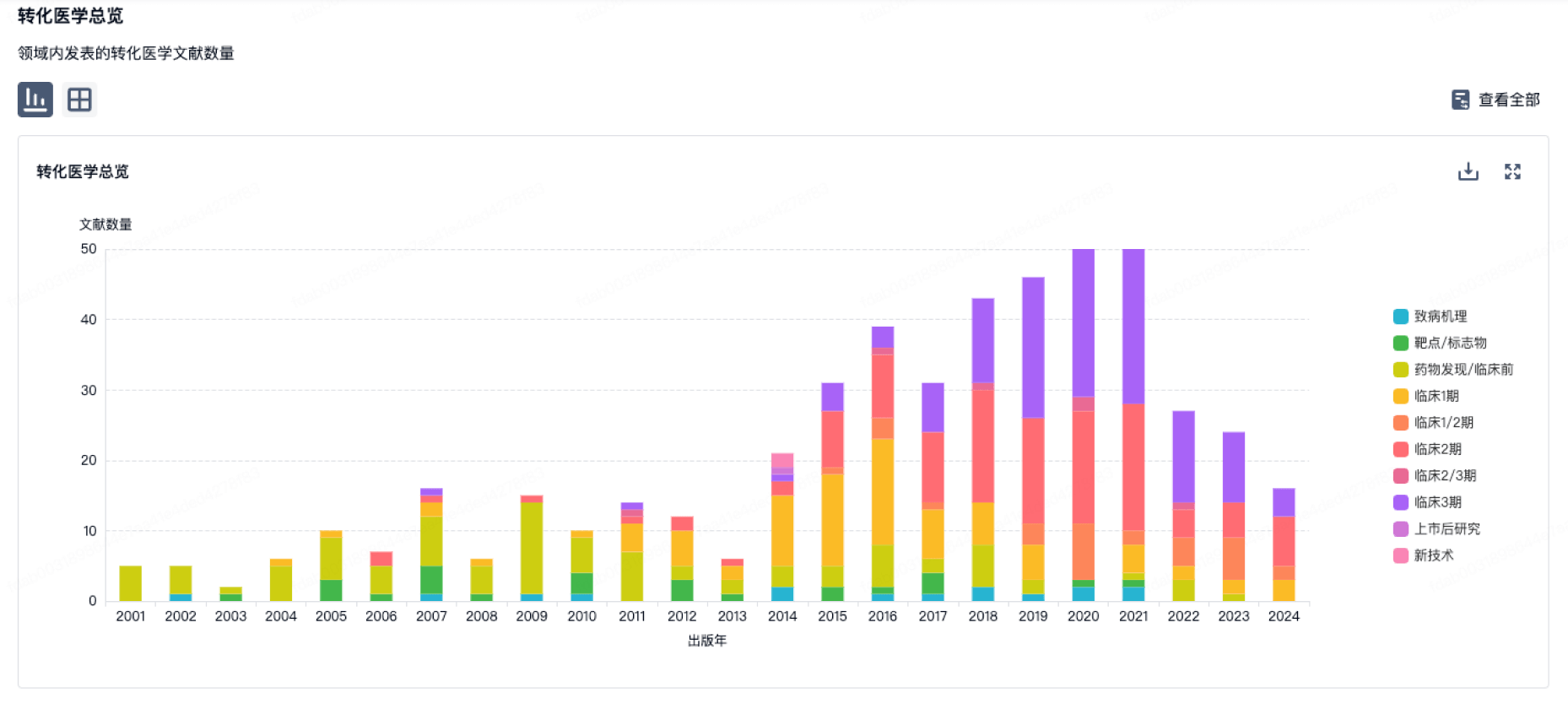
100 项与 Promega Corp. 相关的转化医学
登录后查看更多信息
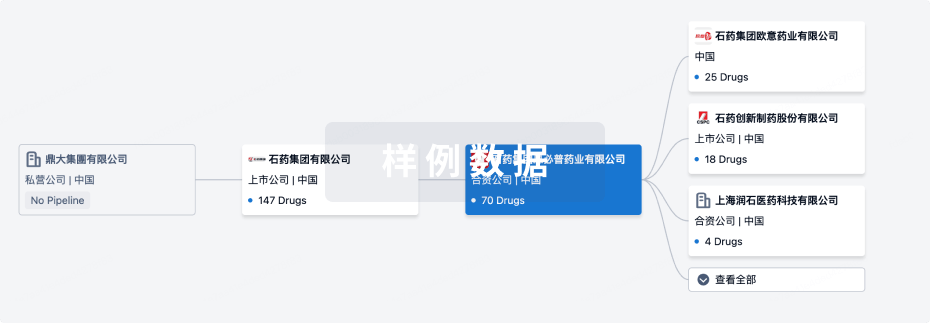
组织架构
使用我们的机构树数据加速您的研究。
登录
或
管线布局
2026年10月22日管线快照
管线布局中药物为当前组织机构及其子机构作为药物机构进行统计,早期临床1期并入临床1期,临床1/2期并入临床2期,临床2/3期并入临床3期
临床前
5
9
其他
登录后查看更多信息
当前项目
登录后查看更多信息
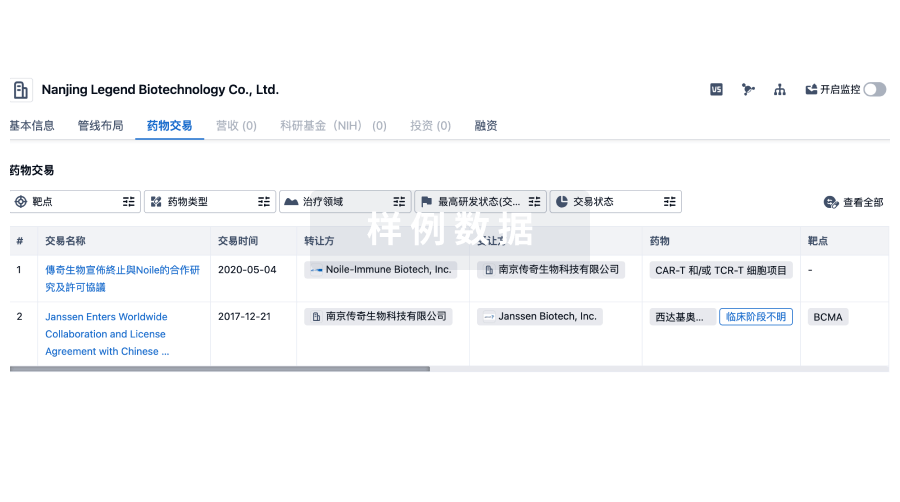
药物交易
使用我们的药物交易数据加速您的研究。
登录
或
转化医学
使用我们的转化医学数据加速您的研究。
登录
或
营收
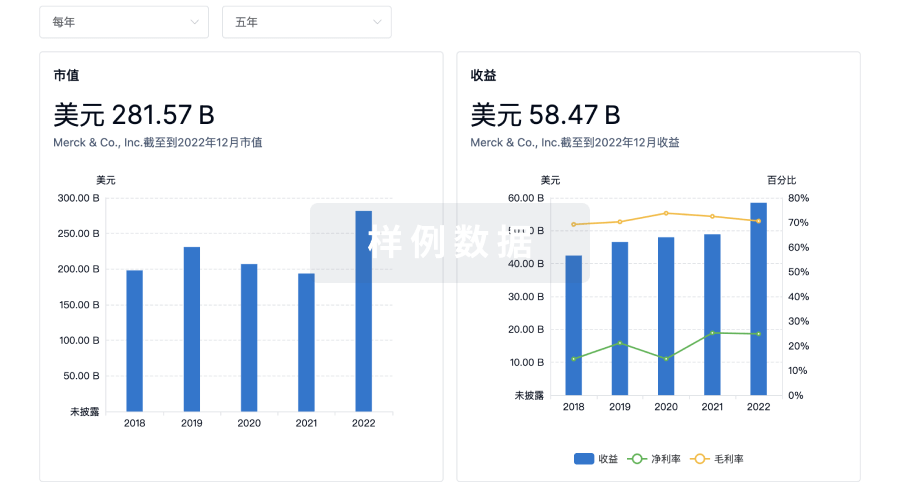
使用 Synapse 探索超过 36 万个组织的财务状况。
登录
或
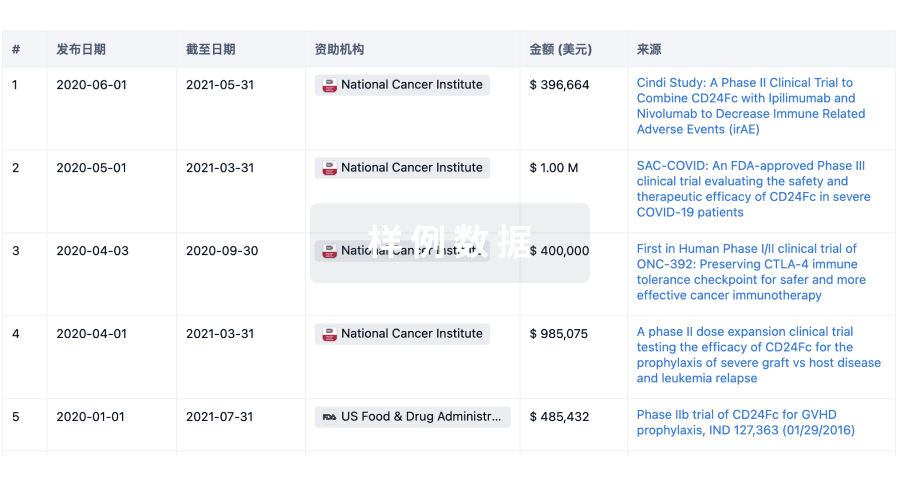
科研基金(NIH)
访问超过 200 万项资助和基金信息,以提升您的研究之旅。
登录
或
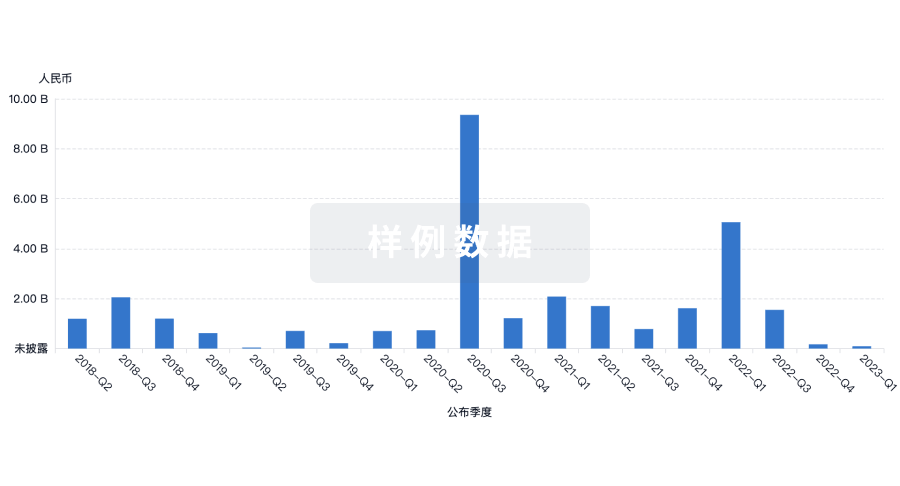
投资
深入了解从初创企业到成熟企业的最新公司投资动态。
登录
或
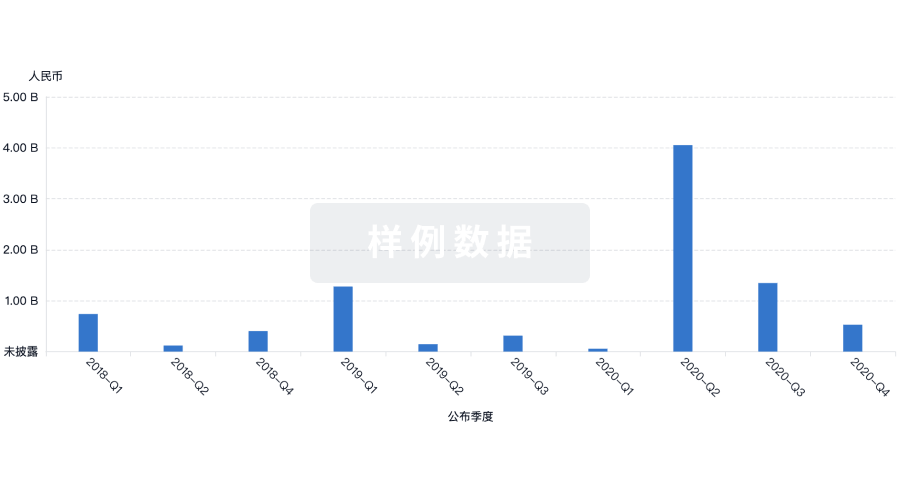
融资
发掘融资趋势以验证和推进您的投资机会。
登录
或
提出任何生物医药研究问题
让每一步生物医药决策都精准制胜
基于十亿级生物数据与全球情报的精准 AI,赋能早期药物发现
立即开始免费试用!
智慧芽新药情报库是智慧芽专为生命科学人士构建的基于AI的创新药情报平台,助您全方位提升您的研发与决策效率。
立即接入生物医药数据包
智慧芽新药库数据也通过智慧芽开放平台,以MCP或API服务形式对外开放。立即使用我们的MCP服务定制您的LLM智能体。
生物序列数据库
生物药研发创新
免费使用
化学结构数据库
小分子化药研发创新
免费使用