预约演示
更新于:2026-11-04

Sanyou Biopharmaceuticals Co., Ltd.
更新于:2026-11-04
概览
标签
肿瘤
免疫系统疾病
感染
抗体
双特异性抗体
三特异性抗体
疾病领域得分
一眼洞穿机构专注的疾病领域

暂无数据
技术平台
公司药物应用最多的技术
暂无数据
靶点
公司最常开发的靶点
暂无数据
| 排名前五的药物类型 | 数量 |
|---|---|
| 三特异性抗体 | 3 |
| 双特异性抗体 | 3 |
| 单克隆抗体 | 2 |
| 纳米抗体 | 1 |
| 抗体 | 1 |
关联
11
项与 三优生物医药(上海)有限公司 相关的药物作用机制 HER2拮抗剂 [+2] |
在研机构 |
原研机构 |
在研适应症 |
非在研适应症- |
最高研发阶段临床前 |
首次获批国家/地区- |
首次获批日期- |
作用机制 EGFR拮抗剂 [+2] |
在研机构 |
原研机构 |
在研适应症 |
非在研适应症- |
最高研发阶段临床前 |
首次获批国家/地区- |
首次获批日期- |
靶点 |
作用机制 TNFR2拮抗剂 |
在研机构 |
原研机构 |
在研适应症 |
非在研适应症- |
最高研发阶段临床前 |
首次获批国家/地区- |
首次获批日期- |
2
项与 三优生物医药(上海)有限公司 相关的临床试验NCT04561076
A Randomized, Double-Blind, Placebo-Controlled, Dose Escalation Phase I Clinical Study to Evaluate Safety and Pharmacokinetics of HLX70 in Healthy Adult Volunteers
A Randomized, Double-Blind, Placebo-Controlled, Dose Escalation Phase I Clinical Study to Evaluate Safety and Pharmacokinetics of HLX70 in Healthy Adult Volunteers
开始日期2020-12-09 |
申办/合作机构 |

NCT05429385
A Randomized, Double-Blind, Placebo-Controlled, Dose Escalation Phase I Clinical Study to Evaluate Safety and Pharmacokinetics of HLX70 in Healthy Adult Volunteers
A single-center, randomized, double-blind, placebo-controlled, dose escalation, phase I clinical study to evaluate safety and pharmacokinetics of HLX70 in healthy adult volunteers
开始日期2020-12-09 |
申办/合作机构  上海复宏汉霖生物技术股份有限公司 [+3] |
100 项与 三优生物医药(上海)有限公司 相关的临床结果
登录后查看更多信息
0 项与 三优生物医药(上海)有限公司 相关的专利(医药)
登录后查看更多信息
1
项与 三优生物医药(上海)有限公司 相关的文献(医药)2021-01-01·Cell research1区 · 生物学
Rational development of a human antibody cocktail that deploys multiple functions to confer Pan-SARS-CoVs protection
1区 · 生物学
Article
作者: Shi, Danrong ; Cao, Tian-Shu ; Jiang, Weidong ; Wu, Nanping ; Weng, Tianhao ; Wang, Lei ; Lu, Xiangyun ; Deng, Yong-Qiang ; Tan, Yongcong ; Yan, Xintian ; Sun, Shihui ; Xu, Yan-Peng ; Yang, Guan ; Zhang, Wenhai ; Cao, Lei ; Shao, Junbin ; Li, Xiao-Feng ; Zhu, Dandan ; Sun, Yao ; Chen, Keda ; Lang, Guojun ; Qiu, Hongying ; Feng, Rui ; Zhao, Hui ; Yan, Run ; Huang, Xing-Yao ; Zhang, Jie ; Li, Lanjuan ; Zhang, Rong-Rong ; Lv, Zhe ; Cheng, Linfang ; Chen, Qi ; Hu, Yuhao ; Wang, Nan ; Kong, Chao ; Yao, Hangping ; Zhang, Na-Na ; Wang, Xiangxi ; Lv, Qingyu ; Jiang, Tao ; Zhou, Yunhua ; Liu, Chanjuan ; Qin, Cheng-Feng ; Sun, Xinglu
Abstract:
Structural principles underlying the composition and synergistic mechanisms of protective monoclonal antibody cocktails are poorly defined. Here, we exploited antibody cooperativity to develop a therapeutic antibody cocktail against SARS-CoV-2. On the basis of our previously identified humanized cross-neutralizing antibody H014, we systematically analyzed a fully human naive antibody library and rationally identified a potent neutralizing antibody partner, P17, which confers effective protection in animal model. Cryo-EM studies dissected the nature of the P17 epitope, which is SARS-CoV-2 specific and distinctly different from that of H014. High-resolution structure of the SARS-CoV-2 spike in complex with H014 and P17, together with functional investigations revealed that in a two-antibody cocktail, synergistic neutralization was achieved by S1 shielding and conformational locking, thereby blocking receptor attachment and viral membrane fusion, conferring high potency as well as robustness against viral mutation escape. Furthermore, cluster analysis identified a hypothetical 3rd antibody partner for further reinforcing the cocktail as pan-SARS-CoVs therapeutics.
791
项与 三优生物医药(上海)有限公司 相关的新闻(医药)2026-11-03
作者:傅翔 薛超然
美工:何国红 罗真真
排版:马超
▶ 引言
在单域抗体药物开发中,等电点(pI)是决定抗体成药性的关键理化参数。然而,传统单域抗体常因等电点偏低而面临非特异性结合、聚集倾向高、体内稳定性差等成药性瓶颈,严重制约了抗体药物的开发效率与临床转化。三优生物依托十年技术积淀与海量实验数据积累,融合自主知识产权的AI算法与自动化筛选技术,成功推出AI-STAL 2.0高等电点单域抗体智筛系统。该平台通过“海量数据积累→AI模型持续训练调优→AI指导文库智能设计及自动化构建→自动化高通量筛选→AI驱动的成药性评估→干湿闭环迭代验证”的全链路智能体系。它将文库中单域抗体的等电点精准锁定在8.0-9.0,系统性排除翻译后修饰(PTM)位点,并实现高达98%的骨架人源化,真正从源头实现了成药性的全面优化。
通过将AI-STAL 2.0平台与三优智能新药加速器(SAI-DA)深度整合,研发效率被推向极致:全程自动化筛选,2周内即可完成多轮淘选与初筛,高效获得大量候选分子。针对不同难度靶点进行千亿级文库筛选,平均可获得35个序列独特、特异性强、成药性高的先导抗体。这一创新模式以“AI全流程赋能、自动化高效运行、智能化成药性评估”三位一体的智筛范式,为全球合作伙伴提供了高等电点、高稳定性、高人源化程度的优质先导分子,重新定义了单域抗体发现的未来。
▲ Fig.1 Full Intelligent High pI Single Domain Antibody Discovery Platform
一、文库背景
据Fortune Business Insights数据显示,单域抗体市场正迎来爆发式增长。2025年全球市场规模为4.067亿美元,预计2034年将增长至18.29亿美元,年复合增长率(CAGR)高达19.53%。同时,单域抗体文库服务市场增速达14.3%,远超传统抗体研发服务。凭借分子量小(约15 kDa)、组织穿透性强、结构稳定性高、生产成本低等独特优势,单域抗体已成为生物医药创新的前沿方向。
▲ Fig. 2 Global Nanobody Therapeutics Market Size, 2025-2034
然而,传统单域抗体在成药性上面临多重挑战:低等电点容易导致非特异性结合和聚集倾向,翻译后修饰位点影响抗体均一性与稳定性,动物源骨架可能引发免疫原性风险。研究表明,等电点(pI)在8.0-9.0区间的高等电点单域抗体,具有更强的抗聚集能力、更好的体内稳定性、更低的非特异性结合及更理想的纯化特性。然而,要构建同时兼具“高等电点”与“高功能多样性”的单域抗体库,仍需攻克多重技术瓶颈—包括等电点与功能活性的平衡、PTM位点的系统性排除、人源化程度的提升、文库多样性与成药性的兼顾,以及预测精度与实验验证之间差距。
为攻克这一系列瓶颈,三优生物凭借前瞻性的AI驱动技术布局与海量抗体数据积累,走出一条独特的技术路径:“海量数据积累→AI模型持续训练调优→AI指导文库智能设计及自动化构建→自动化高通量筛选→AI驱动的成药性评估→干湿闭环迭代验证”。在AI模型的精准指导下,文库设计实现了等电点的精准维持与PTM位点的系统性剔除。公司于2024年成功构建并验证了高等电点单域抗体库,并计划于2026年进一步扩容升级,推出超千亿高等电点单域抗体库,这一突破性进展标志着三优生物在单域抗体发现领域迈入了AI全流程赋能、数据驱动设计的全新阶段。
▲ Fig. 3 AI-Driven High pI Single Domain Antibody Discovery Workflow
二、文库组成
AI-STAL 2.0高等电点单域抗体库在万亿级人源化单域抗体库的基础上持续迭代创新,采用先进的人工智能算法对纳米抗体进行全序列优化与反向筛选。通过精准调控,文库中纳米抗体的等电点严格控制在8.0-9.0;同时系统性排除影响成药性的PTM位点。2026年,总库容可达2.00千亿。
▲ Fig. 4 Hundred‑Billion High‑pI Single‑Domain Antibody Library
三、文库特性
01
等电点精准锁定8.0-9.0
通过对千亿级高等电点单域抗体库筛选测序,序列分析结果表明,等电点(pI)在8.0-9.0范围内的分子占比显著提高。AI模型基于海量序列-pI关系数据,精准调控氨基酸组成,使文库分子的等电点严格锁定在目标区间。高等电点能够改善溶解度、降低聚集倾向并增强在体内的稳定性,从而显著提升候选药物的生物利用度与药代动力学特性。此外,该等电点范围内的分子通常表现出更低的非特异性结合,减少潜在的脱靶效应,进一步提升药物的安全性和有效性。
▲ Fig. 5 Comparison of pI 8.0–9.0 Molecules Distribution
02
系统性排除PTM位点
AI内置的PTM风险识别模块系统性地排除了影响成药性的翻译后修饰 (PTM) 位点,涵盖N-糖基化 (NxT/S) 、天冬酰胺脱酰胺 (NG/NS/QG/QS) 、天冬氨酸异构化 (DG/DS) 及水解位点 (DP) 等。序列分析结果显示,候选分子均不含PTM位点。无PTM位点意味着这些分子具有更高的结构稳定性与更低的免疫原性,显著提升了其成药性。同时,也降低了生产过程中出现异质性的风险,有助于简化纯化与质量控制流程。
▼ Table 1 Post-Translational Modifications
03
人源化程度高达98%
三优生物构建的千亿级高等电点单域抗体库具备高人源化特征。AI整合了130多个单域抗体分子的人源化项目实验数据,精准指导骨架区(FR区)的人源化设计。通过文库筛选,可直接获得人源化程度高达98%的单域抗体,无需进行额外的人源化改造流程,大幅缩短了项目周期。
▲ Fig. 6 Humanization Level Comparison
04
AI驱动的全面成药性评估
千亿级高等电点单域抗体库筛选获得的候选分子,需经过AI系统的全面成药性智能评估。AI模型基于海量历史项目数据,从多维度对候选分子进行系统分析与预测。可开发性预测:基于序列特征预测抗体表达量、溶解度、聚集倾向及热稳定性,提前识别潜在风险,大幅降低后期失败概率。免疫原性风险评估:通过分析序列中的T细胞表位、B细胞表位及MHC结合亲和力,预测并优先筛选低免疫原性分子。理化性质智能分析:自动预测等电点、疏水性、电荷异质性等关键理化参数,确保候选分子在纯化、制剂及储存等环节具有良好的可操作性。
经AI多维度智能评估后,优选的分子才进入真核表达验证阶段,开展全面的生化理化分析及细胞水平功能验证,从而获得真实有效的成药性数据。这一“AI初筛→湿实验精筛”的干湿接力模式,覆盖度广、筛选层次深,可高效过滤低质量分子,大幅提升进入实验验证阶段分子的“含金量”。
▼ Table 2 Developability of Antibodies
05
先导分子数量多
针对不同难度的靶点,该平台平均可获得35个序列独特、特异性强、成药性高的先导抗体,显著加速抗体药物的开发进程。该平台不仅适用于肿瘤、自身免疫性疾病等传统治疗领域,还可拓展至双特异性抗体、抗体偶联药物(ADC)、细胞治疗等前沿方向。
▲ Fig. 7 Number of Lead Molecules from Different Projects
四、代表案例
目的:在千亿级高等电点单域抗体库中筛选能够高亲和力结合BCMA(B细胞成熟抗原)的单域抗体分子。
背景:BCMA是肿瘤坏死因子受体超家族(TNFR)的重要成员,在恶性浆细胞疾病和自身免疫性疾病治疗中具有关键作用。BCMA靶向疗法已在临床取得显著进展,包括CAR-T细胞疗法(如Abecma, Carvykti)、抗体偶联药物(ADC)(如Blenrep)以及双特异性抗体(如Tecvayli)。药物作用机制均为特异性结合BCMA,从而介导肿瘤细胞的清除。
方法:利用AI-STAL 2.0智筛系统,从千亿级高等电点单域抗体库中经全程自动化筛选获得候选分子,随后通过AI进行全面的成药性智能评估后,优选分子进行真核表达。采用FACS分析候选抗体与huBCMA-HEK293细胞的亲和力;采用ELISA方法检测候选抗体是否阻断BAFF-NFC与huBCMA-ECD-His-Biotin蛋白的结合。
结果:如图所示,FACS分析结果显示,全部候选抗体的亲和力水平优于对照抗体。其中,候选抗体A001、A002、A003和A004能够阻断BAFF-NFC与huBCMA-ECD-His-Biotin蛋白的结合,阻断效果与对照抗体相当或优于对照抗体。
结论:经AI-STAL 2.0智筛系统筛选、评估与验证,成功获得细胞水平结合活性优异、阻断活性显著的高质量候选单域抗体分子。
▲ Fig. 8 Affinity testing of antibodies
▲ Fig. 9 Blocking testing of antibodies
五、总结展望
当前,AI驱动的抗体设计正加速从概念加速迈向产业化,前沿成果不断涌现。在这一浪潮中,三优生物的AI-STAL 2.0高等电点单域抗体智筛系统构筑起独具特色的技术壁垒,实现了AI智能化、筛选自动化、评估系统化三位一体的深度融合:AI贯穿建库、筛选、评估全流程,以海量数据持续训练调优模型,指导文库智能设计与候选分子精准筛选;SAI-DA全程自动化筛选,极短时间内完成多轮淘选与高通量初筛,高效覆盖海量候选分子;AI驱动的全面成药性评估,在湿实验之前对候选分子进行可开发性、免疫原性及理化性质等多维度智能分析与预测,确保进入真核验证阶段的分子“优中选优”。
该系统融合千亿级文库分子多样性、AI全流程赋能的智能发现引擎、全程自动化的高效筛选体系,以及高等电点(8.0-9.0)与无PTM位点带来的优异成药性,实现了98%超高人源化程度与平均35个优质先导分子的高效产出——这不仅是规模的突破,更是从“随机筛选”到“数据制导”、从“手工操作”到“自动运行”、从“经验判断”到“AI评估”的全方位方法论革命。
展望未来,三优生物将持续以海量实验数据喂养和优化AI模型,不断扩大抗体库资源与项目数据积累,让AI模型在更多真实数据的淬炼中持续进化;同时深化深度学习算法与自动化平台的整合,推动单域抗体从序列智能设计、自动化高效筛选到成药性精准预测的全链路升级。AI-STAL 2.0不只是一座取之不尽的分子宝库,更是一座覆盖度广、智能化高、自动化强的创新生物药源头智能引擎——能够精准定位靶点、高效产出候选分子、智能评估成药属性、全程护航药物开发,让每一次实验都更有价值、更有效率。通过这些创新举措,三优生物将显著降低高难度靶点单域抗体药物的开发难度,极大加速创新药物的研发进程,以前瞻性的技术布局和极致的研发效率赋能全球新药研发,为全球患者带来更高效、更安全的治疗选择。
AI-STAL 2.0 | "End-to-End Intelligent" High-pI Single-Domain Antibody Discovery System
▶ Introduction
In single-domain antibody (sdAb / Nanobody) drug discovery, the isoelectric point (pI) is a critical physicochemical parameter governing druggability and developability. However, conventional single-domain antibodies frequently face druggability bottlenecks—such as non-specific binding, high aggregation propensity, and poor in vivo stability—primarily due to low pI values. These limitations severely hinder therapeutic development and clinical translation. Leveraging a decade of technical expertise and vast experimental data, Sanyou Biopharmaceuticals has integrated proprietary AI algorithms with automated screening technologies to launch AI-STAL 2.0, an intelligent high-pI single-domain antibody discovery system. The platform operates on a closed-loop intelligent pipeline: Massive Data Accumulation → Continuous AI Model Training & Fine-Tuning → AI-Guided Intelligent Library Design & Automated Construction → High-Throughput Automated Screening → AI-Driven Developability Assessment → Dry-Wet Closed-Loop Iterative Validation. It precisely locks the pI of library antibodies within the range of 8.0–9.0, systematically eliminates post-translational modification (PTM) sites, and achieves up to 98% framework humanization, optimizing developability comprehensively right from the design phase.
By deeply integrating the AI-STAL 2.0 platform with Sanyou AI-Drug Accelerator (SAI-DA), R&D efficiency is driven to the extreme: fully automated screening completes multiple rounds of panning and primary screening within 2 weeks, rapidly yielding a large pool of candidate molecules. For targets across varying difficulty levels, screening the hundred-billion-scale library yields an average of 35 lead antibodies featuring unique sequences, high specificity, and superior developability. Embracing a paradigm of full-process AI empowerment, high-efficiency automated operation, and intelligent developability assessment, this innovative system provides global partners with high-pI, highly stable, and highly humanized lead candidates, redefining the future of single-domain antibody discovery.
▲ Fig.1 Full Intelligent High pI Single Domain Antibody Discovery Platform
I. Library Background
According to data from Fortune Business Insights, the global single-domain antibody market is experiencing explosive growth: valued at $406.7 million in 2025, it is projected to reach $1.829 billion by 2034, registering a compound annual growth rate (CAGR) of 19.53%. Meanwhile, the market for single-domain antibody library services is growing at 14.3%, significantly outstripping traditional antibody R&D services. Featuring a small molecular weight (~15 kDa), deep tissue penetration, high structural stability, and cost-effective production, single-domain antibodies have become a frontier in biopharmaceutical innovation.
▲ Fig. 2 Global Nanobody Therapeutics Market Size, 2025-2034
However, conventional single-domain antibodies encounter multiple developability challenges: Low pI values frequently cause non-specific binding and a high propensity for aggregation; PTM sites impair antibody homogeneity and stability; Animal-derived frameworks pose potential immunogenicity risks.
Studies demonstrate that high-pI single-domain antibodies with a pI between 8.0 and 9.0 exhibit stronger anti-aggregation capacity, enhanced in vivo stability, reduced non-specific binding, and ideal purification profiles. Nevertheless, constructing a single-domain antibody library that simultaneously achieves both a high pI and high functional diversity requires overcoming multiple technical hurdles: balancing pI with functional activity, systematically excluding PTM sites, elevating humanization levels, balancing diversity with developability, and bridging the gap between computational predictions and experimental validation.
To overcome these hurdles, Sanyou Bio has pursued a unique technological roadmap driven by forward-looking AI strategies and massive data accumulation: Massive Data Accumulation → Continuous AI Model Training & Fine-Tuning → AI-Guided Intelligent Library Design & Automated Construction → High-Throughput Automated Screening → AI-Driven Developability Assessment → Dry-Wet Closed-Loop Iterative Validation. Under the precise guidance of AI models, library design maintains targeted pI values while systematically removing PTM sites. Building on the successful construction and validation of its high-pI single-domain antibody library in 2024, Sanyou Bio plans to further expand and upgrade the platform in 2026 to launch an ultra-hundred-billion high-pI single-domain antibody library. This breakthrough marks Sanyou Bio's transition into a new era of data-driven, end-to-end AI-empowered antibody discovery.
▲ Fig. 3 AI-Driven High pI Single Domain Antibody Discovery Workflow
II. Library Composition
Iterated and innovated upon the trillion-scale humanized single-domain antibody library, the AI-STAL 2.0 High-pI Single-Domain Antibody Library utilizes advanced AI algorithms for full-sequence optimization and reverse screening of nanobodies. Through precise regulation, the pI of nanobodies in the library is strictly controlled within 8.0–9.0, while PTM sites detrimental to developability are systematically excluded. By 2026, the total library capacity will reach 200 billion (2.00 × 10¹¹).
▲ Fig. 4 Hundred‑Billion High‑pI Single‑Domain Antibody Library
III. Key Characteristics of the Library
01
Precise pI Locking at 8.0–9.0
Sequence analysis from high-throughput sequencing of screened candidates reveals a significantly increased proportion of molecules within the pI 8.0–9.0 range. Based on massive sequence–pI relationship datasets, the AI model precisely tunes the amino acid composition to lock the pI strictly within the target range. A high pI improves solubility, minimizes aggregation propensity, and enhances in vivo stability, thereby markedly elevating the bioavailability and pharmacokinetic (PK) properties of lead candidates. Furthermore, molecules within this pI range typically exhibit reduced non-specific binding, minimizing potential off-target effects and enhancing safety and efficacy.
▲ Fig. 5 Comparison of pI 8.0–9.0 Molecules Distribution
02
Systematic Exclusion of PTM Sites
The built-in AI PTM risk assessment module systematically eliminates post-translational modification (PTM) sites that compromise developability, including: N-glycosylation (NxT/S, where x ≠ P); Asparagine deamidation (NG/NS/QG/QS); Aspartic acid isomerization (DG/DS); Hydrolysis / cleavage sites (DP).
Sequence analyses confirm that the selected candidate molecules are completely free of PTM liabilities. The absence of PTM sites translates to higher structural stability, lower immunogenicity, and reduced risk of molecular heterogeneity during manufacturing, thereby streamlining purification and quality control (QC) workflows.
▼ Table 1. Excluded Post-Translational Modifications (PTMs)
03
Up to 98% Humanization Level
The hundred-billion high-pI single-domain antibody library constructed by Sanyou Bio features exceptionally high humanization. By integrating experimental data from over 130 nanobody humanization projects, the AI guides the precision design of framework regions (FRs). Screening directly yields single-domain antibodies with up to 98% humanization, eliminating the need for downstream humanization engineering and substantially shortening project timelines.
▲ Fig. 6 Humanization Level Comparison
04
AI-Driven Comprehensive Developability Assessment
Candidates derived from the hundred-billion high-pI single-domain antibody library undergo comprehensive computational developability assessment prior to wet-lab validation. Utilizing historical project datasets, the AI model systematically evaluates candidates across multiple dimensions: Developability Prediction: Predicts expression levels, solubility, aggregation propensity, and thermal stability based on sequence features, preemptively identifying risks and drastically reducing downstream attrition. Immunogenicity Risk Assessment: Analyzes T-cell epitopes, B-cell epitopes, and MHC binding affinity to prioritize candidates with low immunogenicity profiles. Physicochemical Property Profiling: Automatically calculates pI, hydrophobicity, charge heterogeneity, and other critical metrics to ensure favorable behavior during purification, formulation, and storage.
Only candidates that pass multi-dimensional AI evaluation advance to eukaryotic expression and functional testing in vitro (cell-based and biochemical assays). This relay model (AI Prescreening → Wet-Lab Refinement) provides extensive coverage and deep evaluation, efficiently filtering out inferior molecules and maximizing the success rate of experimental validation.
▼ Table 2. Experimental Developability Assessment of Antibodies
05
High Output of Lead Molecules
Across targets of varying technical difficulty, the platform yields an average of 35 unique, highly specific, and developable lead antibodies, significantly accelerating drug discovery programs. Beyond oncology and autoimmune diseases, the platform extends seamlessly to next-generation modalities, including bispecific antibodies, antibody-drug conjugates (ADCs), and cell therapies.
▲ Fig. 7 Number of Lead Molecules from Different Projects
IV. Case Study
Objective: Isolate high-affinity single-domain antibodies targeting B-cell Maturation Antigen (BCMA) from the hundred-billion-scale high-pI library.Background: BCMA, a key member of the TNF receptor superfamily (TNFRSF), plays a pivotal role in plasma cell malignancies and autoimmune disorders. BCMA-targeted therapeutics have achieved major clinical successes, spanning CAR-T cell therapies (e.g., Abecma, Carvykti), ADCs (e.g., Blenrep), and bispecific antibodies (e.g., Tecvayli), all operating via specific binding to BCMA to mediate tumor cell clearance.Methodology: Candidates were identified using the AI-STAL 2.0 system through fully automated library screening, evaluated in silico for developability, and subsequently expressed in eukaryotic systems. Binding affinity to huBCMA-HEK293 cells was evaluated by FACS. Blocking activity against the interaction between BAFF-NFC and huBCMA-ECD-His-Biotin protein was assessed via ELISA.Results: As shown in the figures, FACS binding assays demonstrated that all candidate antibodies exhibited superior affinity compared to the control antibody. Candidates A001, A002, A003, and A004 effectively blocked the binding of BAFF-NFC to huBCMA-ECD-His-Biotin, displaying blocking potency comparable to or superior to the reference antibody.Conclusion: Through AI-STAL 2.0 screening, evaluation, and validation, high-quality VHH candidate molecules with potent cell-binding activity and robust blocking efficacy were successfully identified.
▲ Fig. 8 Affinity testing of antibodies
▲ Fig. 9 Blocking testing of antibodies
V. Conclusion & Outlook
AI-driven antibody design is rapidly transitioning from theoretical proof-of-concept to industrial implementation. Amid this wave, Sanyou Bio's AI-STAL 2.0 High-pI Single-Domain Antibody Discovery System has built a distinct technological moat by integrating three core pillars: full-process AI intelligence, end-to-end automation, and systematic developability evaluation. AI Empowerment Across the Workflow: From library design to candidate screening, AI models are continually refined on massive datasets to guide precision selection. SAI-DA Automated Execution: Automated platforms conduct multi-round panning and high-throughput screening in record time, rapidly covering vast sequence spaces. AI-Driven Developability Screening: Candidates undergo rigorous multi-dimensional predictions (developability, immunogenicity, physicochemical parameters) prior to wet-lab experiments, ensuring only top-tier molecules enter eukaryotic validation.
By uniting a hundred-billion library diversity, high pI (8.0–9.0), zero PTM liabilities, 98% humanization, and a high yield of ~35 lead candidates per project, AI-STAL 2.0 represents a comprehensive methodological shift—moving from random screening to data-guided discovery, from manual operation to automated execution, and from empirical judgment to AI-driven evaluation.
Looking ahead, Sanyou Bio will continue feeding and optimizing its AI models with massive experimental datasets, expanding its antibody library resources and historical data repositories. By deepening the integration between deep learning algorithms and automated platforms, Sanyou Bio aims to drive the end-to-end advancement of single-domain antibody discovery—from sequence design and automated screening to precise developability prediction. AI-STAL 2.0 serves not only as a vast molecular reservoir, but as a high-coverage, highly intelligent, and fully automated discovery engine for novel biologics—empowering global partners to lower technical hurdles, accelerate clinical timelines, and deliver safer, more effective therapeutics to patients worldwide.
推荐阅读
Cyclic Peptide-Generator 环肽从头生成平台
全球招聘 | 三优生物2027年度招聘,火热开启
战略合作 | 三优生物与新码生物达成战略合作
SAI-DA 1.0 | 三优助力下一代ADC
“全程智能”羊驼免疫抗体发现平台
研发前置数字质检,提升湿实验成功率
三优生物原创新药创新工场Clicklinks全新上线
抗体免疫原性风险评估与智能优化
GEOTA智生:开启AI抗体从头设计新路径
2026抗肥胖新靶点全景图:破解“减重不保肌”难题
Peptide-Generator:开启AI多肽从头生成新路径
从180天到14天: 如何重新定义创新药研发速度
AI驱动蛋白质从头设计,加速创新药物发现
兔单抗分子产生系统解决方案
SAI-DA 1.0 | 智优人源化加速器
SAI-DA 1.0 | GEOTA平台
关于三优生物
三优生物是一家以“让天下没有难做的创新药”为使命,以“成为全球创新药研发的引领者”为愿景,专注于创新药的研发及商业转化的高新科技企业。
三优生物以全球领先的智能超万亿分子库 (AI-STAL) 为创新源头,以干湿结合的智能新药加速器 (SAI-DA) 为核心引擎,构建开放式创新系统 (Clicklinks) ,以新药管线驱动,加速创新转化,造福广大病患。
公司总部位于中国上海,在亚洲、北美洲、欧洲等多地建立了业务中心,形成了全球化的业务网络,现有投产及布局的研发及GMP场地20000多平方米。
公司已与全球2000多家药企、生技公司等建立了良好的合作关系。已完成100多个协同研发合作协议,其中10多个创新药进入临床前和临床研究阶段;完成了上千个新药发现及阶段研发项目、数千个品牌产品交付。
公司已申请180多项发明专利,其中30多项发明专利已获得授权,并获得了国家级高新技术企业、上海市专精特新、ISO9001、ISO27001等10余项资质及体系认证。
临床研究临床结果
2026-10-31
·药时空
2026年,AI制药的融资数字依然在涨。
但真正值得看的,不是钱流向了哪里,而是人为什么出发。
这一代AI制药创始人,几乎都在做同一道题:把论文里的“发现权”,兑换成临床和商业上的“定义权”。
有人在婚礼当天还在改PPT,有人在56岁扔掉耶鲁的终身教职,有人做了七年风投才回头去建药物团队。
📢 AIx生物制药微信二群已开启
扫描上方群二维码,加入AIx生物制药微信交流群,进群备注姓名、公司名,交流一线产业观点。
以下17家公司、17种走法。
融资额和管线进度是它们的坐标,但真正的分水岭,藏在创始人出发那一刻的选择里。
平台型头部
钱和故事都已到位,下一步是数据说了算
新生探途
字节给了它算力、名单和15亿美元估值,唯独没给时间。
刘凯不是算法科学家出身,加入字节前做了七年风险投资,在IDG和火山石看医疗与生物技术。
2021年他在字节内部拉起这支五十人上下的药物发现团队时,手里没有分子,只有一套从推荐算法时代继承下来的工程直觉,和一群AI4S算法人才与资深制药专家混编的人。
分拆后首轮2.9亿美元、投后15亿美元,红杉、高瓴、IDG争抢份额,中国生物制药和上海未来产业基金也挤进了名单。
最受关注的管线是一款同时靶向IL-17全部二聚体的小分子抑制剂,尚在临床前。
一个投资人带队做药,赌的是“组局能力”本身可以成为壁垒。
但制药不是推荐系统,盒子打开之前,15亿美元和5亿美元同时成立。
深势科技
一个90后科学家,穿三次西装,把“超算界诺贝尔奖”变成一门生意。
张林峰1993年生,北大元培本科,普林斯顿应用数学博士,2020年凭“机器学习+物理模型+高性能计算”的分子模拟方法拿下戈登·贝尔奖。
媒体写过一个细节:他有一件深蓝色西装,只穿过三次,第一次是结婚当天,婚礼上他还在改PPT,两位创业伙伴孙伟杰、李鑫宇在婚礼上举杯时收到了一条改写命运的消息。
深势没有去赌某一支管线,而是做Hermite®计算平台,已赋能超70家生命科学企业的上百条研发管线。
别人在赌分子,他在赌整个行业对计算范式的依赖,这门生意的天花板不在药里,在基础设施里。
星亢原
MIT物理化学博士,师承美国三院院士,选择了一条更少人走的路。
陈航在MIT计算免疫学实验室做研究,拥有计算生物物理学、AI和免疫学的交叉背景,联合创立星亢原时瞄准的是大分子、双抗和分子胶,主攻“不可成药”靶点。
neoPlatform把AI计算、生物物理和高通量实验压进同一个闭环,多条蛋白降解管线进入临床前候选阶段。
当小分子AI赛道挤满人的时候,陈航的判断是:多特异性药物的计算复杂度更高,能算清楚的人更少,窗口期也更长。
华深智药
Overton奖20年来唯一华人得主,用一份赛诺菲合同回答了“AI抗体值多少钱”。
彭健是美国伊利诺伊大学香槟分校终身教授、清华AIR高级访问教授,2020年获计算生物学最高奖Overton Prize,是这项奖20年来唯一的华人得主。
联席CEO朱祯平曾任诺华全球副总裁。
华深与赛诺菲累计超44亿美元授权合作,HXN-1001(TL1A单抗)准备进入II期临床。
学术上做到“唯一”的人,把“唯一”换成了合同上的一行数字。
这是AI抗体从论文走向产业最诚实的一步。
星药科技
清华姚班+MIT计算机博士,用生成式AI去够化学家手伸不到的地方。
李成涛2010年至2014年就读清华姚班,随后在MIT获得计算机博士学位,2019年创立星药科技。
他给公司起的名字带着一种技术人的浪漫,而做的是一件很务实的事:Pyxir®平台覆盖逆合成预测、分子生成、ADMET筛选全链条,多条肿瘤与自免小分子管线在推进。
星药的价值不在于“替代药物化学家”,而在于让化学家看到人力穷举不到的分子地带。
细分赛道龙头
在一个靶点或一种模式上,做到别人绕不过去
宇道生物
一位交大教授,做了十余年变构,在85%“不可成药”的靶点上开侧门。
张健是上海交通大学医学院特聘教授,变构药物领域全球顶级科学家,2013年创立宇道。
联合创始人兼CEO沈倩诚博士毕业于中科院上海药物所,生物学、计算化学和临床生物信息学交叉背景,长期做变构小分子。
AlloStar™平台把AI与物理计算咬合,核心管线NTS071(p53突变重激活剂)即将开启中美I期。
全行业挤在正构位点抢同一个口袋的时候,张健选了变构,一条更窄、但一旦走通就更难被替代的路。
药物牧场
56岁扔掉耶鲁终身教职,不在培养皿里找靶点,直接在活体动物体内“挖矿”。
许田的履历放在哪里都耀眼:复旦学士、耶鲁博士,在耶鲁做到C.N.H. Long讲席教授、遗传学系副主任,霍华德·休斯医学研究院研究员做了21年,是生长调控领域教科书级通路的奠基人之一。
2018年,56岁的他全职回国加入西湖大学任创校副校长。药物牧场走的路几乎没有对标:用piggyBac转座子在活体小鼠基因组里随机插入突变,观察哪些突变让动物“意外”不发病,从而发现全新靶点,再交给AI做分子设计。
DF-003治疗罕见病ROSAH已推进至Ib期,计划启动III期。
当体外模型越来越精致的时候,许田赌的是:真正的First-in-class,往往藏在培养皿看不见的地方。
希格生科
哈佛Dana-Farber博士后,把病人的肿瘤做成“试药替身”,再让AI去找分子。
张海生是哈佛大学Dana-Farber癌症研究所博士后、MIT博德研究所研究员,2020年底在深圳落地希格生科。
核心管线SIGX1094是全球首款弥漫性胃癌靶向药,获FDA孤儿药和快速通道双重认定,正在北大肿瘤医院推进临床,2025年入围盖伦奖提名,是当年唯一入选的中国Biotech。
动物实验会骗人,病人来源的类器官不会,张海生把这句话从一个科学直觉做成了一个进入临床的平台。
燧坤智能
清华交叉信息研究院教授下场,做的是大分子AI里药企第一个会想到的名字。
曾坚阳在杜克大学获得计算机科学博士,在杜克医学院做博士后,2012年作为海外人才被引进清华交叉信息研究院,2018年创办燧坤智能。
Silexon®平台覆盖抗体优化、酶改造、老药新用,疫情期间曾用AI从千万篇文献中快速筛抗病毒候选并免费向业界开放。
燧坤不追求最亮的管线,它追求的是在蛋白设计这件事上,成为那个“默认选项”。
费米子科技
不和大厂抢管线,给中小Biotech做“算得出来也买得起”的AI外包。
团队来自清华、北大、中科院计算化学背景,把分子生成、逆合成预测和成药性评价压进一套系统,服务的是那些拿不到头部大钱、但同样需要AI的中小药企和Biotech。
在头部公司用融资额定义身位的时代,费米子选择用“客户离不开”来定义自己。
新锐初创
在巨头看不上或来不及的缝隙里,先扎下根
英飞智药
专治“分子结构同质化”,用生成式模型跳出母核惯性。
中科院与顶尖AI实验室背景,自研模型快速产出全新骨架,聚焦CNS与肿瘤早期筛选。
焕一生物
背靠信达产业资源,把AI突变预测和高通量B细胞筛选焊成闭环。
全人源单抗管线进入临床前验证,切的是下一代免疫蛋白药物。
三优生物
AI先判成药性,湿实验再验证,少走的是后期失败那条最贵的路。
十余条抗肿瘤抗体管线推进,B轮阶段,同时承接国内外药企筛选项目。
RA Capital创始人。
新合生物
把大模型塞进mRNA序列设计,肿瘤新抗原疫苗已进临床。
AI优化稳定性与翻译效率,在核酸药物这条更年轻的赛道上占住了一个AI原生位置。
望石智慧
前百度主任架构师跨界,用“AI设计+机器人合成”解决“算得出来、合成不出来”。
周杰龙2018年从百度主任架构师的位置上离开创立望石,带着一批AI技术骨干进入制药,把计算预测和自动化合成实验室接在一起。
AI分子如果停在硬盘里,就只是论文;进得了合成釜,才是药。
德睿智药
85后海归,计算机和生物制药双硕士,避开肿瘤红海去做CNS。
牛张明拥有计算机和生物制药两个硕士学位,曾在德国主板上市AI医疗公司担任CTO,2021年在杭州钱塘创立德睿智药。
针对抑郁症、神经退行性疾病开发高选择性小分子,核心管线已完成临床前药效评价。
在肿瘤赛道挤到窒息的时候,他用垂直数据在CNS蓝海里给自己划了一块地。
科辉智药
分子设计之外,把晶型预测和制剂开发也吞进AI平台。
解决晶型不稳定、溶解度差这类“不性感但致命”的问题,面向仿制药改良与创新药早期开发。
17家公司、17个创始人,几乎没有一个是“顺理成章”走上这条路的。
投资人来建药队,教授扔掉终身教职,诺奖门徒去做降解剂,姚班博士去猜分子。
他们的共同点不在于学历标签,而在于都在用自己最擅长的那一种“不公平优势”,去撬动一个原本不属于自己的行业。
资本已经不再为“AI”两个字买单了。
它只为“AI做出来的东西走到了哪一步”买单。
而这些人真正的赌注,从来不在估值表里:在他们决定出发的那一刻,就已经把答案押在了自己身上。
2026-10-30
01 大会背景
中国·武汉
2026年11月10日-11日,第二届BIONNOVA华中创新论坛将在武汉召开。本届论坛嘉宾来自跨国药企、国内头部药企、创新Biotech、高校/科研机构及产业服务平台等多元领域,覆盖企业高管、药物研发、临床开发、生产工艺、技术创新与产业转化等关键岗位。他们将围绕前沿技术突破、研发策略优化、临床开发实践、质量控制与产业化落地等议题展开分享,带来不同研发阶段与产业场景的一线经验。
02 三优信息
展位号:A14
三优生物诚邀您共赴此次盛会。公司以智能超万亿分子库(AI-STAL)为创新源头,以干湿结合的智能新药加速器(SAI-DA)为核心引擎,依托原创新药创新工场(Clicklinks),构建开放式创新生态,携手各方,以管线驱动新药转化,造福广大患者。公司已与全球2000多家药企、生技公司等建立了良好的合作关系。已完成100多个协同研发合作协议,其中10多个创新药进入临床前和临床研究阶段;完成了上千个新药发现及阶段研发项目、数千个品牌产品交付。
欢迎大家届时莅临三优A14展台,共同探讨交流合作。
03 会议信息
武汉花山月酒店
主题:立足武汉,链接华中
地点:湖北省武汉市洪山区花城大道9号
时间:2026年11月10日-11日
▲ 点击查看地理位置
04 会议日程
BIONNOVA
▲ 扫码查看详细会议日程
推荐阅读
Cyclic Peptide-Generator 环肽从头生成平台
全球招聘 | 三优生物2027年度招聘,火热开启
战略合作 | 三优生物与新码生物达成战略合作
SAI-DA 1.0 | 三优助力下一代ADC
“全程智能”羊驼免疫抗体发现平台
研发前置数字质检,提升湿实验成功率
三优生物原创新药创新工场Clicklinks全新上线
抗体免疫原性风险评估与智能优化
GEOTA智生:开启AI抗体从头设计新路径
2026抗肥胖新靶点全景图:破解“减重不保肌”难题
Peptide-Generator:开启AI多肽从头生成新路径
从180天到14天: 如何重新定义创新药研发速度
AI驱动蛋白质从头设计,加速创新药物发现
兔单抗分子产生系统解决方案
SAI-DA 1.0 | 智优人源化加速器
SAI-DA 1.0 | GEOTA平台
关于三优生物
三优生物是一家以“让天下没有难做的创新药”为使命,以“成为全球创新药研发的引领者”为愿景,专注于创新药的研发及商业转化的高新科技企业。
三优生物以全球领先的智能超万亿分子库(AI-STAL)为创新源头,以干湿结合的智能新药加速器(SAI-DA)为核心引擎,依托原创新药创新工场(Clicklinks),构建开放式创新生态,携手各方,以管线驱动新药转化,造福广大患者。
公司总部位于中国上海,在亚洲、北美洲、欧洲等多地建立了业务中心,形成了全球化的业务网络,现有投产及布局的研发及GMP场地20000多平方米。
公司已与全球2000多家药企、生技公司等建立了良好的合作关系。已完成100多个协同研发合作协议,其中10多个创新药进入临床前和临床研究阶段;完成了上千个新药发现及阶段研发项目、数千个品牌产品交付。
公司已申请180多项发明专利,其中30多项发明专利已获得授权,并获得了国家级高新技术企业、上海市专精特新、ISO9001、ISO27001等10余项资质及体系认证。
100 项与 三优生物医药(上海)有限公司 相关的药物交易
登录后查看更多信息
100 项与 三优生物医药(上海)有限公司 相关的转化医学
登录后查看更多信息
组织架构
使用我们的机构树数据加速您的研究。
登录
或
管线布局
2026年11月08日管线快照
管线布局中药物为当前组织机构及其子机构作为药物机构进行统计,早期临床1期并入临床1期,临床1/2期并入临床2期,临床2/3期并入临床3期
药物发现
6
5
临床前
登录后查看更多信息
当前项目
登录后查看更多信息
药物交易
使用我们的药物交易数据加速您的研究。
登录
或
转化医学
使用我们的转化医学数据加速您的研究。
登录
或
营收
使用 Synapse 探索超过 36 万个组织的财务状况。
登录
或
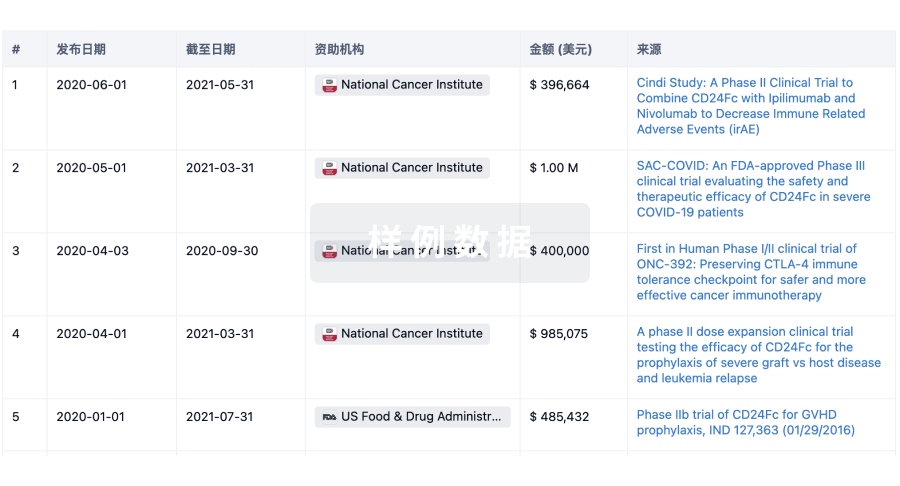
科研基金(NIH)
访问超过 200 万项资助和基金信息,以提升您的研究之旅。
登录
或
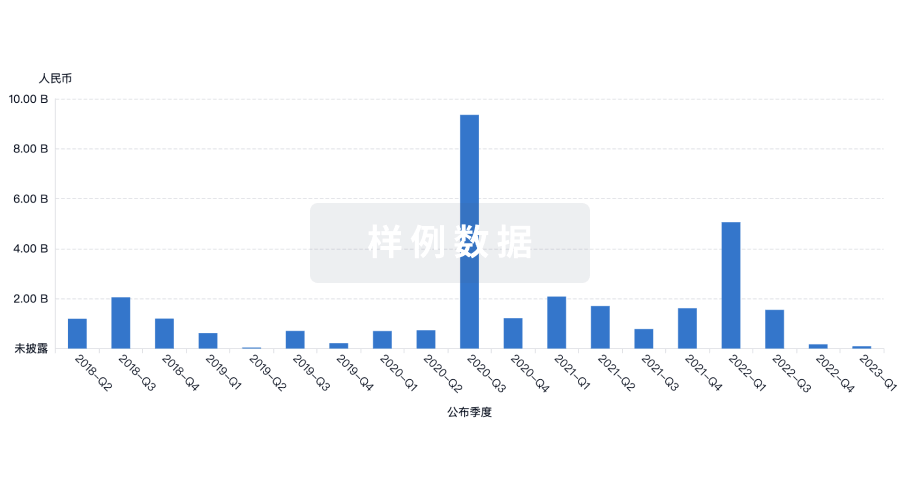
投资
深入了解从初创企业到成熟企业的最新公司投资动态。
登录
或
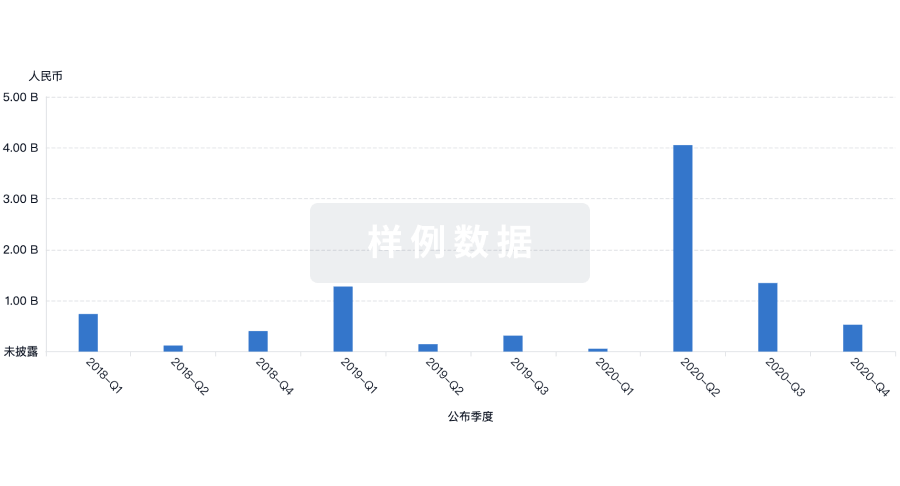
融资
发掘融资趋势以验证和推进您的投资机会。
登录
或
提出任何生物医药研究问题
让每一步生物医药决策都精准制胜
基于十亿级生物数据与全球情报的精准 AI,赋能早期药物发现
立即开始免费试用!
智慧芽新药情报库是智慧芽专为生命科学人士构建的基于AI的创新药情报平台,助您全方位提升您的研发与决策效率。
立即接入生物医药数据包
智慧芽新药库数据也通过智慧芽开放平台,以MCP或API服务形式对外开放。立即使用我们的MCP服务定制您的LLM智能体。
生物序列数据库
生物药研发创新
免费使用
化学结构数据库
小分子化药研发创新
免费使用