预约演示
更新于:2026-09-30

Shenzhen Wingor Bio-technology Co., Ltd.
更新于:2026-09-30
概览
标签
肿瘤
免疫系统疾病
泌尿生殖系统疾病
干细胞疗法
间充质干细胞疗法
基因编辑

关联
16
项与 深圳市茵冠生物科技有限公司 相关的药物靶点- |
作用机制 干细胞替代物 |
在研机构 |
原研机构 |
非在研适应症- |
最高研发阶段临床2期 |
首次获批国家/地区- |
首次获批日期- |
靶点- |
作用机制- |
在研机构 |
原研机构 |
在研适应症 |
非在研适应症- |
最高研发阶段临床申请 |
首次获批国家/地区- |
首次获批日期- |
靶点- |
作用机制- |
在研机构 |
原研机构 |
在研适应症 |
非在研适应症- |
最高研发阶段临床前 |
首次获批国家/地区- |
首次获批日期- |
7
项与 深圳市茵冠生物科技有限公司 相关的临床试验NCT07775391
Phase Ⅰ/Ⅱa Clinical Trial to Evaluate the Safety, Tolerability and Efficacy of Intravenous Injection of Human Umbilical Cord Mesenchymal Stem Cells (hUC-MSCs) in Patients With Premature Ovarian Insufficiency (POI)
A Phase I/IIa clinical study evaluating the safety, tolerability and efficacy of intravenously administered human umbilical cord mesenchymal stem cell (hUC-MSCs) injection in patients with premature ovarian insufficiency (POI).
The primary objective of the Phase I dose-escalation stage is to assess the safety and tolerability of intravenous infusion of hUC-MSCs injection for the treatment of POI, and to determine the recommended phase II dose (RP2D) for the Phase IIa clinical trial.
The primary objective of the Phase IIa dose-expansion stage is to evaluate the efficacy of intravenous infusion of hUC-MSCs injection in POI treatment, and to generate data to support pivotal/confirmatory clinical trials.
The primary objective of the Phase I dose-escalation stage is to assess the safety and tolerability of intravenous infusion of hUC-MSCs injection for the treatment of POI, and to determine the recommended phase II dose (RP2D) for the Phase IIa clinical trial.
The primary objective of the Phase IIa dose-expansion stage is to evaluate the efficacy of intravenous infusion of hUC-MSCs injection in POI treatment, and to generate data to support pivotal/confirmatory clinical trials.
开始日期2026-08-03 |
申办/合作机构 |
NCT07084012
A Phase IIa Randomized, Blinded, Placebo-Controlled Clinical Trial to Evaluate the Efficacy and Safety of Intravenous Infusion of Human Umbilical Cord Mesenchymal Stem Cells (hUC-MSCs) in the Treatment of Acute Ischemic Stroke (AIS)
This is a Phase IIa clinical trial with a three-arm design that utilizes randomization, double-blinding, and placebo control. The primary objective of this study is to evaluate the efficacy of single and multiple intravenous infusions of hUC-MSCs injection in patients with AIS. The secondary objective is to assess the safety and tolerability of single and multiple intravenous infusions of hUC-MSCs injection in patients with AIS. The exploratory objective is to investigate the pharmacokinetic and pharmacodynamic characteristics of hUC-MSCs injection in patients with AIS.
开始日期2025-08-27 |
申办/合作机构 深圳市茵冠生物科技有限公司 [+1] |
CTR20252683
评价人脐带间充质干细胞(hUC-MSCs)注射液经静脉途径治疗急性缺血性卒中(AIS)的有效性和安全耐受性的随机、盲法、安慰剂对照Ⅱa期临床试验
评价单次和多次静脉输注hUC-MSCs注射液治疗AIS患者的有效性和安全耐受性,探索hUC-MSCs注射液在AIS患者体内的药代动力学和药效动力学特点。
开始日期2025-08-27 |
申办/合作机构 |
100 项与 深圳市茵冠生物科技有限公司 相关的临床结果
登录后查看更多信息
0 项与 深圳市茵冠生物科技有限公司 相关的专利(医药)
登录后查看更多信息
2
项与 深圳市茵冠生物科技有限公司 相关的文献(医药)2020-11-01·Molecular human reproduction3区 · 医学
Annexin A2 acts as an adherent molecule under the regulation of steroids during embryo implantation
3区 · 医学
Article
作者: Wang, Bing ; Shao, Yan
Abstract:
We previously showed that annexin A2 (Axna2) was transiently expressed at the embryo-uterine luminal epithelium interface during the window of implantation and was involved in mouse embryo implantation. At the same time, Axna2 was reported to be upregulated in human receptive endometrium, which was critical for embryo attachment as an intracellular molecule. Here, we identified Axna2 as a membrane-bound molecule on human endometrial epithelial cells and trophoblast cells, and the outer surface membrane-bound Axna2 was involved in human embryo attachment. In addition, physiological levels of estrogen and progesterone increased the expression of overall Axna2 as well as that in the extracellular surface membrane protein fraction in human endometrial cells. Furthermore, p11 (or S100A10, a member of the S100 EF-hand family protein, molecular weight 11 kDa) was involved in the translocation of Axna2 to the outer surface membrane of endometrial epithelial cells without affecting its overall expression. Finally, the surface relocation of Axna2 was also dependent on cell–cell contact and calcium binding. A better understanding of the function and regulation of Axna2 in human endometrium may help us to identify a potential therapeutic target for subfertile and infertile patients.
Frontiers in Cell and Developmental Biology
EGF-loaded, bioactive-rich Panax notoginseng-derived nanovesicles accelerate skin wound healing
Article
作者: Yang, Xinrui ; Xie, Guofeng ; Zhang, Xiangsheng ; Chen, Hongbo ; Zhang, Yu ; Xu, Zhanxue ; Li, Tian ; Shi, Peilin ; Yu, Fei ; Zhao, Jinfeng ; Lu, Xingyu
Wound healing is a complex physiological process involving homeostasis, inflammation, proliferation, migration and tissue remodeling. Impaired keratinocyte migration across the wound bed is a key determinant of non-healing wounds. In this context, plant-derived nanovesicles (PDNVs) have emerged as promising therapeutic agents for wound healing due to their high yield, intrinsic biocompatibility, the ability to traverse biological barriers, and an intrinsic molecular cargo (lipids, proteins, nucleic acids, and phytochemicals) that can exert multitarget effects. In this study, we screened a panel of six PDNVs and found
Panax notoginseng
-derived PDNVs (PNVs) displayed superior cell proliferation-promoting activity. To further amplify the bioactivity of PNVs, we actively loaded epidermal growth factor (EGF) onto PNVs (EGF@PNVs). By employing LC-MS and miRNA sequencing, we identified abundant small-molecule compounds (e.g., ginsenoside Rb1, Rg1) and miRNAs (e.g., miRNA 159) in PNVs.
In vitro
experiments demonstrated that PNVs and EGF@PNVs significantly enhanced the proliferation and migration of human keratinocytes (HACAT) as well as the repair of skin mechanical trauma. Moreover, they not only directly accelerated the proliferation and migration of L929 mouse fibroblast cells (L929 cells) but also orchestrated the secretion of TNF-α by mouse mononuclear macrophages (RAW264.7 cells). This cytokine subsequently induced the fibroblast activation or phenotype modulation in L929 cells, further augmenting their proliferative and migratory potential. In a mouse skin injury model both formulations accelerated wound closure and exerted immunomodulatory effects, with EGF@PNVs consistently outperforming PNVs. Collectively, our findings introduce EGF@PNVs as a natural, cost-effective, topical alternative to conventional biologics for wound management.
210
项与 深圳市茵冠生物科技有限公司 相关的新闻(医药)2026-09-29
易贸医疗会议团队编辑
10月9-10日,2026(第三届)BIOCHINA华南生物产业大会将在广州黄埔国际会议中心隆重举行!截至最新统计,大会注册人数已正式突破4000人,全面刷新往届纪录。
距离大会开幕仅余3个工作日,免费注册已进入最后冲刺阶段,最后300张门票抢订中!现在报名,即刻审核,与4000+行业同仁、200+演讲嘉宾、80+优质展商,共赴大湾区生物医药盛会!展览、论坛、约见、路演、闭门会、生物节活动、现场福利,一文解锁参会逛展全攻略!
最后300张免费票抢订中
快人一步 扫码注册
添加小易 加速审核
参会指南,轻松逛展参会
签到开启
10月9-10日 8:00
签到流程
携签到二维码前往一楼大厅签到,领取代表证后入场。
交通&住宿指南
上下滑动查看完整内容
福利狂飙 现场领好礼
2026BIOCHINA华南【观众服务处】全天不同时段开启互动,平板、咖啡机、京东卡、超大玩偶…福利拉满!提前添加小易@易贸医疗2号(13166269862),获取完整打卡攻略,提升中奖率,进入大会现场交流群,掌握一手大会资讯!
最新日程&提纲
日程更新截至9月29日…
主旨论坛
【10月9日-会场1-黄埔厅A】
09:00-09:05 欢迎辞09:05-09:10 致辞嘉宾:陈杰辉,广药集团,党委副书记,副重事长,总经理09:10-09:15 大会执行主席致辞嘉宾:回爱民,惠正奇医药,董事长兼CEO09:15-09:20 开幕致辞嘉宾:邓亚田,上海易贸医疗科技有限公司,创始人兼首席执行官
09:20-09:50 报告:创新双轮驱动——源头突破与产业转化
嘉宾:曾木圣,中国科学院,院士09:50-10:20 报告:链主企业的开放接口——广药BD、并购与融资政策的生态逻辑
嘉宾:彭伟,广药集团,副总经理10:20-10:30 BIOCHINA华南 Awards10:30-11:10 访谈:共建合作新生态,共赢全球新范式
主持:回爱民,惠正奇医药,董事长兼CEO
嘉宾:李胜峰,百奥泰,创办人&总经理
刘建,广药集团,战略科学家
余学清,广东省人民医院,肾内科学科带头人&教育部长江学者特聘教授
陈新文,广州国家实验室,副主任
11:10-12:00 午餐 交流
12:00-13:00 访谈:智药融合——AI重塑研发新大陆
主持:张江,LongRiver江远投资,创始人、CEO
嘉宾:任峰,英矽智能,联合首席执行官、首席科学官、药物研发负责人
赖才达,剂泰科技,联合创始人&首席执行官
马健,晶泰科技,CEO
樊杰,华为制药军团,总裁
13:00-13:15 报告:全链条助推生物医药产业高质量发展——广州开发区黄埔区“两城一岛”产业生态及服务体系介绍
嘉宾:文日煜,广州开发区投资促进局, 副局长
13:15-13:55 访谈:产业整合重塑估值:核心投资逻辑与配置策略
主持:吴聪扬,艾伯维创投,亚太区负责人
嘉宾:陈静,广药资本,董事长
潘岷溟,广州产投,投资三部总经理
李洁,丹麓资本,合伙人
施正政,倚锋资本,合伙人
14:0015:00 逛展 交流
研发创新论坛
【10月9日-会场1-黄埔厅A】
聚势湾区·共创共赢--
广药集团BD合作与华南创新生态论坛
主持:刘宏,广药集团,科研项目管理部部长;广州白云山医药,董事;广州白云山稀核,董事长兼总经理
15:00-15:15 报告:广药战略发布
嘉宾:刘建,广药集团,战略科学家
15:15-15:35 报告:投资机构标的需求发布
嘉宾:邓暄,夏尔巴投资,合伙人
15:35-15:50 报告:大学生生命科学挑战赛发布
嘉宾:周大旺,暨南大学生物医学高等研究院院长;全国高校区域技术转移转化中心(粤港澳大湾区)执行主任、全国高校生物医药区域技术转移转化中心(粤港澳大湾区广州)主任
15:50-16:00 报告:广药集团合作实践与管线突破
嘉宾:刘宏,广药集团,科研项目管理部部长;广州白云山医药,董事;广州白云山稀核,董事长兼总经理
16:00-17:00 访谈:广药创新合作生态的现在与未来
主持:罗永华,广药集团,首席科学家
嘉宾:彭伟,广药集团,副总经理
邓暄,夏尔巴投资,合伙人
周大旺,暨南大学生物医学高等研究院院长;全国高校区域技术转移转化中心(粤港澳大湾区)执行主任、全国高校生物医药区域技术转移转化中心(粤港澳大湾区广州)主任
天鹜科技专题论坛
AI智能体驱动蛋白质研发
17:00-17:30 报告:从序列到功能:蛋白质大语言模型的发展与应用
嘉宾:李明辰,天鹜科技,AI Lab首席科学家
提纲:
1. 蛋白质语言模型的介绍
2. 蛋白质语言模型的发展讨论
3. 蛋白质语言模型的应用,以抗体设计为例
17:30-18:00 报告:蛋白质研发智能体的认知推理与产业实践
嘉宾:谭扬,天鹜科技,AI Lab技术科学家
提纲:
1. 范式革新:从单一模型到认知智能体系统
2. 可信推理的关键路径:知识增强与多模型协同3. 产业落地的核心机制:实验反馈驱动的自进化闭环
4. 直面未来:科学智能体规模化的现实挑战
18:00-20:00 特邀晚宴
AI FOR PHARMA
【10月10日-会场3-开放厅B】
研发&早期开发
09:00-09:20 报告:功能蛋白质组学驱动的新药精准开发
嘉宾:郑勇,英诺迈博,董事长/CEO
提纲:
1.为什么需要功能蛋白组学?
2.功能蛋白组学的三大应用场景
3.应用案例分享
4.未来展望:从静态组学到动态功能数据
09:20-09:40 报告:新靶标DRIP抑制剂 --开辟全球癌症高效防治新赛道
嘉宾:梁纯,恩康药业,创始人、首席科学家
提纲:
1. 本团队在国际上首创颠覆性抗癌新靶标DNA 复制起始蛋白(DRIPs)
2. 本团队研发的DRIP抑制剂对癌症和癌前病变有广谱高效作用
3. DRIP抑制剂对正常细胞损伤小
09:40-10:00 报告:体内CAR-T和虚拟细胞AIVC
嘉宾:周露,神拓生物,首席执行官
提纲:
1.体内CAR-T的技术路线
2.慢病毒载体适合实体瘤适应症的开发
3.AI对体内CAR-T的帮助
4.什么是虚拟细胞
5.虚拟细胞如何建模
6.虚拟细胞在体内CAR-T中的应用
10:00-10:20 报告:AI赋能的小分子RNA创新药研发实践
嘉宾:刘阳,溪砾科技(中国),CEO
提纲:
1.小分子RNA创新药研发机制
2.AI如何赋能药物研发流程
3.RTX-117:从hit到临床的落地实践
10:20-10:40 报告:信息技术驱动的智能大分子药物研发新范式
嘉宾:胡敏杰,信华生物,高级商务总监
提纲:
1. 复杂多特异大分子药物的研发在爆发,但传统研发模式受困于结构复杂、整合随机、可开发性、成药性等瓶颈
2. 从结构预测进化到生成式设计,最新的信息技术能从头创造全新蛋白并同步优化多项功能和成药性属性
3. 研发正转向数据与智能体驱动的闭环模式,同时也面临数据稀缺、实验通量滞后、临床闭环长周期等现实障碍
10:40-11:00 报告:DEL + AI 双轮驱动:原创小分子药物“高质量起点”的平台搭建
嘉宾:梁冬冬,西湖制药,总经理兼研发总监
提纲:
1. DEL技术构建高质量的“化学空间”与实验数据
2. AI将DEL数据转化为可预测的“虚拟筛选”能力
3. 从“单次筛选”到“持续优化”的系统化平台
11:00-12:00 午餐 交流
【10月10日-会场1-黄埔厅A】
12:00-12:40 访谈:从177%到临床实证——AI+mRNA如何重写核酸药物的设计剧本
主持:赵雅娴,神经生理学博士,《科技早知道》主播
嘉宾:回爱民,惠正奇医药,董事长兼CEO
高祥瑞,晶泰科技,核酸药物研发负责人
欧阳德方,澳门大学,教授
陈枢青,浙江大学药学院教授,杭州纽安津生物科技有限公司创始人
脑机接口
12:40-13:00 报告:基于植入式脑机接口和AI的视觉重建
嘉宾:樊钰纯,明视脑机,商务市场负责
提纲:
1.基于植入式脑机接口:从“读取”大脑信号到“写入”机器信号
2.千通道视觉重建系统如何运转?
3.IIT试验的定量化验证
13:00-13:20 报告:脑网络组图谱引导的新一代脑机接口方法与设备
嘉宾:蒋田仔,哈尔滨工业大学(深圳)国际脑机智能研究院,院长
提纲:
1. 脑网络组图谱是脑机接口的基石
2. 脑网络组图谱引导的脑控技术与设备
3. 脑网络组图谱引导的控脑技术与设备
13:20-13:40 报告:基于云平台的非侵入式脑机接口技术构建医院临床应用生态体系
嘉宾:江娅,华南脑控,商务运营总监
提纲:
1.基于云平台的非侵入式脑机接口技术生态策略
2.基于云平台的非侵入式脑机接口技术在医院场景重点临床应用
3.基于云平台的非侵入式脑机接口临床应用与科研案例
AI 创新与降本增效
策划人:鲜翾,同源康生物,CAIO
13:40-14:00 报告:医药产业3.0——医药智能体驱动的研发范式重构和药企转型
嘉宾:邢杰,水木分子,COO
提纲:
1. 从工具 AI 到智能体:产业 3.0 的核心变革逻辑
2. 药企数智化落地方法论
3. 智能体赋能研发全流程实战案例与落地经验
14:00-14:20 报告:AI驱动药企全链路数智转型:从工具落地到组织重塑
嘉宾:王增,广州康臣药业有限公司,数智创新中心总经理
CMC&智能制造
14:20-14:40 报告:细胞治疗产品临床期间药学变更研究NEW
嘉宾:区裕升,香雪生命科学,生产总监
提纲:
1.细胞治疗产品的药学变更内涵(定义、分类、等级)
2.临床试验阶段药学变更的常见场景
3.药学变更的风险管理与策略
4.可比性研究的设计与实施
5.各职能部门在变更中的角色
14:40-15:00 报告:以数智化转型为引擎,推动物料、装备、软件全链路国产替代
嘉宾:张涛,康方生物,智能化高级总监,CSV合规与药品智能制造专家
提纲:
1.演进路线:五期工厂,从“100%进口依赖”走向“国产自主可控“
2.三维突破:物料、装备、软件全链路推动
3.成效与生态:从"企业能用"到"行业能用“
4.AI时代生物制药数字化转型机遇与挑战
临床开发
15:00-15:20 报告:数智筑基·临床赋能——广州AI医疗应用的底座建设与场景实践
嘉宾:华军,广州市卫生健康委员会信息与统计处,处长
提纲:
1.广州卫生健康数智基础设施建设路径
2.推动AI医疗场景落地的实践案例
3.广州卫生健康行业开放共享、共创共赢产业生态
15:20-15:40 报告:AI驱动虚拟人群构建及其在器官损伤研究中的应用实践
嘉宾:林嘉叶,辉瑞,临床药理高级经理
提纲:
1.器官损伤研究痛点与MIDD技术变革价值
2.合规化AI虚拟人群构建体系与技术标准
3.AI虚拟人群在器官损伤研究中的落地实践与产业展望
研发创新论坛
【10月9日-会场5-开源厅】
XDC创新开发
策划人:叶军民,信立泰,CSO
10:20-10:40 报告:AMG133研发启示录:多肽偶联药物的机理、应用与案例深度解析
嘉宾:叶军民,信立泰,CSO
提纲:
1.多肽药物的“半衰期困局”:肠促胰素类爆发之后,治疗性多肽的下一个突破口
2.APC 的设计理念:相比融合蛋白,抗体-多肽偶联如何实现独立优化与非天然氨基酸/环肽修饰灵活性
3.AMG133 10:20-10:40案例拆解:GIPR 拮抗抗体 × GLP-1R 激动剂,同靶点协同的背景,机理,与偶联工程化设计
4.从代谢到更广适应症:APC 平台的跨治疗领域机会、未来挑战与下一代创新药启示
10:40-11:00 报告:基于starlinker的双载荷ADC的开发
嘉宾:王三龙,康威生物,科学&运营高级总监
提纲:
1.康威生物创新性StarLinker多载荷偶联平台,克服肿瘤异质性和耐药导致的疗效瓶颈
2.单步反应即可将双/多载荷按不同比例偶联至天然抗体,无需酶促、工艺简洁、均一性高,已开发多款PCC
3.CAN016为平台首款获批临床的HER2双毒素ADC,正开展I期研究,探索经ADC治疗后实体瘤的初步疗效
4.临床前显示CAN016对包括Enhertu(DS8201)耐药的多种模型展现优异杀伤
11:00-12:00 午餐 交流
双多抗药物创新开发
12:00-12:20 报告:种属交叉的CD3纳米抗体-Fapon TCE平台及应用
嘉宾:芦迪,菲鹏制药,VP
提纲:
1.TCE的发展和未来趋势
2.CD3纳米抗体的应用优势
3.基于纳米抗体组件的TCE项目应用数据介绍
12:20-12:40 报告:針对直肠癌的4-1BB T 细胞衔接器 4-1BB T Cell Engager for Colorectal Cancer
嘉宾:梁绍勤,东阳光药业,首席科学官
提纲:
1.利用直肠癌特異表达靶点设计T 细胞衔接双抗
2.体外及体内药理显示双抗药效
3. 肿瘤免疫环境的重要性
12:40-13:00 报告:跨越种属鸿沟:靶点人源化小鼠在药物毒理评估中的关键作用
嘉宾:周小飞,百奥赛图,BioMice产品开发部总监
提纲:
1. 人源化小鼠安评的科学必要性:克服种属差异与靶点回源性挑战
2.靶点人源化小鼠的临床毒性预测效能:机制验证与临床相关性分析
3.靶点人源化小鼠GLP毒性研究的规范化实施与监管考量
4.人源化小鼠平台在多样化药物模态安评中的拓展应用
冠科生物专题论坛
-数据智能驱动新药研发:AI智能体、多组学与前沿递送平台
主持:薛佳,冠科生物,生物信息学总监
13:00-13:20 报告:打破生信壁垒:AI+Bio 融合概览与冠科MAI智能体实践
嘉宾:谢子璇,冠科生物,商务总监
提纲:
1. AI 技术与生物制药结合的多元场景
2. 冠科生物 MAI (Model AI) 智能体介绍与演示
13:20-13:40 报告:多组学驱动洞察:推进肿瘤新药探索与开发
嘉宾:徐子晗,冠科生物,数据科学与生物信息学科学家
提纲:
1.基于多种临床前模型的高质量多组学数据,为新药研发提供丰富资源
2.自研基于蛋白组学的批次矫正方法,为跨平台或多时间点数据整合提供方法学支撑
3.单细胞实验与数据库结合,将靶点验证与发现推进至单细胞精细层面
13:40-14:00 报告:AI助力创新底层技术引领差异化的mRNA LNP平台
嘉宾:刘艳卉,恒诺康医药,业务发展部高级总监
提纲:
1.AI技术在mRNA 药物开发的应用
2.mRNA加帽产品LZCap
3.新型可离子化脂质LNP递送系统
14:00-15:00 逛展 交流
创新项目全球首个专题
15:00-15:40 访谈:复杂分子药物的全球化BD与差异化开发
主持:傅道田,医铭康达,联合创始人
嘉宾:靳照宇,明济生物,CEO
张文军,爱思迈,创始人&CEO
王春河,达石药业,CEO
唐恕一,星联肽,总裁
习宁,范恩柯尔生物,CEO
江山,翰森制药,CTO
秦飞,广州白云山医药集团股份有限公司白云山制药总厂,厂长
15:40-16:20 访谈:全球临床能力=出海核心竟争力 ——从 BD 谈判到全球落地的临床战略决策
主持:王婷婷,来恩生物,CMO
嘉宾:郭晓宁,海和药业,CMO
秦续科,宜联生物,CMO
蔡清清,中山大学附属肿瘤医院,主任
16:20-16:40 报告:GdT细胞:新赛道和新平台
嘉宾:尹芝南,暨德康民,创始人/董事长
16:40-17:00 报告:免疫重置治愈自免疾病的新一代三特异性TCE药物
嘉宾:张文军,爱思迈,创始人 & CEO
提纲:
1. 自疫治疗中免疫重值的原理
2. 自免三抗的数据分享
小分子药物创新开发
17:00-17:20 报告:抗呼吸系统疾病药物研发与高通量筛选策略
嘉宾:商锦赛,广州国家实验室,呼吸慢病研究部部长研究员&药物筛选平台首席科学家
17:20-17:40 报告:靶向RAS抑制在癌症治疗中的进展与挑战
嘉宾:范飞飞,药明康德,生物学业务平台主任
提纲:
1. RAS靶向范式革命,从“不可成药”到胰腺癌治疗临床突破
2. 临床疗效瓶颈与耐药挑战
3. 破局之道:下一代策略与联合治疗新模式
17:40-18:00 报告:DEL+AI助力于多肽类药物分子从 hit 到 pcc的研发
嘉宾:张水华,新樾生物,副总经理
18:00-20:00 特邀晚宴
工艺生产论坛
【10月10日-会场5-开源厅】
818/828 CGT合规实践
策划人:陈伙德,华津医药,CEO
9:00-9:20 报告:细菌载体类基因工程药物的崛起与产业赋能
嘉宾:陈伙德,华津医药,CEO
提纲:
1.溶瘤细菌疗法的产业现状与临床机遇
2.First-in-class 溶瘤细菌 SGN1 全球研发进展
3.细菌药物开发技术难点与解决思路
9:20-9:40 报告:干细胞治疗2型糖尿病的临床研究及CGT产品转化应用路径分析
嘉宾:翟留涛,广州达博生物,副总经理
提纲:
1.干细胞治疗2型糖尿病的机理
2.正在开展的干细胞治疗2型糖尿病的临床试验及进展
3.CGT产品/技术转化应用路径
9:40-10:00 报告:细胞治疗克服实体肿瘤微环境
嘉宾:周鹏辉,泛恩生物,创始人
提纲:
1.实体肿瘤微环境对T细胞的全面抑制机制
2.全基因组筛选发现逆转微环境抑制的关键基因群
3.双载体高效递送系统实现多基因稳定调控
4.临床治疗效果获得突破性进展
干细胞药物早期创新研发
策划人:谭毅,齐鲁细胞治疗,副总经理兼研发总监
10:00-10:20 报告:间充质干细胞在肝病治疗中的探索和思考
嘉宾:谭毅,齐鲁细胞治疗,副总经理兼研发总监
提纲:
1.间充质干细胞的作用机制--基质细胞
2.多变的间充质细胞-CMC简单又复杂
3.间充质细胞治疗肝病的临床前研究
4.间充质干细胞用于肝硬化与肝衰竭的临床治疗进展
10:20-10:40 报告:肝前体细胞药物在重症肝病的先进治疗进展
嘉宾:翁智辉,赛立维,副总经理
提纲:
1.全球首创肝前体细胞药物介绍
2.肝前体细胞药物在失代偿肝硬化的临床治疗进展
3.规模化细胞药物生产的智能制造
10:40-11:00 报告:外泌体临床应用最新进展:诊疗落地、转化瓶颈与产业展望
嘉宾:李忠,深圳泽医细胞治疗集团,院长
提纲:
1.外泌体核心机制与医用价值解析
2.国内外外泌体临床研究落地成果与典型案例11:00-12:00 午餐 交流
核酸药物开发
12:00-12:20 报告:肝外递送siRNA诱导的皮下靶向脂肪细胞溶解(SISTA)在临床中的应用
嘉宾:潘洪辉,圣诺医药,CEO
提纲:
1. 当前主流减脂疗法存在的临床缺口与现实局限
2. SISTA 肝外 siRNA 技术原理
3. BSMA‑01 临床前研究数据及 Ⅰ/Ⅱ 期临床试验核心结果
4. BSMA‑01 临床试验适应症设定、入组排除标准及不良事件汇总
12:20-12:40报告:助力核酸类药物研发:聚焦临床前DMPK的研究策略
嘉宾:焦桴荣,药明康德测试业务平台药物代谢与动力学部,副主任
提纲:
1.核酸类药发展现状、潜力与临床前体内研究的瓶颈
2.核酸类药物临床前溶媒筛选策略
3.核酸类药物临床前DMPK研究策略
4.WuXi DMPK多样化的生物分析平台
12:40-13:00 报告:治疗性核酸疫苗的创新设计与微针递送系统
嘉宾:王宾,艾棣维欣生物,联合创始人、首席科学家
提纲:
1.基于序列优化的核酸疫苗设计策略
2.微针递送系统的关键质量特性评价
3.疫苗微针的无菌工艺控制策略
13:00-13:20 报告:AI驱动mRNA递送系统理性设计
嘉宾:欧阳德方,澳门大学,教授
提纲NEW:
1.首个mRNALNPAI模型并且构建两千万虚拟脂质分子库
2.分子模拟研究mRNALNP自组装结构
3.mRNALNP体内命运
13:20-13:40 报告:由AI与新一代LNP赋能的惠正奇mRNA肿瘤疗法
嘉宾:回爱民,惠正奇医药,董事长兼CEO
13:40-14:00 报告:创新mRNA药物研发及临床进展
嘉宾:岑山,仁景生物,CSO
提纲:
1.肿瘤拦截药物RG002系列的开发
2.靶向递送赋能新药研发
14:00-14:20 报告:AI驱动个体化肿瘤新生抗原疫苗开发
嘉宾:陈枢青,浙江大学药学院教授,杭州纽安津生物科技有限公司创始人
提纲:
1.体细胞突变驱动肿瘤的发生发展
2.突变基因会编码突变蛋白,突变抗原不受中枢免疫耐受限制,会产生特异性T细胞3.肿瘤新生抗原是研发肿瘤疫苗的最佳抗原
4.体细胞突变的随机性和HLA的多态性决定了新生抗原肿瘤疫苗是个体化的
细胞治疗工艺开发与生产
14:20-14:40 报告:从 iPSC 到全球供应:细胞治疗商业化的 CMC、规模化生产与全球监管策略NEW
嘉宾:何佳樺,霍德生物,运营长
提纲:
1.iPSC细胞治疗商业化核心CMC质量体系搭建
2.产业化规模化生产技术与产能落地路径
3.全球监管合规体系与商业化布局策略
14:40-15:00 报告:通用型 CAR-T 的"现货"制造——基因编辑策略与规模化生产体系
嘉宾:王华茂,科济药业,COO
提纲:
1. 通用型CAR-T的研发价值与产业意义
2. 精准基因编辑策略决定产品安全性、有效性与免疫逃逸能力
3. 全流程精细化质量控制支撑规模化产业化生产
15:00-15:20 报告:细胞治疗产品生产自动化NEW
嘉宾:梁焯,中源协和产品转化与生产高级总监 & 武汉光谷中源协和/中源协和基因科技/中源协和(海南)细胞科技总经理
提纲:
1.国内外细胞治疗自动化的发展状态
2.细胞工艺“自动”化——冰山下的问题
3.新的市场环境下细胞治疗自动化的机遇
15:20-15:40 报告:密闭体系迭代——从半自动模块化生产到全自动化闭环,自体CAR-T 的工艺工程落地路径
嘉宾:华坚,上药生物治疗公司,原执董总经理
提纲:
1.体内CAR T的融资浪潮一浪高过一浪,体外自体CAR T是否无需再研究?
2.体外CAR T复杂、昂贵及不确定的制备工艺该走什么方向去突破?
15:40-16:00 报告:双特异性抗体制剂处方开发的挑战和应对策略
嘉宾:刘明宇,百吉生物研发负责人&TIL项目负责人
提纲:
1.实体肿瘤T细胞药物开发瓶颈和挑战
2.TIL管线开发进展及CMC挑战
3.TIL管线CMC体系标准化及创新策略
工艺生产论坛
【10月9日-会场2-黄埔厅C3】
出海CMC策略
10:00–11:00 报告:中美CMC法规差异对比与分析
嘉宾:刘巨洪,前FDA审批专家,国际注册顾问公司首席咨询顾问
提纲:
1.出海的关键:快还是省?
2.CMC的差异:法规的差异还是对时间点的差异?
3. 对CMC变更的解读 – 变更如何影响临床开发的进度?
11:00-12:00 午餐 交流
出海CMC策略
12:00-12:40 报告:从上市获批到全球供应——生物药在CMC工艺和供应链管理方面的挑战和对策
嘉宾:白石,苏州众合/君实生物,质量副总
提纲:
1.产品获批到供应前的准备工作
2.CMC工艺的协同与变更管理
3.供应链与产能规划
4.全球定价体系的维护
12:40–13:00 报告:生物药可比性研究和案例分析
嘉宾:徐军,东阳光生物药,质量研究总监
提纲:
1.生物药可比性研究的实施流程
2.可比性标准制定
3.具体的实施案例分享
13:00–13:20 报告:基于NGS的外源病毒检测应用及实践
嘉宾:王鑫,博瑞策生物,CSO
提纲:
1.外源因子检测技术考量及法规趋势
2.符合全球化质量体系要求的NGS外源病毒检测方法3.NGenius®高通量测序平台应用实践
13:20–13:40 报告:生物药海外审计经验分享
嘉宾:王胜,百济神州,质量负责人
提纲:
1. 生物药检查法规及行业指引
2. 搭建标准化,系统化的审计管理平台,提升组织应对各种审计的响应速度与管理效率
3. 检查案例分享,提炼实战经验
13:40–14:00 报告:TCE分子纯化挑战与策略
嘉宾:刘韬,蓬勃生物,抗体工艺下游负责人
提纲:
1.Clinical Progress and Molecular Characteristics of TCE
2.Purification Challenge and Strategy of TCE
3.Purification Case Study of TCE
14:00-15:00 逛展 交流
药明康德专题论坛
原料药-制剂的赋能技术
15:00-15:20 报告:PROTAC CMC开发一体化解决方案
嘉宾:陆愈,药明康德副总裁,原料药业务早期项目部四部负责人
提纲:
1. PROTAC 分子物理化学性质特点总结
2. 工艺开发角度(合成、分析、质控)的解决思路
3. 合全药业的一体化能力平台介绍
4. 案例分析:流体化学、工艺工程、高通量筛选在项目中的实际应用
15:20-15:40 报告:喷雾干燥固体分散体赋能创新药制剂研发
嘉宾:刘春晖,药明康德执行主任,制剂研发后期项目四部负责人
提纲:
1.固体分散体研究流程
2.固体分散体赋能优势
3.固体分散体制剂设备
4.完整制剂案例分享
15:40-16:00 报告:突破规模化放大瓶颈:构建稳健的环肽原料药CMC体系
嘉宾:高欣,药明康德执行主任,WuXi TIDES事业部多肽工艺研发部负责人
提纲:
1.环肽药物管线持续增长
2.环肽规模化生产的核心风险
3.案例分享1-加速三重订书肽临床试验物料的开发与供应
4.案例分享2-从发现到开发:协同加速口服环肽IND
5.WuXi TIDES平台赋能全球药物公司
多肽药物
16:00-16:20 报告:从分子到制剂:口服多肽的创新设计策略与应用案例解析
嘉宾:曲伟,善康医药,CTO
提纲:
1.口服多肽药物研发痛点与产业化核心技术壁垒
2.分子+制剂双维度:口服多肽创新落地设计策略
3.标杆项目深度拆解与产业化落地经验复盘
16:20-16:40 报告:基于肠胃道激素开发的减重药物介绍
嘉宾:曹春来,联邦生物科技 总经理&珠海联邦生物 总经理
提纲:
1.减重药物中肠胃道激素靶点的介绍,基于这些靶点开发减重药物的思考
2.联邦减重药物开发的减重药物的一些组合,以及未来市场应用的考量
16:40-17:00 报告:口服多肽和大环肽药物,以及BCS难溶难吸收药物的开发
嘉宾:黄慧瑜,美济生物,CEO
提纲:
1.口服多肽和大环肽药物开发的挑战和策略分析
2.口服BCS难溶难吸收药物开发的挑战和策略分析
3.美济生物医药公司口服药物平台介绍和进展
17:00-17:20 报告:全球口服环肽药物的研发趋势以及环肽项目分享
嘉宾:王丽娟,深圳信立泰,首席科学官
提纲:
1. Why Explore Oral Cyclic Peptides
2. How to Discover Oral Cyclic Peptides
3. What have We Achieved
17:20-18:00 访谈:从合成壁垒到给药革命——多肽药物的工艺护城河与长效化、非注射化双趋势
主持:曲伟,善康医药,CTO
嘉宾:黄慧瑜,美济生物,CEO
郑楠,五针松医药 ,研发总监
窦浏,奥礼生物,CEO
18:00-20:00 特邀晚宴
工艺生产论坛
【10月10日-会场2-黄埔厅C3】
XDC工艺开发与分析
策划人:张玉杰,百济神州,分析高级总监
09:00-09:20 报告:针对TOPi ADC的DAR值的分析策略和表征研究
嘉宾:梁可莹,百济神州,分析主任研究员
提纲:
1.针对TOPi ADC异质性和DAR值测定方法的介绍
2.DAR值液相分析方法挑战和表征研究
3.DAR值分析方法的一般控制策略
09:20-09:40 报告:ADC电荷异构体:形成机制、表征及其对产品质量的影响
嘉宾:张任丰,百济神州,分析高级研究员
提纲:
1.阐述ADC电荷异构体的主要形成机制
2.介绍电荷异构体的表征策略
3.探讨电荷异构体对ADC产品质量、关键质量属性(CQA)的影响
09:40-10:00 报告:Dxd-ADC的光稳定性及其对产品质量和生物学活性的影响及控制策略
嘉宾:陆益梅,百济神州,分析主任研究员
提纲:
1.Dxd-ADC的光敏性特征和降解机制介绍
2.Dxd-ADC光降解对生物学活性的影响
3.光敏性ADC研发和生产过程中的一般控制策略
10:00-10:20 报告:基于LBA平台的复合型ADC的分析策略
嘉宾:张雪,药明康德测试业务平台药物代谢与动力学部,高级研究员
提纲:
1.复合型ADC结构特征与生物分析痛点定位
2.LBA平台多组分PK定量策略与复杂案例拆解
3.多结构域ADA评价体系构建与优化
4.方法学开发决策树及前沿分析技术展望
10:20-10:40 报告:基于QbD理念的生物偶联药物CMC开发策略
嘉宾:黄勉,药明合联,早期研发&开发部主任
提纲:
1.QbD理念与生物偶联药物CMC特殊性
2.基于QbD的CMC工艺开发框架和工具
3.基于QbD的生物偶联药物工艺开发策略
10:40-11:00 报告:ADC药物质量控制策略
嘉宾:姚雪静,上海上药交联医药科技,总经理
提纲:
1.质量标准制定要素和法规依据
2.质量标准制定 – 检测项目&分析方法
3.质量标准制定 – 范围设定
11:00-12:00 午餐 交流
抗体新分子工艺开发
专场冠名:瑞予
主持:王诏,康方生物,CMC高级总监
12:00-12:20 报告:复杂生物制品早期成药性评估与CMC开发策略:从分子设计到工艺落地
嘉宾:林晶晶,丽珠单抗生物,工艺总监
提纲:
1.复杂生物制品早期成药性评估的关键考量
2.从分子设计、表达系统到工艺开发的CMC前置策略
3.基于实际项目案例的工艺落地与风险控制分析
12:20-12:40 报告:生物制品工艺验证解析
嘉宾:王鑫,博安生物,质量负责人
提纲:
1.工艺验证国内外法规指南介绍
2.工艺验证设计的考虑要点
3.生物制品工艺验证实施策略及案例分享
12:40-13:00 报告:"应运而生"- 高稳健蛋白 A 亲和填料介绍
嘉宾:谢晓哲,瑞予(cytiva本土新品牌),填料产品负责人
提纲:
1.抗体生物药企面临的市场挑战
2.瑞予高稳健蛋白A亲和填料围绕“稳”这一核心价值,在批间一致性、放大性能、动态结合载量及耐碱寿命等关键指标上的表现和优势
3.兼顾性能、成本与供应保障的本土化解决方案
13:00-13:20 报告:双抗高浓度制剂背后分子固有风险与早期可开发性评估策略
嘉宾:阮小华,科兴制药,工艺研究中心负责人
13:20-13:40 报告:大分子创新药CMC开发不同阶段的关注重点
嘉宾:方言,齐鲁制药,生物技术开发部执行总监
13:40-14:10 访谈:新分子,新工艺——复杂分子工艺开发新命题
主持:赵雅娴,神经生理学博士,《科技早知道》 主播
嘉宾:张玉杰,百济神州,分析高级总监
王诏,康方生物,CMC高级总监
复杂分子制剂开发与生产
14:10-14:30 报告:无菌制剂工艺的全球标准实践——从除菌过滤、冻干到灌装的国际化生产体系构建
嘉宾:俞先旗,百济神州,成品生产执行总监
提纲:
1.无菌制剂工艺的的国际化生产体系构建
2.设备选型控制要点
3.生产工艺控制要点
14:30-14:50 报告:一次性耗材在生物药制剂产品的应用策略
嘉宾:林汉标,信立泰,生产经理
提纲:
1.一次性耗材的介绍
2.一次性耗材在制剂工艺各工序的应用
3.一次性耗材在应用过程的管控
14:50-15:10 报告:双特异性抗体制剂处方开发的挑战和应对策略
嘉宾 :邹志通,智翔(上海)医药科技,质量研究部门经理
提纲:
1.双特异性抗体的研发现状和趋势
2.双特异性抗体制剂开发遇到的挑战
3.双特异性抗体制剂处方开发的策略
IND和BLA阶段生产管理
15:10-15:30 报告:药品注册核查相关程序和现场检查关注点
嘉宾:李璇,广州市黄埔区新药申报服务中心,高级工程师
15:30-15:50 报告:抗体药物工艺表征与工艺验证体系搭建
嘉宾:于超,上药集团,CMC总监
15:50-16:10 报告:生物制品的变更控制策略与思考
嘉宾:李俊伟,鲁南制药,生物制品生产总监
提纲:
1.变更驱动因素与探讨
2.变更策略与探讨(不同阶段执行差异)
3.变更问题与案例分享
研发创新论坛
【10月9日-会场4-开放厅A】
先进治疗
12:00-12:20 报告:细胞外囊泡药物研发进展
嘉宾:张红武,思德克索,创始人、董事长、总经理
提纲:
1.细胞外囊泡药物监管现状
2.细胞外囊泡药物药学研究
3.细胞外囊泡药物临床转化
12:20-12:40 报告:从概念到实践,In vivo TCR-T实体瘤治疗产品开发现状
嘉宾:战凯,香雪生命科学,商务总监/总裁助理/高级科学家
提纲:
1.In vivo TCR‑T 功能组件的设计实践
2.全球 In vivo TCR‑T 实体瘤在研项目及临床输出数据解读
3.In vivo TCR‑T 研发中关键技术障碍与工艺质控实践要点
12:40-13:00 报告:iNKT细胞市场现状与未来趋势
嘉宾:路程,北京基因启明,CMO
提纲:
1.CGT行业现状
2.iNKT及临床试验数据介绍
3.iNKT未来的发展路径
基因治疗
13:00-13:20 报告:现货异体免疫细胞基因编辑系统的研发适配性对比
嘉宾:徐天宏,贝斯生物,创始人&CEO
提纲:
1.技术性能比较:对比CRISPR与碱基编辑的编辑机制、效率、靶点范围及多位点编辑能力。
2.安全性与质量评估:分析双链断裂风险、脱靶效应及细胞毒性对产品质量的影响。
3.临床转化潜力:评估两种体系在多基因编辑、规模化生产及异体通用细胞产品中的应用前景。
13:20-14:00 访谈:CGT早期研发的战略抉择
主持:王汉明,滨会生物,副总经理
嘉宾:胡洋,微光基因,首席执行官
钟时,香雪生命科学,CSO
吴岚琳,跃赛生物,CEO
郭炜,中国药科大学,生物医药卓越工程师&学院教授
盛龙祥,广药集团,资深科学家
14:00-15:00 逛展 交流
先进治疗
15:00-15:20 报告:The Road to In Vivo CAR-T Success: Challenges, Strategies, and Clinical Translation
嘉宾:何晓文,原启生物,联合创始人&CSO
提纲:
1.Engineer lentiviral vectors withserum-resistant, immune-shielded envelopes for in vivo CAR-T generation.
2. Overcome manufacturing scale, IP barriers, and biphasic immunetoxicity.
3. Validate Ori dual-targetedefficacy in hematologic malignancies and armored CARs for solid tumors.
15:20-15:40 报告:CLDN18.2 CAR-T的探索之路
嘉宾:齐长松,北京肿瘤医院一期临床病区,副主任医师
提纲:
1.CLDN18.2 CAR-T的临床数据解读;
2.CLDN18.2 CAR-T相关的转化研究
15:40-16:00 报告:颠覆还是轮回?下一代现货细胞治疗技术的开发出路
嘉宾:范晓虎,湾岛细胞,CEO
提纲:
1.自体CAR-T的商业化进展与挑战
2. 八仙过海的各种现货型细胞疗法要趟过的死亡之谷
3. 体内基因治疗时代现货型细胞疗法真正的出路
工艺开发论坛
【10月9日-会场4-开放厅A】
细胞治疗质控与分析
16:00-16:20 报告:基于CRISPR的通用CART产品质量体系搭建:中美监管差异与应对措施
嘉宾:张长风,杭州华赛伯曼,CEO
提纲:
1.CRISPR类细胞产品的发展现状
2.CRISPR等基因编辑工具的中美监管情况
3.off-target类脱靶风险
4.染色体重排类基因毒性风险
5.CRISPR引起继发肿瘤的临床案例及监管考量
16:20-16:40 报告:In Vivo 细胞治疗的质控新挑战——从"终末细胞"到"递送载体"的检验标准迁移
嘉宾:朴老师,原国家局药品GMP检查组长
提纲:
1.概述
2.病毒载体质控策略(腺相关病毒载体) AAV) 和慢病毒载体(LV)
3.非病毒载体质控策略(LNP-mRNA)
16:40-17:00 报告:测序技术在细胞与基因治疗(CGT)产品生产质量控制与监管检验中的应用
嘉宾:李老师,广州市药检所
提纲:
1.细胞与基因治疗药品检验模式
2.测序技术的发展
3.典型案例分析
核药开发论坛
17:00-17:20 报告:放射性药物:从分子影像诊断到“诊疗一体化”
嘉宾:徐浩,暨南大学附属第一医院,医学影像部主任、核医学学科带头人
提纲:
1.放射性药物概述
2.核医学分子影像技术
3.基于核医学分子影像的诊疗一体化
17:20-17:40 报告:RDC核药工艺开发注意要点
嘉宾:余海华,晶核生物,联合创始人,首席执行官
提纲NEW:
1.背景与行业现状
2.核素选择与候选药物评估
3.工艺开发与核心难点
4.商业化:规模化、布局与供应链
5.未来趋势与总结
17:40-18:00 报告:核药的靶点选择及临床开发路径
嘉宾:于鹏,阿斯利康制药有限公司,Clinical Lead(RC)
提纲:
1.核药如何进行靶点选择
2.核药的临床开发路径简介
18:00-20:00 特邀晚宴
新赛道新适应症开发论坛
【10月10日-会场4-开放厅A】
全球临床开发
09:00-09:20 报告:1+N+X:广州临床试验区域研联体如何加速创新药临床开发
嘉宾: 邓锡金,广州市卫生健康委员会,药物政策与基本药物制度处处长
09:20-09:40 报告:真实世界研究赋能药物审评——大湾区的独特路径
嘉宾:李镒冲,粤港澳大湾区国际临床试验中心,主任
09:40-10:00 报告:打造连接中国与全球的创新药枢纽
嘉宾:张文勇,粤港澳大湾区国际临床试验所(GBAICTI),行政总裁
10:00-10:20 报告:从分子设计到临床突破的研发实践与策略考量
嘉宾:吴诸丽,宜明昂科,CMO
肾病
10:20-10:40 报告:以学科建设为中心的AI赋能肾脏病研究和探索嘉宾:陈崴,中山大学附属第一医院,副院长,肾内科学科带头人
10:40-11:10 访谈:不同技术路线如何切入未满足需求
主持:李江美,天广实,副总经理
嘉宾:陈崴,中山大学附属第一医院,副院长,肾内科学科带头人
刘利平,君圣泰医药,创始人、董事长&CEO
11:00-12:00 午餐 交流
CNS神经疾病
12:00-12:20 报告:体内星形胶质细胞重编程——帕金森病治疗新策略的临床进展更新
嘉宾:周静敏,鲸奇生物,联合创始人及CEO
提纲NEW:
1.亟待破局:直面神经退行性疾病领域巨大且未被满足的临床需求。
2.路径革新:回顾脑内原位神经元再生研究的开创性突破。
3.临床验证:展示前沿转化医学的最新临床数据与实证结果
12:20-12:40 报告:间充质干细胞治疗缺血性卒中:临床研究进展与展望NEW
嘉宾:王晓红,茵冠生物,医学总监
感染类疾病
策划人:王莞梅,泰诺麦博,CMO&高级副总裁
12:40-13:00 报告:抗破伤风单抗新药的临床需求
嘉宾:邓哲,深圳市第二人民医院,急诊外科及院前急救科主任
13:00-13:20 报告:抗感染被动免疫解决方案的变革与斯泰度塔单抗的开发启示
嘉宾:丁吉远,泰诺麦博,医学科学部负责人
提纲:
1. 破伤风被动免疫的百年困局
2. 重组单抗的破局逻辑
3. 斯泰度塔单抗的临床开发策略与结果
4. 抗感染领域单抗的开发启示与思考
13:20-13:40 报告:全球首创抗破伤风单抗的临床开发挑战与应对
嘉宾:刘新宇,泰诺麦博,临床中心医学科学部资深总监
提纲:
1. 斯泰度塔单抗临床开发中面临的挑战
2. 应对策略与措施
3. 心得体会
自身免疫性疾病
13:40-14:00 报告:细胞治疗在难治性自免疾病中的突破
嘉宾:温丽敏,先博生物,SVP
14:00-14:20 报告:极低剂量代谢增强型免疫细胞疗法
嘉宾:仝督读,莱芒生物,研发执行总监
提纲:
1.莱芒生物独有的IL-10介导的免疫代谢重编程技术可以有效解决T细胞耗竭难题,提升现有基于T细胞的免疫疗法的响应率和疗效。
2.代谢增强型CD19 CAR-T产品(META10-19)在血液肿瘤及自免适应症的多个IIT临床研究中展示出接近100%完全缓解的疗效
3.META10-19具有极低剂量(常规CAR-T的千分之一)、免单采(外周血起始生产)、免清淋(自免适应症)几大优势,带来了更好的安全性和可及性。
4.目前代谢增强型CAR-T在实体瘤适应症的IIT临床研究也正在开展。
14:20-14:40 报告:创新药研发趋势和技术变革
嘉宾:陈波,华润医药,CSO
14:40-15:00 报告:TCE在自身免疫疾病中的开发现状与早期临床策略思考
嘉宾:任筱青,辉瑞,临床药理副总监提纲:
1. TCE:从肿瘤到自免的跨界
2. TCE在自免药物研发领域的全球格局和中国力量
3. TCE在自免领域早期临床开发策略与安全风险管理
其他疾病
15:00-15:20 报告:多能干细胞在心衰领域的研发进展与临床转化
嘉宾:徐永胜,艾尔普再生医学,首席科学家
创新企业项目路演
【10月9日-会场3-开放厅B】
创新企业项目路演
主持:彭小小,信成私募基金,董事/总经理/投资负责人
导师:王敏,Pacific Bridge NY,合伙人
林冠宇,复健资本,投资执行总经理
刘羿焜,IDG,合伙人
张曦,阿斯利康,Associate Director, International Business Development & Venture Fund
10:00-10:15 项目名称:聚焦三大疾病领域的创新药突破
10:15-10:30 项目名称:放疗伴随药物的研发及其在晚期实体瘤中的临床应用
10:30-10:45 项目名称:全球首创无创治疗女性宫颈癌前病变的希维她产品美国市场开发项目
10:45-11:00 项目名称:创新核酸药和器官靶向递送系统11:00-11:15 项目名称:肿瘤诊疗一体化
11:15-11:30 项目名称:重新定义抗体:打破VH-VL,重塑Fc
11:00-12:00 午餐 交流
广药专场项目路演
【10月9日-会场3-开放厅B】
主持:邓金海,广药集团,资深科学家
导师:李慧贤,广州白云山拜迪,研发中心副主任
王干迷,白云山制药总厂,研究所副所长
何涛,湖南医药集团
肿瘤创新药专场
12:00-12:15 项目名称:AI驱动的全新STING激动剂开发
12:15-12:30 项目名称:打造全球创新性和领先性的抗实体肿瘤TIL细胞药物
12:30-12:45 项目名称:溶瘤病毒治疗冷肿瘤 - 重塑免疫抑制微环境,逆转免疫耐药,协调并增敏免疫疗法
12:45-13:00 项目名称:细菌载体类基因工程药物开发引领者
13:00-13:15 项目名称:新一代高选择性BTK抑制剂创新药项目适应症
13:15-13:30 项目名称:新靶标DRIP抑制剂——开辟全球癌症高效防治新赛道
13:30-13:45 项目名称:治疗多种肿瘤疾病新型节拍性口服紫杉醇药物和创新治疗方法开发
代谢与慢病创新药专场
13:45-14:00 项目名称:外用高选择性 TYK2 抑制剂第一梯队小分子创新药
14:00-14:15 项目名称:口服线粒体解偶联剂用于代谢性疾病及CNS疾病的研究进展
CGT细胞与基因治疗专场
14:15-14:30 项目名称:先天性耳聋基因治疗研发及临床转化
14:30-14:45 项目名称:碱基编辑通用型NK细胞治疗与in vivo免疫编程平台
14:45-15:00 项目名称:极低剂量代谢增强型免疫细胞疗法
15:00-15:15 项目名称:大脑原位重编程技术平台与临床应用
15:15-15:30 项目名称:基于mobilize tLNP平台的BCMA/CD19体内CAR-T
15:30-15:45 项目名称: iNKT细胞研发与制备技术及在胰腺癌、肝癌等实体瘤的应用
核药/核酸/多肽等前沿技术专场
15:45-16:00 项目名称:MAPK通路的创新药探索及可合作管线
16:00-16:15 项目名称:治疗化疗相关性腹泻的活体生物药SK10的研究与开发
16:15-16:30 项目名称:FIC/BIC IRAK4 degrader
16:30-16:45 项目名称:在siRNA创新药行业的探索及可合作管线
16:45-17:00 项目名称:靶向凝血因子XI的小干扰核酸
17:00-17:15 项目名称: FP014 - 靶向B细胞全生命周期的三抗TCE
BD合作论坛
【10月10日-会场1-黄埔厅A】
09:00-09:20 报告:医药交易报告:中国医药交易从复苏到重构
嘉宾:卢家琦,丁香园,Insight 数据库医药战略与行业发展总监
09:20-10:10 访谈:内循环赋能,共生破局——中国医药企业BD合作的新机遇与新路径
主持:冯玉兰,复星医药,BD总经理
嘉宾:林鹏,华润生物,董事
陈进忠,绿叶生命科学,广东首席代表/副总裁
谢炘,中国生物制药,执行董事、资深副总裁
刘建,广药集团,战略科学家
袁宁,三生制药,业务拓展高级副总裁
10:10-11:00 访谈:BD 合作黄金时代下,合作模式深化与产业生态共生
主持:周健,诺和诺德,外部创新合作负责人
嘉宾:陈思慧,强生,Head of JLABS Shanghai边峰,百时美施贵宝,全球药物研发中国综合科学团队负责人
闭门会
【10月9日-VIP会议室-开泰厅】
大湾区生态合作闭门会
主持:李宁,高榕创投,执行董事NEW
11:00-11:05 开场讲话
11:05-11:10 分享:主题待定嘉宾:陈杰辉,广药集团,党委副书记,副董事长,总经理
11:10-11:20 分享:大湾区生物医药发展与政策风向
11:20-11:30 分享:支持生物医药创新发展的最新举措
11:30-11:40 分享:医保赋能创新药可及性的政策动向
嘉宾:林立,广州市医疗保障局,组成员、副局长
11:40-11:50 分享:推动医企协同与转化的政策实践
11:50-12.30 讨论:从政策供给到生态共建--大湾区生物医药协同创新
科研机构与CRO创新合作模式闭门会
聚焦FIC・协同共生
13:00-13:10 开场讲话
嘉宾:赵柯禹,SZBL/SMART项目生态中心主任,湾有引力总经理
13:10-14:00 讨论:聚焦FIC 源头创新时代下,科研机构与CRO的新型共生关系
嘉宾:褚婷婷,深圳湾实验室神经疾病研究所,特聘研究员
武林,深圳湾实验室神经疾病研究所,特聘研究员
卢长征,深圳湾实验室肿瘤研究所,特聘研究员
欧阳建梅,SZBL/SMART项目/生态中心副总监
数据合规闭门会
策划人:丁强,安锐生物,共同创始人&首席执行官
15:00-15:15 报告:数据出境安全评估制度解读
嘉宾:广东省网信办
15:15-15:30 报告:Biotech出海数据合规实操——从BD交易签约到临床数据出境的全链条落地
嘉宾:段志超,汉坤律师事务所,合伙人
15:30-16:00 讨论:Biotech出海数据合规的最后一公里
CGT 818闭门会
主持:郭炜,中国药科大学,生物医药卓越工程师&学院教授
16:30-16:50 报告:一国两制下CGT监管双轨--818/828与香港药品路径的协同逻辑
16:50-17:10 报告:818&828的广州落地实践
17:10-18:00 讨论:从大湾区到全球——818/828下CGT的跨境协同与出海接口
【10月10日-VIP会议室-开泰厅】
粤港澳大湾区科研合作闭门会
联合主办方:广药
主持:赵柯禹,SZBL/SMART项目生态中心主任,湾有引力总经理
09:00-09:05 分享:广药集团科研转化的投入机制与协同布局
嘉宾:彭伟,广药集团,副总经理
09:05-10:00 讨论:源头创新如何在大湾区实现产业转化落地
话题1 源头创新方向与产业需求的融合
话题2 多方联动的协同创新平台建设
话题3 从实验室到病床的转化加速
香港大学医学院创新大赛
【10月10日-会场3-开放厅B】
湾区生物医药创新力量专场
点评导师:
李冠樂,戈壁创投董事总经理兼大学科创主管
李明,Elikon Venture管理合伙人
辛伟贤,理文化工有限公司外部研发部总监
谭国韬,利安达咨询 CEO 及执行董事
庞丽琼,国科创投,执行董事
吴聪扬,艾伯维创投,亚太区负责人
易桦林,广药集团,科研管理部BD总监
13:00-13:05 致开幕辞
13:05-13:10 全体嘉宾合照
13:10-13:25 项目名称:Unlocking the Therapeutic Potential of OB001: a First-in-Class GlycoPeptide Drug for Obesity
13:20-13:35 项目名称:NOVOMI VAX Tumor Vaccine
13:40-13:55 项目名称 :可规模化病患来源类器官平台:精准医疗与人源疾病模型新方案
13:55-14:10 项目名称:首创 “即用型 γδ T 外泌体治疗实体肿瘤
14:10-14:25 项目名称:Killing from the Root - First-in-Class Cancer Stem Cell Inhibition Platform
14:25-14:40 项目名称:Δ42PD1 抗体肝癌的新型免疫疗法
14:40-14:55 项目名称:手术台上的组织学:快速可逆透明化与完整检体容积成像
14:55-15:10 项目名称:用于非病毒递送 LAMP2 的组合物及其转化应用
15:10-15:25 项目名称:AI 驱动的广谱治疗难治性肿瘤的AOAH 融合蛋白新药
15:25-15:40 项目名称:C2iVax 季节性流感 及大流行流感防治的通用型減毒活流感疫苗平台
15:40-15:50 颁奖环节
BIOCHINA 华南 湾区未来之星奖
BIOCHINA 华南 湾区转化先锋奖
BIOCHINA 华南 湾区前瞻价值奖
2026BIOCHINA华南生物节
2026BIOCHINA华南生物节将开展“少年梦想家” “慈善画展” “BIOCHINA华南AWARDS” “AI智药大赛” “一粒药的旅程” “创业者在华南” “擂台挑战”等一系列开放活动,以情感链接科技与生命。
【10月10日-会场3-开放厅B】
AI智药大赛
11:00-12:00 AI智药大赛
为展现AI技术在医药领域的深度融合与落地成果,激发产业创新热情,特举办「AI智药大赛」,面向全行业公开征集 AI 应用创作作品。
主持:李宁,高榕创投,执行董事
导师:林冠宇,复健资本,投资执行总经理
牛新乐,华金资本,医疗健康首席投资官
11:00-11:15 项目名称:AI驱动的创新多肽药物研发平台
11:15-11:30 项目名称:TPP驱动的端到端大分子药物设计与开发AI平台
12:00-13:00 午餐 交流
【10月9日-生物节主舞台】
创业者在华南
华南生物医药创业者登台分享,讲述扎根湾区、逐梦创新的创业初心与发展机遇。
14:00-14:15 主题:生物技术创业依赖于坚实的基础科学研究
嘉宾:李懿,瑅盛医药,董事长
14:15-14:30 主题:待定
嘉宾:潘洪辉,圣诺医药,CEO
【10月10日-生物节主舞台】
少年梦想家
通过科学家的科普与互动,激发青少年对生物医药科学的探索兴趣,种下梦想的种子。
10:50-11:00 集合签到入场
11:00-11:15 主题:CGT细胞与基因治疗
嘉宾:樊颖,广药集团,资深研发专家
11:15-11:30 主题:人工智能:昨天•今天•明天
嘉宾:谭扬,天鹜科技,AI Lab技术科学家
11:30-11:50 主题:大脑受伤了,还能“修好”吗?从神经元到干细胞,探索大脑修复的未来
嘉宾:何佳樺,霍德生物,运营长
11:50-12:00 生物节游戏体验
了解一粒药的旅程,体验游戏化操作合影
【10月9-10日-生物节主舞台】
慈善画展
现场将展出慈善画作,画作衍生品开放义卖,所有收益全额捐赠,传递行业温暖与善意。
擂台挑战
趣味生物药主题小游戏轮番登场,化身实验能手,在玩乐中感受医药研发的别样乐趣。
【10月9-10日-讲者服务区外墙】
一粒药的旅程
展示一粒药物从研发到送达患者的完整历程,细数时光、人员与背后温暖行业故事。
免费注册通道即将关闭
距离大会开幕仅余3个工作日,免费注册已进入最后冲刺阶段,最后300张门票抢订中!立即注册,即刻审核,锁定参会席位!在多元社交场景中高效链接资本和技术,赋能企业抢占发展先机!
约见:约见明确需求大公开!来BIOCHINA华南拿到“大结果”
路演:华南路演首发!这批项目,值得投资人专门跑一趟 | 2026BIOCHINA华南
快人一步 扫码注册
添加小易 加速审核
微站开启
扫码查看完整内容
参展咨询 展位预订
18516293589
2026BIOCHINA华南讲者阵容
上下滑动查看完整内容
2026BIOCHINA华南部分赞助商
上下滑动查看完整内容
2026BIOCHINA华南合作媒体
上下滑动查看完整内容
点击“阅读原文”,即刻报名参会
高管变更
2026-09-29
·微信
展商信息
Exhibitor Information
演讲嘉宾
Guest Speaker
演讲主题:hiPSC衍生细胞的临床进展&上游原材料产业升级
个人简介:首宁生物科技有限公司销售总监,全面负责公司市场营销战略规划与销售团队管理工作。长期深耕细胞治疗领域上游核心原材料行业,专注于推广具有自主知识产权的多能干细胞、间充质干细胞及免疫细胞培养体系,推动国产化替代进程。凭借对细胞治疗产品从研发、临床转化到产业化全流程供应链需求的深刻理解,带领团队使公司多款核心产品获得细胞治疗领域多家客户的认可与采用。公司多款核心产品已获得美国FDA DMF备案,销售团队所服务的客户中已有多个细胞治疗产品成功获批IND。这不仅验证了公司培养基产品在合规性与工艺稳定性方面的实际应用价值,也持续推动着国产高质量原材料的产业化应用与合规化供应。
大会日程
Conference Schedule
上下滑动阅读完整日程
A1:小分子创新药
10 月 13 日 上午
09:00
DRIPs 抑制剂:从全新靶点发现到癌前病变干预的First-in-Class实践
恩康药业,创始人、首席科学官,梁纯
09:20
长效镇痛缓释局麻药的研发进展
清普生物,副总裁,俞森
09:40
多机制药物在代谢性疾病领域的研发进展及适应症拓展
君圣泰医药,战略开发负责人,聂鑫
10:00
茶歇
10:30
小分子靶向偶联抗癌药物的发展前景
艾欣达伟,董事长 & 创始人,段建新
10:50
疾病细胞虚拟病人:重构CiPA标准的NAMs in silico新路径
石指健康,董事长,胡树铭
11:10
靶向RNA解旋酶的小分子抑制剂在临床研究进展
开悦生命,创始人兼董事长,首席科学家,张严冬
11:30
圆桌论坛
新机制小分子药物:从靶点发现到验证,突破同质化内卷
恩康药业,创始人、首席科学官,梁纯
艾欣达伟,董事长 & 创始人,段建新
君圣泰医药,战略开发负责人,聂鑫
开悦生命,创始人兼董事长,首席科学家,张严冬
12:30
自助午餐
A2:靶向蛋白降解
10 月 13 日 下午
14:00
基于动态构象的新型激酶药物发现研究
暨南大学药学院,副院长,陆小云
14:20
GenSciP166:潜在同类最优 STAT6 PROTAC 用于 TH2 型免疫疾病的治疗
金赛药业,高级总监,陆标
14:40
DACs,克服肿瘤对ADC耐药的新手段
胶联生物,创始人,张龙
15:00
茶歇
15:30
PROTAC 分子解决难成药性靶点问题
多域生物,高级商务经理,程迪迪
15:50
AI 驱动的靶向蛋白降解药物开发
潘普洛纳生物,CEO,刘劲松
16:10
靶向降解药物研发---从肿瘤到自身免疫疾病的探索
广东药科大学,生命科学与生物制药学院教授 , 院长,许永
16:30
靶向蛋白降解在 CNS 的机遇和挑战
博衍(香港)生物医药有限公司,创始人 /CEO,李群
16:50
PROTAC 口服成药性优化:脂溶性、膜透性与制剂关键突破
深圳药欣生物,联合创始人,王泽人
17:10
会议结束
A3:小核酸递送突破与临床转化
10 月 14 日 上午
09:00
肝外递送平台技术的突破扩大寡核苷酸药物在慢病中的应用
信立泰,CSO,王丽娟
09:25
圣诺医药PNP小核酸递送平台的肝外临床应用
圣诺医药 , 首席执行官,潘洪辉
09:25
新一代小核酸疗法点燃心肌病精准治疗希望
热景生物,副总裁,高琦
10:15
茶歇
10:35
小核酸肝外递送平台及治疗 COPD/IPF 新药开发
高洛希生物,创始人,余健秀
11:00
小核酸药物的机遇、内卷与未来
民为生物,BD总监,梅馨
11:25
话题待定
广州宏韧,非临床 DMPK 负责人,程忠哲
11:50
圆桌讨论
小核酸药物的技术创新与内卷突围
圣诺医药 , 首席执行官,潘洪辉
腾盛博药,首席运营官,李安康
民为生物,BD 总监,梅馨
高洛希生物,创始人,余健秀
硬核酸,创始人 & 首席执行官,陈盛培
12:30
自助午餐
A4:适应症拓展与新兴疗法
10 月 14 日 下午
14:00
同时具有减肥增肌双效的创新小核酸药物临床前开发
硬核酸,创始人 & 首席执行官,陈盛培
14:20
针对MASH的创新靶点小核酸药物开发探索
瑞璞鑫,CEO,严勇攀
14:40
siRNA联合中和抗体迈向乙肝功能性治愈的突破性进展
星曜坤泽,高级总监,王栋
A4:mRNA与疫苗
15:00
两例mRNA疫苗的构建及应用
深圳市转化医学研究院(深圳大学第一附属医院),院长,陈实
15:20
mRNA技术在肿瘤防治药物开发中的应用及临床进展
仁景生物,联合创始人,岑山
15:40
AI驱动的mRNA肿瘤疫苗开发
澄实生物,副总裁 & 联合创始人,费才溢
16:00
基于mRNA蛋白替代的眼科药物研发
广州恒诺康医药,董事长,张健存
16:20
会议结束
B1:iPSC适应症选择与临床转化
10 月 13 日 上午
09:00
构建临床级iPS细胞库助力衍生细胞产品开发
中源协和,董事 / 联席总裁,张宇
09:25
iPSC 衍生胰岛细胞的临床进展及开发方向
星赛瑞真,总裁,郑茂发
09:50
hiPSC 衍生细胞的临床进展 & 上游原材料产业升级
首宁生物,销售总监,王彩云
10:15
茶歇
10:35
人iPSC来源心肌细胞研发进展与临床转化
艾尔普再生医学,首席科学家,徐永胜
11:00
类器官评价工具与治疗产品药效学评价实践
天诚新药,新技术开发中心主任,邸志权
11:25
从卒中到多种神经系统疾病:iPSC衍生细胞疗法的临床转化与开发新范式
霍德生物,COO,何佳樺
11:50
圆桌讨论
iPSC 细胞多适应症临床研究与转化应用
星赛瑞真,总裁,郑茂发
艾尔普再生医学,首席科学家,徐永胜
霍德生物,COO,何佳樺
中源协和,董事 / 联席总裁,张宇
12:30
会议结束
B2:干细胞与iPSC创新细胞治疗
10 月 13 日 下午
14:00
肝前体细胞药物在重症肝病的临床治疗进展
赛立维生物,副总经理,翁智辉
14:20
基于iPSC衍生细胞平台开发多适应症的创新通用细胞产品
星奕昂,创始人 / 董事长 / CEO,王立群
14:40
从研发到获批:干细胞治疗产品 CMC 开发与规模化生产
蓝鹰智造,总经理,陈尚武
15:00
茶歇
15:30
CD133 and cancer stem cells
深圳湾实验室,肿瘤研究所所长,冯根生
15:50
肾祖细胞在肾病治疗中的应用
华源再生医学,CEO,王恒
16:10
CGT产品的变更,执行和创新性考量
复星凯瑞,SVP,王文石
16:30
话题待定
宏韧医药,大分子生物分析负责人,庄炜平
16:50
圆桌讨论
干细胞药物的产业化落地与上市挑战
赛立维生物,副总经理,翁智辉
星奕昂,创始人 / 董事长 / CEO,王立群
华源再生医学,CEO,王恒
17:30
会议结束
B3: 干细胞与外泌体产品开发
10 月 14 日 上午
09:00
间充质干细胞治疗2型糖尿病的开发进展
达博生物,CEO,田烁
09:25
干细胞型生物人工肝药械组合产品临床研究分享
乾晖科技,创始人,高毅
09:50
诱导多能干细胞的临床应用展望
茵冠生物,技术总监,王魁星
10:15
茶歇
10:45
干细胞外泌体的监管格局与创新路径
博雅干细胞,副总经理,张磊
11:10
外泌体创新药物研发:从规模化制备到临床转化研究
北科生物,项目经理,杨玉林
11:35
细胞外囊泡质量检测体系研究进展与系统解决方案
恩泽康泰,科研业务总经理,林海军
12:00
基于气道基底干细胞的肺脏再生医疗一一真实世界研究与长期随访
吉美瑞生,创始人/总裁/首席科学家,左为
12:30
圆桌讨论
干细胞与外泌体创新药一一从实验室技术到产业化落地的机遇与壁垒
乾晖科技,创始人,高毅
达博生物,CEO,田烁
博雅干细胞,副总经理,张磊
恩泽康泰,科研业务总经理,林海军
茵冠生物,技术总监,王魁星
深圳前海元联投资有限公司,合伙人,陈钦忠
13:00
自助午餐
C1:新型抗体药物
10 月 13 日 上午
09:00
纳米抗体吸入制剂驱动重度哮喘治疗创新与转化
瑞思普利,董事长兼首席科学家,陈永奇
09:20
Increasing therapeutic index using complete Fc silence antibody platform
Crosspoint Therapeutics, CEO,Tae Erk kim
09:40
种属交叉CD3纳米抗体—Fapon TCE平台及应用
菲鹏制药,战略总监,沈嘉炜
10:00
茶歇
10:30
三抗在自免领域的运用
爱思迈生物,总经理,张文军
10:50
Unpacking the “P‑ADC™” Platform – Reverse Translation from Clinic to Lab
Aimed Bio,Chief Executive Offfcer, Nam-Gu Her
11:10
StarLinker多载荷ADC:新一代ADC药物研发平台,克服肿瘤异质性和单载荷耐药性
康威生物,科学运营高级总监,王三龙
11:30
Rakuten Medical’s Alluminox® Platform Advancing our mission to Conquer Cancer
Rakuten Medical, Chief Strategy Officer,Louise Chang
11:50
双抗 ADC 药物用于胰腺癌治疗
厦门大学,教授,罗文新
12:10
自助午餐
C2:AI 赋能生产与商业化
10 月 13 日 下午
14:00
智能驱动,重塑生命科学:中国AI4LS行业洞察
高特佳投资,董事总经理,匡瑶
14:20
AI 驱动的工艺放大挑战与解决方案
英矽智能,Head of CMC,梁星
14:40
虚拟临床试验实践,赋能从疾病-靶点-适应症的临床需求
哲源科技,联合创始人,赵宇
15:00
茶歇
C2:AI 驱动大分子发现与设计
15:30
AI 在大分子药物研发中的应用
江苏联环药业,首席科学家,刘兴军
15:50
基于AI技术的药物设计
深圳理工大学,教授, 冯志炜
16:10
From Biological Complexity to AI-Driven Design: New Frontiers in Drug Discovery and Life Science Research
ChemT Biotechnology,President & Co-Founder,Ling Wu
16:30
圆桌讨论
从“预测结构”到“设计功能”:AI 大分子药物设计的“可开发性”鸿沟如何跨越?
深圳理工大学,教授, 冯志炜
江苏联环药业,首席科学家,刘兴军
哲源科技,联合创始人,赵宇
ChemT Biotechnology,President & Co-Founder,Ling Wu
大湾生物,CEO,陈亮
17:10
会议结束
C3: AI 驱动小分子发现与设计
10 月 14 日 上午
09:00
生物分子互作的动力学过程设计:AIDD 的下半场
睿陉生科,创始人,竺立哲
09:20
AI驱动的RNA小分子药物研发:从平台创新到临床转化
溪砾科技,中国区 CEO,刘阳
09:40
物理AI时代小分子药物创新研发范式的思考与实践
望石智慧,创始人兼 CEO, 周杰龙
10:00
茶歇
10:30
基于人工智能构建完全自动化的冷冻电镜结构解析
深圳医学科学院,高级研究员,申怀宗
10:50
话题待定
数因智科,创始人,袁野
11:10
AI驱动的变构机制小分子药物开发
宇道生物,CEO,沈倩诚
11:30
圆桌讨论
从实验室到病房:AI 制药如何跨越 “临床验证 - 生产放大 - 商业化落地”的三重鸿沟?
经玮创投,投资副总裁,王玉叶
高榕资本 , 执行董事,李宁
峰瑞资本 , 管理合伙人,沈炯
礼来制药,小分子人工智能药物筛选负责人,沈陵陵
马应龙药业,健康研究院副院长,金锋
12:30
自助午餐
C4: 多肽药物
10 月 14 日 下午
13:30
AI重构天然多肽的规模化发现与成药性优化
佩德生物,董事长,容明强
13:50
CR059:一种长效环状RNA编码GLP-1类似物,用于血糖控制和体重减轻
派格生物,早期研发部总监,裴雅
14:10
话题待定
麦科奥特,临床项目负责人,宋兰兰
14:30
多肽药物非注射给药:创新策略、案例解析与产业化发展趋势
善康医药,首席技术官,曲伟
14:50
口服环肽创新药的最新进展
祥根生物,CSO,原晨光
15:20
Challenges, Strategies, and Progress in Oral Peptide and Macrocyclic peptide Delivery
美济生物,创始人,黄慧瑜
15:30
HA-Pep™智能体平台:赋能环肽和RDC核药研发
深圳恒爱药业,执行总裁,文军
15:50
圆桌讨论
GLP-1之后,多肽药物的下一片蓝海在哪里?
经玮创投,投资副总裁,王玉叶
祥根生物,CSO,原晨光
善康医药,首席技术官,曲伟
美济生物,创始人,黄慧瑜
16:20
会议结束
参会与合作
Attending and Collaborating
2026-09-27
·触界生物
01
会议介绍
会议名称:2026 AsiaBIO创新峰会(华南)
主办单位:触界生物
大会时间:2026年10月13—14日
大会地点:深圳星河吉酒店2楼行政宴会厅
02
交通位置
会场距离地铁10号线雅宝站约900米,步行10分钟
会场距离深圳北站约5公里,打车约15分钟、乘坐地铁40分钟
会场距离深圳东站约13公里,打车约30分钟、乘坐地铁约50分钟
会场距离深圳站约17公里,打车约50分钟、乘坐地铁约60分钟
会场距离深圳宝安国际机场36公里,打车约70分钟、乘坐地铁约75分钟
03
酒店推荐
1.会议酒店:深圳星河吉酒店(五星级)
主办方协议价:
大床房680元/间(含单早)
双床房760元/间(含双早)
会议酒店预订咨询:
彭女士 Summer,13621948078(微信同号)
2.会议酒店周边住宿推荐:
(1) 城市酒店(深圳北站店)
房价400-500元/间,距会场直线距离约1.2公里
预约电话:0755-28096666
(2) 全季酒店(深圳北站民治地铁站店)
房价400-500元/间,距会场直线距离约4.8公里
预约电话:0755-88998892
(3) 深圳北站东广场亚朵酒店
房价600-700元/间,距会议酒店直线距离约4.7公里
预约电话:18998926353
(4) 桔子酒店(深圳北站店)
房间400-500元/间,距会议酒店直线距离约5公里
预约电话:0755-81758888
(5) 深圳坂田希尔顿欢朋酒店
房价400-500元/间,距会议酒店直线距离约5.4公里
预约电话:0755-28895999
注:以上信息仅供参考,具体房间价格以及房态情况请以各酒店官方发布为准。
A1:2小分子创新药
10 月 13 日 上午
09:00
DRIPs 抑制剂:从全新靶点发现到癌前病变干预的First-in-Class实践
恩康药业,创始人、首席科学官,梁纯
09:20
长效镇痛缓释局麻药的研发进展
清普生物,副总裁,俞森
09:40
多机制药物在代谢性疾病领域的研发进展及适应症拓展
君圣泰医药,战略开发负责人,聂鑫
10:00
茶歇
10:30
小分子靶向偶联抗癌药物的发展前景
艾欣达伟,董事长 & 创始人,段建新
10:50
疾病细胞虚拟病人:重构CiPA标准的NAMs in silico新路径
石指健康,董事长,胡树铭
11:10
靶向RNA解旋酶的小分子抑制剂在临床研究进展
开悦生命,创始人兼董事长,首席科学家,张严冬
11:30
圆桌论坛
新机制小分子药物:从靶点发现到验证,突破同质化内卷
德睿智药 ,SVP,成岱
恩康药业,创始人、首席科学官,梁纯
艾欣达伟,董事长 & 创始人,段建新
君圣泰医药,战略开发负责人,聂鑫
开悦生命,创始人兼董事长,首席科学家,张严冬
12:30
自助午餐
A2:靶向蛋白降解
10 月 13 日 下午
14:00
基于动态构象的新型激酶药物发现研究
暨南大学药学院,副院长,陆小云
14:20
GenSciP166:潜在同类最优 STAT6 PROTAC 用于 TH2 型免疫疾病的治疗
金赛药业,高级总监,陆标
14:40
DACs,克服肿瘤对ADC耐药的新手段
胶联生物,创始人,张龙
15:00
茶歇
15:30
PROTAC 分子解决难成药性靶点问题
多域生物,高级商务经理,程迪迪
15:50
AI 驱动的靶向蛋白降解药物开发
潘普洛纳生物,CEO,刘劲松
16:10
靶向降解药物研发---从肿瘤到自身免疫疾病的探索
广东药科大学,生命科学与生物制药学院教授 , 院长,许永
16:30
靶向蛋白降解在 CNS 的机遇和挑战
博衍(香港)生物医药有限公司,创始人 /CEO,李群
16:50
PROTAC 口服成药性优化:脂溶性、膜透性与制剂关键突破
深圳药欣生物,联合创始人,王泽人
17:10
会议结束
A3:小核酸递送突破与临床转化
10 月 14 日 上午
09:00
肝外递送平台技术的突破扩大寡核苷酸药物在慢病中的应用
信立泰,CSO,王丽娟
09:25
圣诺医药PNP小核酸递送平台的肝外临床应用
圣诺医药 , 首席执行官,潘洪辉
09:25
新一代小核酸疗法点燃心肌病精准治疗希望
热景生物,副总裁,高琦
10:15
茶歇
10:35
小核酸肝外递送平台及治疗 COPD/IPF 新药开发
高洛希生物,创始人,余健秀
11:00
小核酸药物的机遇、内卷与未来
民为生物,BD总监,梅馨
11:25
话题待定
广州宏韧,非临床 DMPK 负责人,程忠哲
11:50
圆桌讨论
小核酸药物的技术创新与内卷突围
圣诺医药 , 首席执行官,潘洪辉
腾盛博药,首席运营官,李安康
民为生物,BD 总监,梅馨
高洛希生物,创始人,余健秀
硬核酸,创始人 & 首席执行官,陈盛培
12:30
自助午餐
A4:适应症拓展与新兴疗法
10 月 14 日 下午
14:00
同时具有减肥增肌双效的创新小核酸药物临床前开发
硬核酸,创始人 & 首席执行官,陈盛培
14:20
针对MASH的创新靶点小核酸药物开发探索
瑞璞鑫,CEO,严勇攀
14:40
siRNA联合中和抗体迈向乙肝功能性治愈的突破性进展
星曜坤泽,高级总监,王栋
A4:mRNA与疫苗
15:00
两例mRNA疫苗的构建及应用
深圳市转化医学研究院(深圳大学第一附属医院),院长,陈实
15:20
mRNA技术在肿瘤防治药物开发中的应用及临床进展
仁景生物,联合创始人,岑山
15:40
AI驱动的mRNA肿瘤疫苗开发
澄实生物,副总裁 & 联合创始人,费才溢
16:00
基于mRNA蛋白替代的眼科药物研发
广州恒诺康医药,董事长,张健存
16:20
会议结束
B1:iPSC适应症选择与临床转化
10 月 13 日 上午
09:00
构建临床级iPS细胞库助力衍生细胞产品开发
中源协和,董事 / 联席总裁,张宇
09:25
iPSC 衍生胰岛细胞的临床进展及开发方向
星赛瑞真,总裁,郑茂发
09:50
hiPSC 衍生细胞的临床进展 & 上游原材料产业升级
首宁生物,销售总监,王彩云
10:15
茶歇
10:35
人iPSC来源心肌细胞研发进展与临床转化
艾尔普再生医学,首席科学家,徐永胜
11:00
类器官评价工具与治疗产品药效学评价实践
天诚新药,新技术开发中心主任,邸志权
11:25
从卒中到多种神经系统疾病:iPSC衍生细胞疗法的临床转化与开发新范式
霍德生物,COO,何佳樺
11:50
圆桌讨论
iPSC 细胞多适应症临床研究与转化应用
星赛瑞真,总裁,郑茂发
艾尔普再生医学,首席科学家,徐永胜
霍德生物,COO,何佳樺
中源协和,董事 / 联席总裁,张宇
12:30
自助午餐
B2:干细胞与iPSC创新细胞治疗
10 月 13 日 下午
14:00
肝前体细胞药物在重症肝病的临床治疗进展
赛立维生物,副总经理,翁智辉
14:20
基于iPSC衍生细胞平台开发多适应症的创新通用细胞产品
星奕昂,创始人 / 董事长 / CEO,王立群
14:40
从研发到获批:干细胞治疗产品 CMC 开发与规模化生产
蓝鹰智造,总经理,陈尚武
15:00
茶歇
15:30
CD133 and cancer stem cells
深圳湾实验室,肿瘤研究所所长,冯根生
15:50
肾祖细胞在肾病治疗中的应用
华源再生医学,CEO,王恒
16:10
CGT产品的变更,执行和创新性考量
复星凯瑞,SVP,王文石
16:30
话题待定
宏韧医药,大分子生物分析负责人,庄炜平
16:50
圆桌讨论
干细胞药物的产业化落地与上市挑战
赛立维生物,副总经理,翁智辉
星奕昂,创始人 / 董事长 / CEO,王立群
华源再生医学,CEO,王恒
17:30
会议结束
B3: 干细胞与外泌体产品开发
10 月 14 日 上午
09:00
间充质干细胞治疗2型糖尿病的开发进展
达博生物,CEO,田烁
09:25
干细胞型生物人工肝药械组合产品临床研究分享
乾晖科技,创始人,高毅
09:50
诱导多能干细胞的临床应用展望
茵冠生物,技术总监,王魁星
10:15
茶歇
10:45
干细胞外泌体的监管格局与创新路径
博雅干细胞,副总经理,张磊
11:10
外泌体创新药物研发:从规模化制备到临床转化研究
北科生物,项目经理,杨玉林
11:35
细胞外囊泡质量检测体系研究进展与系统解决方案
恩泽康泰,科研业务总经理,林海军
12:00
基于气道基底干细胞的肺脏再生医疗一一真实世界研究与长期随访
吉美瑞生,创始人/总裁/首席科学家,左为
12:30
圆桌讨论
干细胞与外泌体创新药一一从实验室技术到产业化落地的机遇与壁垒
乾晖科技,创始人,高毅
达博生物,CEO,田烁
博雅干细胞,副总经理,张磊
恩泽康泰,科研业务总经理,林海军
茵冠生物,技术总监,王魁星
深圳前海元联投资有限公司,合伙人,陈钦忠
13:00
自助午餐
C1:新型抗体药物
10 月 13 日 上午
09:00
纳米抗体吸入制剂驱动重度哮喘治疗创新与转化
瑞思普利,董事长兼首席科学家,陈永奇
09:20
Increasing therapeutic index using complete Fc silence antibody platform
Crosspoint Therapeutics, CEO,Tae Erk kim
09:40
种属交叉CD3纳米抗体—Fapon TCE平台及应用
菲鹏制药,战略总监,沈嘉炜
10:00
茶歇
10:30
三抗在自免领域的运用
爱思迈生物,总经理,张文军
10:50
Unpacking the “P‑ADC™” Platform – Reverse Translation from Clinic to Lab
Aimed Bio,Chief Executive Offfcer, Nam-Gu Her
11:10
StarLinker多载荷ADC:新一代ADC药物研发平台,克服肿瘤异质性和单载荷耐药性
康威生物,科学运营高级总监,王三龙
11:30
Rakuten Medical’s Alluminox® Platform Advancing our mission to Conquer Cancer
Rakuten Medical, Chief Strategy Officer,Louise Chang
11:50
双抗 ADC 药物用于胰腺癌治疗
厦门大学,教授,罗文新
12:10
自助午餐
C2:AI 赋能生产与商业化
10 月 13 日 下午
14:00
智能驱动,重塑生命科学:中国AI4LS行业洞察
高特佳投资,董事总经理,匡瑶
14:20
AI 驱动的工艺放大挑战与解决方案
英矽智能,Head of CMC,梁星
14:40
虚拟临床试验实践,赋能从疾病-靶点-适应症的临床需求
哲源科技,联合创始人,赵宇
15:00
茶歇
C2:AI 驱动大分子发现与设计
15:30
AI 在大分子药物研发中的应用
江苏联环药业,首席科学家,刘兴军
15:50
基于AI技术的药物设计
深圳理工大学,教授, 冯志炜
16:10
From Biological Complexity to AI-Driven Design: New Frontiers in Drug Discovery and Life Science Research
ChemT Biotechnology,President & Co-Founder,Ling Wu
16:30
圆桌讨论
从“预测结构”到“设计功能”:AI 大分子药物设计的“可开发性”鸿沟如何跨越?
深圳理工大学,教授, 冯志炜
江苏联环药业,首席科学家,刘兴军
哲源科技,联合创始人,赵宇
ChemT Biotechnology,President & Co-Founder,Ling Wu
大湾生物,CEO,陈亮
17:10
会议结束
C3: AI 驱动小分子发现与设计
10 月 14 日 上午
09:00
生物分子互作的动力学过程设计:AIDD 的下半场
睿陉生科,创始人,竺立哲
09:20
AI驱动的RNA小分子药物研发:从平台创新到临床转化
溪砾科技,中国区 CEO,刘阳
09:40
物理AI时代小分子药物创新研发范式的思考与实践
望石智慧,创始人兼 CEO, 周杰龙
10:00
茶歇
10:30
基于人工智能构建完全自动化的冷冻电镜结构解析
深圳医学科学院,高级研究员,申怀宗
10:50
话题待定
数因智科,创始人,袁野
11:10
AI驱动的变构机制小分子药物开发
宇道生物,CEO,沈倩诚
11:30
圆桌讨论
从实验室到病房:AI 制药如何跨越 “临床验证 - 生产放大 - 商业化落地”的三重鸿沟?
经玮创投,投资副总裁,王玉叶
高榕资本 , 执行董事,李宁
峰瑞资本 , 管理合伙人,沈炯
礼来制药,小分子人工智能药物筛选负责人,沈陵陵
马应龙药业,健康研究院副院长,金锋
12:30
自助午餐
C4: 多肽药物
10 月 14 日 下午
13:30
AI重构天然多肽的规模化发现与成药性优化
佩德生物,董事长,容明强
13:50
CR059:一种长效环状RNA编码GLP-1类似物,用于血糖控制和体重减轻
派格生物,早期研发部总监,裴雅
14:10
话题待定
麦科奥特,临床项目负责人,宋兰兰
14:30
多肽药物非注射给药:创新策略、案例解析与产业化发展趋势
善康医药,首席技术官,曲伟
14:50
口服环肽创新药的最新进展
祥根生物,CSO,原晨光
15:20
Challenges, Strategies, and Progress in Oral Peptide and Macrocyclic peptide Delivery
美济生物,创始人,黄慧瑜
15:30
HA-Pep™智能体平台:赋能环肽和RDC核药研发
深圳恒爱药业,执行总裁,文军
15:50
圆桌讨论
GLP-1之后,多肽药物的下一片蓝海在哪里?
经玮创投,投资副总裁,王玉叶
祥根生物,CSO,原晨光
善康医药,首席技术官,曲伟
美济生物,创始人,黄慧瑜
16:20
会议结束
1
免费门票(集赞快速审核)
★ 此门票需要主办方审核
1.药企、医院、科研所可通过网站下方集赞链接转发朋友圈集赞28个或将会议官方发布的推文转发至2个300人以上的行业相关交流群即可申请免费门票;
2.门票不包含餐食、交通和住宿以及会议资料等。
2
学习门票¥500
权益:
1.论坛&展区通票
2.含午餐券2份
3.分享单个主题或会议室的PPT资料
3
商务门票¥2,000
权益:
1.论坛&展区通票
2.含2张自助餐券
3.大会全部可分享的PPT资料
2025AsiaBIO成都站:Asia Bio•成都站圆满收官!60+全球领袖激辩靶点破局与出海战略,重塑生物医药创新生态!
2025AsiaBIO新加坡站:【Asia BIO • 新加坡站】圆满落幕!期待明年再见!
2025AsiaBIO深圳站:Asia BIO深圳站成功举办!下一站敬请期待
2026AsiaBIO北京站:共筑新分子实体未来:2026 AsiaBIO创新峰会(华北站)在北京圆满收官
赞助/参展/演讲火热招募中 !
主题演讲、展位产品展示、广告赞助等多种合作形式开放,为您提供全方位品牌宣传及合作交流平台,诚邀您的参与 !
点击“阅读原文”报名参会
100 项与 深圳市茵冠生物科技有限公司 相关的药物交易
登录后查看更多信息
100 项与 深圳市茵冠生物科技有限公司 相关的转化医学
登录后查看更多信息
组织架构
使用我们的机构树数据加速您的研究。
登录
或
管线布局
2026年10月20日管线快照
管线布局中药物为当前组织机构及其子机构作为药物机构进行统计,早期临床1期并入临床1期,临床1/2期并入临床2期,临床2/3期并入临床3期
药物发现
5
9
临床前
临床申请
1
1
临床2期
登录后查看更多信息
药物交易
使用我们的药物交易数据加速您的研究。
登录
或
转化医学
使用我们的转化医学数据加速您的研究。
登录
或
营收
使用 Synapse 探索超过 36 万个组织的财务状况。
登录
或
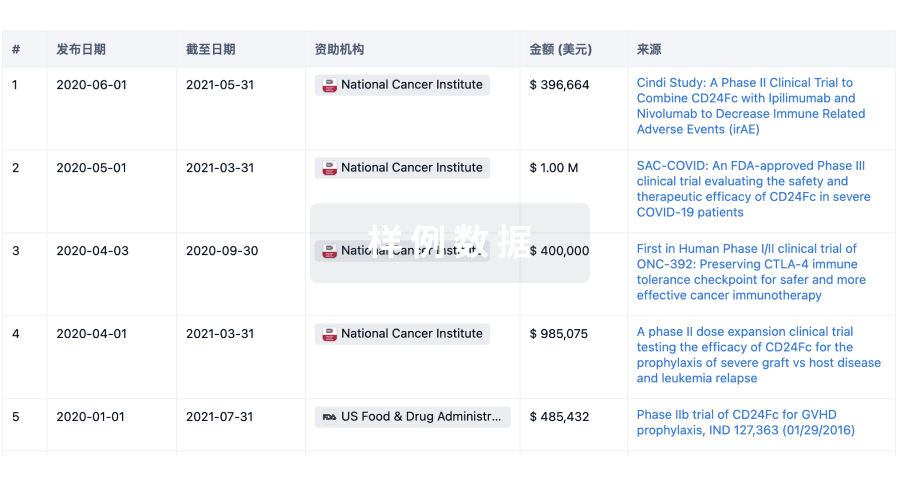
科研基金(NIH)
访问超过 200 万项资助和基金信息,以提升您的研究之旅。
登录
或
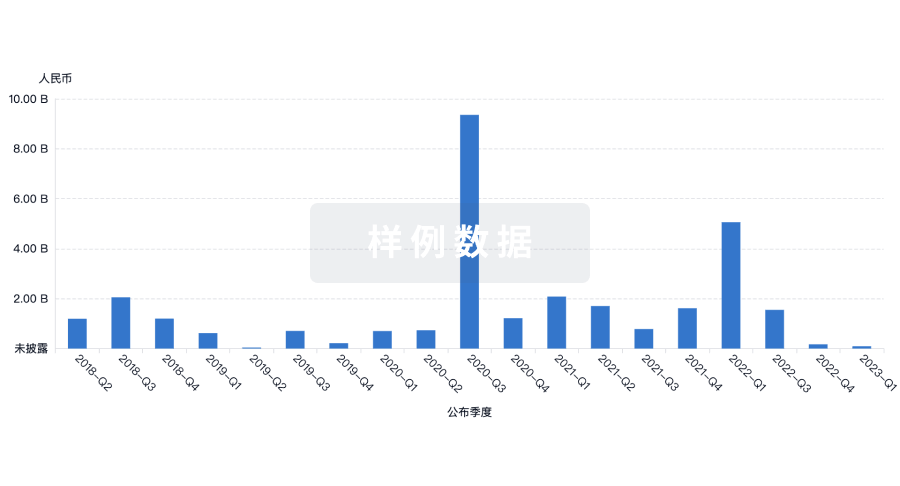
投资
深入了解从初创企业到成熟企业的最新公司投资动态。
登录
或
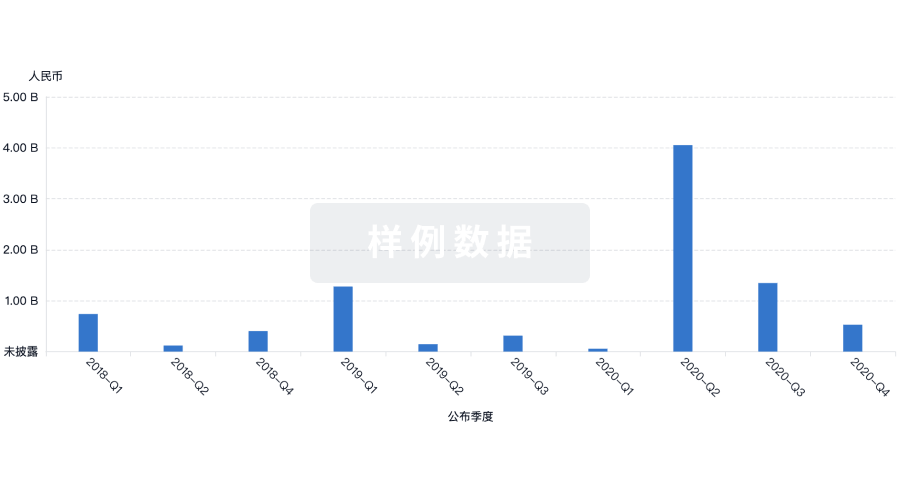
融资
发掘融资趋势以验证和推进您的投资机会。
登录
或
提出任何生物医药研究问题
让每一步生物医药决策都精准制胜
基于十亿级生物数据与全球情报的精准 AI,赋能早期药物发现
立即开始免费试用!
智慧芽新药情报库是智慧芽专为生命科学人士构建的基于AI的创新药情报平台,助您全方位提升您的研发与决策效率。
立即接入生物医药数据包
智慧芽新药库数据也通过智慧芽开放平台,以MCP或API服务形式对外开放。立即使用我们的MCP服务定制您的LLM智能体。
生物序列数据库
生物药研发创新
免费使用
化学结构数据库
小分子化药研发创新
免费使用