预约演示
更新于:2026-09-27

Tibet Cheezheng Tibetan Medicine Co., Ltd.
更新于:2026-09-27
概览
标签
其他疾病
皮肤和肌肉骨骼疾病
呼吸系统疾病
中药
小分子化药
疾病领域得分
一眼洞穿机构专注的疾病领域

技术平台
公司药物应用最多的技术
靶点
公司最常开发的靶点
关联
靶点 |
作用机制 |
在研机构 |
原研机构 |
在研适应症 |
非在研适应症 |
最高研发阶段 |
首次获批国家/地区 |
首次获批日期 |

靶点 |
作用机制 |
在研机构 |
原研机构 |
在研适应症 |
非在研适应症 |
最高研发阶段 |
首次获批国家/地区 |
首次获批日期 |
靶点 |
作用机制 |
在研机构 |
原研机构 |
在研适应症 |
非在研适应症 |
最高研发阶段 |
首次获批国家/地区 |
首次获批日期 |
ChiCTR2600118759
A Clinical Trial to Evaluate the Efficacy and Safety of Shiwei Longdanhua Capsules in Patients with AECOPD (,Syndrome of Phlegm-Heat Obstructing the Lung)

ChiCTR2600116385
A randomized, double-blind, placebo-controlled, multicenter clinical trial of Qingpeng Ointment in the treatment of subacute eczema in children
ChiCTR2500106572
Efficacy and Safety of Tibetan Medicine Liuwei Nengxiao Capsule versus Lactulose for Opioid-Induced Constipation (OIC) in Patients with Malignant Tumors: Protocol for a Randomized, Open-Label, Non-Inferiority, Multicenter Clinical Trial
100 项与 西藏奇正藏药股份有限公司 相关的临床结果
登录后查看更多信息
登录后查看更多信息
2026-06-01Ecology and Evolution
Ensemble Modeling of Shifts in the Suitable Distribution and Ecological Niche of the Alpine Tibetan Medicinal Herb
Corydalis hendersonii Hemsl.
Under Climate Change and Human Activity
Article
作者: Siqi Liu ; Yiheng Wang ; Zhixian Jing ; Yanlei Liu ; Weiwu Chen ; Chuanzhi Kang ; Dehua Wu ; Zekun Zhang ; Ba Qiang
ABSTRACT:
The Qinghai–Tibet Plateau hosts the rare alpine Tibetan medicinal herb
Corydalis hendersonii
Hemsl. The wild resources of
C. hendersonii
are being increasingly threatened by climate warming and intensified human activity. We employed a biomod2 ensemble species distribution model, integrating climatic variables, light/radiation variables, soil‐property layers, topographic variables, and the Human Footprint Index with 75 spatially rarefied occurrence records, to predict the potential geographic distribution and shifts in habitat suitability under SSP126 and SSP585 (2050s, 2070s, and 2090s), climate dependence, human‐footprint effects, and ecological niche dynamics. 10 algorithms were calibrated with pseudo‐absences and repeated resampling, and the high‐performing models (ROC > 0.9; TSS > 0.8) were combined into a weighted ensemble; XGBoost yielded the highest single‐model accuracy. Ultraviolet radiation (UV‐B) was the dominant predictor of suitability, followed by elevation and key thermal‐contrast variables (BIO1, BIO4, and BIO7), indicating strong adaptation to high‐altitude extreme environments characterized by intense radiation, low mean temperature, and large temperature amplitudes. The current high‐suitability habitats are concentrated in Tibet, with limited patches in southern Xinjiang, southern Qinghai, western Sichuan, and northern Yunnan, reflecting a narrow alpine niche. Future projections diverge strongly between pathways: under SSP126, moderate–high suitability is maintained and slightly expanded, whereas under SSP585, high‐suitability areas contract, leading to an overall shift toward higher‐elevation refugia and a northwestward migration of the centroid. When the Human Footprint Index layer was included, high‐suitability areas consistently decreased and peripheral contraction became more pronounced, indicating that climate‐only projections overestimate realized habitat area. Climatic niche overlap remained high overall but declined and fluctuated more under SSP585, suggesting niche displacement under intense climate warming. The results provide a basis for conserving
C. hendersonii
by prioritizing core habitats and implementing targeted management under future climate change scenarios.
2026-01-01JOURNAL OF CHROMATOGRAPHY A
MXene and covalent organic framework heterostructure for efficient extraction of endocrine disrupting chemicals in food
Article
作者: Han, Yangxia ; Zhang, Ying-Shan ; Ha, Wei ; Shi, Yan-Ping ; Huang, Jia-Qi
Establishing highly sensitive analytical methods to monitor endocrine disrupting chemicals (EDCs) is essential to ensure food safety and human health. Herein, we report a nanoarchitectonics approach to fabricate a MXene and COF heterostructure (Ti3C2TX/TAPT-TFTA) via in situ growth of a β-ketoenamine-linked COF on the Ti3C2TX MXene. The Ti3C2TX/TAPT-TFTA exhibits remarkable extraction capacity for EDCs. The extraction mechanism was systematically investigated through experiments and density functional theory (DFT) calculations. Thus, an analytical method of EDCs employing Ti3C2TX/TAPT-TFTA as dispersive solid-phase adsorbent was established, coupled with HPLC-PDA. The method achieved detection limits of 0.003-0.006 μg·mL-1 with a linear range of 0.020-1.00 μg·mL-1, while recoveries of 79.4-109.9 % and the relative standard deviations of 0.1-6.1 %. These results validate the proposed method as a reliable and effective approach for the sensitive determination of EDCs in complex food matrices, such as beef, chicken, and pork samples.
2025-02-01JOURNAL OF ETHNOPHARMACOLOGY
Xinnaoxin capsule alleviates neuropathological changes and cognitive deficits in Alzheimer's disease mouse model induced by D-galactose and aluminum chloride via reducing neuroinflammation and protecting synaptic proteins
Article
作者: Wang, Shirui ; Li, Xia ; Qiu, Xiaojun ; Gao, Wenyuan ; Song, Peijie ; Zhang, Nihui ; Wu, Xipei ; An, Lingzhuo
ETHNOPHARMACOLOGICAL RELEVANCE:
Originally formulated to mitigate high-altitude sickness, Xinnaoxin capsules (XNX) are composed of three traditional Chinese medicines (Rhodiola rosea L., Lycium barbarum L. and Hippophae rhamnoides) with properties of anti-hypoxia, anti-fatigue, and anti-aging. Emerging evidence now suggests that XNX may also offer therapeutic benefits in Alzheimer's disease (AD), highlighting its potential significance in the development of novel AD treatments.
AIM OF THE STUDY:
This study aims to investigate whether XNX improves AD-related behavioral and cognitive deficits by enhancing antioxidant defenses, reducing peripheral and neuroinflammation, and protecting neurons.
MATERIALS AND METHODS:
The AD mouse model was established using D-galactose and aluminum chloride. Spatial memory and anxiety-like behaviors were assessed via the Morris water maze and open field tests to evaluate the therapeutic effects of XNX. Biochemical markers in hippocampal tissue and serum were measured using ELISA kits, while serum chemical composition was analyzed by LC-MS. Histopathological changes and amyloid-β deposition in the hippocampus were examined through hematoxylin-eosin (HE) staining and immunofluorescence. Additionally, hippocampal expression of apoptotic proteins Bax and Caspase-3, anti-apoptotic protein Bcl-2, and synaptic proteins PSD-95 and Syn were assessed via Western blot.
RESULTS:
Behavioral tests demonstrated that XNX significantly improved spatial learning and memory abilities, as well as reduced anxiety-like behaviors in AD mice. XNX also modulated inflammatory cytokines and oxidative stress markers in hippocampal tissue and serum, while reducing amyloid-β deposition. Further LC-MS analysis of serum revealed a marked upregulation of compounds such as adenosine following treatment, with key metabolic pathways affected, including linoleic acid metabolism and phenylalanine, tyrosine, and tryptophan biosynthesis. HE staining and immunofluorescence indicated that XNX ameliorated neuronal damage and decreased amyloid-β accumulation. Western blot analysis confirmed that XNX inhibited neuronal apoptosis and preserved synaptic proteins in the hippocampus.
CONCLUSION:
XNX mitigates AD-induced behavioral and cognitive deficits by enhancing antioxidant defenses, reducing peripheral and neuroinflammation, and protecting neurons. Our findings provide valuable data and a theoretical foundation for the potential therapeutic application of XNX in AD treatment and its further development.
100 项与 西藏奇正藏药股份有限公司 相关的药物交易
登录后查看更多信息
100 项与 西藏奇正藏药股份有限公司 相关的转化医学
登录后查看更多信息
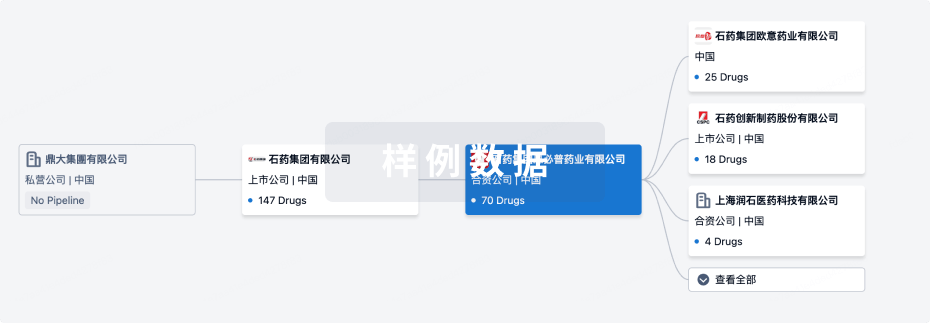
组织架构
使用我们的机构树数据加速您的研究。
登录
或
管线布局
2026年09月28日管线快照
管线布局中药物为当前组织机构及其子机构作为药物机构进行统计,早期临床1期并入临床1期,临床1/2期并入临床2期,临床2/3期并入临床3期
临床申请批准
1
1
临床1期
临床2期
2
1
临床3期
批准上市
3
登录后查看更多信息
当前项目
登录后查看更多信息
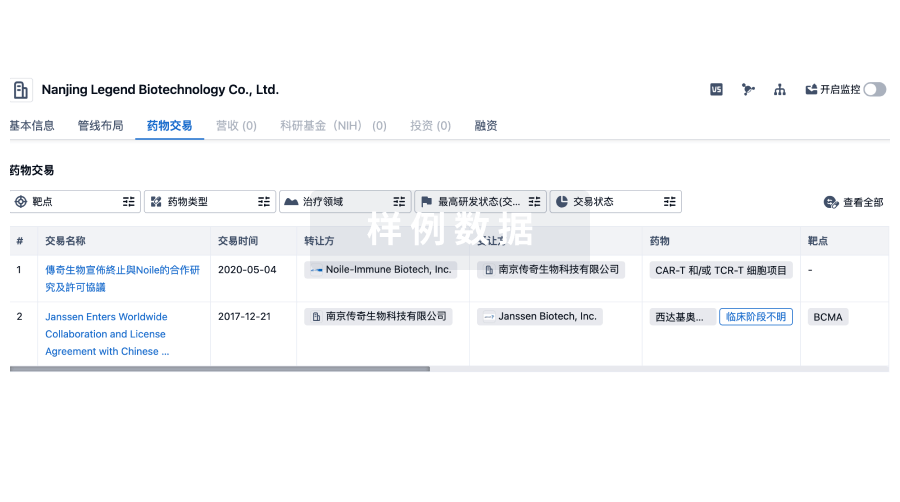
药物交易
使用我们的药物交易数据加速您的研究。
登录
或
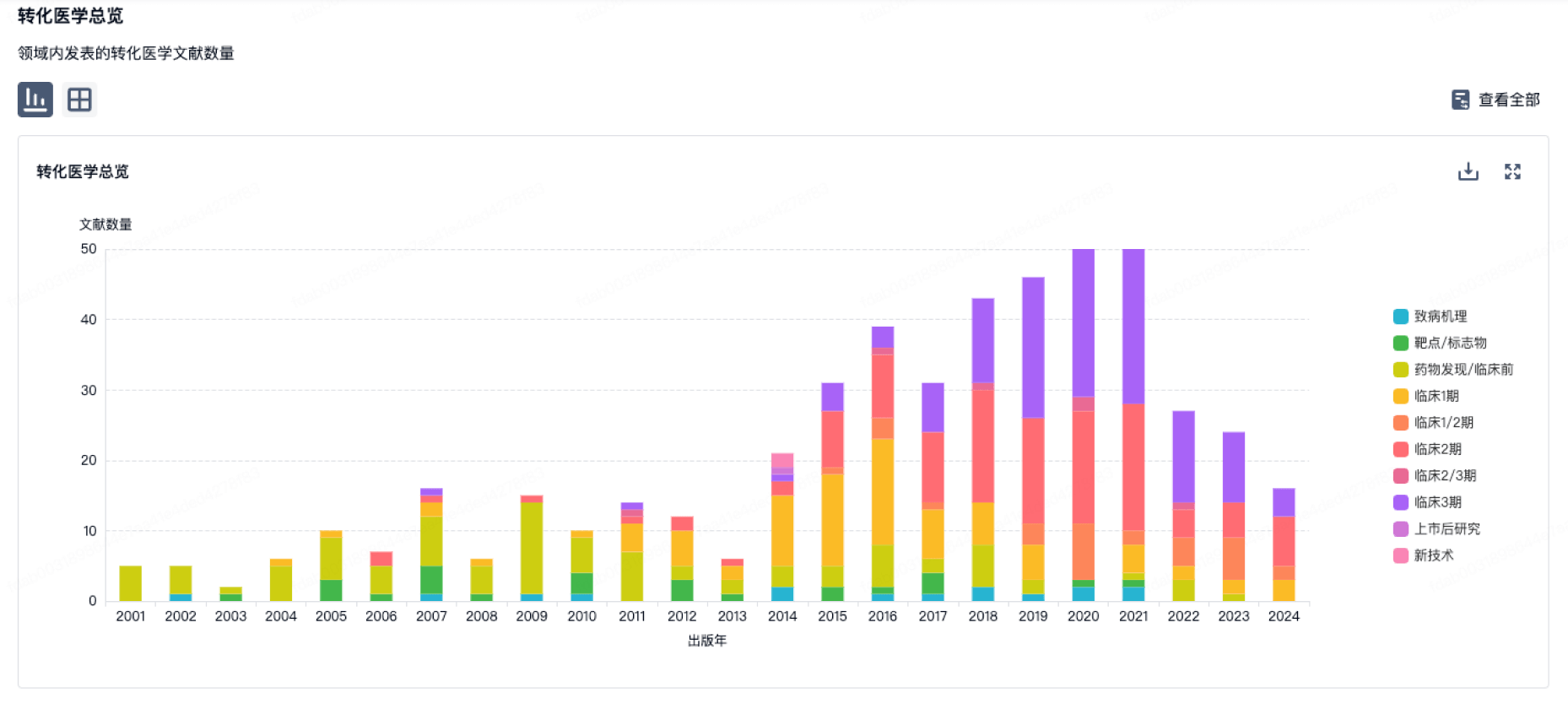
转化医学
使用我们的转化医学数据加速您的研究。
登录
或
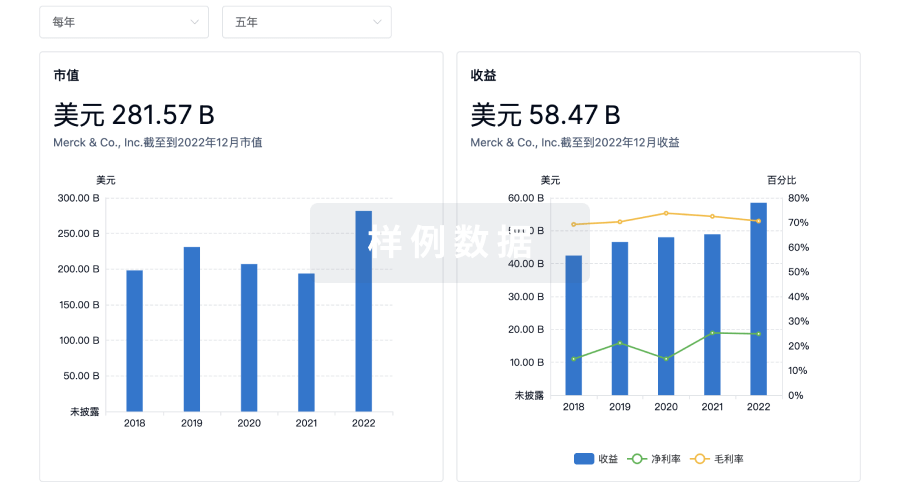
营收
使用 Synapse 探索超过 36 万个组织的财务状况。
登录
或
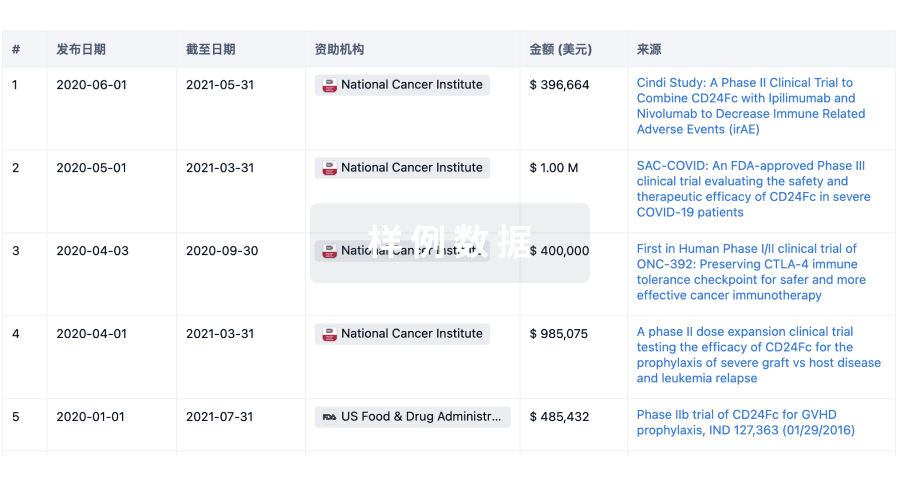
科研基金(NIH)
访问超过 200 万项资助和基金信息,以提升您的研究之旅。
登录
或
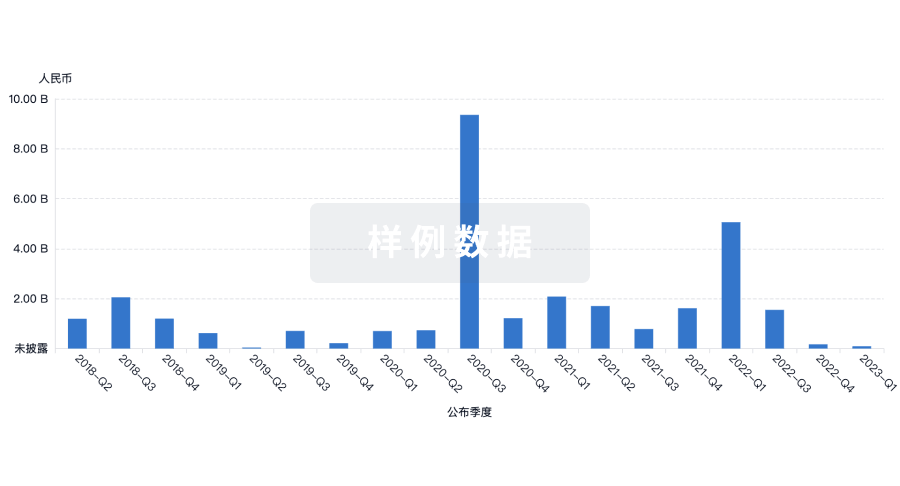
投资
深入了解从初创企业到成熟企业的最新公司投资动态。
登录
或
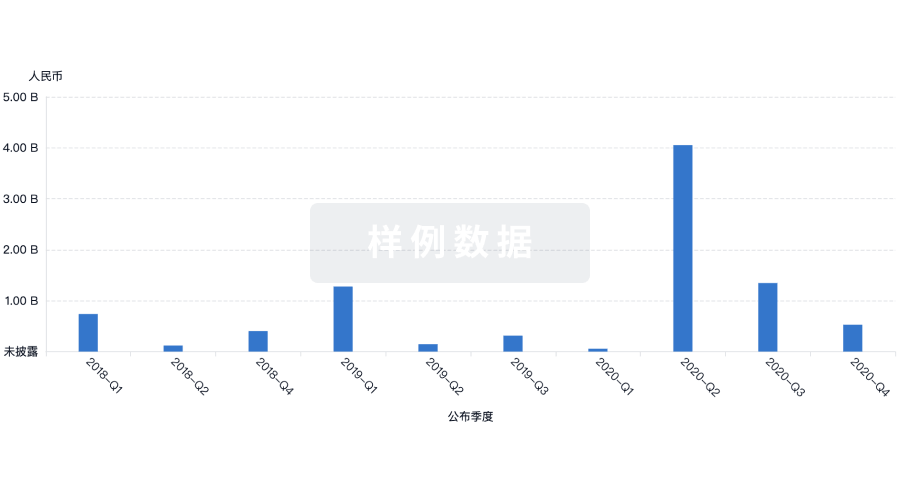
融资
发掘融资趋势以验证和推进您的投资机会。
登录
或
提出任何生物医药研究问题
让每一步生物医药决策都精准制胜
基于十亿级生物数据与全球情报的精准 AI,赋能早期药物发现
立即开始免费试用!
智慧芽新药情报库是智慧芽专为生命科学人士构建的基于AI的创新药情报平台,助您全方位提升您的研发与决策效率。
立即接入生物医药数据包
智慧芽新药库数据也通过智慧芽开放平台,以MCP或API服务形式对外开放。立即使用我们的MCP服务定制您的LLM智能体。
生物序列数据库
生物药研发创新
免费使用
化学结构数据库
小分子化药研发创新
免费使用