预约演示
更新于:2026-06-17
Tianjin University of Traditional Chinese Medicine
更新于:2026-06-17
概览
标签
消化系统疾病
肿瘤
其他疾病
小分子化药
多糖药物
中药
疾病领域得分
一眼洞穿机构专注的疾病领域

技术平台
公司药物应用最多的技术
靶点
公司最常开发的靶点
关联
靶点 |
作用机制 |
在研机构 |
原研机构 |
在研适应症 |
非在研适应症 |
最高研发阶段 |
首次获批国家/地区 |
首次获批日期 |

靶点 |
作用机制 |
在研机构 |
原研机构 |
在研适应症 |
非在研适应症 |
最高研发阶段 |
首次获批国家/地区 |
首次获批日期 |
靶点 |
作用机制 |
在研机构 |
原研机构 |
在研适应症 |
非在研适应症 |
最高研发阶段 |
首次获批国家/地区 |
首次获批日期 |
NCT07551076
Randomized Controlled Study of Electroacupuncture Stimulation at Jing-Well Points for Chronic Disorders of Consciousness Based on Multimodal Assessment
ITMCTR2026000038
Electrical stimulation for the prevention of pulmonary infection complications in patients with severe acute brain injury: A multicenter randomized controlled clinical trial protocol
ITMCTR2026000352
Investigation of Thermal Imaging Patterns in Acupoints of Children with Wind-Heat Invading the Lung Type Cough
100 项与 天津中医药大学 相关的临床结果
登录后查看更多信息
登录后查看更多信息
2026-12-01Asia-Pacific Journal of Oncology Nursing
Self-management of reflux symptoms after esophagectomy in China: A qualitative study
Article
作者: Fu, Yaxin ; Huo, Quanbo ; Zhao, Yuqing ; Zhang, Wei ; Li, Huixia ; Yan, Ling ; Wang, Jing ; Yang, Xiaotong
Objective:
This qualitative study aimed to explore the self-management experiences, expectations, and needs of Chinese patients experiencing reflux symptoms after esophagectomy, guided by the Integrated Theory of Health Behavior Change (ITHBC).
Methods:
Semi-structured interviews were conducted with 18 patients who had undergone esophagectomy, selected via maximum variation sampling. Data were analyzed using directed content analysis based on the ITHBC framework, focusing on three domains: knowledge and beliefs, self-regulation skills, and social facilitation.
Results:
Our analysis identified three core themes reflecting significant gaps in current supportive care: the need for actionable knowledge, as patients struggled with complex medical information and desired simplified explanations, standardized symptom assessment, and long-term risk management guidance; the need for personalized self-regulation skills, with difficulties reported in implementing dietary adjustments, posture management, and self-monitoring due to a lack of tailored guidance; and the need for continuous and collaborative support, as existing support from health care providers, family, and peers was often fragmented or insufficient. These findings underscore a systemic misalignment between patient needs and clinical support, highlighting an urgent demand for more integrated, practical, and accessible self-management resources.
Conclusions:
Significant gaps exist between patient needs and current supportive care practices. There is an urgent need for tailored interventions, including metaphor-based education, structured skill training, enhanced social support, and digitally accessible micro-learning resources, to improve self-management outcomes in this population.
2026-12-01JOURNAL OF PHYSIOLOGY AND BIOCHEMISTRY
Gut microbiota-derived extracellular vesicles: novel perspectives from host-microbe interactions to therapeutic applications
Review
作者: Hao, Hongying ; Yu, Nanjin ; Zhao, Linna ; Zhang, Yunsha ; Han, Yuwei ; Xu, Shixin ; Xu, Wenzhe ; Song, Yanhong ; Guo, Yuying
2026-12-01Asia-Pacific Journal of Oncology Nursing
Development and psychometric testing of the urostomy peristomal skin symptom questionnaire
Article
作者: Zhao, Qiuzhi ; Zhang, Haixia ; Wang, Ting ; Zhou, Yi ; Pan, Zifei ; Wang, Xue ; Xue, Jun ; Fu, Li ; Gao, Shen
Objective:
While current assessment tools for peristomal skin complications (PSCs) provide valuable assessment of clinician-observed signs, a comprehensive understanding of the condition requires the integration of the patient's perspective on their symptom experience. This study aimed to develop and validate the Urostomy Peristomal Skin Symptom Questionnaire (UPSS), a novel patient-reported outcome measure designed to comprehensively assess the symptom experience in urostomy patients.
Methods:
Following established methodological standards, this study was conducted in three sequential phases involving 508 urostomy patients: scale development, incorporating a literature review, qualitative interviews, Delphi expert consultation, and cognitive interviewing; initial testing, featuring item analysis and exploratory factor analysis (EFA); and psychometric validation via a cross-sectional survey to assess reliability and validity.
Results:
The final 29-item UPSS encompasses seven dimensions within two subscales (Symptom Discomfort and Symptom Impact). The scale exhibits strong content validity (S-CVI/Ave = 0.980), good construct validity supported by both exploratory and confirmatory factor analysis, and high reliability (Cronbach's α = 0.881; test-retest intraclass correlation coefficients [ICC] = 0.892).
Conclusions:
The UPSS is a rigorously developed and psychometrically robust instrument that provides the first comprehensive, patient-centered assessment of peristomal skin symptom burden in urostomy care. By enabling the identification of the "invisible" population burdened by specific symptom clusters and their impacts, the UPSS holds substantial promise for refining clinical practice, guiding personalized interventions, and advancing patient-centered outcomes research.
100 项与 天津中医药大学 相关的药物交易
登录后查看更多信息
100 项与 天津中医药大学 相关的转化医学
登录后查看更多信息
组织架构
使用我们的机构树数据加速您的研究。
登录
或
管线布局
2026年10月10日管线快照
管线布局中药物为当前组织机构及其子机构作为药物机构进行统计,早期临床1期并入临床1期,临床1/2期并入临床2期,临床2/3期并入临床3期
药物发现
6
26
临床前
临床2期
3
1
其他
登录后查看更多信息
当前项目
登录后查看更多信息
药物交易
使用我们的药物交易数据加速您的研究。
登录
或
转化医学
使用我们的转化医学数据加速您的研究。
登录
或
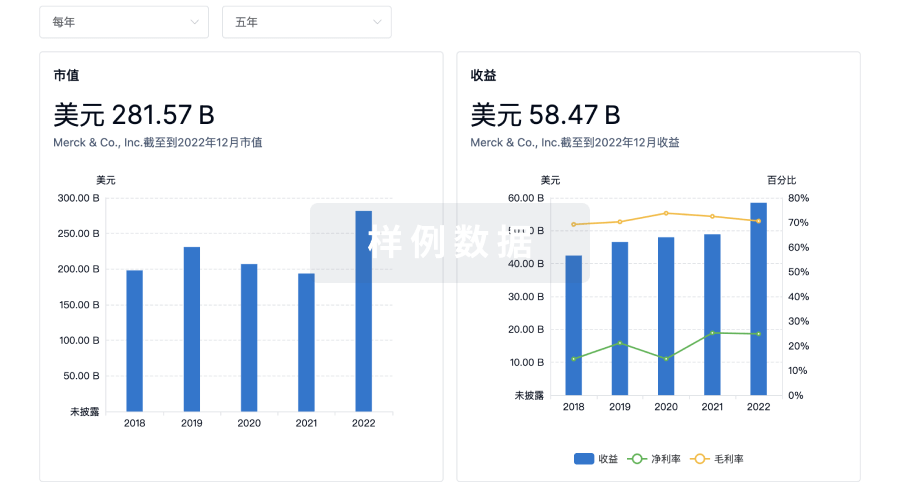
营收
使用 Synapse 探索超过 36 万个组织的财务状况。
登录
或
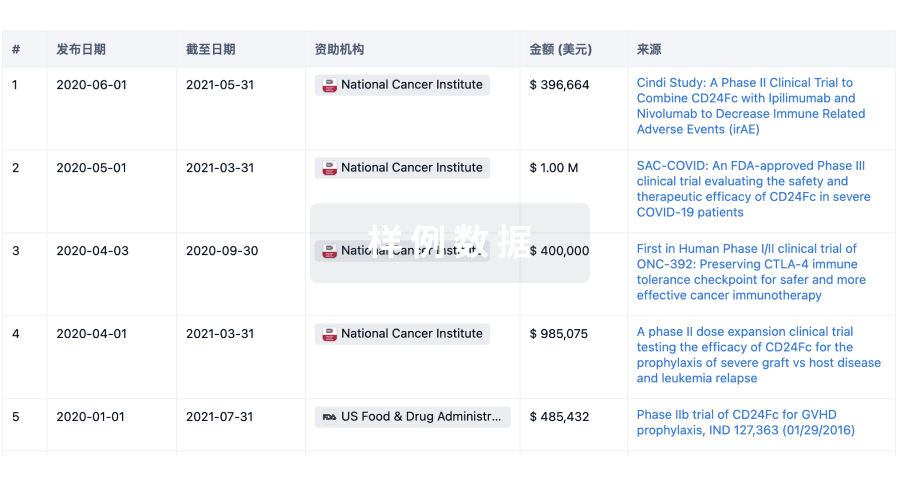
科研基金(NIH)
访问超过 200 万项资助和基金信息,以提升您的研究之旅。
登录
或
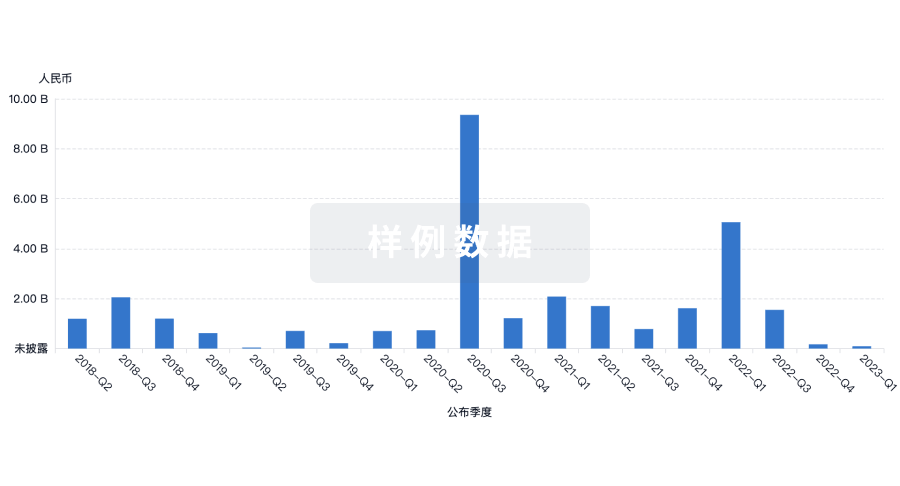
投资
深入了解从初创企业到成熟企业的最新公司投资动态。
登录
或
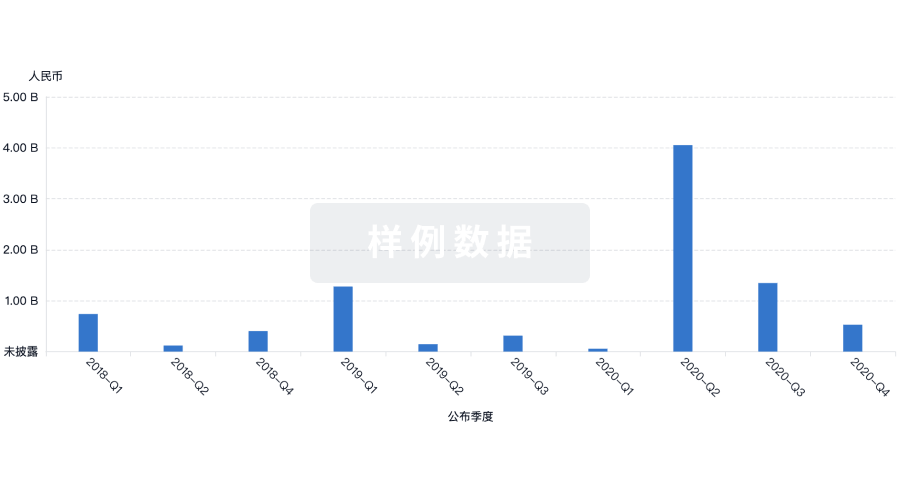
融资
发掘融资趋势以验证和推进您的投资机会。
登录
或
提出任何生物医药研究问题
让每一步生物医药决策都精准制胜
基于十亿级生物数据与全球情报的精准 AI,赋能早期药物发现
立即开始免费试用!
智慧芽新药情报库是智慧芽专为生命科学人士构建的基于AI的创新药情报平台,助您全方位提升您的研发与决策效率。
立即接入生物医药数据包
智慧芽新药库数据也通过智慧芽开放平台,以MCP或API服务形式对外开放。立即使用我们的MCP服务定制您的LLM智能体。
生物序列数据库
生物药研发创新
免费使用
化学结构数据库
小分子化药研发创新
免费使用